
Lost in my own city

I can manage to find gold in a cigarette
Bet you didn’t know that, did you?
I’ll teach you how, but you must swear on your hometown
You’ll never have the nerve to tell another soul
Ok

Are you ready?
The trick is simple as pie and twice as sweet
First off, be born
You may think you’ve got that one down already
But unless you came here through the wrung-out sorrow of you father blasting into your
mother’s womb
You’d be mistaken

Second
Learn everything this world has to offer, quickly as you can
Don’t bother fact-checking, you know your friends in big media aren’t here to lie to you
Third
Find out the truth
You feel that don’t you?

The loss of every direction you thought you new
But its still somehow beautiful outside
Now go buy that first cigarette
You can thank me later
Category Archives: CHAOS
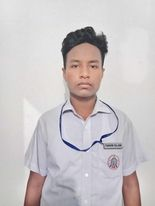
Poetry from Tanvir Islam
The Best Friend

A best friend, a treasure, so rare to find,
In the tapestry of life, they're one of a kind.
A confidant, a partner in laughter and tears,
Through the passage of time, they calm our fears.
In their presence, we're our truest selves,
No need for pretense or hidden bookshelves.
They know our quirks, our dreams, our flaws,
In their embrace, we find life's greatest applause.
A best friend's a compass, pointing the way,
Through the labyrinth of life, come what may.
With them, every moment feels so sublime,
In the story of our lives, they're a cherished rhyme.
They celebrate our victories, share our defeat,
A bond so profound, it cannot be beat.
In the world's chaos, they're a steadfast guide,
Walking together, side by side.
So raise a toast to the best friend so dear,
In their friendship, there's nothing to fear.
Through the ups and downs, they'll always be,
A cherished part of our soul's tapestry.

Tanvir Islam is a student of grade 9 in Harimohan Government High School, Chapainawabganj, Bangladesh.
A. Iwasa reviews Signal: 01 A Journal of International Political Graphics, edited by Alec Dunn and Josh MacPhee
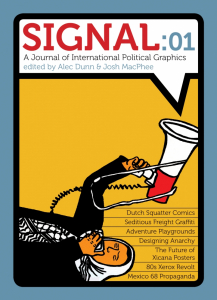
Reviewed by A. Iwasa
The first issue of Signal starts with the words, “SIGNAL is an idea in formation. “It is a response to the myopia of the contemporary political culture in the United States, our blindness to most things beyond our national boundaries, and our lack of historical memory.”
When Signal first landed on my radar, I assumed the editors were just going to phone it in with a well curated, coffee table style art book full of sexy Leftist propaganda images like those from the Spanish Civil War. That written, I was still amped about it but I couldn’t have been more wrong. Since its inception, Signal has been an examination of how the arts play a prominent role in enforcing the status quo, though also serving a similar role as part of social change movements attempting to undermine the way things are. It’s exactly the sort of material I was practically dying for in 1999 as I pivoted the focus of my creative work from making music and writing lyrics to do doing ‘zines.
I’ve found a great deal of the material printed on questions about the role of the arts in social change movements to be lacking for the most part. But folks with Signal hit the ground running, by framing some of these questions in larger contexts, such as in this issue by interviewing a Xicana print making project’s three members, the Taller Tupac Amaru collective, interspersing their artwork with photographs.
“I think about it in terms of evaluation. I’ve been asking, ‘Is my work really making an impact?’ And then I’ve been taking a couple of steps back and wondering if I’m even asking the right questions,” said Melanie Cervantes, a member of the Taller Tupac Amaru collective as their conversation moved from arts education, work under capitalism, social movements both mass and highly localized, and much more.
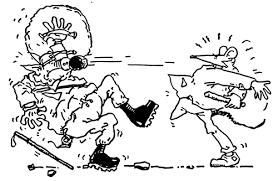
This was followed by an interview with a long time Dutch punk vocalist and comic artist, Johannes van de Weert.
Afterwards is a photo essay of freight train graffiti, something I’ve long enjoyed as the merger of two of my favorite things. It’s all art by IMPEACH from the crew ALB, that took its name from the Communist Party’s Abraham Lincoln Brigade who fought the fascists in Spain during their civil war. This is actually the second time the Spanish Civil War has come up in the text: Johannes van de Weert did a comic called No Pasaran about Dutch anti-Fascist volunteers who fought in the war.
The following interview adds to Signal’s internationalism, but also even further depth by bringing in a veteran of the 1968 Mexican Student Movement, Felipe Hernandez Moreno, a printmaker who had been involved with Grupo 65. The interview is heavy for a number of reasons, but I think perhaps most important are his descriptions of Grupo 65’s organizational forms as they produced posters that were illegal, and put themselves at tremendous risk posting and distributing them, themselves. It’s not hard to imagine a future US where this sort of information will be invaluable. Here I can’t emphasize enough, all of the interviews and articles are interspersed with top notch visual art and/or photographs. It’s sharply laid out and engaging.
Next is an essay about adventure playgrounds, child built playgrounds that emerged in Copenhagen during the German occupation of World War II, with the Emdrup playground started by the Copenhagen Workers’ Co-operative Housing Association. The essay compares and contrasts how children relate to the formal settings of conventional playgrounds vs. the DIY aspects of adventure playgrounds.
This issue closes with an interview with the primary cover artist of Anarchy: A Journal of Anarchist Ideas, Rufus Segar. The journal went from 1961-’70, so as you can imagine, Segar has some good stories about working in the era’s art industry, volunteering for the journal on the side, printing, and the creative process in general.
When PM Press sent me the complete run of Signal, I originally thought I’d review #8 standing alone since it was new, and try to do an overarching deep dive about the first seven. But these journals are too good and need individual attention.
They can be ordered here from PM Press.
Synchronized Chaos September 2023: A Commemoration
First of all, we have a few announcements.
October’s issue will be curated by Kahlil Crawford and has the theme of ELECTRONICA: Sound Medicine. This includes pieces about electronic music, pieces about the intersection of art, creativity, technology and healing, or electronic music composition itself.
The Electronica issue will be published October 1st and people may submit for it anytime this month. Please feel welcome to send submissions to synchchaos@gmail.com with ‘Electronica’ in the subject line. Our September 15th issue will come out as usual.
Also, our contributor Roodly Laurore, who sends us poems from his homeland of Haiti, would like to share a link with our magazine. His family volunteers with a nonprofit Haitian school seeking sponsorship for their elementary students. $40 USD can send a student to school for an entire year.
Now, for September 2023’s first issue! Our theme is A Commemoration. As a magazine, we’re commemorating fifteen years of existence, as we published our first issue in August 2008. Our first theme was Creating Abundance Through Imagination.
In this month’s issue, some of our contributors honor loved ones or special occasions, but everyone who writes or creates art is making a commemoration in some way, placing some of their work out in the universe.
Adhamova Laylo Akmaljon describes pilaf, the national dish of Uzbekistan.
David Estringel relishes his world: lightning storms, poetry slams, even funerals and lost loves ruined like ice cream left out too long on the counter.
Dr. Shailesh Gupta Veer’s speaker seeks unity with his loved ones and with the natural world and expresses this ecstasy in bursts of poetry. Sayani Mukherjee speaks of how the very atoms of her body are part of a much larger and sanctified universe.
American poet James Penha expresses the dislocation and wonderment of his trip to Bali through a series of haikus concerning birds and waves and trees. J.D. Nelson probes the world in tiny poems that give the effect of peering over the edge to catch a glimpse of something mysterious. Daniel De Culla adds a bit of mystery to his work by superimposing a butterfly on older and newer photographs of people. Jim Meirose creates a carnivalesque atmosphere in his surreal piece about games activated via coin slot.

Don Bormon takes pride in the wondrous world around him, the natural and human beauty and heritage of his native Bangladesh. Abdullah Al Mamun celebrates the beauty of nature and reminds us to respect the natural world. Monira Mahbub speaks to and draws the beauty of ordinary life in a small country village close to nature. Channie Greenberg celebrates nature through her selection of photographic closeups of a variety of white flowers.
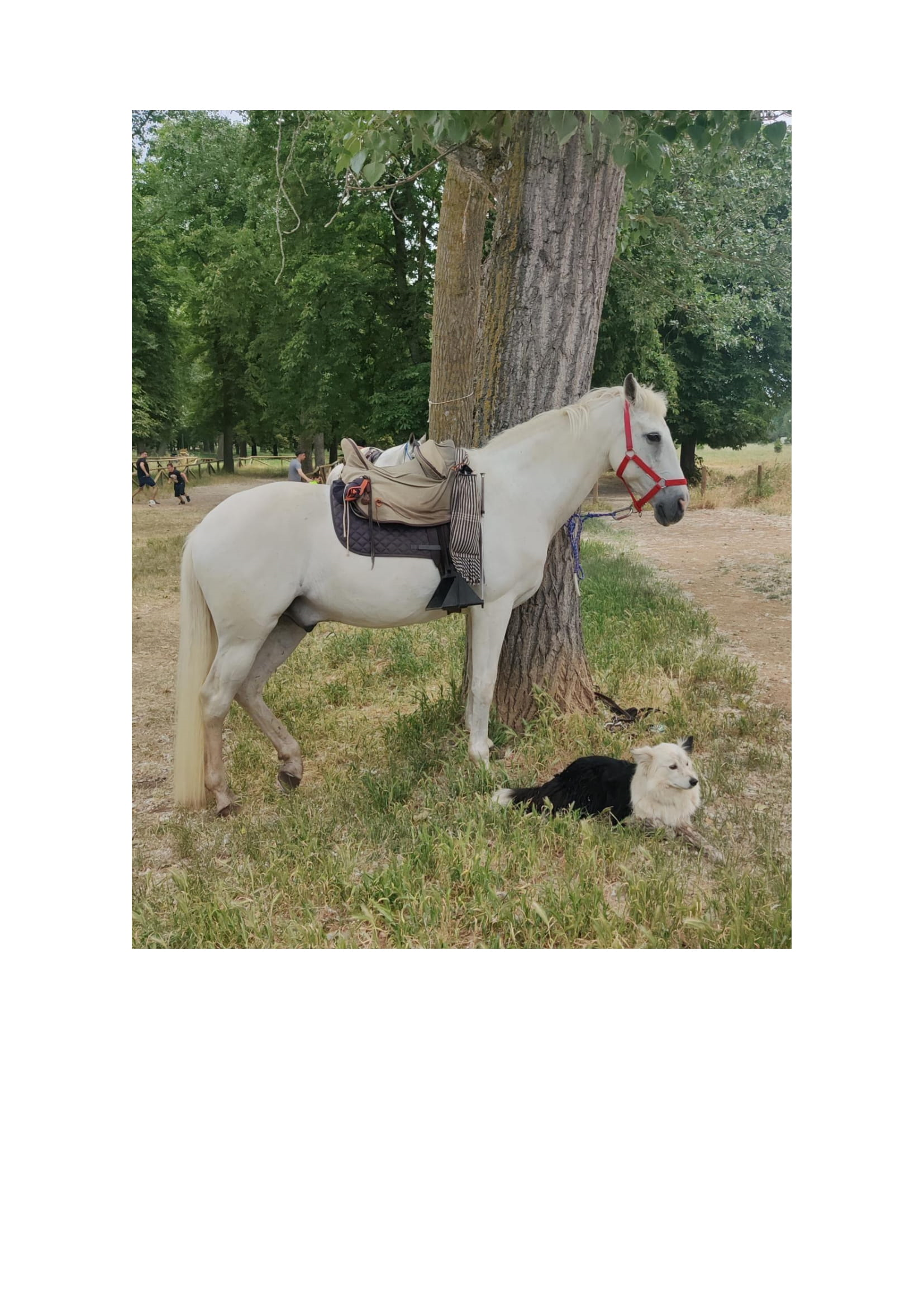
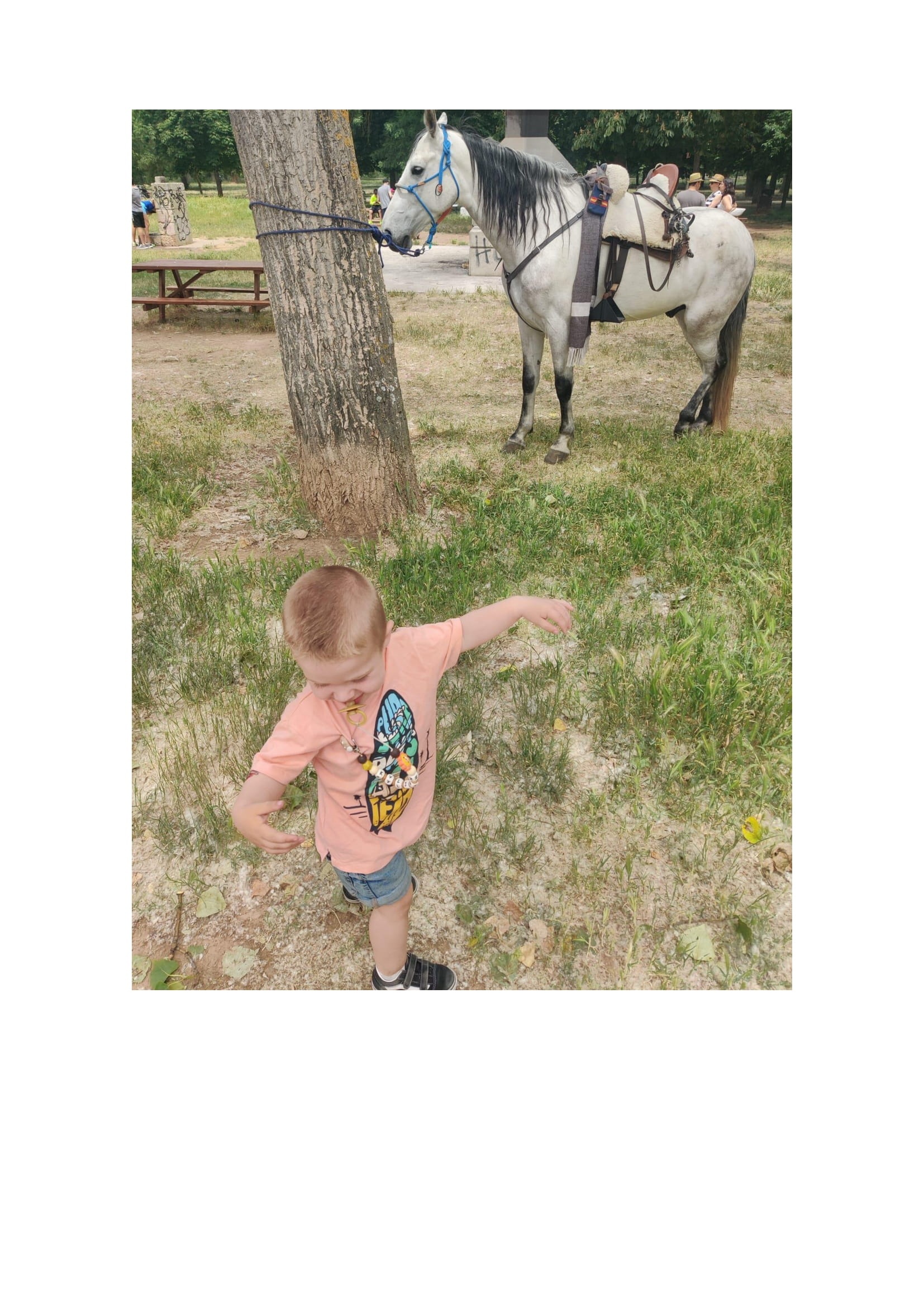
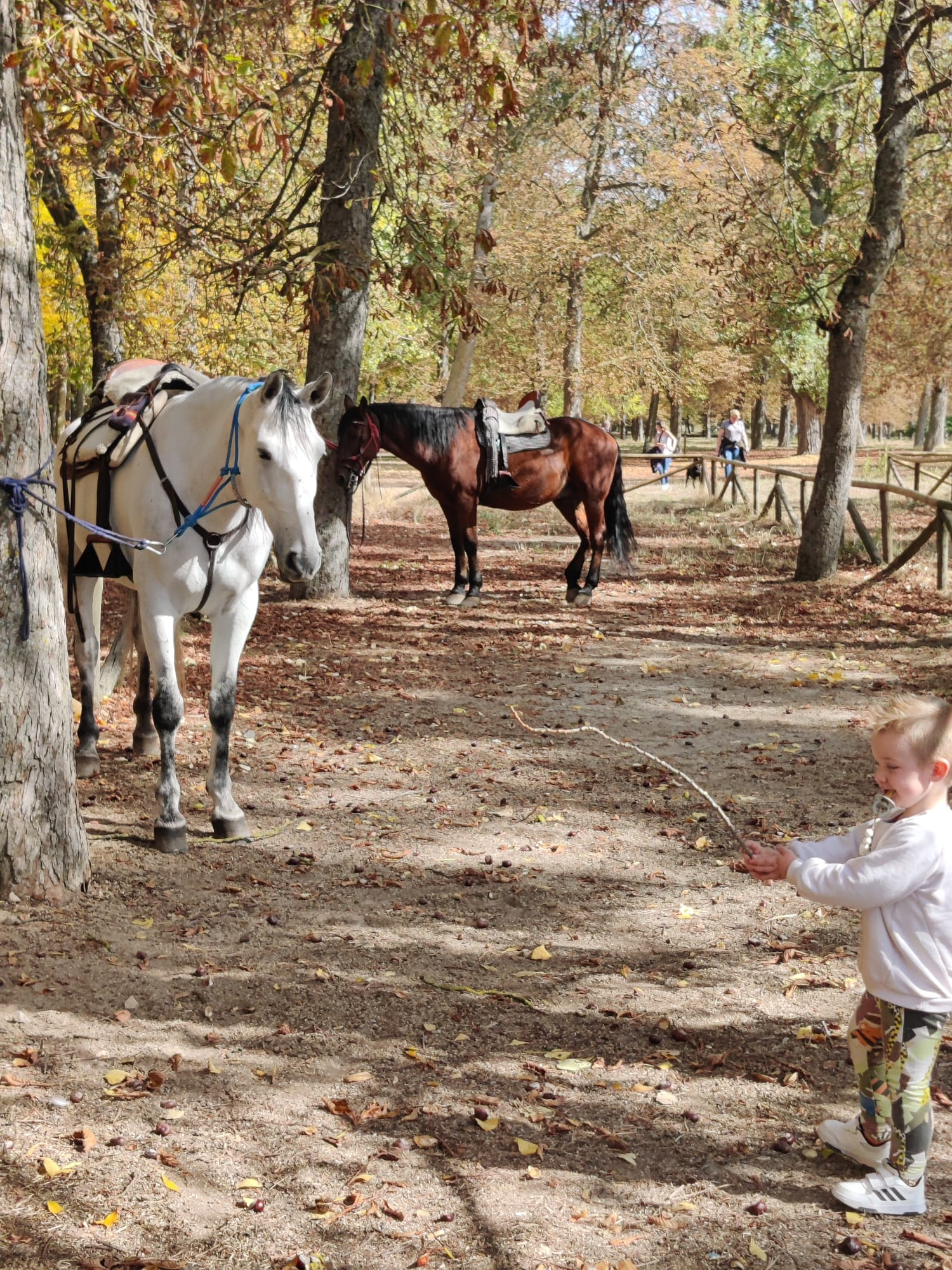
Isabel Gomes de Diego highlights the majesty of our world through photos of her young son with some lovely horses. She takes joy in her family as much as in nature.
Tanvir Islam highlights the love, kindness and support of his mother while Bakhora Bakhtiyorova outlines the many ways her mother has enriched her life. Nilufar Tuktaboyeva illustrates the unconditional love of parents and the sacrifices they make for their children.
Carol Pierce illustrates how a grandmother continues to teach compassion to younger members of her family even while in a physical rehab facility. Mr. Ben speaks to how parents and teachers need to give children proper guidance on how to behave, in his new book Don’t Be Stubborn.

Wazed Abdullah reflects on the educational guidance he receives at school. Mantri Pragada Markandeleyu also outlines methods for improving education through graphic design principles in his essay on “Choism.”
Lily Erkinova Nilufar also turns to principles of design to suggest ways to improve the tourist experience, and thus the economic development, of Uzbekistan. Mantri Pragada Markandeleyu’s mixed media pieces interpose American cinema glamour with life lessons on ethics, wisdom, and success.
Nurujjaman speculates on what he will become when he is an adult and finishes school.
Abdul Aziz Muhammad Inuwa speaks to the creative life force behind the pen of a poet. Mark Young’s postwoman poems address the random gifts people and life bring that can inspire an artist. Gustavo Galliano imagines that he’s being watched as he works, and this supposed mysterious figure becomes his muse.
Eva Petropoulou Lianou compares the thoughtful process of crafting a poem to a romance, while sharing the difficulty of holding onto high ideals in a world where not everyone shares them. Stephen Jarrell Williams contributes pieces replete with cyber and supernatural dangers and urges us to remember the values we knew when we were young to navigate a changing world. Annie Johnson recollects the idealism of her early childhood and the hazy early mornings next to her true love.
Jerry Langdon’s poetic speakers feel themselves dissolving, as they lose valued relationships that made them who they were or their sense of uniqueness as artificial intelligence supplants them. Rus Khomutoff’s work feels disorienting, yet reflects and spurs us on towards seeking authentic truth and becoming our real selves.

Marjorie Thelen’s spiritual poetry encourages us to leave behind ideas about God/Goddess and experience the divine and spiritual awakening for ourselves as part of a universe full of many similarly awakening beings.
Rasheed Olayemi reminds us that true religious faith should inspire love of others rather than sectarian hatred.
Abdullah Al-Mahin writes of a person who has intelligence and perhaps a form of wisdom, but lacks love and compassion. Christopher Bernard finds no vindication, but only sorrow, and pity for the man and for our world, in the mug shot of former American president Donald Trump.
Mykyta Ryzhykh probes the selfishness and inhumanity he sees in contemporary life and urges us away from various forms of illicit power and exploitation.
Mahbub Alam suggests with two poems that the world’s inhabitants can either connect together or divide with conflict. Ekpenisi Nwajesu’s poetry offers advice on how to survive both internal and external conflict and suggests that people experience both during wartime. Roodly Laurore illustrates an argument between neighbors that de-escalates when adults pay attention to the wisdom of children.
Ayodeji Michael Adeboboye interviews Nigerian political leader Jimoh Ibrahim about statecraft and national defense and peacemaking in the country.
Daniel Aondona’s fantasy tale illustrates the negative consequences of arrogance and selfishness in the life of a leader: pride goeth before a fall. Henry Ikechukwu’s supernatural action drama illustrates the violent and alienating effects of homophobia and the possibility of future survival and triumph.
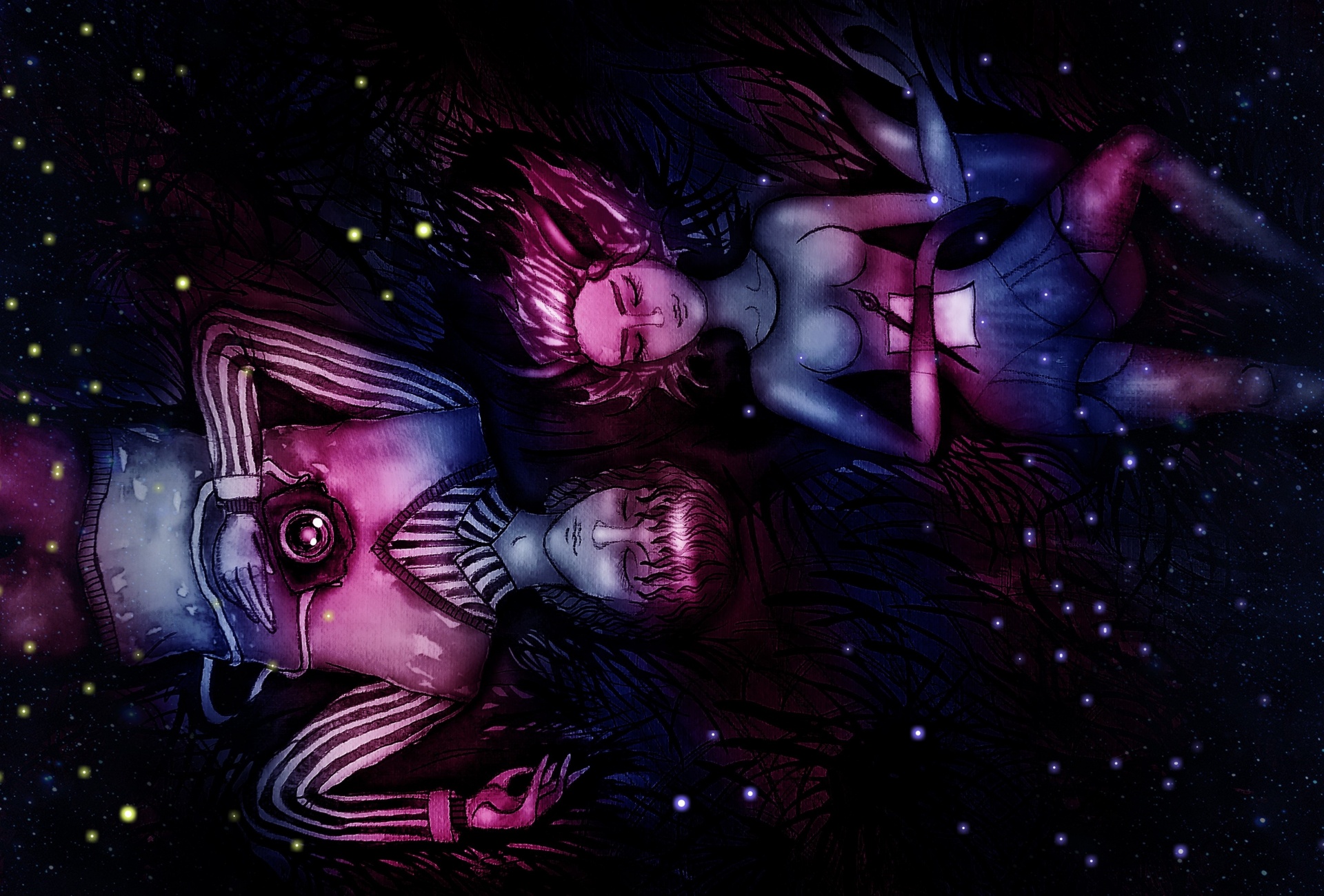
Mesfakus Salahin compares a romance to an epic drama, a dream fantasy that becomes real life.
Akhlina Ankhi presents a picture of a true and devoted romantic love that inspires a couple to work for justice and unity throughout the world. Sharipova Zuhro Sunnatovna evokes the beauty and renewing power of caring and nonjudgmental friendship and of rain. Shamsiya Khudoinasarova Turumovna illuminates the intensity of romantic passion while Elmaya Jabbarova highlights the wonderment of sincere love. Kristy Raines speaks to the way love not only welds a couple together but also burns away anything that could be a distraction to that connection.
John Edward Culp demonstrates how love, or friendship, can lift him up and call him back to himself on a bad day. David Estringel relishes the physical side of passion in his upcoming poetry collection Blue, reviewed here by Cristina Deptula. Taylor Dibbert highlights the unconditional love of his dog.
Leslie Lisbona reflects on a romance that fizzled out due to its inopportune timing and anti-Semitism.
J.J. Campbell muses on the persistence of his youthful dreams as he experiences gritty and cynical middle age. Duane Vorhees cleverly illuminates the limits of our heroism, language, and knowledge.

Sabrid Jahan Mahin muses on the brevity of life while Azemina Krehic remembers a personal loss in the time of great national grief in the Balkans. Manzar Alam grieves a young loved one who passed away. Francesco Favetta compares life to the sea, constantly roiling in motion and bringing change and grief, and takes comfort in his mother and his family.
Through her eaglet and lamb poems, Lilian Dipasupil Kunimasa exposes the danger and vulnerability inherent in our existence as well as the unnecessary cruelty we face at the hands of others. In his discussion of H.G. Wells’ novel The Time Machine, Z.I. Mahmud suggests that it is change and challenges in our environments that push us to evolve and become creative.
We hope that the experience of reading this issue pushes you to become your best and most creative self. Enjoy!
Photography from Isabel Gomez de Diego
Poetry from Stephen Jarrell Williams
"STITCH POEMS"
A gathering
into a column...


(1) "Your Stance"

Locked in
on probable concerns
forming in all directions
encircling

your soft bed of day-years
and night safety
suddenly
eroding from the hyper news
and prediction gurus
growing like pandemic copycats,

coming down
the far edge of most streets
closing in
on deserted gas stations
and gangs too tired
to steal anymore of anything...

The radical Beat Armies
with new laws
tattooed on their near nude bodies,
marching with signs,
sharp nails and wrist cameras
blaring out orders by some Ai chamber-
"We are here to help by correction!"

You almost pop a cell
just thinking about it...

You stumble to the bathroom,
turning on the light,
but the mirror remains dark...

"How do I escape from so much hate?"

Then it hits you like a smooth left hook...

Your stance is wrong.


(2) "Rampage"

And in
our dreams,

swallowing grief,
kids crying

with no one
stopping

the Animal Rex
breaking out of his drain,

from the underground
pit,

on a rampage,
thousands of years pinned in...

Drones watching,
whipping low for a shot,
Video Voodoo...

Too many accepting
what they see is
almost the truth.

This dream is
that dream
changed by a computer handler
and what their alignment wants...

A computer is
not human,
but can it overcome
blood?

Rampage,
too many venturing in
these last days
but not in the Word of Truth.


(3) "Inflated 666"

They've been under us
years

a giant
click wad
paid well

working on secrets
not understood
by them and us

only a few knowing
the end game

sinister poke-holes
connected by live wires

sparking
for a spanking
mankind

the Devil
Son
and Mr. Clean

they will lead
the stupid

ego freaks
into the valley of phoney gold
hard mush
and holes in their concrete thongs.


(4) "Decisions"

You manage to think
ignoring or sucking it in?

The Mega Media...
fake wings
dripping deodorant bombs.

When will you speak
out
and mean it?

Flutter drones flying over
and peeking in your window...

You occasionally read
an old book
before they rewrote it.

Decisions
waiting on you
and who to pray with....


(5) "Baking Bacon"

Beat the drums in your sewer tunnel,
echoing under all the city wrap...

Heard them dancing deep in the spiraling
down where the masses of the underworld
creep and pretend they don't know
who they are and the hell they believe.

Sorry for them
but they chose their upside-down peak
and will burn in the stink.

Their lottery of billions of Bozos
with their bubbled noses
laughing as their makeup runs with tears.

Salty tears
sandy rears
from sitting in the desert
too lazy to take a walk
complaining
about the faults of everyone else...

Gads
what a mix of kaleidoscope pigs
cooking in their own bacon.


(6) "When You Knew"

And then the slap...
Snap out of it!

Jumble of words...
Eye opening and maybe a giggle.

But you're still in it...
The world breeding
into a darker place.

It's happening everywhere
to everyone.
You too.

Time to change
back into a child,
when you knew right from wrong.
Poetry from Elmaya Jabbarova

Unforgettable Loves

Love lived from afar to afar,
Like an angel sent from the divine,
Neglect it not, for someone's worth,
The beat of your heart, the breath in line.
Daytime's dream within your gaze,
Bestowing moonlight upon the night,
Should the dream fade, unheard it be,
A sigh of that moment, taking flight.
Love known in this world as ardor,
A matchstick tending a hidden flame,
Embers untouched, unburned by time,
Desires held close, their passions untamed.
Life written together with her by your side,
Both a reality and dreamscape combined,
When you find your place, cease to wander,
It's the honeyed voice you've longed to find!

05.08.2023.

Elmaya Jabbarova - was born in Azerbaijan. She is poet, writer, reciter, translator.
Her poems were published in the regional newspapers «Shargin sesi», «Ziya»,
«Hekari», literary collections «Turan», «Karabakh is Azerbaijan!», «Zafar»,
«Buta», foreign Anthologies «Silk Road Arabian Nights», «Nano poem for
Africa», «Juntos por las Letras 1;2», «Kafiye.net» in Turkey, in the African's CAJ
magazine, Bangladesh's Red Times magazine, «Prodigy Published» magazine. She
performed her poems live on Bangladesh Uddan TV, at the II Spain Book Fair 1ra
Feria Virtual del Libro Panama, Bolivia, Uruguay, France, Portugal, USA.