Poetry from Cyril Erchev

Wings of Dreams

You are the eternal light

of the night…

where you imprison the magic

of your dance…

That vibrates in your body

and in your destiny.

Where you carry the mysticism

on your bare feet…

The flowers and the silence

embrace you with the

sowing…

So that the flame of your love, which crosses

your world

to transmute it

into millions of stars

where you can illuminate

the entire UNIVERSE, may never be extinguished!

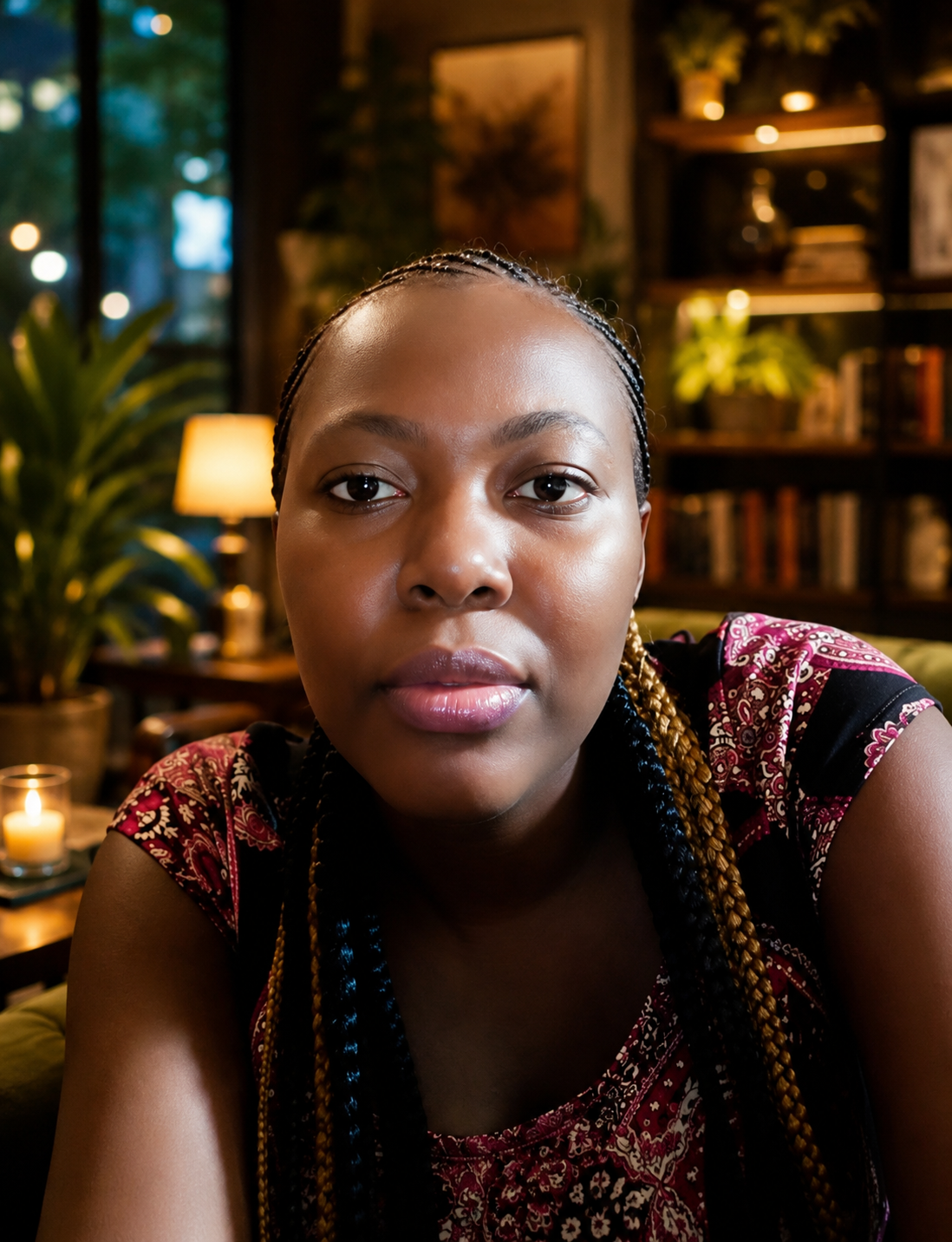
CYRIL ETCHEV, pseudonym of Elvira Cirila Etcheveste, was born in the city of Gualeguaychú, Entre Ríos. She studied at School No. 4, Gervasio Méndez, and became a teacher at ENOVA. She taught in Islas del Ibicuy, Entre Ríos, and in Buenos Aires: Necochea, Quequén, and Mar del Plata. She is a Professor of Language and Communication Sciences, with a degree in Language and Literature. She specializes in Reading, Writing, and Education, and has completed national and international postgraduate studies. She is an independent researcher of the works of Cortázar, Borges, and Chekhov. She is an International Ambassador of the Word (Quero, Toledo, Spain) and a World Ambassador of Culture (Tarija, Bolivia). She is a Distinguished and Illustrious Citizen in cities in Argentina and Bolivia. She has directed plays for children and young people, as well as adult storytelling performances. Founder of Literature Clubs: Little Prince, The Blue Heron, and The Bicycle.

Published books: She Tells, The Book That Speaks, and Amara, the Eyes of Time. Essay and profile magazine: The Blue Heron. Attends Writers’ Meetings and National and International Book Fairs. Has given lectures on Latin American authors in theater, art, and literature. Edited the book: The House on San Juan Street and Other Stories. De Los Cuatro Vientos Publishing House. San Telmo, Buenos Aires. Tucumán Park Editions: The Women of the Earth. She pro bono promotes Latin American stories among children, young people, and adults in cultural centers, libraries, and institutes. She collaborates on anthologies with the group: Together for Letters: THE IMMORTALS on the Web, in ArtePoética, the cultural magazine THOTEM, and in Weaving International Brotherhood: with essays and short stories. Dr. Mirta Ramírez, Chaco, Argentina. Translated into thirteen languages. She is invited to read, present, teach classes, and give lectures to all countries via streaming networks: YouTube and Facebook. She also appears simultaneously on radio and YouTube. She has been an active writer at Mercosur Congresses since 2020. President: Professor Zulma Nicolini, Gualeguaychú, Entre Ríos. In Mar del Plata, she belongs to the Ibero-American Society of Poets, Writers, and Artists (SIPEA). From Mexico, she represents the International Book Confederation. Presidents: César Salvatierra and Alan Morales from Peru. Coordinated by Cultural Ambassador Julio Gorenaud for the world.

She receives distinctions as a writer and cultural promoter from the Organization for the Defense of Peace and Art AWARD THE BEST World Federation of Women Grand Masters. Presidents: Elena Paniagua and Nora Miranda at the Palace of the Buenos Aires City Legislature. The International Mendoza Condor Award/Presidents: Guillermo Salinas and Adela Cornejo. She receives the Silver Seagull Award/The Knight Errant/Dr. Princess Alexandra of Easter Island. Dr. J. Manuel Equihua Estrella International Literature Prize from the International Cultural Collective, Universal Poetic Utopia USA Branch, and the International Program of Virtual Tributes to Living Artists. Selected among the 100 writers of Ibero-America and the Caribbean by EDITORIAL HISPANA USA, Atlanta, Georgia, 2020.

She has numerous publications in anthologies from Argentina to the world. MSADEI Diplomas of Honor. J. PAYRÓ, Dr. Jorge Citrángolo Casal. Mercedes, Buenos Aires, Argentina. Sworn in as a writer at the “Monument to the poet Alfonsina Storni” in Mar del Plata, Buenos Aires, by Dr. Jorge Citrángolo Casal. She is a member of the National Society of Writers (SADE) and the Gualeguaychú branch in Entre Ríos, Argentina. She donates books of her authorship to the Domingo F. Sarmiento Library in Gualeguaychú, Entre Ríos, the National Library, the Library of Congress, and the Library of the Legislature of the Autonomous City of Buenos Aires, as well as to schools and museums she visits. In 2025, she published Romance de la Sirena, followed by the publication of BORGES, nació con el Tango (Borges, Born with Tango).
Poetry from Mykyta Ryzhykh

Time

thoughts were silenced

misfortune befell the leaves

autumn crept up 

The desert

The grass smells of sweaty paints mixed with wolfish yawns and dirty fur

I kiss the grass of your leafy hands and try to warm them with my tired hands

But you fade like a candle of sunlight on the eve of the polar night

Your body is so beautiful, so white, but I can’t take it with me: corpses are capable of decomposing

Your thoughts are empty, like a desert —

Let’s go tomorrow at sunrise and take a last breath of preoccupation air

Love

Mother sews a dress for her daughter 

Mother sews a vagina for her daughter 

<Mother wants grandchildren> 

Mother sews a vagina for her daughter for a soldier 

Mother’s husband died long ago 

Daughter still feels like a child 

Because being a child means being a slave to parental love 

And vagina tries to talk at night 

And the nuclear rain outside the window never ends

The bell

bears sprats viennese carpet turkish ball brazilian borscht ukrainian carnival white bears sharks telephone injections or (open) calls all kinds of cola sugar and blood memory and mint and first and foremost want to die and never never twice and thrice never see newer ti see to know or to hear the killer(s) number(s) 89 back bladder balls beaten chops kidneys of the punishment shorty shortly shitty cell molecules of corpses separated like lovers no one loves and no one knows locusts begin to emerge from the sleeve god’s torn robe еven flowers can’t drink blood water cotton and candy cotton cocon candy sandy mold of memory has grown on my moss covered back (grass or glass) i still can’t speak or remain silent but my screams and these people are pulling my soul out of my carry belly oh oh how painful it is it was it will then they hammer my soul back in like a nail with a hammer and despair

The peeling putty

The peeling putty of human life

The snake sheds the skin of the past and falls asleep

Snake catchers go hunting and kill icy time

The pendulum of the bell tower of the nursing home is covered with gray snow

Cut off the cute

Cut off the cute eyes of a handsome boy

Trample the dew from the glass with your bare feet

Break the grass and crush the helpless ant

(I look down and feel small)

The sky painted with the infinitive of murder floats overhead

The sky floats away overhead

The ground disappears from under your feet and

And the sand of time dissolves in the bowl of memories

Birth

Death

Design

Signature

Time doesn’t exist

Only sand exists

The amount of pain cannot be counted

The number of aircraft carriers cannot be counted

Pain doesn’t exist

Paint doesn’t exist

There is only death

Silence

Scream

Fuck me endlessly and cum inside so that a new atomic bomb is born in my body

You’ll never fuck me

Everything around has long been dead and buried

Blue pоem

The sky is the color of angel blood

•••

Dot drops swell to the size of thinking

°°°

The capillaries of autumn spring burst with a cemetery

|||

The blue shadows of the dead during sleep will be picked up by crows

^^^

The blue shadows of the dead during sleep will be thrown down from the heights by crow

~~~

Down there the river dries up with frozen faces of screams

\\\

The rain is still stone and milky cast iron

×××

God’s assistant presses the wrong buttons again

∆∆∆

Uninterrupted ending

Essay from Gulyor Matchonova

Is the book useless?

Books have always been considered a source of knowledge. While many people think that reading books is just a waste of time, there are also those for whom books have become an essential part of life. In fact, how useful is reading books, especially in today’s age of technology?

I would not be mistaken if I said that, day by day, not only the number of books but also the number of readers is increasing significantly. As you may have seen on social media, reading is also being widely promoted. Various “new” books are contributing to the growth of many “modern” readers’ personal libraries. There are also opinions that some of the books receiving widespread attention are useless and are not even worth the time spent reading them. There is only one answer to this: “You have simply chosen the wrong book!”

Along with those who enjoy reading scientific and fantasy genres, there are also many readers who are interested in moral and ethical books. It is quite natural that those trending books may not appeal to everyone equally. Besides books that are somewhat “heavy” in content, the “lighter” ones are actually the right choice for beginner readers.

«”If we improve by one percent every day, by the end of the journey we will be thirty-seven times better,” says one of the leading experts, James Clear, in his book Atomic Habits. Daily reading encourages us to be disciplined and also helps us gradually get rid of bad habits, becoming one of the small steps that lead to great results.»

In conclusion, rather than spending time aimlessly on the internet, spending that “wasted” time on reading books opens the way for us to develop good habits. At the same time, a well-chosen book can help us look at life from a broader perspective.

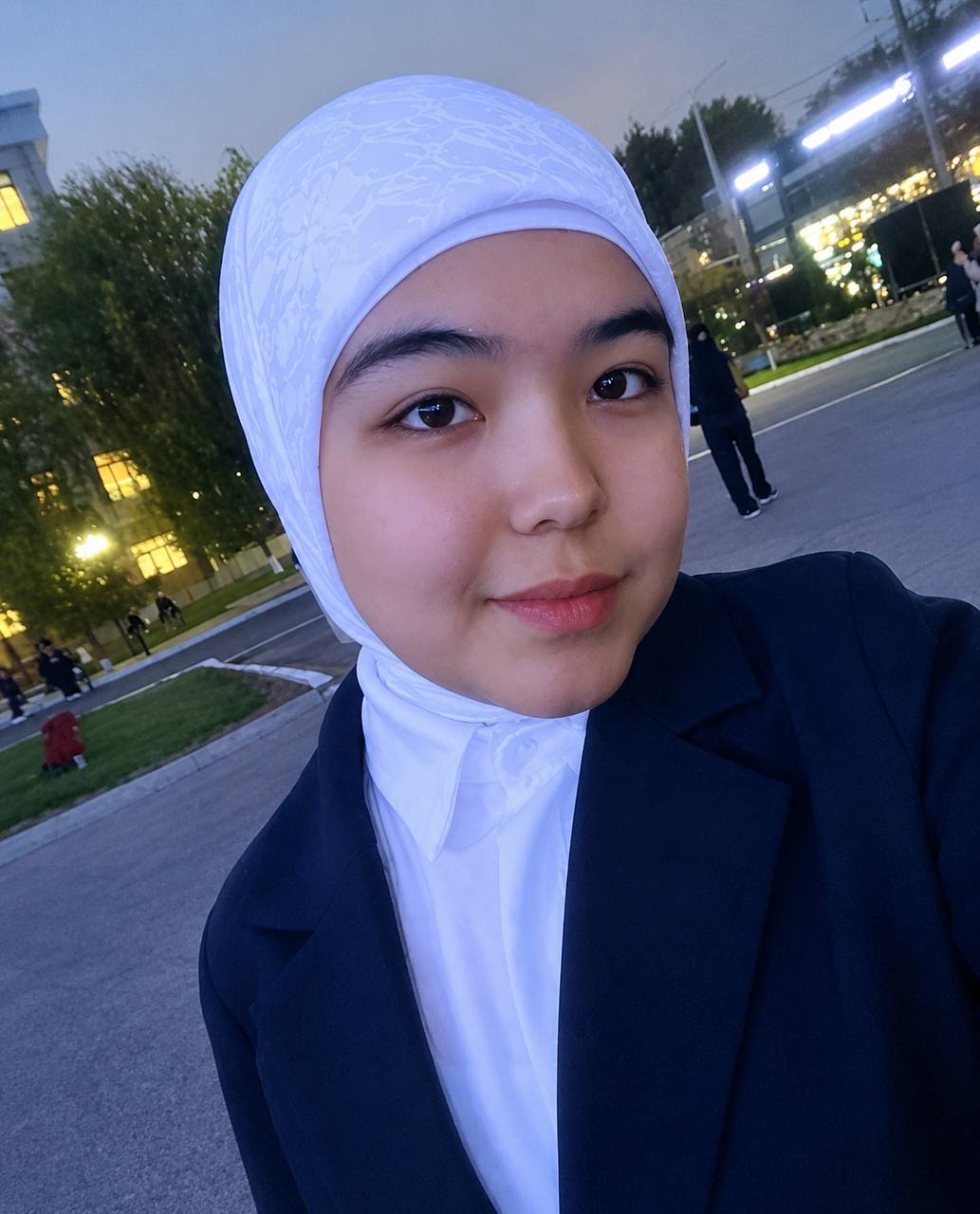
I was born in Khiva district, Khorezm region, Republic of Uzbekistan. Currently, I am a first-year student at Urgench State University named after Abu Raykhan Beruniy. 

Poetry from Alan Catlin

Group Portrait with Bullet Wounds

Kids

ordinary teenaged

kids

Your first and

last thoughts

are,

” Why would anyone

shoot these

or any

kids?”

Patrick 22

The kids at Sandy Hook

man, that was too much

He broke down

Kids

He was 22 when it

happened, an adult….

Kids….

He belongs to a

mass Shooting Facebook

group

When he joined there

was a couple of hundred

There are a thousand now

growing all the time

Chance 15

The years since

the lower chest wound

the ones in the stomach

and below

have not been kind

to him

“They had to piece

my stomach and intestines

back together”

An assortment of tattoos

along the line

from mary jane leaves

in ascendance

to wherever the ones

we can’t see took him

“I own some firearms.

Well, I own one.

I owned seven at one point

I’m not scared

of guns.”

Missy 16

After the before school

prayer meeting

in the hall

the first shot

A guy head shot

Gone

He was like the class

clown and she kind of

liked him

Didn’t know how

a .22 bullet can bounce

around inside a body:

missing major arteries

organs

eventually lodging in her

spinal cord

All she lost was

walking.

She does stuff 

Refuses to let a wheelchair 

limit her:

rides a horse

climbs trees

water skis

It could have

been worse

Betina Lynn 18

After she was shot 

twice,

unable to seek shelter

under cafeteria table,

Betina decided to watch

what came down

They were going

to need witnesses

Everyone was surprised

to see the shooter at first

after all she’d been

expelled

No one knew

she’d killed her

parents  

Had come to

the school with guns

to take us out too

Poetry from Türkan Ergör

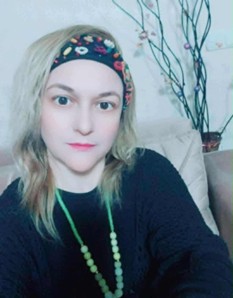
Young Turkish woman with blonde hair, a headband, a black top, and long necklace.

IF I COULD RETURN

Everyone finally returns 

Goes where they belongs 

Maybe they want to go

Maybe they don’t want to go

But

Finally

People returns

To where they belong

Their becomes request to return 

Perhaps unintentionally 

Reluctantly 

But l 

I would want to return 

If l could return 

Where l belong 

Quietly

Because I saw a rose 

Never seen before 

In the feelings garden.

Türkan Ergör, Sociologist, Philosopher, Writer, Poet, Art Photography Model. Türkan Ergör was born 19 March 1975 in the city of Çanakkale, Türkiye. She was selected International “Best Poet 2020”. She was selected International “Best Poet, Author/Writer 2021”. She was selected International “Best Poet, Writer/Author 2022”. She was awarded the FIRST PRIZE FOR THE OUTSTANDING AUTHOR IN 2022. She was awarded the 2023 “Zheng Nian Cup” “National Literary First Prize” by Beijing Awareness Literature Museum. She was awarded the “Certificate of Honor and Appreciation” and “Crimean Badge” by İSMAİL GASPRİNSKİY SCIENCE AND ART ACADEMY. She was awarded the “14k Gold Pen Award” by ESCRITORES SIN FRONTERAS ORGANIZACIÓN INTERNACIONAL.

Poetry from Chidimma Ewelukma

You Remember Me Whole

There is someone

who remembers me

before I learned

how carefully people introduce

themselves.

She remembers

the child who laughed

with missing buttons

and untidy dreams,

who believed every road

ended where happiness lived.

She remembers

the years I would rather fold

away –

when silence became

my safest language

and I mistook endurance

for strength.

It is a strange gift

to be known

by someone

who had watched you become

more than one person.

She does not ask

which version is real.

She gathers them all –

the hopeful one,

the frightened one,

the one who almost gave up,

the one still learning

that healing is not the same

as forgetting.

Some friendships

are not measured

by how often we speak.

They are measured

by the quiet certainty

that somewhere in the world,

there is a person

who can pronounce your name

the way your life remembers it.

And perhaps,

that is what it means

to belong to another soul.

Beside Me

When fear emptied the room,

you stayed.

Not with speeches

or promises

that tomorrow would be kinder.

You pulled a chair closer,

let silence breathe between us,

and waited

until I was ready

to speak.

The kettle whistled.

You poured tea into the chipped blue mug

I always reached for

without thinking.

Outside,

the afternoon carried on

with its ordinary business –

children chasing a ball,

a woman calling someone home,

a motorcycle disappearing at the end of the street.

Nothing remarkable happened.

Yet something shifted.

The air no longer felt

too heavy to lift.

I began to notice

small things again –

the window left open,

rain gathering

on the hibiscus leaves,

the stubborn sparrow

returning to the same branch.

Years from now,

people may speak

of resilience

as though it appeared

all at once.

They will not know

it first arrived

carrying your patience,

sitting across from me,

asking for nothing

except another cup of tea.

The poems explore friendships that hold people together when words are not enough.

Chidimma Ewelukwa is a Nigerian writer whose work explores memory, belonging, identity, and the quiet tensions of everyday life. She has been published in Writer Monk Literary Magazine and Polis magazine in Greece.

Essay from Saymurodova Madinakhon Zokhidjon kizi

Do Languages Really Have Personalities?

“I speak Spanish to God, Italian to women, French to men, and German to my horse.”

This famous quote, attributed to the multilingual Holy Roman Emperor Charles V, reflects a belief that has endured for centuries: that every language has its own unique personality. Even today, French is often described as romantic, Italian as musical, and German as harsh or rigid. Japanese is widely associated with politeness, while English is seen as direct and practical. These descriptions have become so familiar that many people accept them without question. But how accurate are these perceptions? Do languages truly possess personalities, or are they simply reflections of the attitudes we attach to them?

At first glance, it may seem obvious that languages sound different and therefore create different impressions. However, linguists argue that our emotional responses to languages are influenced by much more than pronunciation or grammar. The way we judge a language is closely connected to the way we view the people, culture, and society associated with it. In other words, our opinions about languages are often social rather than linguistic.

According to sociolinguists, the appeal of a language has far less to do with its grammar or pronunciation than with our perceptions of the people who speak it. Dr. Vineeta Chand of the University of Essex argues that when we admire a particular country or culture, we often transfer those positive feelings to its language. Likewise, languages spoken by socially or economically marginalized communities are frequently perceived as less attractive—not because of their linguistic features, but because of the social status of their speakers. This demonstrates that language attitudes are deeply influenced by society and are rarely based on objective linguistic facts.

This pattern is clearly visible in the modern world. The growing popularity of Mandarin Chinese, for example, stems largely from China’s economic influence rather than from its sounds or grammatical structure. English, meanwhile, continues to dominate international communication because it provides access to education, business, science, technology, and countless professional opportunities. For millions of learners, English is more than just another language—it is a bridge to higher education, international careers, and global connections. In many cases, people are not evaluating a language itself; they are evaluating the opportunities that language can provide.

Yet stereotypes remain remarkably persistent. French is still considered romantic, Italian melodic, and German harsh. Linguists, however, argue that these qualities are not inherent characteristics of the languages themselves. Instead, they are social perceptions shaped by history, culture, media, literature, films, and our experiences with the people who speak them. Because these images are repeated over generations, they eventually become accepted as common sense, even when there is little evidence to support them.

How do such perceptions emerge? Language attitudes refer to the beliefs, opinions, and emotional responses people develop toward a language and its speakers. These attitudes may be positive, negative, or neutral, but they are never inborn. Rather, they are gradually formed through family, education, media, cultural influences, and personal experience. As societies change, so do these attitudes. Throughout history, some languages have gained prestige while others have lost it. Consequently, the value we assign to a language often reflects changing social realities rather than any intrinsic quality of the language itself.

Research also supports this perspective. A study highlighted by BBC Future explored how speakers of twenty languages described colors, smells, tastes, and shapes. The findings offered fascinating insights into the relationship between language, culture, and human perception. Rather than proving that one language is richer or more expressive than another, the study showed that different communities develop specialized vocabularies according to what is most important in their everyday lives.

English speakers, for instance, showed remarkable precision when describing colors and geometric shapes. The Jahai people of the Malay Peninsula, on the other hand, possess an exceptionally rich vocabulary for describing smells. Speakers of Persian, Lao, and Cantonese demonstrated greater precision in describing tastes than many other language communities. Researchers concluded that these differences arise not from the complexity of the languages themselves, but from the environments, lifestyles, and cultural experiences of the people who speak them. The language people use naturally reflects what they experience, observe, and value in daily life.

Ultimately, language is far more than a means of communication. It reflects the ways people perceive the world, the aspects of life they consider important, and the experiences that shape their daily lives. Perhaps languages do not possess personalities of their own after all. What we perceive instead is the history, culture, and worldview of their speakers. French is not inherently romantic, German is not naturally harsh, and Italian is not born musical. These are not qualities embedded within the languages themselves, but perceptions we have constructed over time. Understanding this helps us appreciate languages not as collections of stereotypes, but as living expressions of the diverse communities that speak them.

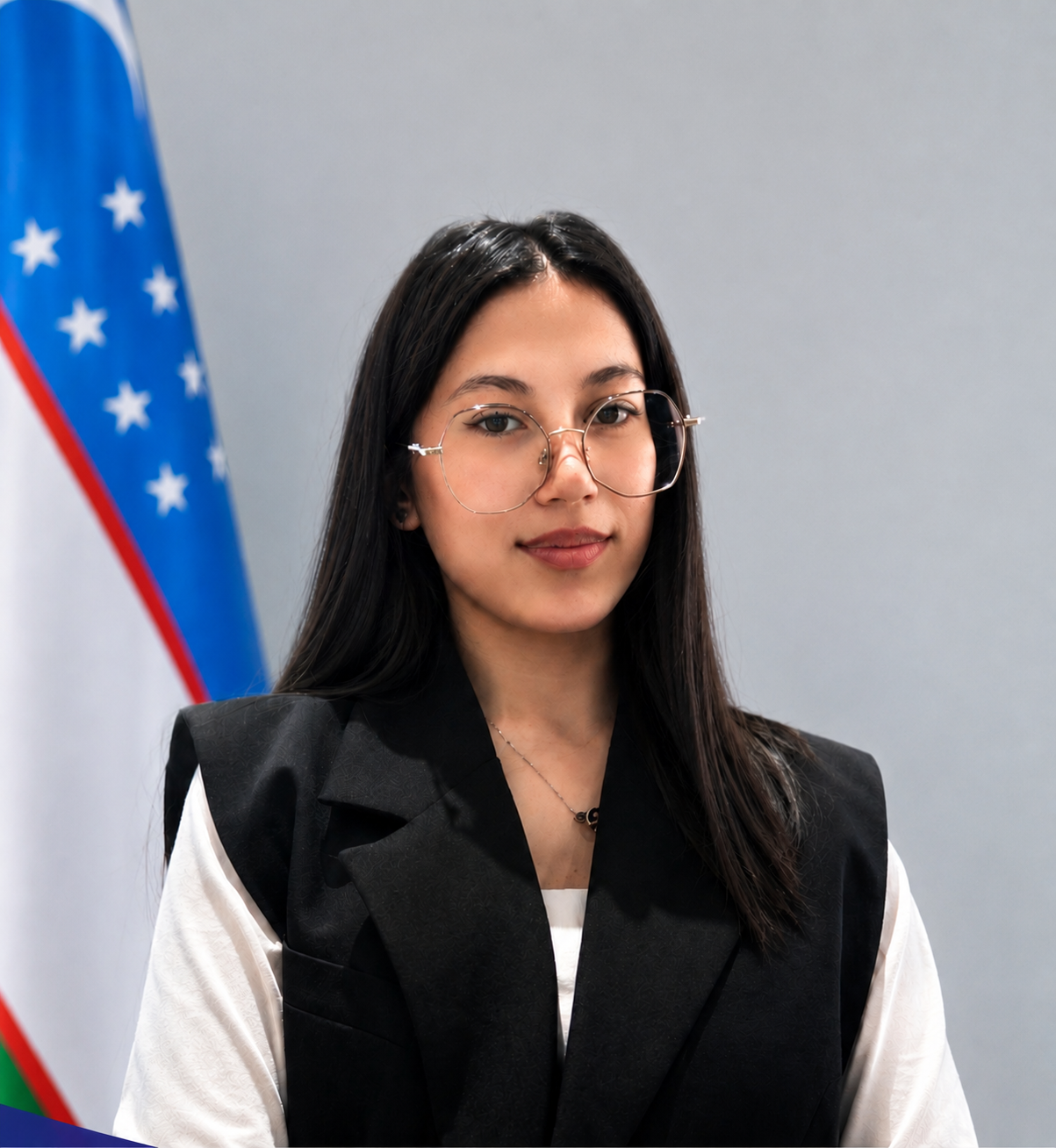
Saymurodova Madinakhon Zokhidjon kizi, student of UzSWLU, faculty of foreign languages and literature