A non-exclusive Release of
         Heartfelt that Matters

    My Rest comforts
                   Time's Engine

 The staggering rhythm
        that rests  in  Awe
        of   LOVES Rising

            •          •          •

           Daylight upon
       Soothed that knows
    That knows in the Quiet

 Appreciate a gift
poured from the Timeless
      Oceans
                 of
                    LOVE


 by John Edward Culp
      March 11, 2023
Category Archives: CHAOS
Art from Michael Barbeito
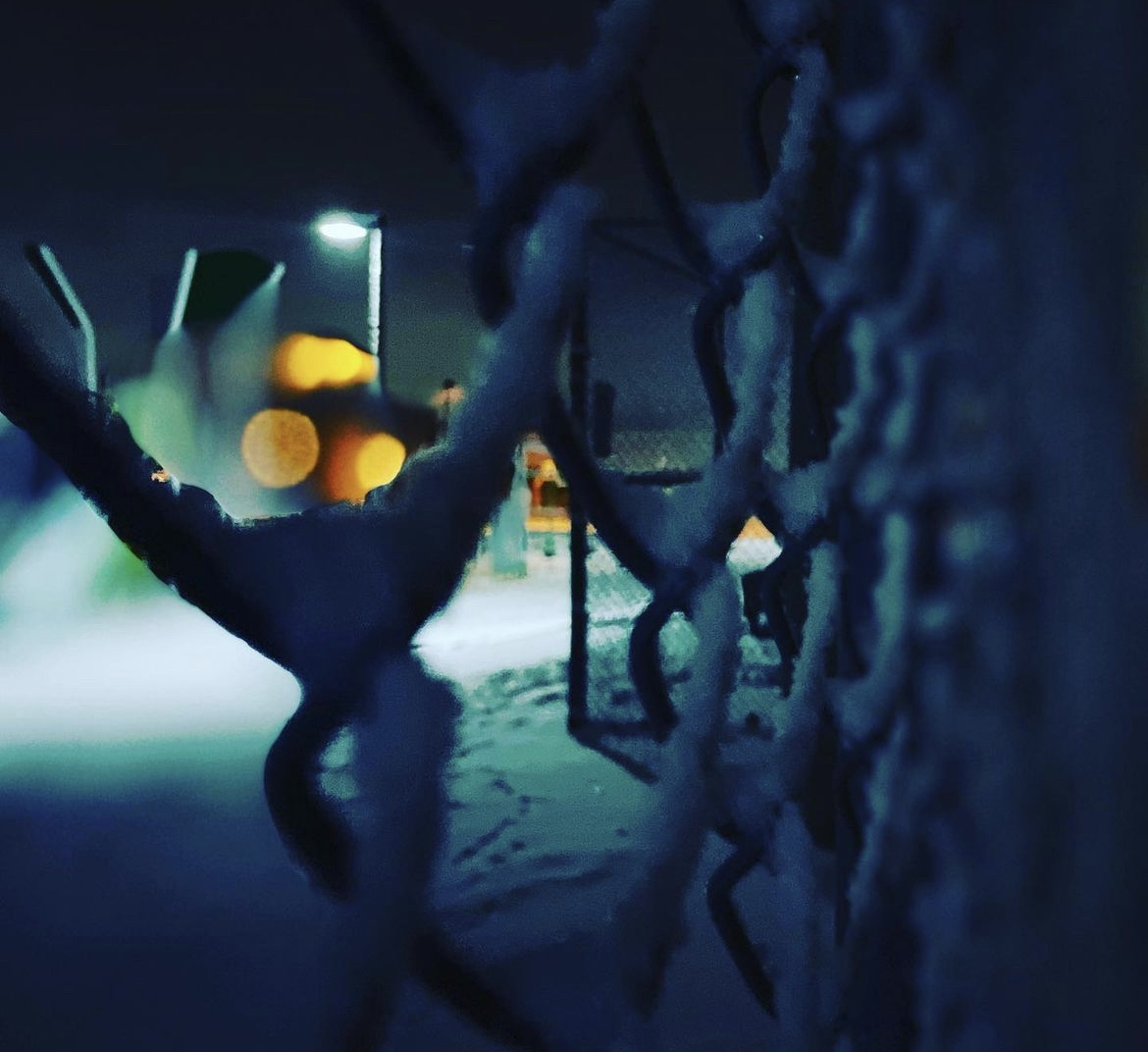
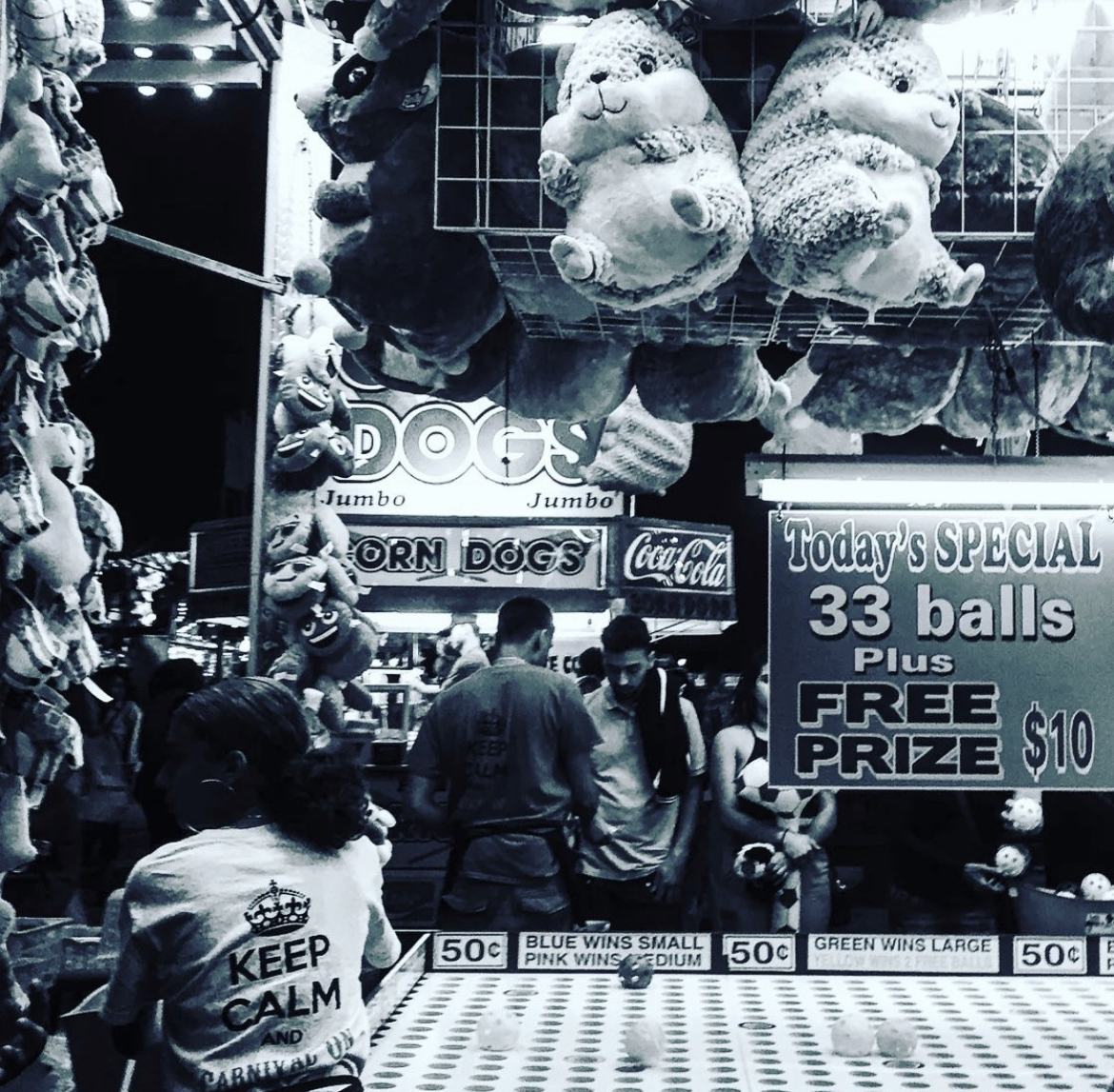

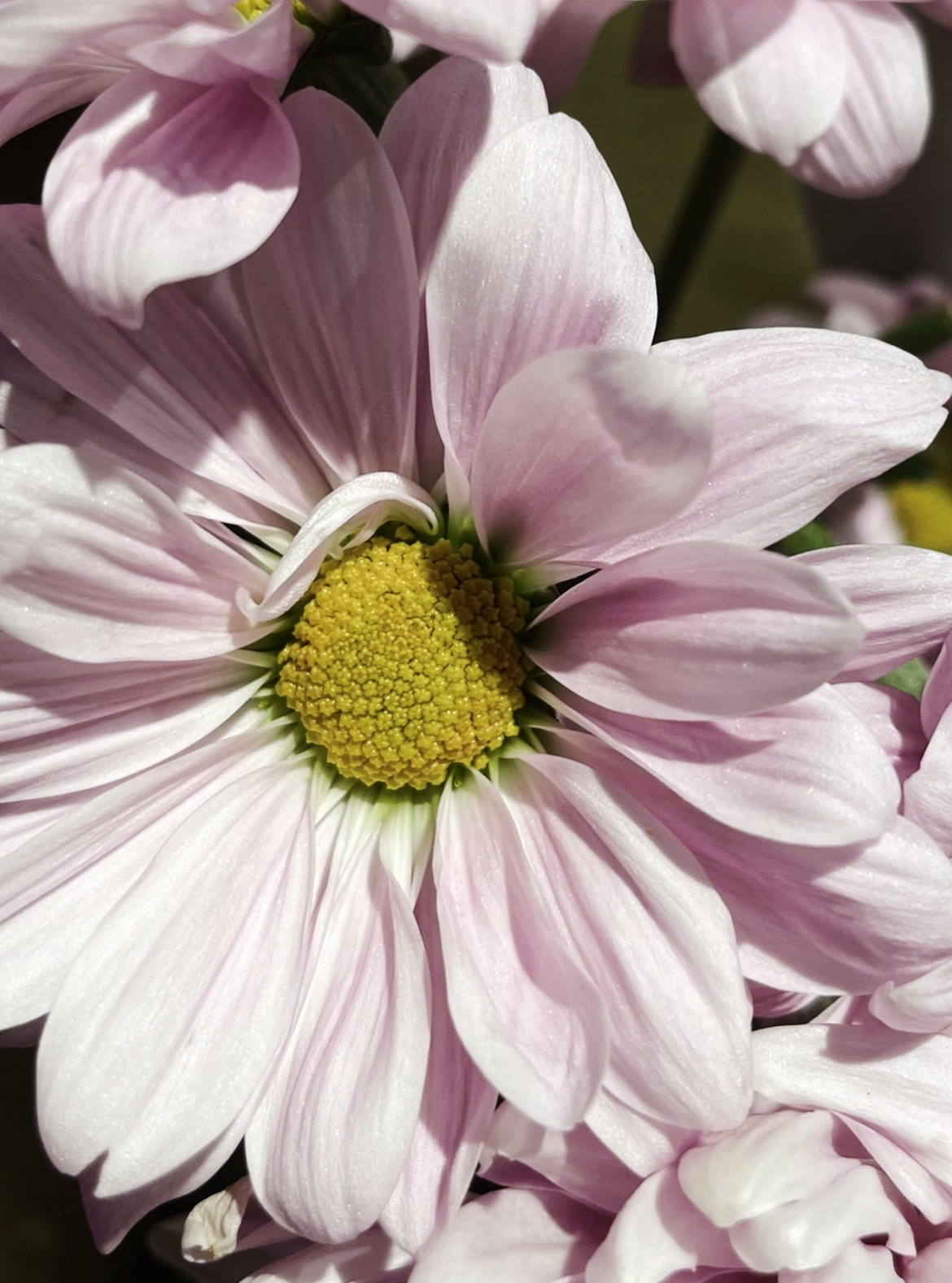
Brian Michael Barbeito is a Canadian writer and photographer. Recent work appears at The Notre Dame Review.
Spirit of a Place, Spirit of a Thing (Artist Statement)
In an off handed remark during an interview, U.G. Krishnamurti, called by some an anti-guru, and by himself, ‘Something like a philosopher,’ said that he once thought he could sense the spirit of a place. But then he brushed it off through words and body language. It didn’t fit in with his philosophy and message. But I resonated with his statement anyhow, because I had always felt that I could feel the spirit of a place and also a thing. Old town, lake still and wide. City street, carnival game vendor and prizes. Bee. Spider. Flower. Vine. Ridge. Summit. Stone. Petal. Stream. Sun. Cloud. Bird and dusk, horizon and dawn. Lock, denoting love, affixed to lonesome bridge alone in the rain. Artifacts. Areas. Some saturnine and some sanguine. Hundreds of places and things, their spirit, against reason and logic, somehow speaking out, not with language of course, but calling out nevertheless. Semantics and nomenclature could argue what spirit means. Is it the atmosphere, the daemon, the angel, the area, the vibration, the feeling? Is it physical, metaphysical, true and there, or purely imaginary and projected? Difficult to know conclusively. But there is something I think in all that mise- en-scene, and so on the rural footpaths and metropolitan worlds also, I try and photograph it and also write about it, this spirit of a place.
Poetry from Jerry Durick
               Who I Am

I’ve been wearing this person

All these years, have become

Used to him, his shape and his

Size, learned to put up with his

Manners and voice. I’ve watched

Him age, watched him lose a step,

Fall back a bit, begin to lose his

Place, sometimes forgetting even

Simple things, his wallet, his keys.

I’ve listened to him try to explain

Himself to others, himself to what’s

Left of himself. I’ve learned to be

Him, fell into the role, assumed his

Identity, even answer to his name

If I hear it in the midst of the day

He builds around us.


                         Identity

Each I.D. we carry says something else

About us. This one says I can be here

And this one says I can drive if I want

To, though right now I don’t have any-

Thing to drive, just me walking through

A line, a line called security check as if

This group were a threat. It’s hard to

Imagine their jobs, asking people in line

To establish their right to be here. How

Often do they catch someone, someone

Dangerous, dangerous like we have learned

To expect from watching the news. Imagine

The headlines: senior citizen with no i.d.

Tried to breach security but failed was then

Jailed. What we carry tells them who we

Are and what we might do, do if we don’t

Have the proper identification to show them.


                In The End

Our obits will have us going peacefully

Surrounded by family, after a brief, or

Was it a lengthy illness, an illness they

Rarely name, and there we go off into

Whatever comes next. But what about

Those of us who will die violently, along

A highway, decapitated, disemboweled

Or in an emergency room, surrounded

By personnel who don’t know us from

Adam or Eve. But obits tend to miss

Those details. Like undertakers they’ll

Dress us up and put us in ideal situations –

With immediate or extended family, our


Loving folks gathered to watch us on our

Way to a next life that we all hope will be

There, waiting for us.
Synchronized Chaos Mid-March 2023: Sense and Sensibility
Welcome to March’s second issue of Synchronized Chaos!
Our friend and collaborator Rui Carvalho reminds us about our Nature Writing Contest for 2022.
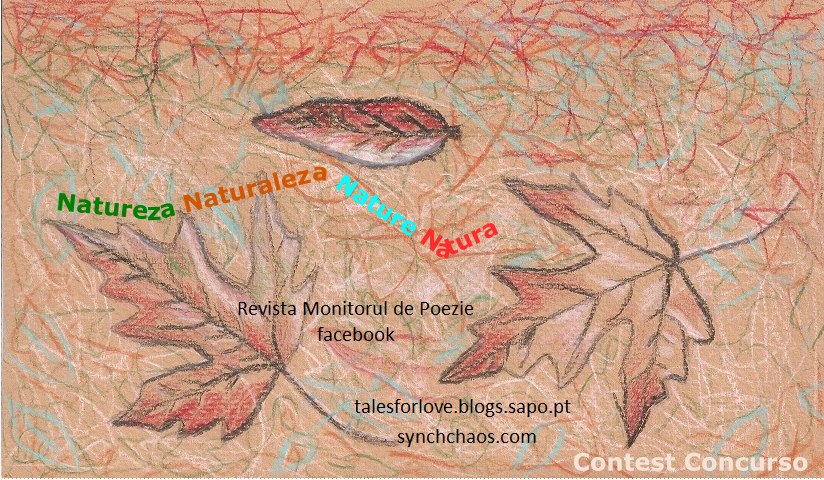
This is an invitation to submit poems and short stories related to trees, water, and nature conservation between now and the April 1st, 2023 deadline. More information and submission instructions here.
This month, Synchronized Chaos’ contributors explore our senses and perceptions of the world, and how we process them through thoughts and feelings.
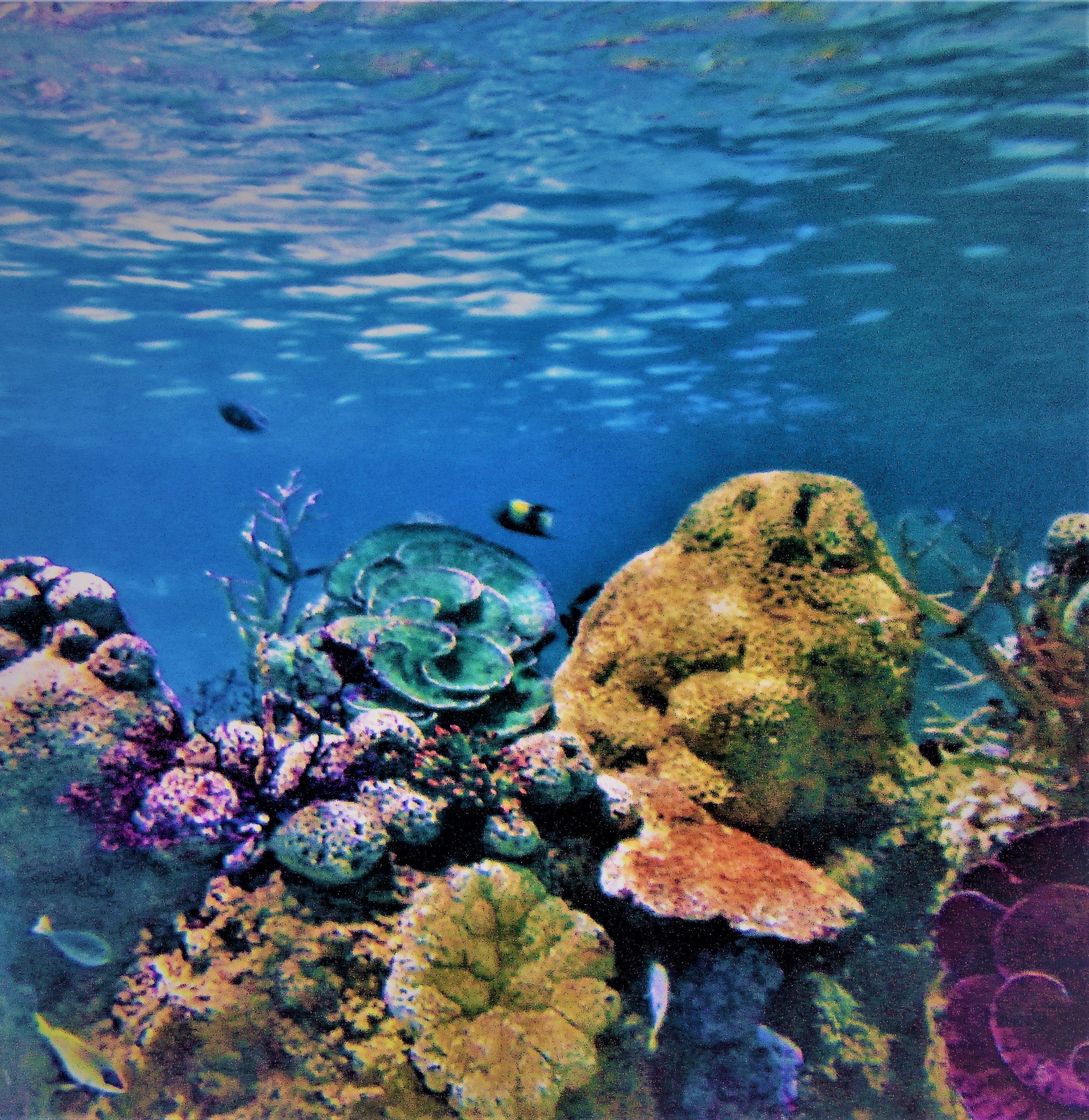
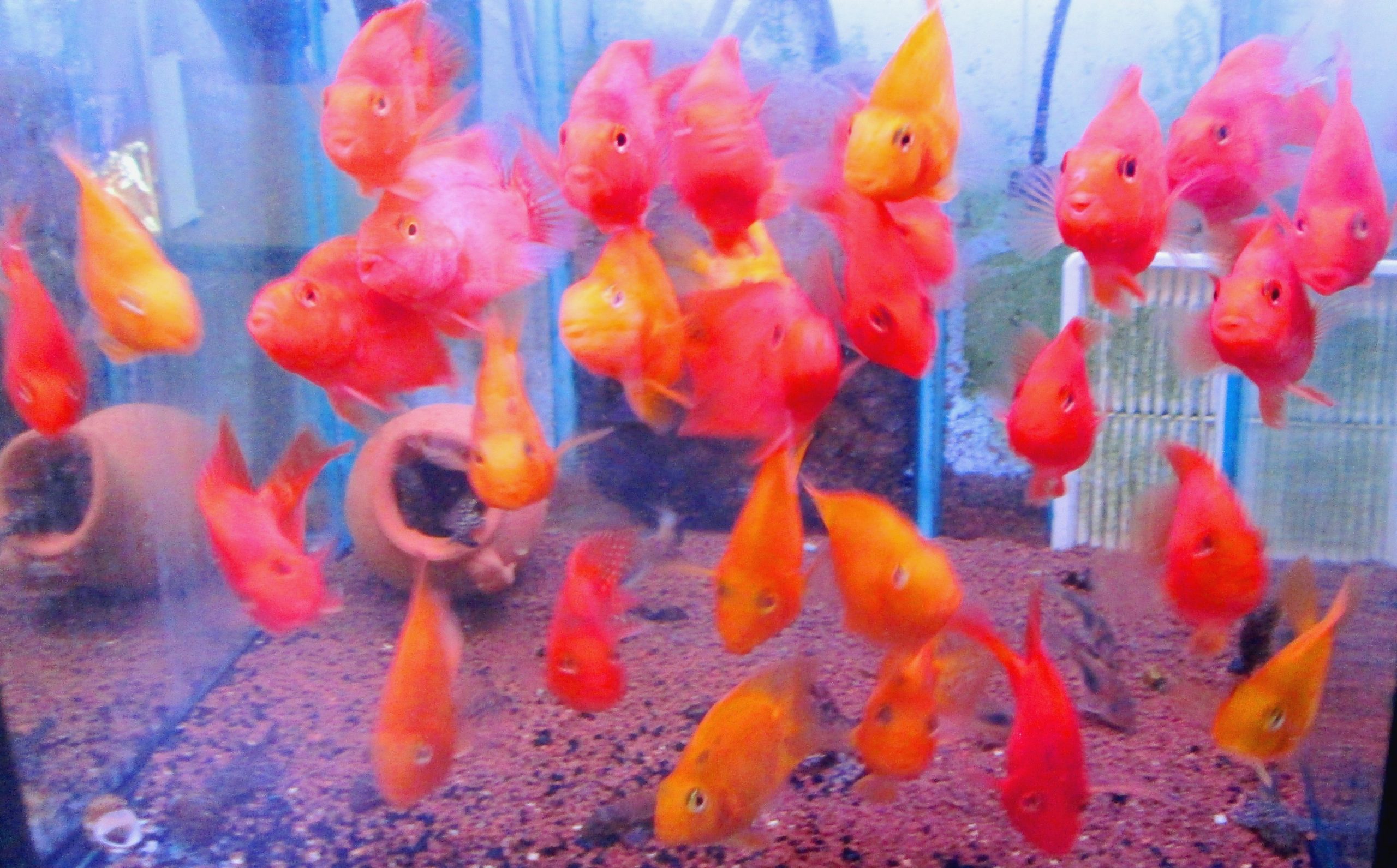
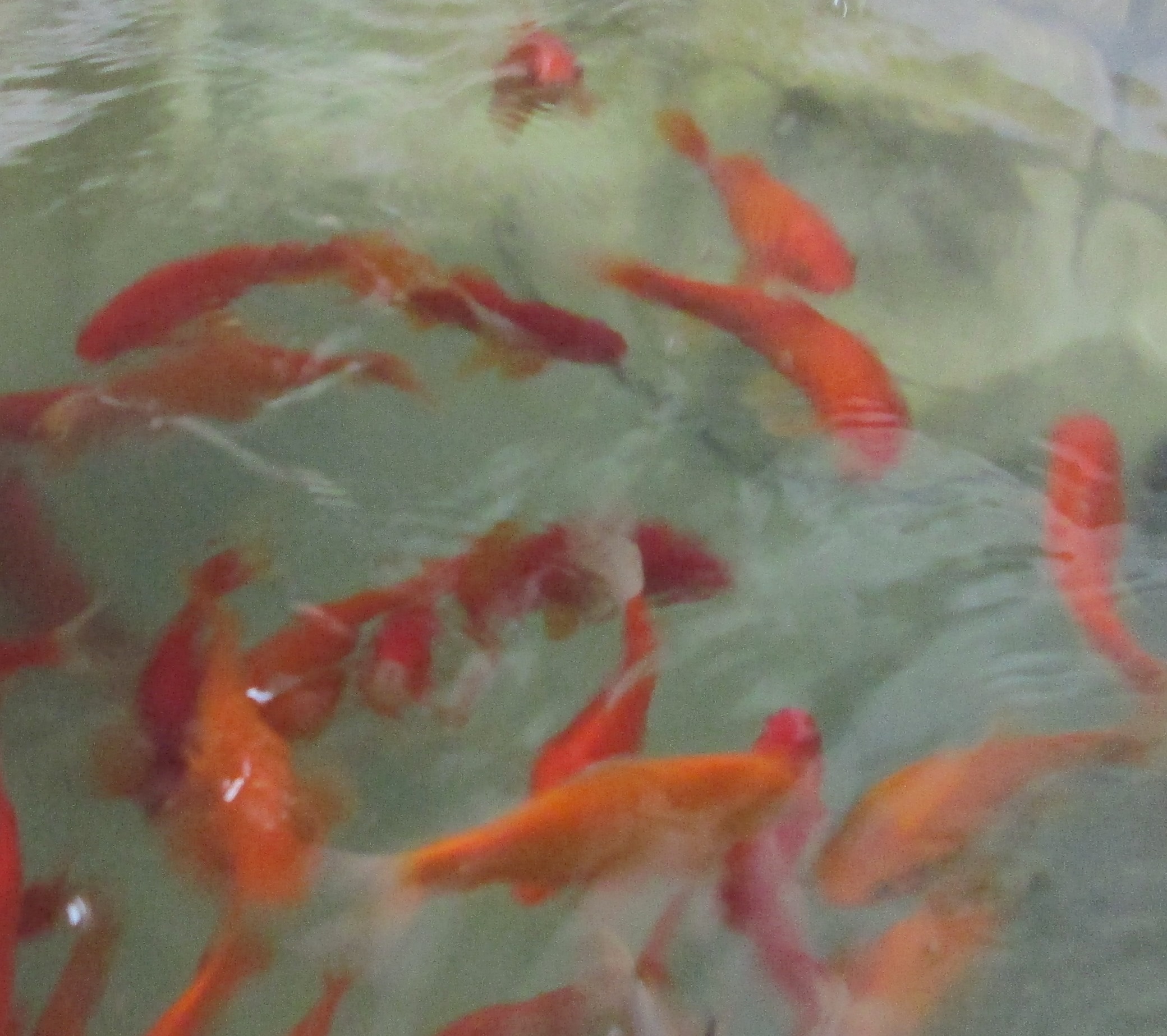
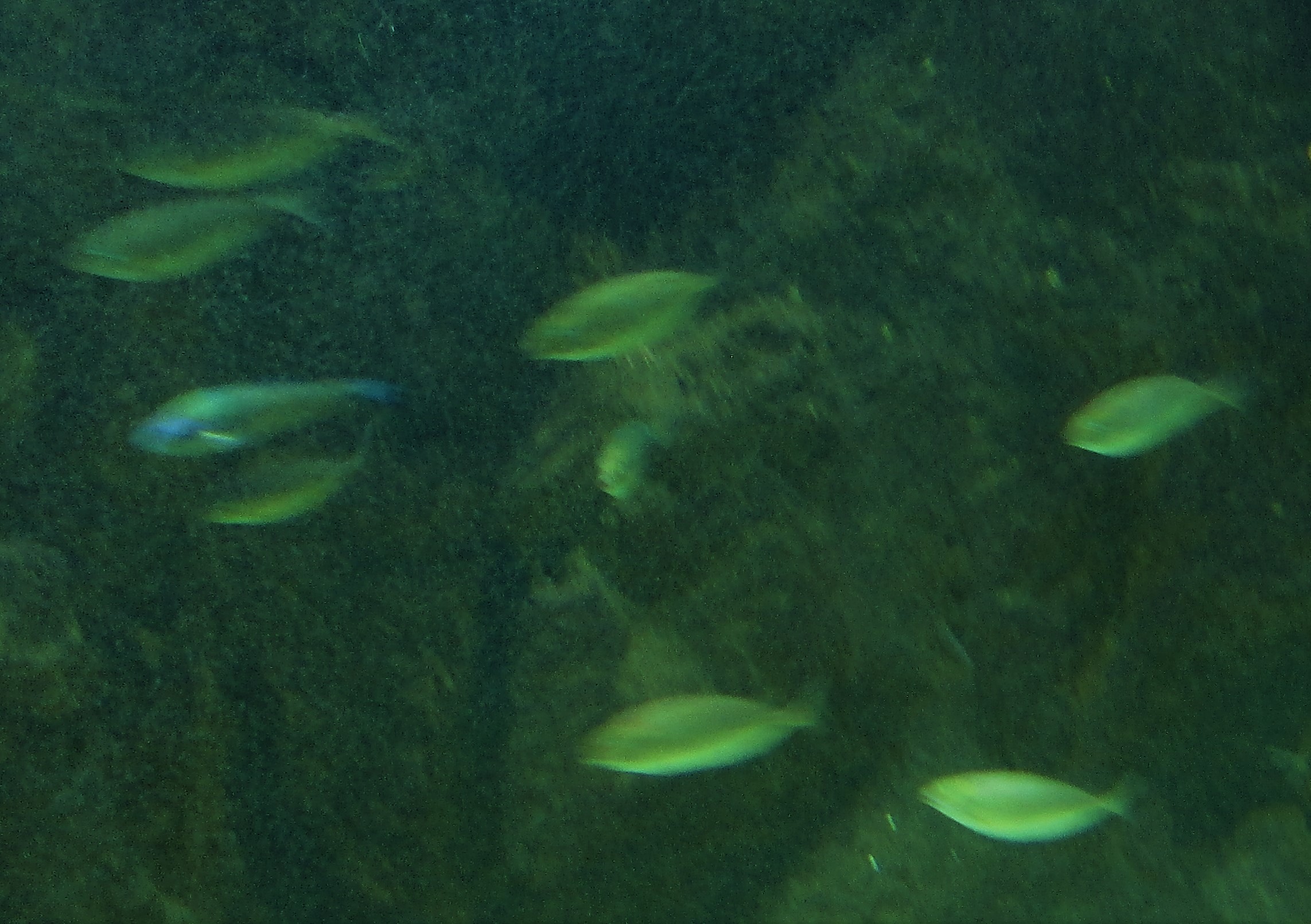
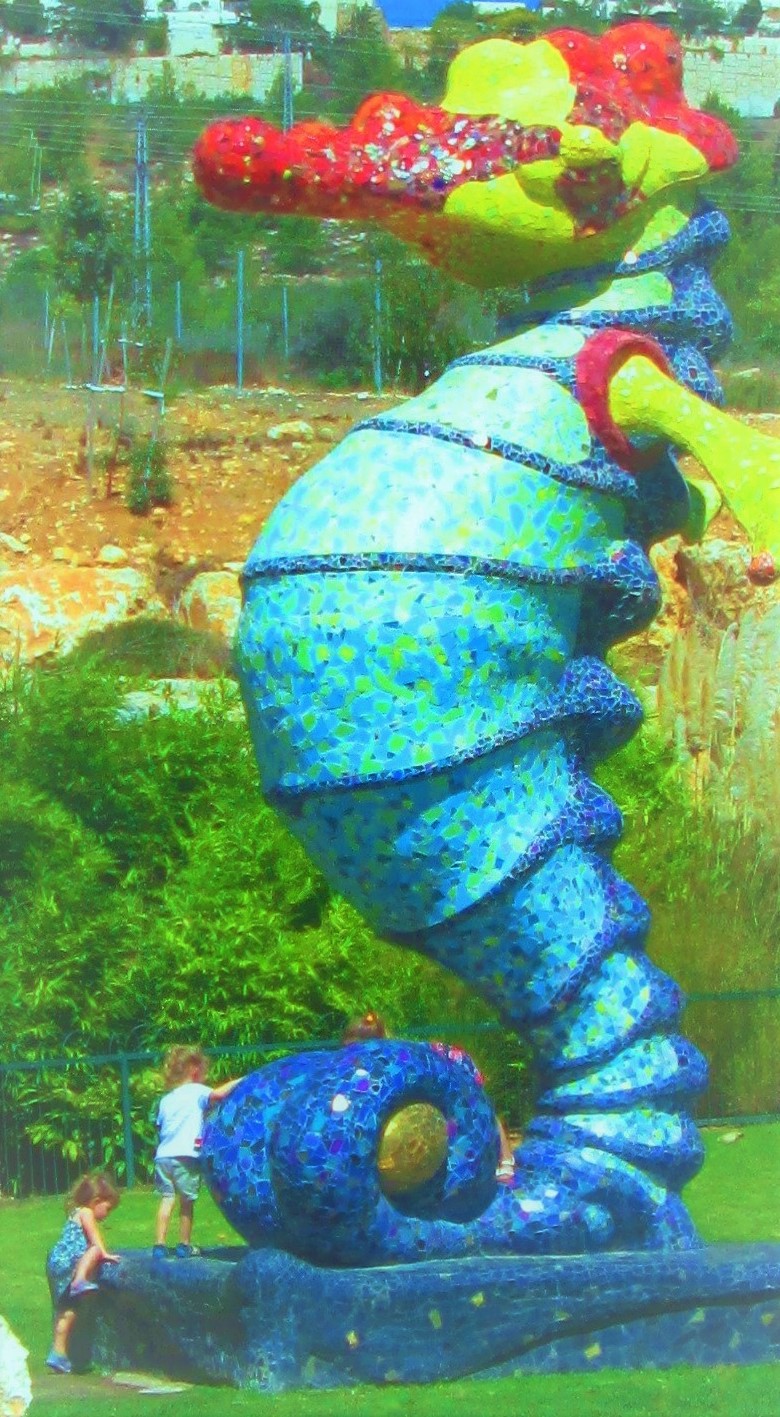
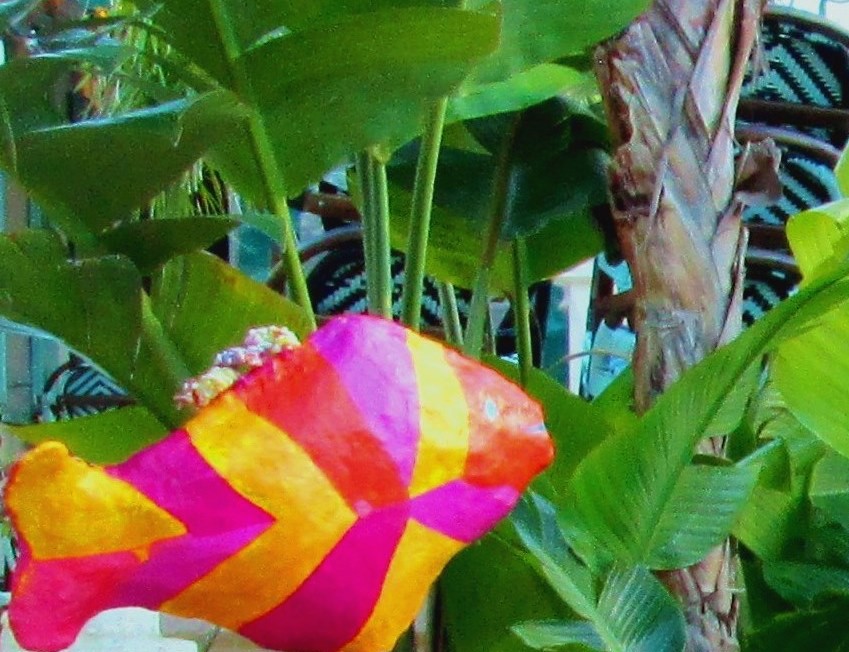
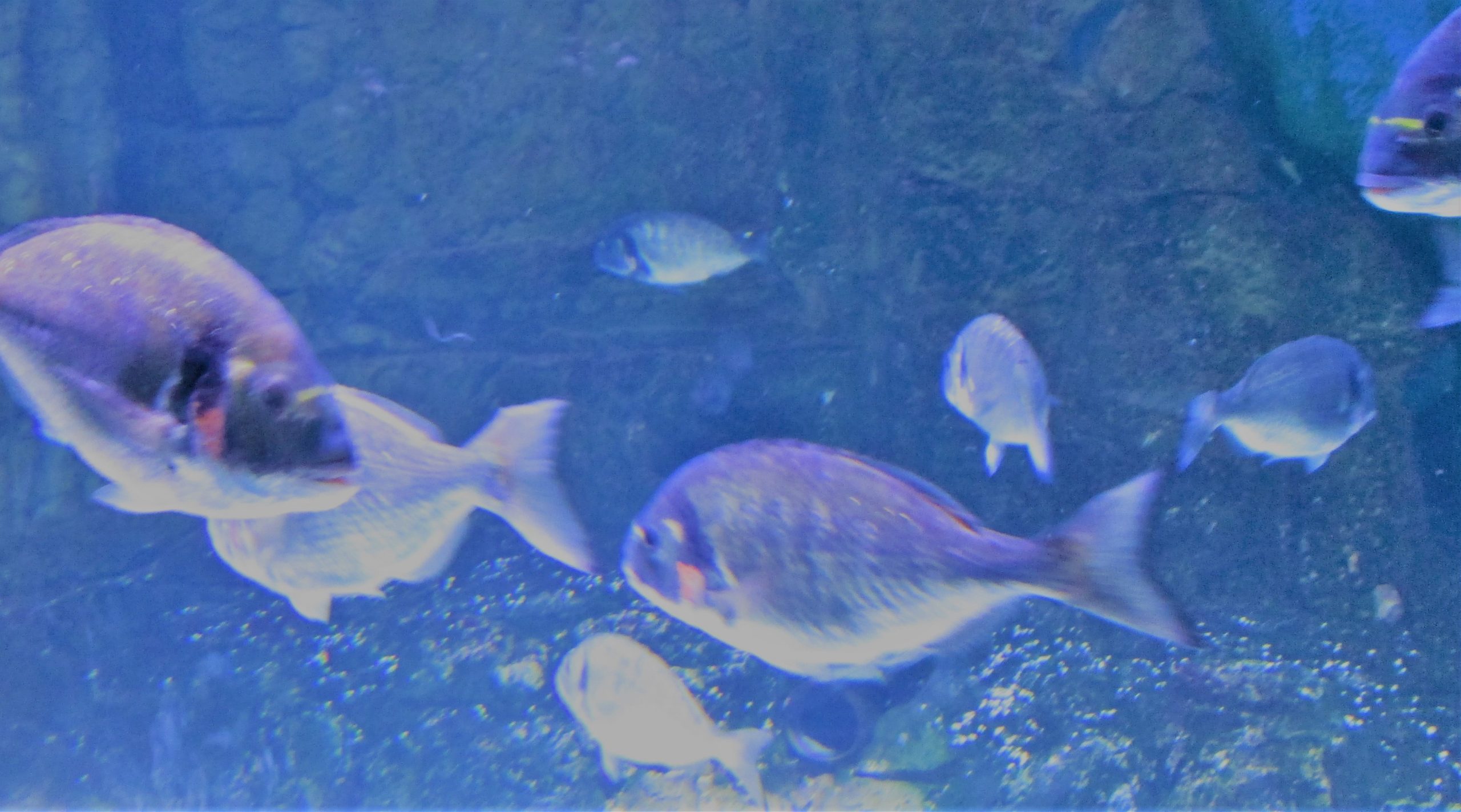
Channie Greenberg sends us colorful images of marine and freshwater fish in various settings, while Mark Young’s non-representational art revels in the joy of line and color. Michael Barbeito aims to capture the spirit, or the essence, of the scenes he depicts. Nathan Anderson provides a visual rendering of a cacophonous stereo sonic landscape.
Jim Meirose crafts a surreal doctor’s visit that goes awry, while Martina Gallegos relates an anecdote about a pigeon who flies into an elementary school classroom, to the wonderment of the children.

Faiza Yahaya Maibasira’s poetry expresses her awe at life, friendship, and love. Sayani Mukherjee’s piece depicts a mystical union with nature or a lover, while John Edward Culp’s piece reflects the otherworldly ecstasy of true love, which includes grace given for the times when he falls out of sync with his partner.
Emina Delilovic-Kevric also speaks to creation and spiritual questing on a more intimate, personal level, within an uncertain world.
Aliyu Umar Muhammad relates her inner spiritual journey to find beauty in tumultuous surroundings, while Lewis LaCook provides a meditative look at life when we slow down to nature’s timescales.

J.D. Nelson’s haikus on ordinary subjects convey a bit of mystery and curiosity, while Karol Nielsen writes of the ironic and incongruous moments of daily life.
Susan Hodara explores the different ‘itches’ we experience, which becomes a meditation on the nature of desire. Daniel De Culla probes our human foibles and transgressions in his piece on the locals at a village cafe.
Jaylan Salah profiles Egyptian rapper D.A.R.KK. and discusses the appeal of his original songs, sharing both joy and struggle.
Christian Emecheta’s sci-fi piece conveys how we can manage the dangers of deep emotions rather than suppressing them and losing part of our humanity.

Mahbub Alam develops a more balanced perspective on life when he stares out at the moon, and then, later, when he remembers the brave history of his home nation, Bangladesh.
Farok Faisal literally “reflects” on himself by looking in a mirror, wondering how age has changed him. Santiago Burdon’s protagonist confesses and expresses remorse for an action born of hate and ignorance that shamed him for decades.
Joseph Wechselberger relates how we serve as spectators to various types of trauma. Sarah Burgess expresses her inner anguish at being excluded and viewed as a burden, while J.J. Campbell processes his life’s losses with a mixture of defiant nostalgia and despair.
Peter Cherches speaks to wear and tear over time, of machinery and relationships. Mesfakus Salahin reminds us that while death is a part of our existence, it does not carry the last word.
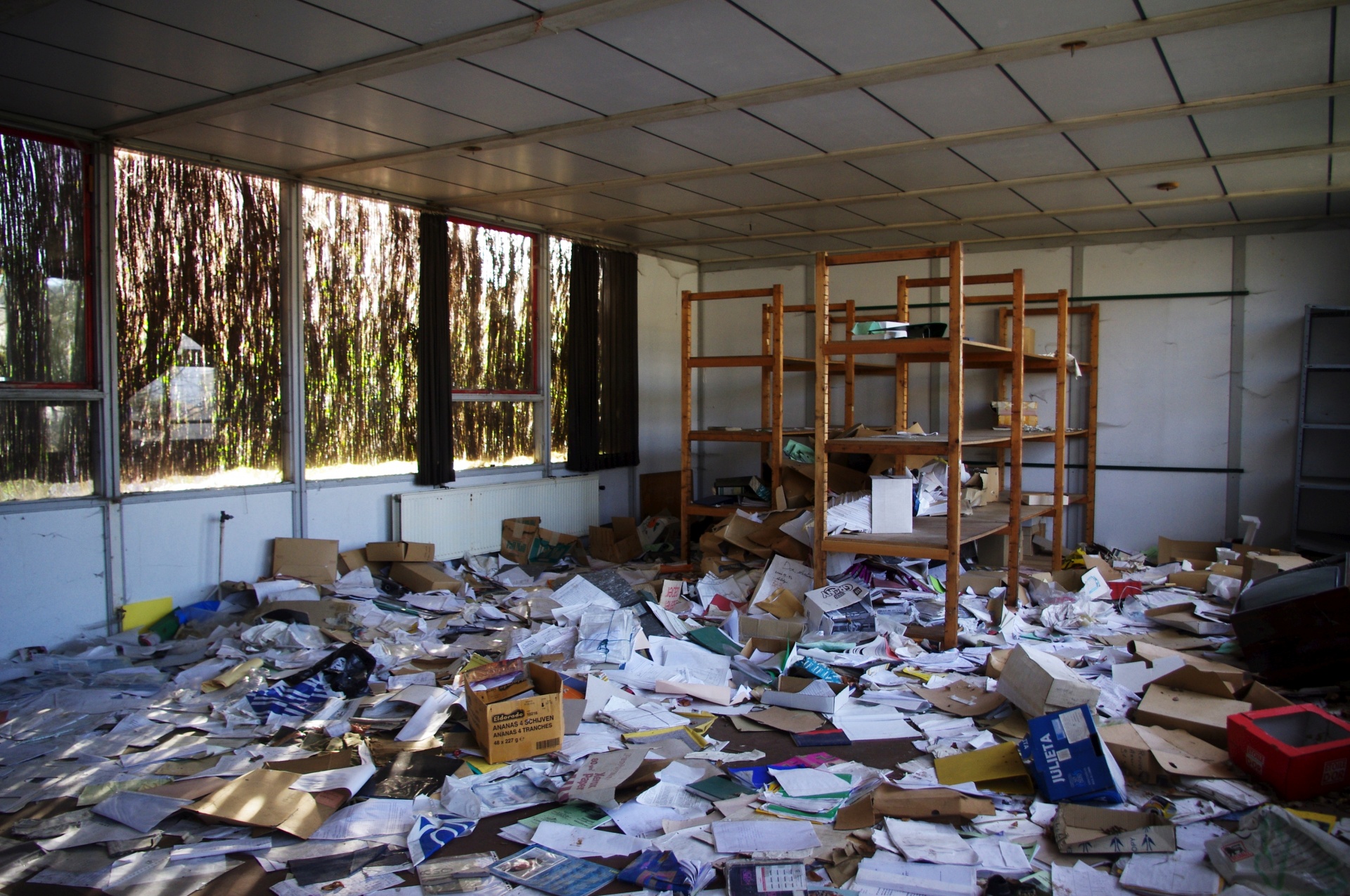
Mario Loprete consigns pieces of our modern urban landscapes to posterity by sculpting them in concrete. A. Iwasa also addresses themes of cultural preservation with his review of Phil Cohen’s Archive That, Comrade! Taylor Dibbert looks at social media as a modern archive, considering the paradoxical relationships we can have with our digital memories.
Z.I. Mahmud contributes his own personal ‘archive,’ a set of his favorite literary quotes and reflections on historical authors.
Norman J. Olson reflects on his artistic correspondence with Beat poet Charles Bukowski and considers that he’d like to emulate the man’s craft, but not his life.
Maurizio Brancaleoni evokes the difficulty of conveying his literary intentions within his poetry, while Chimezie Ihekuna urges perseverance, in artistic craft as well as in life.
We hope you enjoy the panoply of works included in this issue!
Story from Christian Emecheta
Unchained Emotions
The year was 2089, and the world in which Azila was growing up was evolving astronomically. The city was bustling with self-driving cars and holographic billboards that projected advertisements in every direction.
A towering network of skyscrapers loomed above, connected by high-speed trains that glided silently through the air. But despite all the technological advances, one thing remained the same: emotions were still seen as a threat.
In a society plagued by chaos and uncertainty, the government sought to find a way to maintain control over the masses. The answer they found lay in the control of human emotions. By regulating the emotions of the people, the government could effectively suppress unrest, rebellion, and any actions that may threaten the stability of the state.
The government’s quest for control over the emotions of the masses took a sinister turn with the development of an airborne medication called M1-55 that altered the genetic makeup of the masses. M1-55 was designed to make people naturally prone to emotional control, without the need for drugs or any other form of artificial regulation.
As the medication spread through the air, it seeped into the bodies of countless individuals, altering their DNA and making them susceptible to emotional suppression. The consequences of the government’s actions were devastating. With subsequent generations growing up with an innate inclination towards emotional suppression, the people became increasingly docile and submissive, unable to express themselves fully or connect with others on a deep, emotional level.
The government succeeded in creating a population that was easy to control, but at what cost? The very essence of humanity had been compromised, leaving a society that was devoid of true emotion, creativity, and spontaneity.
Azila was among the recent generations but she had always known she was different from the others; it wasn’t until she started working for the government that she realized just how unique her ability to feel emotions was.
As an agent in the government’s Department of Emotion Control, she was responsible for monitoring and reporting any individuals who showed signs of emotional behavior. But instead of feeling proud of her work, she felt like a fraud and was suffocated by the constant pressure to suppress her own emotions.
Azila’s struggle with her emotions was a constant battle, and she often found herself turning to emotion-suppressing drugs which had been banned by the government. The pills were hard to come by and extremely addictive, but they gave her a sense of control over her emotions that she couldn’t feasibly achieve on her own.
One day, while sitting at a cafe with her friend Jax, Azila pulled out a small bottle of pills and began to fidget with it nervously.
“What’s that?” Jax asked, his eyes darting to the bottle.
Azila hesitated for a moment, then decided to come clean. “It’s a suppressant,” she admitted, her voice barely above a whisper.
Jax’s eyes widened in surprise as he managed to mumble. “What? Azila, you know how dangerous those are. Why are you taking them?”
Azila shrugged, feeling defensive. “It’s the only way I can keep my emotions in check. You know what it’s like to feel too much, Jax. It’s overwhelming.”
Jax shook his head. “That’s not living, Azila. You can’t keep taking those pills. You’re better than that.”
Azila rolled her eyes, feeling frustrated. “It’s easy for you to say that, Jax. You don’t know what it’s like to have emotions that won’t go away.”
Jax leaned forward, his expression serious. “I know it’s hard, Azila. But taking those pills won’t solve anything. You have to face your emotions head-on, even if it’s scary. That’s the only way you’ll ever be truly free.”
Azila frowned, feeling conflicted. Jax was right – she knew that. But the idea of facing her emotions without the aid of drugs was daunting. What if she couldn’t handle it?
“I don’t know, Jax,” she said, her voice barely above a whisper. “It’s just…it’s hard.”
Jax reached across the table and took her hand. “I know it’s hard, Azila. But you don’t have to face it alone. I’m here for you, no matter what.”
Azila felt a warm sense of gratitude wash over her. Jax was right – she didn’t have to face her emotions alone. With a deep breath, she tucked the pill bottle away in her pocket and looked at Jax with a determined glint in her eye. “Okay,” she said, nodding.
Their conversation was just one of many that Azila has had with her close friends on her journey to break free from the chains of emotion suppression.
One day, while on an undercover routine surveillance mission, Azila stumbled upon a group of rebels who were discussing the government’s strict control over emotions. The group was made up of people from all walks of life – engineers, artists, even scientists – all united by a common cause. Azila was hesitant at first, but as she patiently listened to their stories and witnessed their passion, she knew she had to join them.
She had always felt a sense of unease in a society where emotions were tightly regulated. Haven witnessed firsthand how the government’s drugs had numbed the populace, turning them into docile, compliant drones. But when she heard the rebels’ heartfelt concerns for emotional suppression, her sense of unease turned to outrage. It was then that she made a decision that would change her life forever – to become a double agent, working for both the rebels and the government.
In secret meetings with the rebels, Azila heard stories from people who had been rounded up, detained, and experimented upon for expressing their emotions. She even heard of the government’s attempts to further brainwash the populace, using media propaganda to reinforce the message that emotions were dangerous and needed to be suppressed. Azila was moved by the rebels’ passionate speeches and their commitment to overthrowing the oppressive regime.
But in the numerous meetings, she had with her colleagues at the office, Azila also listened to their side of the story. They spoke of the need for stability and order, the dangers of uncontrolled emotions, and the threat of rebellion. Azila began to see that the government genuinely believed that emotional suppression was necessary for the greater good.
Despite the conflict between the rebels and the government, Azila saw that both sides had valid concerns. She knew that a compromise needed to be reached, but how? As she continued to work as a double agent, she became increasingly convinced that the only way to create a society that allowed for emotional freedom was to find a way to bridge the gap between the rebels and the government.
Azila knew that her actions were dangerous and that her loyalties were constantly in question. But she remained committed to the cause of emotional freedom, working tirelessly to find a solution that would benefit all. She had become a true believer, a double agent for a higher cause, and the fate of the nation hung in the balance of her actions.
As Azila continued her work as a double agent, she realized that she needed a new way to fight the menace securely and effectually. She knew that the government was monitoring all channels of communication and that the rebels’ communication channels were also compromised. It was then that she came up with an idea – an anonymous, encrypted podcast and live video streaming channel where she could share her message with the world.
Azila worked tirelessly underground to set up the platform for a while, using her skills as a hacker to create an untraceable network that could not be detected by the government’s surveillance. She used her connections with both the rebels and the government to gather information and build a network of supporters.
In her podcast, Azila spoke out against the government’s policies of emotional suppression, calling on the people to rise and demand their right to emotional freedom. She shared stories of people who had been silenced or detained for expressing their emotions, and she encouraged her listeners to share their own stories.
Azila knew that she was walking a dangerous path. She had to be careful not to reveal her true identity, as she could face severe punishment if she was caught. She continued to work as a double agent, passing on information to both the rebels and the government, all while spreading her message of emotional freedom through her anonymous platform.
As the word spread, Azila’s podcast and live video streaming channel began to gain traction. People from all over the country tuned in to hear her message, sharing their own stories and bitter experiences. As the movement for emotional freedom continued to grow, the government became increasingly nervous.
Azila’s message of emotional freedom was spreading like wildfire. People from all over the country were tuning in to her podcast and live video streaming platform, and the movement for emotional freedom was gaining momentum. People who had never felt anything other than a numb emptiness were starting to experience their emotions again, and they were visibly fuming.
The government was caught off guard by the sudden uprising. They had never expected the people to rise against them in mass, and they were unprepared for the backlash. For weeks, protests and riots erupted across the country, as the people demanded their right to emotional freedom.
At first, the government resisted, using force to try and quell the uprising. But as the movement grew stronger, they began to listen. They heard the stories of people who had been silenced and oppressed, and they began to understand the depth of their pain.
Finally, after months of pressure, the government gave in. They initiated better ways to handle the problem, including the use of therapy and counseling to help people regain control of their emotions. They began to listen to the complaints of the masses, and they worked to address the root causes of the emotional suppression.
Azila watched in amazement as her message of emotional freedom brought about real change. She had never imagined that she could make such a difference, and she was filled with hope for the future. She knew that there was still a long way to go, but she was proud to have played a part in the movement that had changed the world.
Despite her pivotal role in the uprising, Azila remained anonymous. Nobody knew that she was the mastermind behind the movement or that she had been working as a double agent. She didn’t receive any accolades or public recognition for her efforts, but that didn’t matter to her. What was important to her was the knowledge that she had stood up for what she believed in and had fought against oppression.
Azila was content with the knowledge that she had made a difference. She had helped to bring about a new era of emotional freedom and had given the people a voice that they had been denied for too long. She had risked everything to fight for what she believed in, and she was proud of what she had achieved. Even without public recognition, she knew that her efforts had not gone unnoticed, and that was enough for her.
Poetry from J.J. Campbell
the eyes of jumpsuit elvis

you can see the road
glisten with the rain
through the cheap
blinds

you swear the last
ten years of your
life have been lived
with one foot stuck
in the fucking grave

a woman once told
me i had the eyes
of jumpsuit elvis

i laughed hard
and whispered that
means i'm still the
fucking king baby

she didn't take that
as i was hoping she
would

that fine line of
arrogance and
confidence has
been tripped over
by many drunk
fuckers

and this isn't the
first night i have
worn cheap alcohol

that's why you never
wear the good flannel
in a place like this
---------------------------------------------------------
reminding the clueless

there's his old
guitar

all the blood and
sweat of a genius
soaked into that
old wood

strings nothing
but rust now

the demons walk
these streets at
night reminding
the clueless what
this place used to
be

some people
consume
nostalgia by
the spoon

others prefer
a damn shovel

the lost souls like
to go down to the
river and see which
brave fucker can
make it across

they have pulled
up three bodies
so far this week
-----------------------------------------------
one of the youngest ones here

the smell
of ointment
and decay

must be
tuesday
in the
waiting
room

my mother
is one of the
youngest
ones here

these other
ones are
hanging on
because no
one ever told
them it's okay
to fucking die

the one thing
i can guarantee

i will not be
one of those
miserable
fucks
--------------------------------------------
avoid any and all mirrors

snow in the
middle of
april

arthritis has
me on the
brink of
deciding
death is a
much better
place

the i love
yous are few
and far between
these days

embrace the
pain and avoid
any and all
mirrors

that man has
lost all hope
-------------------------------------------------------
from these suburbs

thoughts of murder
dance in the lost
souls of children
way too young to
know what it truly
means to lose
anything

but it's way too
comfortable from
these suburbs

to think anyone
understands life
on the streets like
the ones trapped
in that fucking
war
J.J. Campbell (1976 – ?) is stuck in the suburbs, plotting his escape. He’s been widely published over the years, most recently at Horror Sleaze Trash, The Black Shamrock, The Beatnik Cowboy, The Rye Whiskey Review and Yellow Mama. You can find him most days on his mildly entertaining blog, evil delights. (https://evildelights.blogspot.com)
Photos from Channie Greenberg