
Egypt takes action to foster a cosmopolitan culture—a legacy of its millennia-old civilization.
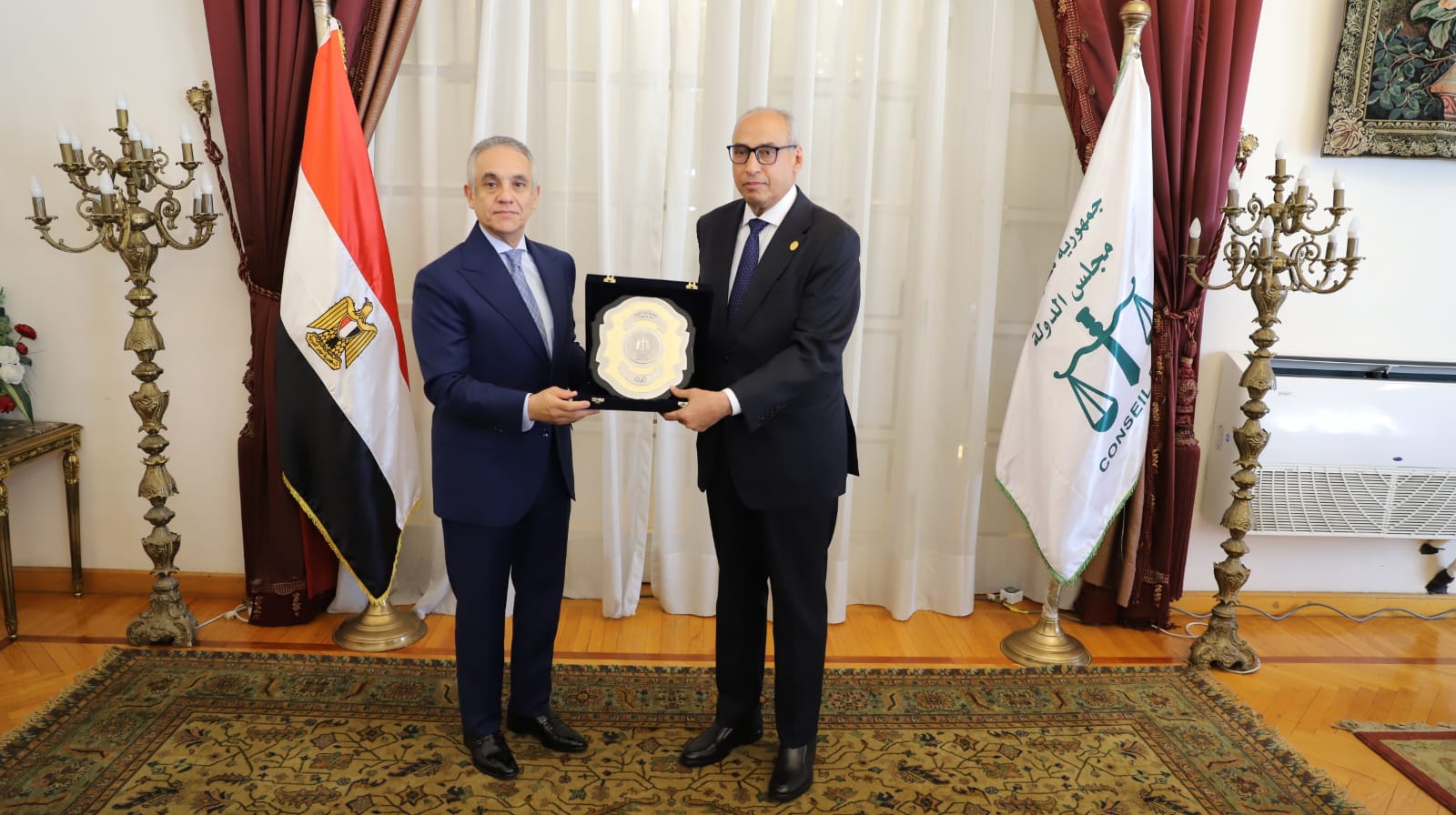
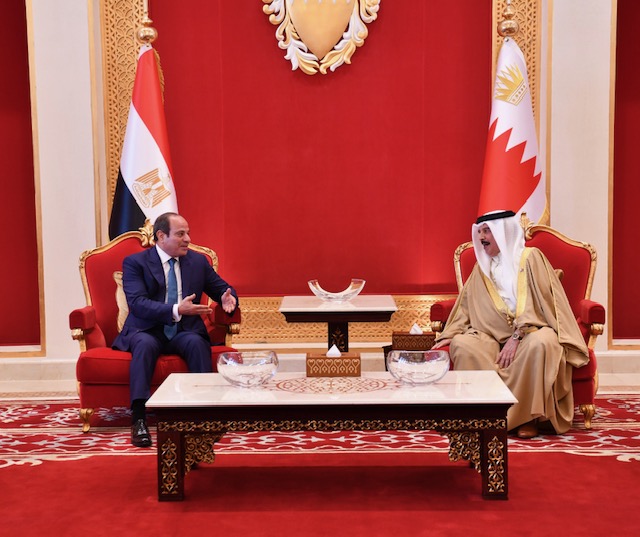
Two significant updates have emerged from the Arab Republic of Egypt: one concerning the safeguarding of rights and freedoms within the country, and another regarding foreign policy, reaffirming Egypt’s full solidarity with the Kingdom of Bahrain in light of current regional developments.
A top priority for Egypt is the growth of a cosmopolitan culture and the continuous development of the arts—a beacon for all peoples. To this end, the government is deeply committed—both domestically and in its foreign policy—to initiatives that ensure justice, friendship, and maximum cooperation with nations considered to be staunch allies.
Tuesday, July 14, saw two major developments: Justice Minister Mahamoud El-Sherif offered his congratulations to the incoming President of the State Council, Mahamoud Abu El-Dahab, at the Princess Fawzia Palace; meanwhile, Presidential Spokesperson Ambassador Mohammed El-Shennawy announced that President Abdel Fattah El-Sisi would visit the King of Bahrain, His Majesty Hamad bin Isa Al Khalifa, following his visit to Qatar. During the meeting with His Majesty Hamad bin Isa, the President reiterated Egypt’s firm support for the security and stability of the Kingdom of Bahrain.
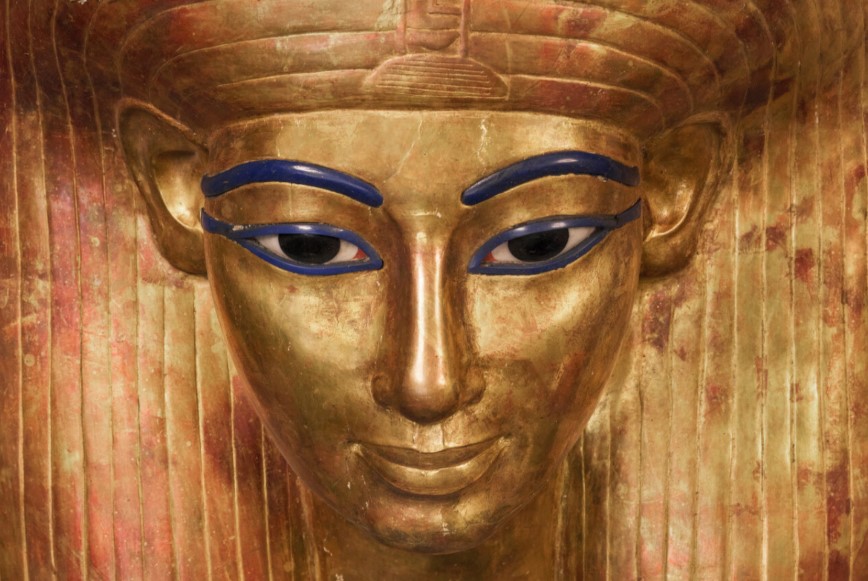
Meanwhile, in the Land of the Pharaohs, there is a surge in the number of tourists visiting the world’s largest archaeological museum dedicated to a single civilization: the Grand Egyptian Museum in Giza. Concurrently, a special reception is scheduled for July 30 in San Francisco to celebrate the de Young Museum’s highly anticipated exhibition, “Treasures of the Pharaohs,” curated by Renée Dreyfus (George and Judy Marcus Distinguished Curator in Charge of Ancient Art).
Be among the first to marvel at the 130 exquisite works that exemplify the grandeur of the world of the Egyptian pharaohs, ranging from monumental granite statues to intricate gold jewelry, each highlighting the wealth and complexity of ancient Egyptian civilization. Spanning 3,000 years of history, the exhibition features objects that beautifully and poignantly represent the daily life and views of those who served the pharaohs, offering insight into Egyptian society, its beliefs, and its artistic achievements.
Pingback: Synchronized Chaos Mid-July 2026: Landscapes of the Soul | SYNCHRONIZED CHAOS