
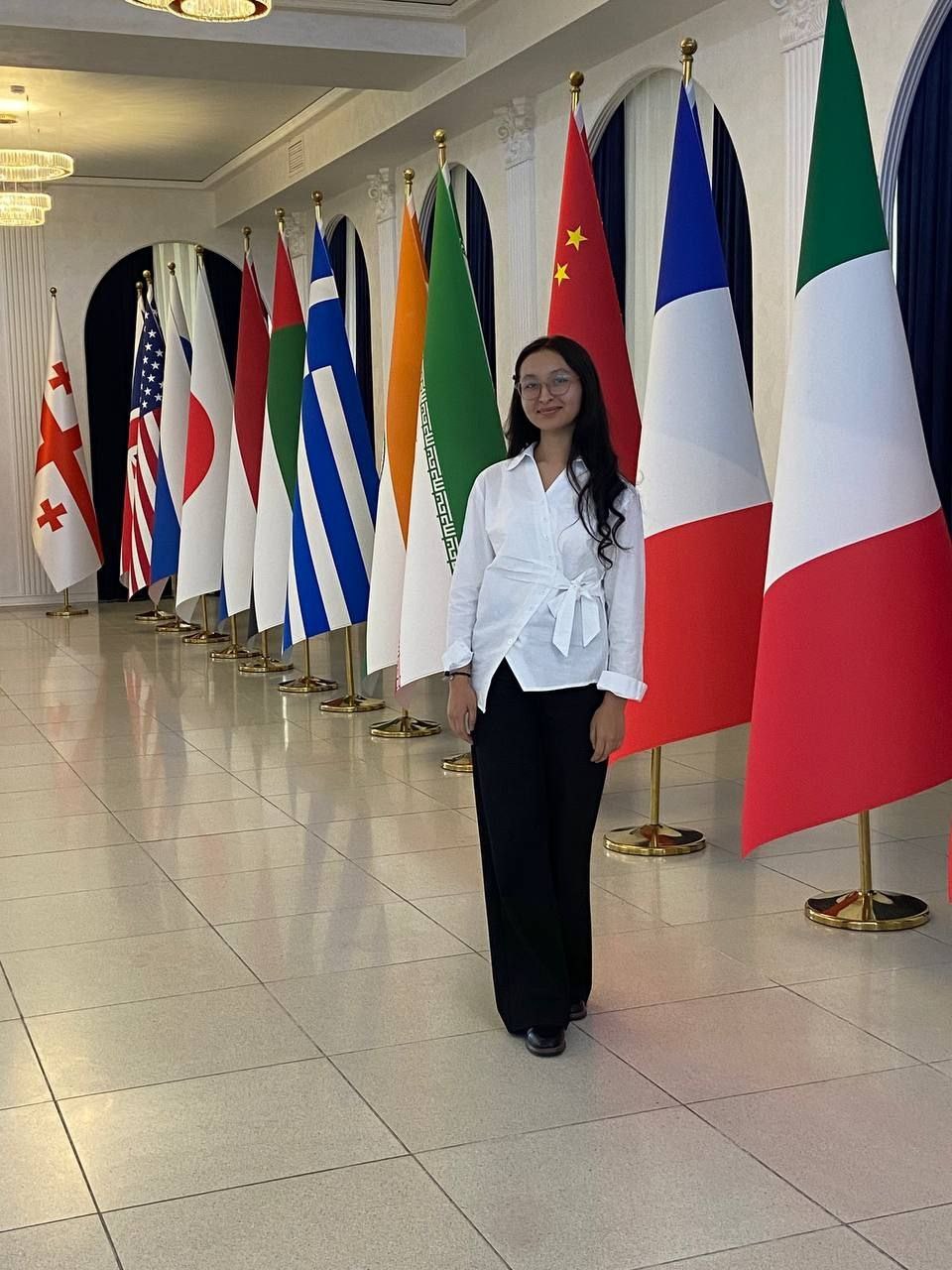
The Power of Language: How Learning and Teaching Connect the World
Murodova Zarin Sherali qizi
Uzbekistan State University
Of World languages, English
Philology and Teaching
Languages – Faculty 3
Scientific supervisor:
Bazarov Ixtiyor Raxmatullayevich
Abstract
Language is the foundation of human connection, enabling communication, cultural exchange, and global collaboration. This article explores the transformative power of language learning and teaching in today’s interconnected world. It highlights the cognitive, social, and professional benefits of multilingualism, while emphasizing the role of teachers as cultural ambassadors who inspire curiosity and confidence. The discussion also addresses challenges such as pronunciation, cultural barriers, and limited resources, alongside opportunities provided by technology, online platforms, and international exchange. Ultimately, language learning and teaching are presented as acts of building bridges across cultures, fostering empathy, and contributing to global harmony. Every word learned is a step toward understanding the world, and every lesson taught is a gift that empowers future generations.
Keywords
Language learning, language teaching, multilingualism, global communication, cultural exchange, education and technology, language barriers, language preservation, empathy through language, language as a bridge
Introduction Language is more than a collection of words and grammar rules; it is the heartbeat of human connection. Through language, we share ideas, express emotions, and build bridges across cultures. In today’s globalized world, the ability to learn and teach languages has become one of the most powerful tools for fostering understanding and unity. This article explores the transformative role of language learning and teaching, highlighting how they shape individuals, societies, and the future of global communication.
The Role of Learning Languages Learning a new language is like opening a door to another world. It allows us to step into different cultures, traditions, and perspectives. For example, mastering English provides access to international education, business, and technology, while learning smaller, less widely spoken languages helps preserve cultural heritage and identity.
The benefits of language learning extend far beyond communication. Studies show that multilingual individuals often have stronger problem-solving skills, better memory, and greater adaptability. Language learning also nurtures empathy: when we learn another language, we begin to see the world through the eyes of its speakers. This ability to understand and respect diversity is essential in a world where collaboration across borders is increasingly necessary.
The Art of Teaching Languages Teaching languages is not simply about transferring knowledge of vocabulary and grammar. It is about inspiring curiosity and confidence in learners. A good language teacher acts as a cultural ambassador, introducing students to the traditions, values, and stories embedded in the language.
Modern teaching methods emphasize interaction and creativity. Instead of rote memorization, teachers now use storytelling, role-playing, and digital tools to make learning engaging. Technology has revolutionized language education: apps, online courses, and AI-powered platforms allow learners to practice with native speakers, receive instant feedback, and immerse themselves in authentic content.
Yet, the human element remains irreplaceable. A teacher’s encouragement can transform a hesitant learner into a confident speaker. By creating a supportive environment, teachers help students overcome the fear of mistakes and embrace the joy of communication.
Challenges in Language Learning and Teaching Despite its rewards, language learning is not without challenges. Many learners struggle with pronunciation, grammar complexity, or lack of practice opportunities. Cultural barriers can also make communication difficult, as words often carry meanings shaped by traditions and social norms.
Teachers face their own challenges: balancing diverse student needs, keeping lessons engaging, and adapting to rapidly changing technologies. In some regions, limited resources and lack of access to qualified instructors hinder effective language education.
However, these challenges also present opportunities. Online platforms connect learners with teachers worldwide, breaking geographical barriers. Language exchange programs allow students to practice with native speakers, while AI tools provide personalized learning experiences. The key is persistence and creativity — qualities that both learners and teachers must cultivate.
Language as a Bridge Between Cultures Perhaps the most profound impact of language learning and teaching is its ability to unite people. When we learn another language, we gain access to its literature, music, and traditions. We begin to appreciate the richness of human diversity and recognize our shared humanity.
Consider international diplomacy: leaders who speak multiple languages can build trust and negotiate more effectively. In business, multilingual employees create opportunities for global partnerships. In everyday life, speaking another language allows us to form friendships across borders, travel with confidence, and experience cultures authentically.
Language is also a tool for peace. Misunderstandings often arise from communication gaps, but when people share a common language, dialogue becomes possible. Teaching languages, therefore, is not just an educational act — it is a contribution to global harmony.
The Future of Language Learning and Teaching As technology advances, the future of language education looks promising. Artificial intelligence, virtual reality, and translation tools are reshaping how we learn and teach. Imagine practicing French in a virtual Paris café or using AI to receive instant corrections during a conversation. These innovations make language learning more accessible and immersive than ever before.
Yet, technology should complement, not replace, human interaction. The emotional connection between teacher and student, or between two people communicating in a new language, cannot be replicated by machines. The future lies in combining technological efficiency with human warmth, creating a balanced approach that maximizes learning outcomes.
Conclusion Language learning and teaching are acts of building bridges. They connect individuals to cultures, societies to opportunities, and humanity to a shared future. Every word learned is a step closer to understanding the world, and every lesson taught is a gift that empowers others to communicate, collaborate, and dream beyond borders.
In honoring the power of language, we honor the essence of human connection. Whether as learners or teachers, we participate in a timeless journey — one that transforms not only our minds but also the world around us.
References
- Crystal, David. Language and the Internet. Cambridge University Press, 2006.
- Krashen, Stephen. Principles and Practice in Second Language Acquisition. Pergamon, 1982.
- Cummins, Jim. Language, Power and Pedagogy: Bilingual Children in the Crossfire. Multilingual Matters, 2000.
- Council of Europe. Common European Framework of Reference for Languages (CEFR). Cambridge University Press, 2001.
- UNESCO. The Importance of Mother Tongue-Based Multilingual Education. UNESCO Policy Papers, 2016.
- Ellis, Rod. The Study of Second Language Acquisition. Oxford University Press, 1994.
- Larsen-Freeman, Diane & Anderson, Marti. Techniques and Principles in Language Teaching. Oxford University Press, 2011.
- Brown, H. Douglas. Principles of Language Learning and Teaching. Pearson Education, 2014.
- Norton, Bonny. Identity and Language Learning: Extending the Conversation. Multilingual Matters, 2013.
- Richards, Jack C. & Rodgers, Theodore S. Approaches and Methods in Language Teaching. Cambridge University Press, 2014.
My name is Murodova Zarina Sherali qizi, born on January 13, 2007 in Narpay District, Samarkand Region, Uzbekistan. I am currently a first-year student at the Uzbekistan State World Languages University, Faculty of Philology and Teaching Languages (English Language Department).
Alongside my academic journey, I am actively engaged in sports. I am a hockey player and the winner of the Higher Education Cup 2025. My dedication to sports has taught me discipline, teamwork, and resilience, which I strive to apply in all aspects of my life.
At university, I am also the founder of the “Debate with Peers” club, which provides students with a platform to practice critical thinking, public speaking, and constructive dialogue. Through this initiative, I aim to foster a culture of intellectual exchange and leadership among my peers.
My academic pursuits, combined with my passion for sports and extracurricular activities, reflect my commitment to personal growth and contributing positively to society. I believe that youth have a vital role in shaping the future, and I am eager to represent Uzbekistan on international platforms, sharing our values and learning from global experiences.
Pingback: Synchronized Chaos First March Issue: Fingering the Spines | SYNCHRONIZED CHAOS