Essay from Mirzayeva Madina Asliddinovna

HISTORICAL CITIES OF UZBEKISTAN: SAMARKAND, BUKHARA AND SHAHRISABZ

Mirzayeva Madina AsliddinovnaStudent of School No.16 “Jasorat”, Kasbi district, Kashkadarya region

ANNOTATION

This article discusses the historical and cultural importance of the ancient cities of Uzbekistan, especially Samarkand, Bukhara, and Shahrisabz. These cities are considered some of the oldest centers of civilization in Central Asia and played a major role in the development of science, culture, trade, and architecture during the period of the Great Silk Road. The article analyzes the historical monuments, architectural masterpieces, and spiritual heritage of these cities. It also explains how these historical places continue to attract tourists and researchers from different countries. Furthermore, the study highlights the importance of preserving cultural heritage for future generations and promoting national identity through historical awareness.

Keywords: historical cities, Samarkand, Bukhara, Shahrisabz, architecture, cultural heritage, Silk Road, tourism, civilization, history.

INTRODUCTION

Uzbekistan is one of the most ancient countries in Central Asia with a rich cultural and historical heritage. The territory of modern Uzbekistan has long been known as a center of science, education, literature, trade, and architecture. Ancient cities such as Samarkand, Bukhara, and Shahrisabz became world-famous due to their historical monuments, unique traditions, and contribution to world civilization. These cities were located on the Great Silk Road, which connected Eastern and Western countries for centuries. Merchants, scientists, travelers, and artists visited these cities, creating strong cultural and economic relations among different nations.

As a result, Samarkand, Bukhara, and Shahrisabz developed into important centers of knowledge and spirituality. Historical monuments found in these cities demonstrate the intelligence and creativity of ancient architects and craftsmen. The blue domes, detailed mosaics, giant madrasahs, and ancient fortresses continue to impress people from all around the world. These monuments are not only symbols of the past but also sources of national pride and cultural identity. Today, historical cities play an important role in tourism and education. Millions of tourists visit Uzbekistan every year to explore its ancient architecture and learn about Eastern civilization. Therefore, studying the historical cities of Uzbekistan is important for understanding both national and world history.

LITERATURE REVIEW AND METHODOLOGY

Many historians, researchers, and cultural scholars have studied the historical cities of Uzbekistan and their influence on world civilization. According to historical research, Samarkand was one of the most powerful centers during the Timurid period, while Bukhara became famous as a spiritual and scientific center of the Islamic world. Shahrisabz is especially recognized as the birthplace of Amir Temur and an important political center during his reign. Researchers explain that the Great Silk Road played a major role in the development of these cities. Through trade and communication, people exchanged not only goods but also scientific ideas, literature, religion, and art. Because of this, the cities became multicultural centers where knowledge and creativity flourished.

This article uses qualitative analysis based on historical books, cultural studies, encyclopedias, and academic articles. The research examines historical monuments, architectural features, tourism development, and the cultural importance of Samarkand, Bukhara, and Shahrisabz. The study also analyzes how these cities influence modern society and preserve historical identity.

SAMARKAND – THE PEARL OF THE EAST

Samarkand is one of the oldest cities in the world and has a history of more than 2,700 years. The city is often called “The Pearl of the East” because of its beauty and historical significance. During the reign of Amir Temur, Samarkand became the capital of a powerful empire and one of the most developed cities in the world.One of the most famous places in Samarkand is Registan Square. This magnificent square is surrounded by three grand madrasahs: Ulugh Beg Madrasah, Sher-Dor Madrasah, and Tilla-Kari Madrasah. The buildings are decorated with colorful mosaics, geometric patterns, and golden ornaments. In ancient times, Registan was the center of education and public life. Another important monument in Samarkand is the Gur-e-Amir Mausoleum, where Amir Temur and his descendants were buried. The mausoleum is famous for its large blue dome and artistic decoration. It represents the greatness of Timurid architecture and attracts thousands of visitors every year. The Shah-i-Zinda complex is another beautiful historical site in Samarkand. It consists of many mausoleums and religious buildings covered with blue tiles and artistic patterns. Tourists describe this place as one of the most beautiful architectural complexes in Central Asia. Samarkand is also known for the Ulugh Beg Observatory. Ulugh Beg was not only a ruler but also a famous scientist and astronomer. His observatory became one of the most important scientific centers of the Middle Ages.

BUKHARA – THE CITY OF KNOWLEDGE

Bukhara is another ancient city of Uzbekistan with a history of more than 2,500 years. The city is often called an “open-air museum” because it contains hundreds of historical monuments and ancient buildings. Bukhara was one of the largest centers of Islamic culture, religion, and science. Many great scholars and religious leaders studied and worked in this city. One of the most famous monuments in Bukhara is the Kalon Minaret. Built in the twelfth century, the minaret became a symbol of the city and amazed travelers for centuries. The Ark Fortress is another important historical monument in Bukhara. It served as the residence of rulers for many years. Inside the fortress there were palaces, mosques, libraries, and government offices. Today, tourists visit the fortress to learn more about the history of the city and ancient political life. Bukhara is also famous for the Lyabi-Hauz complex. This peaceful area surrounded by historical buildings was once a gathering place for merchants and travelers. Traditional crafts such as carpet weaving, ceramics, embroidery, and jewelry-making continue to develop in Bukhara today. The atmosphere of Bukhara allows visitors to feel the spirit of ancient Eastern civilization. Narrow streets, traditional houses, and historical markets preserve the beauty of the past and attract tourists from all around the world.

SHAHRISABZ – THE BIRTHPLACE OF AMIR TEMUR

Shahrisabz is one of the most important historical cities of Uzbekistan. It is located in the Kashkadarya region and is famous as the birthplace of Amir Temur. The ancient name of the city was Kesh, and it played a major role in the political and cultural life of Central Asia. The most famous monument in Shahrisabz is the Ak-Saray Palace. Amir Temur ordered the construction of this palace to demonstrate the power and greatness of his empire. Although only part of the palace remains today, its giant entrance towers still impress visitors and researchers. Another important historical place is the Dorut Tilovat complex. This complex contains religious and educational buildings connected with the spiritual life of the city. The Dorus Saodat complex is also famous because it includes mausoleums related to the Timurid dynasty. Shahrisabz is surrounded by beautiful mountains and nature, making the city attractive not only historically but also naturally. Tourists enjoy both the peaceful atmosphere and the historical beauty of the region.

THE IMPORTANCE OF HISTORICAL HERITAGE

Historical monuments are valuable treasures that connect modern society with the past. Ancient cities help people understand the achievements, traditions, and culture of previous generations. The preservation of historical heritage is very important because monuments can be damaged by time, natural disasters, or human activity. Today, many historical monuments in Uzbekistan are included in the UNESCO World Heritage List.

One of the most famous places in Samarkand is Registan Square. This magnificent square is surrounded by three grand madrasahs: Ulugh Beg Madrasah, Sher-Dor Madrasah, and Tilla-Kari Madrasah. The buildings are decorated with colorful mosaics, geometric patterns, and golden ornaments. In ancient times, Registan was the center of education and public life. Another important monument in Samarkand is the Gur-e-Amir Mausoleum, where Amir Temur and his descendants were buried. The mausoleum is famous for its large blue dome and artistic decoration. It represents the greatness of Timurid architecture and attracts thousands of visitors every year.

The Shah-i-Zinda complex is another beautiful historical site in Samarkand. It consists of many mausoleums and religious buildings covered with blue tiles and artistic patterns. Tourists describe this place as one of the most beautiful architectural complexes in Central Asia. Samarkand is also known for the Ulugh Beg Observatory. Ulugh Beg was not only a ruler but also a famous scientist and astronomer. His observatory became one of the most important scientific centers of the Middle Ages.

Being included on the UNESCO World Heritage List increases tourism and encourages people to protect cultural heritage. Historical tourism also plays an important role in the economy of Uzbekistan. Millions of tourists visit Samarkand, Bukhara, and Shahrisabz every year. Through tourism, people from different countries learn more about Uzbek culture, traditions, architecture, and hospitality. Young generations should study the history of their country and respect historical monuments. Learning about ancient cities develops patriotism, national pride, and cultural awareness.

CONCLUSION

In conclusion, Samarkand, Bukhara, and Shahrisabz are among the greatest historical treasures of Uzbekistan and world civilization. These cities preserve the memory of great rulers, scientists, architects, and artists who contributed to human progress and cultural development. The historical monuments of these cities demonstrate the high level of architecture, science, and art achieved by ancient civilizations. Their beauty and historical importance continue to inspire millions of people around the world. Protecting and studying historical heritage is one of the most important responsibilities of modern society. By preserving ancient cities and monuments, people can maintain cultural identity and pass valuable traditions to future generations.

REFERENCES

1. UNESCO World Heritage Centre. Historic Cities of Uzbekistan.

2. Encyclopaedia Britannica. Samarkand and Bukhara.

3. History of the Great Silk Road. Cultural Studies Journal.

4. Architectural Monuments of the Timurid Period.

5. Karimov, I. Historical Heritage of Central Asia.

6. National Encyclopedia of Uzbekistan.

7. Cultural Tourism in Central Asia.

8. History and Civilization of the East.

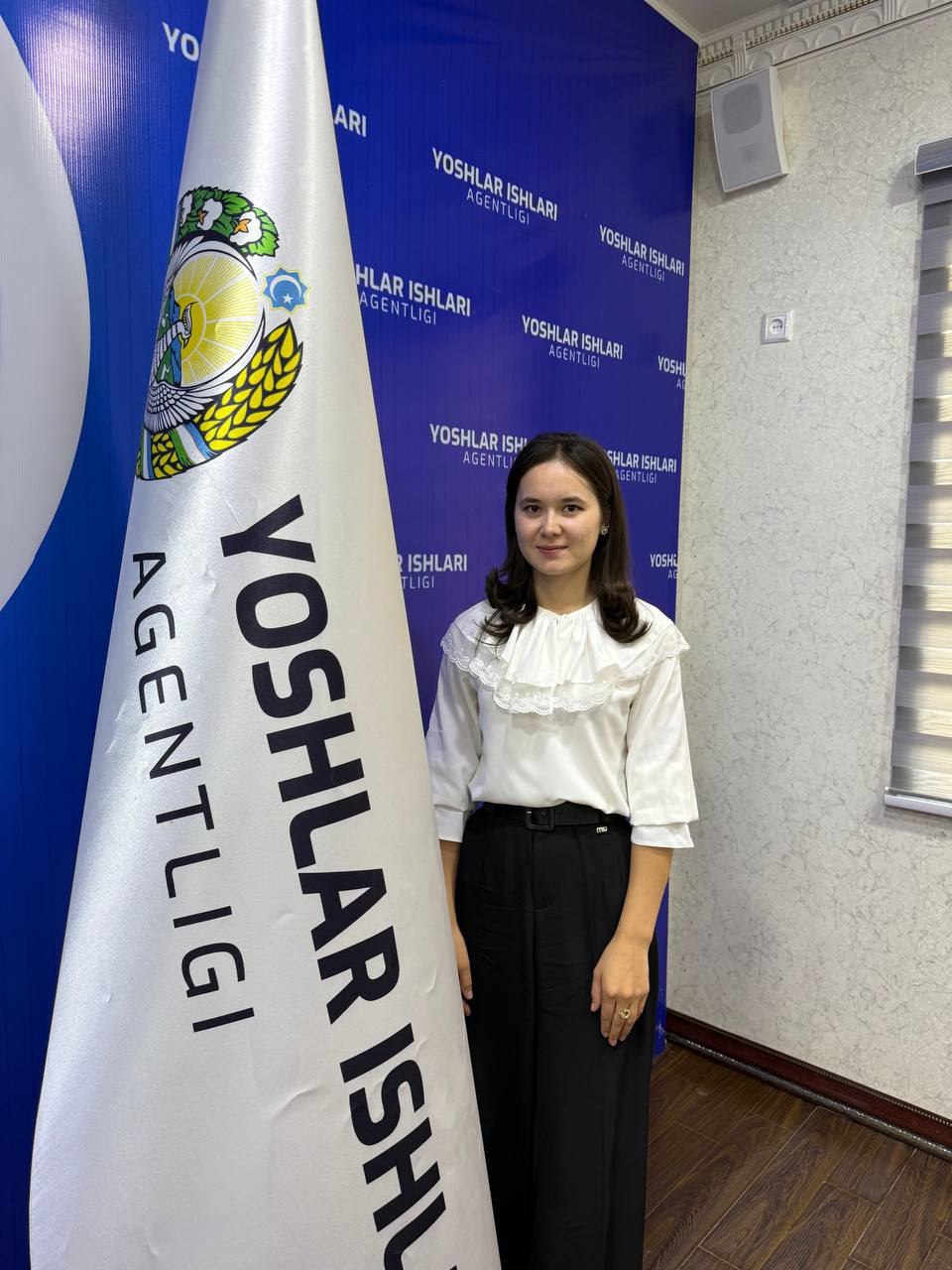
Mirzayeva Madina Asliddinovna is a student at the “Jasorat” School No. 16 in the Kasbi district of the Qashqadaryo region. From an early age, she has demonstrated a profound interest in creative writing, literature, and journalism, earning a reputation as a proactive and highly inquisitive student. Embarking on her creative journey early on, she launched a personal blog on the Telegram social network, where she regularly shares her perspectives on a variety of topics.

To further advance her skills, Madina successfully completed the “Efirdamiz” (On Air) broadcasting course. She has been invited multiple times to the “Fayzli Kun” program on the Qashqadaryo television channel, where her creative segments were broadcast. Her television appearances have also been featured on the national “Madaniyat va Ma’rifat” (Culture and Enlightenment) channel.

Her creative works have been published across local and international websites and magazines. Notably, her pieces have been featured on the internationalliterary platform Atunis Poetry. Furthermore, her literary work has been included ininternational anthologies such as Voices Without Borders, published in the United States, and “Ziyo Izidan”.Madina holds numerous international certificates and has actively participated in various competitions, earning cash prizes, books, and commemorative awards.

Acknowledged as a favored mentee by journalist Nigora Togayeva, she continues to expand her creative endeavors in collaboration with international organizations. Despite her young age, Madina Asliddinovna is a promising and talented creative, actively striving to establish her presence in the fields of writing, journalism, and media.
Essay from Feruza Boymurodova Jumanazar qizi

DIGITAL AND AI-DERMATOSCOPIC MONITORING OF THE EFFICACY OF BIOLOGICAL THERAPY IN PSORIASIS

Feruza Jumanazar qizi Boymurodova

3rd-year student, Faculty of Medicine

 Karshi State University

ABSTRACT

This thesis analyzes the efficacy of applying AI-dermatoscopy and digital monitoring systems in the treatment of psoriasis with biological agents (monoclonal antibodies). Due to the subjective nature of traditional clinical assessment methods (such as the PASI index), the necessity of utilizing digital technologies to detect microvascular and vascular changes in the skin at an early stage is highlighted. The study results demonstrated that AI-dermatoscopic analysis and digital monitoring allow for an objective evaluation of therapy efficacy 2 weeks earlier than visual signs appear, enabling timely adjustment of the treatment regimen and accurate prediction of the remission period.

Keywords: Psoriasis, medications, AI-dermatoscopy, biological therapy, antibodies, digital monitoring.

INTRODUCTION

Relevance of the topic. In recent years, the use of biological therapy—specifically monoclonal antibodies (IL-17 and IL-23 inhibitors)—has represented a major breakthrough in dermatovenerology for the treatment of severe and treatment-resistant forms of psoriasis. These targeted drugs selectively act on the immunopathogenetic cascade of the disease, demonstrating high clinical and laboratory efficacy. While the introduction of biological agents (monoclonal antibodies) plays a crucial role in modern medicine, assessing treatment efficacy with the naked eye does not always yield accurate results. The routinely used PASI index remains subjective and largely dependent on the specialist’s experience. To detect microscopic changes in the skin layers and positive dynamics during the initial weeks of treatment, there is a growing need to utilize dermatoscopy based on modern digital technologies and artificial intelligence (AI) algorithms.

 Objective of the study: To demonstrate the accuracy and efficacy of evaluating skin recovery dynamics via AI-dermatoscopy and digital monitoring in psoriasis patients receiving biological therapy (monoclonal antibodies), thereby improving overall treatment outcomes.

Tasks of the study:

To analyze dermatoscopic parameters of the skin in psoriasis patients undergoing monoclonal antibody therapy using an AI neural network.To identify the correlation between AI-dermatoscopic parameters and the traditional PASI index.To evaluate the practical significance of digital monitoring systems in improving treatment compliance and predicting remission periods.

MATERIALS AND METHODS

The study included 30 patients (18 males, 12 females; aged 18 to 65 years, mean age: 42.5 ± 8.3 years) diagnosed with moderate-to-severe plaque psoriasis receiving biological therapy (IL-17 and IL-23 inhibitors). Affected skin areas were evaluated using a digital dermatoscope at baseline (week 0) and at weeks 2, 4, and 12 of treatment. Images capturing erythema, vascular pattern, and plaque thickness were analyzed using a dedicated AI neural network, complemented by a home-based digital monitoring application.The acquired images (erythema degree, vascular structure, and layer thickness) were analyzed using a specialized AI neural network. Additionally, patients were enrolled in a mobile application monitoring system to capture and send general skin condition images from home.

RESULTS AND DISCUSSION

AI-assisted dermatoscopic analysis demonstrated early vascular reduction and subclinical resolution of inflammatory features as early as Week 2 in 86.7% (n = 26) of patients, significantly preceding visible clinical improvement. The AI-based quantitative metrics showed a strong positive correlation with traditional PASI scores (r = 0.84, p < 0.001), providing objective, high-sensitivity detection of early therapeutic response and optimizing patient compliance.The developed digital and AI-monitoring approach enables physicians to make timely adjustments to treatment tactics, prevent complications, and achieve medical and social cost-effectiveness by reducing inpatient hospital visits. Furthermore, the digital monitoring system improved patient treatment compliance by reducing the need for frequent clinic visits.

CONCLUSION

The implementation of AI-dermatoscopy and digital monitoring systems in psoriasis patients receiving biological therapy (monoclonal antibodies) provides an objective and precise evaluation of treatment efficacy. The results confirmed that analyzing dermatoscopic images via an artificial intelligence neural network possesses higher sensitivity compared to traditional visual examination and the PASI index. It is recommended to integrate AI-dermatoscopic scanning into clinical practice at dermatovenerology clinics and specialized centers as a mandatory monitoring criterion for patients undergoing biological therapy.

REFERENCES

1.https://med24.uz

2.https://avitsenna.uz

3.Diagnosis of skin diseases through AI programs in dermatology. Journal of Science and Technology.  

4. A. (2009). Skin and Venereal Diseases. Aripov, S. S. (2010). Dermatology Textbook.

Feruza Boymurodova Jumanazar qizi was born on May 22, 2005, in the Kitob district of the Qashqadaryo region. She is currently a student at the Faculty of Medicine at Qarshi State University, actively conducting research at the intersection of medicine and social projects.

She has participated in the “AI Girls Bootcamp” startup program in Tashkent, as well as the “RISE & GLOW” and “Kelajak” platforms. She has served as a volunteer in the “Salomatlik”, “Vitamed”, and “Oltin Qanot” organizations, and took part in the “Eng yaxshi targ‘ibotchi” (Best Promoter) competition. On an international level, she has been accepted into the Argentine Writers’ Union, and her scientific articles have been published in international collections.

In her submitted article, as a future physician and researcher, she places a strong emphasis on strengthening public health, advancing medical knowledge, and addressing pressing issues in practical medicine.

Essay from Yuldasheva Xadichaxon Bahodir qizi

TGFU – The Key to My Success

Human beings always welcome each new day with dreams and new goals, making plans for the future. In order to achieve some goals, we have to give up certain things and strive for others. This, in turn, requires qualities such as determination, hard work, knowledge, and skills, as well as the ability to apply them in practice.

To achieve a positive result, a person must have intelligence, willpower, confidence, determination, and the ability to direct their efforts and hard work in the right way.

In 2023, I became a student at Tashkent University of Humanities (TGFU). From that moment on, some of the happiest days of my life began, driven by my strong desire to gain knowledge. First of all, the university environment and the opportunities created for education greatly increased my passion for learning. Modern technologies, an electronic library, classrooms equipped in accordance with the requirements of the modern era, interactive boards, and, most importantly, the opportunity to study under knowledgeable, wise, and demanding professors, including Candidates and Doctors of Sciences, provide students with all the necessary conditions for quality education.

Furthermore, our university has signed memorandums and agreements with several universities abroad, including institutions in Turkey, China, and Kyrgyzstan. Students also have opportunities to study abroad. This provides them with valuable opportunities to gain new experiences, develop innovative approaches to education, and acquire skills in various fields.

TGFU is one of the universities that provides equal opportunities for everyone who wishes to study and creates a strong foundation for their future. In 2023, TGFU ranked fifth in the “Best Non-State University – 2023” competition. Considering that the university had been established only a short time before, achieving such a result within just six months was truly remarkable.

Various competitions and events are regularly organized at the university. These activities are not conducted in an ordinary manner; rather, they are organized creatively in the form of conferences, practical presentations, and other innovative events. The university administration actively supports talented and creative students, encouraging them through recognition and motivation. This contributes significantly to strengthening students’ self-confidence and inspires them to work harder on their personal and professional development.

The learning process itself is also engaging. Classes are conducted through interesting methods, including debates, discussions, and unconventional teaching approaches. Such methods encourage students to think creatively, develop new ideas, and become innovators in their respective fields.

Today, TGFU has developed new educational programs for the new academic year and opened new fields of study. The university has also introduced scholarships and grants for talented and knowledge-seeking young people across various academic programs. These initiatives naturally attract the interest of students and encourage them to pursue education with greater enthusiasm. After all, the fruit that comes from knowledge and hard work is truly sweet.

Achieving success through knowledge first of all gives a person happiness, motivation, and enthusiasm. TGFU currently has three campuses located in Tashkent, Samarkand, and the Republic of Karakalpakstan. At each educational building, students have the opportunity to learn from professors, Doctors of Sciences, and experienced teachers.

On August 9, 2026, the opening ceremony of TGFU’s new main building was held in the Turtkul district of the Republic of Karakalpakstan. The event began with a graduation ceremony and the presentation of diplomas to students and continued with a spectacular concert program. The new building was established as a modern educational center equipped with contemporary classrooms, advanced technologies, and the necessary facilities for quality education.Personally, I also had the opportunity to participate in the ” Best Article” competition organized by the university. My creative work was selected and I was awarded a certificate. This became the beginning of my collection of achievements. Later, my creative works were published in international newspapers and journals. These accomplishments became some of the most valuable achievements in my life and greatly strengthened my self-confidence.

Today, I continue to move forward without fear, seeking new knowledge, conducting new research, and exploring new opportunities. I can confidently say that the foundation of my achievements lies in my decision to enter TGFU and in the knowledge and skills I gained from my professors.

TGFU is the key to my success.

Yuldasheva Xadichaxon Bahodir qizi was born on January 8, 1993, in Tashkent, into a family of intellectuals. From an early age, she has shown a strong interest in literature, art, and science.

A number of her literary articles have been published in international journals. She has also actively participated in international literary anthologies and collections held in countries such as Turkey, Egypt, Azerbaijan, and India. In particular, her creative works have been included in the “New Renaissance Students’ Almanac.”

In 2024, she won the district stage of the “Woman of the Year 2024” competition in the nomination “Best Creative Woman of the Year.” She also participated in the “Followers of Behbudi” competition.

Currently, Yuldasheva Xadichaxon Bahodir qizi is a fourth-year student majoring in Psychology at Tashkent University of Humanities. Her academic pursuits, passion for literature and art, and creative activities demonstrate her multifaceted intellectual and creative potential.

Poetry from Qahramonova Zaxro

To My Dear Father

You are everything I have in this world,
My pride, my patience, my honor unfurled.
My shield, my strength, my greatest treasure,
My dear father, whose love knows no measure.

You have endured so much pain in this life,
Yet faced it all with courage, without strife.
You gave your strength and soul for your children,
My dear father, whose love has never weakened.

You raised us with care, never letting us ache,
With patience, each difficult day you would take.
You showed us the world, took us far and wide,
My dear father, always there by our side.

With your advice, you gave us love and light,
A love so magical, pure and bright.
May you always live surrounded by your children’s affection,

My dear father, whose love is beyond perfection.

To My Dear Father

With my tiny hands raised in prayer,
I ask Allah for your life to spare.
May my prayers reach the heavens above,
For all I wish is your long life, my beloved father.

What have you not seen in this bright world?
How much pain, how many hardships unfurled?
With patience, step by step, you carried on,
And finally, the days we dreamed of have come.

Never say, my dear father, that you are less,
Never bow your head to those who bring distress.
Look upon the world with kindness and care, dear father,
For with you, this bright world blossoms fair.

Essay from O’ktamova Sabrina Mahmud qizi

Degradation Processes in Irrigated Soils of the Kashkadarya Region, Ecological Challenges in Achieving High Crop Yields, and Strategies for Mitigation Using Biological Mulching Methods

Student of the Faculty of Geography and Agronomy, Department of Ecology, Karshi State University

ABSTRACT

This scientific article analyzes the ecological degradation processes occurring in the irrigated soils of the Kashkadarya region, particularly secondary salinization, soil erosion, and the depletion of humus content, which represent the main challenges in achieving high agricultural crop yields. Under the sharply arid climatic conditions of the region, the ecological and economic efficiency of applying local organic waste (wheat straw, cotton stalks) and the “Eco-Mulch” technology to restore soil fertility and optimize water resource utilization is scientifically substantiated.

Keywords: Kashkadarya soils, degradation, secondary salinization, humus, water scarcity, biological mulching, Eco-Mulch, sustainable agriculture.

——————————

1. INTRODUCTION

The sustainable development of agricultural production and ensuring food security in the Republic of Uzbekistan, particularly in the Kashkadarya region, directly depend on soil fertility and the rational use of water resources. However, in recent years, due to global climate change, rising temperatures, and acute water shortages, various ecological problems and soil degradation have been intensifying in the irrigated lands of the region.

The specific hydrogeological and climatic conditions of the plain areas in the Kashkadarya region require special agrotechnical and ecological approaches to maintain soil fertility. Studying the main factors hindering high and quality crop yields and developing innovative, environmentally friendly methods to eliminate them is one of the most urgent tasks of today.

——————————

2. MAIN ECOLOGICAL CHALLENGES IN ACHIEVING HIGH YIELDS (RESULTS AND DISCUSSION)

Conducted scientific observations and analyses show that the following main ecological and agrotechnical challenges exist in obtaining high crop yields from the soils of the Kashkadarya region:

1. Secondary Salinization and Mineralization: Due to high groundwater tables in the irrigated lands of the region (especially in Kasbi, Nishon, Mirishkor, and Muborak districts) and intense water evaporation during hot summers, capillary salts rise to the upper soil layers. This causes secondary salinization and severely damages the root systems of crops.

2. Water Scarcity and High Transpiration: Limited water sources for irrigation and the traditional furrow irrigation method result in 40–50% of water loss through evaporation, causing crops to experience water stress.

3.Depletion of Humus (Organic Matter) Content: Due to long-term monoculture cultivation (cotton and wheat), insufficient organic fertilizer application, and the inefficient practice of burning straw and stalks in the fields after harvest, the humus content in the topsoil has dropped to 0.8–1.1%.

4. Soil Compaction and Erosion: The frequent movement of heavy machinery, along with excessive use of mineral fertilizers and pesticides, destroys soil microfauna (beneficial microbes and earthworms) and disrupts soil structure.

——————————

3. STRATEGIES FOR RESTORING SOIL FERTILITY AND ENVIRONMENTAL IMPROVEMENT (SOLUTIONS)

To overcome the above-mentioned problems under the conditions of the Kashkadarya region and to obtain abundant and environmentally clean crop yields, the following complex ecological and innovative measures are proposed:

1. Implementation of “Eco-Mulch” (Biological Mulching) Technology:

   Shredding and sterilizing wheat straw and cotton stalks, which are traditionally left as waste in fields after harvest, and applying them as a protective layer between crop rows.

• Result: The mulch layer reflects sunlight and reduces water evaporation from the soil surface by 35–40%. Once water evaporation stops, salts do not rise to the surface, successfully preventing salinization.

2. Organic Humus Formation:

   The applied straw and organic mulch gradually decompose, enriching the soil with biological humus. This improves soil structure, water permeability, and aeration.

1. 

Natural Barrier Against Weeds:

   Because the mulch layer blocks sunlight, it prevents weed growth. This frees farmers from using expensive and toxic herbicides.

2. 

Drip and Mulched Irrigation Complex:

   Combining drip irrigation with mulching in small areas and greenhouses makes it possible to increase crop yields by 25–30% and cut water consumption in half.

——————————

4. CONCLUSION AND RECOMMENDATIONS

To obtain abundant and sustainable crop yields from the irrigated soils of the Kashkadarya region, increasing the dosage of chemical fertilizers is not sufficient; rather, restoring the ecological and biological health of the soil is essential.

Research shows that utilizing the “Eco-Mulch” technology made from local organic waste:

• Allows for the conservation of irrigation water and the curbing of secondary salinization;

• Increases organic humus content in the soil and boosts crop yields by 20–25%;

• Establishes an environmentally clean and resource-efficient agriculture model.

It is recommended to widely introduce these recommendations in farms and household plots throughout the region.

——————————

REFERENCES

1. Decree of the President of the Republic of Uzbekistan. (2020). On the Strategy for the Development of Agriculture of the Republic of Uzbekistan for 2020–2030. No. PF-5853. Tashkent.

2. Hasanov, M.H., & Raupov, B. (2019). Hydromorphic and ecological condition of irrigated soils in Kashkadarya region. Tashkent: Fan va texnologiya nashriyoti, pp. 142-150.

3. Oktamova, S.M. (2026). Eco-Mulch: Smart Mulching Technology for Enhancing Soil Fertility and Water Conservation. Synchronized Chaos International Journal, California, USA.

4. Ismailov, A., & Sattarov, J. (2021).

Soil science and problems of soil degradation. Tashkent: “Uzbekistan”, pp. 210–225.

5. Smith, P., & Gregory, P.J. (2018). Soil fertility and climate change mitigation strategies in arid zones. Journal of Environmental Management, 245, 112–120.

6. FAO. (2022). Status of the World’s Soil Resources: Salinization and Organic Matter Loss in Central Asia. Rome: Food and Agriculture Organization of the United Nations

Oʻktamova Sabrina Mahmud qizi is a prominent and highly intellectual young representative of modern Uzbek youth, distinguished by her thirst for knowledge, social activism, and ambitious goals for the future.

Born on March 24, 2007, in Karshi city, Kashkadarya region, into an intellectual family, Sabrina graduated from school with excellent grades. She gained admission to Karshi State University (QarDU) on a state grant, where she is currently pursuing her bachelor’s degree in Ecology.

Despite her young age, Sabrina’s ability to fully capitalize on opportunities and achieve remarkable success is greatly supported by her parents, Islomov Mahmud and Geldiyeva Shahnoza. Her elder sister, Jasmina Makhmudovna, has been a key mentor and a significant source of inspiration in fostering Sabrina’s profound passion for knowledge and excellence.

Sabrina’s current achievements include:

• An active Eco-Volunteer and Social Volunteer.

• Regional winner of the Vociep project.

• Member of the “Children and Youth Support Movement” and a recipient of its special badge.

• An active member of the People’s Democratic Party.

• Recipient of over a hundred certificates from various educational and extracurricular programs.

• Participant in several international forums.

• An active participant and international certificate holder in the recent International Eco-Zakovat competition, recognized as a talented and active student and leader.

• An active member of the Kashkadarya “Golden Wing” Organization and the Youth Golden Wing initiative.

• Recipient of multiple Machine Learning (ML) grants.

Sabrina embodies a dynamic spirit, combining academic excellence with a strong commitment to social and environmental causes, making her a highly promising future leader and expert in the Field of Ecology

Poetry from Danijela Ćuk

MY DREAM

I know…

Perhaps it’s only just a dream of mine,

a silent wish that one day there will shine

a world where every war will finally cease,

and pain and darkness disappear in peace.

I dreamed of smiling children full of light,

of love-filled homes and streets both warm and bright,

of happiness reflected in the sun above,

of souls at rest, surrounded by pure love.

I saw the goodness hidden in each heart,

people embracing life in every part,

where no one cares about your name or race,

but sees the beauty carried by your grace.

I felt sincere embraces, warm and true,

when one extends a helping hand to you,

and friends who always stand by one another’s side,

untouched by greed or envy born of pride.

I breathed the love of such a wondrous place,

where everyone can find their rightful space,

a world where no one causes pain or strife,

a world untouched by violence in life.

Then I opened my eyes…

Ah, it was only just a lovely dream,

but will there come a day when all will see

that wars destroy the beauty life imparts,

and only what comes from the soul lives in our hearts?

Poetry from Hong Ngoc Chau

ĐỪNG HỎI TẠI SAO
DO NOT ASK WHY

My country: Vietnam 🇻🇳

1
Đừng hỏi tại sao đông rét buốt
Giọt sương trên lá lắc lư chao
Cho phai vạt nắng hồn man mác
Da diết nỗi lòng trăng nhớ sao
2
Đừng hỏi tại sao người lữ khách
Cồn cào nỗi nhớ hàng dừa cao
Thì thầm lời sóng gởi lòng biến
Khao khát hồn quê tình ngọt ngào
3
Đừng hỏi tại sao em ngóng đợi
Giáo đường thánh lễ mùa No-en
Cho hồn tĩnh lặng vơi niềm nhớ
Đầm ấm tình yêu thêm chắc bền
4
Đừng hỏi tại sao mây lãng đãng
Trăm hoa đua sắc thắm vươn lên
Ong vờn bướm lượn, hương hoa tỏa
Vạn vật dường như nồng ấm lên
5
Đừng hỏi tại sao em ước vọng
Đời thôi những trái tim bên lề
Vô tâm hờ hững tình đồng loại
Ích kỷ tham lam giữa cõi mê
6
Đừng hỏi tại sao mùa gió bấc
Khi trời trở rét bão giông về
Xót xa áo mỏng kẻ nghèo khó
Buồn kiếp vô gia cư não nề.
7
Đừng hỏi tại sao em phấn khích
Yêu người càng thiết tha yêu đời
Làm sao giải nghĩa thật tường tận
Thấu cảm cuộc đời trải nghiệm rồi
8
Thiên luật quyện hòa trong vũ trụ
Con người dưới thế đâu xa xôi
Gieo nhân gặt quả như thiên định
Chân thiện ngày sau được phúc trời
9
Sống có cội nguồn có tổ quốc
Kính cha yêu mẹ quý tình thân
Niềm tin lý tưởng luôn kiên định
Hữu ích cho đời đâu muộn màng.
10
Luôn hỏi tại sao, không đáp lại
Mà sao chẳng chịu nhìn lên cao
Trên cao thiên chúa vẫn kêu gọi
Nhân loại nên ngày yêu quý nhau
*
DO NOT ASK WHY
Author: HONG NGOC CHAU
1
Do not ask why winter is freezing cold
Dew drops on leaves swing you know
Sunshine fades away among all the heart
Deep in your soul, the moon misses stars
2
Do not ask me why the traveler in mind
Nostalgia is deep, coconut trees are high
Words of waves whisper send to the sea
I desire a hometown nostalgia, you see
3
Do not ask why I have always waited
Church of Christmas is coming indeed
My quiet soul of Noel reduces nostalgia
The loving warmth is more durable over
4
Do not ask why the clouds are wandering
Hundred colorful flowers are so blooming
Bees and butterflies soar on scented flowers
The universe objects seem to be so warmer
5
Do not ask me why I am expecting in life
Life doesn’t have hearts on the sidelines
Heartless to ignore fellow human beings
Selfish and greedy among all the beings
6
Do not ask me why in the north wind season
As the weather turns cold, stormy in motion
Pitying the poor have no thin coats, you see
They are sad about homeless life, obviously
7
Do not ask me why I’m so excited
Love people, earnestly I love life
How can I explain this thoroughly?
I feel the life experiences already
8
Heaven’s law harmonizes the universe
The people in worldly life have no lover
To sow causes and reap effects as God’s law
You will be blessed in the future by the Lord
9
We must have our source and country
Respect our parents, do you see truly?
Ideal beliefs are always steadfast
For useful life, it hasn’t late at last
10
You always ask me why I don’t answer
Why don’t you look up high above over?
Above, God is still calling as ever
Humanity should love each other
*