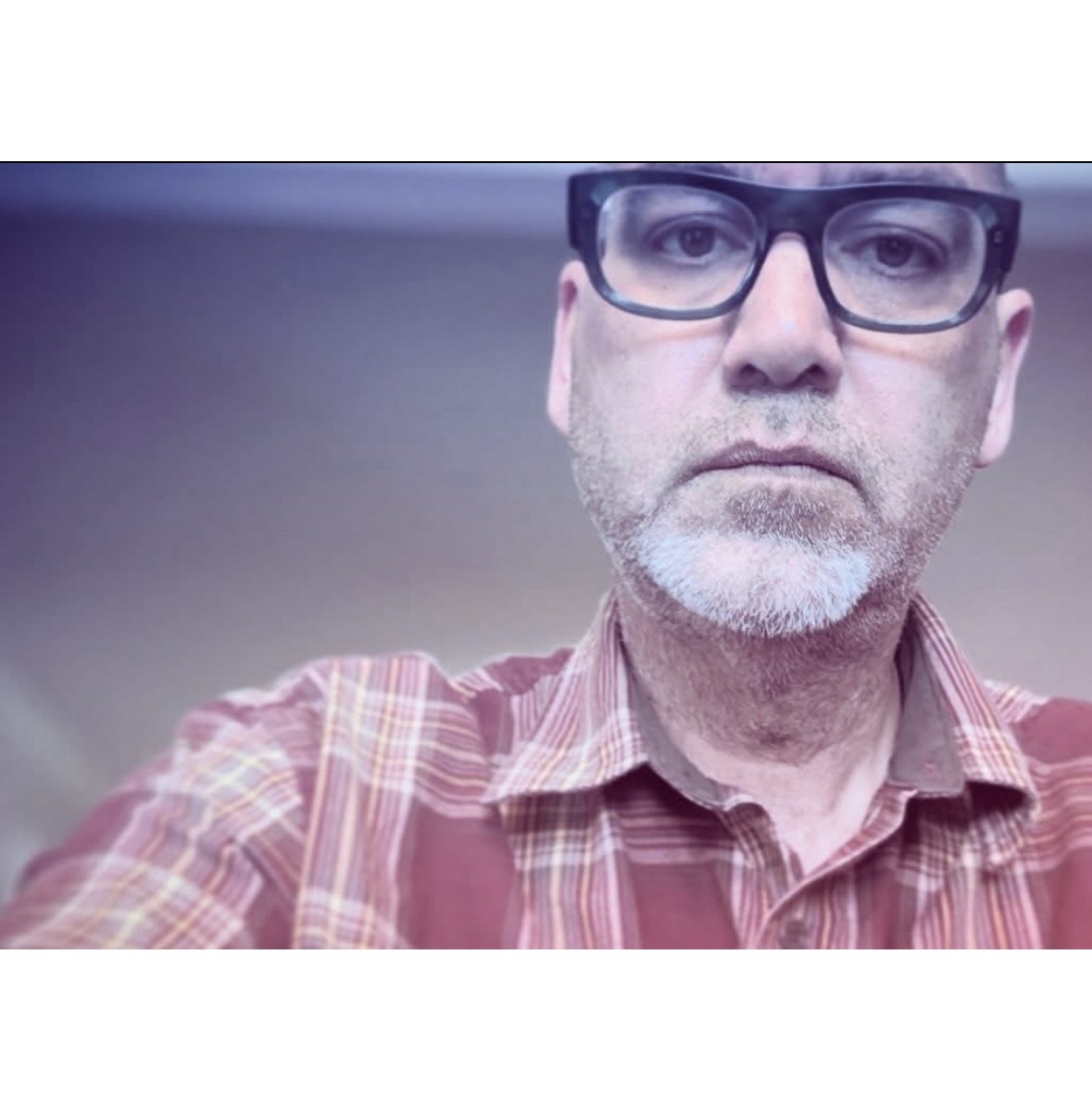
Essay from Alex S. Johnson

Militia Vox’s story opens with a kid staring at a piano and deciding she wants in because her best friend is doing it.

“My best friend was playing piano, and I was like, ‘Oh well, I want to play piano too,’” she says. They started together; the friend drifted away. Militia didn’t.

Very quickly, piano stopped being an activity and became a relationship. “Music became a thing that was my best friend,” she remembers. “This is something that I can carry with me forever.”

Her teacher enrolled her in competitive piano guilds without really explaining what that meant. Every year she had to take guild exams, playing for judges who measured everything: dynamics, posture, interpretation.

She accelerated fast. “Next thing I know, I’m winning regional and state competitions, and then like was considered one of the best young pianists in the country,” she says.

But the more she tried to bring herself into the music, the more the classical world pushed back. “Some of the powers that be in the classical circles would say things like, ‘She plays too loudly,’ ‘She bangs on the piano,’” she recalls.

She even got criticized for how she sat: “Sometimes I would side saddle, and they didn’t like that.”

She was already chafing against the idea that her job was to be a polite conduit for “dead composers’ music.”

“I got tired of playing dead composers’ music and not being able to create more,” she says. “When I was trying to bring more of myself to the performance, I was getting marked for it.”

By the time she reached the Boston Conservatory at Berklee, the faculty basically admitted she’d outgrown them. “They were like, we have nothing left to teach you, like your art’s already way above what we’re doing here,” she says. So she decided: if they couldn’t teach her, she’d use what she had and make something of her own.

Even before that, she was already staging rebellions. In eighth grade, she put together a performance‑art piece for a talent show, recruiting friends, painting their faces black and white, dressing them in shredded tuxedo jackets, and choreographing a routine to the industrial‑leaning song “Oh Industry” from the movie Beaches.

“I choreographed this piece to it, and I sang, and everybody was like, ‘This is so weird. It’s really good, but it’s so weird,’” she says. That was the moment she started to feel the split: the world wanted her to fit, and she couldn’t.

“I always felt like I was having to fight and rebel,” she says. “This was like my villain arc because I started a strong sense of like, I can’t fit in here, so I’m just gonna go in the other direction. If you guys are gonna make me feel like I’m doing things wrong, I’m just gonna go for it.”

Her childhood environment didn’t offer much in the way of a scene. She grew up in Maryland, “in the middle of like what was a horse farm,” with no musicians around.

Her father, an avid record collector, became her unofficial curator. “He would like send me to my room and be like, ‘You’re Potter, and you’re gonna listen to King Crimson,’” she says. She’d lie on the floor, listening, trying to decode how those songs existed at all. “I’d just try to figure out like how did these people meet each other? How did they write this stuff? How are they putting this? How do they know what sounds to choose? What notes to choose?” she says.

She watched the Grammys and saw a room full of musicians on TV, wondering, “Where are you? Like, I need to be there. How do I do this?”

Her first rock concert was Duran Duran. She was a kid, her parents had to take her, and she spent the show standing on her chair, screaming at the band. “I was screaming at them and embarrassing the hell out of my parents, just screaming at the band, ‘I’m one of you. Take me with you,’” she says.

Her parents tried to make her sit down. “I was like, ‘No, no, no! I need to be where they are,’” she remembers. It felt like the old fantasy of running away to join the circus—only her circus was rock. “Same thing,” she says. “Different circus.”

The bridge from classical to rock came through a boyfriend who was putting a band together.

He knew she was an actor and asked, “Can you cry on command?” Then he handed her a line to sing: “It’s kind of like ‘Red Water’ by Type O Negative.” She didn’t know Type O Negative yet. “What’s Type O Negative?” she asked—and then went down the rabbit hole. “I was like, ‘Oh, this is awesome,’” she says.

The band asked her to join. “They were like, ‘Oh, do you want to come be in the band?’ I was like, ‘Be in the band?’ I was like, ‘Yes, you want me to be in your band?’” It blew her mind.

That band became Disciples of Astaroth, a name steeped in occult resonance. They played Boston and sold out every night. “We used to sell out. We played in Boston, and we’d sell out every night that we played,” she says. They played New York once, at the Batcave. The sound was dark, gothic, heavy, and theatrical. It was also deeply intertwined with drag and queer performance.

Disciples of Astaroth was a co‑singer band: Militia and Britt the Other Bully. Britt did drag—specifically “dark drag,” long before the RuPaul era made that aesthetic mainstream. “He did drag. He did like dark drag,” she says. “Way before Sharon Needles and these drag queens from like the RuPaul era.” He performed to Ministry and other industrial and extreme bands. “Belinda Davenport would do her performances to like Deicide,” Militia recalls of another drag queen from Beverly, near Salem.

The beauty‑queen drag performers didn’t always appreciate it. “All the other drag queens were kind of uncomfortable because it was pretty wicked,” she says.

Militia marched in Gay Pride with Britt, did drag performances with him, and shared dressing rooms with trans performers.

“I basically was raised by drag queens when I started,” she says. They taught her the importance of aesthetic and presence. “They showed me like, you know, you have to have a look, you have to have an aesthetic, you have to have something to offer in the performance,” she says. “This is how you do your makeup, like show makeup. This is how you get your glitter to stay on. You should up your look or magnify who you are.”

For her, drag queens and trans people were part of the band ecosystem. “I was so used to incorporating drag queens and trans people into our band situation,” she says. “It was weird for me to find people that didn’t find that normal. Like I was like, why wouldn’t that be normal? They have the most to say.”

After Disciples of Astaroth, she moved to New York and joined a shock‑rock band whose singer was a performance artist.

“We were featured on Real Sex on HBO,” she says. Her mother saw the episode and called her, crying. “She’s like, ‘Oh my God, you guys are on Real Sex, and you guys are like doing all this crazy stuff on stage,’” Militia recalls. Her response was pure: “I was like, ‘Well, what are you doing watching Real Sex, Mom?’”

New York’s underground felt like an extension of the world she already knew. “Performance artists are like, they have something to say,” she says. “In New York, performance art and music is also like sister friends. There’s a lot of performance artists here that are also in bands.”

Drag performers, performance artists, musicians, and trans people overlapped constantly. “They’re like the twinsies,” she says. “A lot of drag performers are also performance artists here.”

Her original band Vulgaris eventually caught the attention of Cleopatra Records. “We made an album and then we got noticed by Cleopatra Records,” she says.

They signed a deal to contribute a song to a Dead Can Dance tribute album. “We have the last track on the Dead Can Dance tribute album,” she says. But the label cut their elaborate intro without asking.

“We had done this very elaborate, like moody intro. They cut the whole thing without asking us,” she says. “We were just like, their mind was blown, and then they like shelved our record.”

The full‑length, Embrace the Empty, was a dark, Type O Negative meets My Life with the Thrill Kill Kult‑style record. “It was very Type O meets like My Life with the Thrill Kill Kult,” she says. It never got the release it deserved.

That experience fed into a strategic shift. Militia is now widely known for her cover work—especially fronting Judas Priestess, the all‑female Judas Priest tribute band—but she’s blunt about why she started doing covers. “I only started doing cover songs because my original music wasn’t getting the attention that I wanted it to,” she says.

Her first original band, Disciples of Astaroth, did get attention and sold out shows, but it was localized. The wider industry didn’t know what to do with her. Covers became a way to get heard, to leverage the power of familiar songs while still bringing her own ferocity and theatricality to the stage.

Her range—four octaves, with a taste for drama—made her a natural fit for Judas Priestess. She’s done Bowie covers, Tina Turner, Motörhead’s “Ace of Spades,” and more, moving across genres with the same intensity she once brought to Chopin and Liszt. She’s also collaborated with figures like Dee Snider and sang a duet with Rob Halford, the metal god himself, inhabiting the lineage of metal while refusing to be confined by it.

Identity and representation are central to her story. Militia talks openly about being a Black woman in heavy metal, a genre that has long been saturated with toxic masculinity and narrow ideas of who belongs. She’s been told to change her appearance, to tone down, to fit a mold that has nothing to do with her talent.

“Everybody told me ‘I should not be doing that,” she says. “Everybody, literally, family, friends, strangers.” We duet on the Amyl and the Sniffers’ song. “People told me I shouldn’t be doing that..” She says. “I lived it too. I related to it so much.”

Her album Burn My Crosses was misread by some as anti‑Catholic, leading to bans from events and venues.

In reality, it was a response to corruption and hypocrisy she witnessed in Catholic school, where choirs were rigidly controlled and singing pop songs “for fun” was considered disrespectful.

“Anytime I tried to instill an element of fun musically, usually shot down,” she says. She’s been banned multiple times for being outspoken, for refusing to soften her critique, for refusing to pretend that institutions are benign when they’re not.

At the same time, she’s deeply rooted in dark literature and subversive art. She’s a member of the Edgar Allan Poe Society of Baltimore, a detail that fits perfectly with her aesthetic.

She loves Poe, Bowie, Nine Inch Nails, and the whole lineage of artists who turn darkness into revelation. Her upcoming work includes a collaboration with 24‑7 Spyz and a solo album titled For Those Without Shadows, a post‑apocalyptic project that promises to push her themes of identity, survival, and rebellion even further.

Threaded through all of this is a refusal to compromise authenticity. Whether she’s side‑saddling on a piano bench, painting her face black and white for an industrial performance piece, fronting Judas Priestess, marching in Pride with dark drag queens, or being featured on Real Sex, Militia Vox is not interested in shrinking herself to fit anyone’s comfort zone. “If you guys are gonna make me feel like I’m doing things wrong, I’m just gonna go for it,” she said as a teenager—and she never stopped.

Three hours of conversation with her don’t feel like a linear biography so much as a constellation: classical guild exams and King Crimson, Duran Duran and Dead Can Dance, drag queens and Deicide, Cleopatra Records and shelved albums, Catholic school choirs and banned records, Judas Priestess and Tina Turner, Poe societies and post‑apocalyptic visions. What ties it all together is the same line she screamed at Duran Duran as a kid: “I’m one of you. Take me with you.” She wasn’t asking permission. She was announcing a fact.

Militia Vox didn’t simply move from classical piano to metal. She built a life out of refusing to play dead men’s music quietly, out of insisting that drag queens, trans people, Black women, and neurodivergent misfits belong at the center of the stage. She didn’t just find her voice. She forged it, loudly, and never apologized.

About Alex S Johnson:

Dubbed “The Baudelaire of our time” by John Shirley, primary screenwriter of the cult classic horror film The Crow (1994) and songwriter for Blue Oyster Cult, Alex S Johnson is a retired university English professor, author, editor and publisher with Nocturnicorn Books. He has performed spoken word with the likes of Iris Berry (Punk Hostage Press; The Lame Flames, The Ringling Sisters with Pleasant Gehman), Ellyn Maybe (Beyond Baroque; author of The Cowardice of Amnesia as edited by Exene Cervenka of X and published by Henry Rollins of Black Flag and Rollins Band); Danielle Willis, author of the cult classic Dogs in Lingerie (Zeitgeist Press) and Lambda Literary Award-winning author and retired Yale University trained pediatrician/bi rights and disability rights activist Jan Steckel. Other interviews he has done published on Synchronized Chaos, Blue Blood Magazine, Metal Hammer and Zero Tolerance, etc. include Diamanda Galas, Jarboe, Gitane Demone, Rozz Williams, Lemmy Kilmister, Ronnie James Dio and King Diamond. He lives in Carmichael, California with his family.
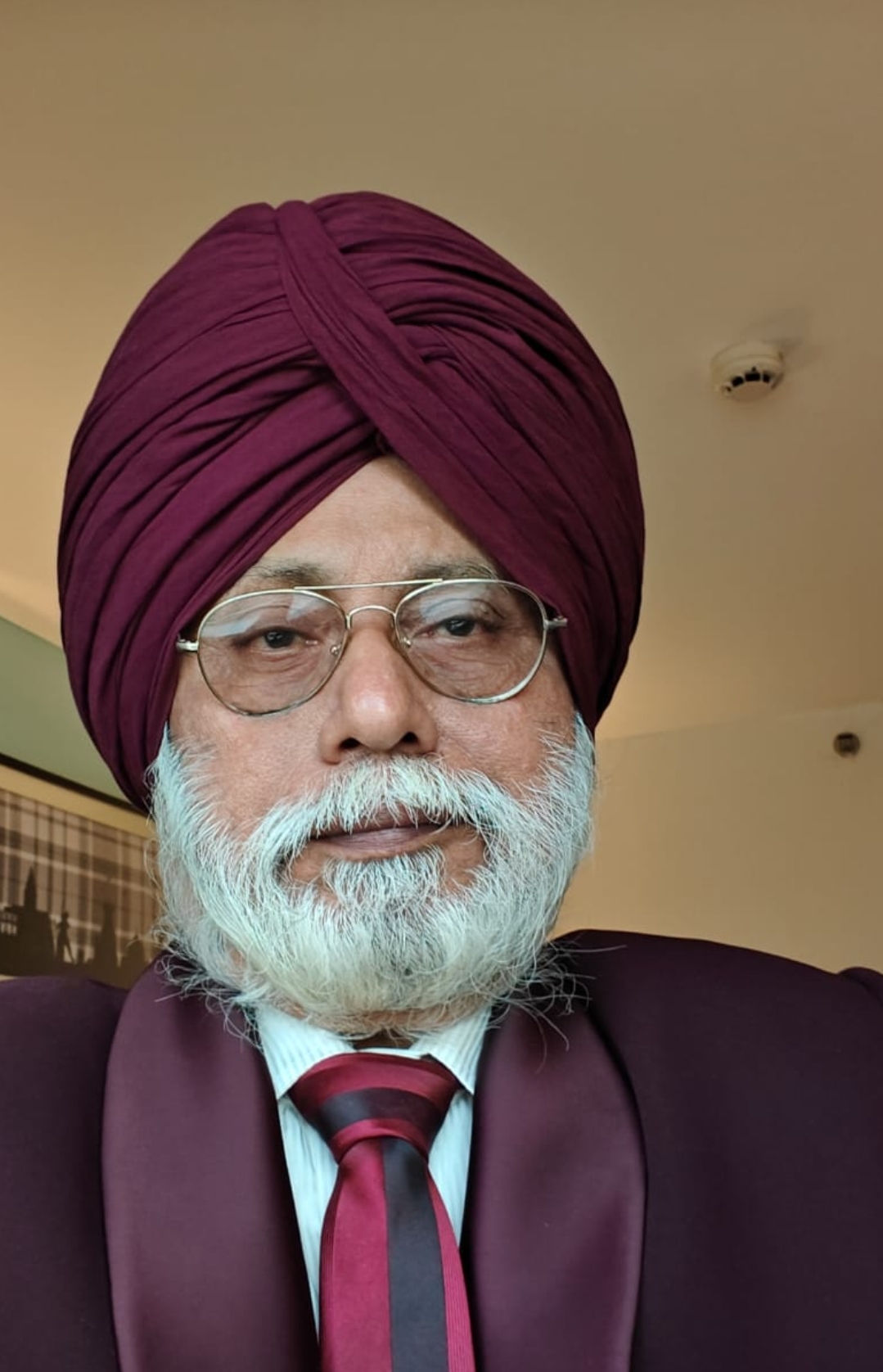
Essay from Dr. Jernail S. Anand

KAAL AND MAHAKAAL:  A VISION OF TIME AND THE TIMELESS

The ‘Kaal’ represents death, and death is symbolic of mortality. Mortality can be defined only in terms of time. So, ‘kaal’ represents Time. Everything that is born to this earth, – trees, flowers, plants, birds, animals, and men – are mortal as they possess a definite time span. Even if they are not killed, they disappear at the end of their term.  This finitude is contained in the seed itself,  which grows as per its ingrained potential and then, automatically, a moment comes when the decline sets in.  So far as men are concerned, they are governed by their stars, which determine how, what and when of their life work. 

Being a part of the creation, every living entity is subject to Time, but they are unaware of the fact that, in addition to Time,  they are also being simultaneously governed and monitored by a spatial agency which represents the idea of Timelessness.  It is Maha-kaal,  the symbol of deathlessness, immortality and eternity. This SuperTime or Maha-kaal is like a satellite suspended in the cosmic spheres from where it keeps a close watch on the entire universal movement, keenly observing  how the living objects are conducting themselves. 

The ‘Kaal’ 

‘Kaal’ spares none as the  people are trapped in time. Life is a physical  entity which is played like a film in which a director [time] wants to say something, and that said, the film is over.  However, life represents a confusing web of passions.  The protagonists are afraid of temporal authority [courts etc]  but remain only vaguely aware of the presence of an over-lording agency, which is recording their movements.  

The Uninstructed and the Uninitiated

In general, men show scant regard for the spatial agencies, or even gods, and they never fear they might have to encounter hell. It is a strange peculiarity of these times that hell does not scare anybody.  Men create trouble for themselves, because they come to this earth uninstructed and uninitiated. No one reminds them, that they are on a short visa, controlled by time, [kaal], and when their visa is over, they will have to report back. People are blissfully unaware of the fact that their actions are under double check.  They find it all right if they get good education, good job, rich marriage, and good offspring.  But they have no inkling that all their actions are being recorded, and checked for their genuineness, and if they can succeed in this world with smartness, it will be detected by the spatial sleuths of the Maha-Kaal. 

Maha-Kaal

Time that we encounter in our lives is a limited edition of the SuperTime, the Maha-Kaal. The life that we live on this earth is highly constrained.  But, everything that we do, has a parallel shot in divine spheres, where our actions are under constant gaze of the stars.  Maha-Kaal, the Lord of Eternity and Immortality,  who supervises human operations,  is in possession of the records of our previous incarnations too. Lord Shiva, who is  called ‘Maha-Kaal’, is the ‘Destroyer’ in the Trinity of Brahma, Vishnu and Mahesh.  Maha-kaal, the Timeless agency of God, manages the temporal and spiritual being of creation. He looks over the actions of men,  evaluates their life work, and, with the help of Dharamraj, decides the destiny of man. 

Maha-kaal and Man’s Existential Reality

The earthly existence which is trapped in time [kaal] is full of aberrations, and the temporal courts punish people who act amiss on the basis of physical evidence which is not adequate enough to judge what a man has done,  and what is the extent of his error. Whatever actions they undertake, are just parcels of a larger design which is entirely and absolutely inconceivable.  Maha-Kaal, however, takes into account mna’s DNA, and his past ‘karma’, and finally brings up the truth of his actions before deciding his fate.  Ordinary people, if they fear anything, it is death.  They forget that life is only a small parcel of a larger design and Maha-Kaal is the ultimate arbiter not only of our deeds, past and present.  

DR JERNAIL S ANAND

Dr. Jernail S. Anand, with 200 books to his credit [20 epics] is a Chandigarh-based  polymath, and a vital architect of the 21st century ethical literature whose seminal work ‘Lustus: The Prince of Darkness’ challenges the moral complacency of our era.  Founding President of the International Academy of Ethics, and Laureate of Charter of Morava [Serbia], Seneca [Italy], Franz Kafka [Germany, Ukraine, Czech Rep] and Maxim Gorky [Russia],  his name is inscribed on the Poets’ Rock in Serbia. He is an Honorary Member of the Serbian Writers Association, Belgrade. Anand has built a poetics that unites ethics, Vedic spirituality, social critique, and the philosophy of meaning. Anand presents an articulated perspective on poetry as an instrument of planetary consciousness. A moral philosopher, professor, and international speaker, Anand has devoted much of his research to the ethical dimension of language, to the responsibility of the individual within a globalised society, and to the relationship between matter, consciousness, and transcendence.

Email: anandjs55@yahoo.com.

Bibliography:

https://sites.google.com/view/bibliography-dr-jernail-singh/home

https://share.google/QtiWrcFr7Sca7v0qC

Poetry from Sayani Mukherjee

Nation

The sunflowers of dawn

A different width of periphery

My harmonious velvet memory

Perched on an innocent soul

To remember is to die upon gods

A numberless machine of globe

Poetry is in the blood of the nation

My fragrance soul of happiness

The country song of unity and diversity

I pray upon national anthem

Join me for a cult of culture

Multifaceted game of economists

As I write upon the verses of soul. 

Short story from Shlok Pandey

Mom

“Here, beta,” my maasi said as she handed me over a warm glass of water, she was under the wrong impression that I was struggling to deal with the passing away of my mother, just like how she was finding it terrible to not have a sister from now-onwards to daily talk to, after finishing the household work. 

I drank a sip, it soothed my infected throat a bit. I walked over towards the window of  my room, which had been locked since ages. I entered the room and found it sleeping under a blanket of dust. I pulled my old, worn out wooden chair from the study table, and sat at the window. The moment I drank the last gulp, a tear rolled down my right eye. It was as my brain remembered my entire life, and that how I never had a single good memory of my mother. I must forget now how much I hated, since it is immoral to talk bad about the dead. Will this change the fact that she still tortured me, that she never showed me how warm motherhood is? 

I looked all around, the bulb had become dimmer, and the fan had become creakier. 

All the memories started flashing in, every incident of my childhood, or I can say every trauma. Living with her wasn’t easy, it required nodding all the time. 

I was five when she put me in drawing class. Two years passed away, I couldn’t learn anything. That was the first time she had slapped me, I still remember those four fingers on my cheeks. 

By the time I was eight, I was sent off to ballet, although I wanted to be a cricketer. 

“You have to look beautiful, that is what matters for a woman,” she would always say, and there would be silence all over. I would spend hours embodying grace and beauty in myself, and somehow I managed to do it, but it wasn’t of any use. 

My mom would grab my shoulders and cry out loud. “Why are you a slow learner, tell me why?”

“This isn’t what I like,” I would rebel. 

“You are a woman, you must have beauty, beauty and beauty,” she would yell out loud. 

She would every day bring in some or the other pastes which would smell horribly, and she would put them on my face all over.

“It is burning like hell, I am going to wash it,” I would say when she would grab me. 

“No, it will make your dark tone faire. No, I said”.

There would be oil every time in my hair, and she would shampoo them hard, making them soft and straight, and not like a curly nest like her.

It would pain, but I couldn’t do anything. She hated the fact that I was her Xerox copy. 

I couldn’t get any chocolates and cakes, as they would bring acne to my face. I wasn’t allowed to choose what I was going to wear, as she didn’t like my choice. I would always get magazines full of portraits of beautiful models and their tips for looking graceful and radiant when I asked for any comic. I was only allowed to watch cook shows which would teach making modern delicacies, and presenting food in a fancy way. She controlled my life, and all she ever thought was how to make me attractive. She also forced me into being a topper, with me also going to violin and dancing classes every day, not allowed to skip even during my onset of periods.

“I am skipping tomorrow’s exam,” I said one day, too tired from my dance rehearsals. 

“No,” she said. She sat there, making me study half of the whole night. 

I fell asleep on the day of the exam. When she heard it, she slapped me thrice, tightly.

“Why do you cause trouble to your mother? Why aren’t you turning out how I want you to/ You were born to torture me and bring me troubles it seems,” she yelled that day, the whole house in her terror.

“That’s because I resemble you, curse yourself for that,” I said back, too much frustrated, though I accept a daughter can never in her life tell that to her mother, no matter what happens. 

She was hurt, and she cried the whole week. I thought she would stop, but she became even more determined now to make me beautiful. She also did not speak to make, she would enter my room, not speak a word and would sit there, her cold hand pointing me to do whatever she wanted me to do. 

I became a distinguished ballet dancer, and could play the violin really well. Her pulling my long hair twice every week to make them silky and smooth turned out to be of some use, they helped me find my first boyfriend whom I married eventually. 

“No, I will find a guy for you, you can’t marry somebody else,” my mom objected, obviously. 

“Can you please stop interfering in my life,” I burst out wailing that day. “All my life, I lived as you wanted me to live, your will prevailed all the time. Now please, let me take one decision for myself, let me live one day, please,” I begged in front of her. 

As the preparations happened throughout the wedding, she was creating chaos, my mother. In the end, I wore what she wanted, and I looked how she wanted me to. During the last three days, she tried to talk to me, but I was already too mad at her for creating an argument at every function. When I was wedded off, I never called her from my in-law’s place. Also, I had then started working again, and I had no time to talk to her except giving harsh and dry replies if she had accidentally called me once in a blue moon. 

The day I received the phone call reporting her suicide, I had zero reactions, I wasn’t shocked at all. I knew she was mentally sick, and her life’s motto was to take all of us with her to the asylum. 

It wasn’t until I saw her dead corpse that I fell in an abyss, the space of nothingness. I forgot, everything for a second, it felt as if I was the corpse. There she lied hopeless, bald and charcoal on her dark skin, all over her body, after which she hung herself. 

“Where the hell were you lost that she did this to herself,” my expressionless and tear-less self told my father, who stood there as if, as if, what has happened, has happened. 

Suddenly, my flashbacks went away, and right now here I was in this room for what I came here, to read two diaries left for me by my mother, which was her last wish of this life she had written and put in an envelope saying “Only for Riya”, before she departed forever. 

I read through the ten pages she had written, each one slapping my existence to the very core of it. As I completed her diary, I opened the second diary of my father, which my mother had stolen from him and had convinced him by crying for a week that he had forgotten keeping it somewhere. I read all night this long diary of his, full of poems on women, women with silky hair, fair ladies shining bright and ladies smelling of strong perfumes all the time. I saw each mesmerizing beauty’s head-shot he had glued it with love, all the women he lived his life with, except my mother. At first, I thought that this woman’s last wish was also to invade someone’s privacy. Now, it was needed. She was the woman who held her hand out to catch her husband’s love, which was always of some other woman, and it only caught bitterness every time. 

“I tried to make him like me more, as I couldn’t leave him for my kids. Every time I ended to make myself more beautiful, he never saw it, as there was someone much better for him ready at each stage of life. Now, no more”. This was the last thing  she wrote in her diary. 

I sat there trapped in a dark chamber of hatred for her, for my father, and the most for myself. But how could I know this? Every thing made sense now, every dark memory of my childhood lost its hatred. All I could hear was the echoing silence when I never spoke to her for ages, and my dry replies and rough words. 

I took up a pencil, with tears dropping on that page, and wrote after the last sentence of my mother in her diary :

I love you. I wish we deserved you. 

Poetry from Thi Lan Anh Tran

CHILDHOOD IS HAPPINESS
By Thị Lan Anh Tran, Aschaffenburg, Germany
© All rights reserved

Three little children under open skies,
Tiny hands lifting wind-borne dreams that rise.
Smiles so pure, like verses softly born,
Innocence blooming like the grass at dawn.

Butterflies drifting through the endless blue,
With laughing breezes that the world renew.
No weight of future, no worry, no pain—
Only the present, like sun after rain.

A year has passed in whispers light and brief,
Drifting like gentle wings of tender grief.
Carrying joy in a peaceful flight,
Through childhood’s skies of soft and endless light.

Childhood is sunlight at break of day,
A drop of rain that gently fades away.
A song that echoes through hearts so wide,
A world of wonder we keep inside.

And when we grow in the rush of time,
May we not lose those days so fine.
May innocence still guide our way,
And happiness in our hearts forever stay.

TUỔI THƠ LÀ HẠNH PHÚC

Ba em giữa khoảng trời xanh,
Nâng niu cơn gió mong manh ước nguyền.

Nụ cười trong vắt hồn nhiên,
Như hoa cỏ dại bên miền bình minh.

Bướm vàng chao liệng lung linh,
Theo làn gió hát hành trình rong chơi.

Không lo năm tháng xa vời,
Chỉ vui hiện tại giữa đời tuổi thơ.

Một năm thoáng tựa giấc mơ,
Êm như cánh bướm vật vờ bay qua.

Mang theo hạnh phúc chan hòa,
Thả theo ngọn gió ngân nga dịu dàng.

Tuổi thơ là nắng mai vàng,
Là cơn mưa nhẹ khẽ ngang hiên nhà.

Là câu hát vọng ngân xa,
Là miền cổ tích nở hoa trong lòng.

Mai này giữa chốn mênh mông,
Bước qua dâu bể đục trong cuộc đời.

Xin đừng quên một khoảng trời,
Từng là hạnh phúc tuyệt vời tuổi xanh.

Để còn giữ chút trong lành,
Giữa bao biến động mong manh kiếp người.

Để khi tóc điểm sương rơi,
Vẫn nghe hạnh phúc đầy vơi trong tim.

Prose from Brian Barbeito

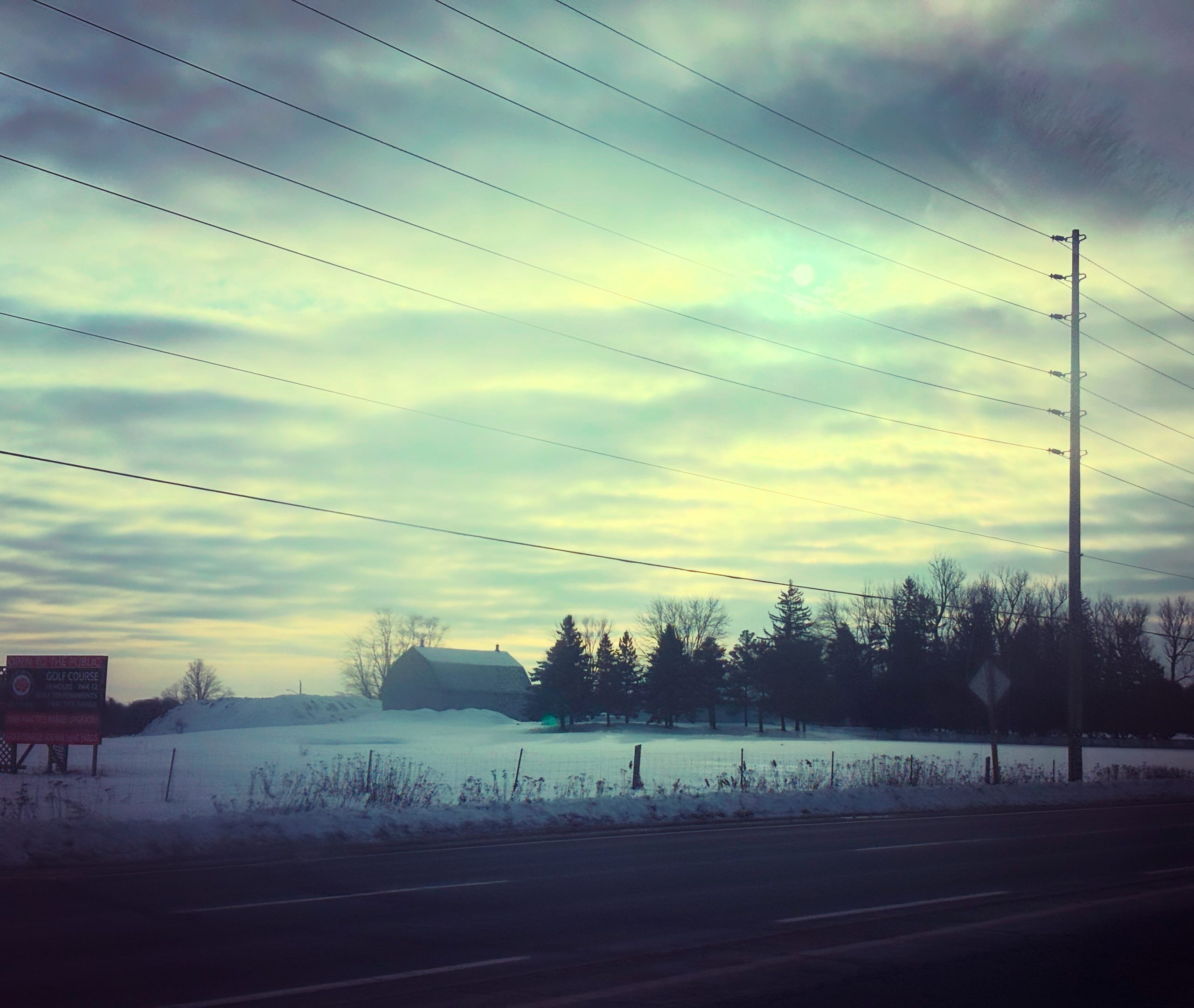
There was a series of roads and they had horse and carriages plus it was winter. I thought they were rugged and had bravery because it was cold and windy. The people and the horses must be of a different and stronger disposition, I thought. And the farm contained so many horses running freely around oh they seemed and were happy, joyous. The dogs didn’t bark at the visitors and I thought, Maybe the dogs are knowing that we are welcome and kind, so they decided to be welcoming and kind. 

The man that took us around was of few words but fair and open, straightforward. He said that things were good and I went from the outside road to the inside property but outdoor. Large wrap around porch. Many windows. No frills though. Old time. Regular building. No decadence and showing off. Just life. Farm life. Inside the buildings some cats watched on from the barn rafters and mostly I saw a black cat that seemed to be sagacious and serene even in movement. Back and forth it went after having appeared suddenly like a spirit. 

I glanced back outside. It was an overcast winter day in a town. I wondered what it would be like to live there or around there. Osho says centuries live contemporaneously and this must be true. I liked the concrete forms and the vastness and the clean cold air. There was an honesty about it all. I wanted to explore more but we were only meant to be there for a short time, a quick visit. 

Going out and saying thanks, following the roads again, there were more horses and fields and of course skies. The world was another world, not a city or town, but just lands and lands and lands. I imagined deer and coyote dens, foxes and cows, or the butterflies of summer and wild beige reeds.

 Out there must be natural magic, in the spring rains, around the summer meadow and its atmospheres, at the autumnal sounds and sights, and maybe even amidst the cold and almost bleak winters with its short days and aloof ways, but days where the horses still run around and have a joyous demeanour about them. 

Screenshot

Synchronized Chaos Mid-July 2026: Landscapes of the Soul

Image c/o CCO Productions

This month’s issue journeys through Landscapes of the Soul, mapping our inner geographies.

The human soul is a landscape shaped by countless forces: the wounds we inherit, the loves we experience, the places we remember, the losses we endure, and the dreams that carry us forward. Like a physical landscape, the inner world contains mountains and valleys, storms and seasons, deserts of loneliness and gardens of renewal. The works in this collection explore these inner terrains, revealing the many ways people search for meaning, connection, healing, and transcendence.

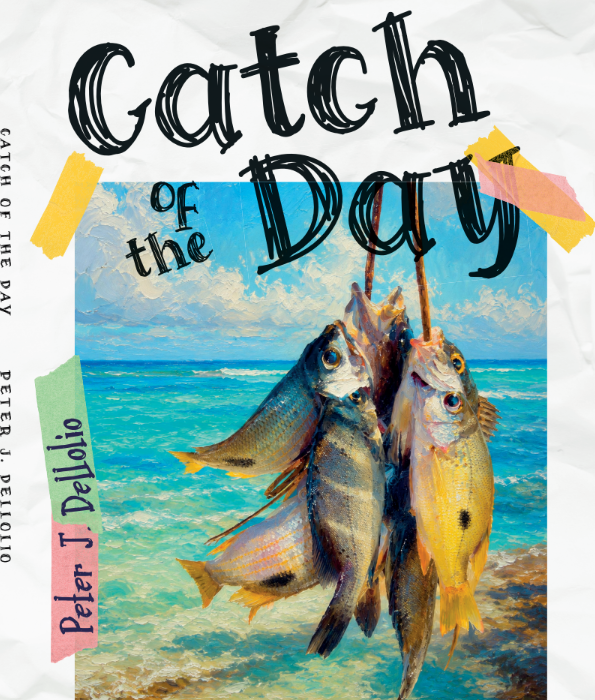
First, some announcements. Contributor Peter Dellolio has a new poetry collection coming out from New Meridian Arts, Catch Of The Day.

CATCH OF THE DAY is a collection of surreal poems based on the concept of irrational collage or juxtaposition so often found in Surrealism, where totally unrelated and disconnected elements are combined. Each poem is a stanza of lines that are self-contained and bear no logical connection to one another. My hope is that this brings out some of the magical, incantatory powers of language.

If you’d like to order a copy, New Meridian Press invites you to contact them at newmeridianarts1@gmail.com for a discount.

Also, our regular contributor Rui Carvalho invites readers and contributors to submit poetry to the next annual Nature Writing Contest.

Our contest, Nature 2025-2026, is a new opportunity that we, as organizers, create to reach the rest of the world. Every Contest is a challenge for authors participating and to people that make it happen. This year we invite all authors to write poetry about:
(i) Flowers;
(ii) Trees and wind;
(iii) Water;
(iv) Nature Conservation;
(v) Turtles;
(vi) Love for people and nature;
(vii) Hope and Happiness.

Rules and submission information here.

Now for our second July issue, Landscapes of the Soul.

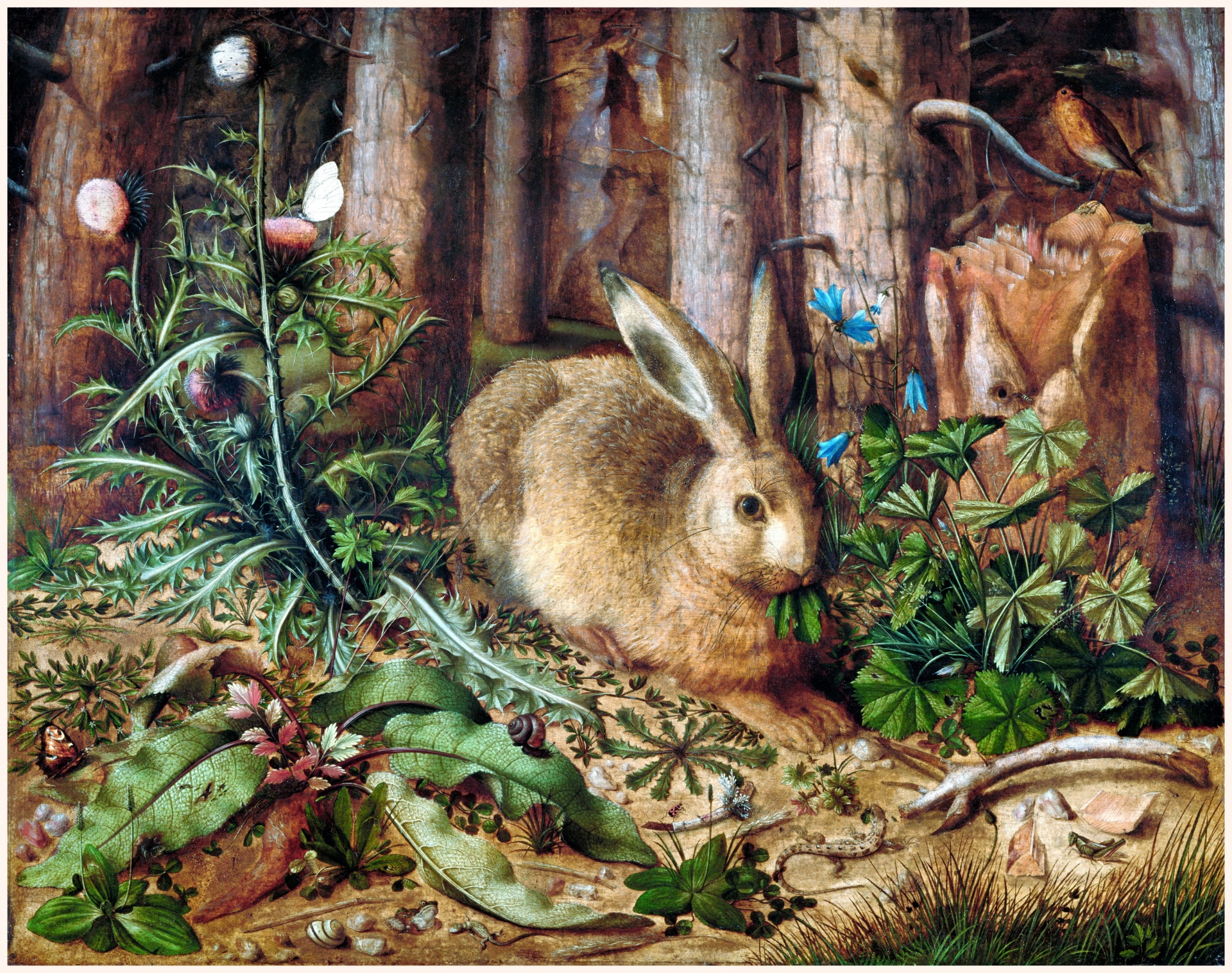
Image c/o George Hodan

Every soul carries traces of the past, and several contributors look at the wounds we carry from the histories that have shaped us. Srijani Dutta’s poetry reminds us that struggle is an inescapable part of the human existence. Abigail George speaks to the inherited language of addiction, a shared, familial dialect of suffering. Adamu Muhammad Ja’agi suggests that forgiveness can be a powerful act of liberation, allowing a person who has been hurt to reclaim their identity beyond inherited pain. In Aleksandra Soltysiak’s poetry, translated by Olga Smolnytska, memory becomes a haunted and unreliable mirror where love, loss, and truth shimmer between revelation and illusion.

In Naim Al-Musafir’s Voices from There, translated from Arabic into English by Faleeha Hassan, landscapes themselves become keepers of memory. Through magic realism and social history, the story reveals how places preserve the stories of those who have suffered, departed, and returned. Cyril Erchev’s piece reflects the experience of diaspora: a woman out of place in her present world but spiritually still walking the fjords of her ancestors. Sayani Mukherjee explores the emotional geography of homeland, where beauty and trauma exist side by side. Mahesh Paudyal enters the darker regions of memory, examining how disturbing experiences linger within the human mind. Abigail George’s long meditative poem asks how a person survives when love, home, peace, and certainty disappear.

Within the landscapes of the soul, the gardens of love provide shelter and transformation. Türkan Ergör points out that love is an active choice, not just a state of being or a feeling. Chidimma Ewelukwa shows how daily acts of motherly care become expressions of profound emotional connection. David Kokoette similarly honors motherhood as a vocation, emphasizing the devotion, responsibility, and meaning found in nurturing another life. Berdinazarova Jasmina Mirshod qizi celebrates the continued love and care of her father. Bill Tope explores the uncertain landscape of adolescence, capturing the vulnerability of discovering oneself through relationships. The poetry of Barbaros İrdelmen travels through different seasons of human experience, reflecting on mortality, romantic love, and the dynamics of long-term relationships. Hassan Musa Dakasku reflects on the possibilities and responsibilities of friendship.

Image c/o Andrea Stockel

Eva Lianou Petropoulou celebrates love as essential to both self-understanding and connection with others, while Dr. Prasanna Kumar Dalai expands love into a force capable of reshaping identity, time, and existence itself. Graciela Noemi Villaverde reframes “saving” not as a onetime heroic act, but as a quiet, steady, loving presence that transforms what was dead or broken into something that can still grow. Reema Hamza’s poem highlights how love can transform longing, exile, and devastation into a sacred, defiant act of remaking the world. Kang Young-eun discovers holiness in everyday experiences, transforming bread, wine, evening light, loneliness, and memory into symbols of human connection and spiritual awareness.

The soul is also a place of questioning, conflict, and spiritual discovery. Duane Vorhees explores the self as an internal battlefield where instinct, conscience, and reason compete for control. Elmaya Jabbarova reminds us of the need to choose love and moral behavior and the ultimate folly of cruelty. Mesfakus Salahin presents existence as a pilgrimage guided by love, personal choice, and the search for ultimate truth. Wan Yilong presents a spiritual journey through combined metaphors from ancient Buddhist Pure Land teachings and modern cosmic space opera. Jack Phillips Lowe’s short story presents an everyday vignette in the life of a person who takes medicine for a mental health condition. Mark Young’s poetry explores how we assemble ourselves from the bricolage of our surroundings. Joe Couture’s pieces highlight selfhood built through physical work and wear and tear on the body over time. Sumana Bhattacharjee’s poetry points out how we can find meaning in life’s struggles when we follow our own consciences and trust our inner strength.

The internal battlefield metaphor applies to nations and political entities as much as to individuals, as they also struggle with identity and conscience. Jacques Fleury presents America as a nation continually struggling between its highest ideals and its darkest realities. Aminu Femi Jamiu mourns and marks the loss of young Esther Harrison, a schoolgirl murdered in Nigeria. Yeon Myung-ji’s poetry, narrated by the ancient Chinese emperor Qin Shi Huang (creator of the terracotta army found in his grave) highlights how even a person who held absolute power was humbled by death and the limits of his human knowledge. Alan Catlin’s poetic series depicts the waking nightmares of a civilization in decline, where the only honest witness knows they’re floating away from shore and still can’t stop watching. Bilal Al-Masri interviews author Dr. Jernail Singh about a variety of topics, including the moral and social responsibilities of authors in times of institutional injustice and suffering. Stephen Jarrell Williams points to a hinge moment in a civilization, when a society reaches a necessary collapse that leads to a more just rebirth.

Image c/o Andrea Stockel

Dr. Jernail S. Anand reflects on human weakness and limitation, arguing that imperfection is not something to overcome but something that gives life its depth and meaning. In conversation, Dr. Jernail Singh and Dr. Annie John describe poetry as a spiritual and ethical journey. The poet becomes both witness and seeker, exploring human suffering while reaching toward universal wisdom. J.J. Campbell becomes an observer in his own life, as apathy with wry humor is safer than grief. Priyanka Neogi points out that each of us have different layers and dimensions to our personalities. Nidia Amelia Garcia speculates on the life and wisdom of an old man by observing his photograph. Teresa de Lujan Safar’s piece celebrates the grace, strength, self-possession, and inner dignity of an older woman. With another human response, Thi Lan Anh Tran and Musharraf Hussain celebrate perseverance and inner strength, showing how resilience allows individuals to rise beyond adversity.

As we are part of nature, outdoor landscapes can mirror the landscapes of the soul. Shah Jehan Ashrafi views autumn as a profound metaphor for death, surrender, transformation, and rebirth. The falling leaves become symbols of necessary endings that make new beginnings possible. Mahbub Alam speaks to the cleansing and renewing energy of the Bangladeshi monsoon rains. O’ktamova Sabrina Mahmud qizi describes an ecological analysis of the health of Uzbek humus and soil. Dessy Tsvetskova’s Tree of Life portrays women as a source of creation, memory, resilience, and renewal. Rooted in the earth yet reaching toward the heavens, the tree represents continuity across generations.

Ananya Guha celebrates the beauty of dancing peacocks, offering a moment of wonder and connection with the natural world. Timothee Bordenave explores ideas that benefit both humanity and the environment, suggesting that the health of the planet is connected to the health of the human spirit. Brian Barbeito captures the quiet landscape of winter, reminding readers of the shared rhythms of nature and the reflective stillness that accompanies seasonal change. Dianne Reeves Angel reminisces about long stretches of teen summer fun in the pool and with friends.

Image c/o Petr Kratochvil

Art is one way humanity can join nature in the process of creation. Federico Wardal’s article notes the Egyptian government’s commitment to promoting and showcasing current and historical arts and culture. Andrena Zawinksi explores the artist’s search to create, be recognized, and remain alive through creative expression. Alex Johnson reflects on the relationship between life and art through his encounter with a publicist representing Philip Glass, revealing the irony that reality itself can sometimes imitate artistic structures. Tanja Ajtic’s poem threads watercolor’s quiet disciplines of washes, shades, making use of empty white space, into a metaphor for a life lived in silence, holding back opinions, feeling the world’s eruptions but never speaking of them. Christina Chin’s haiga and illustration create a unified moment of beauty, demonstrating how words and images can combine to form a single imaginative landscape. Cri8or’s vibrant digital artworks add splashes of color and intriguing shapes to the issue. Fhen M. uses ekphrastic poetry inspired by Priamo della Quercia’s Circle of the Falsifiers to explore the destruction caused by dishonesty and the moral landscapes created by truth and deception. Maria Barnes journeys into a darker psychological landscape, using unsettling imagery and music to symbolize the struggle between the conscious self and hidden fears.

The soul also grows through learning and discovery. Ismatova Dilnura emphasizes the importance of books in children’s education, illustrating reading as a gateway to imagination, knowledge, and possibility. Omonova Dinora Anvarjon qizi celebrates the many ideas and life lessons found within books. Navbaxar Mahmudjanovna Karimova points to ways to encourage the creation of new educational knowledge. Amonboyeva Shahnoza examines the changing landscape of education in the age of artificial intelligence. While technology may assist learning, she argues that creativity, imagination, and human connection remain uniquely human qualities. Although, as Ibroximova Hayitxon Mirzoxidjon qizi points out, artificial intelligence may take over in other human endeavors, including accounting. Maxliyo Alijonova highlights the educational work of Uzbekistan’s Ashurali Legacy Academy, demonstrating how institutions preserve knowledge, culture, and intellectual heritage. Akhmetova Nodira Po’lat qizi underscores the importance of digital literacy for modern Uzbek students. Jasmina Ismatullayeva relates the value of study-abroad experiences for students and why she wishes to travel.

Finally, a few works in this collection highlight the depths of truth within ordinary experiences. Travis Park’s brief, image-driven poems transform familiar places into reflections on uncertainty, memory, and human connection. Mykyta Ryzhykh uses the sea and the house as symbols of existence, showing humanity surrounded by immense forces while often feeling isolated and forgotten. Shlok Pandey’s coming-of-age story addresses loneliness, compassion, observation, and the discovery of beauty in everyday life. Naeem Aziz reminds readers that true value often exists beneath appearances, encouraging a deeper understanding of the gifts each person carries.

Image c/o Andrea Stockel

Together, these works create a map of the human soul. They travel through valleys of suffering, gardens of love, mountains of reflection, and seasons of transformation. They show that every person carries an inner landscape shaped by memory, relationships, struggles, dreams, and hopes.

“Landscapes of the Soul” reveals that humanity is defined not by avoiding hardship, but by transforming experience into wisdom, compassion, creativity, and renewal. Across cultures and voices, these writers remind us that the journey inward is also a journey toward one another. We hope that you enjoy hearing from each other throughout this issue!