Poetry from Kassandra Aguilera

Symptoms of An Effortless Adoration

2.

All of our conversations, I remember almost exactly. 

Some say I am clearly confused for

gaining a rise from how hard I fall intended towards one, yet

I feel it’s wise to be a fool for you.

1.

A pure personality tainted by those parallel to I,

on different plains of style we find commonalities and share secrets, 

destined to be revealed to each other, building bonds through kind insults,

I must say, when you call me a loser, that is when I feel the most like a winner.

0.

Once in awhile, I’ll constantly call back to our quick chats,

considering all possibilities of the actions that I won’t take into account.

I drive my mind to pick my future, the only option being not to decide.

It is seriously comical at how hideous this ethereal appreciation is.

-1.

My intellect creates rooms of demolition where my fantasies become reality.

Even so, I am burned by the realness that remains frozen 

oddly throughout my body, past the parts I can’t perceive.

I am hidden from my flaws, you are known for your perfection.

-2.

When you flood my dry phone, I’ll smile and

while my body is pierced, bleeding a gentle praise,

I’ll repeat to myself the words I hope will end this admiration,

I despise how much I love you.

Poetry from Leon Drake

The Loss Of Words

He kept them once,

in the lining of his coat,

folded like letters never sent,

warm from the friction of thought.

They used to come easy,

like rain that knew his name,

each drop a confession

he could hold without trembling.

Now they rot in the corners

half-formed,

chewed down to bone,

their meanings siphoned off

by something with a quieter hunger.

He trades syllables for silence,

line by line,

until even his voice forgets

how to reach him.

There is a page

always a page

waiting like a witness

that will not intervene.

And somewhere beneath the ruin,

a single word claws upward,

bloated, unrecognizable,

begging to be written

before it dies again.

Windmills

The wind

keeps trying to explain itself

to the same crooked blades

and they nod

like they understand

but all they really do

is turn

grinding the sky

into smaller pieces

until evening

falls apart quietly

behind them

The Affair I Never Had

I remember her
like a place
I never went

a street
with all the lights on
and no one home

we passed once—
or maybe we didn’t

but something in me
kept waving

like a curtain
caught in a window
that was never opened

and even now
there’s a silence
I visit sometimes

where she almost speaks

and I almost answer

Leon Drake is a Toronto based poet whose work has been published in print and online. He lets his writing speak for him. For art is the best side of us.


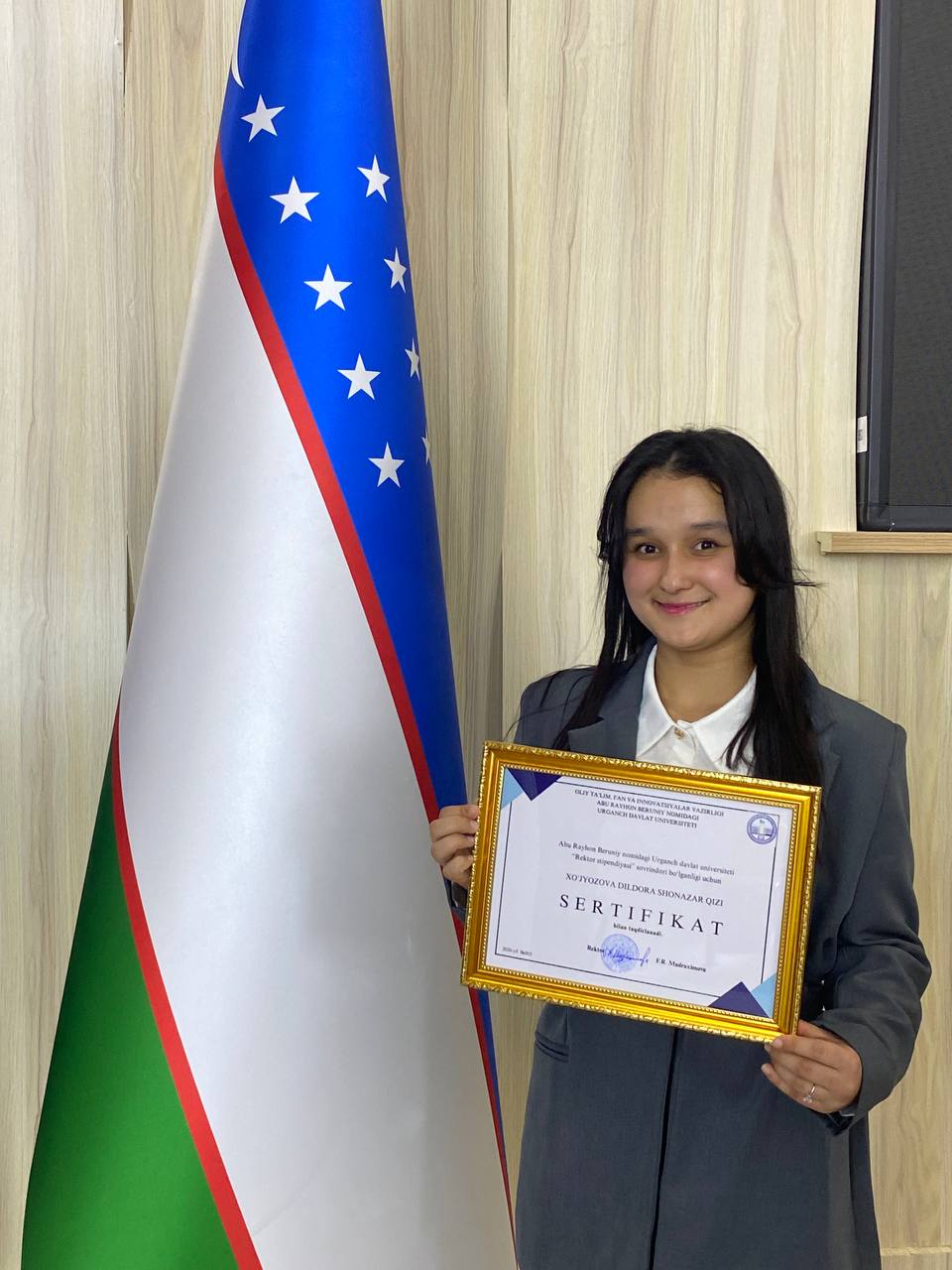
Essay from Xoʻjyozova Dildora

The Aral Sea Crisis: A Major Environmental Disaster in Central Asia

The Aral Sea is one of the most tragic environmental disasters in modern history and a powerful example of how large-scale human intervention in nature can lead to long-term ecological, economic, and social consequences. Once the fourth-largest inland lake in the world, it was located in Central Asia between northern Uzbekistan and southern Kazakhstan. During the second half of the twentieth century, the sea began to shrink dramatically due to Soviet irrigation projects that diverted the main rivers feeding it, the Amu Darya and Syr Darya, for cotton and agricultural production. Over time, this massive water body lost most of its volume, transforming into a desert-like landscape known today as the Aralkum Desert.

The reduction of water inflow caused the salinity of the lake to rise sharply, making it impossible for most fish species to survive. As a result, the once-thriving fishing industry collapsed completely. Thousands of people who depended on fishing for their livelihoods lost their jobs, and entire coastal communities were economically devastated. Ports that were once active became stranded far from the shoreline, leaving behind abandoned ships in the middle of dry land, which now serve as silent reminders of a prosperous past.

As the water level continued to decrease, the exposed seabed released large amounts of salt, dust, and toxic chemicals into the atmosphere. These pollutants were accumulated over decades of agricultural runoff containing pesticides and fertilizers. Strong winds carry these particles over long distances, affecting air quality and causing serious health problems in surrounding regions. Respiratory diseases, throat infections, anemia, and other health issues have become more common among the local population, particularly in areas close to the former shoreline.

Climate conditions in the region also changed significantly. The presence of the large water body once helped regulate the local climate by reducing temperature extremes. However, after its shrinkage, summers became hotter and drier, while winters became colder and harsher. This shift negatively affected agriculture, biodiversity, and the overall living conditions of people in the surrounding areas. Soil salinity increased as well, making it more difficult to grow crops and reducing agricultural productivity.

The ecological consequences extended beyond the immediate area. Wetlands and ecosystems that depended on the Aral Sea gradually disappeared, leading to the loss of numerous plant and animal species. Migratory bird populations that once used the region as a resting point also declined. The disappearance of biodiversity has had long-lasting effects on the ecological balance of the entire region.

Social impacts have been equally severe. Communities that once relied on fishing and water-based trade were forced to adapt to new and often difficult economic conditions. Many people migrated to other regions in search of employment opportunities, leading to demographic changes and the decline of some settlements. Poverty levels increased in affected areas, and access to clean drinking water became a serious challenge in certain locations.

Despite the scale of the disaster, various restoration and mitigation efforts have been undertaken. One of the most successful examples is the construction of the Kok-Aral Dam in Kazakhstan, which helped partially restore the Northern Aral Sea by improving water retention and reducing salinity levels in that part of the basin. As a result, fish populations began to recover in the northern section, and local fishing activities were revived to some extent. However, the southern part of the Aral Sea, mainly located in Uzbekistan, continues to face severe environmental degradation.

In Uzbekistan, efforts have been made to address the consequences of the disaster through afforestation projects on the dry seabed. Planting drought-resistant vegetation such as saxaul has helped reduce dust storms and stabilize the soil. International organizations, including the United Nations and the World Bank, have also supported projects aimed at improving water management, environmental protection, and sustainable agriculture in the region.

The Aral Sea disaster is often studied as a global lesson in environmental management and sustainable development. It demonstrates the importance of balancing economic goals with ecological responsibility. Large irrigation schemes that prioritize short-term agricultural output without considering long-term environmental impact can lead to irreversible damage. The case also highlights the need for regional cooperation, as water resources often cross national borders and require joint management.

Today, the former seabed continues to expand as a desert, but it also serves as a symbol of both loss and awareness. Scientists, policymakers, and environmentalists use the Aral Sea example to educate future generations about the consequences of unsustainable resource use. It remains a reminder that human actions can reshape entire landscapes and that careful planning is essential to protect natural ecosystems.

In recent years, global attention to the Aral Sea has increased, especially in discussions about climate change and water scarcity. Central Asia faces growing pressure on its water resources due to population growth, agricultural demand, and changing climate patterns. The lessons learned from the Aral Sea are therefore highly relevant not only to the region but to the entire world.

Although full restoration of the original Aral Sea is considered impossible, partial recovery efforts and environmental rehabilitation projects show that improvement is still achievable in certain areas. The revival of fish populations in the northern section and the reduction of dust storms in afforested zones demonstrate that human intervention can also play a positive role when guided by sustainability principles.

Ultimately, the story of the Aral Sea is not only about environmental destruction but also about human responsibility, resilience, and the possibility of learning from past mistakes. It stands as one of the most important environmental case studies of the modern era, reminding humanity that natural resources must be managed with care, foresight, and respect for ecological balance.

Xoʻjyozova Dildora, Uzbekistan 

Essay from Pardayeva Yulduz

Practical Analysis of Idiom Translation between English and Uzbek

Pardayeva Yulduz

                 2nd-year Master’s Student English Language and Literature       program, Faculty of Foreign Languages, Uzbekistan

             National Pedagogical university Named After Nizami

Abstract (English). This article offers a strategy-oriented practical analysis of idiom translation between English and Uzbek in both directions. The paper systematizes the procedures most frequently required in practice, including idiom-to-idiom transfer, functional substitution, paraphrase, calque, and compensation. The results show that natural idiomatic equivalence is the strongest option when available, but functional substitution is the dominant solution because image, register, and cultural framing often differ across the two languages. The article also identifies recurrent errors such as literalism, false equivalence, register mismatch, and pragmatic loss, and proposes a staged best-practice workflow for translators.

Keywords: translation strategies, idiom-to-idiom transfer, functional substitution, paraphrase, compensation, literalism, register mismatch, translation workflow

Annotatsiya (O’zbek). Ushbu maqola ingliz va o’zbek tillari o’rtasida idiomalar tarjimasining ikki yo’nalishdagi amaliy, strategiyaga yo’naltirilgan tahlilini beradi. Maqolada idiomadan idiomaga o’tkazish, funksional almashtirish, parafraz, kalka va kompensatsiya kabi amaliy jarayonda eng ko’p uchraydigan usullar tizimlashtiriladi. Natijalar tabiiy idiomatik ekvivalent eng kuchli variant ekanini, ammo obraz, uslub va madaniy ramkalash ko’pincha farq qilgani uchun funksional almashtirish ustun strategiya bo’lishini ko’rsatadi. Shuningdek, maqolada literalizm, soxta ekvivalentlik, uslubiy nomuvofiqlik va pragmatik yo’qotish kabi xatolar aniqlanib, tarjimonlar uchun bosqichma-bosqich ish jarayoni taklif etiladi.

Kalit so’zlar: tarjima strategiyalari, idiomadan idiomaga o’tkazish, funksional almashtirish, parafraz, kompensatsiya, literalizm, uslubiy nomuvofiqlik, tarjima ish jarayoni

Introduction

A practical analysis of idiom translation must move beyond abstract theory and examine how translators actually solve problems when direct phraseological equivalence is unavailable. In English-Uzbek translation, the challenge is not only to preserve meaning, but also to decide whether image, tone, cultural reference, or discourse function should be prioritized in a given context [1; 2; 3].

The dissertation’s practical chapter shows that translators routinely work with a limited but flexible strategy set: idiom-to-idiom transfer, functional substitution, paraphrase, calque, and compensation. The success of each method depends on genre, target audience, and the interaction between semantic adequacy and pragmatic naturalness [4; 5].

The aim of this article is to summarize the dominant practical strategies and to identify the most recurrent errors that reduce translation quality in English-Uzbek and Uzbek-English idiom transfer.

Methods

The study uses comparative qualitative analysis of representative idiom pairs discussed in the dissertation and its appendices. Each solution is interpreted through a strategy lens and evaluated according to semantic adequacy, pragmatic adequacy, idiomatic naturalness, and register compatibility [1; 2; 5].

A second layer of analysis focuses on error patterns. Special attention is paid to literalism, false equivalence, proverbization, excessive colloquialization, and the loss of politeness, irony, or humor, because these errors often make idiom translation sound unnatural even when the basic meaning is recognizable [3; 6; 7].

Results

The first result is that idiom-to-idiom transfer remains the strongest solution whenever a natural counterpart exists. Pairs such as to hit the nail on the head – mixni boshiga urmoq, or tishini tishiga qo’yib chidamoq – to grit one’s teeth, preserve both rhetorical compactness and figurative energy [1; 7].

The second result is that functional substitution is the dominant practical strategy. Very often the source image is not conventional in the target language, so translators preserve the communicative effect through another idiom: when pigs fly becomes hech qachon or tuyaning dumi yerga tekkanda, and qovun tushirmoq becomes to put one’s foot in it [2; 4].

The third result is that paraphrase is necessary under non-equivalence but risky when overused. Descriptive translation protects clarity for culture-bound items such as carry coals to Newcastle or some proverb-like Uzbek idioms, yet repeated paraphrase flattens style and reduces the idiomatic density of the text; for this reason, compensation is often needed in neighboring sentences or passages [5].

The fourth result is that the most common practical errors are predictable: literal translation of non-conventional images, false equivalence based on superficial similarity, register mismatch, and pragmatic loss. In dialogue, these mistakes can distort character voice; in argumentative prose, they can weaken irony, criticism, or politeness [3; 6; 7; 8].

Discussion

The results suggest that idiom translation should follow a staged workflow: detect idiomaticity, interpret meaning in context, choose the most appropriate strategy, check the target expression for naturalness and register, and revise for consistency. This procedure is more reliable than the simple opposition between ‘literal’ and ‘free’ translation [1; 2; 4].

A second implication is that direction matters. Uzbek-English translation often needs stronger register control because proverb-like authority that sounds natural in Uzbek may sound overly didactic in modern English prose, while English-Uzbek translation often needs stronger politeness adaptation in hierarchical or evaluative contexts [3; 6].

Finally, the study shows that high-quality idiom translation depends on systematic checking rather than intuition alone. Translators need phraseological awareness, sensitivity to discourse function, and readiness to use compensation when a single local equivalent cannot preserve all layers of meaning [5; 7].

Conclusion

In practical English-Uzbek idiom translation, natural idiomatic equivalence is ideal but limited, functional substitution is the dominant solution, and paraphrase remains necessary under strong non-equivalence. The most effective professional habit is a revision-oriented workflow that tests every idiom against meaning, tone, register, and communicative effect before the translation is finalized [1; 3; 5].

References

[1] Baker, M. In Other Words: A Coursebook on Translation. 2nd ed. London/New York: Routledge, 2011.

[2] Newmark, P. A Textbook of Translation. London: Prentice Hall, 1988.

[3] House, J. Translation Quality Assessment: A Model Revisited. Tubingen: Gunter Narr, 1997.

[4] Toury, G. Descriptive Translation Studies and Beyond. Amsterdam/Philadelphia: John Benjamins, 1995.

[5] Hervey, S., & Higgins, I. Thinking Translation. 2nd ed. London/New York: Routledge, 2002.

[6] Brown, P., & Levinson, S. Politeness: Some Universals in Language Usage. Cambridge: Cambridge University Press, 1987.

[7] Moon, R. Fixed Expressions and Idioms in English: A Corpus-Based Approach. Oxford: Clarendon Press, 1998.

[8] Nida, E. A. Toward a Science of Translating. Leiden: E. J. Brill, 1964.

Essay from Dildoraxon Turgunboyeva

Turgunboyeva Dildorakhon, 4th year student of the Faculty of Pedagogy and Psychology, Preschool Education Department, Kokand State University

DEVELOPING ENVIRONMENT IN THE PRESCHOOL EDUCATION SYSTEM AND ITS PEDAGOGICAL SIGNIFICANCE

Dildorakhon Turgunboyeva, Student of the Faculty of Pedagogy and Psychology of Kokand State University

Annotation. This article highlights the importance of a developing environment in the process of educating preschool children. It scientifically analyzes the content, main functions of the developing environment, and its impact on the cognitive, socio-emotional and creative development of children. It also provides practical recommendations on the organization and effective use of a developing environment in the pedagogical process.

Keywords: Preschool education, developing environment, education, child development, pedagogical approaches, creative development, socio-emotional development.

INTRODUCTION. Preschool is one of the most important, active stages of growth and development in a young person’s life. During this period, the child is formed not only physically, but also mentally, socially, morally and aesthetically. Therefore, the educational environment created at this age is of decisive importance for the child’s future life and personal development. The Decree of the President of the Republic of Uzbekistan No. PF-19 dated February 5, 2026 “On measures to further improve the system of preschool education and upbringing” and the comprehensive measures aimed at its implementation serve to develop the preschool education system in accordance with modern requirements. In this process, the developing environment created for preschool children plays an important role in their adaptation to society and comprehensive development[1].

LITERATURE ANALYSIS AND METHODS. The issue of the environment affecting the development of preschool children has been widely studied in modern pedagogical and psychological sciences. In particular, Lev Vygotsky’s theory of social development substantiates the decisive role of the developing environment in the formation of a child’s knowledge and skills. According to him, child development occurs in the process of interaction with the social environment and adults. In modern preschool education practice, advanced pedagogical approaches such as the Montessori method and the Reggio Emilia approach demonstrate effective methods for creating a developing environment. In these approaches, the environment is considered one of the main factors in the child’s development and serves to support his independence, creativity and initiative. At the same time, the pedagogical competence of parents and educators, as well as the child’s entry into a healthy social environment, are also of great importance. This study used methods of analysis, comparison and generalization of scientific literature.

DISCUSSION. Creating a developing environment in the process of educating preschool children is an important condition for the comprehensive development of the child. Analysis of theoretical sources shows that the pedagogical views of scientists such as Lev Vygotsky justify the central role of the developing environment in the mental and social development of the child. At the same time, modern pedagogical approaches such as the Montessori method and the Reggio Emilia approach highlight the importance of the developing environment not only in terms of the material and technical base, but also in supporting the independence, initiative and creative freedom of the child.

In practice, the organization of a developing environment is not limited to toys and didactic materials. It includes, first of all, the attitude of educators to the child, effective communication, an atmosphere of cooperation and positive social relations. The results of the study show that children brought up in such an environment tend to think independently, acquire teamwork skills and actively engage in creative activities. Education is a process of comprehensive development of the younger generation, the formation of its consciousness, behavior and worldview, based on a specific goal, based on socio-historical experience [2. – P. 388].

In this regard, it is important to regularly update the developing environment in preschool educational institutions and introduce modern pedagogical methods into practice. However, there are some problems in organizing a developing environment. In particular, the lack of material resources, the level of qualification of teachers, and the lack of effective cooperation with parents can negatively affect this process [3. – P. 224]. Therefore, in future research, it remains an urgent issue to eliminate these problems, further improve the developing environment and increase its effectiveness.

RESULTS. A developing environment is a set of physical, psychological, didactic and social conditions created around a child, which supports the comprehensive development of the child’s personality, stimulates his interests and directs him to self-realization. Such an environment includes the following components: a comfortable and safe space adapted to the child, didactic toys and tools appropriate to his age, opportunities for stimulating independent activity, positive communication and emotional support, as well as pedagogical approaches based on play, creativity, experience and discovery. Based on the studied theoretical and practical sources, it was determined that a developing environment is of great importance in educating preschool children.

The results of the study show that a developing environment has a significant impact on the cognitive, socio-emotional and creative development of a child. In particular, such an environment serves to form independent thinking, self-management and decision-making skills in children. It has also been observed that children develop their knowledge and skills effectively when they participate in activities that are relevant to their interests and needs. The activities of teachers and the proper organization of the educational environment strengthen children’s social communication, cooperation and teamwork skills. A developing environment is determined not only by material means, but also by pedagogical approaches and socio-psychological conditions. At the same time, during the study, the lack of a material base and the low level of methodological training of teachers were identified as significant obstacles to creating a developing environment[4. – P. 145].

The main functions of a developing environment are as follows:- Ensuring cognitive development – the child understands the environment through games, activities and experiments, understands cause-and-effect relationships. – Supporting social and emotional development – communication, cooperation and mutual respect skills are formed. – Developing creative potential – the child expresses himself freely through art, music, drawing and dramatic activities. – Forming independence and self-control – the opportunity to act on the basis of choice increases the independence of the child’s personality.

CONCLUSION. In conclusion, we can say that the developing environment created for preschool children ensures their healthy intellectual, social, emotional and creative development. Such an environment is not limited only to material conditions, but also includes the professional qualifications of teachers, their educational approach and a respectful attitude towards the child. Each preschool educational institution should become a free, safe and developing space for children. Teachers, using modern methods and technologies, should create an environment that encourages children’s independence and creativity. At the same time, it is important to constantly improve the educational environment and strengthen cooperation with parents and the public.

References: 1. Decree of the President of the Republic of Uzbekistan dated February 5, 2026 No. PF-19 “On measures to further improve the system of preschool education and upbringing”. Electronic resource: https://lex.uz/pdfs/-8037353. 2. Khoshimov K., Nishnova S., Ibimova M. and others. History of Pedagogy. – Tashkent: Уүтитуччи, 1996. 3. Khodjayev V.Kh. General theory and practice of pedagogy. – Tashkent: Sano-standart, 2017. 4. Khalikova U.M. Methodology for designing pedagogical processes in preschool education. – Tashkent: Science and Education, 2022. 5. Alikulova M.Sh. Organization of development centers. – Karshi: Science-science-spirituality, 2025.

Poetry from Duane Vorhees

MY TASK

I row, row my skiff in your valley of waters

to script virgins into lovers.

I ordain the past to scribe cowards into heroes

and rumor the future to make sinners prophets and preachers.

Contorted within this beggardom of rules, I try to pattern stammerers into orators,

and I torture my way to Heaven while swording into Hell.

ONCE AND THEN AND NOW

I lived my youth from tower to tower.

Imagined marble turned out to be clay.

Once my arbor was fulfilled by flowers.

Then my garden filled up with weeds and toads.

Today is tomorrow’s yesterday.

Circumstances change without endeavor;

conditions, with ease. Flux is forever,

and now my life is roads

and roads and

Roads. 

A SENTRY IS NOT A PARTY

When enlisted by you

I was flagged to make war

on volumes of rebels

though naked as a syllable.

While I waited for you

to wideopen your door

and join in your revels

I squatted by your vestibule

until my body became blue.

Your promise a rumor,

“You’re next, Sir” a never,

I fasted at your festival.

CAMBRIDGE, GOODBYE AGAIN 

I’ll leave in quietude,

as quietly as I came;

I wave silent far farewell

to clouds in the western sky.

Riverside’s gold willows

are young brides at twilight;

their reflections shimmer

but remain fixed in my heart.

The weeds that grow in sludge

sway sway just beneath the ripple

of the gentle waves of Cam.

O, if I could be one weed!

The pool in the elmtree shade

holds not water but a rainbow;

refracted in duckweed

is the dream sediment’s spectrum.

A dream? Just poling upstream

to where the grass is thicker;

boat full-loaded with starlight

and singing aloud with me.

But I cannot sing loudly,

a recessional must be muted.

My summer bugs stay silemt.

Cambridge is too quiet tonight!

I’ll leave in stillness,

as quietly as I came;

flapping my sleeves like flags

won’t drive my clouds away.

–after Xu Zhimo

NEWMAN

I saw him last week

in his baseball cap and dungarees,

sitting on his Jeep.

He had just come back from Hungary.

It was quite a bit

since we’d talked, and I was eager

to know if his trips

in Europe made him any bigger.

“Well, I learned,” he said,

“that some women call poison a gift,

regard pain as bread.

In some places to make love is ‘theft,’

‘kneading dough’ in Dutch,

in Greece, ‘like riding a horse,’ in Spain

cogere (to catch),

scopare (to sweep) — that’s Milan — Germans ‘roll around,’

the Russians ‘have contempt for someone,’

the old up-and-down,

the French ‘jump.’ Ah! Linguistics — such fun!”

Poetry from Daniela Chourio-Soto

The smells I have lost

The roads that used to be the day to day
now feel surreal,
like a dream that passed too quickly.

But I still feel under fingerprints
the old fabrics of the table and bed,
the ants waiting for bread crumbs,
and the smell of coffee in the morning.
I miss it, a little,
The soft touch of your face
and its warm comfort.

“But only a little” says my mind,
which barely remembers
the burning sun,
the cold esmerald floor
and white ceiling.

“Feel it again” says my heart desperately,
which only felt
the easy warmth,
the heat of a hug,

and a lost voice.

“I miss everything” says my nose,
to which everything
seems new
and distant:
the roads,
the coffee,
the fabrics,
and your scent.