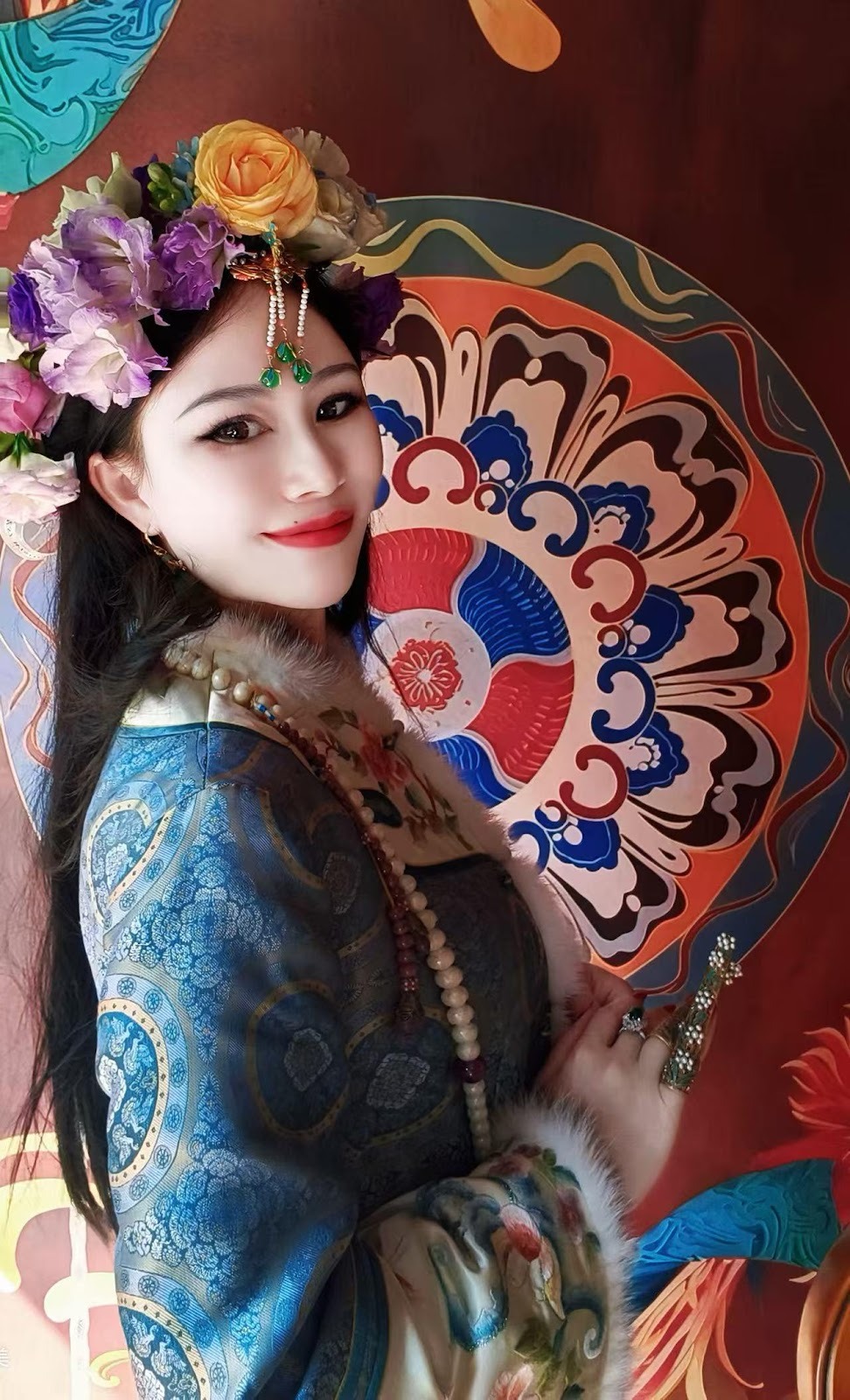
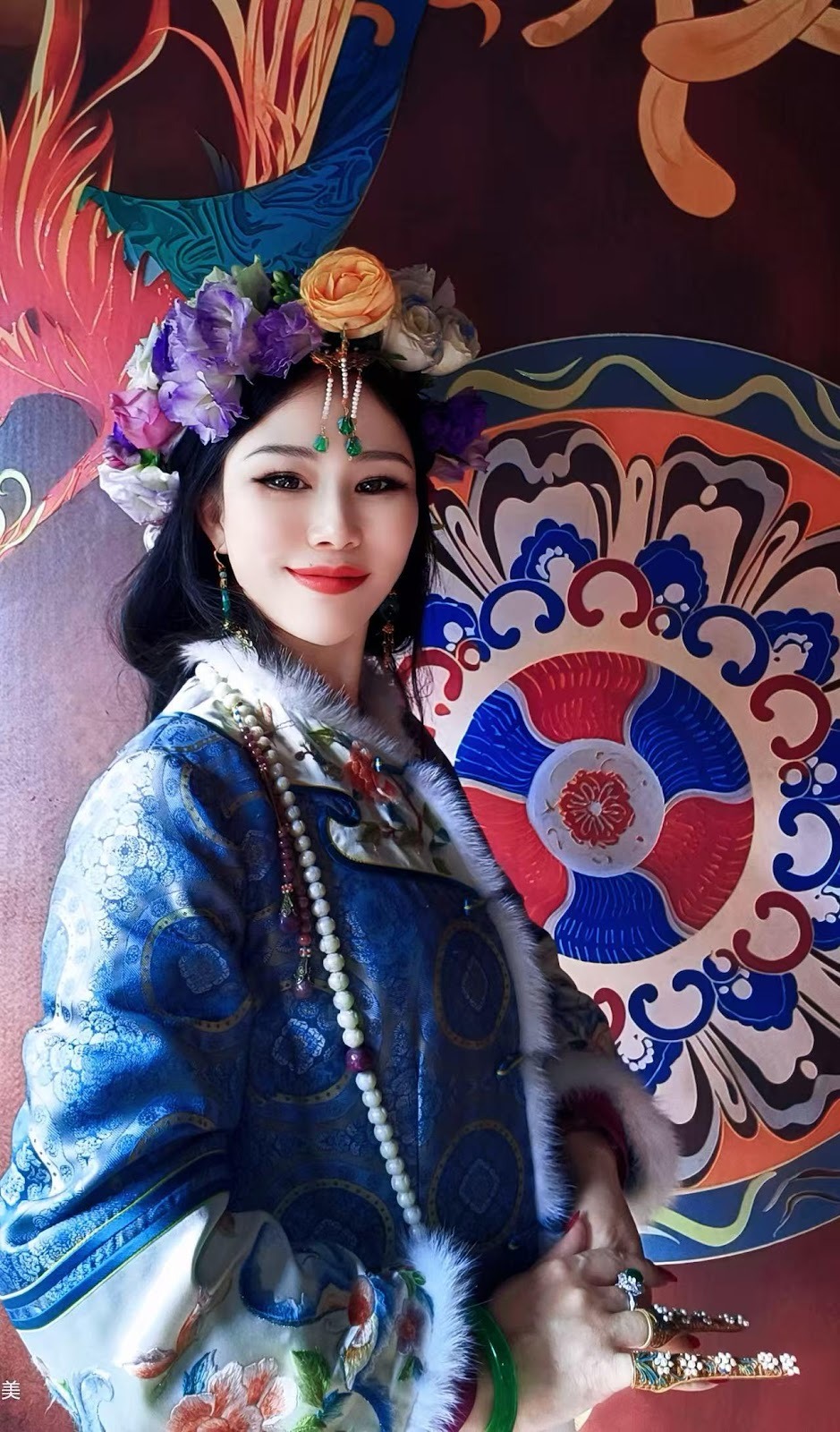
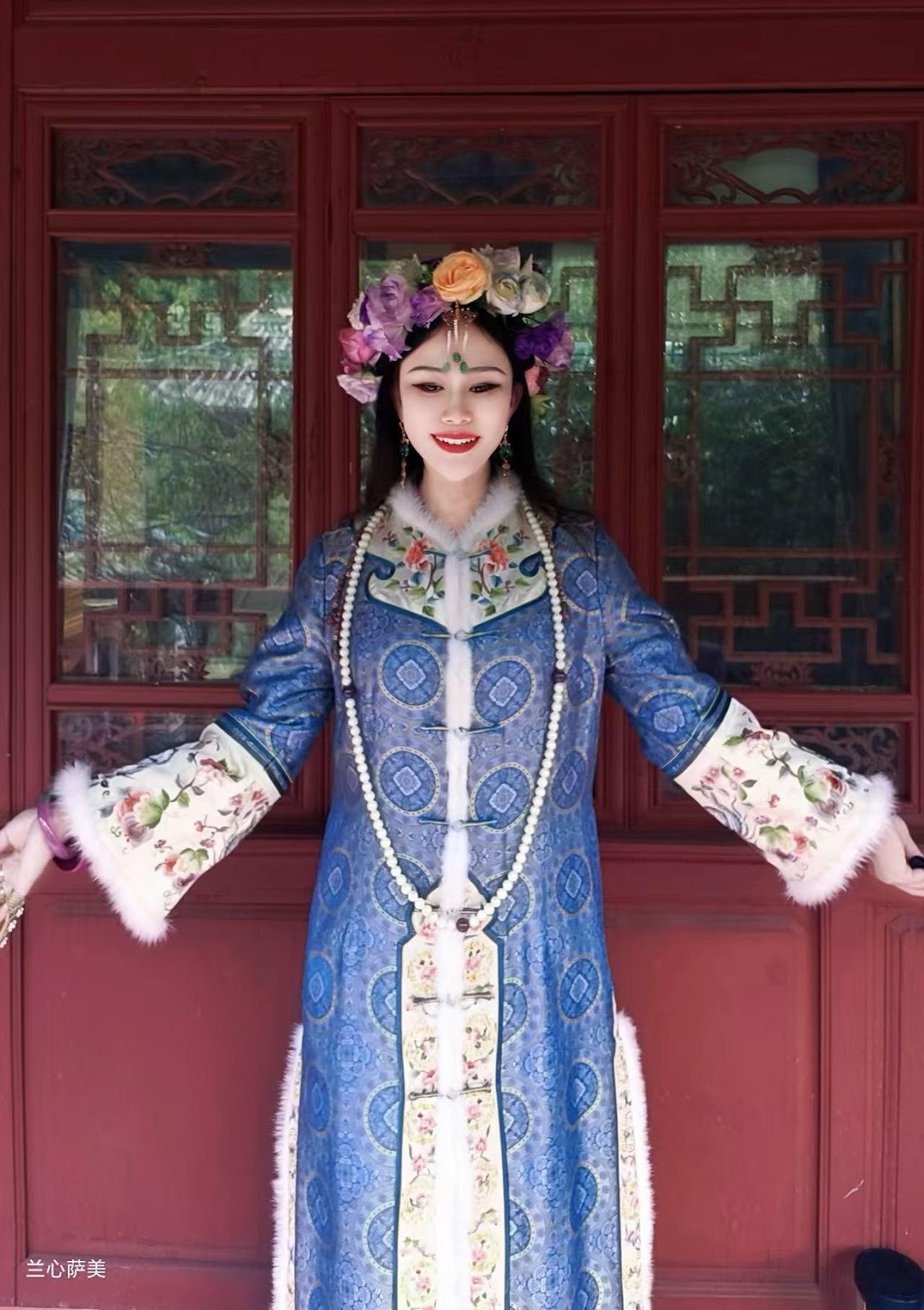
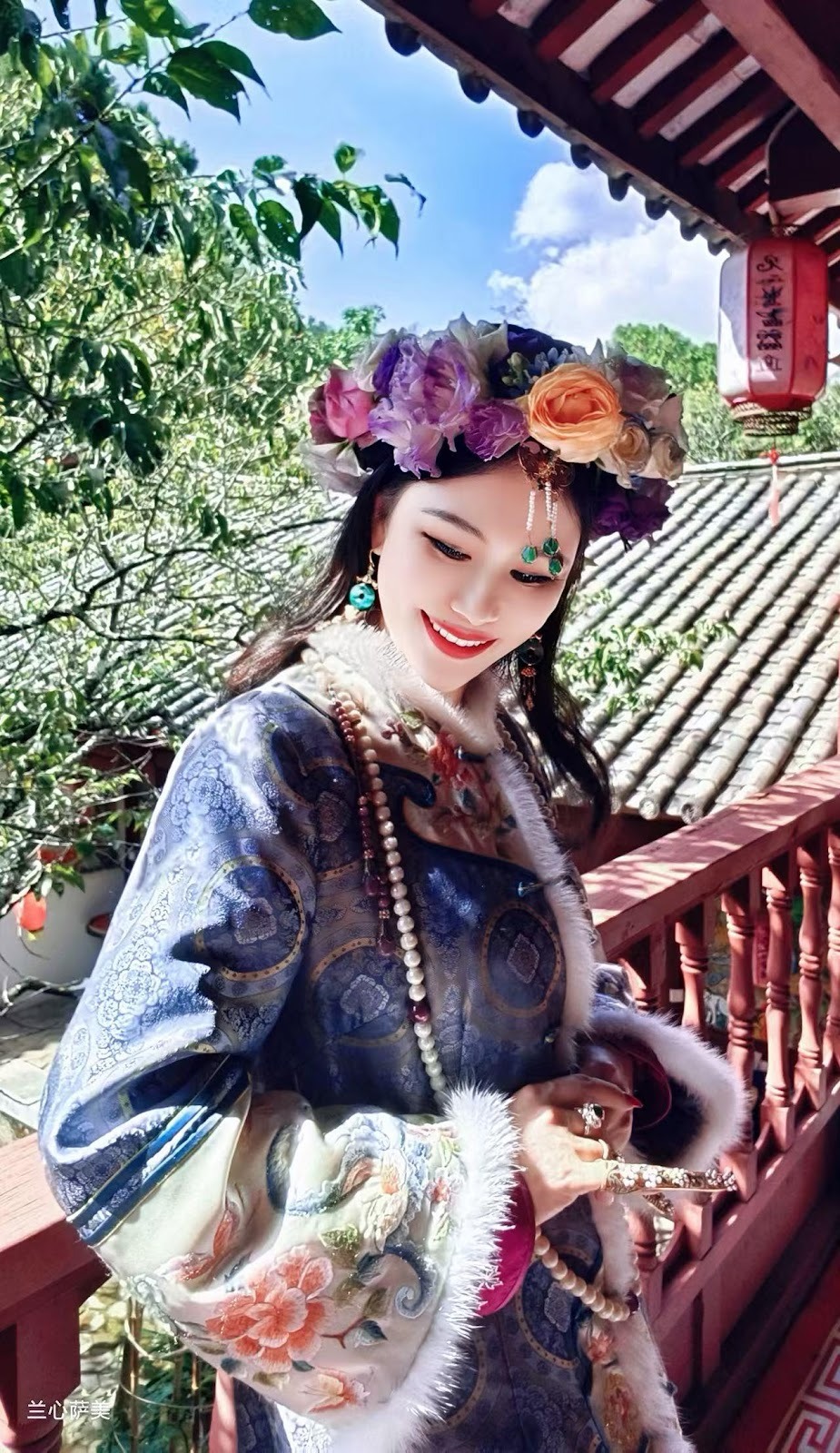
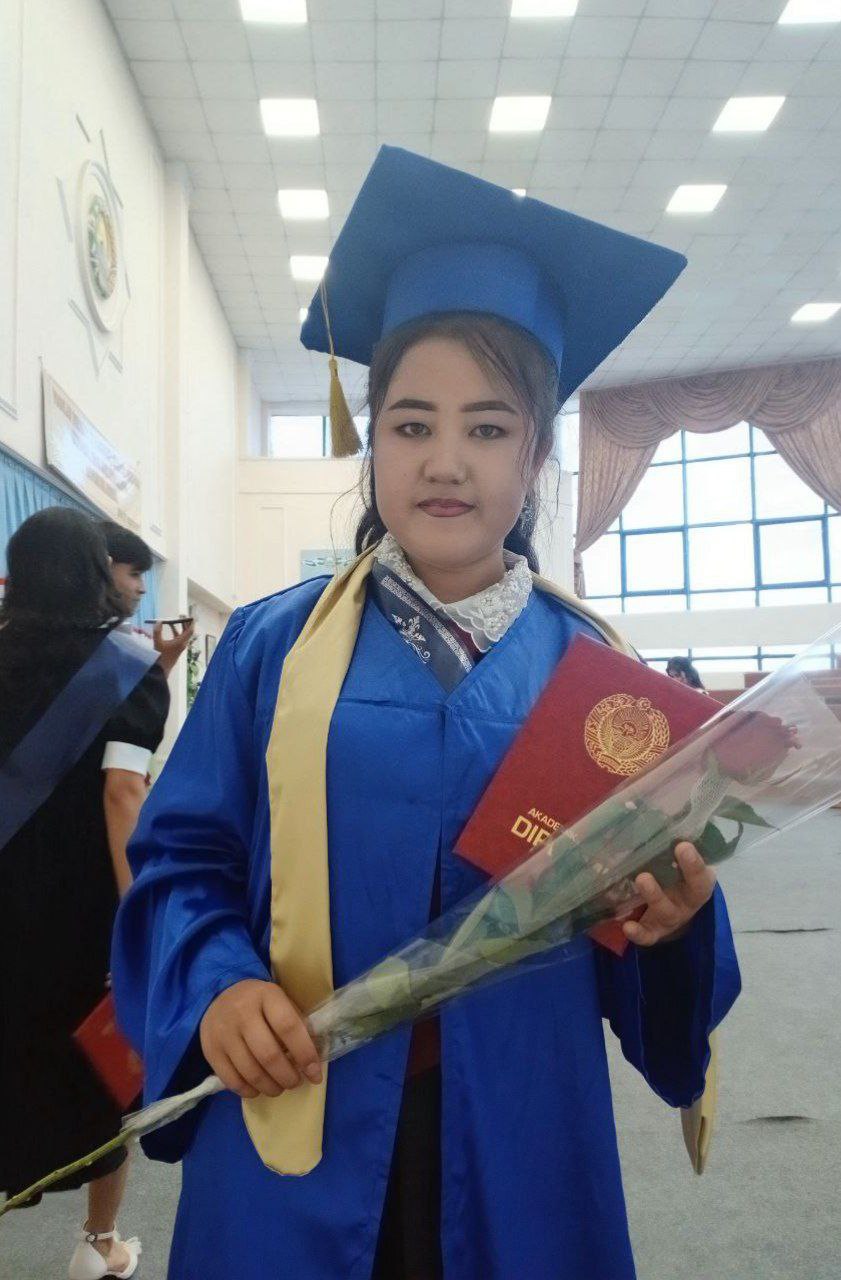
Internationally acclaimed bilingual writer, poet and translator, member of the Chinese Writers Association. The only female inheritor of UNESCO-listed Dongba Culture, International Disseminator of Dongba Culture and practitioner of Chinese culture’s global outreach. Winner of the Italian Francesco Giampietri International Literary Award, President of Lanxin Samei Academy and Dean of Yulong Wenbi Dongba Culture Academy.
Back to this place, on the eve of the Year of the Horse
This homeland where I once lived for years
Harbored the first bud of dreams, wrapped in the warmth of attachment
Also bore the twists of fate, and the unspoken journeys of the past
Old friends have all left for their homes, the streets still familiar
I go alone for a meal, to the small shop with childhood tastes
Light clinks of bowls and chopsticks, no one by my side
No more the warm eyes I long to see
No need to force a smile, no need to echo polite greetings
Quiet thoughts run deep in my heart, only shared with myself
Filter out the false noise and entanglements of the world
This dinner is the peace of being alone, the loneliness of standing on a height
The higher you fly, the farther from the mortal world
Few appreciate the high melody, and truly understanding souls grow fewer
The wind of the higher dimension brushes my shoulders above the nine heavens
Why linger on the trivial chirps of mortal birds on the ground
Like a phoenix spreading its wings, soaring above the sea of clouds
Why pause the forward resolve for the trivialities of mortal dust
This dinner tastes the warmth and cold of human relationships
I see the world clearly, and hear the true answer of my heart
This is a dinner of pride, a calm of rising steadily
A quiet joy held fast, after seeing through the world
Let go of the bonds of the past, head for the distant mountains and seas
A dinner alone is also a completeness of one’s own
Homeland has no bounds; where the heart is at peace is home
When the heart holds the world’s mountains and rivers, every place is a blooming homeland
Blood ties are not the only way home; warmth can bloom even among strangers
Where someone understands you, cherishes you, and keeps you in their heart
That is the best haven in the world
Mountains and seas can all be crossed; a heart bond knows no distance
Even across thousands of rivers and miles, never met before
When souls know each other, we are close at hand
With love as the boundary, with the heart as the soil
The whole world is homeland, and there is the light of understanding souls everywhere on earth
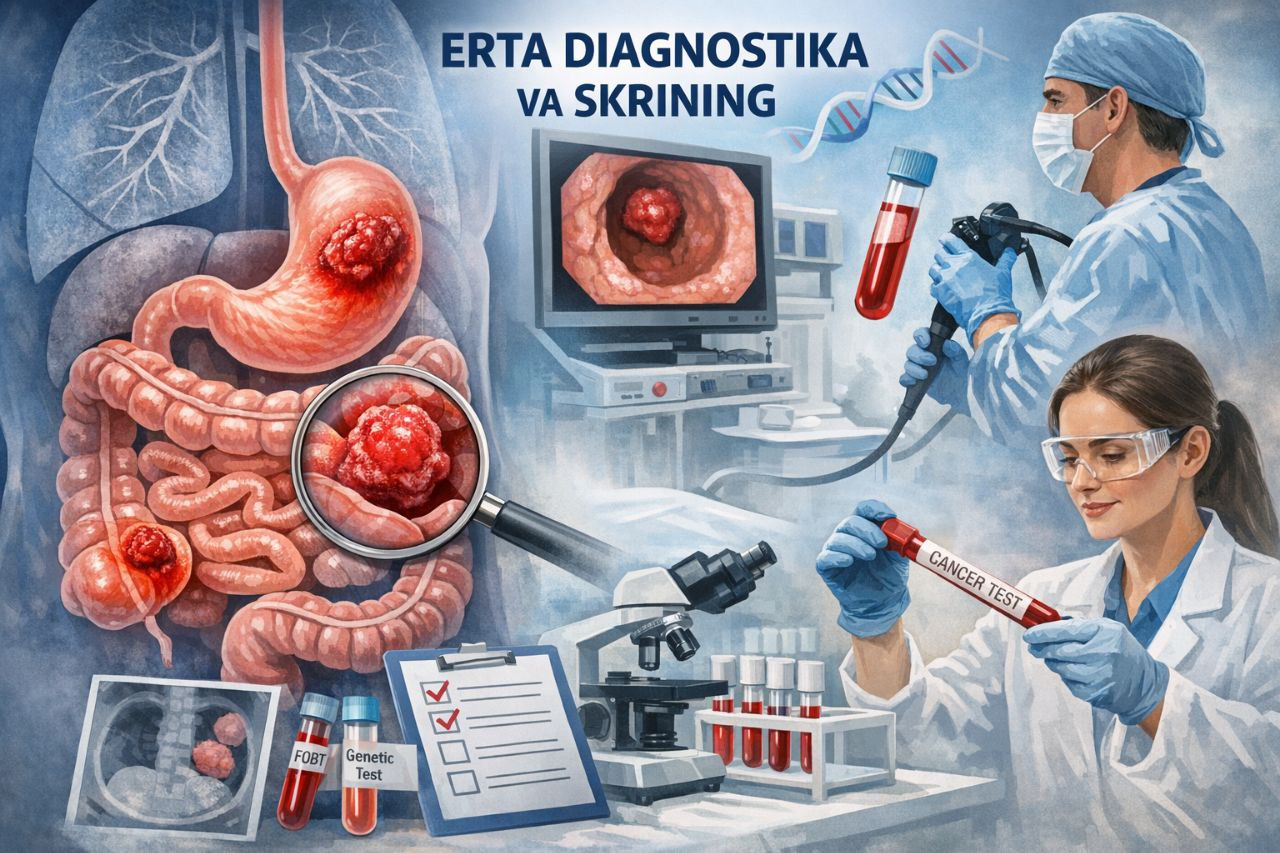
GASTROINTESTINAL CANCER: THE IMPORTANCE OF EARLY DIAGNOSIS AND SCREENING
Yunusova Sarvigul Siroj qizi
2nd year student at Bukhara Medical Institute
Annotation Gastrointestinal cancers are one of the urgent problems in modern medicine, and their detection at late stages is the cause of high mortality rates. This article extensively covers the epidemiology, risk factors, clinical symptoms, and the importance of early diagnosis and screening programs for gastrointestinal cancers. It also analyzes the possibilities of modern screening methods – endoscopic examinations, laboratory and molecular diagnostics. Based on the article, it is possible to significantly increase the survival rate of patients through early detection of the disease.
Gastrointestinal cancers include tumors of the stomach, colon and rectum, esophagus, small intestine and other digestive organs. Among them, gastric cancer and colorectal cancer are especially common oncological diseases worldwide. According to World Health Organization data, colorectal cancer occupies one of the leading positions in terms of morbidity and mortality.
The main problem of gastrointestinal cancers is that the disease is often asymptomatic or has vague symptoms in the early stages. As a result, patients seek medical attention at a late stage. Therefore, early diagnosis and screening programs are of great importance in preventing the disease and reducing mortality.
Main part
1. Etiology and risk factors of gastrointestinal cancers
The following factors play an important role in the development of gastrointestinal cancers:
In particular, Helicobacter pylori infection can cause a long-term inflammatory process in the gastric mucosa, leading to dysplasia and subsequent malignant transformation.
2. Clinical signs and problems
In the early stages, patients experience the following common symptoms:
Loss of appetite
Weight loss
Abdominal pain
Bleeding (occult or overt)
Anemia
However, these symptoms are often confused with simple gastritis or colitis. As a result, an accurate diagnosis is delayed.
3. Early diagnostic methods
Early diagnosis is a set of measures aimed at detecting the disease before the clinical symptoms become obvious.
Main diagnostic methods:
Endoscopy (FGDS, colonoscopy) – allows for visual detection of tumors and biopsy.
Biopsy and histological examination – the “gold standard” for making an accurate diagnosis.
Immunochemical tests – detect occult blood.
CT and MRI – determine the extent of tumor spread.
Molecular genetic tests – are important for determining the risk group.
Regular screening examinations are recommended for people over 50 years of age for colorectal cancer. In developed countries, screening programs have increased the rate of early detection of the disease.
4. The importance of screening programs
Screening is a screening system aimed at detecting the disease in a population without clinical symptoms.
Advantages of screening:
Detection of cancer at stages 0–I
Reduction in mortality
Increasing the effectiveness of treatment
Economic efficiency
For example, early detection and removal of colon polyps can prevent the development of cancer in the future. Therefore, screening is not only diagnostic but also has a preventive value.
Conclusion
Gastrointestinal cancers are a global health problem, and their late detection is the cause of high mortality. The widespread implementation of early diagnosis and screening programs allows for early detection of the disease, effective treatment, and increased survival rates. Promoting a healthy lifestyle among the population, reducing risk factors, and undergoing regular medical examinations are important areas of cancer prevention.
Used literature
1. Bray F., Ferlay J., Soerjomataram I., Siegel R.L., Torre L.A., Jemal A. Global cancer statistics 2020: GLOBOCAN estimates of incidence and mortality worldwide for 36 cancers in 185 countries // CA: A Cancer Journal for Clinicians. – 2020.
2. Sung H., Ferlay J., Siegel R.L., Laversanne M., Soerjomataram I., Jemal A., Bray F. Global cancer statistics 2020: Worldwide burden of cancer // CA: A Cancer Journal for Clinicians. – 2021.
3. World Health Organization (WHO). Cancer fact sheets: Colorectal and gastric cancer. – Geneva: WHO Press, 2023.
4. International Agency for Research on Cancer (IARC). World Cancer Report: Cancer Research for Cancer Prevention. – Lyon: IARC Publications, 2020.
5. DeVita VT, Lawrence TS, Rosenberg SA. Cancer: Principles & Practice of Oncology. – 11th ed. – Philadelphia: Wolters Kluwer, 2019.
6. Jameson J.L., Fauci A.S., Casper D.L., Hauser S.L., Longo D.L., Loscalzo J. Harrison’s Principles of Internal Medicine. – 21st ed. – New York: McGraw-Hill Education, 2022.
7. Feldman M., Friedman L.S., Brandt L.J. Sleisenger and Fordtran’s Gastrointestinal and Liver Disease. – 11th ed. – Philadelphia: Elsevier, 2020.
8. National Comprehensive Cancer Network (NCCN). Clinical Practice Guidelines in Oncology: Colon Cancer and Gastric Cancer. – Version 2023. – Plymouth Meeting, PA, USA.
9. Rustamov Sh.A. Fundamentals of Oncology. – Tashkent: Abu Ali ibn Sino Medical Publishing House, 2020.
10. Ministry of Health of the Republic of Uzbekistan. Clinical protocols for stomach and colon cancer. – Tashkent, 2022.
Friendship—a concept so profound that words often fall short. A true friend is not only someone who stands by you in difficult times, but also one who shares in your joy, supports your growth, and offers a helping hand whenever life presents its challenges. Yes, a person may have many friends, yet not all of them genuinely care or remain steadfast when support is truly needed. Some remember you only when they require something, while others are so rare and precious that one could speak about them for hours and still not do them justice.
Who, then, is a real friend? A companion who wishes nothing but goodness for you—one who rejoices sincerely in your happiness and feels your pain as their own in moments of hardship. A friend who guards your flaws, never exposing them to others, who refuses to engage in gossip, and who shields your mistakes rather than exploiting them. Not someone who flatters you with empty praise, but one who has the courage to point out your faults with honesty—and stands beside you to help you overcome them. A soul who cares not only for your worldly well-being, but also for your spiritual success; who prays for you, hoping that you attain goodness both in this life and the next. Even in your absence, such a friend defends your name, offering sincere prayers and selfless goodwill from the depths of the heart.
There are people who have become an inseparable part of my life. Talking with them, laughing together, sharing burdens, giving advice and receiving it—it is all indescribably beautiful. At this moment, I want to express my deepest gratitude to my closest friends. Their presence in my life is not just a comfort, but a profound blessing, and for that, I am truly thankful.
Gulsanam Sherzod qizi Suyarova
Born on May 29, 2007, in Qamashi District, Qashqadaryo Region, Gulsanam Suyarova, despite her young age, has achieved remarkable accomplishments. In 2025, she was admitted to Chirchik State Pedagogical University on a grand merit basis. She is the holder of over 80 international certificates and a member of the Argentine Association of Science and Writers. Gulsanam is also the author of several scholarly articles. She has been featured as a guest on “Fayzli Kun” and awarded the “Ambassador of Friendship” chest badge. She possesses certifications in English, her native language, and history. Additionally, she is a member of the Russian Federation’s Academy of Central Asian Literature and Culture.
Artificial Intelligence in Medicine: Transforming Diagnostics and Treatment Planning
The use of intelligence and machine learning in medicine is a big change in the healthcare sector.
Intelligence and machine learning are helping doctors to make diagnoses and plan treatments.
Doctors used to have to do everything by themselves. Now they have machines that can help them.
These machines can look at a lot of information very quickly and accurately.
This is changing the way patients are cared for because intelligence and machine learning are making diagnoses more accurate and treatment more personal.
Intelligence and machine learning are also making things run more smoothly in hospitals and clinics.
The use of intelligence and machine learning is really changing the way medicine is practiced and it is helping patients get better care.
Artificial intelligence and machine learning are very important, in medicine now.
The use of Artificial Intelligence in medicine is really interesting especially when it comes to diagnosing illnesses. Doctors use things like X-rays, MRIs and CT scans to look at what’s going on inside the body. These tests give a lot of information. It can take a long time for doctors to look at everything.
Artificial Intelligence is also changing the way doctors plan treatments. Normally doctors use the treatment for everyone but this does not work for each person because we are all different. Our genes, the air we breathe and the way we live are all unique, so we need treatments that’re unique too. Artificial Intelligence is helping doctors make treatment plans that are just right, for each person. Artificial intelligence models can put together information from health records and other tests like genomic sequencing and clinical trials. This helps doctors create treatment plans for each patient. Studies have found that artificial intelligence systems are as good as doctors at finding diseases like cancer, heart problems and brain disorders when they are just starting.
For example, in cancer treatment artificial intelligence systems assist doctors in selecting the medicines by figuring out how a patient’s tumor will respond to those medicines. This way of treating patients is better because it improves the results and reduces side effects. As a result, the patient’s life becomes better overall. Artificial intelligence models are really helpful in this process because they use data, from health records and other sources to make decisions. Artificial intelligence is another thing that comes from using it in healthcare. Healthcare systems over the world are having a tough time because people are getting older there are not enough staff and costs are going up. Artificial intelligence tools do work make sure patients get the right care at the right time and help doctors make good decisions so doctors can spend more time with patients. In emergency rooms artificial intelligence can figure out which patients are in the danger and need help right away which can save lives.
Artificial intelligence, in medicine has some problems that need to be thought about even though it can do a lot of good things. Data bias is a problem. If Artificial Intelligence systems are trained on data that does not have a lot of kinds of people in it, they may not work as well for some groups of people. This can make it even harder for people who already have a time getting good healthcare.
Medical records have personal information, so we need to make sure they are safe and private. We need to have cybersecurity to protect this information, and we need to be open, about how we handle data. This is important because we need people to trust us with their information. Data bias and data security are both issues when it comes to Artificial Intelligence and medical records.
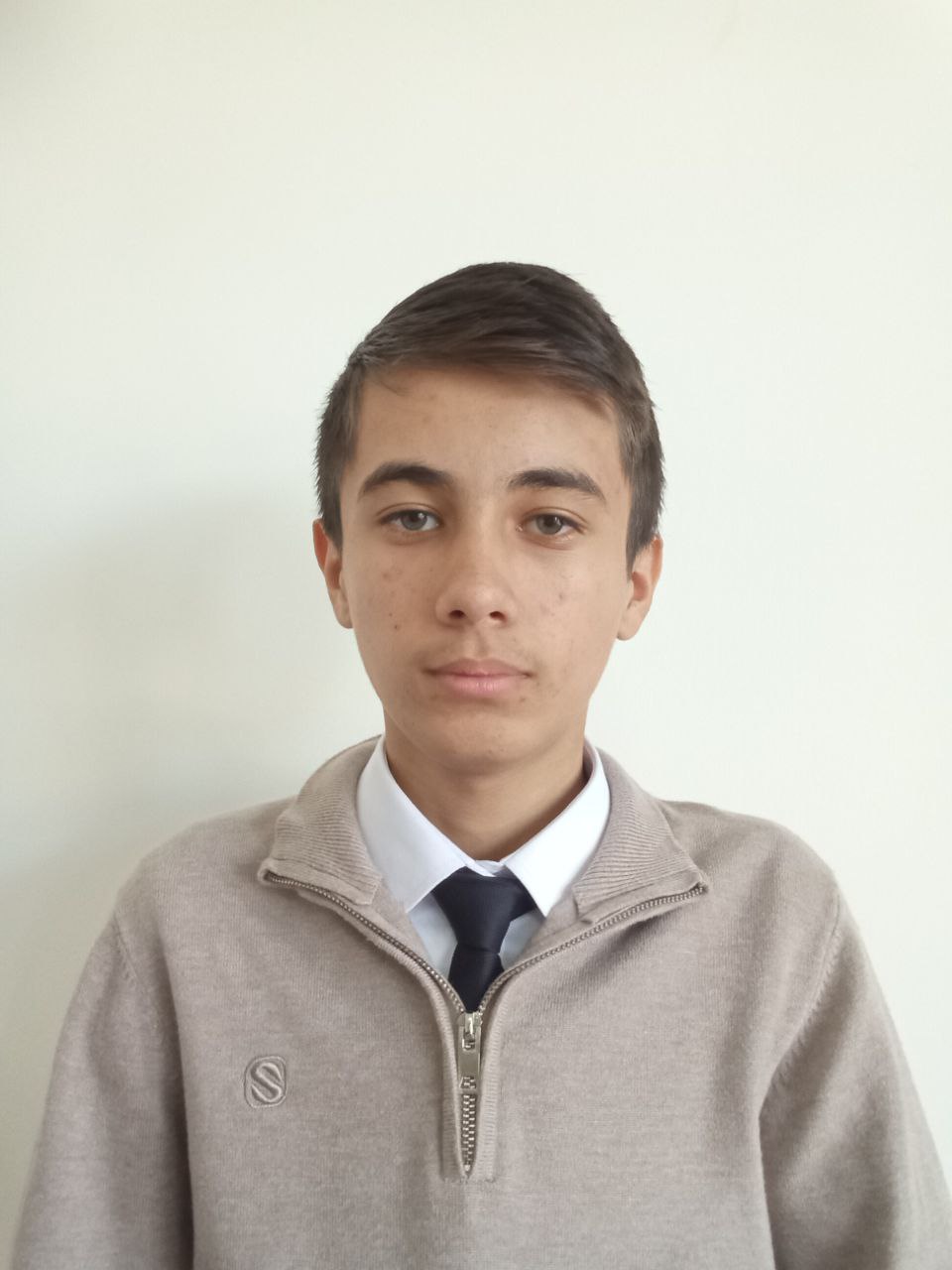
Hasanov Umidjon Ilhomovich was born on May 27, 2010, in Qorako‘l District, Bukhara Region. He began his education at Secondary School No. 9 in Qorako‘l District and has been studying since the 9th grade as a student of the Presidential School for Gifted Children.
Umidjon Hasanov has achieved numerous academic and social accomplishments. He is the holder of more than 50 international certificates and has actively participated in national competitions, earning over 20 certificates, diplomas, and letters of appreciation at the republican level. He is also the founder of several innovative projects.
At the national level, he won 2nd place in the “Youth Innovators” competition. In February 2025, he successfully obtained the CEFR B2 certificate. In 2025, he was recognized as the winner of both “Volunteer of the Year” and “Initiator of the Year” awards.
Additionally, he achieved honorable placements in the Republican Real Hackathon and Ideathon competitions for the EEAO book-related website project. Currently, Umidjon is actively organizing debate tournaments in his district and working on transforming the EEAO website prototype into a fully functional platform, collaborating with PIF members.
The stained windows of blues, and reds, and ivory,
Enlighten this whole space with a peaceful ambience,
Of faith, of hopes, and love, and you feel the presence,
Of some holy spirit, there, holy memories…
We have built this big church to offer to Mary,
And to her divine Son, Jesus Christ, all our lives:
The future of our lives, as their past and glory…
Once a fire took its roof, but by miracle,
The place stood still, then the firemen could arrive,
To set flames off. Then we repaired it…
Mystical!
*****
Jesus is with us.
In Paris, there is a legend,
That Jesus lives, rue Cordelières,
In a hidden villa, where ends,
A lane… Since our past hundred years.
He reputedly reads a lot,
Of old scriptures and some novels,
Served by a guard of the angels,
He thinks, he prays there, for the most.
Some say, He sometimes walk the streets,
To museums, or bakeries,
Or cafes, anonymously…
To a beggar, apparently,
A man who gifted jewelry…
Could have been Him!
Who knows?
Him, Christ!
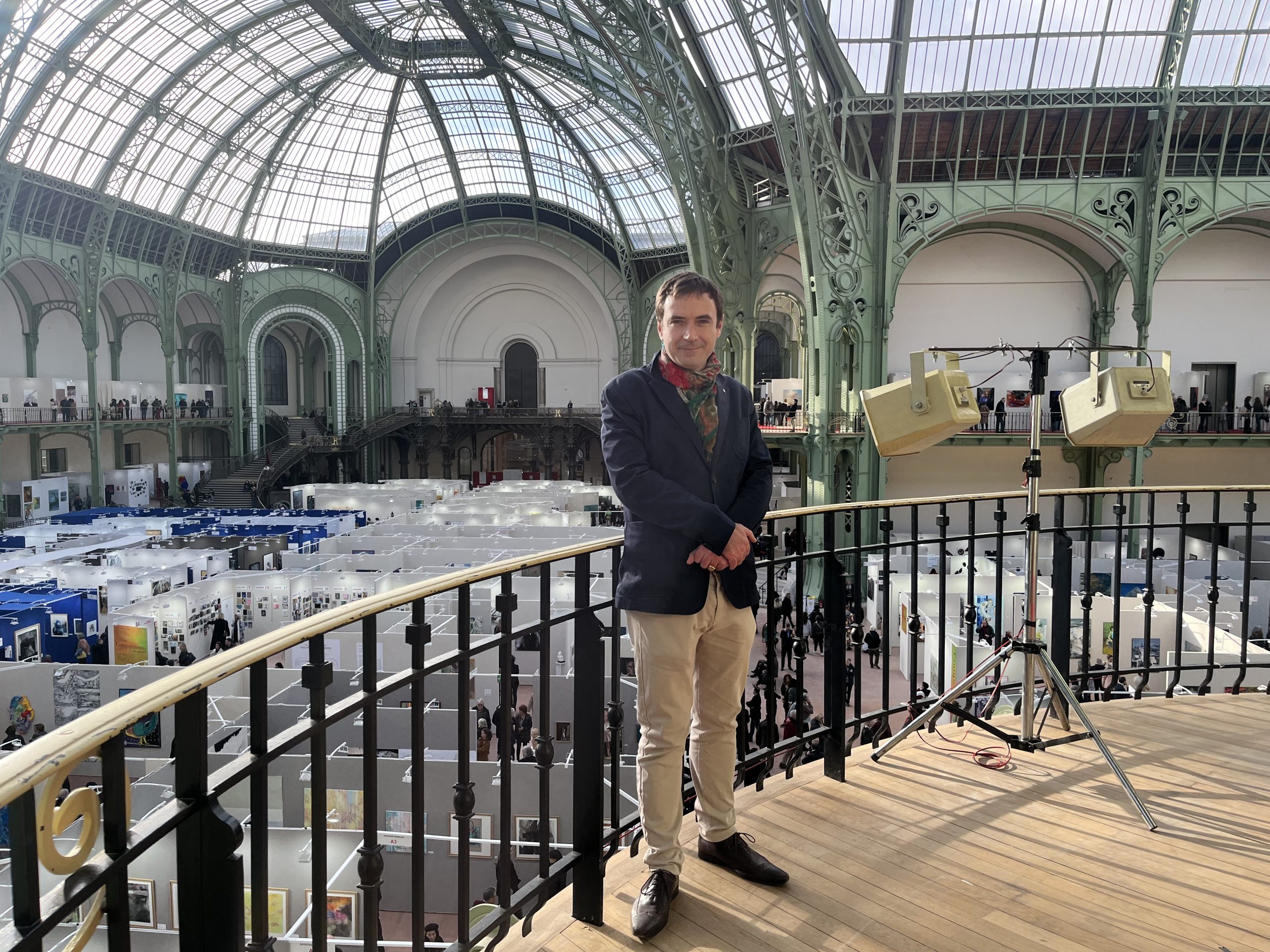
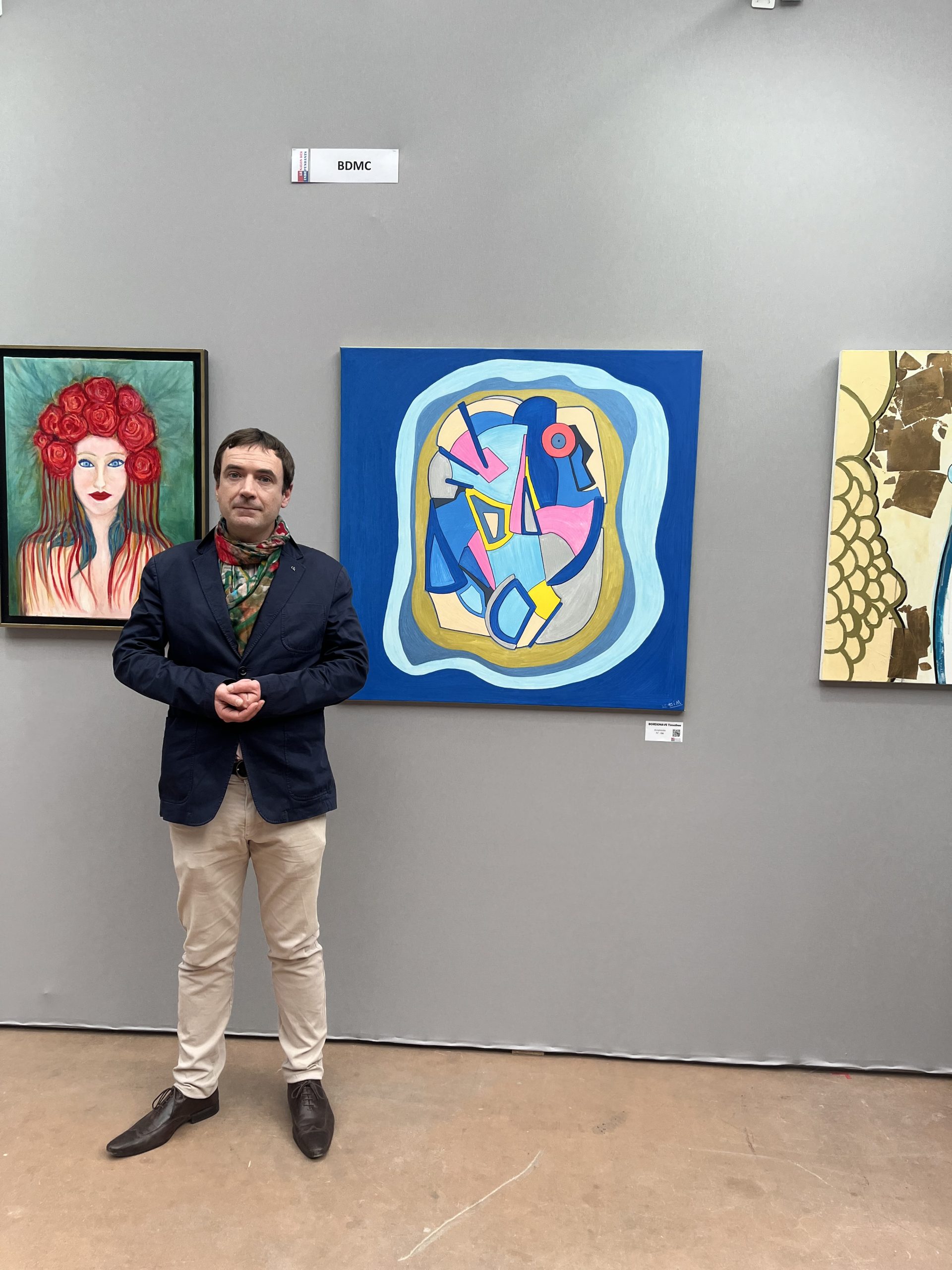
Timothee Bordenave is a French author of essays, fictions and poems. He has published about 25 books today, in France and internationally. He is also an international artist. He used to work directly libraries in Paris, where he was born in 1984 and still resides now.