
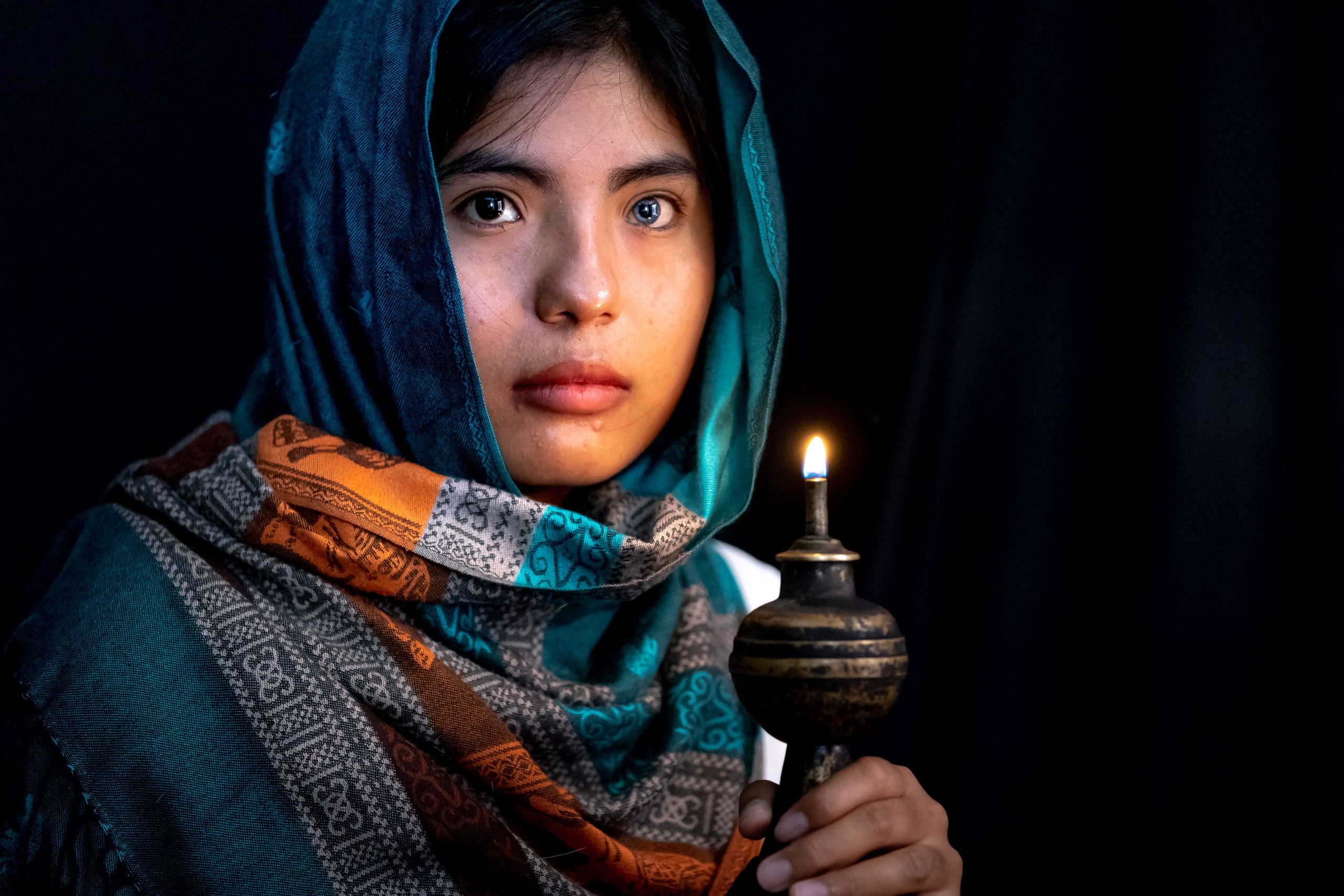
Welcome to November’s second issue, The Light We Carry. This title is a poem from Amanda Gorman’s most recent poetry book, Call Us By What We Carry, and also a poetic theme for our issue.
But first, announcements.
Longtime contributor Bill Tope’s colleague Maysam Kandej, Iranian national and editor of Shortcake, is hosting a Thanksgiving Writing Contest.
2026 Thanksgiving Writing Contest
Sponsored by: Shortcake.IR
Judge: Maysam (Sam) Kandej, Editor, Shortcake.IR
Themes:
Uplifting stories celebrating the Thanksgiving holiday. Happy endings, nostalgia and warm sentiment would not be out of place.
Word count: 500-5,000 Words
Deadline: November 24, 2026
To submit: send all submissions to billtopiary1950@gmail.com.
Send either in the body of the email or as a Word docx or rtf
attachment. Submit as often as you please, and simultaneous submissions and reprints are OK.
Prizes:
$250,000 cash, a new Tesla and an all-expenses paid trip
to Mar-a-Lago.* *Just kidding. The real prizes are publication
in two magazines, unending adulation, comments by your peers and serious esteem and appreciation from those engaged in staging this competition.
Next, longtime contributor Jeff Rasley invites reviews of his new memoir I Am Dying, about his cancer journey. Please contact us and we’ll invite him to send you a review copy.
“I am going to die, and so are you. That is a fact most of us prefer not to face. A cancer diagnosis and the ugly side-effects of treatment forced me to deeply ponder how to finish my life’s journey and how to prepare for its end. I discontinued treatment. This book is an adventure story about the evolution in understanding life and death. Ancient and modern sources of wisdom about how to live a good life in order to face death with serene courage are interwoven into the narrative.”
Now, for this issue, The Light We Carry: A Chorus of Voices Against the Night.
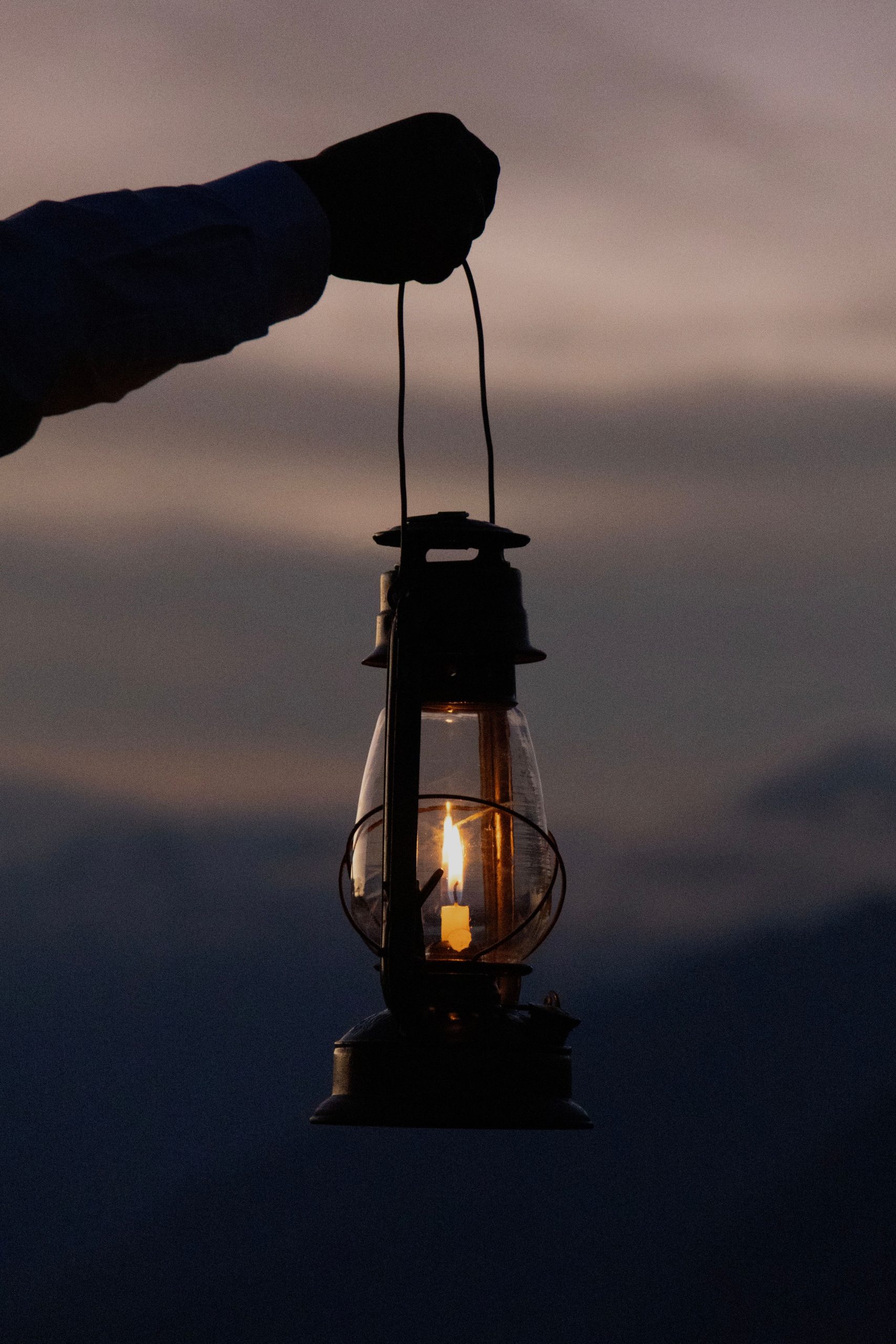
There is a light that does not depend on sunshine, certainty, or even hope. It is the light people carry within themselves when confronted with love and loss, injustice and uncertainty, isolation and a lack of belonging. It flickers in the smallest acts of kindness, survives in the stubborn persistence of artists, illuminates the contradictions of human relationships, and shines through the stories people tell when they refuse to be forgotten.
In this collection, that light becomes a unifying force, connecting cultures, generations, countries, and individual experiences. From Ashok Kumar Thakur ‘Albela’s celebration of Diwali and its festival of lamps to Amarinda Dokollari’s invocation of the Albanian expression “born like light,” from Vesna Malović Petrović’s association of the beloved with morning and radiance to Delsa López Lorenzo’s call to push back the dark, the contributors create a many-voiced testament to the resilience of the human spirit. Their collective message is that light is not merely something we encounter; it is something we make, share, and defend.
Yet the first place this light must struggle to survive is within our closest relationships. John van Sicklen Maeck II’s short drama examines the delicate boundary between caring for someone and attempting to control them, reminding us that affection can become suffocating when it disregards another person’s freedom. James Fleet Underwood explores intimacy, memory, and lost opportunities, considering how connections continue to shape us even after the moments in which we might have acted have passed. Sayani Mukherjee carries unexpressed love and sorrow into the natural and spiritual worlds, preserving the significance of someone who remains emotionally present. Wylder Christman confronts the pain of love never received, ultimately finding the quiet strength to stop pursuing what was withheld.
George Gad Economou portrays grief, addiction, and the difficulty of releasing what has become inseparable from one’s identity. Against these experiences of absence and disappointment, Menda Vreto considers the gifts we leave behind in others, Tanja Ajtic reflects on the trust we place in loved ones during difficult times, and Imène Daoud celebrates womanhood through the interconnected identities of mother, sister, daughter, and lover. Together, these works suggest that love is measured not simply by its intensity but by its capacity to nurture, endure, and allow others to become themselves.
The complications of love grow even more profound when devotion approaches the spiritual. Yasmin Abdal Salah Harmoush presents an overwhelming, almost religious passion that lifts the speaker toward cosmic union even as it torments her. Lan Xin’s “Funeral of the Butterfly” examines the devastating paradox of loving something that ultimately destroys you. Milka J. Šolaja watches the language of love gradually erode under the pressures of time and reality, while Wanchen Cao explores the conflict between emotional vulnerability and the instinct for self-protection. In Brooklyn Lyric / drrtgrrl’s work, spiritual terror emerges from the contradiction of being raised on God’s love yet experiencing that love as both salvation and strangulation. These writers recognize that the heart can become a place of refuge or confinement, sometimes both at once.
That tension between freedom and confinement extends into the struggle to understand the self. Gabriel Avilés’s “Demented” challenges society’s tendency to label unconventional perception as insanity, raising questions about who has the authority to define normality. Ma Yongbo examines the instability of identity, the burdens of gender, and the fragility of memory. Given Twice confesses to an outwardly successful existence sustained by repetition, amnesia, and performative competence, exposing the exhaustion beneath appearances. Graciela Noemi Villaverde finds sanctuary in nighttime, when the demands of public performance recede and private feelings can finally find expression.
Milena Pčinjski explores the courage and vulnerability required to be genuinely seen. Nidia Amelia García transforms an antique wardrobe into a symbol of memory and the past, while Ermira D. Ifandi depicts a violent, cathartic attempt to escape personal history amid emotions as uncontrollable as wild horses. Valbona Kolaveri offers a compact statement of faith in the possibility that even an apparent plunge into madness may ultimately become a journey toward wholeness. In these works, identity is neither fixed nor easily explained; it is something continually negotiated through memory, social expectations, emotional upheaval, and the desire to be understood.
The personal struggle, however, cannot be separated from the structures of society. Joseph Ogbonna’s character Akunna dramatizes the cruelty of the Osu caste system among Nigeria’s Igbo people, exposing the devastating consequences of inherited discrimination. Manzar Alam portrays a revolution that overturns an established order only to see its original promise gradually disappear. Ibrahim Honjo observes the haunting repetition of human struggles, while Fhen M. laments the deterioration of political discourse into personal attacks. Soumen Roy challenges hypocrisy, sexual double standards, and the normalization of shame. Duane Vorhees combines satire and criticism of apathy and inherited hypocrisy with a longing for innocence and renewal.
Dr. Jernail Singh proposes a more transformative alternative to defensive nonviolence: love, truth, moral courage, and collective action. Eva Petropoulou Lianou similarly places peace, compassion, and love at the center of humanity’s responsibility to build a better world. Shokhida Nazirova reimagines Cinderella by giving women the power to rescue and define themselves rather than waiting for someone else to determine their futures. In his interview with Alex S. Johnson, Emanuel Xavier makes another essential point about the relationship between expression and social justice: for marginalized voices, writing is not simply a career choice but a means of survival, visibility, and recording histories that institutions have erased. These contributions remind us that the light of individual dignity cannot flourish while entire communities remain in darkness.
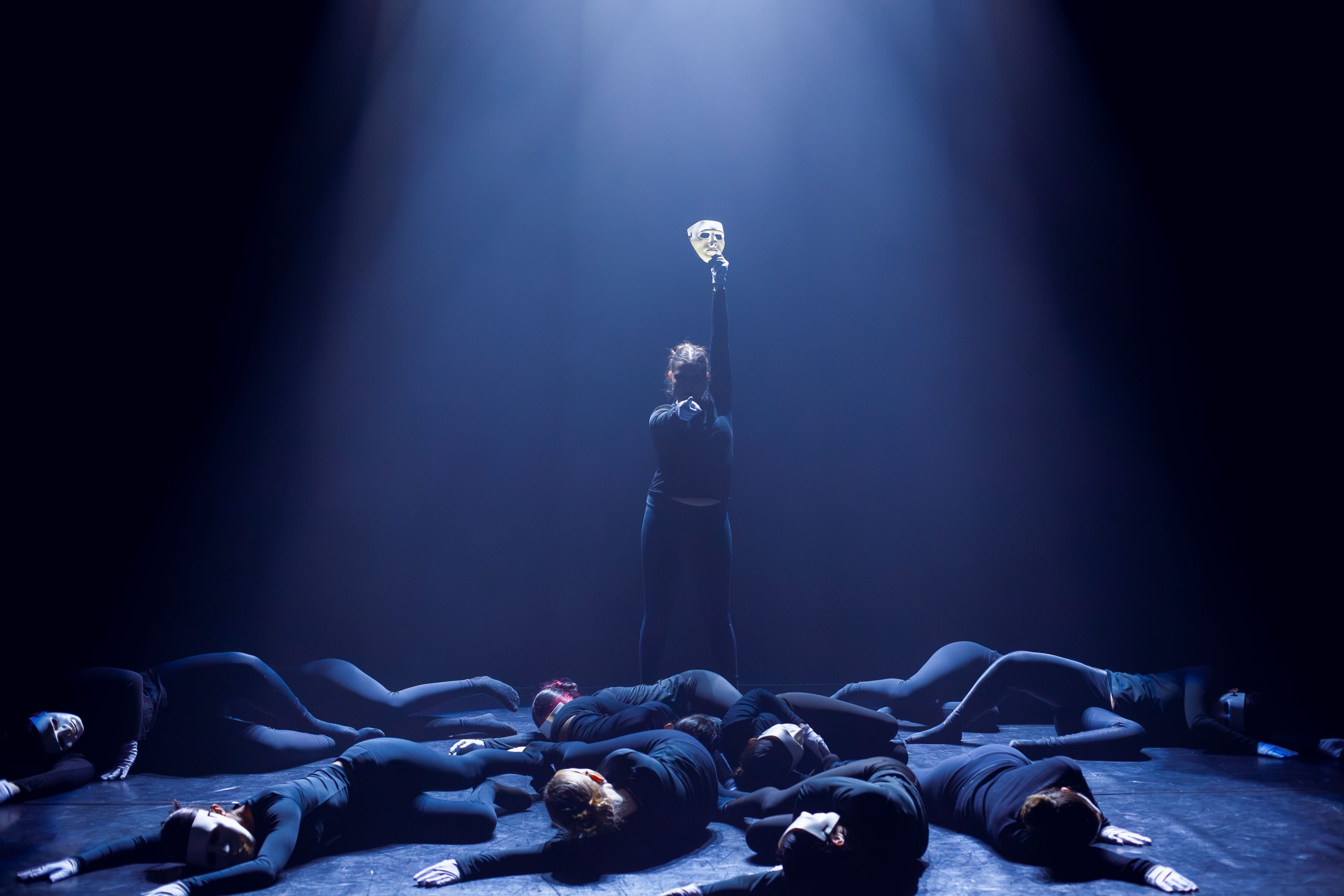
Art, accordingly, becomes one of the most powerful instruments of resistance and connection. Zeboxon Ahmadjonova affirms that art expresses human experience and connects hearts across differences. Mahi Farhana presents adversity as a crucible in which artistic expression becomes a form of resistance and empathy. Fotimaxon Muxtorova considers poetry a means of survival and emotional release. Paul Durivage demonstrates that even a seemingly ordinary list in fiction can reveal a character’s deepest perceptions, feelings, and silences. Tamizh Ponni examines the invisible labor of women, showing how the very work that confines them also sustains the world, while art reflects this contradiction. Alex S. Johnson emphasizes that creative success grows from persistence, courage, and the determination to continue working despite obstacles. Ri Hossain explores writer’s block as a form of class conflict, imagining what happens when a poet attempts to force language rather than allowing language to inhabit the creative process: the words themselves go on strike.
Other writers approach artistic expression through experimentation and philosophical inquiry. Mark Young creates absurdist work in which purpose and meaning continually slip beyond reach. J.L. Orango discovers significance in ordinary, overlooked things, while Grant Guy’s abstract words and images invite readers to imagine existence as fluid and interconnected. Dr. Molly Joseph’s poem investigates the mystery of life and humanity’s place in the universe. D.O. Teshayeva asserts and outlines roles for human creativity in the age of artificial intelligence. Monalisa Parida’s essay argues that while AI can imitate the form of poetry, it cannot replicate the soul, the lived experience that gives poetry its depth and meaning. Calice argues that true art is fluid, growing and changing as a person grows, resisting the static categorization of genre and institution. Pradip Mondal’s ekphrastic works arrive at a conviction that peace and truth will outlast the instruments of death. Whether through abstraction, poetry, fiction, visual interpretation, or social criticism, these contributors insist that art does more than describe the world: it changes how we perceive it.
The natural world offers another vocabulary for understanding our place in the larger human story. Fattoeva Ugiloy Ashurkulovna’s artwork shows a peaceful sunset over a lake, with mountains in the distance, birds flying, and trees framing the scene. The birds evoke journeys while the sunset suggests change or quiet contemplation. Kushi Nanayakkara’s three poems connect nature, humanity, empathy, and concern for the planet’s future. Nafisa Toshtemirova argues that environmental protection requires lasting changes in the decisions made by individuals, communities, businesses, schools, and governments. Brenda Mohammed addresses environmental sustainability, while G’aniyeva Muslima G’ofurovna raises awareness of the health risks associated with air pollution. Jacques Fleury describes an escape from urban life into nature and the challenge of bringing that healing back home.
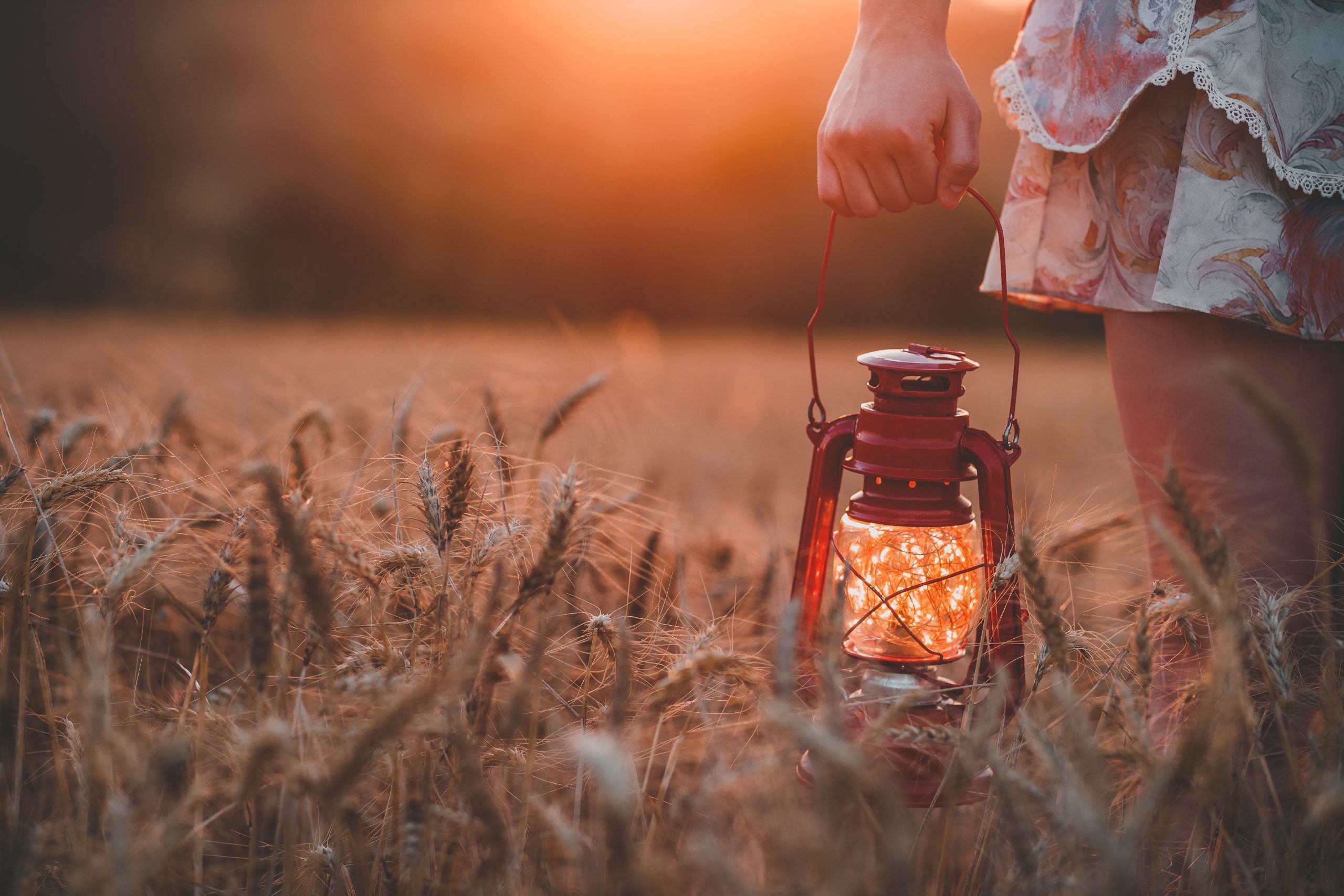
Mesfakus Salahin offers a pastoral meditation on the rural world as the truest measure of human life. Brian Barbeito reflects on childhood, friendship, freedom, and the enduring bond between people and place. Ibodat Xayitboeva celebrates the spiritual beauty of homeland, Sharofat Sulton honors her heritage as she would her mother, and Dr. HC Rozalia Aleksandrova celebrates the intertwined beauty of love and homeland. These contributions make clear that belonging is not exclusively an interpersonal relationship; it is also an ecological and cultural bond.
Hope, meanwhile, is cultivated through patience, attention, and perseverance. Shah Jehan Ashrafi suggests that hope grows through listening to nature, working patiently, and recognizing the necessity of rest. Mahbub Alam traces a traveler’s movement from exhaustion toward quiet transcendence, showing how everyday experience can open onto the eternal. Saeed Koushan proposes that belonging is not a destination waiting to be discovered but something constructed step by step. Annamurodov Umarbek’s biography demonstrates how hard work can bring dreams into reality, while Otamuradova Asalbonu Qodir qizi encourages young students to find the courage to pursue their own aspirations. Across these works, hope is not passive optimism. It is an active relationship with the future, sustained by effort and the willingness to imagine something better.
Nevertheless, the collection does not turn away from the experiences that make hope difficult. Mykyta Ryzhykh’s experimental poem confronts the disturbing collapse of innocence and the repeated destruction of human life. J.J. Campbell’s five poems form a sustained meditation on poverty, loneliness, and the slow approach of death. Charles Walker’s two poems examine survival, resilience, isolation, and the gradual erosion of human identity under suffering. Alan Catlin brings dark comedy and cultural allusion to death, heartbreak, and the absurdity of existence. Hulkar Ravshan qizi Abduraufova mourns the untimely death of a young girl whose life was filled with unrealized dreams. Rakib Farayezi reminds readers that men, too, experience the entire spectrum of intense human emotion, challenging the expectations that often discourage their vulnerability. Bill Tope, through comedy, finds warmth in assumptions surrounding disability and the protective armor people construct to defend themselves against rejection. Their contributions refuse to make suffering invisible or to pretend that resilience is effortless. Sometimes survival means simply finding the strength to speak.
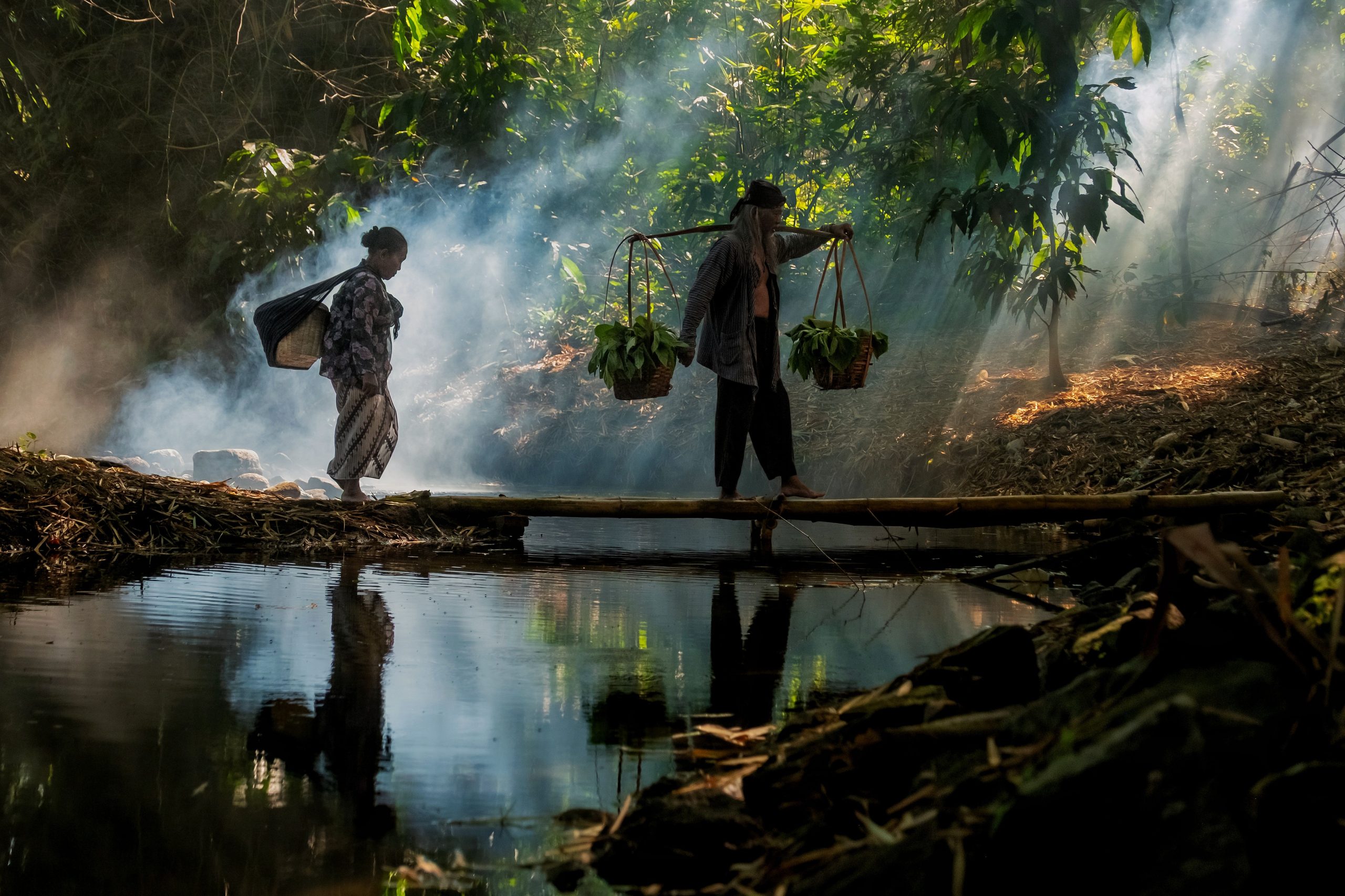
The collection also considers how education, technology, and intellectual curiosity can help shape the future. Dilfuza Ahmadjonova Narimonjon qizi explores the opportunities and challenges of artificial intelligence in the language classroom. Xolmirzayeva Dilorombonu Anvarjon qizi outlines interactive approaches to teaching English as a foreign language, while Azimjonov Firdavs examines practical applications of artificial intelligence in education through a balanced perspective. Ishmurodova Jayrona Odilovna and Rukhshona Narbayeva investigate technology’s role and promise in modern education. Zilola Sayfiddinova Alisher qizi outlines roles for artificial intelligence not only in education but in medicine, business, and several other fields. These contributors collectively explore how new tools can expand access to knowledge while challenging educators to think carefully about the changing nature of learning.
Scientific inquiry takes a more tangible form in Bikajon Ibragimova’s study of how planting dates affect tomato yields, demonstrating the importance of careful observation in the pursuit of abundance. A’zamova Nargiza Abduxoliq qizi draws a connection between the inner world and the books we read, suggesting that literature both reveals who we are and helps us become who we might be. Nigora Yuldasheva highlights promising young Uzbek writers, including Munisa Islomjonova, while Xo’jyozova Dildora offers a commemorative tribute to Uzbek philologist Munavvara Salayeva. Ibragimova Orzigul Sharobiddinovna celebrates her sons and the family that supported her educational development. Keldiyorova Mohichehra considers how the meaning of happiness changes throughout the seasons of a life. Minhaj Miah introduces himself as an influencer and entrepreneur working in technology and communications, adding another perspective on the relationship between innovation and public engagement.
The collection’s attention to childhood and renewal provides a welcome counterpoint to its more difficult reflections. Shannon Scoates celebrates the freedom of childhood and the value of choosing wild, imperfect experiences over polished appearances. Christina Chin’s haikus honor Thai festivals centered on releasing the past and beginning again. In collaboration with Andrew Brindle, Chin also explores absence and the threshold between what remains present and what has disappeared. These works bring us back to the collection’s central concern: the ways people move through time, carrying memories while making room for new beginnings.
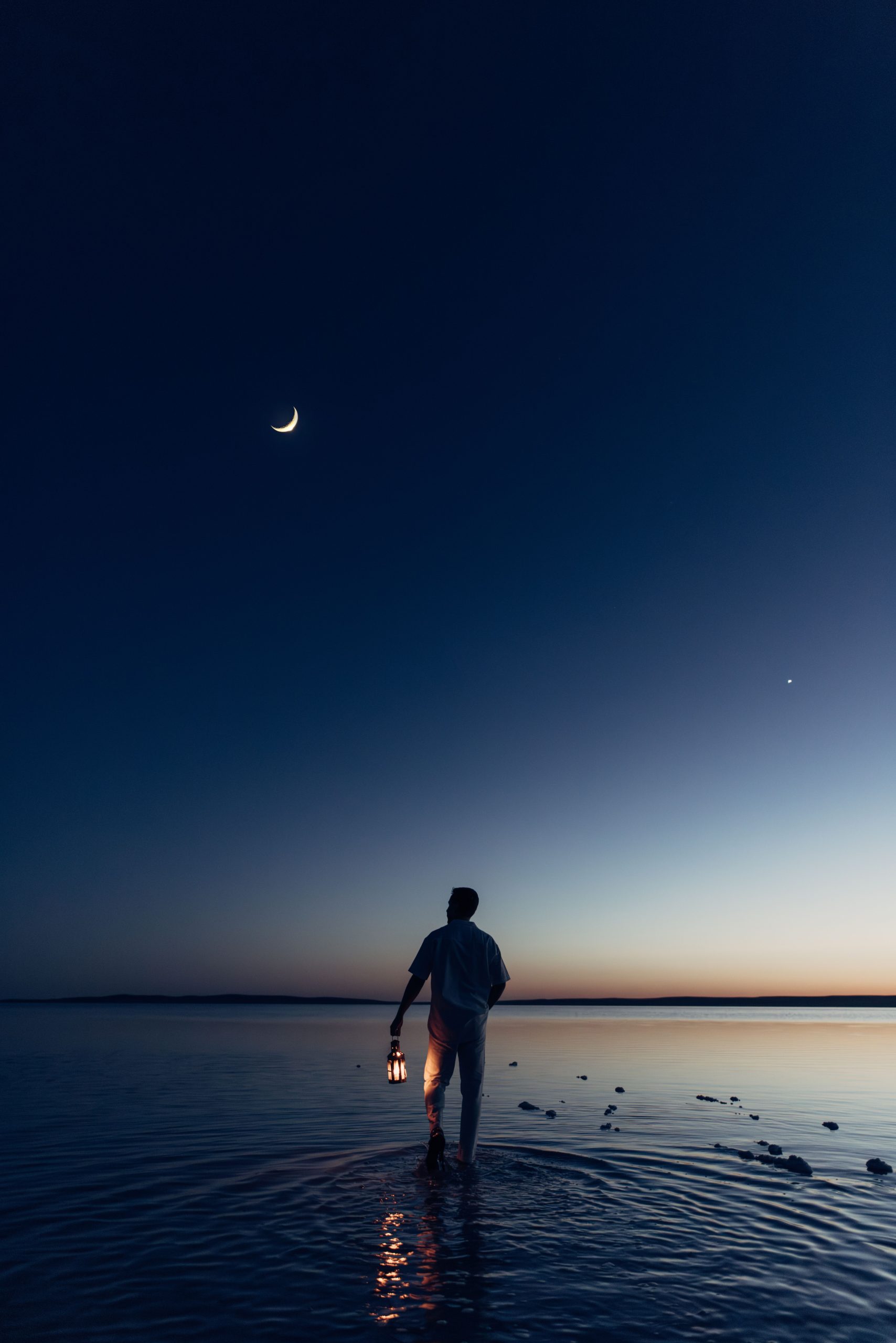
Ultimately, the chorus comes together around a difficult but necessary understanding of freedom. Bob Preece explores the painful contradiction that genuine freedom requires accepting limits, dependence, and responsibility. His insight resonates throughout the collection, from the complicated relationships examined by John van Sicklen Maeck II and the painful attachments explored by Lan Xin to the political struggles described by Joseph Ogbonna and Manzar Alam. Imam Hossain Mohammad Salim also looks to freedom with responsibility in his essay, which claims that only by implementing Islam’s true teachings in individual, social, and state life can we build a peaceful multicultural world free of oppression. Freedom is not simply the absence of restraint; it also requires recognizing the humanity and needs of others. It means allowing love to exist without domination, pursuing justice without reproducing cruelty, and accepting vulnerability without surrendering dignity.
What emerges from these many voices is neither a single philosophy nor an uncomplicated declaration of optimism. It is a living conversation among writers and thinkers who approach the human condition from different cultural, artistic, political, spiritual, and personal perspectives. Some find illumination in faith, others in nature, education, family, or creative expression. Some challenge injustice; others confront private grief. Some look toward technological possibilities and environmental responsibility, while others return to childhood memories, ancestral heritage, or the fragile beauty of ordinary life.
Their shared achievement lies in refusing silence. The light celebrated by these contributors is not a brightness untouched by suffering. It is the light that has witnessed cruelty, endured disappointment, questioned authority, mourned what has been lost, and nevertheless continued to reach outward. It is the lamp passed from one generation to another, the poem written when words seem impossible, the story that restores visibility to the forgotten, the act of compassion that interrupts indifference, and the determination to build a more humane world. Each contributor carries a different flame, but together they illuminate something larger than any individual experience: our continuing capacity to connect, create, remember, resist, and begin again. This is the light we carry, the chorus we create when we refuse to let the darkness have the final word.