Kujtim Hajdari reviews Eva Petropoulou Lianou’s poetry

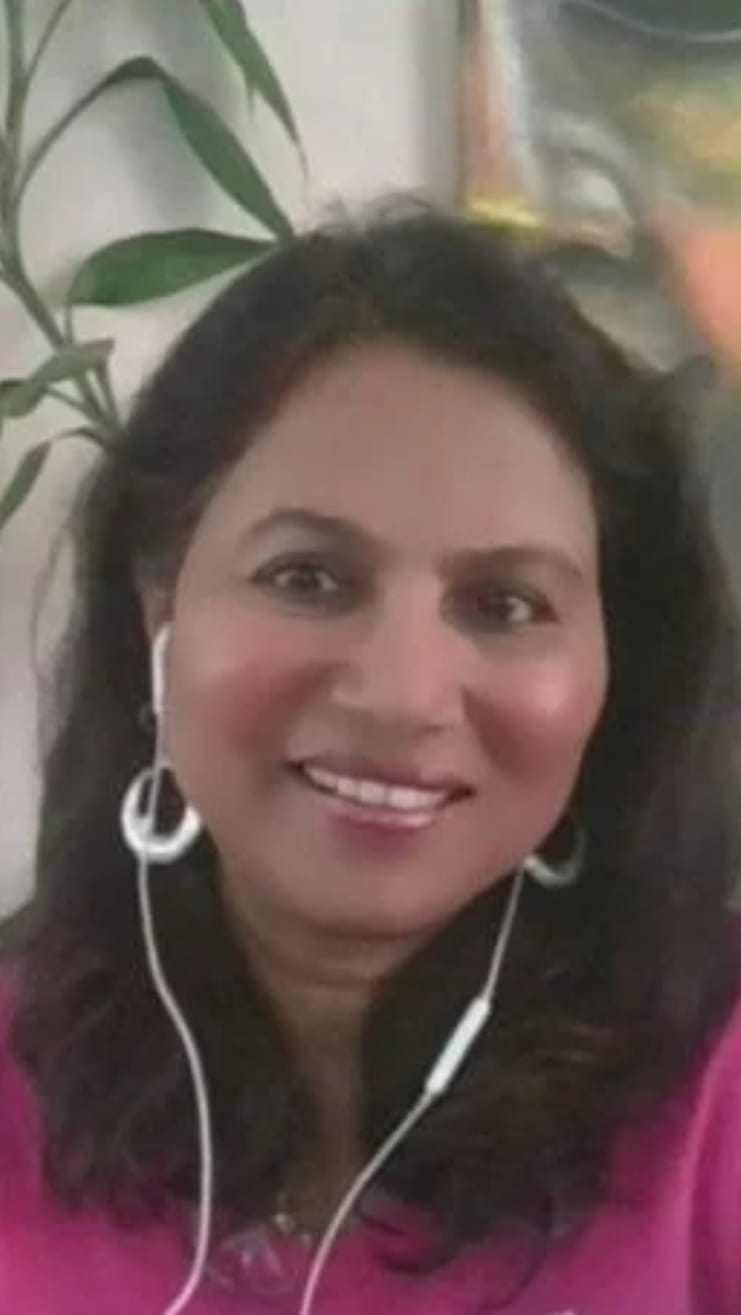
Clip art of small images of all the world's flags. Photo and text of Eva Petropoulou Lianou with thick brown hair and brown eyes at the bottom.

_Golden bridges_

I find you

Because you were hurt

I cherish you

As I felt your pain

I love you and

I cover your wounds

With silver

So u will shine

U will shine

U will never break again

I will create a bridge for all the hurt people

I will build golden pillars

Nobody will hurt again children or women

As the diamonds 

They will shine

We will Rise 

And we will be re born in a future peaceful world..

©Eva Petropoulou Eva Lianou Petropoulou

International poet 

Founder 

Poetry Unites People

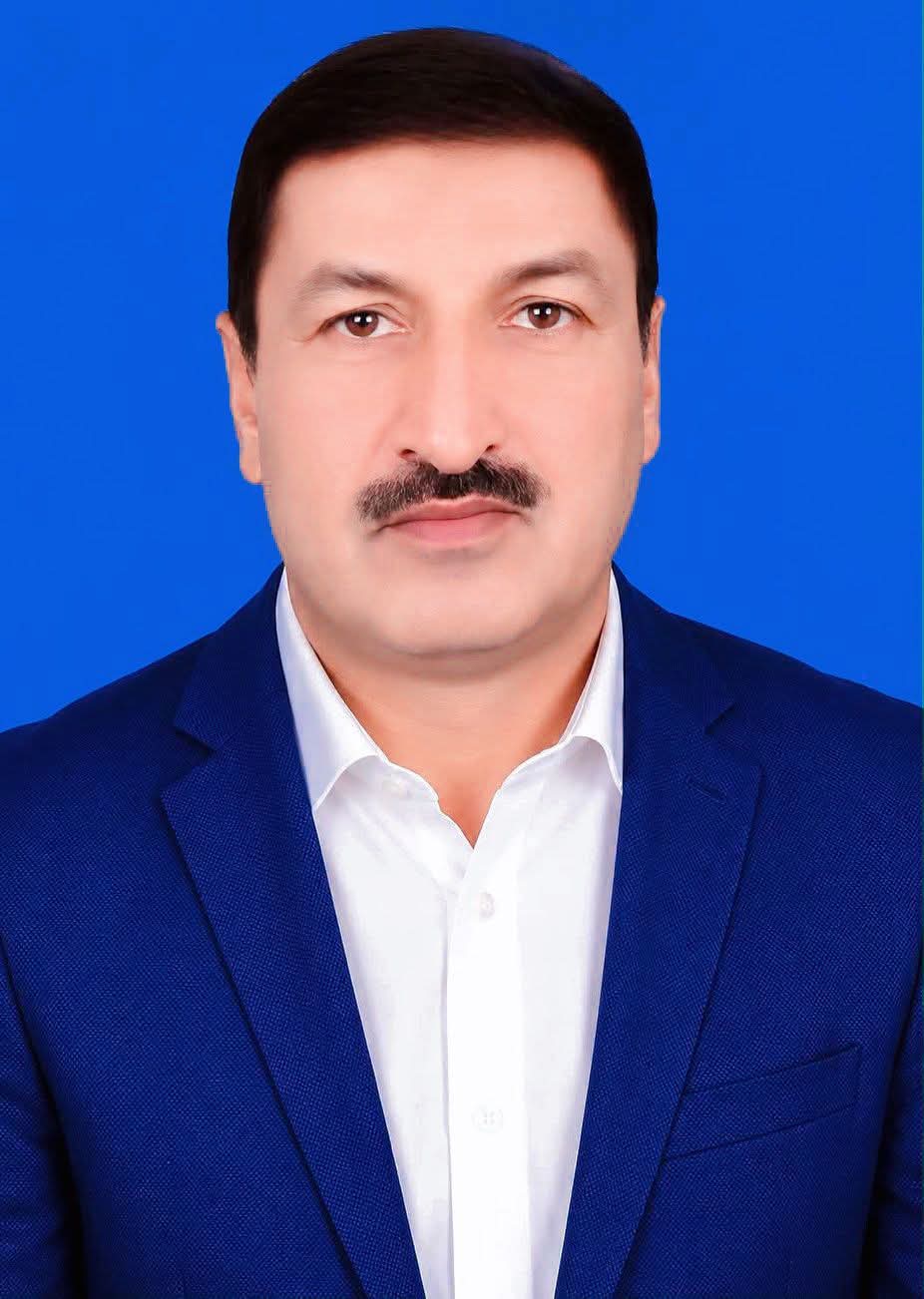
Older Eastern European man with a brown coat and red tie and nearly bald head.

Congratulations, poetess, for this meaningful poem. The poem “GOLDEN BRIDGES” carries a message of healing, protection, and collective empowerment born from empathy.

The speaker doesn’t just notice someone’s pain (“Because you were hurt”), they actively feel it (“As I felt your pain”). This deep empathy is the foundation for healing. The act of covering wounds “with silver” to make them “shine” suggests that scars and painful experiences can be transformed into sources of strength and beauty.

 The poem moves from individual care to a grand, proactive mission. The “golden bridges” and “golden pillars” symbolize structures of safety, connection, and support that the speaker vows to build. This is a promise to create a world where the vulnerable—specifically children and women—are safe from harm.

The imagery evolves from healing wounds (silver) to radiant strength (diamonds) and finally to collective elevation (“We will Rise”). The poem promises not just recovery, but a rebirth into a better world”. The pain of the past becomes the foundation for a “peaceful future.”

In essence, the message is that by truly feeling and tending to each other’s wounds with love, we can transform individual pain into collective strength. We have both the responsibility and the power to build bridges of protection and safety, ensuring a future where everyone can shine and live in peace.

Prose from Brian Barbeito

Travel Log Sojourn Scenes, A Poet’s Diary 

Snowy pathway near a small building, bushes, and pine trees on a cloudy day.

The Spirit Message

I heard somewhere the clear book title ‘Silas Marner’ and looked it up. It was a George Eliot book and reading the summary I knew I wanted to read her book someday. It looked like Silas had a difficult go of it but was deepened and maybe even somehow redeemed by his life experiences. I paused, breathed, and meditated, said a prayer of thanks and one of protection as I was travelling that day north. 

The Journey to the Place by Winter Waters

I had cleaned off my vehicle and made sure I had washer fluid and gas. I would take my time and go through small towns after the highway, places where people and structures were more, well, few and far between. I knew those types of people, more rugged, honest, more ‘salt of the earth.’  I went and went and sometimes it was a struggle as other folks drive too fast or too slowly and there were transport trucks unintentionally throwing slush all over my own little truck. If I hadn’t filled the washer fluid I don’t know how I would have managed. I eventually I made it to the place by the waters, the place near the northern ferry and the white and grey-blueish ice, the view of the vast lake wind-swept and raw. I never knew if it was a friend or a foe, and maybe that’s because it was complex, and both. 

The Lands Reinstated After Colonialism’s Avarice

Looking around, I remembered a place I used to know that had two willow trees and a fine balcony, and in the summer you could sit and hear the birds and view wonderful waters, waters that glistened a bit for the strong sun that travelled by the clear earth having gone through azure skies. But that place was not really any more for me, and I wasn’t there…geographically or in time. I looked around. Many souls seemed to know one another and have a task,- understanding the world and their place in it. Hmmm, I thought, I am a lost soul, like a piece of parchment paper upon the winds or a bird that has lost its flock,- like an outcast wolf, far away from a pack. 

The Way Back to the Other Towns

Going back, I imagined aquamarine tropical seas but had to snap out of this and pay attention as the snowstorm had begun. I wanted away then from the rural and back to the south of there, and I went steadily along skipping coffee and food and only eating a cookie I had brought in case I got lightheaded. This all worked, this break in daydreaming and the cookie and the timing. I just made it back to the more populated towns and organized infrastructure before the roads became dangerous,- for when a big storm does descend, it really takes at least twenty-four hours before it’s sorted out again. That’s to allow plowing and salting and the clearing of air and all. 

The Trees and Lees and What the Poet Sees

Back safely, I took a bit of a rest and went and got a coffee and bagel. Then I walked by large evergreens and in the snowy fields. I had made it back to where I sort of belonged and took deep breaths and thought of many things such as Silas Marner and George Eliot, of pancakes and diviners and even of Jesus and the Gospels. I walked for longer than I had to, enjoying the outward silence, the fresh air, and the robust and deeply verdant Evergreens…

Brian Michael Barbeito is a Canadian poet and photographer. His most recent work, The Book of Love and Mourning, is his third collection of prose poems and landscape photographs. 

Essay from Dr. Jernail S. Anand

Older South Asian man with a beard, a deep burgundy turban, coat and suit and reading glasses and red bowtie seated in a chair.
Dr. Jernail S. Anand

THE NEO-MORALITIES AND POSTMODERN TIMES

Dr. Jernail Singh Anand

“Moral values reflect the mores of a society, such as goodness,
fairness, truth etc. as in the past. Can we apply the values of the past, which no longer govern our modern society, to castigate the forward looking people of our society?”

When we mention the word ‘moral’, the ideas of goodness, honesty, fairness and righteousness, well up in our mind. These were the ideals which moved our past generations. But for the great men of
today, these words are like moral tortures. Can we call their behaviour immoral if they are just following the neo-morality of
our times which has come to stay in society?

Let us go back a bit to the root of the word ‘moral’. It has a historical connection with ‘mores’. We get moral from the Latin word ‘moralis’ which is drawn from ‘mos’ meaning ‘custom’ or ‘habit’. The derivation of ‘moral’ from ‘mores’ shows that moral values are shaped by cultural and social norms of a society. Historically, many societies have valued honesty, kindness and fairness which were reflected
in their value system. As mores evolve over time, it is natural the concept of moral values will also change.

Presently, it is thought that morality stands for goodness, fairness, honesty, and a value-based living style. In this way, immoral constitutes anything that violates the moral code of a society, the ‘mores’ which form the ‘custom’ base of a social set up. The society in which we are living, it is very difficult to say it is based on old
moral principles. When we indict this society, we are using the moral yardstick which belongs to the social mores of times which have gone by.

What are the ‘mores’ of this society? What are its ‘customs’ and what the ‘habits of the people? In other words, what type of moral culture we have created that sustains our society? If we cast a neutral look, we will be shocked to discover that ‘good’, ‘fairness’, ‘honesty’ are absconding. In their place, the ‘mores’ of our society include ‘dishonesty’ ‘unfair behaviour’ and ‘corruption’. If we go by the
formation of the word ‘moral’, then ‘these’ are the mores from which we can deduce moral values of these times.

It is a painful revelation that according to this phenomena, corruption, unfairness, dishonesty, ‘tam sam dand bhed’ are the values which create the moral stratosphere of our society. Just as in the past, the law would take care of the people who did not believe in truth and honesty, they were put behind the bars; applying the same yardstick, people who violate the canons of the post-modern society, those who do not believe in hatred, dishonesty, untruth, falsehood, lies, and unfair conduct, – are ‘dangerous’ elements, not fit to live in this
society, because they do not accept and honour its moral values. So, law will take care of such people, even if they are righteous, and their conduct is good.

The basics of good conduct in this evolved society are: you should have a compatible mind set, compromising nature, adjustable
attitude, fear God and visit shrines ostensibly, but go for evil whenever it helps you. There is nothing bad if you get
your work done with the help of money. If you grab the wealth of another person, nobody can drag you to a court of law,
because it is the morally accepted value of the society in which the apex people believe and practise.

Religion has a great role to play in the evolved set up. It blesses the people who make great offerings. From where the money comes, it is none of their business. Those who stick their head out in the name
of honesty, truth and goodness, they stand to lose it. It should not be forgotten that a religion flourishes on the strength of state
power. When state power is involved, everything is passe.

In a nutshell, the truthful, fair and the honest of past times are ‘unsocial elements’ for the postmodern society who spread immortality. The moral values of the postmodern society stand for ‘tam sam dand bhed’. Man is larger than society, do whatever you can to accumulate wealth and enjoy it the way you like. It is a free
society, where even religion and law have to lionize the style of living of the rich people and label it as morally upright. Only those films are hit which violate all sacred norms upheld by the bygone era.

While the front liners of the society believe in the neo-moralities, the poor masses are given the dose of ‘satay kathas’ from holy scriptures. There is a clash of two value systems in the name of morality. This is because major portions of society are kept
confused in the old times, while the front-liners of modern society have accepted the neo-morality of the post-modern times.

Essay from Aziza Xazamova

The “Second Curve” in Life and Business

  The Importance of Transitioning to the Second Curve in life transitioning to the second curve in life is a crucial factor . Without reaching the end of the first path, why do you consider it right to move to the second path without hesitation ? One thing must not be forgotten: having alternative options in life allows a person to easily navigate out of the most complex situations and prevents harm to their personality and social status due to negative events. I believe this is essential.

Charles Handy , in his book The Second Curve , rightly states , ” Before the decline of the first curve, transitioning to a new direction is true success . ” This clearly indicates that in life , a person should not be limited to one thing but should always seek new directions and hobbies.

Transitioning to the second curve may seem difficult at times because our close ones or family members may not understand this. They might ask , “Why do you need this? What will you do? Everything is fine with you,” and similar questions can continue. However , considering that not everything in life goes as we expect or desire, we can respond to such questions by saying, ” Yes , everything can be in my life , but I always want to open myself to new things, and I hope you understand my decisions . “

    No matter how important the first curve is in life , transitioning to the second curve can be challenging because the beginning of the path always seems difficult. Repeated efforts, failures, and great experience are needed to carry both curves simultaneously, and of course, resilience is also required. When choosing a new path, it is essential not to be passive and to clearly define goals and objectives. Every step taken should be well thought out, just like in a chess game. Sometimes, in both personal and social life, we may not have enough courage to transition to the second curve. One of the main reasons for this is the fear left by past memories. If a person cannot overcome this fear, they lose themselves , their values , and even their identity . In the end , this only harms themselves .

  Courage is about learning from the past , accepting it , and living with hope for better things . Transitioning to the second curve and giving oneself another chance is very important . In life , a person who does not make mistakes is not themselves , but correcting those mistakes and learning from them is not something everyone can do .

   Embracing Growth and Overcoming Fear in Life one of the essential principles when transitioning to the second curve in life is always being ready to grow and learn. As a person learns, they become more adept at navigating life’s complexities. Despair becomes foreign to such individuals. Only those who extract the necessary lessons from every fall and pain can advance boldly in life without fear . Fear is the opposite of victory , whether in personal or social life .

Constantly fearing risks , a person may only console themselves with past memories, endlessly lamenting , ” Why is not my life like theirs ? ” Such thoughts lead to stress and stagnation. Taking a step forward with courage can change many things in life. If success follows, it’s a reward; if not, it becomes a lesson and motivation to try again.

Facing fear with confidence the only effective way to overcome fear is to look it straight in the eye. No matter how difficult it may seem, everything that happens in our lives occurs for a reason and only in certain parts of our journey. Even people we encounter are part of this. Pain and challenges serve to strengthen and enrich us. Initially, these words might sound unusual, but as time passes, when presented with an opportunity to choose a different path, old roads and familiar faces may reappear . In those moments , we must remember the new steps we’ve taken. The past cannot be undone , and the future hasn’t arrived yet . Therefore , to live today as we’ve always dreamed, we must be willing to transition to the second curve , even if the first curve has not concluded.

  Physical fatigue is insignificant if the spirit remains strong. If fears are not conquered, life may seem meaningless . That’s why we should always be open to new paths and goals. “Just because it did not work once does not mean it never will.” Renewed effort, confidence, and patience will lead you to the results you seek.

   Another remarkable sentence from Charles Handy ‘s book that resonated with me is: “Money is a good servant but a bad master.” This emphasizes that earning money should not become our sole purpose; instead, we should view it as a mere tool. Money is akin to a deceitful friend — It remains with us only as long as we can control it . The duration of its presence depends on how we manage our relationship with it . The Role of Money and Our Relationship with It . Money should merely serve as a tool to achieve our goals , not become the ultimate objective . If we make earning money our sole purpose, we risk losing control over it. Our values and dignity, especially in the eyes of our loved ones, should not be measured by wealth. In this world, not everything can be bought with money , nor is everything measured by it. Therefore, we must focus on what truly matters to us and treat money as a servant, not a master, to avoid losing our true selves.

We should not work for money ; rather , money should work for us. If we allow money to dictate our actions, we risk straying from our path.

    The Importance of Making Independent Decisions in Life one of the greatest acts of kindness we can do for ourselves in this life is to be able to make our own decisions . When someone else makes decisions on our behalf , we become like puppets, losing our autonomy. In such situations, life loses its meaning and excitement. What I mean to convey here is that in life, when choosing the second path , it is crucial that our loved ones do not exert undue influence on us . Only by acting based on our own principles and decisions can we reach the pinnacle of success . Whether people see our failures depends entirely on us. One of the key secrets to success is the ability to keep things confidential . Not everything happening in our lives should be shared with everyone, because not everyone wishes us well . Choosing the Second Curve: A personal journey when you opt for the second curve in life, keep it to yourself . Let your results speak for you. The less we engage in exhausting debates and the more we distance ourselves from people who drain our energy, the easier and more effective our journey toward our goals becomes.

    Achieving Success in Business: Embracing the Second Curve in business, to attain success, it is essential to develop a comprehensive plan that considers every aspect, including both positive and negative factors. Only by doing so can we ensure that when we transition to the second curve , our lives open up to positive paths . Embracing change and being able to accept each innovation correctly and attentively transforms a true businessman into a professional who possesses a personal brand and does not lose himself in the market . Transitioning to the Second Curve: Embracing New Opportunities the first curve in life serves as a test, while the second curve represents opportunity and experience. This principle is fundamental both in life and in business . Stepping out of comfortable circumstances and creating a new era for ourselves is facilitated by embracing the second curve. 

      The Power of Self-Confidence in Life and Business the greatest success and the strongest driving force in life and business is our self-confidence . It transcends all other factors . Only we and our actions can propel us forward . No matter how many times our efforts seem futile , our ability to find strength to start anew depends on our self-confidence. Even when transitioning to the second curve without completing the first , this confidence is crucial . Taking steps forward and embracing risks are fundamentally driven by our belief in ourselves . Maintaining Confidence and taking bold steps forward . No matter what happens , we must strive to never lose our self-confidence . If we fall , we fall to the ground , not to the sky. Every step taken with confidence is rarely accompanied by mistakes or shortcomings . Some defeats serve as tests of our willpower . Rather than hesitating and standing still , we should make plans and set goals to take bold steps forward with unwavering confidence .

Summary : Embracing the Second Curve with Confidence and Action in summary , transitioning to the second curve in life and business represents a pivotal opportunity for growth and success . However , this shift also brings challenges such as uncertainty and fear. The key to navigating this transition lies in our self -confidence and proactive efforts . While we cannot change the past or undo the first curve , we have the power to shape our future . By embracing the second curve with determination and clarity , we open doors to new possibilities and achievements . 

Poetry from Dr. Jernail S. Anand

Older South Asian man with a beard, a deep burgundy turban, coat and suit and reading glasses and red bowtie seated in a chair.
Dr. Jernail S. Anand

LOOKING THROUGH

Man is trapped in his self 

Main main. (I ..I)

When this trap breaks 

It is You .. you.

There are very few 

Who go beyond this extremity 

When main (I) and you cease 

It is He He He ..

Actually it is He who existed 

Before Main (I) and You

And He will stay

When I and You are blown away 

You are the Buddha 

If you can see through 

Your own face 

Or in the face of you.

Essay from Alex S. Johnson

Tough looking middle aged white woman with long eyelashes and lipstick in a black capelike jacket holding out her fist.

Tairrie B Murphy: Outlaw Spirit and the Return of My Ruin

I first interviewed Tairrie B Murphy at a coffee house in Hollywood. The setting was intimate, far from the roar of amplifiers, and she teased me about probably eating all the cookies once she left. That playful moment revealed her warmth and humor, qualities that coexist with her volcanic stage presence. During that interview for Juggernaut: The Magazine of Extreme Music, she told me I was her hero for putting Karyn Crisis on the cover. She even hung that cover on her wall. For Tairrie, Karyn represented a kindred outlaw spirit—fierce, feminist, uncompromising.

That resonance was later captured visually when Amelia G and Forrest Black of Blue Blood magazine photographed Tairrie with her own variation on Karyn’s iconic angel wings. Where Karyn had worn angel wings, Tairrie chose bat wings, a darker inversion, a declaration of her volcanic energy. I designed that cover in collaboration with Amelia and Forrest, ensuring the imagery reflected both homage and individuality. At the end of that interview, she leaned in with a mischievous smile and told me she had a hot date with Burton C. Bell, then frontman of Fear Factory. It was classic Tairrie—candid, bold, and unafraid to let her personal life brush against her public persona.

I was also present when Tairrie opened up for and introduced a secret debut of Sepultura with their new singer. On the marquee, Sepultura’s name was disguised as Troops of Doom. Tairrie performed her ass off that night, commanding the stage with volcanic intensity. I was high on cocaine, and when Sepultura launched into the opening riff of “Troops of Doom,” the rhythm tracked perfectly with my heartbeat, fusing the music with my own pulse in a way that felt transcendent. It was one of those moments where the outlaw energy of the scene, the rawness of Tairrie’s performance, and the primal force of Sepultura collided in unforgettable synchronicity. At another concert headlined by Jack Off Jill and Switchblade Symphony, I found myself backstage in a disappointing encounter with Tina Root, who despite once calling me “cool” in an interview, was standoffish and cold. Then Tairrie appeared. Arms wide, voice sharp and affectionate in its outlaw cadence: “Hey motherfucker!” she called out, reclaiming the moment with boldness and warmth, pulling me into one of her trademark squeezns.

That same night, she made a surprise appearance onstage with Jessicka from Jack Off Jill. The two kissed passionately in front of the crowd—not as a stunt, but as an expression of queer solidarity. It was a gesture of unity, defiance, and shared identity, embodying the raw energy of the era while affirming inclusivity and resistance.

Tairrie has always spoken about her career with defiance. She once declared, “Age is meaningless; I have never felt my art came with an expiration date.” She also reclaimed the word bitch as a badge of power, describing herself as “a bitch in total charge of herself.” That ethos runs through her career, from her rap beginnings to her volcanic metal persona. Power of a Woman (1990) established her as one of the first women in gangsta rap. She fronted Manhole, later renamed Tura Satana, then formed My Ruin in 1999. In later years she revisited hip‑hop with tracks like Beware the Crone, infusing witchy Gothic aesthetics into her rhymes. “Sometimes I miss that rapper part of me and the freedom to check a motherfucker with my lyrics,” she admitted, underscoring her refusal to be confined by genre.

Her personal life has been as intertwined with her art as her music. Tairrie and guitarist Mick Murphy married in the Smoky Mountains of Tennessee in 2008. Their union is both personal and artistic: together they released multiple My Ruin albums, ran their own imprint, and later launched new projects like SWTEVL. After years in Los Angeles, the couple relocated to Knoxville, Mick’s hometown. Tairrie described it as a “life‑changing move” that allowed them to focus intensely on new music. Their 2011 album A Southern Revelation was written in direct response to political and industry betrayals, sharpening her activist streak. “Being that I’m an ex‑rapper, certain things come very easy to me and I have always loved a good ‘dis’ song. I learned to vent my anger in songs very early on,” she explained.

Her forthcoming My Ruin album, Declaration of Resistance, continues this tradition—a protest record against authoritarianism and censorship, created in the shadow of Trump’s presidency. My collaborations with Amelia G and Forrest Black extended beyond Tairrie. Later, they photographed Dina Cancer and Lesli Spivey from Penis Flytrap for my exclusive interview with Dinah. Those sessions reinforced the outlaw aesthetic that runs through this scene. I remain friends with Lesli and Lucifer Fulci to this day, connections that testify to the enduring bonds forged in underground music and art.

After more than a decade of silence, My Ruin—the duo of Tairrie B and Mick Murphy—are back with Declaration of Resistance. Scheduled for release in late 2025, it marks their first full‑length record in twelve years. The album is framed as a protest record, aligning with their belief in free speech, freedom of expression, and freedom from religion. The lead single, Compromised, dropped in October 2025 to coincide with the nationwide #NoKingsProtest, underscoring their commitment to art as activism. Mick Murphy described the release as My Ruin “getting very LOUD” again, inviting fans to join them on a new journey.

From teasing about cookies in a Hollywood coffee house to bat‑winged photo shoots, from surprise backstage hugs to kissing Jessicka onstage in queer solidarity, from rap beginnings to Gothic witchcraft rhymes, from Los Angeles to Tennessee, from collaborations with Dina Cancer and Lesli Spivey to lasting friendships with Lucifer Fulci, and from the secret Sepultura debut where her performance tracked with my own heartbeat, Tairrie B Murphy has always embodied the outlaw archetype. Bold, feminist, uncompromising, and intensely human, she continues to shape her persona into something completely unique. With Declaration of Resistance, she proves once again that her art has no expiration date—and that her outlaw spirit burns brighter than ever.

Poetry from Eva Petropoulou Lianou

Middle aged Eastern European woman with long light brown hair, a black top, and green eyes, standing on a beach on a sunny day.

Freedom

A word 

Who has all the meaning of…

This is happiness 

This is harmony 

This is respect 

But what we do

Humans are killing humans 

Humans are manipulating humans

Freedom ,

A game between two birds without wings

Freedom,

A hope inside two hungry stomachs …

Freedom,

Elefteria

A sun waiting to rise…..

In our days 

In our century 

We are in need of a second educational system 

Re write new words 

Or learn the meaning of the old one 

EVA Petropoulou Lianou, International poet, Founder, Poetry Unites People