Sharing for Paivapo Publishing. They’re looking for assistance to translate books from African authors writing in their native languages into English. https://ko-fi.com/africantranslationproject
From contributor Peter Dellolio: I’ve been very fortunate to have a short story collection and a book of new poems to be released this year. The short story collection is with Cyberwit.net and the poetry book is with Lost Telegram Press.
The short story collection, That’s Where You Go & Other Short Stories is due out in a few weeks, and the poetry collection, Cul de Sac Diaries is due out later this year.
Eva Lianou Petropoulou shares the news about an upcoming poetry contest seeking all styles of poetry. Pieces are due November 30, 2025 and must never have won any other awards and must be accompanied by an Italian or French translation.
Contributor Jaylan Salah is between writing jobs and seeking a remote position from her home in Alexandria, Egypt. She’s got a background in literary and film criticism. Please let us know if you have a position for her or know of someone who’s hiring for gig or traditional employment.
Also, Synchronized Chaos’ first November issue will stop accepting submissions on October 26th. We’ll include anything sent to us on or before that date in November’s first issue.
Now, for this month’s issue: Union and Dissolution.
We explore ways we embrace and come together and ways we pull apart, divide or individuate ourselves.

Dr. Jernail S. Anand reflects on the closeness of family and how each of us seeks and needs loved ones. Maftuna Rustamova also speaks to the joy and importance of family in our lives. Priyanka Neogi contributes a tender and short love poem to a special man as Sevinch Kuvvatova pays tribute to loving mothers everywhere.
Fadi Sido shares of love and beauty concealed and revealed. Ibrahim Honjo crafts a romantic scene of love, youth, and brass bands. Mahbub Alam celebrates the renewing energy of youth. Kandy Fontaine and Alex S. Johnson’s Gogol-esque short story addresses the tenuous relationship many of us have with our bodies in a world where youth and beauty can be commodified.
Nicholas Gunter reflects on the anniversary of losing his father as Norman J. Olson contributes written and drawn sketches of country and farm life as a memorial to his deceased cousin Bill. Kassandra Aguilera grieves her deceased mother through dream conversations.
Ollie Sikes ponders requited and unrequited love. Mirta Liliana Ramirez speaks to the pain of love betrayed. Dilobar Maxmarejabova’s story highlights the harm done to children when parents don’t step up to the plate. Tea Russo sings a ballad of a loveless entertainer. Umida Hamroyeva sends up a poem of grief for a lost loved one as Taro Hokkyo expresses the visceral pain of losing his beloved, his spiritual home. Allison Grayhurst renders up a multi-section epic poem on emotional healing after the betrayal of a friend. Bill Tope’s story highlights prejudices people with disabilities face in the dating world.
The precarious political situation in the United States feeds into J.J. Campbell’s poems of personal disillusionment and slow grief. Ng Yu Hng reviews Nikolina Hua’s poetry, discussing how it evokes personal and societal sorrows. Kandy Fontaine speaks of a traumatizing and destabilizing encounter with a supposed professional in a piece that encourages readers to ponder how we use social power in our own lives. Mykyta Ryzhykh’s fresh poems speak with a tone of cynical self-loathing. In Kandy Fontaine’s second story, seduction and intimacy become weapons in a dystopian world where hybrid life forms feed off of others’ grief.

Srijani Dutta’s poetic speakers use memory and imagination to fill in the gaps created by miscommunication and mistrust in reality. Chloe Schoenfeld’s piece depicts music as a force to help two forgetful people hold onto their memories.
Dino Kalyvas sets a poem about universal human respect and dignity from Eva Lianou Petropoulou to music. Abigail George poetically asserts her unity with all of the world’s diverse creative people. Jacques Fleury defines himself in his poem on his own terms, part of the human race and sharing in universal human ancestry. Eva Petropoulou Lianou interviews poet Nasser Alshaikhamed about the high aspirations he has for his poetry and for humanity. She also interviews Russian poet Olga Levadnaya about craft and the journey to peace through repentance. Dr. Ratan Bhattacharjee poetizes about good overcoming evil in the form of the Goddess Durga slaying a demon. Graciela Noemi Villaverde elaborates on the transformative power of poetry as Dr. Brent Yergensen dramatizes one of Jesus’ parables in verse.
Niloy Rafiq harnesses a courtroom metaphor to highlight how he speaks the truth through his art. Shahnoza Ochildiyeva composes an essay on the purpose and value of the written word. Damon Hubbs depicts an encounter with the ambience and aesthetic of William Butler Yeats as he drinks in Dublin. Z.I. Mahmud probes layers of meaning in Shakespeare’s The Merchant of Venice, how his understanding of Shylock and racial and religious prejudice might have gone deeper than we realize.
Journalist Jakhongir Nomozov interviews Azerbaijani poet, translator, and linguist Firuza Mammadli, who has deep knowledge of and appreciation for her nation’s literary history and also strong words of caution for students, especially women, who seek to pursue a creative life. Sobirova Samiya highlights the inextricable connections between language and culture. Choriyeva Oynur outlines the literary contributions and legacy of 15th-century Uzbek poet Mavlono Lutfi. Yuldosheva Yulduz Ravshanovna, a teacher, highlights how she sees the light of Uzbek historical poetess Zulfiya carried on in one of her pupils. Muxtasarxon Abdurashidova expresses her gratitude for an inspirational teacher.
To’raqulova Pokiza discusses ways to enhance student speaking and communicative competence in English as a second language. Abdirashidova Ozoda discusses how to encourage preschoolers to develop communication skills related to socializing. Hasanboyev Sardorbek urges educational leaders to make computer literacy and communication via computer an educational priority. Texas Fontanella connects a variety of words and images and references together in a series of text messages. Mark Young plays with words and images, exploring and stretching meaning.
Damion Hamilton speaks to common human, traditionally masculine fears and aspirations. Taylor Dibbert’s poem speaks to the ordinary and universal annoyance of food poisoning as Chimezie Ihekuna recollects sentiments of resilience during the Covid-19 pandemic. Lan Qyqualla’s poetry melds themes of love, loss, longing, and transformation.
Abdel Latif Mubarak’s poems evoke dreams, wonderment, fears, longings, and the desire to live for a greater cause. Eva Petropoulou Lianou calls for compassion, peace and an end to war. Parvinder Nagi urges humanity to make the individual and collective choice to act ethically and responsibly, as does Bhagirath Chowdhary in his poetry. Graciela Irene Rossetti urges humanity to keep soul-searching and discover the true meaning of peace. Tagrid Bou Merhi speaks to the dawning of society and consciousness and the full humanity of women. Eva Petropoulou Lianou reviews Ahmed Miqdad’s poetry and shares his wishes for peace and self-determination for the people of Gaza.
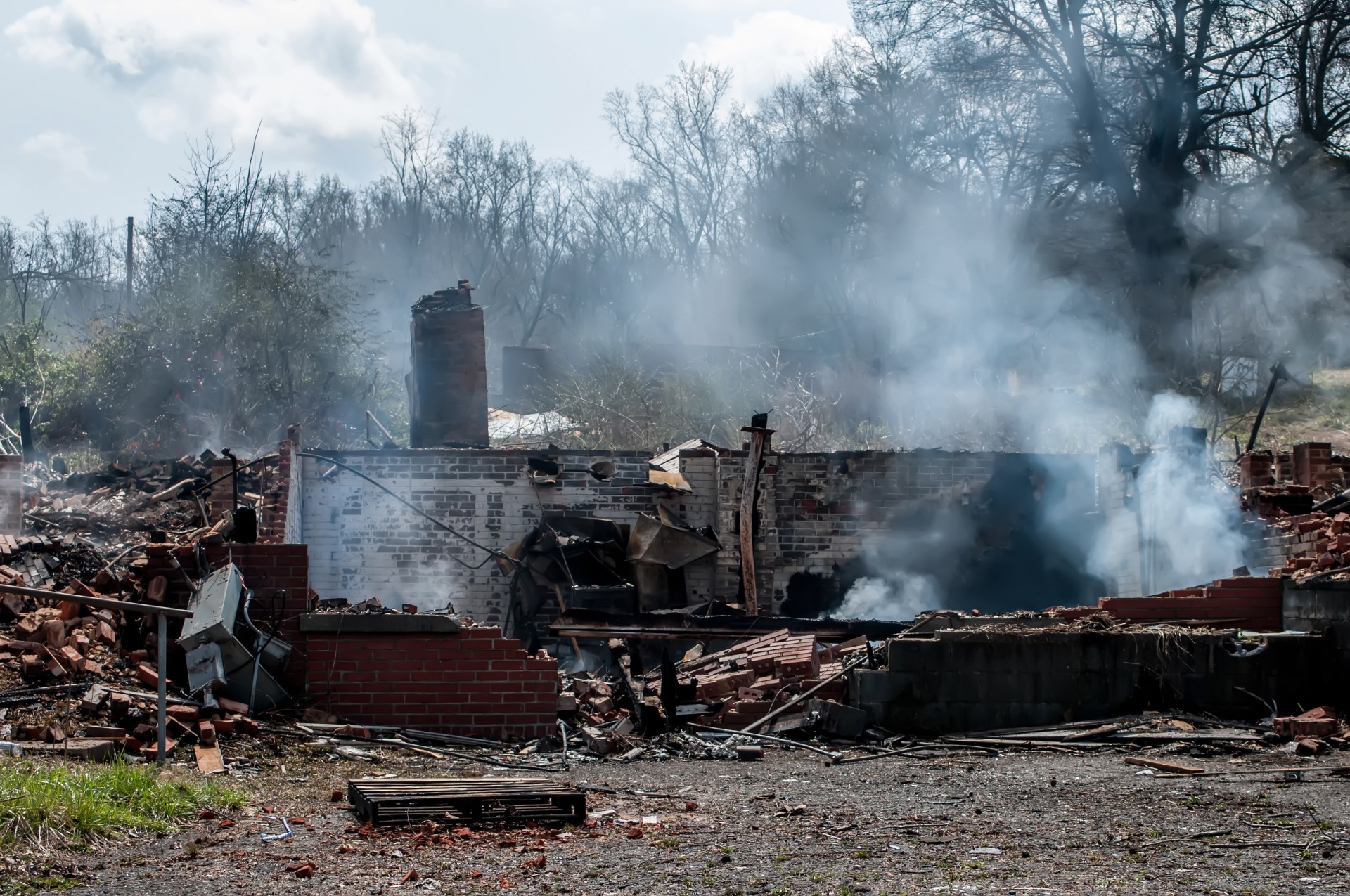
Anthony Chidi Uzoechi’s prose poem evokes the weight of historical grief and suffering in the lives of many people of color. Maja Milojkovic reflects on the nihilistic destruction of war. Bill Tope laments and fears recent dark turns in American politics. Til Kumari Sharma speaks up for young people, women and girls, and the students fighting in the 2025 Nepali uprising. Duane Vorhees also speaks of revolution, along with sensuality, coupling, and new life.
Andre Osorio uncovers a language of resistance and survival in Hua Ai’s new poetry collection Exiles Across Time. Daniela Chourio-Soto draws on artistic language and metaphor to speak to despair as part of the human experience.
Alan Catlin mulls over the precarity and drama of human existence. Yongbo Ma crafts moments of inflection, when matters will soon change, as part of his commentary that movement is life and stasis becomes despair. Nicholas Vigiletti evokes the ennui and frustration of low wage, dead end jobs.
Jessica Hu’s strange poetry speaks to a brutal and cold world. Mesfakus Salahin implores nature’s wild elements not to ruin his joyful union with his beloved.
Aurelia Preskill reflects on the beauty of an apple and how easily Adam and Eve could have been tempted and forever changed. Sayani Mukherjee reflects on autumnal magic and metamorphoses. Rafi Overton gives us a butterfly’s reflection on his past metamorphosis and how what he truly needed was self-love regardless of physical status.

Ari Nystrom-Rice reflects on how people and nature, in the form of the ocean, are inseparable. Stephen Jarrell Williams’ poetic speaker shares many facets of his memories of the sea. Jerome Berglund and Christina Chin’s tan-renga convey different “moods” of nature: resilience, fear, aggression, and coexistence. Yongbo Ma evokes loneliness through images of burned-out spiders out of silk for their webs.
Abigail George reviews Rehanul Hoque’s novel The Immigrant Catfish, a parable about greed and environmental mismanagement and destruction. Bill Tope and Doug Hawley’s story narrates the redemption of a man who comes to protect birds he once carelessly killed. Jennie Park’s artwork shows a tender care for the natural world amid the threats it faces.
Brian Barbeito delves deeply into the nature and mysteries of one particular spot in the country. Other writers do the same for ordinary and individual people. Noah Berlatsky points out the subtle tragedy underlying Job’s Biblical story: the way the ending inadvertently suggests that people are interchangeable and thus disposable.
Teresa Nocetti uses a pillow to evoke the complex feelings of a person heading to sleep. Nidia Amelia Garcia does something similar with poetry concerning the history of wrinkles on human faces. Tanner Guiglotto presents a visceral battle with self-doubt. Ellie Hill explores different aspects of a teacup image to comment on how she possesses both delicacy and strength.
Muhammadjonova Ogiloy reviews Otkir Hoshimov’s story collection Ozbeklar, which highlights the dignity and beauty of common hardworking country Uzbeks. Pardaboyeva Charos spotlights the craft of Uzbek embroidery. Fali Ndreka highlights the creativity and skill showcased at Art Basel Miami.

Mushtariybonu Abdurakhimova relates her experiences at a cultural and academic youth development program. Her fellow students highlight other areas of study and knowledge. Aliya Abdurasulova outlines nuances of programming in the C++ language. Shahlo Rustamova’s essay reminds us of the importance of maintaining thyroid health. Ike Boat celebrates the career and skill of martial arts actress Cynthia Rotrock.
Dildora Khujyazova suggests a balanced and optimistic view of economic and cultural globalization, pointing out how individual creators can take advantage of the chance to bring their creativity to wider markets.
Synchronized Chaos International Magazine is intended as a venue for creators of all types around the world to display their works. We hope you enjoy this mingling of ideas!