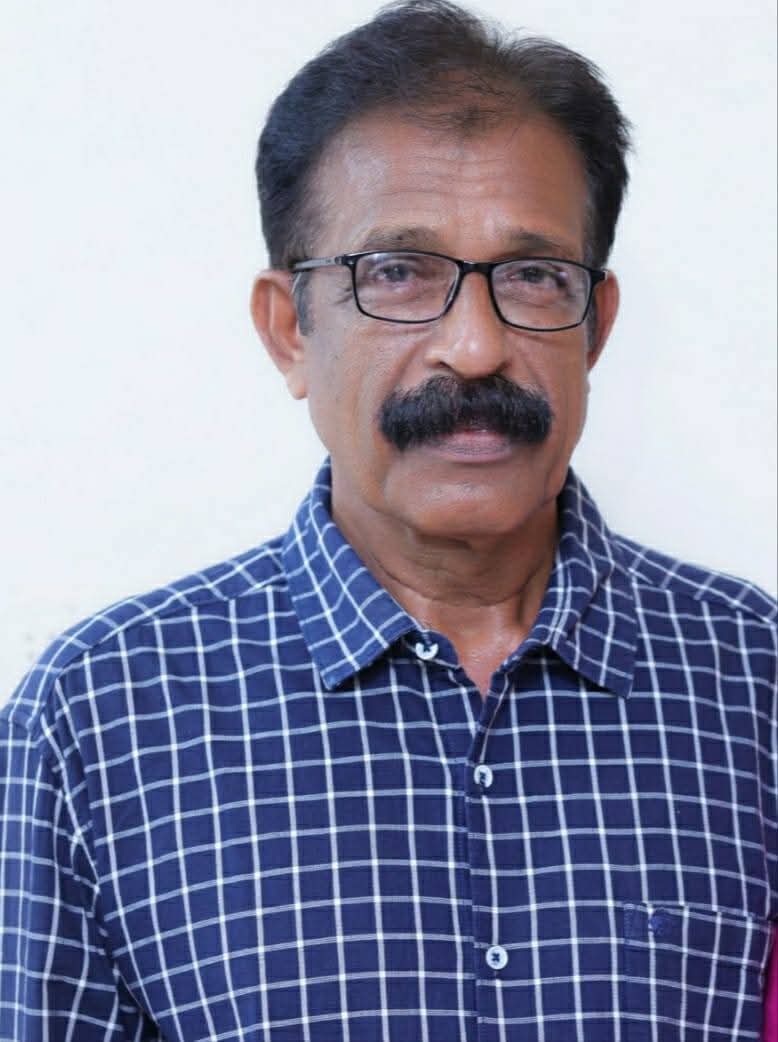
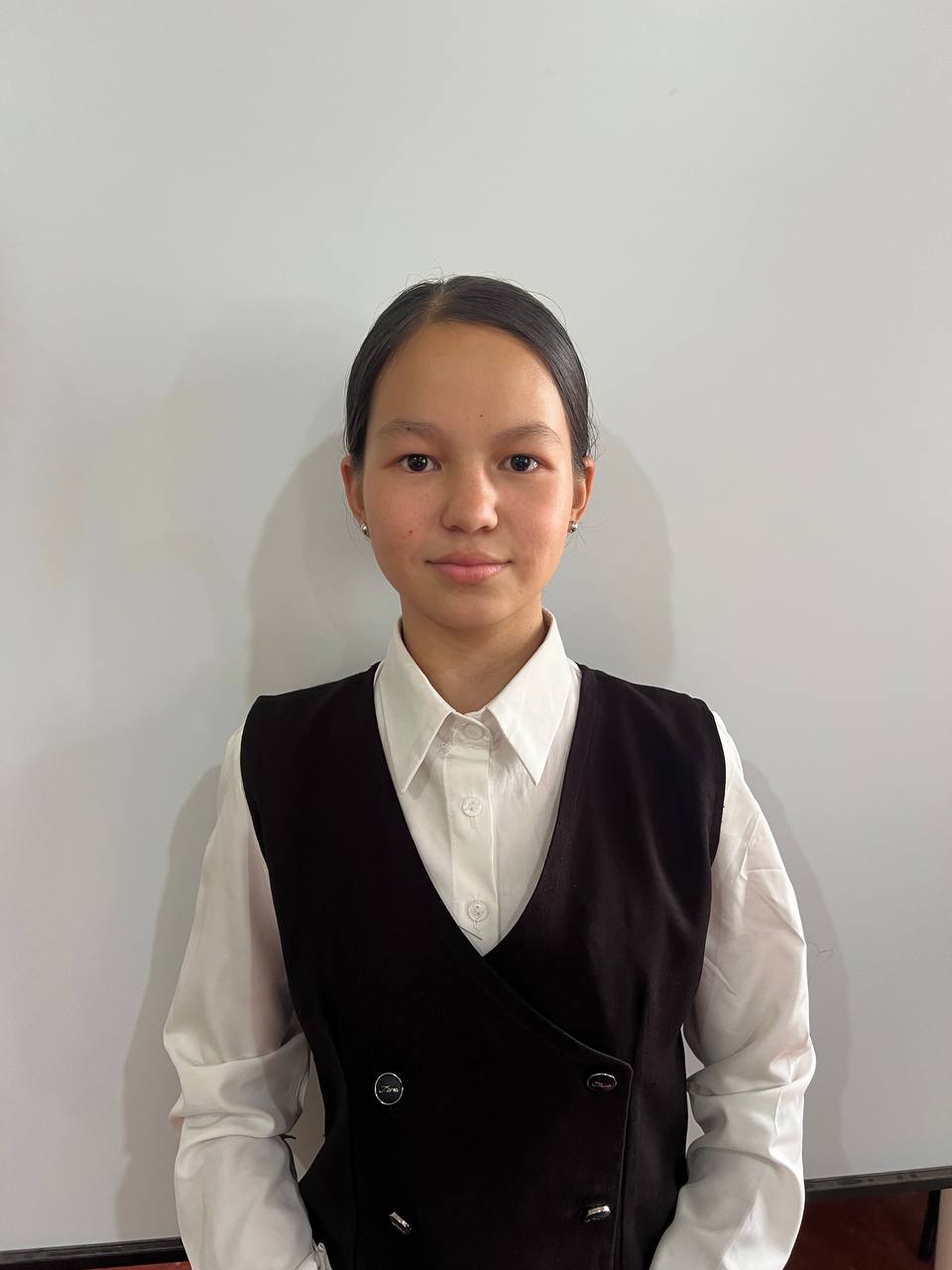
Essay from Omonova Shakhzoda

EDUCATION BEYOND THE CLASSROOM, HOW EXTRACURRICULAR ACTIVITIES SHAPE FUTURE LEADERS

Student of philology faculty, Uzbekistan State World Languages University.

Annotation: “Tell me and I forget, teach me and I may remember, involve me and I learn.’’ – Benjamin Franklin. This quote clearly underlines the importance of extracurricular activities in the learning process. It suggests that success, real understanding, and personal growth come not from passive, theoretical lessons but from practical and hands-on involvement. Furthermore, it emphasizes that extracurricular activities mainly focus on developing essential life skills, including leadership, teamwork, and problem-solving. However, in many countries, the traditional education system often overlooks the power of hands-on experience. This raises an intriguing question how schools and universities can balance theoretical and practical learning, where students gain not only knowledge but also an experience to build a strong background for their future. This article explores how important extracurricular activities are in shaping students success across various aspects toward excellence.

Key words:  Extracurricular activities, Education, Leadership, Problem-solving, Critical thinking, Creativity, Financial constraints, Personal growth.

Introduction:  Education is often linked with classrooms, exams, and theories. However, extracurricular activities, including sports, music, art, excursions, volunteering programs, and debates not only help build social  skills and connections but also enhance academic performance and develop leadership and responsibility.  It is also considered a pathway to personal growth, especially when students are involved in group projects or teamwork. Therefore, they learn how to work together, manage their time, solve problems and handle responsibilities which are not taught in textbooks.

Social media and misconceptions: Furthermore, with the rise of social media among young people, a lot of misinformation has been spread. Many bloggers and motivational speakers are promoting the idea that formal education is insufficient for achieving success with the examples of the most successful billionaires, such as Bill Gates, who dropped out of Harvard University, Mark Zuckerberg, who also left Harvard University and Steve Jobs, who quit college, etc. Therefore, this has led to the belief that higher education is not essential to achieve success.

Here comes the question: is dropping out of education really the only solution to succeed. Although some people give credit to quitting school or university as the key to success, the opposite is true in the real world. A few billionaires, such as Bill Gates, Mark Zuckerberg, and Steve Jobs, are exceptions, representing a very small percentage. According to studies, many of U.S. leaders, including billionaires, attended college. Thus, successful dropouts are extremely rare.

Role of Universities and Clubs: As for the example of Harvard, there are more than 450 student-run organizations, including athletic teams and a wide range of artistic, musical, political, and social clubs. These opportunities provide students with hands-on experiences for personal growth, leadership development, and building networks and friendships. Besides, extracurricular activities do matter in gaining admissions at top universities, such as the University of Oxford, Cambridge, MIT, and other world-renowned universities.  Students with robust extracurricular profiles or CVs, or at least with 30% of public activeness, are more likely to be accepted. Consequently, prestigious universities do not overlook the real power of extracurricular activities or treat them as optional. However, they see them as the most powerful educational tools.

Extracurricular activities in Uzbekistan vs. Abroad: In addition to this, extracurricular activities in Uzbekistan also hold an essential role, but their structure and content differ from those in foreign countries. For instance, in Europe and North America, art, music, drama, sports, literature, design, and other creative disciplines, which enhance their imagination, thinking skills, and expressive abilities, are mainly carried out. As for Uzbekistan, extracurricular activities primarily focus on promoting cultural and national values. Therefore, national arts and handicraft clubs are mainly valued as far as they foster an interest in Uzbek nationality and identity. Moreover, sport and literature are also given great attention. Many schools and educational organizations arrange sport competitions and literature clubs, especially those focused on promoting a healthy lifestyle and understanding nation’s literary heritage.

Debates and Conferences: Participating in debates and conferences is more than just an extracurricular activity. These activities not only provide real-life experience for students but also strengthen their communication skills and critical thinking abilities, which are particularly beneficial for job interviews, presentations, or even casual conversations. In debates or group discussions, students are often pushed to think on their feet. They must understand both sides of an argument and analyze situations from multiple perspectives, which helps them sharpen their problem-solving skills. Besides, during the class discussions, it is crucial to be a good listener and to respect opponent’s points. This teaches them responsibility and the importance of listening before responding. These experiences make them good team players by promoting collaboration. In order to prepare for debates, students are required to research their topics deeply, which involves finding reliable sources and relevant facts to support their arguments. This process develops strong research skills, which helps differentiate between credible and non-credible sources of information. These skills are important for shaping them into well-rounded individuals who are informed about the world around them.

Challenges in Implementation: Despite the clear benefits of extracurricular activities, challenges in implementing them can hinder the development of students. First and foremost, the main challenge is a shortage of resources and budget for schools and educational organizations to operate co-curricular programs. With limited budget allocations among competing priorities. For example, art programs need supplies, sports teams require valuable equipment, and IT or technology clubs demand up-to-date tools. These issues often become the first obstacles. Moreover, students often struggle with balancing co-curriculars and exam preparation as balanced schedules are not always set by schools or organizations. In that case, many students have to prioritize exam preparation or academic performance over these hands-on learning experiences. Examination-focused education systems often view these activities as distractions rather than complements to learning. Consequently, parents and administrators may reject these programs as they are seen to take time away from “serious” academic work. Additionally, overwhelming workloads are faced by teachers and trainers, leaving little energy for additional responsibilities. A lack of specialized knowledge can become a barrier when schools are ready to offer diverse activities but few teachers with relevant skills in coaching. A history teacher may excel in the classroom but cannot hold meaningful debate clubs for students, reducing opportunities for them to develop critical and analytical thinking.

Solutions to Challenges: Creative problem-solving and strategic planning are required to overcome these challenges. Schools and educational organizations frequently face financial challenges in implementing extracurricular activities, which is the often the case in Uzbekistan. To address these issues, several measures can be implemented by the government. This includes finding financial sponsorships from local cultural clubs, businesses, or youth organizations to share resources and skills.  Additionally, applying for grants or financial aid from foundations in order to support extracurricular activities.  Costs can be reduced by reusing existing materials, sharing resources between organizations, and using free online platforms or courses. Furthermore, curriculum integration strategies play an important role in addressing time constraints by embedding co-curricular elements within regular academic programs. It is critical to strike a balance between academics and extracurricular activities. Teaching students how to manage their time and prioritize tasks contributes to their overall development. Balance does not always mean equal time for everything but rather ensuring that there is enough time for priorities.  Moreover, schools and educational organizations should promote regular extracurricular activities that are aligned with academic calendars to avoid overlap. To address the belief that extracurricular activities actually distract students from academic achievements, educators and administrators can organize meetings or seminars to demonstrate how these programs enhance academic excellence rather than reduce it.

Teacher workload and training: According to UNESCO’s  “Global Report on Teachers”, many educators are suffering from excessive workloads, and a lack of guidance and support. It is believed that by reducing paperwork, and non-teaching tasks, and by freeing up their time, teachers can be more available to supervise extracurricular activities. In addition to this, educational organizations can arrange workshops or professional coaching to educate teachers and help them become specialist in their fields. Recognizing and rewarding teachers also contribute to their effectiveness and consistency, emphasizing teacher motivation and status. Thus, in order to deal with these workload concerns and excessive pressure on teachers, the government should offer targeted support to enable teachers to contribute to extracurricular programs effectively.

Conclusion: Extracurricular activities play an indispensable role in shaping the future leaders and well-rounded individuals, contributing considerably to both personal and academic growth. They equip students with many opportunities to nurture critical life skills that are not typically taught in classes, including leadership, time management and teamwork.  Moreover, engaging in extracurricular activities should not be seen merely as a way to pass the time but for strengthening and gaining hands-on experiences for real-life challenges. As for the many successful individuals, such as Elon Musk, Bill Gates, and Mark Zuckerberg, they underline the importance of creativity and curiosity and problem-solving skills, which go far beyond classroom lessons. In spite of potential challenges, which arise mainly because of limited financial resources, heavy teacher workloads, and a  lack of specialized trainers, the benefits of extracurricular participation far outweigh the drawbacks. Therefore, educational institutions and schools should prioritize the integration of diverse and inclusive extracurricular programs to promote comprehensive development.

References:

1. Extracurricular Activities: Success and Development of Communication Skills with the Role of Parents, Public and Home Work (Alisher Sabirov) — A study from Uzbekistan on the value of extracurricular activities in higher & secondary education. (https://scispace.com/pdf/extracurricular-activities-success-and-development-of-1efezp1s7q.pdf)

2. Organization of Extracurricular Activities in Primary Classes Abroad and in Uzbekistan — A 2025 article analysing the organisation of extracurricular activitiesinUzbekistanvsabroad.(https://scientists.uz/uploads/202502/B.P.-16.pdf)

3. Significant Features of Organizing Scientific Extracurricular … (Abduramanova D.V., 2020) — Study on student interest in extracurricular circlesinUzbekistan. (https://ares.uz/storage/app/media/2020yil/Vol_1_Issue_3/718-722.pdf)

4. Uzbekistan Education Sector Analysis: 2021 (UNICEF / UN) — Broader report on Uzbekistan’s education sector including elements relevant to extracurricular&non‑formalactivities. (https://uzbekistan.un.org/sites/default/files/2022‑05/Edu%20Sit%20An_UNICEF%202022_0.pdf)

5. Students Involvement in Extracurricular Clubs: Effect on Academic Achievement – Uzbekistan Case (Sardor G., 2025) — Recent research showing positive effects of extracurricular club involvement in Uzbekistan.  (https://unipublish.org/index.php/conference-proceedings/article/view/32)

6. Extracurricular Activities in Professional … Teaching Students Folk Crafts – Uzbekistan Example (Qodirov B.E., 2022) — Example of using folk‑craft extracurricularsinUzbekistan. (https://eipublication.com/index.php/eijmrms/article/view/199)

7. National Review – Adult Learning and Education Uzbekistan (DVV International – Central Asia, 2025) — Review of adult and non‑formal education in Uzbekistan, useful for broader context of extracurricular / non‑formallearning.(https://www.dvv-international-central asia.org/fileadmin/files/centralasia/National_Review/National_Review_ALE_Uzbekistan_2025_EN__10_.pdf).

Omonova Shakhzoda is a university student specializing in English Philology at the Uzbekistan State University of World Languages. Her academic interests include education, language learning, and cross-cultural communication. She has participated in Model United Nations conferences, student debate clubs, and volunteering programs aimed at youth development. She is currently focusing on improving her research and communication skills and plans to continue her studies abroad. Shakhzoda also contributes to academic research and article writing, aiming to share insights on social, educational, and cultural topics.

Poetry from Eva Petropoulou Lianou

Middle aged light skinned European woman with light brown hair up in a barrette with hazel eyes and a dark colored sweater.

Rainbow

This is my colourful hope

Waiting the rain

And after the rainbow

So many colours

Can speak to my heart

So many happiness in the sky above

Look at the rainbow

Remember it’s a circle

Everything isn’t permanent

What is hard now

It’s going to be easy the next day

Eva Petropoulou Lianou 🇬🇷………

Friends

Peace

Become just words

This darkness have put a screen between

You sent like

And you don’t say

I love you

Your words are lost because Artificial intelligence taken away

But what about the soul?

Nobody can explain what soul is

Only God the creator

Knows

Only the human hearts can feel

Don’t let your words to be stolen

Peace

Friends

Are our pillar of ethics

that makes us stronger everyday

EVA Petropoulou Lianou 🇬🇷

Essay from Rayhona Nurdinjonova

Education in Human-Machine Collaboration: A New Era in Foreign Language Learning

Nurdinjonova Rayhona

Student of Ishoqxon Namangan State Institute of Foreign Languages

Introduction

In the modern era, artificial intelligence (AI) is no longer a distant concept—it is a vital part of almost every human activity. Education, particularly foreign language learning, has seen profound transformations with the integration of AI tools and platforms. AI has revolutionized how learners acquire, practice, and refine their linguistic abilities, enabling a more interactive, personalized, and efficient learning experience.

Through human-machine collaboration, students can develop not only linguistic knowledge but also critical thinking, creativity, and digital literacy skills. Moreover, AI-based systems provide opportunities for autonomous learning, immediate feedback, and real-time communication, turning traditional classrooms into dynamic environments. As a result, the relationship between teachers and learners is evolving, with AI serving as a supportive partner rather than a replacement for human intellect.

Main Part

1. The Role of AI in Foreign Language Teaching

Artificial Intelligence plays a significant role in transforming language education into a more adaptive and personalized experience. AI-driven tools such as Duolingo Max, Grammarly, ChatGPT, and Replika AI act as virtual assistants that analyze learners’ progress and provide tailored feedback. For example, a student using Duolingo Max can receive instant corrections and explanations for grammar mistakes, while Grammarly improves their writing by offering context-aware suggestions. Similarly, ChatGPT can simulate real-life conversations, helping students enhance their speaking and comprehension skills in a natural dialogue setting. This form of learning fosters independent study and builds confidence, as learners actively participate in their development process rather than passively absorbing information.

2. Advantages of Learning with Machine Collaboration

AI enables learners to move beyond traditional rote learning by creating an engaging, interactive environment. Through adaptive algorithms, AI systems automatically adjust the difficulty level of exercises based on a learner’s performance. This ensures that each student studies at a comfortable pace, reducing stress and enhancing motivation. Moreover, AI facilitates communication practice by generating real-life scenarios—for instance, role-playing exercises where students can practice ordering food in a restaurant or discussing travel plans. Teachers, on the other hand, can use AI analytics to monitor student progress, detect weaknesses, and personalize instruction accordingly. This collaboration allows teachers to focus on creativity, mentorship, and emotional support—areas where human input remains irreplaceable.

3. The Potential of AI in Literature Education

AI can also play an innovative role in literature classes by assisting students in text analysis and interpretation. Natural language processing technologies can analyze the tone, themes, and stylistic elements of literary works. For instance, a learner studying Shakespeare can use AI software to compare linguistic patterns across different plays, while another might explore the emotional depth of a novel using sentiment analysis tools. Furthermore, interactive chatbots can be designed to mimic literary characters, allowing students to ‘converse’ with figures such as Hamlet or Elizabeth Bennet to better understand their motivations and conflicts. Such applications nurture creativity, deepen comprehension, and make classical literature more relatable to modern students.

4. Ethical and Pedagogical Considerations

Despite its many advantages, the use of AI in education raises important ethical questions. Over-reliance on technology can reduce students’ critical thinking abilities and limit their capacity for independent reasoning. Moreover, data privacy and the responsible use of AI tools must always be prioritized. Educators have the responsibility to guide learners in using AI ethically and effectively. AI should not replace teachers but rather serve as a bridge that enhances learning and makes education more accessible. By maintaining a balance between human creativity and machine precision, educators can create a holistic learning environment where technology complements human intellect.

5. Future Prospects of Human-Machine Collaboration

The future of language education lies in the continued development of intelligent systems that promote collaboration between humans and machines. AI is expected to become even more personalized, offering emotional and cultural context in addition to linguistic assistance. In the near future, AI tutors might be able to detect a student’s emotional state through voice or facial expressions and adapt the lesson accordingly. Virtual and augmented reality will further enrich the learning experience by creating immersive environments where learners can practice languages in realistic situations. However, it is essential that such innovations always remain human-centered, ensuring that technology supports, rather than dictates, the learning process.

Conclusion

In conclusion, artificial intelligence has become a transformative force in the field of foreign language education. Human-machine collaboration not only improves the quality of learning but also promotes creativity, autonomy, and inclusivity. Teachers and students alike benefit from AI’s ability to analyze, adapt, and personalize the educational process. Nevertheless, the human element—empathy, moral reasoning, and imagination—must always remain at the center of education. By embracing AI responsibly, we can shape a future where technology and humanity coexist harmoniously, enriching both language learning and the broader educational landscape.

References

1. Russell, S., & Norvig, P. (2020). Artificial Intelligence: A Modern Approach (4th ed.). Pearson Education.2. Luckin, R. (2018). Machine Learning and Human Intelligence: The Future of Education for the 21st Century. UCL Institute of Education Press.3. Holmes, W., Bialik, M., & Fadel, C. (2019). Artificial Intelligence in Education: Promises and Implications for Teaching and Learning. Center for Curriculum Redesign.4. UNESCO. (2023). AI and Education: Guidance for Policy-Makers. Paris: United Nations Educational, Scientific and Cultural Organization.5. Oxford Insights. (2024). The Global AI Index: Education and Innovation. Retrieved from https://www.oxfordinsights.com/ai-index6. Turing, A. (1950). Computing Machinery and Intelligence. Mind, 59(236), 433–460.7. Wong, G. K. W. (2023). AI-Powered Language Learning: Pedagogical Perspectives and Challenges. Journal of Educational Technology, 18(2), 45–57.

Poetry from James Tian

East Asian man with a white suit coat and tan pants and a red tie and short dark hair and reading glasses standing on a balcony.

Need for Blessing

They say,

To mourn the dead,

In the way we bless the living—

Is a kind of respect,

A kind of ritual.

They say,

To bless the living,

In the way we mourn the dead—

Is a kind of device,

A kind of cunning.

The living need mourning,

The dead need blessing.

Like the clouds in the sky,

Never let single eyes gaze escape.

A living who has never been mourned,

Is like a dead already blessed.

Under a strange state of mind,

They speak words that sound normal.

Poetry from Harry Stammer

haiu-qt seared #33

? Y d f g

a E 8 ; f i g

 ! Z e g h

haiu-qt seared #32

b s t o p

s q u o n d r

c t o p q

haiu-qt seared #29

b o w t a

p e r y a h a

Z o T w e

harry k stammer lives in Santa Barbara, CA USA. His books include tents – 2007 Otoliths,  grounds – 2013 Otoliths, tocsin – 2019 Otoliths, –48 – 2021 Sandy Press, sidewalkss – 2021 Concrete Mist Press, walls’t’s – 2021 Sandy Press, alleys’t’ – 2023 Concrete Mist Press, and Getting to One with Eileen Tabios – 2023 Sandy Press. harry’s sound/poem pieces can be found at https://harrykstammer.bandcamp.com

Poetry from Tanisha Keefe

Toxic toll
I once was whole
before the immense pain you so selfishly inflicted on my soul
Was this the goal — to pay a toll
or has this simply taken a toll
Led by control: reprogramming
theft of my wants
Pure soul, slowly — but surely — playing a role
defamation of a chosen self
hoping for victory
painting this picture of me
as if it were my destiny
Could this be the death of me,
or the unapologetic theft of she —
what used to be no longer remains shell never be the same
Such a tragedy

Shhhhh
Signs and synchronicities With repetitive actions with self sabotaging consequences
same song, same
dance should I have even given you a chance Already awaiting the consequence
retraction should I even be asking
why there is a lack of passion why we wear this costume of love as if it’s a fashion
smile
and pretend it’s all peachy we were the illusion as if it was Avicii

Cursed within
Rejuvenation of one’s worth it starts with ones feet grounding to the Earth Mind over
mentality always shows the truth what feels like a curse Is revealed and
reversed And then only proceed after completing one’s need
What follows worth is the real realization you have to love you first
Love all around even the dark stuff you keep deep deep down all while treading
emotions
try not to drown stay afloat
love ain’t no joke, but there’s always hope

Best friend
What’s always there when you need it
In any and every situations
They have read every page in your book
They can read you and literally know every detail and nook
They stick with you through
Thick and thin
That’s right you guessed it
It’s my best friend
MMH est 2011

Poetry from Mahbub Alam

Middle aged South Asian man with reading glasses, short dark hair, and an orange and green and white collared shirt. He's standing in front of a lake with bushes and grass in the background.
Mahbub Alam

Slough

The snail shell scatters

Some pick it up some throw it away

Though mine is not like your beautiful eyes

I find the beauty under the morning nyctanthes plants

In your sky, all around the down

In the frangrant morning breeze

What a tune! All the flowers and birds seem to be singing

All the words of life, love and fun are revealed

Life is a reflection of life

Through the darkness of the shell

Hundreds of thousands of lamps emerges daily

What a beautiful, shiny shell of a snail emerges in the raw sunlight!

Md. Mahbubul Alam is from Bangladesh. His writer name is Mahbub John in Bangladesh. He is a Senior Teacher (English) of Harimohan Government High School, Chapainawabganj, Bangladesh. Chapainawabganj is a district town of Bangladesh. He is an MA in English Literature from Rajshahi College under National University. He has published three books of poems in Bangla. He writes mainly poems but other branches of literature such as prose, article, essay etc. also have been published in national and local newspapers, magazines, little magazines. He has achieved three times the Best Teacher Certificate and Crest in National Education Week in the District Wise Competition in Chapainawabganj District. He has gained many literary awards from home and abroad. His English writings have been published in Synchronized Chaos for seven years.