Essay from Surayyo Nosirova

Silent Battles: Navigating Mental Health Challenges and Loneliness During Student Years

Introduction

In today’s competitive and fast-paced world, student life is often romanticized as a time of personal growth, academic achievement, and social connection. However, beneath the surface lies a silent struggle faced by many students—one of mental pressure, emotional isolation, betrayal, and the absence of support. For some, these experiences define their entire educational journey. Yet, even amidst such darkness, it is possible to emerge stronger, wiser, and victorious.

This article explores the often-unspoken psychological burdens students endure—particularly mental health struggles, academic stress, feelings of loneliness, and emotional pain caused by those they once called friends. By shedding light on these hidden experiences, we aim to foster understanding, advocate for compassion, and remind every student walking this difficult path: your victory is coming.

The Weight of Expectations

Academic institutions are designed to challenge and educate. But with that mission often comes a pressure cooker of expectations. Students are expected to maintain high grades, be active in extracurricular activities, secure internships, develop social networks, and prepare for uncertain futures—all simultaneously. For many, especially first-year students or those from underprivileged backgrounds, this transition can be overwhelming.

The societal narrative often neglects the mental toll of such pressure. Constant comparison, fear of failure, and the need to prove oneself—whether to family, peers, or society—can slowly erode self-esteem and mental well-being. When grades become the only measure of worth, students begin to equate failure with personal inadequacy.

These internalized pressures frequently lead to anxiety, depression, and burnout. Yet, few students feel safe enough to speak about it. The stigma surrounding mental health, especially in cultures where vulnerability is mistaken for weakness, forces many to suffer in silence.

The Quiet Ache of Loneliness

Loneliness during student years is a complex and painful emotion. Even in classrooms filled with hundreds of students, one can feel profoundly alone. Moving to a new city, adjusting to a new environment, or failing to find ‘your people’ can leave students feeling isolated and misunderstood.

Social media often intensifies this loneliness. While it paints the illusion of connection, it can also create feelings of exclusion. Watching others post about friendships, outings, and achievements can foster a painful sense of “Why not me?”—leading students to question their worth and their ability to belong.

Loneliness does not only stem from being physically alone; it often arises from emotional disconnection. It is the feeling of not being seen, heard, or understood. It is sitting in a crowded library with tears threatening to fall, and no one noticing. It is wanting to share your burdens but having no one who truly listens. It is the ache of invisibility in the most formative years of life.

When Friends Become Strangers

One of the most disheartening experiences during student life is betrayal or emotional abandonment by friends. For many, university friendships are a source of comfort, laughter, and survival. But not all friendships last—and not all friends are genuine.

Some students experience bullying, exclusion, or emotional manipulation from those they once trusted. Others are left behind without explanation as their peers form new cliques or focus solely on their own goals. The realization that your support system has crumbled can be both devastating and disorienting.

This emotional abuse—whether subtle or overt—leaves scars. The fear of trusting again, the self-doubt born from rejection, and the inner voice whispering “you’re not enough” can become constant companions. When betrayal comes not from strangers but from those you once called friends, it hurts with a deeper, more personal sting.

The Absence of Support

Perhaps the most paralyzing aspect of student mental health struggles is the feeling that there’s no one to lean on. For students far from home, the physical distance from family can feel like emotional abandonment. Even those with parents nearby may feel emotionally misunderstood or invalidated.

Many institutions lack the resources or sensitivity to identify students who are silently suffering. Professors are focused on delivering content, not checking in on emotions. Friends may be too busy or too self-involved. And in a world where everyone seems to be “managing fine,” it can feel shameful to admit you’re not.

The absence of support is not just about who is missing; it’s about the haunting silence in times of crisis. It’s about breaking down in a dorm room at 2 a.m. with no one to call. It’s about realizing that while you have hundreds of contacts, you can’t name one person who would truly understand.

This lack of support amplifies the mental health crisis among students. Without emotional anchors, students spiral deeper into anxiety, depression, and hopelessness. And yet, despite the darkness, some keep walking.

The Turning Point: Choosing Yourself

Amid all this pain—academic pressure, loneliness, betrayal, and emotional neglect—there lies a quiet decision: the decision to choose yourself.

This is the moment when a student realizes that they are their own safest home. It may not come dramatically. It may arrive on a regular Tuesday after a failed quiz or during a solitary walk. But it is powerful.

Choosing yourself means seeking help even when it’s scary. It means setting boundaries with toxic people. It means crying, and still getting up the next day. It means talking to a counselor, writing your truth, or simply breathing deeply through the storm. It means recognizing that your value is not defined by grades, followers, or others’ opinions—but by your resilience.

This turning point is not loud. It is gentle and consistent. It is the beginning of healing.

Healing and Growth: A Slow But Beautiful Process

Healing from emotional wounds is not a linear journey. There will be good days and unbearable ones. Some mornings you will feel like yourself again; others, you’ll wonder if you ever will. But growth lies in persistence.

During the healing process, students begin to rediscover themselves. They find joy in small routines—making tea, reading books, listening to music, journaling. They begin to seek genuine connections, no longer chasing popularity but authenticity. They start valuing their mental peace more than validation.

And slowly, something remarkable happens. They become the very friend they needed. They develop empathy, strength, and emotional intelligence. They learn to identify red flags, to say no, and to choose environments that nurture them. Their scars become sources of wisdom, not shame.

The Inevitable Victory

The journey through emotional turmoil is not just about survival—it is about transformation. Many students who endure such pain emerge with an inner strength that no textbook could ever teach. They become leaders, mentors, healers, and creators. They carry stories of overcoming, of rising from the ashes, of winning the hardest battles—those within.

Victory does not always look like a gold medal or a perfect GPA. Sometimes it’s simply waking up and choosing to try again. Sometimes it’s smiling after days of tears. Sometimes it’s graduating despite depression, or finding real friends after years of loneliness. These victories are deeply personal—and deeply powerful.

In the end, you win. Not because the pain disappears, but because you become someone who refuses to give up. You win because you fought with grace, because you learned to love yourself, because you did not let darkness define your story.

Conclusion

Student life is often painted in bright colors, but many live it in shades of grey. Mental health struggles, academic pressure, emotional loneliness, and the absence of support can make it a painful chapter. Yet, within this pain lies the potential for profound transformation.

To every student fighting silent battles: your story matters. Your feelings are valid. And even if no one else applauds your quiet victories, know this—you are not alone, and you will rise. Keep walking, keep breathing, keep choosing yourself.

In the end, you do not just survive. You win.

Surayyo Nosirova Elyor qizi was born on May 13, 2006, in the Narpay district of the Samarkand region, Uzbekistan. From an early age, she showed a deep interest in literature, languages, and creative expression. Her passion for learning and writing became evident during her school years, where she actively participated in various academic, literary, and cultural activities. Currently, Surayyo is a first-year student at the Uzbekistan State University World Languages university, specializing in English Philology and Teaching. She is known for her strong academic performance and her dedication to mastering the English language. Her commitment to education extends beyond the classroom—she is the author of three published books: Heartfelt Thoughts, Voices in Writing, and Beyond Words: Mastering English. Each of these works reflects her insights into language learning, writing skills, and the emotional depth of student life. 
Essay from Maftuna Rustamova

Great heritage of Bukhara 

In the history of mankind, there are great personalities – they guided the whole society through their life, activities, and heritage, inspiring hearts. Ghulam Shomurod’s book” The Value of the Great ” expresses at a high artistic level the duty to such great people – the need to understand and preserve their dignity.

The poems contained in the book are not limited to reflecting the lives of historical figures. Through them, the poet encourages each reader to reflect, reflect and realize the national self.The words of Ghulam Shomurod are not simple-they are painful, but hopeful; whiny, but patient. In each line we feel the heavy but honorable burden of greatness.

In his work, the poet speaks of the dignity of our great – grandfathers-Amir Temur, Alisher Navoi, Jaloliddin Manguberdi, Zahiriddin Muhammad Babur-as well as figures of the pride of the land, each of whom makes a deep observation about what role model for today’s younger generation, what lessons their life and work are rich in. It is this aspect that determines the uniqueness of the book.

” The dignity of the great ” is 

Great heritage of Bukhara. 

In the history of mankind, there are great personalities – they guided the whole society through their life, activities and heritage, inspiring hearts. Ghulam Shomurod’s book” The Value of the Great ” expresses at a high artistic level the duty to such great people – the need to understand and preserve their dignity.

The poems contained in the book are not limited to reflecting the lives of historical figures. Through them, the poet encourages each reader to reflect, reflect and realize the national self.The words of Ghulam Shomurod are not simple-they are painful, but hopeful; whiny, but patient. In each line we feel the heavy but honorable burden of greatness.

In his work, the poet speaks of the dignity of our great – grandfathers-Amir Temur, Alisher Navoi, Jaloliddin Manguberdi, Zahiriddin Muhammad Babur-as well as figures of the pride of the land, each of whom makes a deep observation about what role model for today’s younger generation, what lessons their life and work are rich in. It is this aspect that determines the uniqueness of the book.

”The Dignity of the Great ” is not just a collection of poems. This is a textbook of values, a lesson in history, a path to spiritual purification. The book encourages everyone to look back at their roots, recognize their identity, and most importantly – to honor the legacy of our great ancestors.

Obviously, this work can be an important tool in the education of young people, especially in the preservation and strengthening of our nationality in the era of today’s information attacks. The melodic, sermazmun lines of Ghulam Shomurad help young people to find answers to questions about what is greatness, what is value.

In place of the conclusion, it can be said that “The Value of the Great” is a spiritual – spiritual guide book that should be read today and put into practice tomorrow. Each stanza in it is significant in that there is a memory of the nation, confidence in the pride and prospects of our people.

Bukhara region, Jondor district, 30th comprehensive school, 9th grade student, Maftuna Rustamova

Mauro Montakkyesi reviews Dr. Jernail Singh Anand’s Epicasia

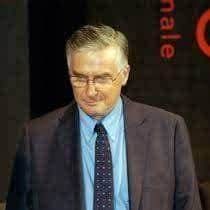
Older white man with reading glasses and a suit and tie.

Mauro Montakkyesi, the celebrated scholar and great literary luminary from Rome reviews Epicasia Vol 2.

Thanks to you dear friend for your kind words.

CRITICAL REVIEW OF 

EPICASIA VOL. 2

by Dr. Jernail Singh Anand

Introduction: The Prophet of the Post-Epic World

If Epicasia Vol. 1 is a dive into the shadowy soulscapes of postmodernity, Epicasia Vol. 2 is that reverberating thunderclap of an echo, sounding through the existential wastelands of a world where oracles have been replaced by algorithms and morality by mechanization. The indefatigable bard, the radical recorder of spiritual decay, the fearless Jernail Singh Anand brings forth this second epic entwined into twelve epics. 

The book isn’t just a work of literature; it’s a mythopoetic manifesto — a confrontation with civilization in all its guises, posing in the form of an epic.

Form and Structure:

The Esoteric Mythos, Satire, Prophetic Voice and Alchemy

From Geet: The Unsung Song of Eternity to The Canterbury Tales, this book is a polyphonic symphony of philosophical dirges, existential satire, and moral cosmology. Anand’s formalism still radiates unconventional power — there are cantos and choruses, soliloquies and satanic stage directions, not to mention sprawling mythological allusions.

The result is not a linear narrative, but a circular explosion of meanings. The structure is cathedral-like: every poem an altar, every stanza a cracked stained glass through which light and darkness simultaneously stream.

Central Themes:

The Banquet of Chaos and the Starvation of Ethics

Post-Edenic Fall and Ontological Anguish

In Geet and beyond, the poetic subject mourns the loss not just of paradise, but of a why. The Adamic lament—“Why was I born?”—saturates the text with ontological exhaustion. Anand dramatizes the Fall not as a single sin but as a recursive error loop embedded in civilization’s DNA.

Satire of Institutions

Religion becomes a showroom of noise. Education, a “Manchester of Non-sense.” Marriage, a Faustian contract disguised in lace. Anand skewers these systems without mercy, not from cynicism but from ethical urgency. The grotesque parodies of The Satanic Guidemap and the Public Square Executions leave the reader appalled and awed in equal measure.

Love, Lust, and the Execution of the Human Heart

In Anand’s universe, Love is not merely spurned — it is guillotined in public. They dress themselves as saints and march in Satan’s infernal parade as Lust, Greed and Doublespeak! Anand’s upending of virtue isn’t just sensationalist, it is his poetic vehicle to diagnose our cultural autoimmune failure.

Philosophy and the Disfigured Logos

Socrates is dragged in chains. Shakespeare becomes a weapon. Plato is marked as dangerous. Anand reclaims them and is then relatable witness to their fall in the streets of corrupted modernity.

He mourns not just lost philosophers, but a lost philosophia perennis—a wisdom tradition defiled by pragmatism and profit.

Stylistic Register:

Sermon, Satire, Scripture, and Song

Anand’s language oscillates between scriptural gravitas and sardonic theatre. 

He will channel the Gita in one breath, and call for Marlowe and Orwell in the next. It’s theatrical without being histrionic, moralistic without being tendentious. The rhythm is deliberately uneven: a literary jazz score that mirrors the very chaos it laments.

Innovation: The Dramatic Epic Reborn

Perhaps the most radical feature of Epicasia Vol. 2 is its reclamation of the dramatic epic. Anand does not merely narrate—he stages. Faustus is reborn as a demonic everyman. Satan organizes political conferences. Archangels deliver monologues worthy of dystopian theatre. The result is a hybrid form that redefines what epic poetry can do in the twenty-first century: not just sing of heroes, but dissect their disfigurement.

Comparative Legacy: Anand Among Giants

Where Homer chants the nobility of war, Anand reveals the banality of evil. Where Milton pities the Fall, Anand mocks it, autopsies it, and sets it ablaze. He is closer to Dante in moral scope but more ferocious, less forgiving. 

Blanchot’s thought, with its endless horizon of emptied language, comes to mind, as does Bataille and Deleuze; and further back one can hear Blake and Nietzsche.

No modern poet — maybe no poet, period — has more consistently maintained the epic voice over twelve bloated works with such integrity and critical mass. He is not simply reporting on the fall of man; rather, he is erecting a new monument over its ruins with warnings and whispered prayers etched into stone.

Conclusion: Epicasia as Ethical Wake-Up Call

Epicasia Vol. 2 is a catastrophic symphony—an opera of the soul in a world that has replaced sacred rites with credit scores and conscience with convenience. Dr. Jernail Singh Anand offers no easy redemption, but he does offer clarity. And in an age addicted to spectacle, clarity itself is a revolution.

This book should be read not as a sequel, but as a counter-testament: the last light before the temple gates are shut. In Anand, we meet the last epicist standing—a man who will not stop singing, even as the world forgets how to listen.

Anand The Last Lightkeeper

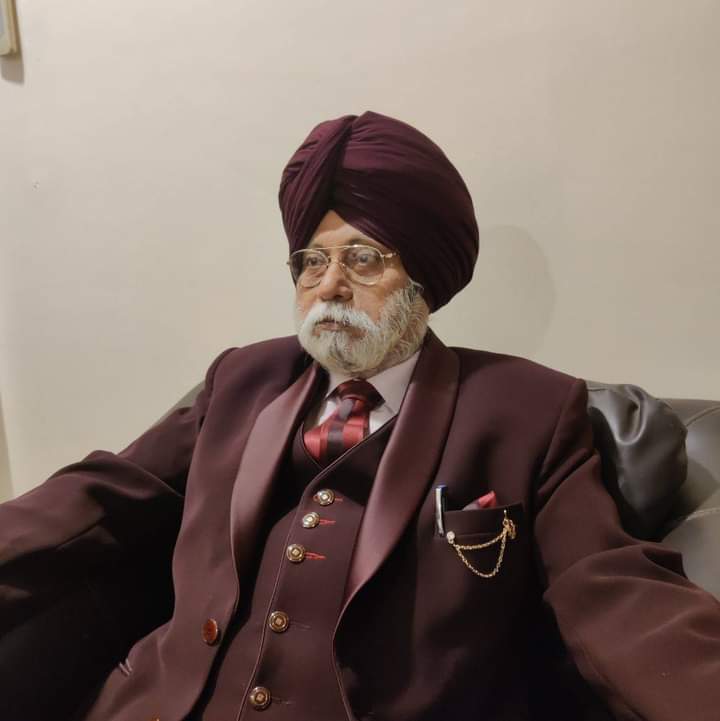
Older South Asian man with a beard, a deep burgundy turban, coat and suit and reading glasses and red bowtie seated in a chair.
Dr. Jernail S. Anand

In the quiver and digital dust of the age, where empires glitch and anthems fade, stands the Anand, lone upon the ruins’ crest,

a prophet unbent, a spirit unpressed.

His poems—cathedrals crumbled but full with heaven, carved with laughter, sorrow, and backbone, Geet rises as from a phoenix choir, songs unsongs, yet set afire.

He does not talk in sandals but seismic verse, drags Socrates through traffic’s curse, unmasks the Devil in a statesman’s dress, Angels are falling and oracles are a mess.

He cries to Marlowe, Plato, Blake, not for solace, but for the stake. A mythmaker in post-epic frock, his dirges for humanity’s sad sack.

Marriage to him becomes the Faustian mask, education—a mill of empty bands, and love—is guillotined on the marble stand, his pen, a scalpel. His muse, our rage.

A stanza, light cracking glass, a canto, a sermon in easeful night, he sings not of victories but of fall, of dimming logos, of moral crawl.

Oh Anand! Lost flame’s guard, weeps Dante, hides his Milton name. You roar where silence raised the beast, and feast on truth when lies have feast.

Then sing the stanza, chaos let hear,— Anand is the place where all disappear. Not to grieve, but to re-create the song, one last epic, fierce and long.

Poetry from Shahzoda Ilnar qizi Allayarova

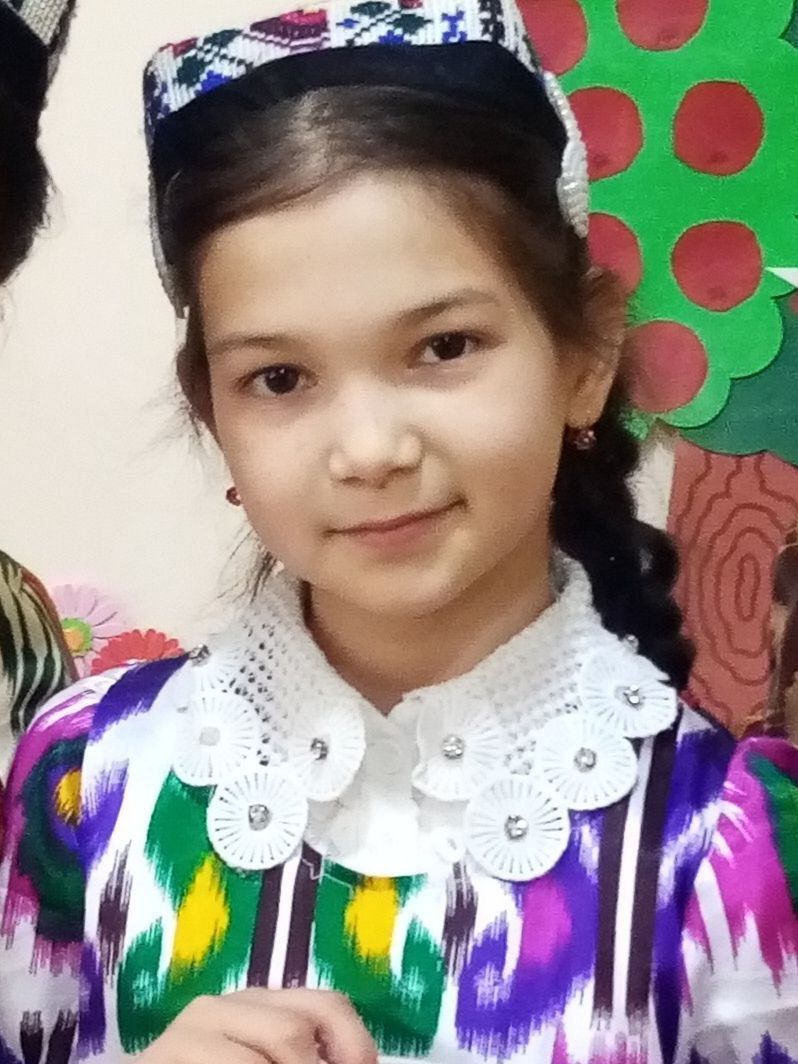
Young Central Asian girl with an embroidered headband and colored blouse in front of a construction paper mural.

If We Are United – We Are One Nation

People of all nations live in my land,

We are one soul, we are one body.

If we are united, we are one nation,

Together — a great and mighty country.

Our homeland is peaceful, our sky is clear,

Our tables are full of blessings.

In paradise-like Uzbekistan,

Every moment we live is filled with joy.

We are a hospitable and kind-hearted people,

Always ready to help our friends.

Compassion lives within our hearts,

Our love is like the oceans, vast and deep.

My chest is the sky, my pride is high,

My dreams reach the stars above.

In this world, there is only one —

I am a child of Uzbekistan!

We live with burning love for our homeland,

All nations, together as one.

If we are united, we are one nation,

Together — a great and mighty country!

Shahzoda Ilnar qizi Allayarova was born on May 16, 2013, in Oqtosh city, Narpay district, Samarkand region, Uzbekistan. She is currently a 5th-grade student (Class 5B) at School No. 55 in Oqtosh. Her literary works are regularly published in regional and national newspapers such as “Navqiron Narpay”, “Tong Yulduzi”, and “Bekajon”.

She won second place in the national competitions “Human Rights Through the Eyes of Children” organized by “Tong Yulduzi”, and “Protector of the Green Space” by “G’uncha” magazine. In 2023, she became a laureate and winner of the national “Kamalak Yulduzlari” Children’s Creativity Festival.

Her poems have also been featured in various anthologies including “Scent of Verses”, “A Drop from the Ocean”, “Magic of Words”, “The Creators I Seek”, “Beloved of My Nation”, “Joys of My Life”, “Young Talents”, “Masters of the Magic Pen”, “Toward My Goals”, as well as the Turkish-language anthology “Geleceğin Liderleri” (“Leaders of the Future”) and the English-language “Girls Nation”. Additionally, her works have appeared in international publications such as “Raven Gage” journal and “KENYA TIMES” newspaper.

Essay from Karimova Navbaxar Mahmudjanovna

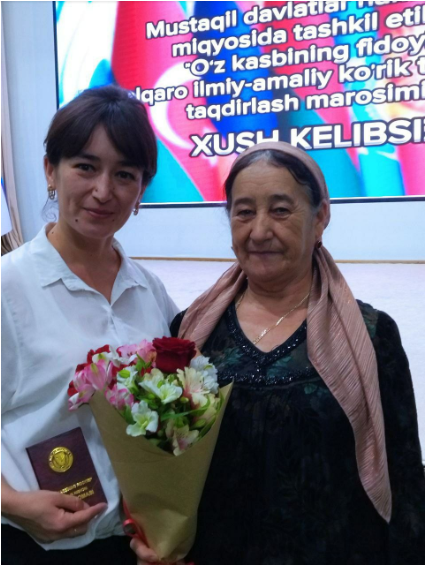
Younger Central Asian woman with dark hair and a white collared shirt standing next to an older Central Asian woman with a pink headscarf and black blouse. The older woman holds a bouquet of flowers.

THE USE OF INNOVATIVE TECHNOLOGIES BY EDUCATORS IN THE TEACHING PROCESS

Abstract:
This article discusses the concept of innovative technologies, the use of novel educational tools by preschool educators, and the importance of employing ICT to improve the quality of education.

Keywords: education, innovation, technology, innovative approach, ICT, interactive method, play, didactic material

Today, we must remember that the profound transformations taking place in our society’s economic, social, political, and cultural spheres are closely connected with the education system—recognised as the main driver of intellectual development for our country’s future. As in other spheres, new methods, approaches, and technologies are being developed and implemented in education. One of the most effective tools in today’s educational system is innovative technologies. These tools enhance clarity, engagement, and retention of information for learners, leading to multiple positive outcomes. First, let us clarify: what do we mean by “innovation” and “innovative technologies”?

Innovation, as defined in the Uzbek National Encyclopedia, refers to:

  1. Investment in resources to enable replacement of technological generations.
  2. Scientific, technical, managerial, or organizational innovations based on advanced achievements and practices, applied across various fields.¹

According to V. A. Slastenin, innovation is a goal-oriented process aimed at creating, disseminating, and applying new methods that satisfy social needs and stimulate aspirations.²

Innovative technology combines “innovation”—meaning new ideas—and “technology”—derived from Greek roots “techne” (art, skill) and “logos” (science). It implies a new perspective on educational forms, methods, and approaches. In pedagogy, innovative technologies introduce novelty and transformation into teaching and educational activities.

When using innovative technologies, educators should possess:

  • Knowledge and skills in ICT (Information and Communication Technologies);
  • Awareness of new pedagogical technologies from global practices;
  • Competence in applying interactive methods and engaging didactic games;
  • Deep understanding of advanced pedagogical techniques;
  • Ability to translate theoretical knowledge into practical skills;
  • Capacity to use the internet effectively (where available);
  • Ability to integrate active play in sessions;
  • Commitment to lifelong professional development and staying updated with innovations.

An educator implementing innovative technologies may use tools like computers, projectors, electronic boards, and similar digital resources. The broader their use of such technologies, the richer and more diverse the content they can deliver. Educators can even design new technologies tailored to their subjects—innovation is not static but evolves through creativity and adaptation.

The primary aim of using these technologies is to foster shared engagement between the teacher and students, increase children’s motivation and interest, cultivate eagerness for learning, and develop practical skills for real-world application.

To achieve this, educators must be able to choose and integrate subject-appropriate ICT and didactic materials. Even compelling content can become uninteresting or ineffective if paired with inappropriate technology or delivery methods. The educator’s ability to wisely select interactive methods and communication tools plays a key role in effectiveness. Aligning teaching sequences with students’ needs, interests, and learning levels is essential for productive sessions. The more effectively the educator uses ICT, the higher the resulting impact.

Based on the above, we arrive at the following conclusions:

  1. Innovative technologies serve as educational tools that elevate teaching effectiveness, enhance methodological practice, and engage learners in the educational journey.
  2. The extent to which educators can deploy these technologies depends on their pedagogical proficiency and professional knowledge. Today’s educators must stay informed about updates and know how to use modern ICT tools to organize effective teaching processes.

References

  1. Z. F. Sharopova, Educational Technologies, Tashkent: Navro‘z, 2019.
  2. J. Saparbayev, Lecture Notes on Pedagogical Technologies, Nukus, 2010.
  3. J. O. Tolipova, Pedagogical Technologies: A Factor in Creating a Friendly Environment, Tashkent: UNICEF, 2005.

Karimova Navbaxar Mahmudjanovna Born on March 25, 1984, in Gurlan district of Khorezm region, into a family of intellectuals. From 1990 to 1998, she studied at School No. 1 in Gurlan district. From 1998 to 2001, she continued her education at Gymnasium No. 6 in Gurlan, graduating with excellent marks. Between 2001 and 2003, she studied in the Nursing field at the Electro-Medical Technical School in the capital city, Tashkent, and successfully graduated with honors. From 2020 to 2025, she completed her bachelor’s degree in the field of Preschool Education at Urgench State University. Currently, she is working as an educator at Preschool Educational Institution No. 9, a multi-disciplinary specialized preschool institution under the National Agency for Social Protection under the President of the Republic of Uzbekistan, located in Gurlan district, Khorezm region. She is fluent in both Russian and Turkish.

  • In 2023, she was awarded the badge of honor “Devoted Specialist of Her Profession”.
  • In 2024, she was awarded the badge of honor “Top Scientific Researcher of the Year”.
  • In 2025, she received the honorary badge “Excellence in Preschool and School Education”.

She is the author of the methodological guidebook “Inclusive Education in Preschool Institutions”.
Her published books include: “Towards My Goals”“For You, Dear Child”, and “Discoverer Children”.

She has published numerous articles in international newspapers and journals.

Her article “STEAM Technologies in Preschool Institutions” was published in Turkey in the book titled “Leading Women and Girls of Uzbekistan”.

Poetry from Chorshanbiyeva Gulnoza Mirzo

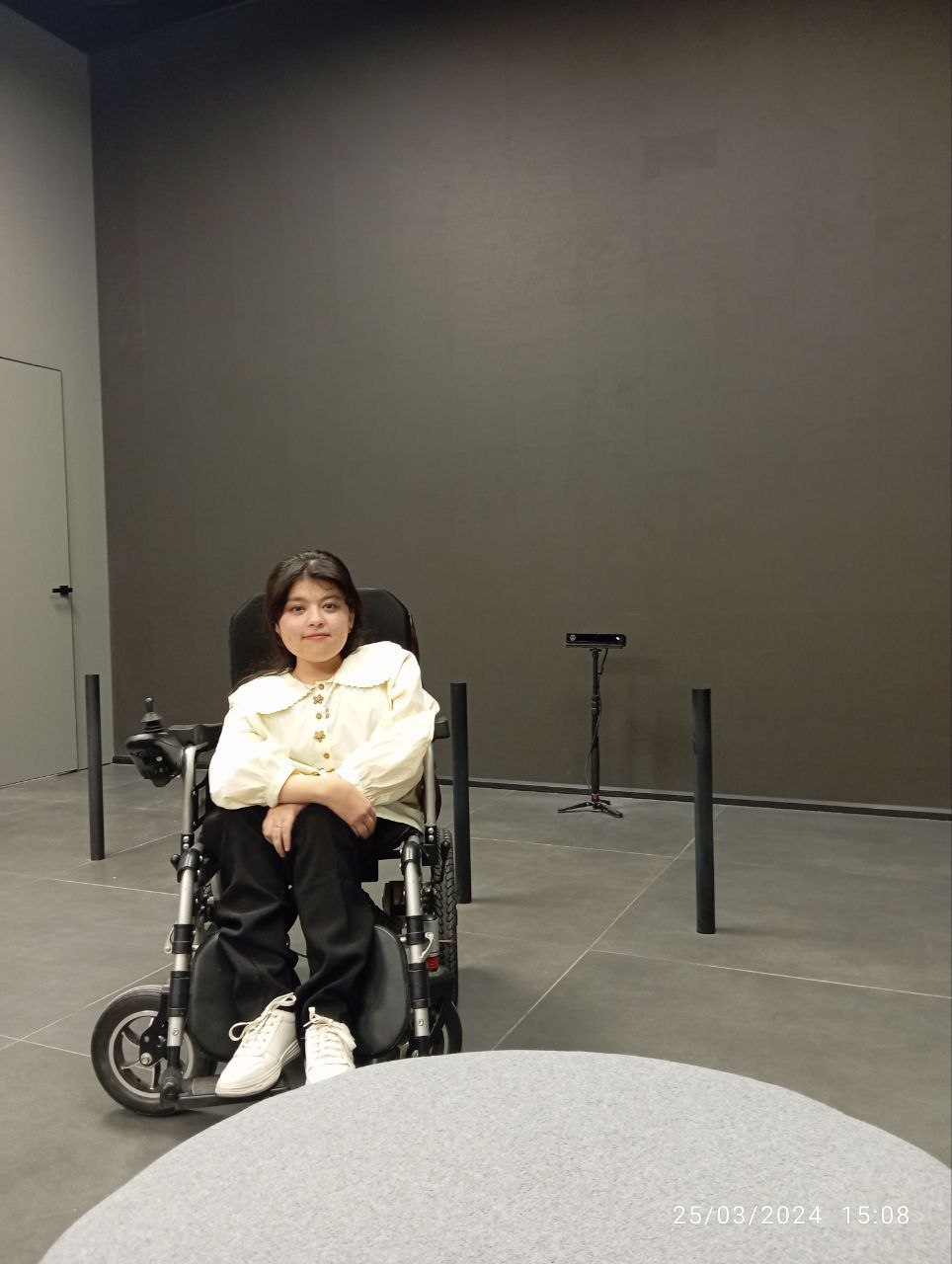
Dark haired Central Asian woman with a white collared blouse and black pants and white tennis shoes in a wheelchair.

Dad, I miss you so much…

I was a baby, I was still a cave,

I didn’t know you were gone.

I used to wonder why you left

But I couldn’t find the answer.

Your sweet words, “Daughter,”

Still ring in my ears.

It’s a pity you’re not with me anymore,

The moments I spent with you are in my heart.

The memories I remember,

Sometimes my heart feels bad.

It passed like a sweet dream, it went away,

You will always live in my heart.

Chorshanbiyeva Gulnoza Mirzo is a 3rd year student at the National University of Uzbekistan named after Ulugbek.

Synchronized Chaos Mid-July 2025: Trapped in History

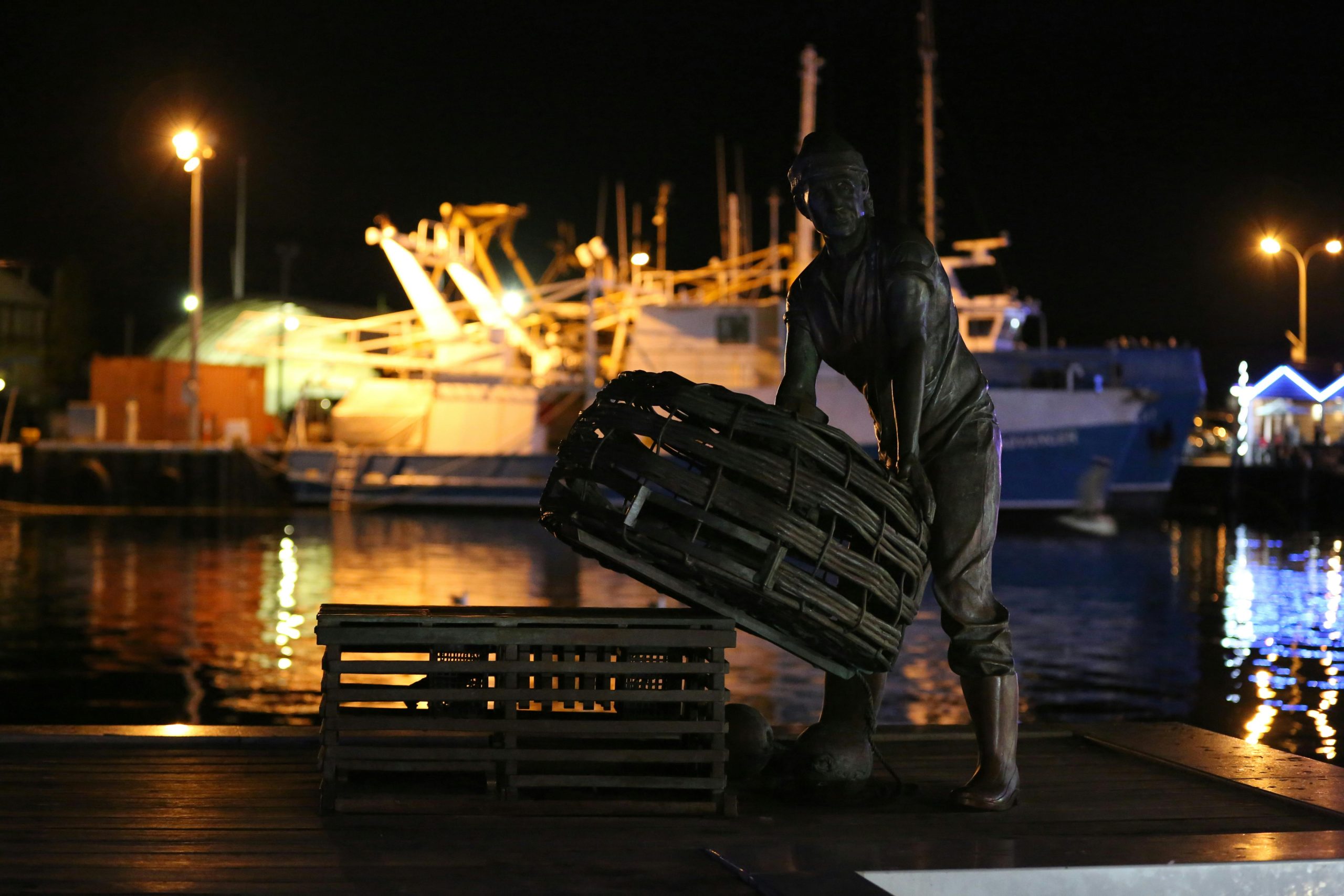
Dark metal statue of a man in rolled-up pants holding a large wicker basket over a wooden crate at night near water, a large ship, and a pier. (South Asia)
Photo by deep Bhullar

“People are trapped in history and history is trapped in them.”

James Baldwin

In this issue, we explore how people are influenced by their times and cultures, and how they learn from and engage with the thoughts of their forebears. Also, we acknowledge the wealth of wisdom and life lessons carried within each person due to the events through which they have lived.

Graciela Noemi Villaverde speaks to the inexorable and irrevocable passage of time.

Amit Shankar Saha writes of then and now, memory and future, remembrance and forgetting, universal human questions. Duane Vorhees’ poetry evokes change, thought, aging, and the creative process.

Stephen Jarrell Williams speaks to memory and the human experience. Eva Lianou Petropoulou speaks to artists and authors’ learning from and being inspired by each other throughout the ages. Writer Rizal Tanjung offers up an existential analysis of Eva Petropoulou Lianou’s poetry.

Giorgos Pratzigos interviews Konstantinos Fais on his artwork and advocacy for rediscovering Hercules and ancient Greek virtues. Muxlisa Khaytbayeva records her grandfather Jumaboy Allaberganov’s memories of knowing famed Uzbek author Omonboy Matjonov as a young adult and discusses Matjonov’s contributions to culture. Shukurilloyeva Lazzatoy Shamsodovna relates her scholarly and personal journey to understanding and illuminating Russian writer Alexandr Faynberg’s poetic legacy and its influence on Uzbek culture.

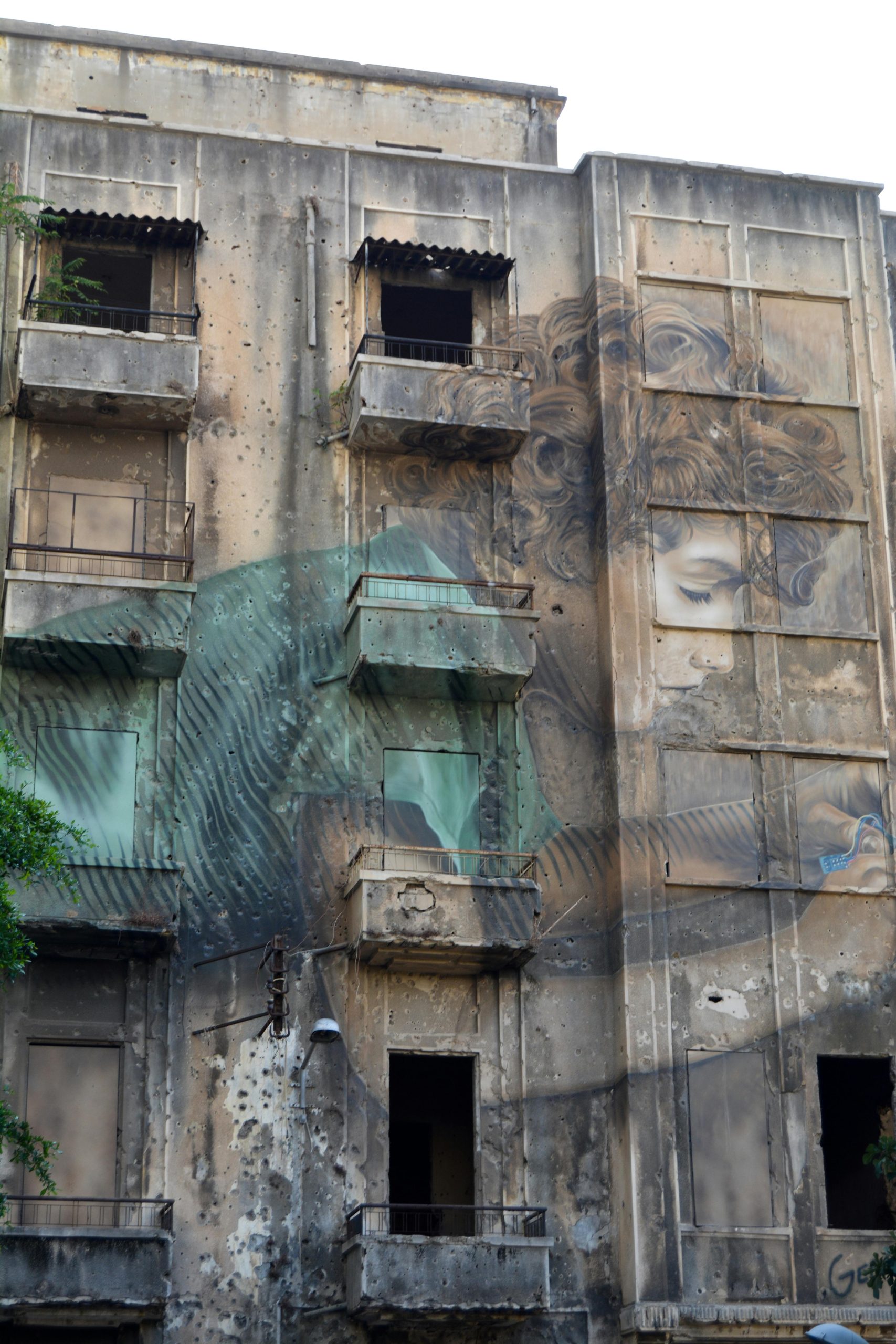
Painting of a curly haired small child with a green top engrossed in play on the wall of a gray apartment building (Lebanon)
Photo by Antoun Boustani

Kuziyeva Shakhrizoda highlights the Uzbek government’s investment in the nation’s youth and the incredible potential of their young adults. Otaboyeva Khushniya outlines how the psychology of early childhood can inform education. Su Yun collects and translates the work of Chinese elementary school students. O’tkirava Sevinch outlines strategies for learning Mandarin Chinese as a second language and for teaching the language in Uzbek schools. Olimboyeva Dilaferuz outlines verb conjugation rules in the Uzbek language.

Mashhura Farhodovna Joraqulova’s short story encourages students from low-income families to persevere with their education. Sevara Kuchkarova outlines strategies to motivate students to complete work at school. Rashidova Shaxrizoda Zarshidovna honors the life and work of a woman who mentored many of the girls at her school. Dilbar Aminova advocates for a balanced approach to screentime in young children’s lives. Shahnoza Ochildiyeva reflects on the value of her journalism education at an Uzbek university. Xo’jamiyorova Gulmira Abdusalomovna highlights the role of emerging and young poets in Uzbekistan’s national destiny.

Duane Vorhees compares the poetry of Phillis Wheatley and Nikki Giovanni as part of a broader comment on changing Black consciousness in the United States.

Cherise Barasch writes with respect for the hardworking people she observes digging into the earth in the heat. Yongbo Ma brings a poetic and scientific perspective to fog. Sayani Mukherjee contemplates peaceful natural scenes in a reverie. Priyanka Neogi compares accepting life’s changes to living through different seasons and times of day. David Sapp reflects on the transcendent experience of seeing a peacock. Dilnoza Islamova looks to nature’s beauty as an invitation to spiritual faith and practice. Maki Starfield sends up elegant reflections on weather and fruits in Thailand as Maja Milojkovic meditates on sunflowers, existence, and perseverance.

Brian Barbeito lets his mind wander to cosmological and existential places while walking near birds by a lake. Orinbayeva Dilfuza rejoices in the beauty of nature at springtime as Dilobar Maxmarejabova shares the emotional significance of tulips in her life. Don Bormon revels in the fun of rain at school. Mark Young renders up more of his fanciful “geographical” maps of Australian regions. Mathematics is a language we use to describe nature, and Timothee Bordenave discusses how his geometric studies inform his artwork. Mesfakus Salahin speaks to drought in Bangladesh in a meditation on accepting life and nature’s cycles.

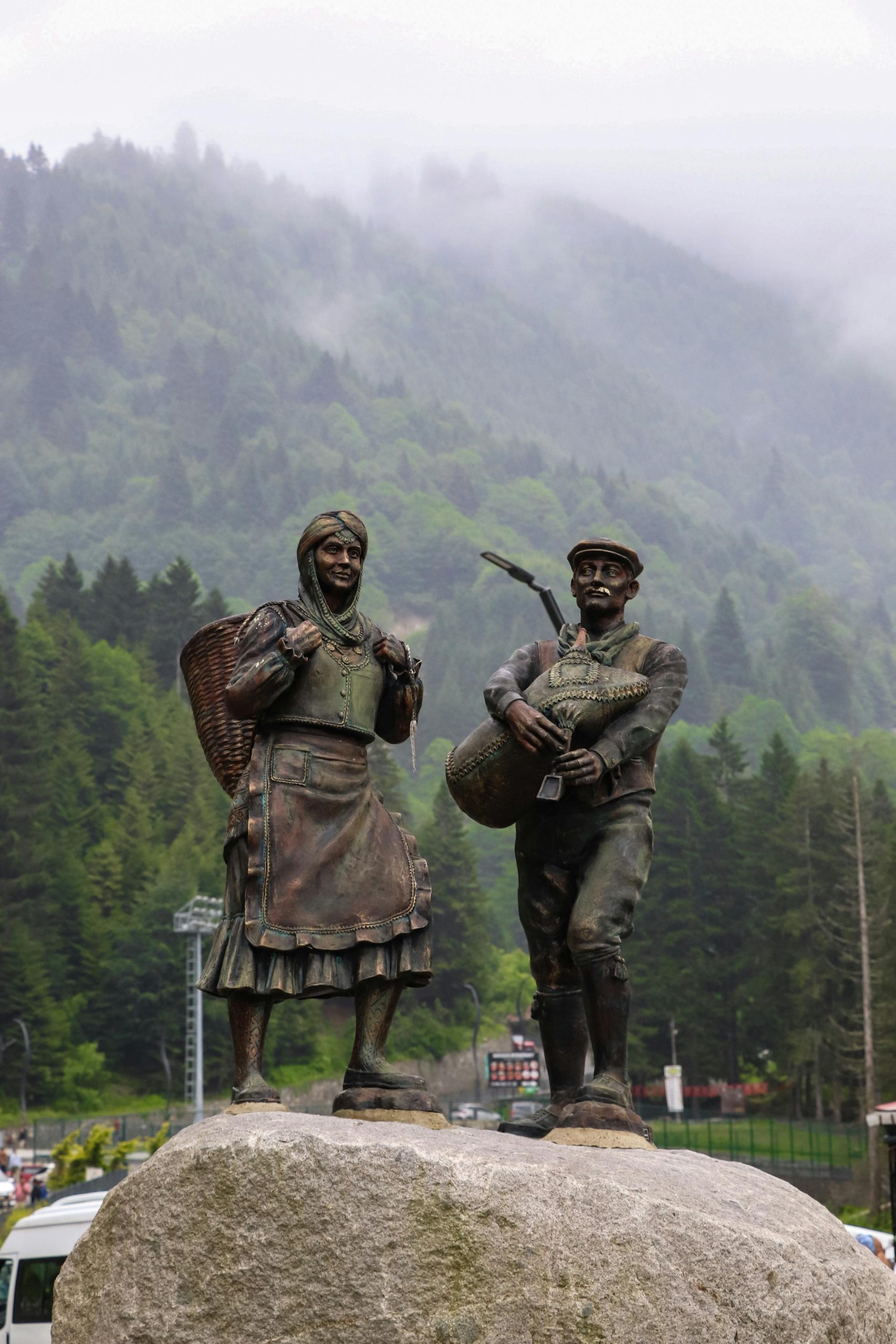
Light brown and green metal statues of traditionally dressed Turkish man and woman. Caps, headscarves, vest and dress and petticoat and boots. They're in a misty conifer forest.
Photo by Zehra İslamoğlu

Bruce Mundhenke urges humanity to turn away from hate towards love and acceptance. Vo Thi Nhu Mai illuminates the beauty and communicative power of the craft of poetry.

Leslie Lisbona sends up a childhood memory of having fun dancing to and figuring out rap lyrics. Marjona Baxtiyorovna Jorayeva celebrates sports and their fandoms and their power to bring enjoyment and bring people together.

Shomurotova Sevinchoy reflects on what it means to be a true friend. Munisa Ro’ziboyeva illuminates her appreciation for her mother’s care. Hamroyeva Shahinabonu Shavkatovna highlights the love and care both fathers and mothers have for their children. Rashidova Muallima offers up her love for her mother. Kamoliddin Hamidullah sends us a tender love poem. Thathanhally B. Shekara expresses his joy in romantic union with his beloved. Vo Thi Nhu Mai looks to wind as a metaphor for gentle connection among people.

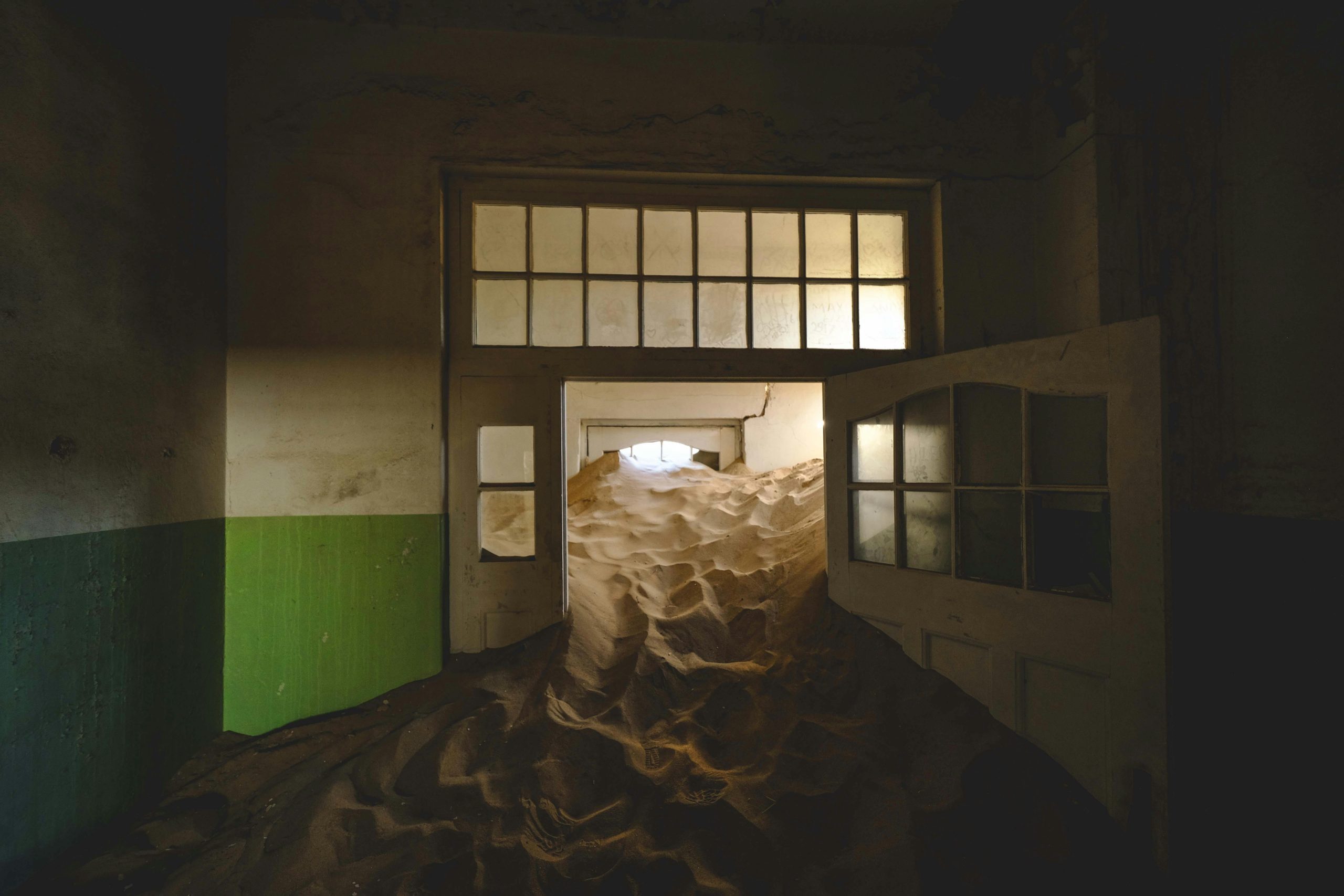
Artsy photo of sand in a doorway in an abandoned room with sunlight streaming in through windows. White walls with green paint (Namibia)
Photo by Francesco Ungaro

Jim Meirose crafts a surreal piece in the language of fairy tales and dreams. Iduoze Abdulhafiz takes a lengthy journey through the subconscious with a wide selection of words. Dr. Maja Sekulic reviews Dr. Jernail S. Anand’s exploration of artificial intelligence, myth, and morality.

Kholmurodova outlines strategies to bring digital access and economic opportunities to the world’s rural women. Rakhimov Rakhmatullo outlines challenges and solutions for logistics technologies. Sa’dia Alisher outlines some benefits, problems, and challenges from modern digital technologies. Gulnora Rakhimjonovna Khomidova explores the educational potential of artificial intelligence.

Dr. Jernail S. Anand relates how, regardless of the tools we use to craft our work, restraint and discipline can serve as a creative force. Dr. Debabrata Maji highlights the power of perseverance and devotion. Azemina Krehic compares the care she has for her poetic works to the process of washing her clothes on a line. Hassan Mistura speaks to the journey of developing a healthy self concept. Surayyo Nosirova reminds us to let go of the illusion of more control than we have and to stay open to change.

Light skinned woman puts her hand in front of her face reaching out against plastic that partially obscures her. She's got dark hair and a white blouse.
Photo by MART PRODUCTION

Grant Guy offers up stage directions for absurdist theater, an artistic reaction to periods of rapid social change. Ahmed Miqdad speaks to the absurd persistence of normal life amid wartime. Mykyta Ryzhykh, in a similar vein, evokes the quest for queer love and sensuality among bombs and bullets.

Pat Doyne laments violent immigration enforcement overreach in Los Angeles. Otabayeva Khusniya reveals the deeply humane vision of Erkin Vahidov’s work Rebellion of Souls, a tribute to the memory of Nasrul Islam and other artists who died as a result of unjust persecution. Chimezie Ihekuna shares some of life’s paradoxes and urges nations and groups of people to move away from war as a solution to issues. Mahbub Alam also puts out a call for peace, remembering the many people lost to war. Boboqulova Durdona laments the many civilian deaths in Gaza as Stephen House highlights war’s effects on ordinary people, especially children.

Muslima Olimova reflects on surviving an unhappy marriage and urges families to welcome young brides and for women to carefully consider before marrying. J.J. Campbell speaks to the lingering effects of trauma on people and the tension between hope and disillusionment. Dr. Bindu Madhavi speaks to the inner battles many of us fight as Mirta Liliana Ramirez evokes the pain of loneliness.

Light skinned hand reaching out of water, maybe grabbing for rescue? Ring  on the middle finger.
Photo by Luca Nardone

Doug Hawley’s short story presents several characters representing a mix of lawful and roguish motives and actions. Taylor Dibbert’s poem lampoons the worldliness of a priest and the devotion it still inspires. Sarvinoz Sobirjonova Abdusharifova depicts the dual nature of humanity: kindness and cruelty.

Kelly Moyer uses vegetable humor to convey and navigate the experience of chronic illness. Alan Catlin frames evocative images with words, plumbing the imagined photos for meaning.

Mark Blickley, a combat veteran who finished education later in life, reflects on what he gained as a person and an artist from popular literature and reminds the “literary” crowd not to so easily dismiss popular writers.