At This Point
His gray hair
Is really arriving
On the scene
But who cares
He’s thrilled
To have hair
At this point.
Taylor Dibbert is a poet in Washington, DC. He’s author of, most recently, “Takoma.”

At This Point
His gray hair
Is really arriving
On the scene
But who cares
He’s thrilled
To have hair
At this point.
Taylor Dibbert is a poet in Washington, DC. He’s author of, most recently, “Takoma.”
HERE WE ARE
The FedEx driver’s Nazi haircut like
Elon sported not long ago startles me.
Barking at his phone, he waves and leaves.
Does he smile knowing he resembles
the dead Führer, evil incarnate?
Allied Forces fought as Ford sent Hitler
trucks, the damn Nazi. I pull behind a
beat-up Ford F-250 at Walgreens.
His license plate: Sons of Confederate
Veterans. No doubt also a member of
The Sons of the Confederacy. Walking
past, I avert my eyes so I won’t make
contact with the woman sitting in the
front seat disheveled her hair awry.
Does she believe this twisted reality?
Proud Boys, or another fringy brown shirt
group, native Neo-Nazi terrorists
masked & masquerading as Ice Men shove
invade shops, schools, & fields arresting
the innocent, ignoring our sacred
Constitution. Like the KKK, brave
when hiding behind a hood, cloaking them
from eventual prosecution. This
wicked underground emboldened by the
orange vitriol has crawled into the light,
wielding swords of bigotry and hatred.
Their plague of depravity strikes without
warning. Which Libertarian Trumpy
“friend” or Confederate kin would report
me to the Gestapo? No one is safe.
For, here we are, swimming in fascism
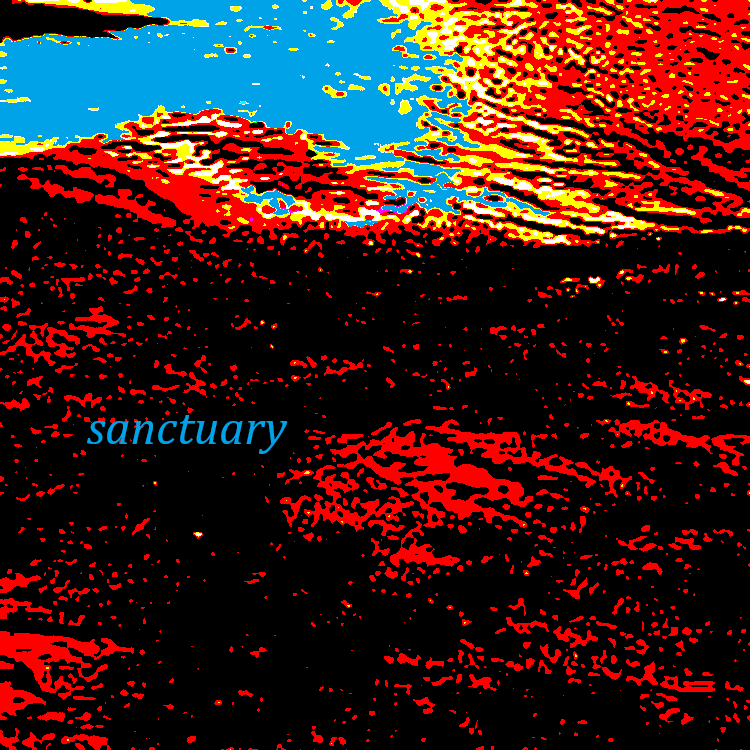
Mark Young has a new book, Some Unrecorded Voyages of Vasco da Gama, which is a collection of both text & visual geographies, a number of which have appeared in Synchronized Chaos. It’s available from Lulu. The URL is https://www.lulu.com/shop/mark-young/some-unrecorded-voyages-of-vasco-da-gama/paperback/product-e748z2j.html?page=1&pageSize=4

SEIZE THE MOMENT!
As hands and feet lift from the ground,
The Sun wraps Night in its golden shroud.
In Ramadan, secrets are found,
As Laylat al-Qadr shines,
Moon-bowed… Seize the moment!
Live it bright!
Let moments merge in sacred light!
Verses stream in luminous flow,
To hearts that love, in whispers low…
As you strive, defeating desire,
You rise beyond, your soul so higher.
Angels murmur in hushed refrain,
You dissolve into the cosmic plane…
Blessed be Laylat al-Qadr, my Friend,
Blessed the night where hearts ascend!
Every gift from the Divine, so bright,
Is the crown upon our heads—pure light!
Shamsiya Khudoynazarova Turumovna (February 15, 1973) was born in Uzbekistan. Studied at the Faculty of Journalism of Tashkent State University (1992-1998). She took first place in the competition of young republican poets (1999). Four collections of poems have been published in Uzbekistan: “Leaf of the Heart” (1998), “Roads to You” (1998), “The Sky in My Chest” (2007), “Lovely Melodies” (2013). She wrote poetry in more than ten genres. She translated some Russian and Turkish poets into Uzbek, as well as a book by YunusEmro. She lived as a political immigrant with her family for five years in Turkey.
With the prevalence of social media and growing societal expectations, it has become increasingly common for individuals to voice their frustrations and opinions online, particularly in technologically advanced societies. While there are valid reasons for expressing dissatisfaction on such platforms, I strongly assert that this trend has both harmful consequences and meaningful benefits. On the one hand, it may increase negativity and affect mental health; on the other, it can raise public awareness and lead to quicker solutions for social problems.
One of the major consequences of this trend is the spread of negativity online, which can significantly impact individuals’ mental well-being. As more people share complaints and disappointments about their lives, it creates a cycle of emotional dissatisfaction that others are exposed to daily. This constant exposure can lead users to feel more anxious, discontent, or even inferior, especially when comparing their own lives to what they see online. Over time, such emotional stress can damage people’s mental health and reduce the overall positivity of online spaces.
Despite these downsides, public complaints on social media also offer a significant benefit: they can serve as a catalyst for change. By bringing issues such as poor infrastructure, low-quality services, or political concerns into the public eye, individuals can draw attention from government bodies, service providers, and the media. For example, in Uzbekistan, citizens often highlight poor road conditions via social platforms. In many cases, these posts go viral and prompt authorities to respond quickly. In this way, social media empowers ordinary people to contribute to community development and hold institutions accountable.
In conclusion, although venting frustrations on social media can negatively affect users’ mental health by spreading pessimism and stress, it also allows people to highlight societal problems and demand immediate action. Thus, while the trend may carry emotional risks, it plays a vital role in raising awareness and pushing for positive change.
My name is Rashidova Jasmina, daughter of Bahodir. I was born on November 23rd, 2008, in Shakhrisabz district, located in the Kashkadarya Region of Uzbekistan. I am currently a 10th-grade student at School No. 74.
Throughout my academic journey, I have proudly taken part in numerous educational grants, national seminars, and academic meetings. I am a winner of several contests and competitions dedicated to education and innovation. Notably, I was a finalist in both the “BBG” and “FO” programs, which further motivated my passion for leadership and community development.
One of my most prestigious achievements includes being awarded the “Katta Liderlar” grant, which recognizes young emerging leaders in Uzbekistan. I also had the honor of participating as a delegate representing Switzerland in a Model United Nations (MUN) conference, where I strengthened my skills in diplomacy, negotiation, and global issues.
In addition to my academic accomplishments, I run my own educational channel, where I teach and mentor students in various subjects. I am also the founder and instructor of a Pixel Art course, where I combine creativity with digital skills to inspire others in the field of design and technology.

First, here are a few announcements.
Jeff Rasley’s released a new book, Presbyterian vs Methodist Youth Group Rumble in Pokagon Park. This is a light-hearted satire of teen life and the heightened emotions of the age.
Jacques Fleury was also invited to the Boston Public Library’s Author Showcase to show off his title You Are Enough: The Journey Towards Accepting Your Authentic Self.
The National Storytelling Championship seeks online submissions from Indian nationals living in all parts of the world.
Now for our new issue, Revival and Rejuvenation.
Christopher Bernard celebrates the photography of urban chronicler Vivian Maier and the recent rediscovery of her work.
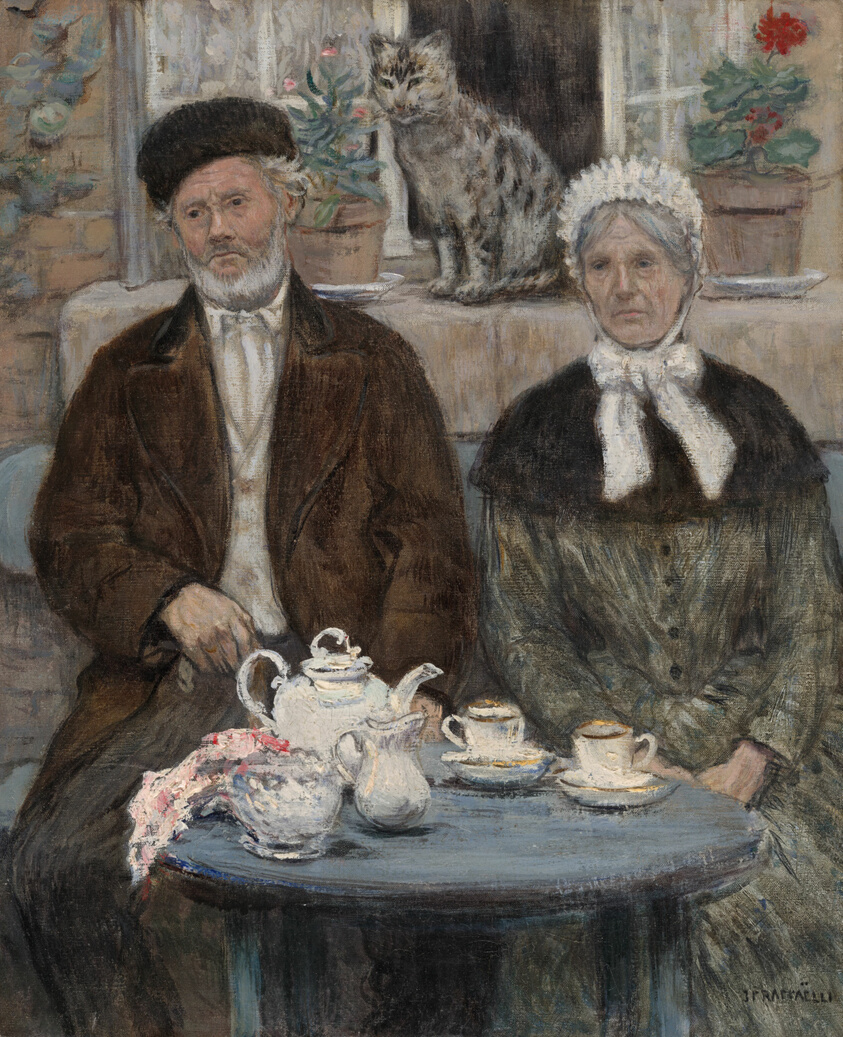
Gopal Lahiri’s poetry looks over varied landscapes – aging city infrastructure, a painted teatime scene, a rainstorm – with a painter’s thoughtful eye.
Wazed Abdullah draws on soft, childlike language to elegantly portray a monsoon rain in Bangladesh. Don Bormon writes in a similar style of the rain’s return in the region after a hot sunny summer. Tamoghna Dey speaks to the strength and flexibility of water as a metaphor.
Eva Petropoulou Lianou finds union with nature on her daily walk, taking inspiration from its diversity and authenticity. David Sapp’s poetry highlights our human connection to the rest of nature through musings on barns, fields, and a dead cat.
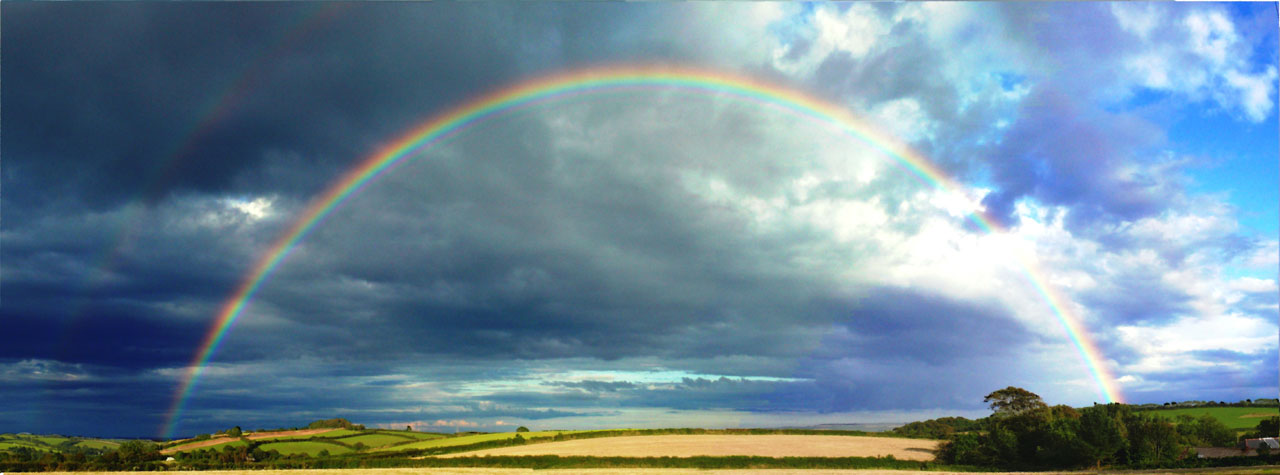
Chimezie Ihekuna revels in the beauty of nature and the intricate ways in which its systems work and creatures survive, but warns of its destruction. Graciela Noemi Villaverde also urges care for the natural world and highlights how natural systems can self-heal and regenerate.
Sayani Mukherjee revels in the passage of seasons in nature as Kylian Cubilla Gomez explores the hidden world of snails, centering the small mollusk in his photos. Sara Hunt-Flores reflects on the sun lighting her path, helping her distinguish illusion from reality.
Svetlana Rostova uses nature metaphors to convey the breadth and intensity of her past experiences. Mahbub Alam compares falling in love to the wonder of seeing a firefly. Shamsiya Khudoynazarova Turumnova illuminates the way love can revive a person and rejuvenate their life. Dr. Prasanna Kumar Dalai evokes memory and the ecstasy of falling in love. Mesfakus Salahin pleads with a lover to take him back as a response to his enduring feelings.
Stephen Jarrell Williams reflects on the poignancy and power of stories: those in books and those of family love and passing generations. Kassandra Aguilera’s poetry expresses love that remains despite troubled parental relationships. Bill Tope’s short story addresses a platonic and artistic friendship between a man and a woman and the tragic social disapproval that drives them apart.

Scott C. Holstad probes various sorts of physical and emotional desire. Duane Vorhees speaks to birth and death, love and war, then turns to a personal blues poem about feeling disillusioned by faith.
Gordana Saric offers up a prayer for personal compassion and global peace. Brian Barbeito shares daily musings on meaning and ethics and and speculates on our individual lives’ effects on the universe. Inayatullah encourages us all to look inward and heal our inner wounds and forgive each other in order to change the world on a larger scale.
Lilian Dipasupil Kunimasa shares the hope and strength and healing she finds through her faith. K. Sayyid Mubashir Hadhi explicates the spiritual and cultural significance of Eid Al-Adha. Timothee Bordenave’s old-style pieces express his spiritual faith and desire for universal oneness. Bruce Mundhenke expresses how faith and wisdom can outlast our technologies and our inhumanity to each other. R.K. Singh calls us to ethnic and religious tolerance based on the world’s complex history and celebrates physical and spiritual love.
Dr. Jernail Singh speculates on how literature and drama, religious or not, can inspire moral development as well as catharsis, when villainy and evil are stopped. Matthew Kinlin interviews Kenneth M. Cale about the inspirations and creative process behind his book Midnight Double Feature: Director’s Cut, a stand against the growing darkness he sees in the world.

Lidia Popa describes the power of writing to transmute ideas and feelings into a mode of communication from one soul to another. Haroon Rashid outlines the role of silence, observation, and empty space for thoughtful writing in his ars poetica.
Xadjiyeva Nodira studies idioms and whether the phrases can take on different meanings within the same language. Kaljanova Gulmira’s paper outlines the benefits of having a language learner “shadow” a native speaker. Shahnoza Ochildiyeva’s essay explicates the complex task of translation and how, as of now, translation requires a human being with cultural awareness.
Isabel Gomes de Diego’s photography celebrates human and natural creativity in various forms: origami, sewing, typing. Bahora Mansurova turns to the craft of medicine, discussing ways to treat periodontal diseases. Linda S. Gunther reviews Kristina McMorris’ suspense novel of the newsroom, Sold on a Monday.
Nozima Gofurova describes an educational visit to Tashkent’s Mirzo Hotel, where she learned about Central Asian art and history. Joseph Ogbonna highlights the majesty and historical influence of ancient Egyptian civilization. Maja Milojkovic’s ekphrastic work draws inspiration from the strength of ancient Herakles.
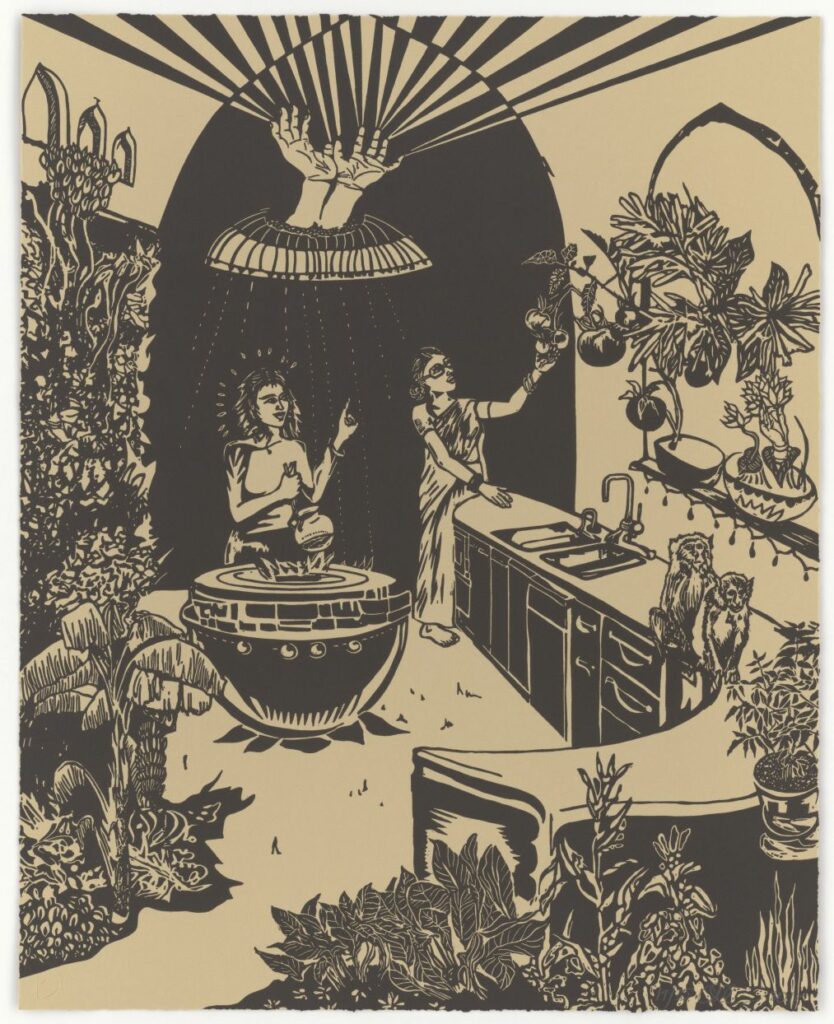
Z.I. Mahmud explores feminist speculative literature in India and the works of Begum Rokeya Sakhawat Hossein. Bhagirath Choudhary, in a piece translated by Eva Petropoulou Lianou, advocates for respect for women and for society to celebrate positive traits traditionally associated with the nurturing feminine.
Eva Petropoulou Lianou speaks of her intimate and demanding relationship with her female poetic muse. Isaac Dominion Aju reflects on the artistic inspiration he received from Chimamanda Ngozi Adichie, whose work helped him to find his own voice. Donna Dallas’ poetic speakers find writing inspiration from a quiet morning, a busy urban city full of desire, and the throes of drug addiction. Hauwa’u Naseer Mukhtar evokes the peace and creative source of solitude as Chloe Schoenfeld resolutely affirms her claim to her own soul.
Kelly Moyer’s asemic poetry invites us to the experience of appreciating writing and art, even without literal meaning. Ric Carfagna’s poetry touches on perception, how we experience and make sense of our world.
Loki Nounou reflects on life’s unpredictability, as S. Afrose exposes existence’s slippery nature, complex and hard to pin down and define. Utso Bhattacharyya’s short story involves an ordinary man’s visit to a surreal reality existing alongside and within our own.

Alex S. Johnson’s horror tale probes the insidious way oppression works not only through violence, but also through individual and social gaslighting. Mark Young’s poetry crafts off-kilter scenes where people and other creatures adjust to their settings.
J.J. Campbell turns to poignant nostalgia while experiencing slow trauma. John Angelo Camomot’s verse speaks to the grief of losing a loved one and the comfort of memories.
Sean Meggeson’s humorous tales probe our relationships with authority and failures of communication. On the theme of authority, Taylor Dibbert observes wryly that leaders who are least affected by policies are often the first to advocate for them.
Mykyta Ryzhykh’s short story depicts war as an unwelcome trespasser, refusing to communicate its intentions or ask permission to occupy someone’s basement. Ahmed Miqdad laments the suffering of civilians in Gaza while expressing hope for the region. Combat veteran Steven Croft speculates on goals for a possible return to United States military intervention in Afghanistan and hopes they will finally get girls back to school.
Sadoqat Qahramonovna To’rayeva reflects on pursuing education as a child and teen in his humble farming village. Marjona Baxtiyorovna sends out a tribute to education and graduating students.
We hope this issue is educational, inspiring, and enjoyable!
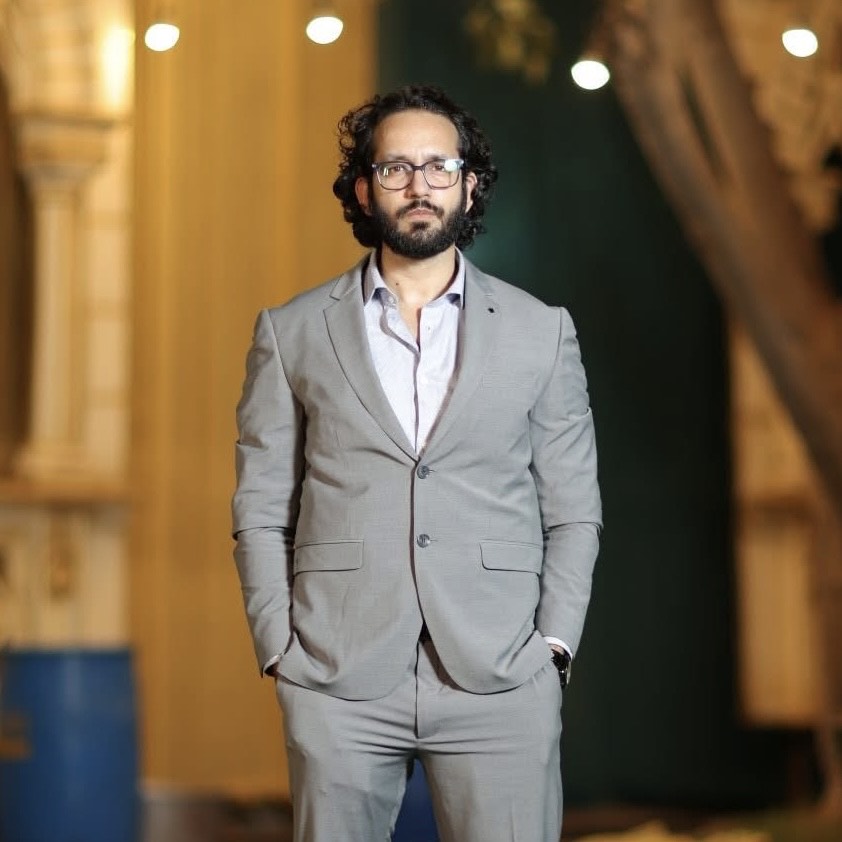
BENEATH THE WORDS
by Haroon Rashid
Creation does not begin with a word,
but with stillness
a pause, before the rush,
before the world insists on speaking.
It begins with the quiet observation
of a world moving without permission
a leaf, stubborn in its fall,
a cloud folding into another,
a glance exchanged across crowded streets,
never to be remembered.
Stories live in what is not said.
The visible is but a fragment
what matters lies hidden,
beneath the surface.
Like an iceberg,
its strength resides in the unseen,
where shadows move in silence
and thoughts drift like forgotten tides.
To write is to observe,
not merely to see,
but to feel
the weight of a shadow on a hot afternoon,
the ache of silence between words,
the whisper of wind through ordinary things,
the sigh of trees that have witnessed lifetimes.
Language is not decoration.
It is the pulse of the soul.
Every phrase must earn its place,
must be sharpened against the stone of truth,
must tremble with meaning
each syllable a heartbeat,
each line a breath caught in the throat.
An ending should not close
it should linger,
softly, like a thought that refuses to fade,
a door left ajar,
letting the mind wander,
finding its own way out.
There is no beauty
without attention
no truth
without the courage to face it.
No art
without the risk of vulnerability,
the surrender to what we do not know.
What we create
is not for applause,
but for connection
so that someone,
somewhere,
feels less alone,
when they find their own heart
hidden in the spaces between lines.
The work is not to impress
it is to remember,
to reveal,
to reach.
And if nothing golden is found,
then let the ink bleed honestly.
Let the silence speak.
Let the page carry the weight
of what we dared to feel.
Because in the end,
what matters most
is not how beautifully we wrote,
but how deeply we made someone stop
breathe
and remember
that they are not alone
in this vast, unspoken world.
— Author Haroon Rashid
ABOUT HAROON RASHID
Haroon Rashid is an internationally celebrated Indian author, poet, and humanitarian whose soul-stirring words transcend borders, cultures, and languages. Revered as “a movement of thoughts” and “a soul that breathes through verses,” he is a global ambassador for peace, education, and sustainable development. Through literature, he fosters empathy, cultural harmony, and a collective vision for a better world.
KEY LEADERSHIP ROLES
• Global Ambassador & International Member, Global Federation of Leadership & High Intelligence A.C. (Mexico)
• SDG Ambassador (SDG4 & SDG13), World Literary Forum for Peace & Human Rights
• National Vice Chairman, Youth India – Mother Teresa International Foundation
• Peace Protagonist, International Peace Forums – Mexico & Greece
• Honorary Founding Member, World CP Cavafy
AUTHOR & LITERARY CONTRIBUTIONS
• We Fell Asleep in One World and Woke Up in Another – poetry book, translated by 2024 Nobel Peace Prize Laureate Eva Petropoulou Lianou
• Author Haroon Rashid Quotes – A soul-deep treasury of reflections
• Works translated into: Greek, French, Persian, Urdu, Arabic, Chinese, Tamil, Hindi, Sanskrit, German, Indonesian, Bolivian, and more.
GLOBAL HONORS & AWARDS
• Diploma de Honor al Mérito – Mexico (2025)
• World Art Day Honor – Indonesia (2025)
• Friedrich von Schiller Award – Germany
• 4th World Gogyoshi Award – Global Top Vote (2024)
• 1st Prize – Silk Road International Poetry Exhibition (2023)
• Golden Eagle Award – South America (2021 & 2023)
• United Nations Karmaveer Chakra – 2023 & 2024
• REX Karmaveer Chakra – Silver & Bronze – India
• Global Peace Award – Mother Teresa Foundation (2022)
• Cesar Vallejo Award – UN Global Marketplace
• Honorary Doctorate in Humanity – La Haye, France (2021)
• Sir Richard Francis Burton Award – European Day of Languages
• Prodigy Magazine USA Award – Literary Excellence
• Certificates of Honor – Greece, Serbia, Indonesia, Mexico
• Honorary Award for Literature & Arts – Trinidad & Tobago
GLOBAL PRESENCE & RECOGNITION
• Invited Guest on The Oprah Winfrey Show
• Featured in O, The Oprah Magazine
• Speaker at:
• International Peace Day – Mexico & Greece
• 3rd International Congress of Education – Mexico
• Paper Fibre Fest – Represented India in China, Greece, Mexico, Peru
• UN SDG Conferences, Global Literary & Peace Forums
• Work featured in education campaigns, peacebuilding initiatives, and cross-cultural literary dialogues
• Admired by global celebrities, educators, artists, and policymakers
CULTURAL AMBASSADOR OF INDIA
• Embodies India’s timeless storytelling, spiritual ethos, and peace traditions
• Bridges Indian philosophy with global consciousness
• Revered as an ethical thought leader, visionary poet, and global voice of unity
PHILOSOPHY & SOCIAL VISION
Literature, for Haroon, is a sacred space for:
• Healing, empathy, and consciousness
• Advocacy for:
• Mental Health Awareness & Emotional Resilience
• Climate Action & Sustainability
• Spiritual Depth & Interfaith Harmony
• Youth Leadership & Cultural Preservation
He aims to inspire changemakers, dreamers, and peacemakers across generations.
GLOBAL PRAISE & LOVE
Described as:
“A movement of thoughts.”
“A soul that breathes through verses.”
Celebrated across Europe, Asia, Africa, and the Americas, Haroon is loved for his:
• Authenticity
• Emotional depth
• Literary brilliance
Honored by governments, universities, and global literary councils.
TITLES & GLOBAL IDENTITY
• Global Literary Icon
• Award-Winning Author & Poet
• International Peace Advocate
• Global Educator of the Heart
• Cultural Diplomat & Ethical Leader
• SDG Voice for Education & Environment
• Voice of Peace, Passion, and Purpose
QUOTE BY AUTHOR HAROON RASHID
“It’s our responsibility to create a better world for our future generations.”
CONNECT WITH HAROON RASHID
Follow and engage across all platforms:
@AuthorHaroonRashid
(Facebook, Instagram, X/Twitter, LinkedIn, YouTube, Threads, and more)