Synchronized Chaos Mid-October 2024: The Shared Human Imagination

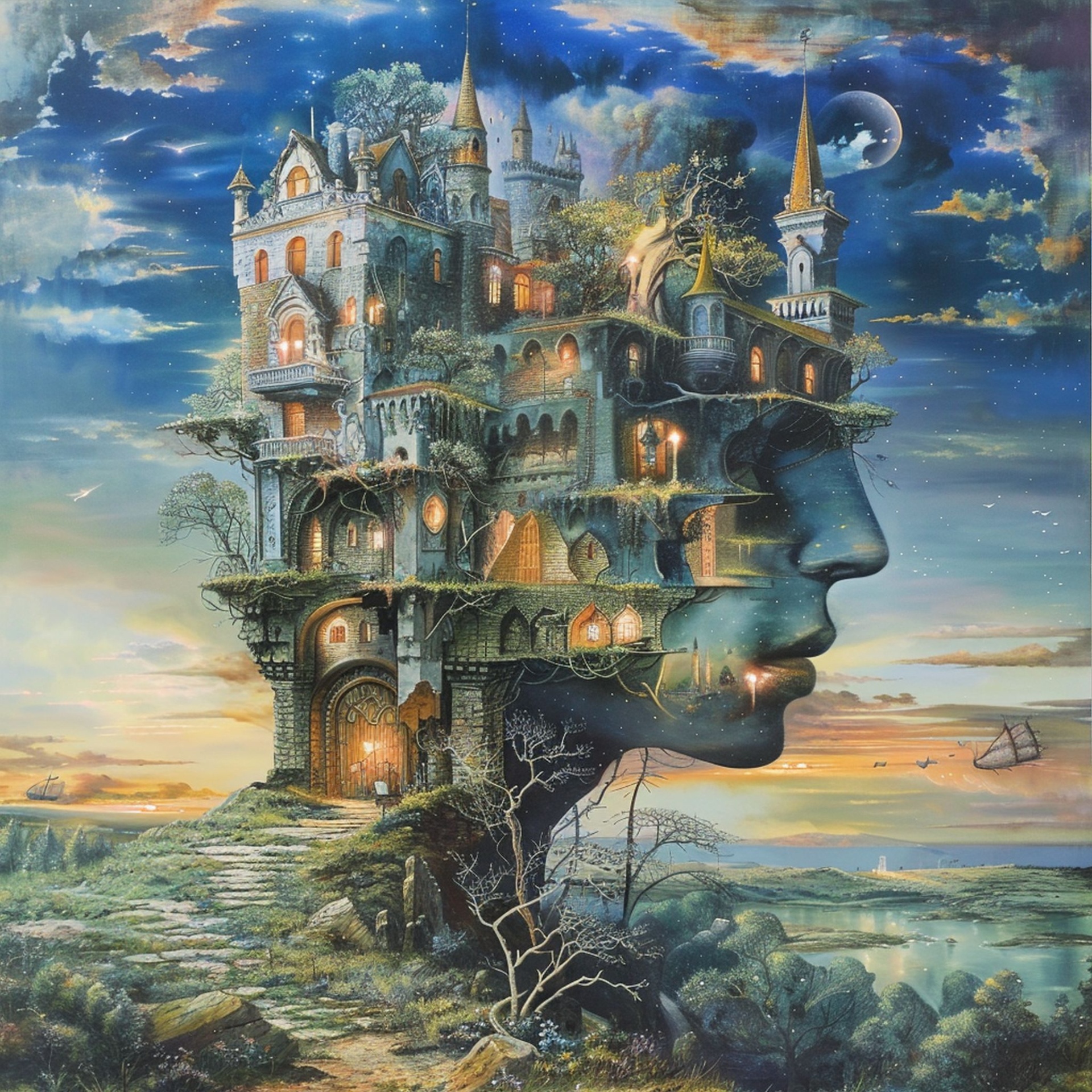
A human head rising out of the ground with a large medieval castle and trees growing out of it. Trees, rocks, and a lake below, clouds and sunset/sunrise above.
Image c/o Circe Denyer

Judge Santiago Burdon offers his new collection A Charlatan’s Aphorisms for review. Please contact us if you’re interested and we’ll put you in touch with him for a copy.

This is a Best of Collection of both past and new poetry by Judge Santiago Burdon. They were selected by dedicated readers and past publishers. Some have appeared in his books “Not Real Poetry” and “Tequilas Bad Advice Poetry With the Worm.” Judge Santiago Burdon’s poetry is a sophisticated slap in the face. The imagery induces you to clear your throat and shift your weight from one side to the other. Santiago doesn’t waste his words in an attempt to make you comfortable. As a poet he delivers defined grit and structured devastation. He speaks in the language of gasoline fumes and stale cigarette smoke. Always honest and fearless, never apologizing. Know that I am a fan.”
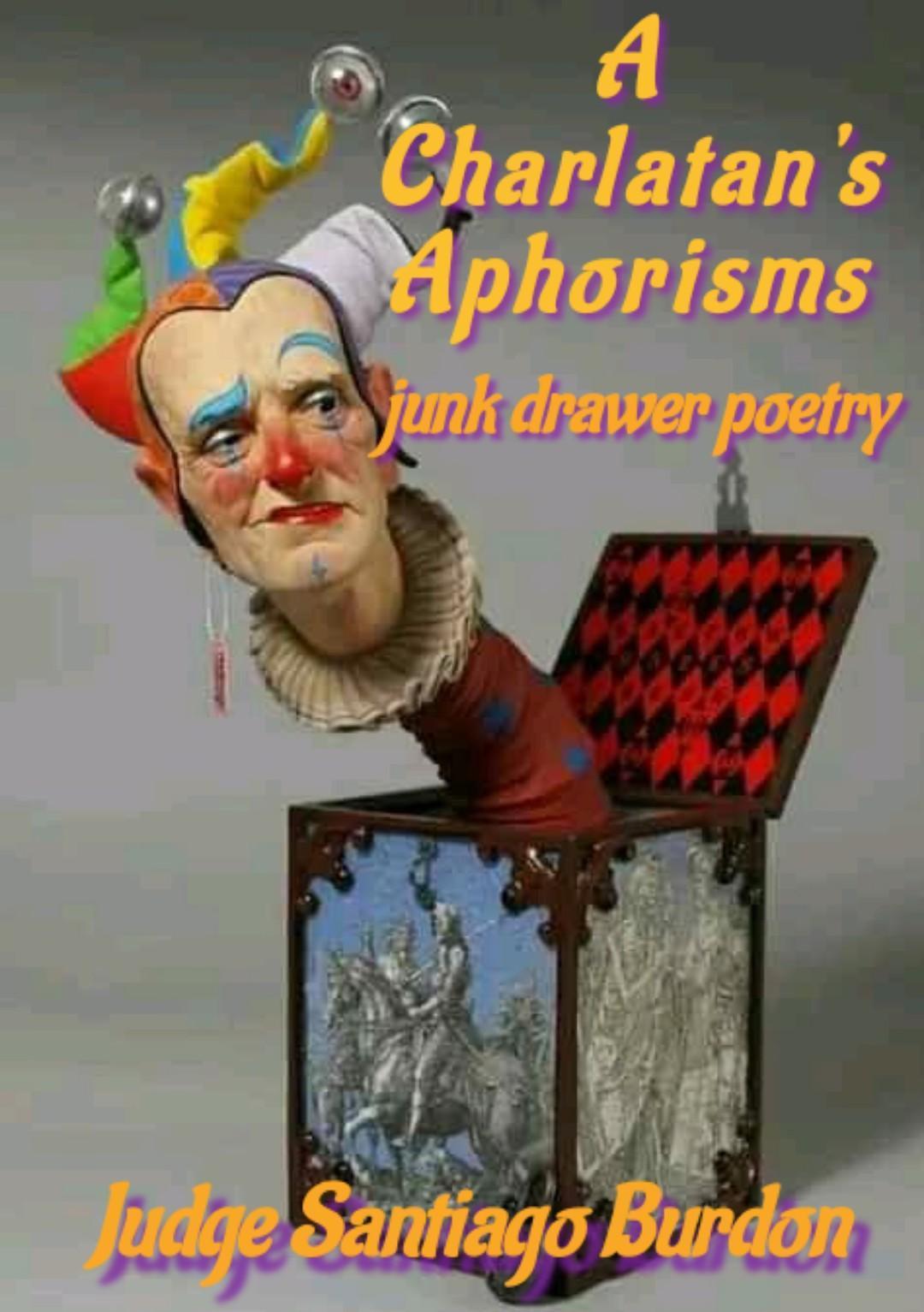
(Jack in the box popping out on the cover of Santiago’s book)

Now for our second October issue, The Shared Human Imagination. In this issue, we look to and draw upon our own creativity and love and that of the many who came before us.

Lilian Dipasupil Kunimasa reflects on life’s complexity and on the overlap between poetry and music. J.J. Campbell’s curmudgeonly poetry explores age, loneliness, music and regret. Murrodillayeva Mohinur mourns her rejection by false friends as Ilhomova Mohichehra celebrates the refuge she finds in her dreams. Umida Jonibekova writes eloquently of clouds and rain.

Diana Magallon crafts visual poetic pieces on the movement of the ocean. Dilnura Qurolova highlights the importance of ecology and environmental awareness. Brian Barbeito probes the worlds within worlds in out-of-the-way corners within nature.

Raquel Barbeito’s visual art stylizes nature-based images. Kylian Cubilla Gomez’ photography presents images of cultivation, humans carefully sharing space with and working with the natural world.
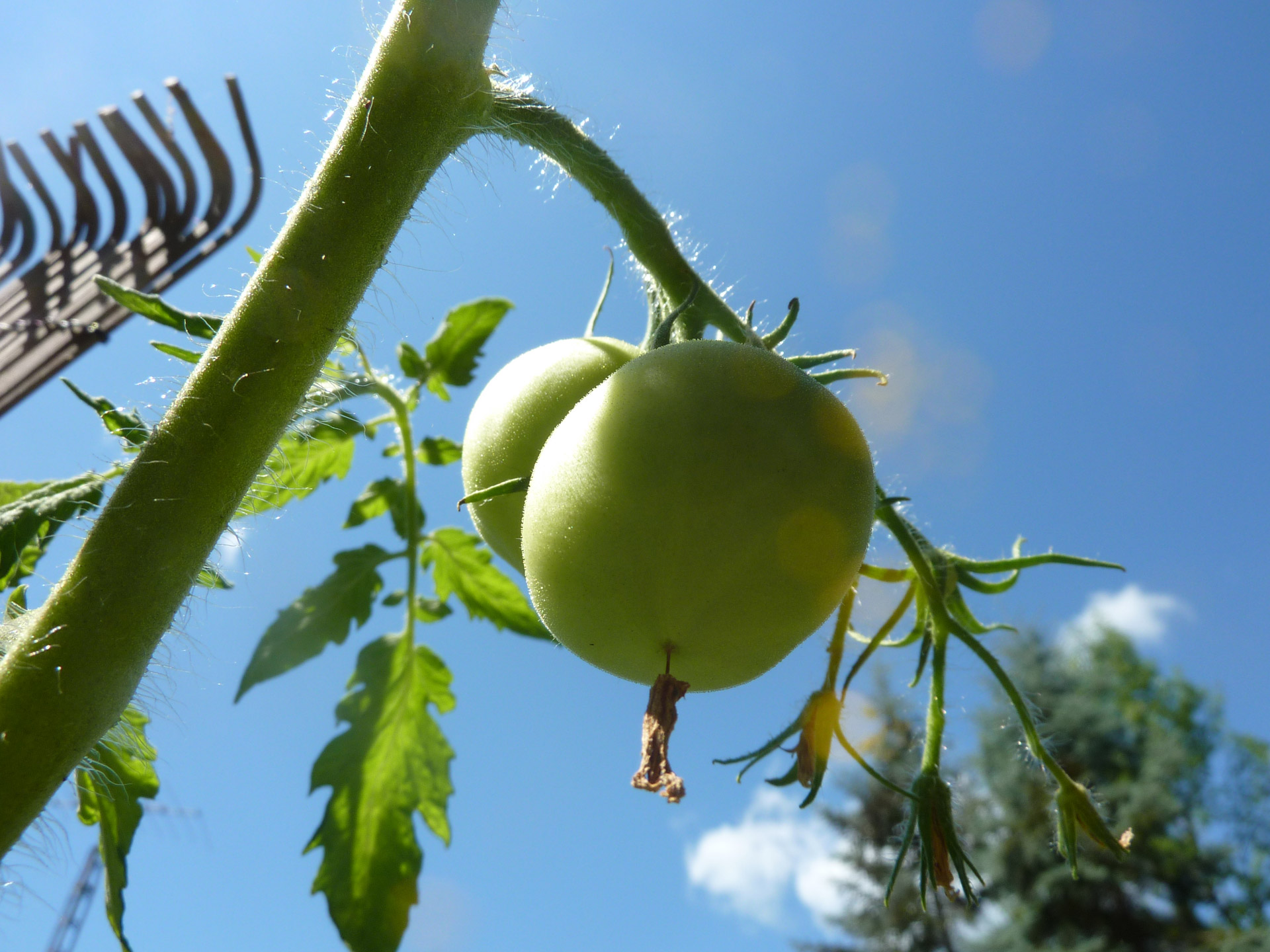
Angled-up image of a green pair of tomatoes growing on a stalk near a rake on a sunny day.
Image c/o Charles Rondeau

Ilhomova Mohichehra revels in the natural and cultural beauty of her Uzbek homeland and also her native region of Zarafshan. Nodira Jorayeva celebrates Uzbekistan’s rich and noble history as Mahliyo Sunnatullayeva reflects on the cultural heritage of Uzbekistan. Rajarbona Sarvinoz looks to ancient Uzbekistan, outlining Central Asian historical leader Amir Temur’s aqueduct engineering. K.C. Fontaine relishes the rich Latin culture of Chicago’s Logan Square.

Otayeva Dinora highlights the dignity and importance of the teaching profession. Rayhona Sobirjonova offers up praise for a respected teacher as Saydinqulova Elenora Olimovna presents solid life advice in the form of a letter to a friend and classmate. Barnoxon Ruxieva celebrates Uzbekistan’s well-developed education system, in particular its Barkamol Avlod children’s schools.

Bardiyeva Dilnura evokes the poetic beauty of the Uzbek language. Charos Toshpulatova outlines the importance and unique value of sign language. Abduvahidova Farangiz compares and contrasts physical books and e-books. Nathan Anderson describes the finely crafted musical language of Sanjeev Sethi’s poetry collection Legato without a lisp.

In a piece of literary analysis, Z.I. Mahmud discusses how Philip Larkin’s poem Whitsun Weddings depicts social and ecological changes in England after the First World War.

Mark Young probes an imagined world in a fresh set of his “geographies,” digitally altered photos integrated with visual art. J.D. Nelson peers at the edges of his world through a fresh set of monostichs. Jim Meirose sends up a quirky story on pleasure and its aftermath. Jake Cosmos Aller depicts a fanciful wild night whirling and drinking through the solar system.
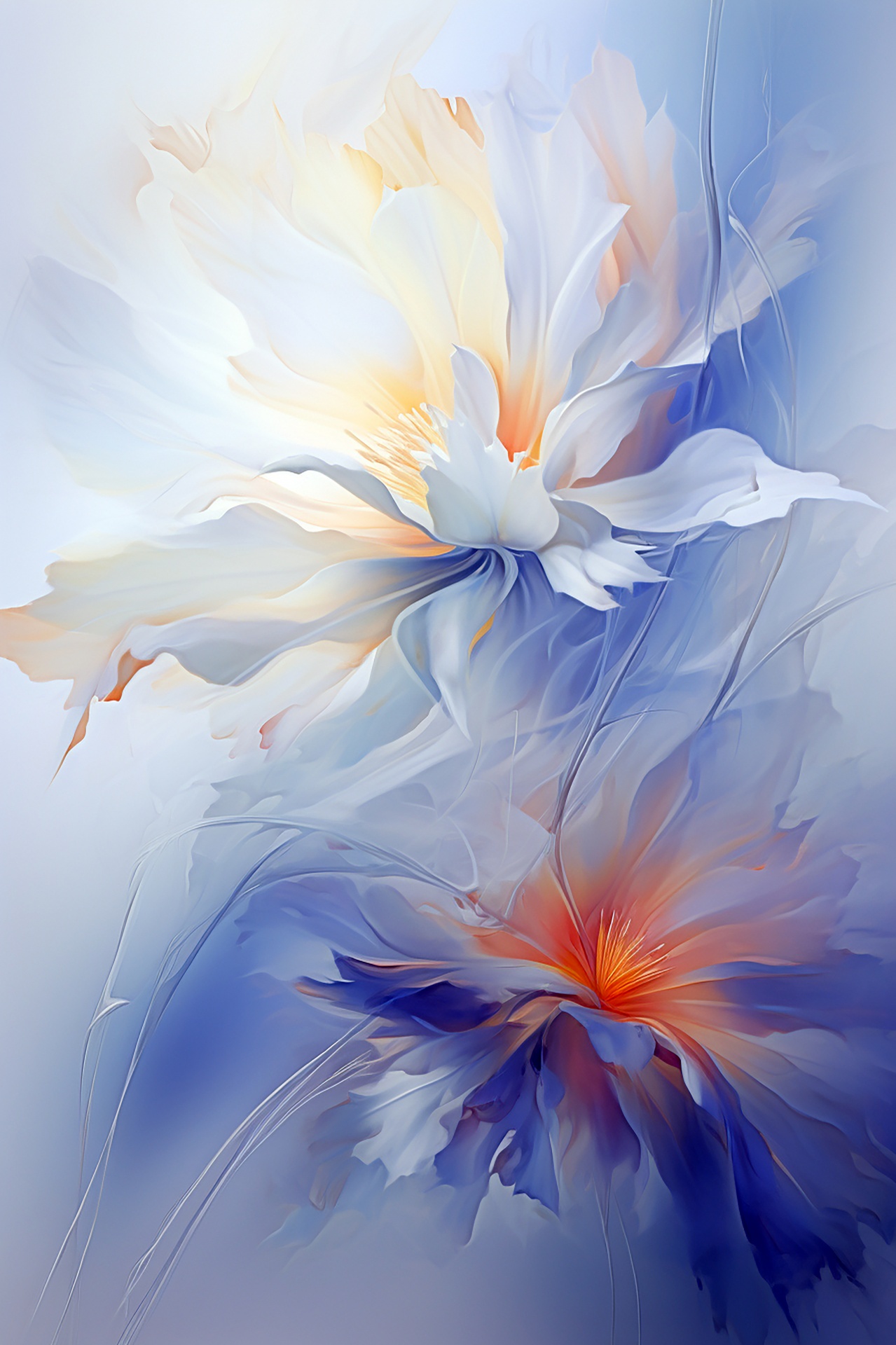
Stylized white flowers with large ragged petals and a yellow center. Graceful translucent curves throughout the work.
Image c/o Omar Sahel

Fhen M. speculates on how the element of mystery attracts us to Magritte’s paintings. Soren Sorensen shares a sunset image and a metallic melting clock, perhaps Dali-inspired.

Stephen Jarrell Williams sends in gentle vignettes of hope and faith while Mahbub Alam describes love as one of humanity’s lofty aspirations.

Mesfakus Salahin considers his psychological complexity and fallibility in light of a great love that leaves him humbled. Duane Vorhees reflects on memory, love, and the ironies of life. Lan Qyqualla draws on history and memory in his poetic vignettes of love and connection. Ivan Pozzoni orates in English and Italian on human history, love, beauty, and tragedy.

Michael Robinson speaks to the peace he found through a relationship with Jesus.

Xavier Womack offers love and respect to a spiritual mother figure embracing the world. Leslie Lisbona reflects on the death of her mother and the empathy she finds through a classic novel and the broader human imagination.
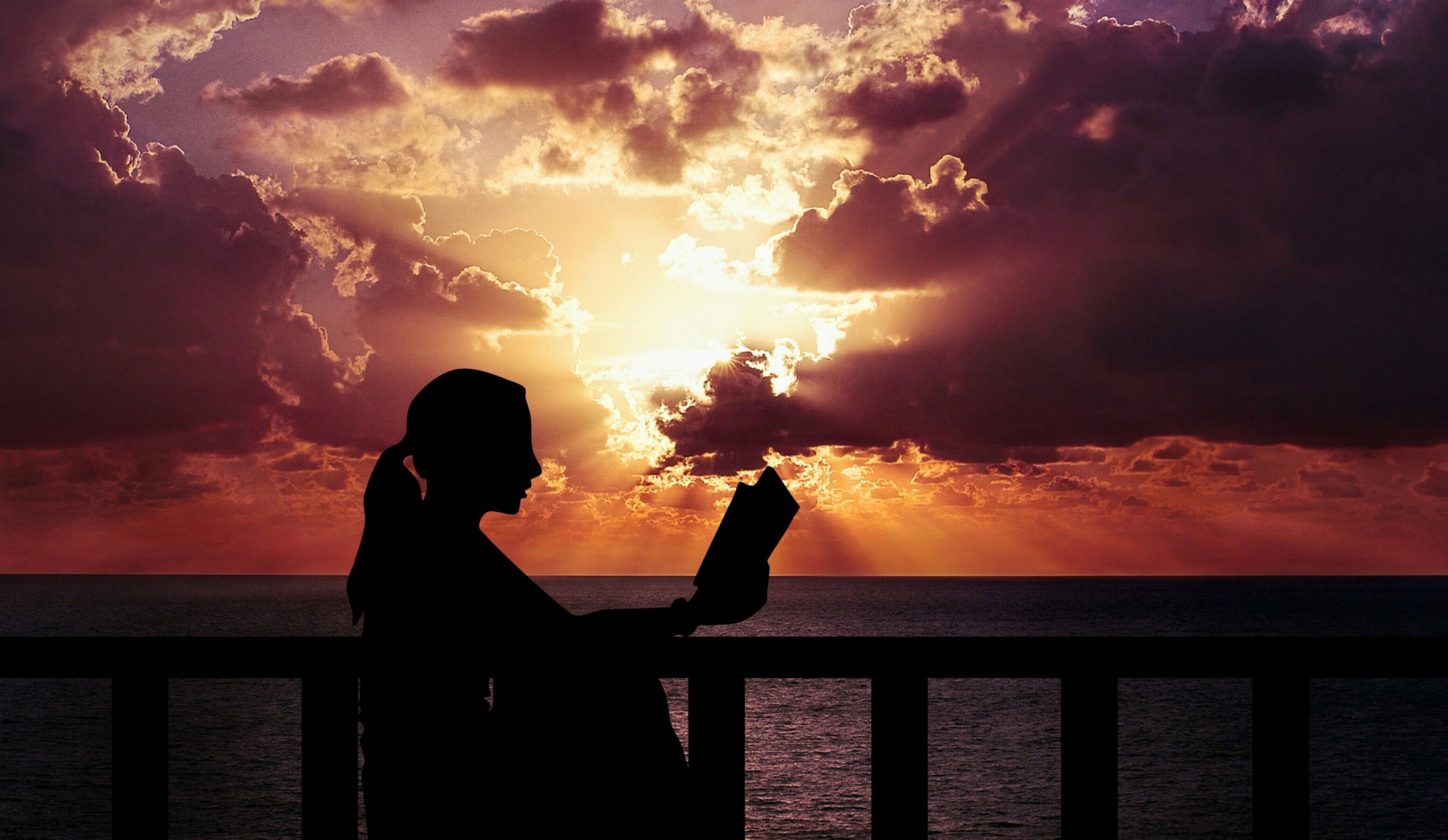
Woman with a ponytail of indeterminate race (silhouetted) reading a book by the ocean on a pier. Sun shines through clouds at sunset or sunrise.
Image c/o Mohamed Mahmoud Hassan

Rukshona Rasulova celebrates her deceased grandmother’s long and loving life as Murrodillayeva Mohinur contemplates her mother’s steady love. Maknuna Oblaqulova honors her parents and their love. Iroda Abdusamiyeva mourns her deceased grandmother and celebrates her life. Orinbaeva Lalezar Azadbay reflects on losses in her life, especially her dearly departed parents. Taylor Dibbert reflects on his deep love for his departed dog.

Holy Henry Dasere laments some universal struggles of young womanhood as Graciela Noemi Villaverde highlights women’s determined struggle for equality and safety. Hilola Abdullayeva discusses ways to psychologically support people recently released from jail and prison.

A. Iwasa reviews activist and anti-fascist professor Josh Fernandez’ memoir The Hands That Crafted the Bomb as an exploration of how to take youthful brash exuberance into adulthood. Dr. Jernail S. Anand warns us about the danger of words to ignite hatred and violence, how the computer keyboard in the wrong hands can be more dangerous than a bomb.

Ahmad Al-Khatat’s poetry evokes sorrow over the loss of love and human experience as well as life in wartime. David Sapp speaks to how ordinary people react to global tragedies as Alexander Kabishev continues his grisly tales of the brutality Russians suffered during the siege of Leningrad. J.K. Durick explores new poetic ways the world could end.

Eva Petropoulou encourages the world to choose peace and tolerance as Daniel De Culla urges the world’s people to end the shameful tradition of hate. Mykyta Ryzhykh laments environmental destruction, war, and a personal heartbreak in his poetry. Pat Doyne pokes fun at Donald Trump’s style and ethics in her poem of warning.
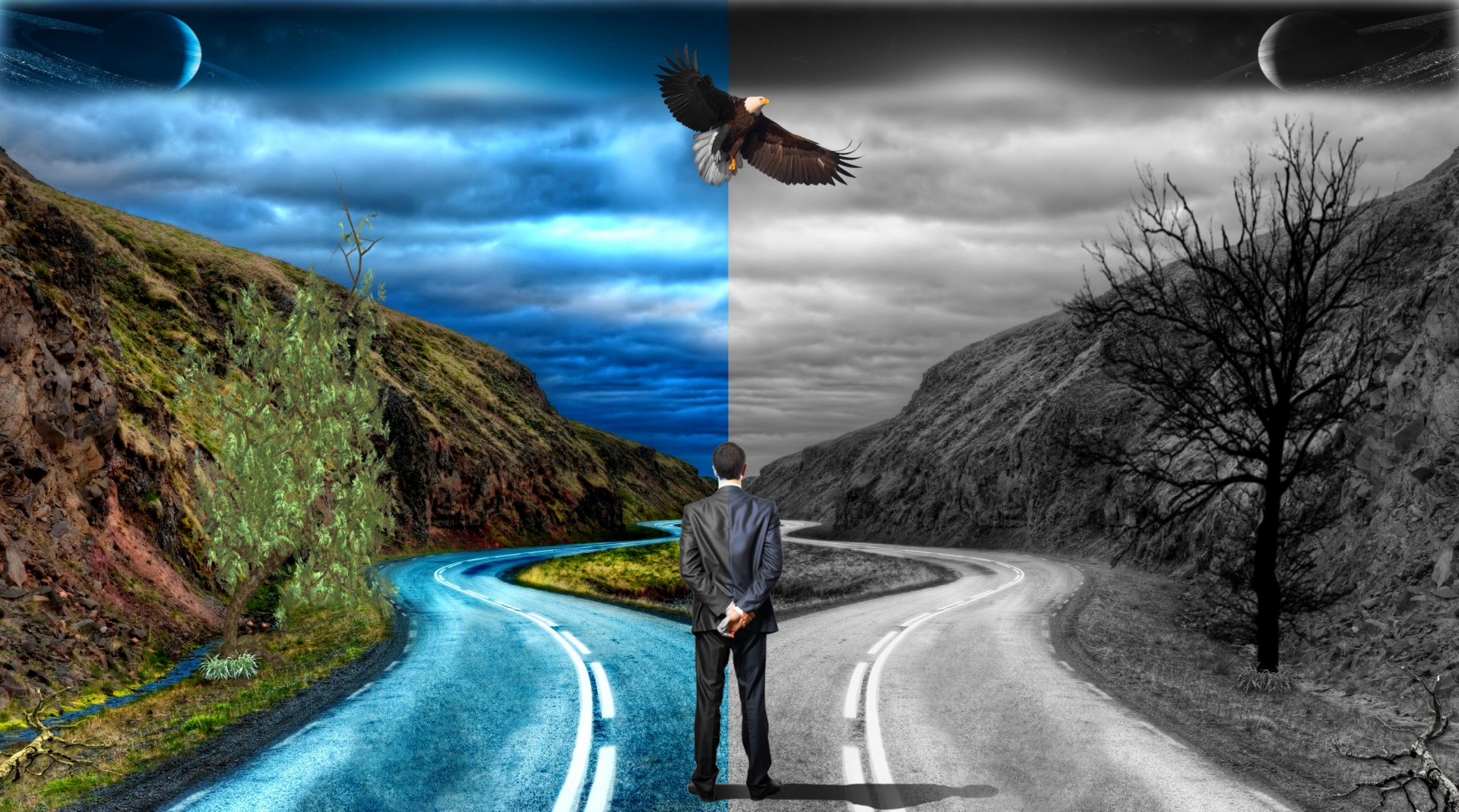
Man of indeterminate race and light skin in a business suit stands with his back to us in front of two paths on a paved road. There's a hillside and tree, leafy and green on one side and black and white and barren on the other. Moon in the top in both photos, an eagle flies above straddling the photos as the man does.
Image c/o Digital Media

Jacques Fleury urges us to get beyond our fear and welcome the “other,” those unlike us. Bill Tope’s poems highlight the pain children went through before we understood learning disabilities and neurodiversity.

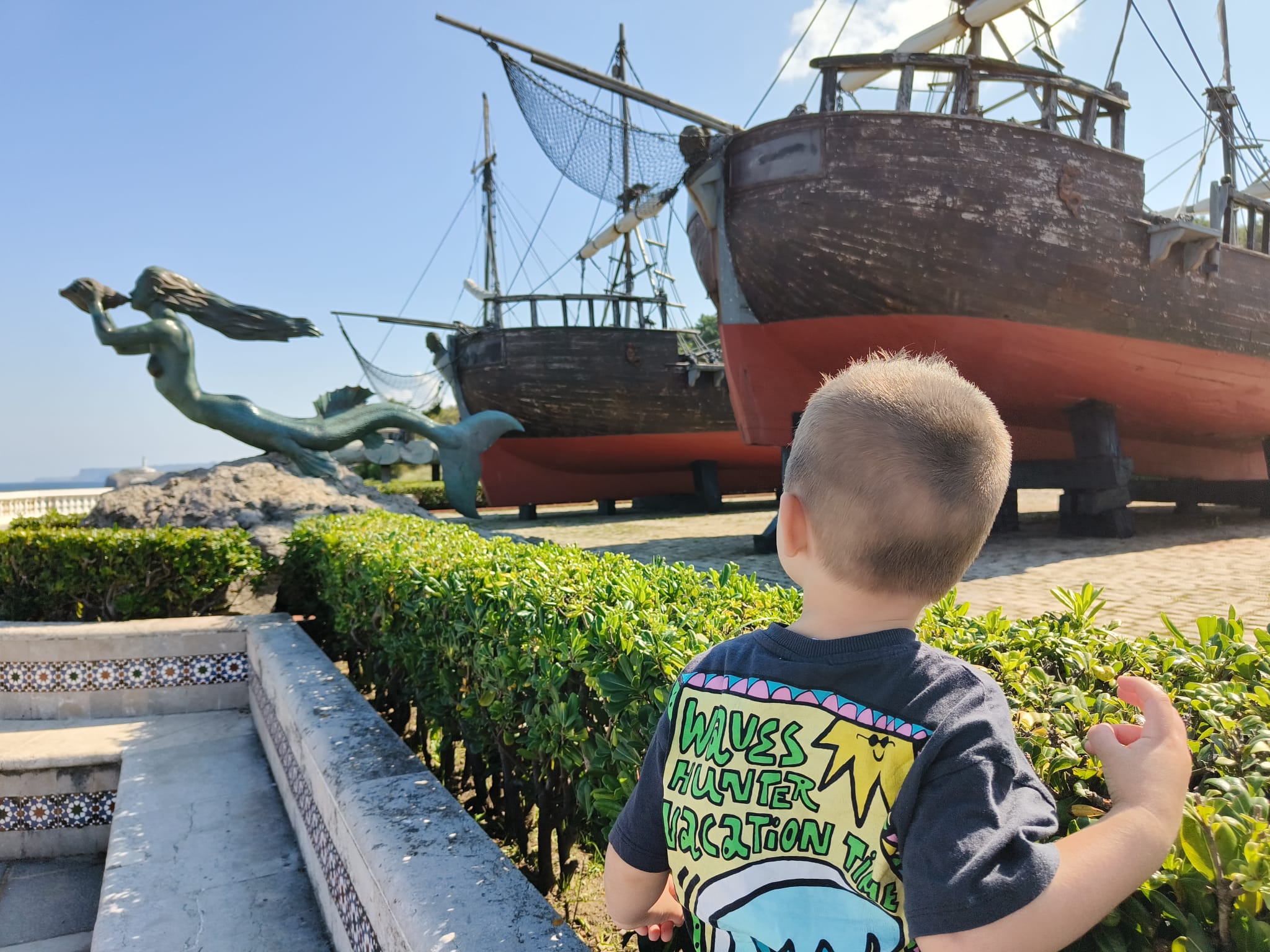
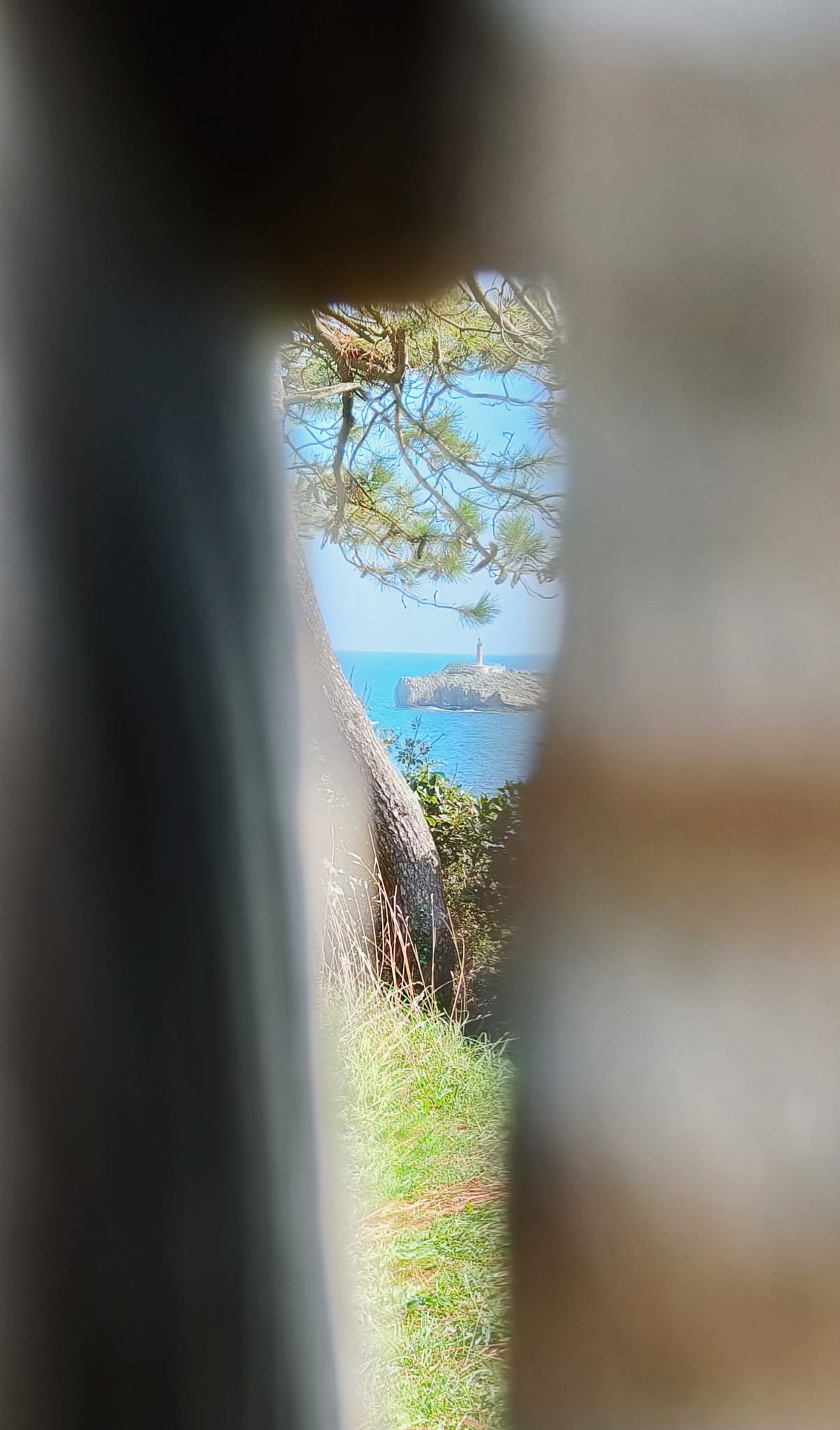
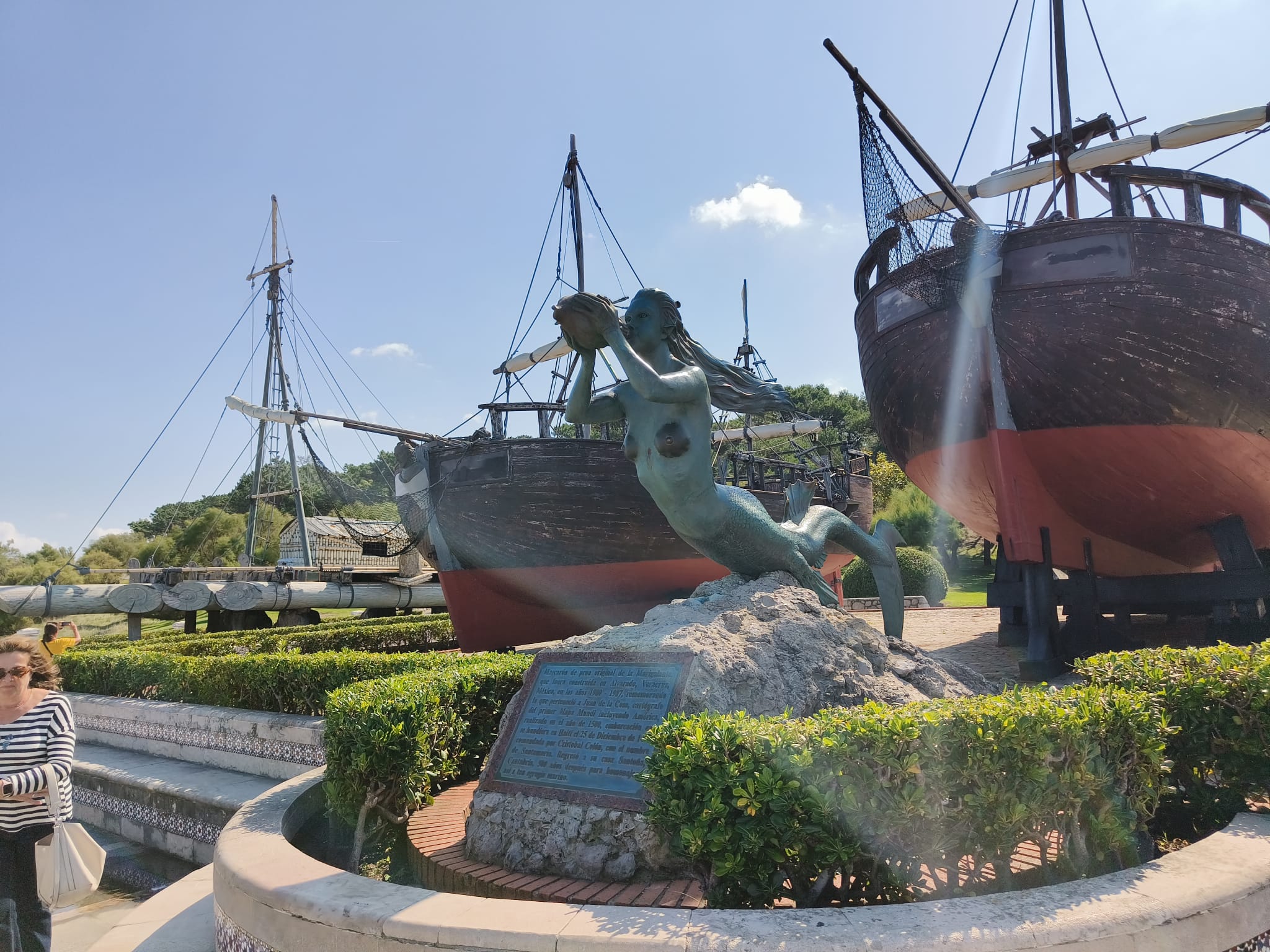
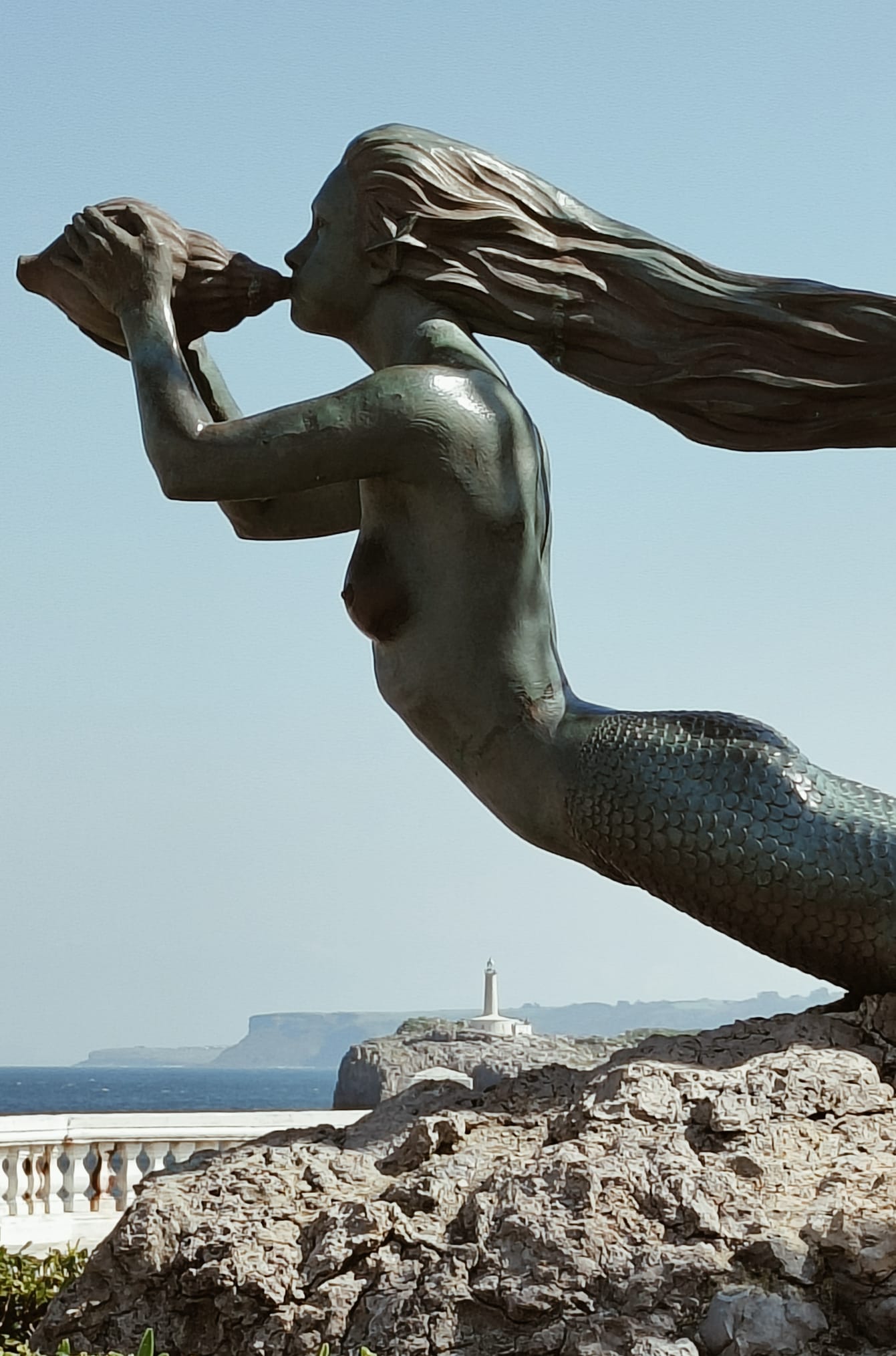
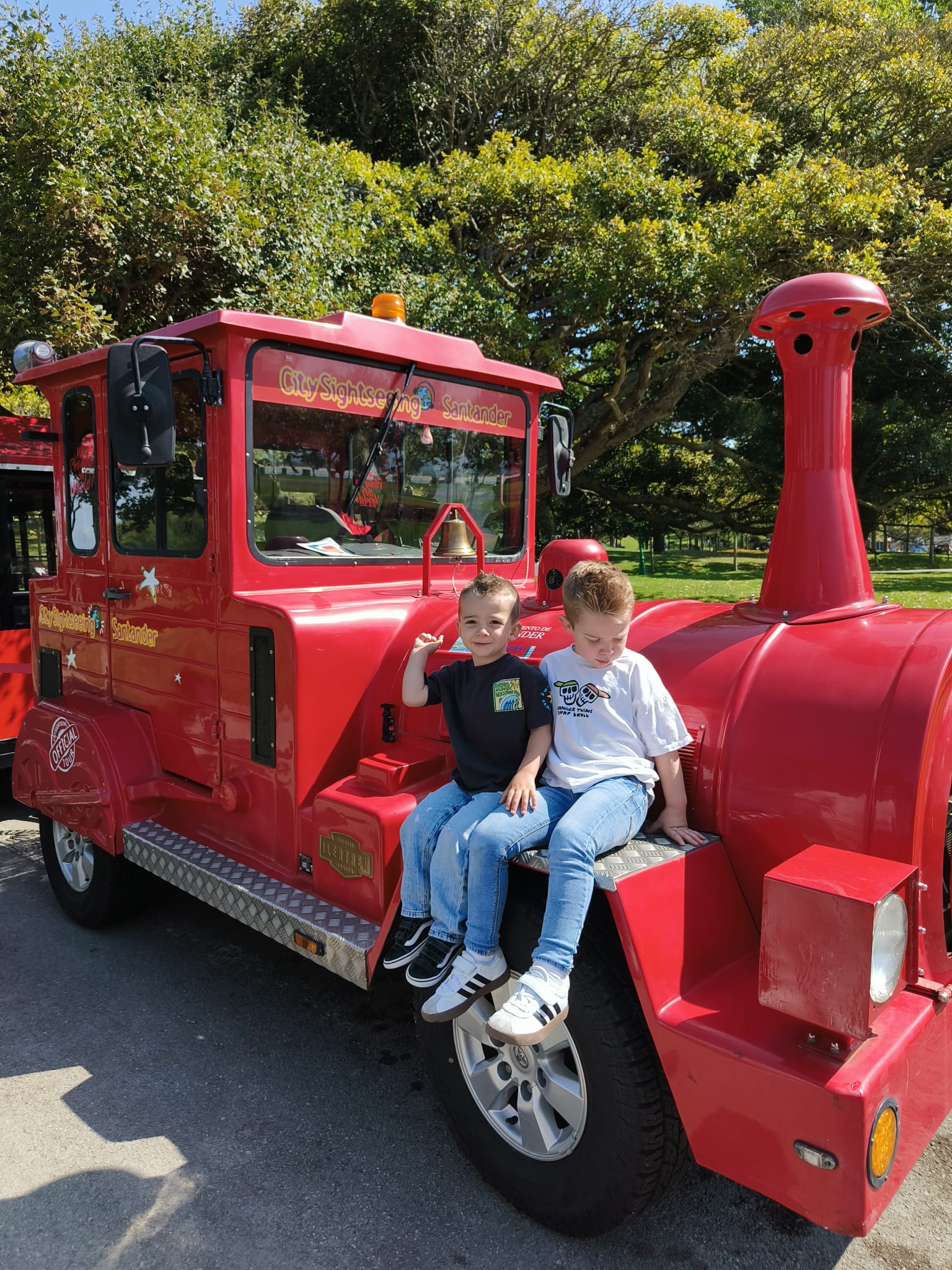
Childhood is a time of adventure and wonderment. Isabel Gomez de Diego’s photos show a small child experiencing new spaces: a ship preserved on land with a carved mermaid on the prow, a park train with a red caboose.

As we grow, we try new things, sometimes get disappointed, learn, and move forward. Panijeva Dilnavo Shukurvna celebrates the youth of Central Asia and expresses her wish for her generation to thrive and triumph. Rukhshona Rasulova urges brave and dedicated work towards our goals. Orzigul Sherova highlights the importance of motivation in reaching one’s goals. Alex Stolis’ poems draw on addiction as a motif and speak to waiting, hoping, and being stuck.

Dilbar Koldoshova Nuraliyevna’s poetic speaker reflects on how her heart and intentions were pure, even if her goals did not work out.

Maja Milojkovic encourages us at any age to embrace blessings in our lives, with the understanding that they are temporary.

We hope that this issue will be thought-provoking and a blessing in your life.
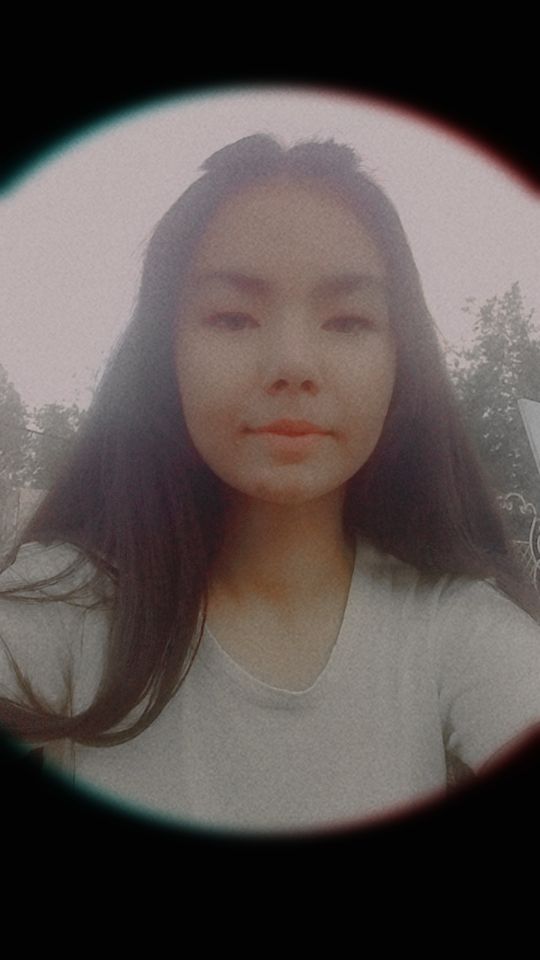
Poetry from Ilhomova Mohichehra

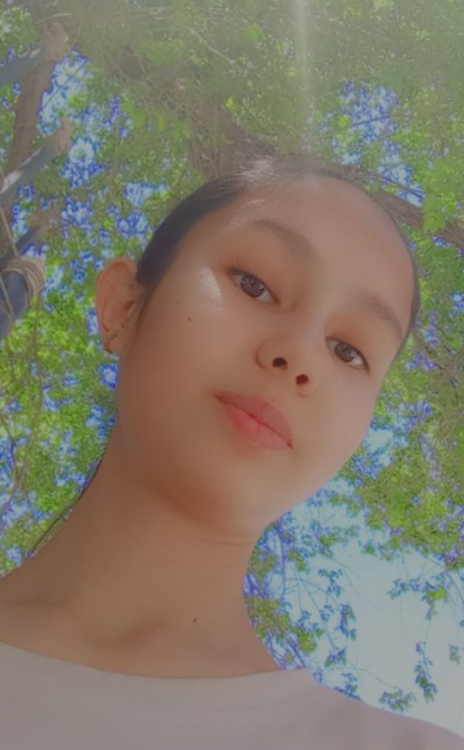
Young Central Asian teen girl with short dark hair parted in the middle, brown eyes, and a white tee shirt, seen through a circular view.

Zarafshon

My umbilical cord is spilled,

You are welcome, Zarafshan.

Located in Navoi,

You are from Zarafshan.

You are rich in gold,

Take care of yourself.

You are the best in the city.

My perspective is Zarafshan

Forget your history

Think about the future.

Your descendants,

Create as a poet.

Your sons are brave, brave,

Your daughters are Zulfia.

Violet on your shores,

A bird in your deserts.

Ilhomova Mohichehra is a student of the 8th grade of the 9th general secondary school of Zarafshan city, Navoi region.

Poetry from Mykyta Ryzhykh

Pain is a cloud cut by a blade

My throat is learning to choke again

No one will be able to love you the same way before

No one can die like you did

I give you castles in the air

I give you sand castles

I’m drowning in the rising tide

I’m drowning in time and death

Pain is a cloud shot in/from minutes

The sand covers the past and 

I am drowning in the depths of the sands

***

Mom taught the soldier to read

Mom taught the soldier how to dress

The soldier did not teach his mother to cry

The soldier did not teach his mother to wait

You can’t be born mothers

You can die mothers

Corpses dig trenches for themselves

Corpses are dug out from trenches

***

The tree is dead

Nobody organized a funeral

No one came to say goodbye to the deceased

No one has made a coffin out of human skin

The tree was killed in an unequal battle with a chainsaw

The tree was killed by depriving the executioner of excess oxygen

Trees are so humble that they will endure anything

Trees are so proud that they even die in silence

***

Crystal air

Crystal man

Crystal leaves under crystal feet

Mines

***

1

snowflake cures snowflake

time does not stand still 

and the snow molds jugs of touches

2

the bird drinks the morning silence

spring grass is washed with morning dew

the cemetery in the morning is unchanged

3

Inevitable night plays snowballs

another moment and the eyelids will drop

forever

***

аliens are looking 

for the last flower 

in the history of planet 

***

the grass falls asleep

autumn rain drinks 

the growing silence

***

the leaves under my feet 

taught my bones to crunch 

again

***

birds seek sound 

and proud friendship 

in feathered dandelions

***

nobody knows 

who’s hiding under 

the killing snow

***

Feet are washed with water and eyes are dried

The desert of the gaze envelops with heat

Look at me and tell me that no one will die

The glass fades and the mosaic breaks into pieces

Bread crumbs gradually become smaller

Birds quietly peck bread or eyes

The world stands still waiting for the future

A storm of inaction envelops the tree

The tree does not resist but dies

How many crosses can a tree give birth to?

How many crosses can a cleaver make?

The grains of time keep their own count

***

You are silent

I drink the silence

You are a bird

I am a torn feather

You give me joy

I’m not happy about anyone or anything

You kiss me with your lips of sunny pearls

I’m still dying slowly

***

Someone is counting the number of stars in the sky

Nobody knows how many suns died in a sore chest

We all smoke the air of freedom and we all die

But what will the homeless angels think of us?

***

the sky under my feet turned into puddles

a little boy with a strange name comes to me every night

he asks to copy an icon from him

and I can draw little things in my dreams

the painted sky under my feet dissolves with the sound of the alarm clock

***

the garage stinks of gasoline

the radio in the kitchen is annoying during dinner

and the younger brother shudders at the sight of the leather belt as before

even after our father’s death

***

ran away from math class

autumn started a lesson with origami

but 

sorry I’m too lazy

sorry I’m too sad

for this lesson

silence flows through the veins of the air

the cuts on my hands are almost healed

the rope loop on the chandelier still hangs in my room

I still doubt that everything will go according to plan

I’ll probably skip English lesson tomorrow

I have important things to do in my room

***

lips crack without waiting for a kiss

the snow sculpting the touching 

at the bus stop

***
bones entwined
with flowers
wash the coffin
with their
whiteness
like its a dirty box
with a surprise

***
a black cat falls from the roof
into the night mouth of silence

***
sort through cards with the names of the dead
do not sort through cards with the names of the dead
the death assistant has a lot of busyness

***
white people with a clear (empty?) conscience enter my house
black birds on the windowsill knock on the iron night of death
white people beat
fear out of their heads
black birds sew up their eyes
with despair

***
the rubber hunger of poverty
blood flows like a spring
glossy eye drinks
sugar stream does not quench your thirst

***
Syncopation caught the top of the mountains, so air screamed and drowned in the river.
Surprisingly, the fiery heart descended from the sky and also sank in the water. We have
been living without the sun for a month.
What else does the river water carry away in memory and wash away on the eve of the end
of the world?

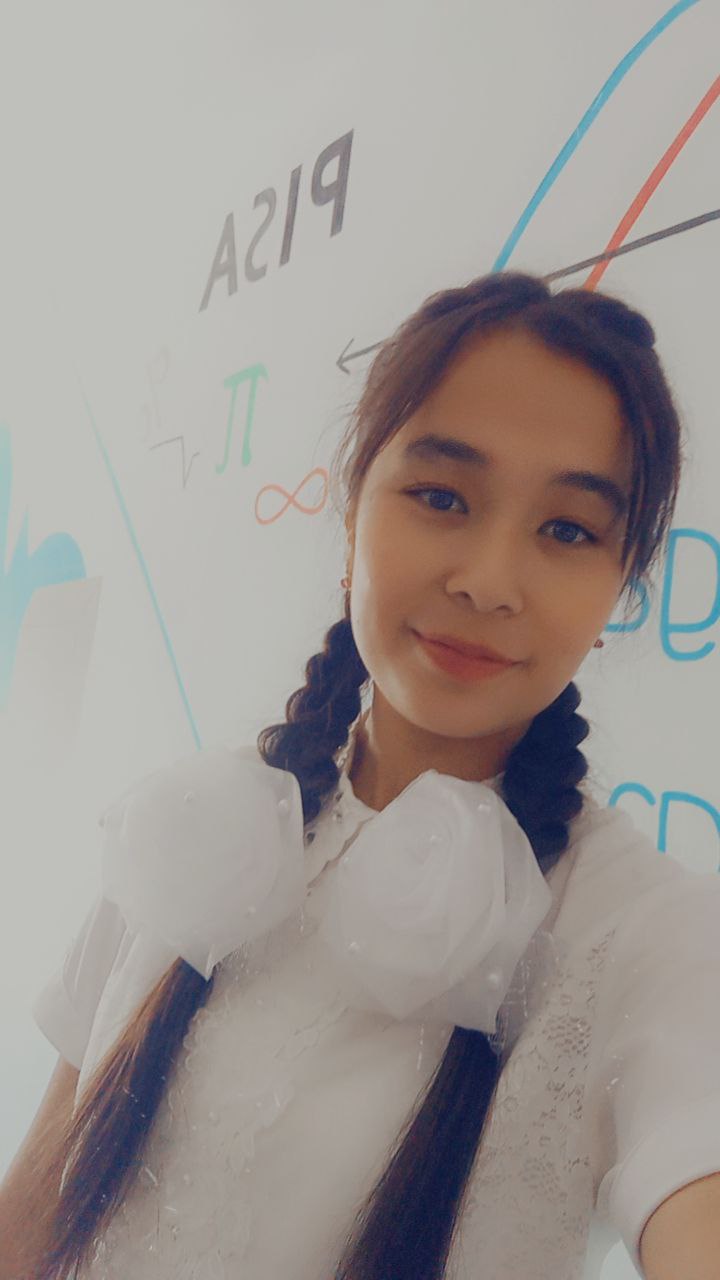
Poetry from Murodillayeva Mohinur

Central Asian teen girl with dark hair in braids and brown eyes and a white frilly blouse.

Mother…

My treacherous friends set a trap,

I did not expect loyalty from anyone.

I have been looking for you for a long time, my faithful man,

I am amazed at your patience today.

I’m a fool who painted whites on your hair,

Tell me if I’m worth it, mother.

I cry that the world is a lie

I’m sorry, I can’t look you in the eyes.

Ranjima from Mohinur,

Now I know how much you appreciate me.

Mom, I’m amazed at your patience today.

I see the world again

Murodillayeva Mohinur, a 10th-grade student of the 44th general secondary school of Guzor district, Kashkadarya region.

Poetry from Mahbub Alam

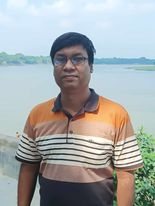
Middle aged South Asian man with reading glasses, short dark hair, and an orange and green and white collared shirt. He's standing in front of a lake with bushes and grass in the background.
Mahbub Alam

A Migratory Bird

Man flies like birds

Man soars higher and higher

Man with his spirit raises more than we count

The light of the stars twinkling in the sky

Birds have their wing power

Man with intelligence overcomes all

I fly to thee, my loving star

A relation with the moon and the ocean

Always playing a charm of tide and ebb

In this salty flow of tide overflows a new life

Spread the glow on the face

The eyes like the rosy petals

Touches both of the hearts.

Chapainawabganj,  Bangladesh

30 September, 2024

Md. Mahbubul Alam is from Bangladesh. His writer name is Mahbub John in Bangladesh. He is a Senior Teacher (English) of Harimohan Government High School, Chapainawabganj, Bangladesh. Chapainawabganj is a district town of Bangladesh. He is an MA in English Literature from Rajshahi College under National University. He has published three books of poems in Bangla. He writes mainly poems but other branches of literature such as prose, article, essay etc. also have been published in national and local newspapers, magazines, little magazines. He has achieved three times the Best Teacher Certificate and Crest in National Education Week in the District Wise Competition in Chapainawabganj District. He has gained many literary awards from home and abroad. His English writings have been published in Synchronized Chaos for seven years.

Essay from Dilnura Qurolova

Teen Central Asian girl with her hair up in a bun behind her head. There's a leafy tree behind her on a sunny day.
Ecology and me

What do we mean by ecology? Ecology is a complex of biological sciences that studies the structure of systems, populations, biocenoses, biogeocenoses, that is, the structure of the ecosystem and the biosphere, the processes that take place in them. The term ecology was coined in 1866 by the German scientist E. Haeckel It was proposed to determine the relationship with. It can lead to chaos and disturbance. As a result of disturbing the ecological balance, it has a deep and bad effect on human health. Therefore, try your best to avoid causing environmental problems and to eliminate these problems!

  What can you think of as environmental problems?

One of the main problems is air pollution and global warming. Due to the humidification of the air, the ozone layer is collapsing. The origin of this problem is the harmful gases emitted by enterprises and cars. If we talk about the problem of global warming, as a result of this, glaciers are melting and animals living on these glaciers are dying. Especially polar bears. Due to this, it is necessary to reduce and eliminate the occurrence of such problems.


Kurolova Dilnura Shokirjon's daughter was born on October 15, 2009 in Gurlan district of Khorezm region. She is currently a student of the 8th grade of the 30th school. To date, she has achieved many achievements.