
Fading memories

I could remember
When you left
At noon, it was outside, at the portico
My eyes soaked, rivulets streaming
I held your hand, the same hand
You used to rub my head and I lock
My hands in yours-soft
But at that moment, as I held you
Perhaps with the weight of pain on me
It felt rough as a sandpaper, why?
Now I see you were tired,
Tired of the ride with me
Each time I reach inside my head
In search of a moment’s memory of you
I see you disappearing/fading away
From my heart like smoke.
But still I wait outside on this same
Spot/waiting for you as a prodigal son
It’s been two years now
& at every knock and sight of
Shadow at night, I scurry down
Thinking it’s you.
Still waiting
Come to me, say you've stayed away
For long
Let’s make memories again
There’s still a lot unmarked
On our bucket list.
Category Archives: CHAOS
Poetry from J.J. Campbell
the rules of any society

scribbling poems
in the rain

like this poor soul
that doesn't play
by the rules of
any society

flicked cigarette butts,
empty bags of fast
food trash, and a cruel
car of teenagers and
the asshole dare of
tossing piss

he has seen it all

nothing dares to ever
come close to surprising
him anymore

school shooting

celebrity death

war in a foreign land

he knows what it
really is

thursday
--------------------------------------------------------------------------------
not made of sugar

old bones
screaming
in the rain

caught out
in the elements
without a jacket
or umbrella

you remember
your father
telling you
you're not
made of
sugar

you won't
fucking melt

as you got older,
you realized he
was full of shit

thankfully, that
fucker is in the
ground

it won't be long
now, you will
be as well

at least parts
of you

i figure most
of the body
will be burned
to destroy
the evidence
---------------------------------------------------------------------------
like failure is not the only option

laughing at my perv switch
as i watch a black woman
walk back into the offices
to go clean them

should i strike up a
conversation and see
what happens or should
i see if she just wants
cash instead

somewhere my mother
is reading this and knows
she has failed

like failure is not the only
option available to us all

she just caught me staring
at her

that wasn't the finger
i was hoping for
----------------------------------------------------------------------------
my answer to john fogerty

yes, i have seen
the fucking rain

it hasn't stopped
around here for
nearly five days

before too long,
i'm expecting cats
and dogs to start
falling from the
sky

and between the
drops i'm expected
to shop among
the masses

like hell

the less i am
around people
the better i feel

and i know,
i sound like
the bitter old
fuck that secretly
wants it both ways

so be it
--------------------------------------------------------------------------
for days on end

dark brown skin
and enough curves
to keep your imagination
buzzing for days on end

there's a certain way
the hips shake that you
know that a challenge
is ahead of you

but a certain body part
is more than willing to
not only accept that
challenge

but conquer that
mountain and plant
a damn flag on it
J.J. Campbell (1976 – ?) is currently serving time in suburbia, taking care of his disabled mother. He has been widely published over the years, most recently at The Beatnik Cowboy, Horror Sleaze Trash, Misfit Magazine, Mad Swirl and Terror House Magazine. You can find him most days on his mildly entertaining blog, evil delights. (https://evildelights.blogspot.com)
Poetry from Stephen Crowe
The Salton Sea


It’s said the Salton Sea is a drainage pond for the vast Imperial Valley-

Breadbasket of the nation

And just when I think I’ve seen it all…

an old man in a tomato red tuxedo water skis passed a flock of pelicans.

I go for a walk

The water is receding from the beach like a shy girl in a disco tech. The lake will be dead in another 50 years

White sand beaches are littered with the bodies of dead green fish. They remind me of dollar bills scattered in the snow

Sea gulls pick at the bleached bones of a cat


The hotels are empty and the palm trees have died eons ago.


I thought I saw the skeleton of a dinosaur in the trash heap behind the Howard Johnson’s.

Someone’s opened a fire hydrant and it’s pissing precious water down the road.

The ancient body of a Winnebago sits in the lot across from a deli its tires are flat and someone’s spray painted “Earth First!” in blue paint across the back of the motor home. I think it was used in a movie once.


Not far is a tavern

Two bills get you a glass of cheap bourbon

Not far is a peer


A pile of bacon grease lies on the walk to the water the fat’s coated with blowflies

Watch your step.

My dogs investigate the dumpsters behind the Chinese restaurant.


Somewhere out here there’s supposed to be a wildlife refuge.

Captain Caveman just rode by on a Schwinn bicycle--


The sun falls behind the atomic mts.

Good luck, good-bye


from the Salton Sea
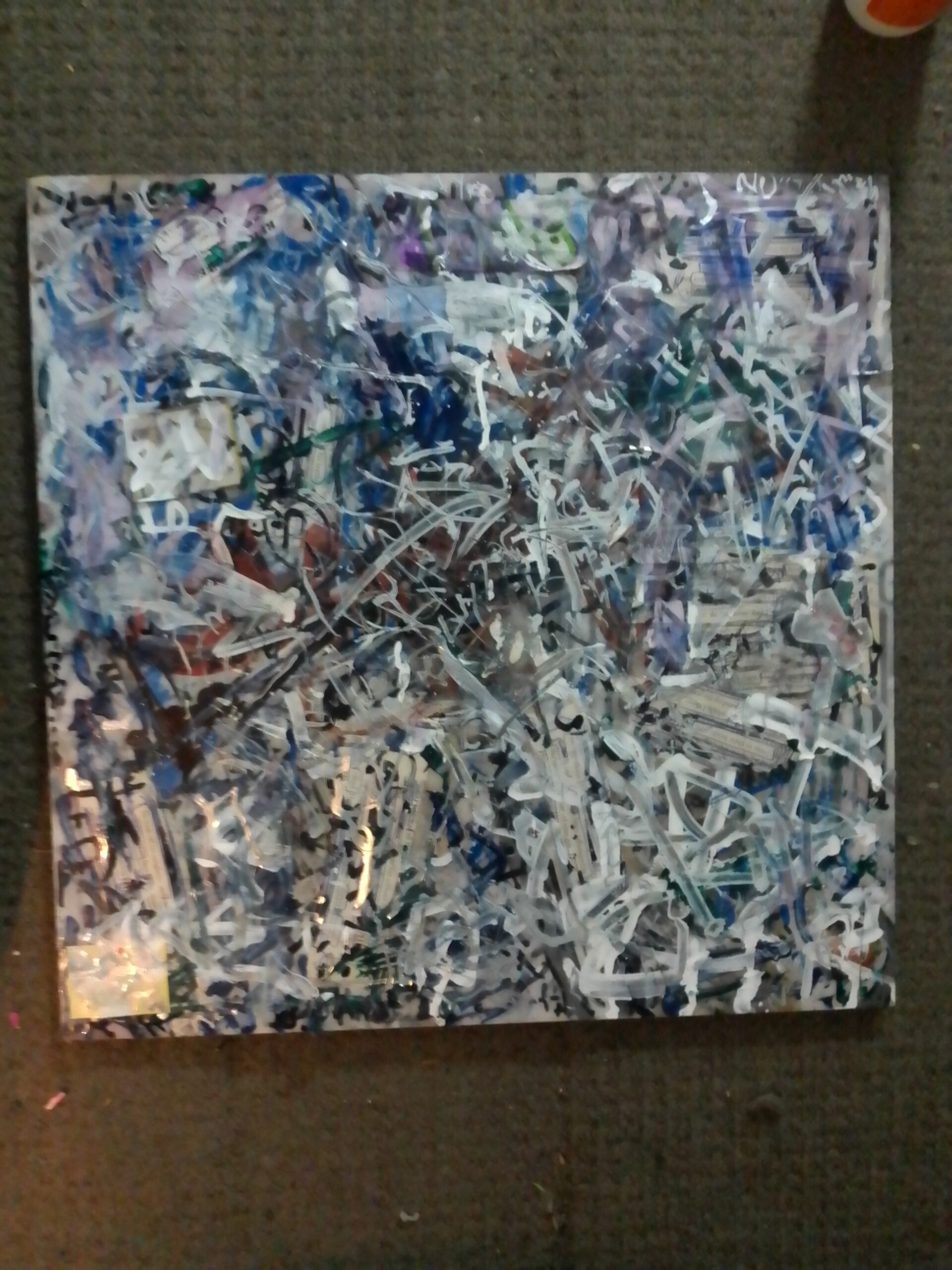
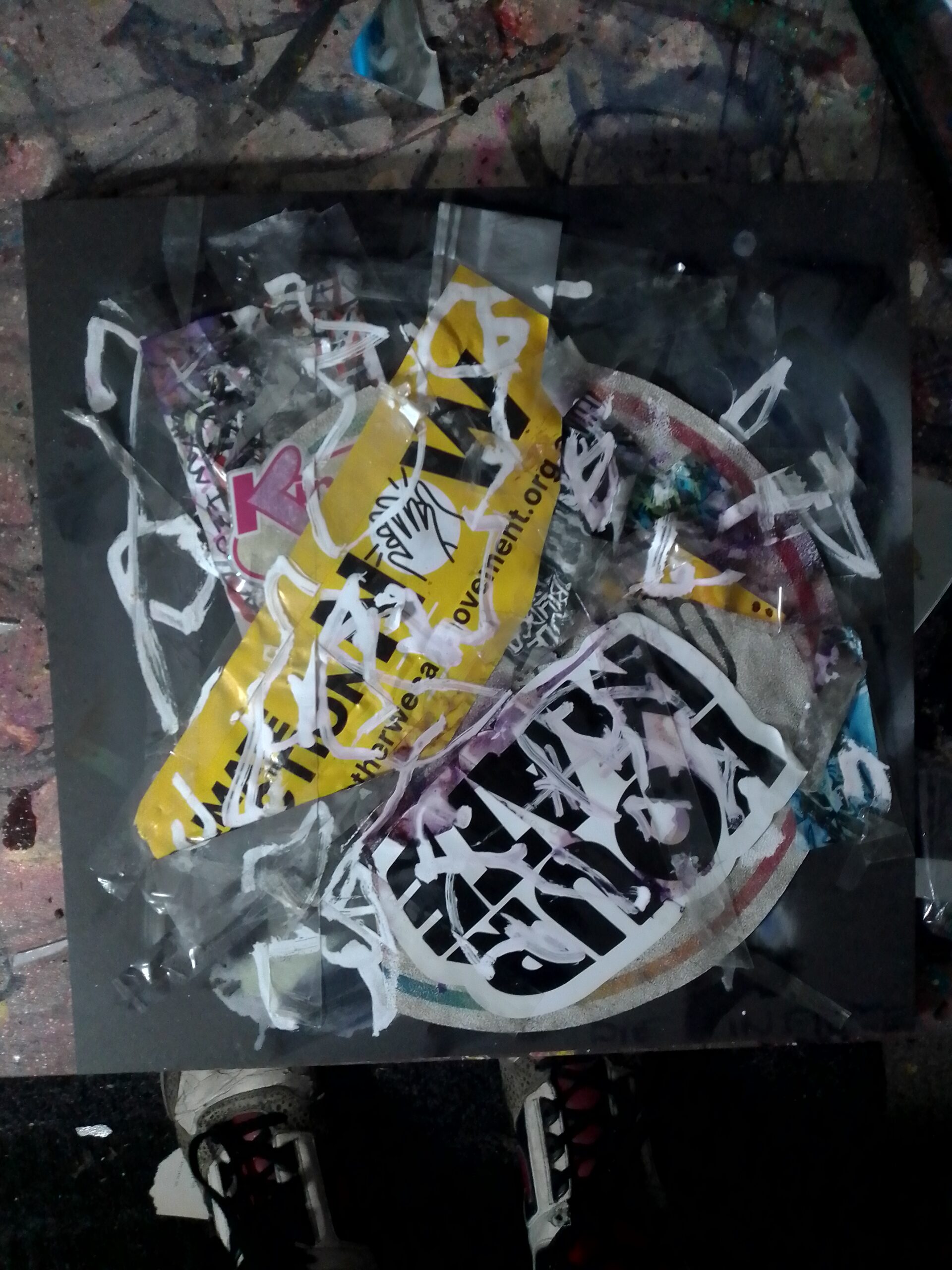
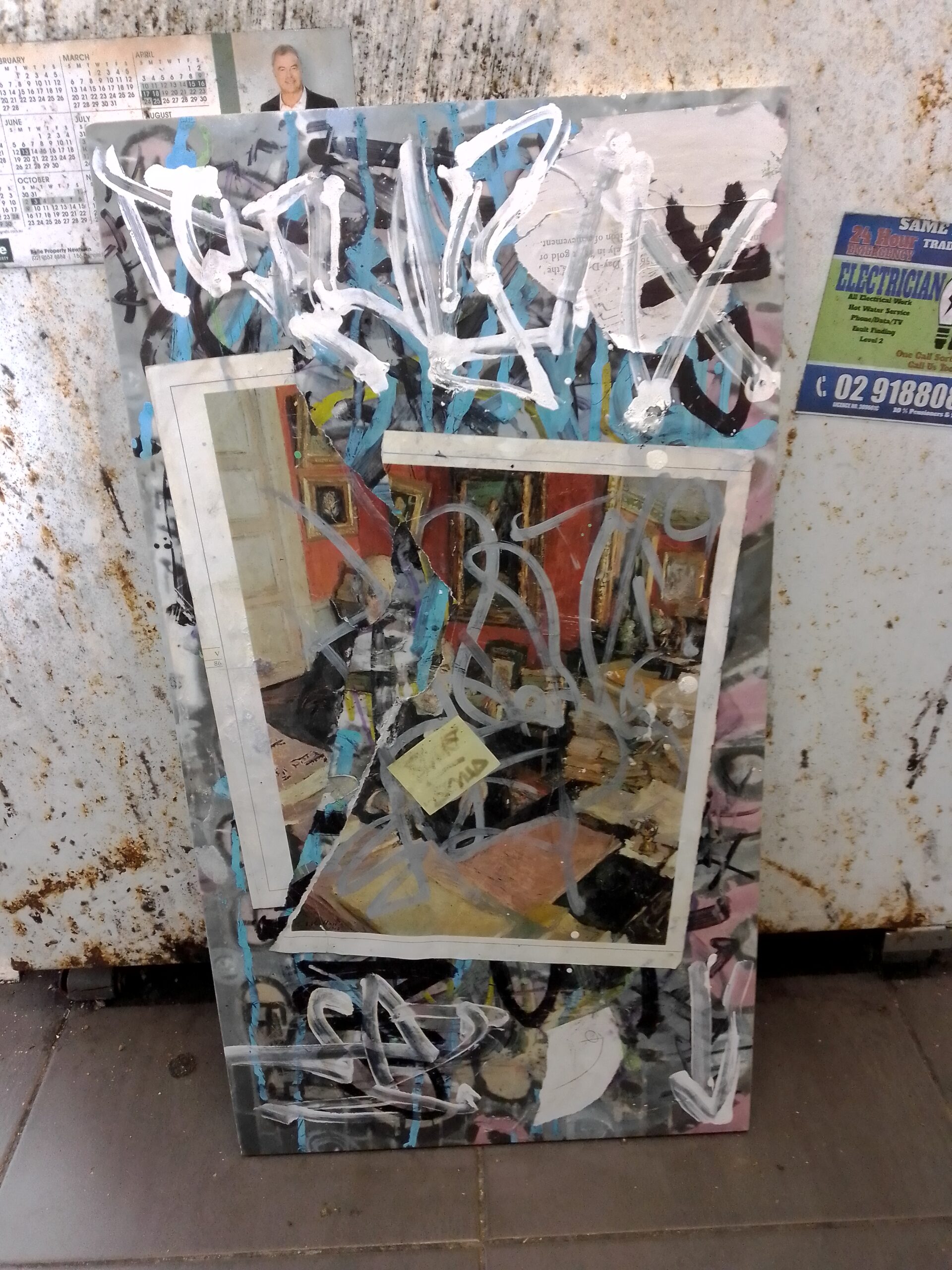
Photos from Texas Fontanella
Poetry from Fatihah Quadri
Playground

Back then, we use to see a woman at the window,
Who made sounds with her mouth to arouse our laughter;
Our milk teeth cracking their surfaces like tiles on metals.
Then we would jump closer again and again, a-thirsting another sound.
We back-walked, and laughed at the window woman.

You would say to me “Run, run!, she is sounding again”
You and I laughed, legged footprints on the sand;
Like old copies of a testament that unfreezes memories;
Of fragile days, of clay-soaked Kanjami, of toy catapults, of the dark!


At dinner time, Flashes of the window woman mirrors in our cornflakes plates.
Longing stumbles through the threshold of our hearts like a flapping toucan.
We swam in a pool of imagination that everything began to wear her sound,
But we relocated.

Today, we miss the playground,
The window woman who breaded us with sounds that still echoes.
We held each other, ran to the playground,
Up the valley, we looked up to the window.
But sadly, nothing sounded.
Fatihah Quadri is a poet, creative writer, and a literary critic. She is a member of HCAF (Hilltop creative arts foundation), Nibstears poetry cave, B.G.T( Black girl’s tales) and a member of Al faheedah press, University of ibadan. Fatihah is a Nigerian.
Synchronized Chaos June 2022: Growing and Becoming
Welcome to June’s issue of Synchronized Chaos Magazine!
A recent book from civil rights activist Valarie Kaur, See No Stranger: A Memoir and Manifesto of Revolutionary Love, encourages people to develop understanding and respect for people different from themselves through a process of she describes as “breathe and push.”
This involves continually challenging yourself to grow and become a wiser and more caring person and then “breathing” by reflecting and resting to replenish your energy.
As she says “What if this is not the darkness of the tomb, but the darkness of the womb?”
This month’s issue deals with characters and places who are “breathing” and “pushing,” growing and becoming. They are caring for children and pets, gaining understanding of the world and becoming more fully themselves, grappling with mythos and legacy, exploring imagination and consciousness, mourning tragedies and resolving to move forward with hope.
Harlan Yarbrough’s young couple and their child navigate an asteroid-caused disaster in a story that seems an allegory of parenthood in a turbulent world. Raising a small child can resemble an isolated, survivalist-type experience in some cultures, as parents retreat into the domestic sphere to focus on their child’s needs. Although the larger world continues to affect them, sometimes the small family simply waits it out until the smoke clears.
Chimezie Ihekuna also writes about parenting in an essay that acknowledges the commitment and care of parents of all genders.
Laura Stamps’ speaker raises a dog and humorously relates how she prefers him to a human companion. K.J. Hannah Greenberg’s second collection of photographed animals seem rather peaceful, contemplating life in the sunshine.
J.J. Campbell’s speaker has finally found love but battles the insecurities of middle age. Santiago Burdon writes of a mother who experiences the dreary weariness of some days of parenthood, as well as a city that has lost its luster and become harsh and angry.
Christine Tabaka writes of various sorts of endings, yet, as her other pieces suggest, these can also be catalysts for spiritual transformations into new discoveries and ways of being. Candace Meredith relates a piece from a person who has passed away, encouraging their loved ones to remember them and continue to live.
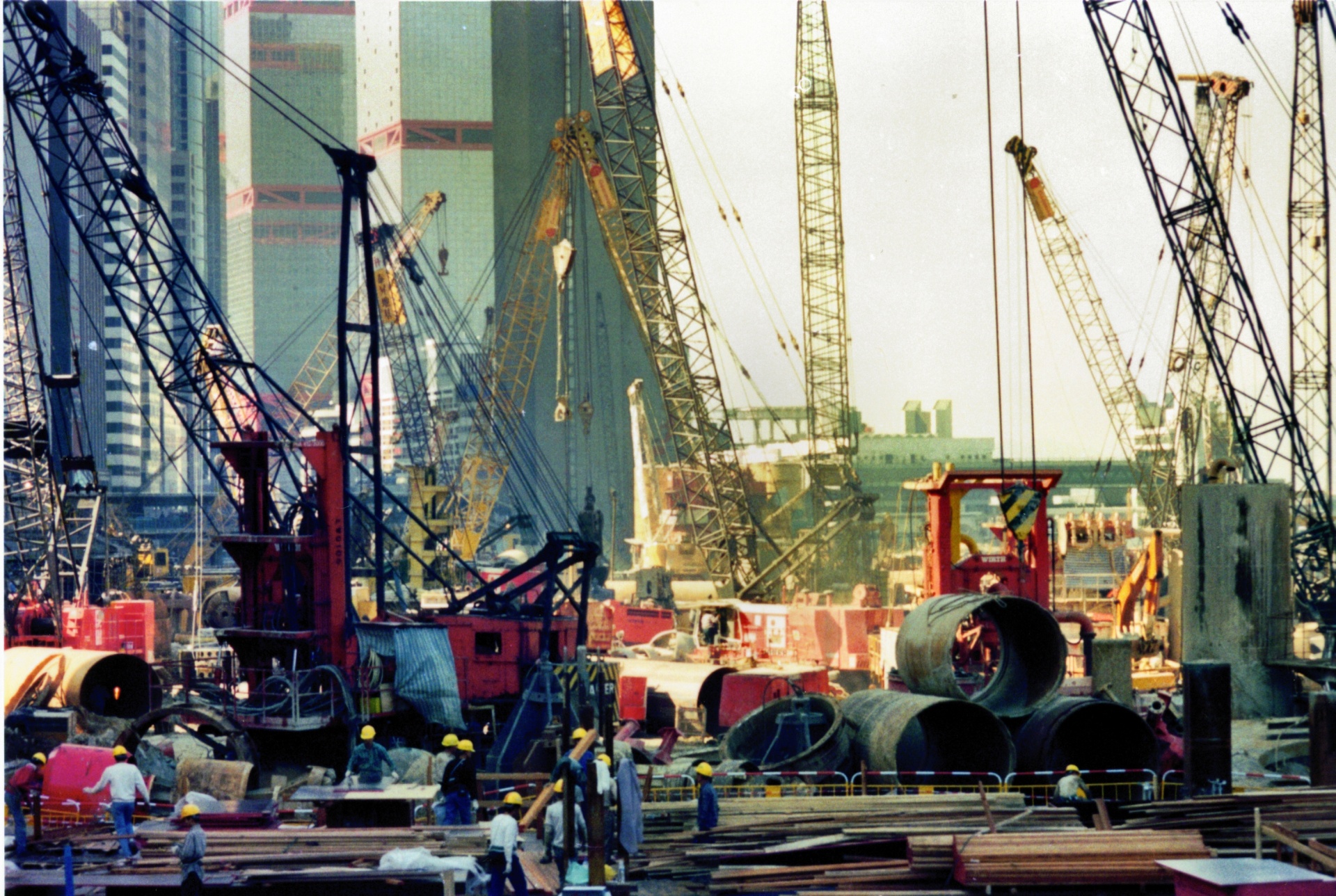
Film critic Jaylan Salah interviews Egyptian filmmaker Ahmad Abdalla, whose work focuses on people and cities in the complex state of growing and becoming who they are. Poet Mary Mackey interviews poet D. Nurkse, who discusses his sources of inspiration for his new book A Country of Strangers and how poetry can resist authoritarianisms of various kinds.
Sandra Rogers-Hare educates us on Juneteenth, the day when a last holdout of American enslaved people in Texas learned of their emancipation.
Ike Boat describes the grandeur of a majestic urban hotel within his native land of Ghana. Listen to more about the Asempa Hotel here.
Selene Ozturk’s essay explores the mixture of Roman Empire and American Western metaphors within the architecture of San Francisco’s Palace of Fine Arts and the idea of rugged, yet enduring grandeur.
Pascal Lockwood Villa’s futuristic story also harkens back to Old West metaphors to explore what it means to be human through a discussion between a robot sheriff and a female human convict.
John Edward Culp asserts the reality of human consciousness in his heady, yet forceful poem while Andrew Cyril MacDonald comments on our human psychologies within a digital, consumerist age.
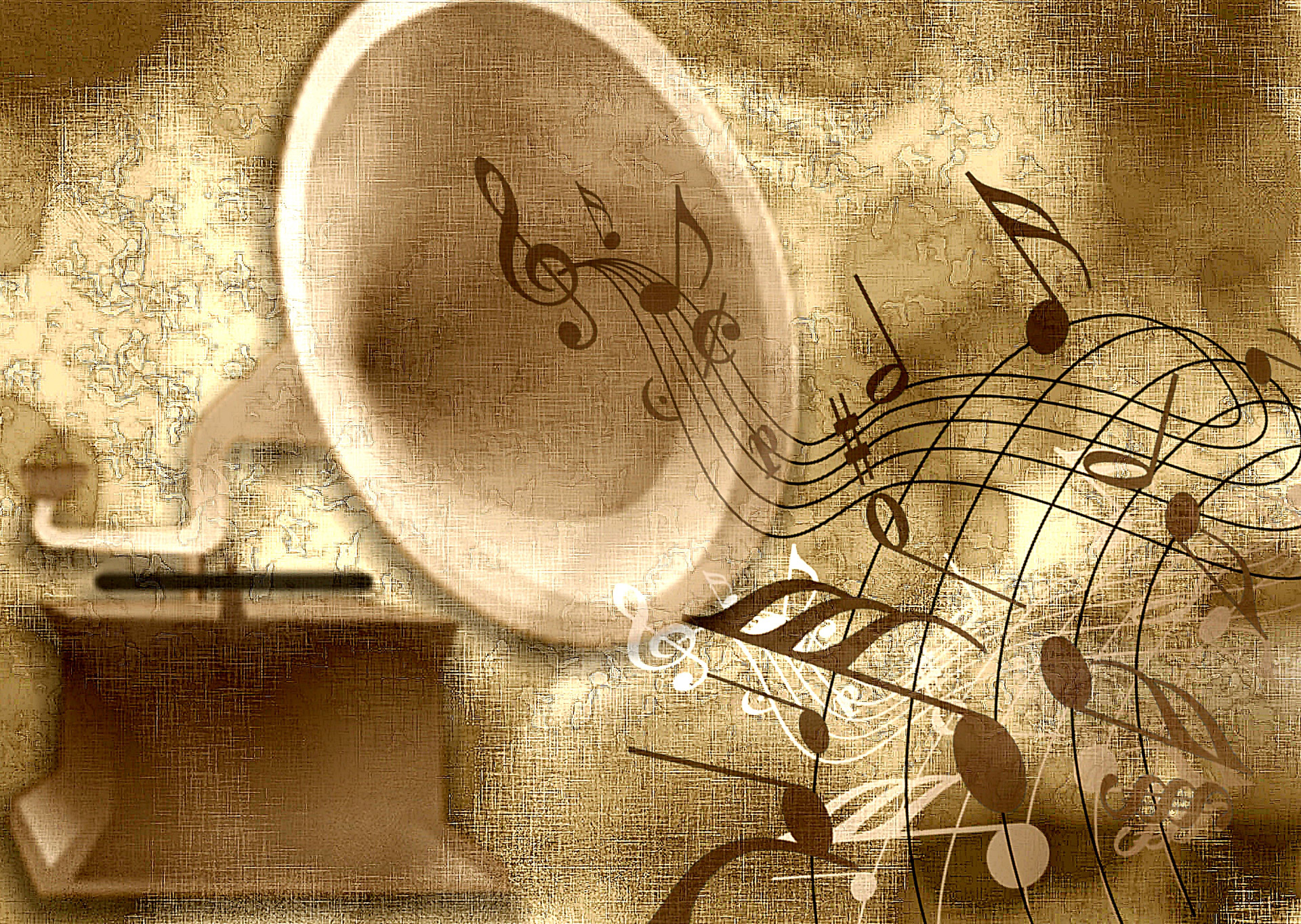
Sidnei Silva crafts words and letters from her subconscious to reflect and memorialize the music of Vangelis. In another take on music, Jack Galmitz honors a recorder player who breathes out a melody amid the wildness of nature and society. Also, Ivan Fiske writes of the song of our spirits when we breathe and re-center amidst the world’s tragedies.
Renwick Berchild’s poems show how our whole world – cathedrals, whales and other ocean creatures, birds, pottery kilns – is telling us stories, inspiring thoughts and pieces.
Mark Young wends his way through a surreal path of the imagination, navigating territory in a quest reminiscent of the work in J.D. Nelson’s subterranean word forge.
Michael Robinson’s pieces relate his journey of spiritual growth and contemplation, finding solace in Christ’s love. Sunday T. Saheed explores life, death, heritage and legacy in his lyrical poem. Steven Hill reflects on how each moment of our lives is in a way, a “loan” and should not be taken for granted.
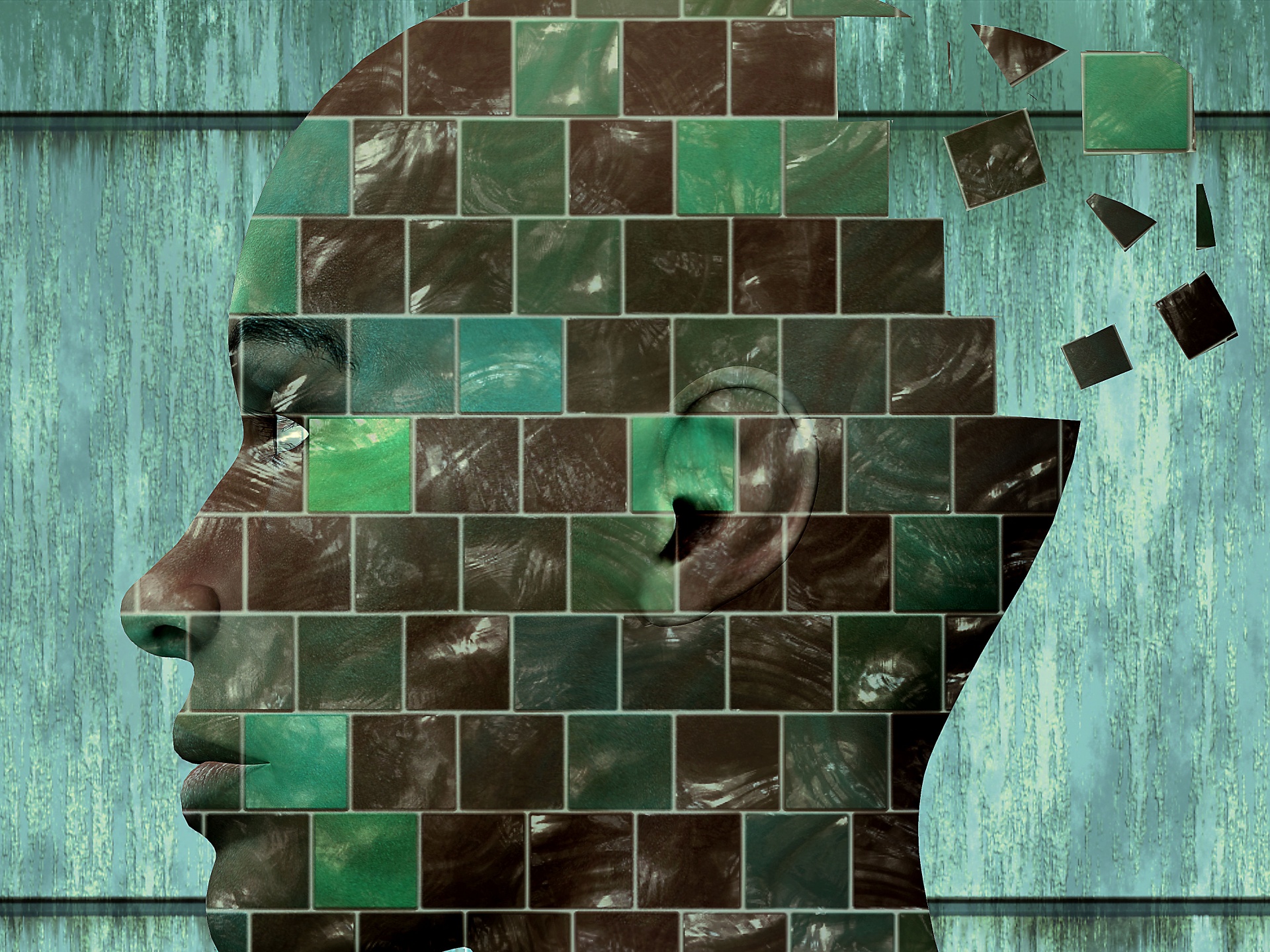
Chukwuma Eke Pacella comments on the complex inner psyches of boys and men as well as women in thoughtful meditations on gender and human equality. Anderson Moses probes our relationship with our bodies in pieces that touch on heritage and spirituality.
Mahbub writes of various kinds of afflictions and dangers our world faces, but reminds us of our potential for acts of kindness, such as his rescue from drowning in a pond as a small child.
Salim Yakkubu Akko renders the psychological dislocation of grief over a violent nation in crisis (Nigeria) in a stream of consciousness poem, while Bruce Roberts and Leticia Garcia Bradford and Sheryl Bize-Boutte and Patricia Doyne and Ann Pineles also grieve with more linear and forthright pieces over shooting deaths in another nation in crisis (the United States).
Finally, Aurora Brown’s haikus resound with a clarion call of hope.
Poetry from Jack Galmitz
A Poem For Paul Pfleuger, Jr.
For Paul

Sometimes it's like a wrecking ball
breaking the cohesions we rely on.
Lions and tigers and bears, oh dear,
in the  neighboring climes. Weight
shifting back and forth. Pauses un
expected. Loud clashes. Soft sensations
of sound the mimesis. This minute.
Here you stand steady as a sailor
in an angry sea of plastic trapping
mammals. Not a hero. Not here
to smash the tablets asunder.
But here to play the recorder.
Here to express the rebuilding
of the infrastructure and record
the tremors of the past collapse.
Carry your canoe to the river
of rocks and set it down.
The sound is memorable.