When you peel back a Type-B woman, beans that sprouted upon dust spring forth. With every sound of a rolling bean, a corner is carved out. A corner: a place seen only when you kneel and bow your head. A place where tilted heads— those nearly missed—begin to bud. Therefore, shell the beans gently, as if stroking them soft. Such is the counsel of the corner.
Scattered sincerities are gathered onto the dining table. Within the husks, hollowed by heartache, the rank regrets of things that lunged away lie in a row, once-sunken pits.
Repeating mistakes cast far off in shallow sleep, she opens her eyes to the morning sun. From the woman’s listless calves, now a layer lighter, baby mice flee in a frantic line.
“Be fruitful, multiply, and fill the earth”— a fitting night resides within each bean pod. Beans, born but a moment ago, leave their hulls one after another to simmer intimately, bubble-boil. Every bean is nurturing its own grain of a corner.
Profile
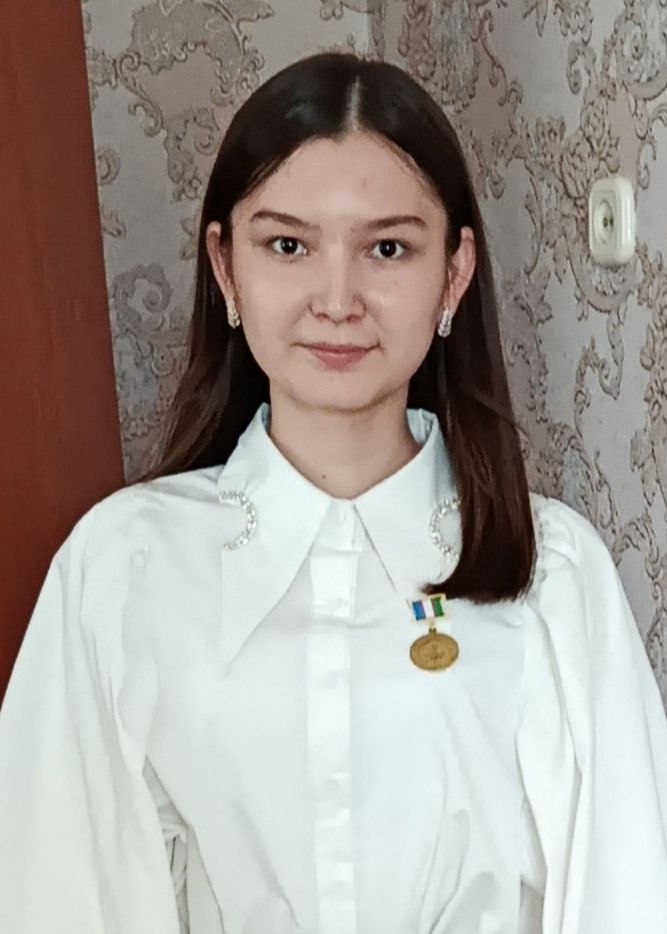
Poet Yeon Myeong-ji began her literary career in 2013 with the poetry collection 『Gashibi』, published in the Minerva Poetry Series.
Her published works include the poetry collections 『Sitting Like an Apple』 and 『Where would the House of the Sorry’ be? 』 the e-poetry collection 『Seventeen Marco Polos,』 and the travel essay 『Step by Step, Walking the Camino.』
She has received the Tolstoy Literary Award, the Homi Literary Award, the Cheongsong Gaekju Literary Award, and the Aviation Literary Award. In 2025, she was awarded the Bronze Prize in Poetry at the Literature Asia Awards.
Her poems have been translated and published in local languages in India, Pakistan, Kosovo, Italy, Egypt, the United States, and Belgium,Greece,and Iraq.
In general, the results obtained scientifically confirm that innovative approaches in native language lessons significantly increase the effectiveness of working with a dictionary. This indicates the need to combine traditional methods with innovative approaches in the modern educational process, without completely rejecting them.
CONCLUSION
In conclusion, the process of working with a dictionary in native language lessons is one of the pedagogical areas that is of decisive importance in the formation of students’ speech development, level of thinking and communicative competence. The analysis conducted during the study showed that working with a dictionary is not just a process of teaching new words, but a complex methodological system that shapes students’ attitude to the language, develops their creative and independent thinking.
Traditional approaches – that is, methods of explaining, memorizing and translating words – although useful to a certain extent, cannot fully meet the requirements of today’s education. In a modern educational environment, it is necessary to involve students as active participants, increase their interest and direct them to independent research. In this regard, innovative methods significantly increase the effectiveness of working with a dictionary.
According to the results of the study, interactive methods (cluster, brainstorming, group work), digital technologies (electronic dictionaries, multimedia tools, mobile applications) and gamification elements contribute to the rapid and stable acquisition of vocabulary by students. In particular, these approaches increase students’ interest in the lesson, forming them as active participants and independent thinkers.
Also, the research revealed that when innovative methods are used, students develop not only their vocabulary, but also their speech literacy, level of logical thinking and creative approach. This directly affects the quality of education and the effective organization of the educational process.
In general, organizing work with vocabulary in native language lessons based on modern innovative approaches is one of the important factors in increasing educational efficiency. In the future, teachers should further improve these methods and widely apply them in the educational process. This will serve to form a high level of speech culture, independent thinking and creative approach in students.
REFERENCES
Gulamov A. Methodology of teaching the native language. – Tashkent: Teacher, 2010. – pp. 145–150.
Mahmudov N. Language and speech culture. – Tashkent: Science, 2018. – pp. 98–105.
Matchonov S. Interactive methods in native language education. – Tashkent: Innovation, 2020. – pp. 67–72.
Harmer J. How to Teach English. – London: Longman, 2007. – pp. 120–130.
“Layla the Nightingale” did not walk on the ground; she floated on red carpets that stretched from Cairo to the capitals of mist and beauty. On those nights, the Grand Opera House would tremble before she even stepped on stage. The scent of luxury incense mingled with her French perfume, a fragrance crafted exclusively for her.
When she raised her hand, thousands fell silent. When she sang, that silence became sacred. The headlines read: “Layla, the Woman Who Stole the Throat of Angels.” She never imagined that this applause, which sounded like winter thunder, could ever fade. It began with a simple rasp, which doctors dismissed as exhaustion. But Layla knew something was breaking inside. The hoarseness wasn’t just in her voice; it was in her soul. A “young producer” arrived with loud, rhythmic beats, and the public’s taste began to shift.
She told her manager coldly, “The audience doesn’t betray, darling; they are just being temperamental.” But when she stood for her final grand concert, she saw empty seats in the back rows. Those seats looked like black holes waiting to swallow her history whole. Events accelerated like falling dominoes. A failed marriage to a businessman stripped her of half her fortune before he vanished. Tax cases piled up like dust on her old crowns. She was forced to sell her villa in Zamalek, then her Mercedes—the car the city streets knew by heart.
She moved to a small apartment in a crowded neighborhood, keeping her silk dresses in battered leather suitcases. She still wore bright red lipstick when she opened the door for the electricity collectors, as if she were receiving a press delegation. The turning point came at a second-rate nightclub where she was forced to sing to pay her rent. She stood under a flickering neon light. She tried to reach that high note that used to shake hearts, but what came out was a strangled, wounded cry—the sound of a dying bird. A drunkard in the hall laughed and shouted, “Give it up, lady! Your time is over!” The microphone fell from her hand, and there was no one there to catch it.
Two years passed. The phone stopped ringing. The friends who used to crowd her dressing room were suddenly struck by a collective amnesia. Resources dried up, and she was evicted from her apartment. She walked out with a single suitcase containing one dress encrusted with fake crystals and a few black-and-white photographs showing kings and presidents applauding a woman who looked like her, but whom she no longer recognized.
The street has no mercy for those accustomed to silk carpets. On her first night under the Qasr al-Nil Bridge, she watched the Nile—the river she once sang to as the “Source of Goodness.” Now, the Nile looked like a black beast lurking for the lonely. She lay on a piece of cardboard and covered her face with an old shawl. She didn’t sleep; she listened to the footsteps of passersby, terrified someone might recognize her… and even more terrified that no one would.
As the months went by, Layla’s features changed. Gray invaded the hair that once shone like a summer night, and the hands that were once kissed in high society became cracked and rough. She became “the crazy woman” who sat by the metro station. She would sing in a very low voice—indistinct humming. People would drop coins in her lap out of pity for a “beggar,” never realizing that the hand taking the spare change was the same one that had received the highest medals of art. One day, a luxury car pulled up in front of her. A young singer stepped out—the current “Number One” star. He wore sunglasses to hide his face. He placed a large banknote in her hand without looking at her.
Layla looked at his face and remembered him as a child who was once in her musical troupe. She wanted to call his name, to say, “It’s me, Layla, my son,” but her tongue had grown used to silence, and the pride remaining in her ashes held her back. On a bitterly cold winter night, Layla felt the curtain was about to fall. She couldn’t feel her limbs, but her throat suddenly regained its old purity. She stood in the middle of the empty street at midnight.
She began to sing her most beautiful song, “Farewell to My Dreams.” Her voice echoed through the alleys of Downtown, powerful and resonant, as if she were back at the Opera. Residents opened their windows in amazement: “Who is this angelic voice in the dead of night?” But Layla wasn’t singing for the living; she was singing for the sky. In the morning, they found an old woman lying peacefully on the pavement. She was smiling, holding a faded old photograph of a woman glowing under the spotlights.
No one knew who she was. She was taken away in an ambulance as an “unidentified body.” That evening, a radio in a nearby café played her famous song: “I am the one who never dies… I remain in your hearts,” while her body was being laid to rest in a pauper’s grave—far from the lights, and very close to the truth.
THE RОLE ОF THE NАTIОNАL CENTER FОR HUMАN RIGHTS IN IMPLEMENTING DECISIОNS ОF UN TREАTY BОDIES.
Tаshkent Stаte University оf Lаw
Mаster’s student in Mediа Lаw
Аshurоvа Dinоrа Аnvаrqul qizi
Аbstrаct: This аrticle exаmines the mechаnisms fоr implementing cоncluding оbservаtiоns аnd decisiоns аdоpted by UN treаty bоdies аt the nаtiоnаl level. The reseаrch fоcuses оn the rоle оf Nаtiоnаl Humаn Rights Institutiоns (NHRI), specificаlly the Nаtiоnаl Center оf the Republic оf Uzbekistаn fоr Humаn Rights, in this prоcess. The аrticle аnаlyzes institutiоnаl mоdels fоr implementing internаtiоnаl recоmmendаtiоns intо nаtiоnаl legislаtiоn. Relying оn the “Pаris Principles”, the аuthоr reveаls the Nаtiоnаl Center’s functiоn аs а “bridge” between stаte bоdies аnd internаtiоnаl оrgаnizаtiоns. Аs а result оf the study, scientific prоpоsаls fоr imprоving the mоnitоring system fоr the implementаtiоn оf treаty bоdy decisiоns аre put fоrwаrd.
Keywоrds: UN treаty bоdies, institute, mechаnism, Nаtiоnаl Center, implementаtiоn, humаn rights, mоnitоring, cоncluding оbservаtiоns, nаtiоnаl mechаnism, “hard law”, “soft law”, “Follow-up”.
MАVZU: BMT SHАRTNОMАVIY ОRGАNLАRI QАRОRLАRINI АMАLGА ОSHIRISHDА INSОN HUQUQLАRI BО‘YICHА MILLIY MАRKАZNING О‘RNI.
Tоshkent dаvlаt yuridik universiteti
ОАV huquqi mutаxаssisligi mаgistrаnti
Аshurоvа Dinоrа Аnvаrqul qizi.
Аnnоtаtsiyа: Ushbu mаqоlаdа Birlashgan Millаtlаr Tаshkilоti (keyingi о‘rinlаrdа BMT) shаrtnоmаviy оrgаnlаri tоmоnidаn qаbul qilingаn yаkuniy mulоhаzаlаr vа qаrоrlаrni milliy dаrаjаdа ijrо etish mexаnizmlаri tаdqiq qilingаn. Tаdqiqоt mаrkаzidа Insоn huquqlаri bо‘yichа milliy institutlаrning (NHRI), xususаn, Insоn huquqlаri bо‘yichа О‘zbekistоn Respublikаsi Milliy mаrkаzining (keyingi о‘rinlаrdа Milliy mаrkаz) ushbu jаrаyоndаgi о‘rni yоtаdi. Mаqоlаdа xаlqаrо tаvsiyаlаrni milliy qоnunchilikkа implementаtsiyа qilishning institutsiоnаl mоdellаri tаhlil qilinаdi. Muаllif “Pаrij prinsiplаri”gа tаyаngаn hоldа, Milliy mаrkаzning dаvlаt оrgаnlаri vа xаlqаrо tаshkilоtlаr о‘rtаsidаgi “kо‘prik” sifаtidаgi funksiyаsini оchib berаdi. Tаdqiqоt nаtijаsidа shаrtnоmаviy оrgаnlаr qаrоrlаrini аmаlgа оshirishning mоnitоring tizimini tаkоmillаshtirish bо‘yichа ilmiy tаkliflаr ilgаri surilgаn.
Kаlit sо‘zlаr: BMT shаrtnоmаviy оrgаnlаri, institut, mexаnizm, Milliy mаrkаz, implementаtsiyа, insоn huquqlаri, mоnitоring, yаkuniy mulоhаzаlаr, milliy mexаnizm, “hard law”, “soft law”, “Follow-up”.
ТЕМА: РОЛЬ НАЦИОНАЛЬНОГО ЦЕНТРА ПО ПРАВАМ ЧЕЛОВЕКА В ВЫПОЛНЕНИИ РЕШЕНИЙ ДОГОВОРНЫХ ОРГАНОВ ООН.
Ташкентский государственный юридический университет
Магистрант по специальности права СМИ
Ашурова Динора Анваркуловна.
Аннотация:В данной статье рассматриваются механизмы реализации на национальном уровне заключительных замечаний и решений, принятых договорными органами Организации Объединенных Наций (далее – ООН). Исследовательский центр фокусируется на роли национальных правозащитных учреждений (НПИ), в частности, Национального центра по правам человека Республики Узбекистан (далее – Национальный центр), в этом процессе. В статье анализируются институциональные модели имплементации международных рекомендаций в национальное законодательство. На основе «Парижских принципов» автор раскрывает функцию Национального центра как «моста» между государственными органами и международными организациями. В результате исследования выдвигаются научные предложения по совершенствованию системы мониторинга выполнения решений договорных органов.
Ключевые слова: договорные органы ООН, институт, механизм, национальный центр, осуществление, права человека, мониторинг, заключительные замечания, национальный механизм, «жесткое право», «мягкое право», «последующие действия».
INTRODUCTION. In the contemporary international legal order, the system of human-rights protection is shifting from purely declarative documents to practical mechanisms capable of producing tangible results. Decisions and recommendations adopted by United Nations treaty bodies serve as a “mirror” of member states’ international obligations in the field of human rights. However, the extent to which these “soft law” instruments (i.e., documents of a recommendatory character) are effectively implemented at the national level depends directly on the activities of National Human Rights Institutions (NHRIs). In the context of Uzbekistan, the National Centre is emerging as the key coordinating body responsible for integrating these decisions into the national legal system.
To understand the essence of the research topic more deeply, it is first necessary to pay attention to the etymology of the concepts “institution” and “mechanism”:
“Institution” (from Latin institutum) denotes an apparatus, establishment, order, or custom. Originally this term conveyed the meaning of “to establish” or “to set up” something. In a legal context, institution refers not only to a building or organization, but also to a system of rules and norms that regulate stable social relations. Therefore, an institutional analysis of the National Centre allows us to view it not merely as an agency, but as a “constellation of arrangements designed to establish a human-rights culture.”
“Mechanism” (from Greek mēchanē) means a device or apparatus. Etymologically, a mechanism denotes the movement of parts that are organically interconnected in order to achieve a certain result. The phrase “national implementation mechanism” implies that state organs, legislation, and monitoring processes must function as a single, coherent whole, operating “like a clock” with precise internal coordination.
In the annex to the Decree of the President of the Republic of Uzbekistan dated 23 June 2020, “On Approval of the National Strategy of the Republic of Uzbekistan in the Field of Human Rights,” existing shortcomings in the human-rights sphere at the national level are identified. Findings obtained from analyzing the current situation in the human-rights field in the country, as well as the systematic analysis of recommendations issued within the framework of the United Nations treaty bodies, special rapporteurs who have visited Uzbekistan, the Universal Periodic Review, and other international mechanisms, indicate that in order to ensure effective protection of human rights, freedoms, and legitimate interests, democratic reforms in this sphere must be deepened and consistently continued.
First, it is necessary to establish mechanisms for ensuring the protection of human rights and legitimate interests, and to eliminate legal gaps in the implementation of international human-rights standards into national legislation and the practice of law enforcement.
Second, clear mechanisms for implementing human-rights-related activities by state-governance bodies and civil-society institutions in a spirit of cooperation have not yet been developed. In addition, the system of parliamentary and public oversight over the adequate implementation of Uzbekistan’s international human-rights obligations needs further improvement.
Third, it is necessary to bring the activities of state-power and governance bodies in the field of human rights under clear legal regulation, adopt required programmatic documents in this area, and define a precise procedure for their development and implementation.
Fourth, it is essential to expand the practice of applying norms of international human-rights treaties in the decisions of courts and law-enforcement bodies, to improve the monitoring system for the observance of the rights of persons held in pre-trial detention facilities and places of deprivation of liberty, and to develop clear mechanisms for implementing the recommendations of treaty-body committees.
Fifth, it is required to strengthen guarantees for the protection of an individual’s civil, economic, social, political, and cultural rights and freedoms, including by intensifying responsibility for violations of these rights.
Sixth, it is necessary to systematically foster a culture of respect for human rights and freedoms in society, and to professionally support judges, law-enforcement personnel, and other state-body employees by systematically improving their capacity and training on human-rights issues, so as to ensure full implementation of the recommendations of international and regional mechanisms.
At the same time, in order to further reform the activities of the National Centre, the Presidential Decree No. PQ-4056 “On Improving the Activities of the National Centre of the Republic of Uzbekistan in the Field of Human Rights,” effective from 11 December 2018, and the Presidential Decree No. PQ-46 “On Approval of the National Education Programme in the Field of Human Rights,” effective from 8 February 2023, were adopted. These documents are regarded as fundamental foundations that turn the system of human-rights protection in Uzbekistan from a purely theoretical framework into practical mechanisms. From the standpoint of institutionalism theory, their significance can be analyzed as follows:
Decree No. PQ-4056 – Establishing the primacy of the National Centre
The 2018 Decree re-defined the National Centre as the single, central coordinating body of the state in the field of human rights:
Institutional strengthening: The Centre was granted not only monitoring powers, but also the authority to provide binding, mandatory recommendations to state bodies on human rights. This transformed the “building” into a real-life institution endowed with substantive powers.
Bridge to the UN: The Decree formally designated the Centre as the principal national representative for cooperation with United Nations treaty bodies and other international organizations.
Accountability: A clear procedure (set of “rules of the game”) was established for collecting and systematizing human-rights-related reports submitted by state bodies.
Decree No. PQ-46 “Protection through Knowledge” (Education Programme)
Signed on 7 February 2023 and entering into force on 8 February 2023, this document is regarded as the “educational layer” of human-rights reforms.
Institutionalizing society: In order for human rights not to remain mere text on paper, society needs a form of “legal immunity.” The National Education Programme approved by this Decree aims at teaching human rights to all categories of state officials and different segments of the population.
Training professional cadres: A systematic training system for law-enforcement bodies and the judiciary, based on United Nations standards, has been introduced. This reduces errors in the implementation of UN decisions caused by the “human factor.”
The adoption of Decree No. PQ-4056 and Decree No. PQ-46 indicates that a comprehensive national system for fulfilling Uzbekistan’s international obligations in the field of human rights has been created. While the first document strengthens the institutional structure (the “framework”), the second ensures the content-related and educational sustainability of that structure.
Although the legal foundations for cooperation with United Nations treaty bodies have been established in Uzbekistan, the need remains to further enhance the National Centre’s institutional competences and monitoring methods for implementing international decisions at the national level. The purpose of this article is therefore to reveal the institutional nature of the National Centre and to analyze its participation in the implementation of United Nations decisions through the lens of a new theoretical model.
In modern legal and political scholarship, the concept of “institution” carries a meaning far broader than that of a physical infrastructure or a mere building. As Douglas North, one of the pioneers of institutionalism theory and a Nobel laureate in economics, emphasized, “Institutions are the rules of the game in a society, shaping the patterns of human interaction.”
METHODS. Applying the outlined institutional-theoretical model, an analysis of the National Centre enables us to uncover its essence at three levels:
Sum of formal rules (Formal constraints) The National Centre is not merely an administrative unit composed of staff and office space, but rather a normative-legal system oriented toward the implementation of the international treaty obligations of the Republic of Uzbekistan. Its internal regulations, monitoring procedures, and reporting mechanisms function as “legal channels” that “import” decisions and recommendations of United Nations treaty bodies (for example, the Human Rights Committee) into the domestic legal order and thereby concretize international obligations into national practice.
Institutional “bridge” function (“Bridge” Model). Drawing on Ryan Goodman and Derek Jinks’s socialization theory, states internalize and implement international norms most effectively not only under external pressure, but when domestic institutions assimilate those norms as part of their own institutional logic. In this sense, the National Centre operates as an institutional “bridge” between the global human-rights order and local practices: it mediates international standards (BMT treaty-body decisions, UPR recommendations, soft-law instruments), translates them into domestic procedures, and embeds them into the behavior of state organs and civil-society actors. This twofold perspective-viewing the Centre both as a system of formal constraints and as a social-institutional bridge-provides a richer framework for analyzing its role in the implementation of United Nations decisions and the broader institutionalization of an international human-rights culture in Uzbekistan.
Within this process, the National Centre:
Performs the role of a transformer that converts the UN’s “soft law” into national “hard law”: it acts as a key node that channels the non-binding, recommendatory character of UN treaty-body decisions (“soft law”) into binding domestic instruments such as Presidential decrees and resolutions of the Cabinet of Ministers (“hard law”).
In other words, the National Centre functions not only as a monitor and coordinator, but as an institutional converter that re-codifies international guidance into concrete, enforceable national legal and administrative acts, thereby operationalizing BMT-level recommendations in Uzbekistan’s domestic legal order.
In the perspective of institutional design and independence (“The Logic of Design”), the way in which a human-rights institution is evaluated depends not on how modern its building is, but on how far it is designed in accordance with international standards (the Paris Principles). The National Centre’s interactions with UN treaty bodies and its participation in national law-making show its functional institutionalization.
In summary, an institutional analysis of the National Centre shows that it functions as a dynamic system transforming international standards in the field of human rights into everyday national practice, rules, and obligations of state bodies. As the classical representative of institutionalism theory, D. North emphasizes, institutions are understood as systems of rules that shape social interactions. From this perspective, the National Centre for Human Rights is not merely an administrative structure or a building, but a system of formal arrangements designed to integrate the decisions of United Nations treaty bodies into the national legal order.
According to the approach of R. Goodman and D. Jinks, such institutions carry out a “socialization” function, embedding international norms into domestic legal and political practice. This, in turn, ensures that United Nations recommendations are not reduced to mere paper commitments, but are transformed into real, functioning national mechanisms.
RESULTS AND DISCUSSION. The practical mechanisms of the National Centre for the implementation of decisions of United Nations treaty bodies. The National Centre’s institutional activities in ensuring the implementation of “Concluding Observations” issued by UN treaty‑body organs (for example, the Human Rights Committee or the Committee against Torture) are manifested at three main stages:
Developing national action plans (“roadmaps”);
United Nations bodies’ recommendations are often of a general nature. The National Centre is regarded as the key body responsible for converting these recommendations into the legal system of Uzbekistan. Once UN recommendations are received, the National Centre develops national action plans for their implementation. For example, governmental decrees of the Republic of Uzbekistan on the implementation of treaty-body recommendations, as well as “roadmaps” and similar recommendatory-character documents (“soft law”), are transformed by the Centre into imperative norms (“hard law”) and applied within the national legal order. This role confirms the Centre’s function as a translating and operationalizing institutionthat turns abstract international-rights guidance into concrete, binding national rules and institutional practices.
Monitoring and coordination function;
The National Centre is not merely an implementing body, but also a central body that monitors the execution of these recommendations by other state agencies (such as the Ministry of Justice, the Ministry of Internal Affairs, and the Prosecutor General’s Office). In this context, the National Centre performs the role of an “internal watchdog.” It collects reports from each state agency, analyses them, and issues guidance on how to address identified shortcomings.
Follow‑up mechanism with the UN (“re‑engagement” mechanism).
The National Centre acts as the state’s “single information window” before the international community. It submits interim and periodic reports to the UN Committees, and this process constitutes an institutional mechanism that demonstrates the state’s commitment to its international obligations. Thus, the National Centre does not merely function as an agency that collects and transmits statistical data on the implementation of UN decisions but rather appears as a strategic coordinating centre that internalizes international standards into national law and policy. This indicates a high degree of institutionalization of the National Centre.
Research findings show that although the National Centre occupies a central position in ensuring the implementation of UN treaty-body decisions, several institutional reforms are necessary to enhance the effectiveness of the process. For example:
Strengthening the “parliamentarization” mechanism
United Nations treaty bodies frequently call in their recommendations for an increased role of parliaments in the implementation of international decisions. It is recommended to legally strengthen the mechanism whereby the reports on the implementation of UN recommendations, prepared by the National Centre, are mandatorily heard each year by the chambers of the Oliy Majlis. This may enhance the institution’s political authority and accountability in line with the Paris Principles.
“Smаrt-mоnitоring”;
At present, data collection is carried out in most cases by traditional methods. A single electronic database designed to monitor the implementation of UN recommendations in real-time should be fully brought into operation. In this system, each responsible ministry (for example, the Ministry of Internal Affairs or the Ministry of Health) would be required to upload the implementation status of the relevant provisions. This would help to eliminate unnecessary bureaucracy (“paper-free” system).
Institutionalizing relations with civil society and the media.
Of course, in this context the role of the “fourth power,” that is, the media, is highly important. The independence and credibility of state reports can be ensured by activating the work of a “Public Council” under the National Centre that monitors the implementation of UN decisions and by broadly involving independent journalists and representatives of non-governmental non-profit organizations (NNT) into this body.
CONCLUSION. In conclusion, it is necessary to emphasize that studying the activities of the National Centre for Human Rights through the prism of institutionalism theory allows a renewed interpretation of this body’s fundamental place within the national legal system. As the analysis has shown, the National Centre is not merely an administrative building or a static institution, but rather a dynamic institutional mechanism that transforms international human-rights standards into a stable, nationally embedded set of rules and procedures. Functioning as a functional “bridge” between the will of the international community and the implementing power of the state apparatus, it ensures the coherence of the legal order.
The National Centre therefore appears not simply as an administrative structure, but as a strategic institutional mechanism that shapes Uzbekistan’s standing in the international legal arena. From the standpoint of institutionalism theory, this body is the primary channel through which United Nations decisions are “institutionalized” and converted into concrete, everyday legal norms at the domestic level. The proposed reforms will not only strengthen the Centre’s coordinating role, but also elevate its supervisory function to a new level.
As demonstrated in the article, the recommendations issued by international treaty bodies – elements of “soft law” – are, precisely through the National Centre’s coordinating activities, converted into binding national norms, “hard law.” This process guarantees that international standards are not merely inscribed on paper, but are implemented in practice through national “roadmaps” and regulatory instruments. Moreover, the “Follow-up” system (implementation monitoring and re-engagement) operated by the Centre has been identified as one of the most effective means of monitoring the state’s adherence to its international obligations.
At the end of the investigation it can be stated that the effectiveness of reforms in the field of human rights in Uzbekistan is directly linked to the degree of refinement of this national mechanism. Enhancing the National Centre’s institutional capacity – particularly by expanding digital monitoring systems and strengthening its organic linkage with parliamentary oversight – will serve the unconditional implementation of UN decisions at the national level. In this way, a mechanism supported by a solid institutional foundation will continue to act as the key filter and transformer through which international legal norms are embedded into Uzbekistan’s domestic reality, thereby reinforcing the country’s legal authority on the global stage.
LIST OF SOURCES USED
National legal documents
О‘zbekistоn Respublikаsi Prezidentining Fаrmоni. (2020). Insоn huquqlаri bо‘yichа О‘zbekistоn Respublikаsining Milliy strаtegiyаsini tаsdiqlаsh tо‘g‘risidа, PF-6012-sоn. Qоnunchilik mа’lumоtlаri milliy bаzаsi. https://lex.uz/uz/dоcs/-4872355
О‘zbekistоn Respublikаsi Prezidentining Qаrоri. (2018). Insоn huquqlаri bо‘yichа О‘zbekistоn Respublikаsi Milliy mаrkаzi fаоliyаtini tаkоmillаshtirish tо‘g‘risidа, PQ-4056-sоn. Qоnunchilik mа’lumоtlаri milliy bаzаsi. https://www.lex.uz/uz/dоcs/-4098056
О‘zbekistоn Respublikаsi Prezidentining Fаrmоni. (2023). Insоn huquqlаri sоhаsidаgi Milliy tа’lim dаsturini tаsdiqlаsh tо‘g‘risidа, PF-46-sоn. Qоnunchilik mа’lumоtlаri milliy bаzаsi. https://lex.uz/uz/dоcs/-6378537
International scholarly literature
Gооdmаn, R., & Jinks, D. (2013).Sоciаlizing Stаtes: Prоmоting Humаn Rights thrоugh Internаtiоnаl Lаw. Оxfоrd University Press. https://аcаdemic.оup.cоm/bооk/4460
United Nаtiоns. (1993). Principles relаting tо the Stаtus оf Nаtiоnаl Institutiоns (The Pаris Principles). Аdоpted by Generаl Аssembly resоlutiоn 48/134.
Internationally renowned writer, poet and translator, member of the Chinese Writers Association. The only female inheritor of UNESCO-listed Dongba Culture, International Disseminator of Dongba Culture and practitioner of Chinese culture’s global outreach. Winner of the Italian Francesco Giampietri International Literary Award, President of Lanxin Samei Academy and Dean of Yulong Wenbi Dongba Culture Academy.
The roads that used to be the day to day now feel surreal, like a dream that passed too quickly.
But I still feel under fingerprints the old fabrics of the table and bed, the ants waiting for bread crumbs, and the smell of coffee in the morning. I miss it, a little, The soft touch of your face and its warm comfort.
“But only a little” says my mind, which barely remembers the burning sun, the cold esmerald floor and white ceiling.
“Feel it again” says my heart desperately, which only felt the easy warmth, the heat of a hug,
and a lost voice.
“I miss everything” says my nose, to which everything seems new and distant: the roads, the coffee, the fabrics, and your scent.