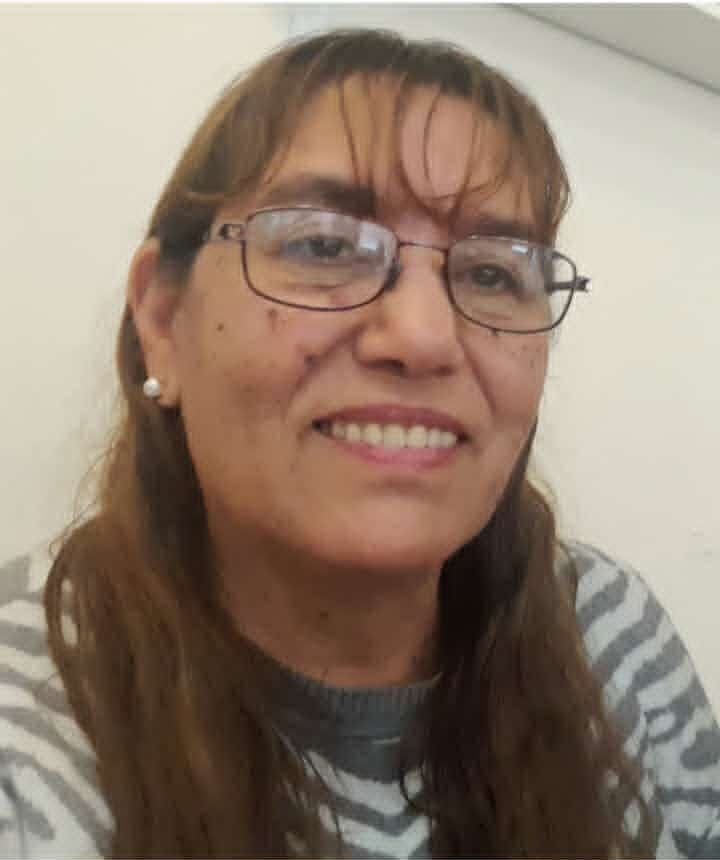
Essay from Nigora Tursunboyeva

The Zulfiya State Prize: Recognition of talented young women

Every society has moments when it chooses to tell its young generation: “Your talent matters. Your work matters. Your dreams matter.” For the young women of Uzbekistan, the Zulfiya State Prize has become one of the most meaningful symbols of such recognition. Named after the renowned Uzbek poet Zulfiya, the award represents not only an achievement but also an encouragement for talented girls to pursue education, creativity, science, culture, art, and social activity with confidence and determination.

Zulfiya was more than a poet. She became a symbol of dignity, loyalty, intellectual strength, and artistic devotion. Her poetry reflected love for her homeland, the beauty of life, the inner world of women, and the challenges and hopes of her time. Her literary legacy continues to inspire generations, and the state prize bearing her name carries this legacy into the lives of young women who are building their own paths.

The establishment of the Zulfiya State Prize was an important step toward recognizing the achievements of talented young women in Uzbekistan. The award is presented to girls and young women who demonstrate outstanding abilities and achievements in fields such as literature, culture, art, science, education, and social activity. In this sense, the prize goes beyond a traditional literary award. It recognizes talent in many forms and shows that the contribution of young women to society cannot be measured by a single profession or area of achievement.

For a young girl, recognition can be more powerful than it may initially seem. Behind every achievement there are often years of study, countless hours of practice, unsuccessful attempts, doubts, and moments when giving up may seem easier than continuing. A public recognition of that effort can become a source of new confidence. The Zulfiya Prize therefore carries not only an official title but also a powerful message: perseverance and talent deserve to be seen.

The significance of the award becomes especially clear when we consider the changing role of young women in modern society. Today, girls are not limited to one traditional path. They study foreign languages, conduct scientific research, write books, participate in international competitions, create artistic projects, develop social initiatives, and represent Uzbekistan on international platforms. Their achievements demonstrate that education and creativity can open doors far beyond the boundaries of one’s hometown or country.

Literature naturally holds a special place in the legacy of the Zulfiya Prize. Zulfiya herself demonstrated how poetry can become a voice of an entire generation. Her life and work remind young writers that literature is not merely about beautiful words. It is also about responsibility, observation, courage, and the ability to express emotions and ideas that others may struggle to articulate. A young poet who receives recognition in Zulfiya’s name is therefore not simply receiving an award; she is becoming part of a cultural tradition that values the written word.

However, the importance of the prize extends far beyond poetry. A talented young scientist, artist, teacher, athlete, or socially active student can also demonstrate the qualities that the award seeks to recognize: dedication, originality, discipline, and a desire to contribute to society. This broad understanding of achievement is especially important in a rapidly changing world, where creativity and knowledge are increasingly connected.

The prize also has a symbolic dimension. Zulfiya’s name represents a bridge between generations. The poet belonged to an earlier era, yet her work continues to speak to young people today. When a young woman receives an award named after her, it creates a dialogue between the achievements of the past and the aspirations of the future. The young recipient inherits not only a title but also a responsibility to continue developing her abilities and to become an example for those who will follow.

Perhaps one of the most valuable outcomes of such recognition is inspiration. A girl living far from the country’s major cultural centers may read about a young recipient of the Zulfiya Prize and begin to believe that her own dreams are possible. She may decide to write her first poem, enter a competition, learn another language, conduct research, or simply work harder at the subject she loves. In this way, one person’s achievement can inspire many others.

The award also encourages young women to see success not as an unreachable ideal but as the result of consistent effort. Talent may open the first door, but discipline, education, patience, and courage are what allow a person to move forward. The stories of talented young women who receive national recognition can therefore serve as powerful examples for the younger generation.

At the same time, recognition should not become the final destination. An award can mark an important moment in a young person’s life, but true achievement lies in what comes afterward. The most meaningful response to recognition is continued growth: reading more, learning more, creating more, helping others, and using one’s abilities for the benefit of society. A prize may place a name on a list of achievements, but only future work can give that achievement lasting meaning.

The Zulfiya State Prize is therefore more than a medal, certificate, or title. It is a reflection of society’s belief in the potential of its young women. It tells talented girls that their voices deserve to be heard and that their efforts can make a difference. It also reminds society that investing in young women’s education and creativity means investing in the country’s intellectual and cultural future.

In today’s Uzbekistan, where young people are increasingly connected with the wider world, such recognition has an additional significance. A talented Uzbek girl can now publish her work internationally, participate in global competitions, communicate with peers from different countries, and introduce Uzbek culture and language to foreign audiences. National recognition can become the beginning of an international journey.

Ultimately, the Zulfiya State Prize is not only about celebrating what a young woman has already achieved. It is about believing in what she may achieve tomorrow. Behind every recipient stands a story of effort, hope, talent, and perseverance. And behind every story stands a message to thousands of other girls: do not be afraid to dream, do not be afraid to create, and do not underestimate the power of your own voice.

Zulfiya’s legacy continues not simply because her poems are remembered, but because new generations continue to find inspiration in her name. Every young woman who strives for knowledge, creates something meaningful, and contributes to her community adds another page to that continuing story. The Zulfiya State Prize celebrates these young women—and, perhaps most importantly, reminds the country that the future can be written by those who dare to believe in their own potential.

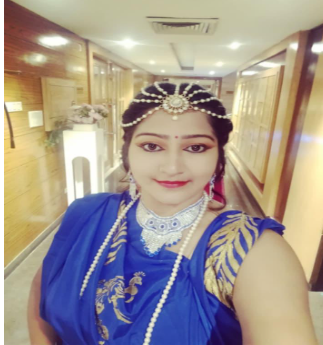
Tursunboyeva Nigoraxon Abdumannob qizi was born on February 23, 2009, in Uzbekistan.

She is a graduate of the Is’hoqxon Ibrat Creative School. She is the winner of numerous international and national competitions and the author of two poetry books.

She is fluent in four languages and was admitted to university ahead of the usual schedule. In addition to writing poetry, she also writes prose and journalistic articles.

Poems from Patrick Sweeney


he was ready to believe whatever Kitala's runes said


when they sent children out to gather the shapeliest throwing-stones


the Outer Hebrides of my superstitions,
a cricket behind the couch


listening in on the billionaire's supplicating prayer


the grounds crew moving like impressed sailors in the outfield


resting in the flat-lit meadow
the absolutist and the clouded sulphur butterfly


they were afraid to wake the drunken man on the beach


moving on from fatalistic inevitability
to sharing Dippin' Dots


time traveling on the sun-freckled deer paths of the Shawnee


Bio: Patrick Sweeney is a short-form poet and devotee of the public library.

Poetry from Shannon Scoates

The Soft Warrior 

You see me standing

before you and

all you see is

softness.

You think my softness

makes me weak

and easy to

control.

Yes, I wear my

heart on my sleeve.

You tell me to

harden my heart.

I tried to harden

my heart.

It felt like toxins

moving through

my body.

So I softened

my heart back.

You say that the

softness in my

eyes and my

face

is weakness.

And that wearing my

heart on my sleeve

is weakness.

I am stronger than

you’ll ever

understand.

And just maybe

my softness is

meant to help soften 

your heart.  

July 26, 2026

Shannon Scoates is a Canadian poet and intuitive writer whose work is rooted in nature, mysticism, and channeled guidance. Influenced by childhood storytellers like Hans Christian Andersen and the Brothers Grimm, as well as poets such as Emily Dickinson, Maya Angelou, E.E. Cummings, W.B. Yeats, Robert Frost, and RR Token author Terry Brooks, she began writing at age ten as a way to express emotion and truth. Shannon is also an energy healer trained in Reiki, colour, sound, and vibrational therapy, and she is passionate about helping women find their voice through writing and spiritual connection. A devoted advocate for children’s literature and animal rights, she carries forward the encouragement of her Grampa and Grama, whose spirit continues to guide her creative path. Her first book is currently in development.

Essay from Feruza Boymurodova Jumanazar qizi

DIGITAL AND AI-DERMATOSCOPIC MONITORING OF THE EFFICACY OF BIOLOGICAL THERAPY IN PSORIASIS

Feruza Jumanazar qizi Boymurodova

3rd-year student, Faculty of Medicine

 Karshi State University

ABSTRACT

This thesis analyzes the efficacy of applying AI-dermatoscopy and digital monitoring systems in the treatment of psoriasis with biological agents (monoclonal antibodies). Due to the subjective nature of traditional clinical assessment methods (such as the PASI index), the necessity of utilizing digital technologies to detect microvascular and vascular changes in the skin at an early stage is highlighted. The study results demonstrated that AI-dermatoscopic analysis and digital monitoring allow for an objective evaluation of therapy efficacy 2 weeks earlier than visual signs appear, enabling timely adjustment of the treatment regimen and accurate prediction of the remission period.

Keywords: Psoriasis, medications, AI-dermatoscopy, biological therapy, antibodies, digital monitoring.

INTRODUCTION

Relevance of the topic. In recent years, the use of biological therapy—specifically monoclonal antibodies (IL-17 and IL-23 inhibitors)—has represented a major breakthrough in dermatovenerology for the treatment of severe and treatment-resistant forms of psoriasis. These targeted drugs selectively act on the immunopathogenetic cascade of the disease, demonstrating high clinical and laboratory efficacy. While the introduction of biological agents (monoclonal antibodies) plays a crucial role in modern medicine, assessing treatment efficacy with the naked eye does not always yield accurate results. The routinely used PASI index remains subjective and largely dependent on the specialist’s experience. To detect microscopic changes in the skin layers and positive dynamics during the initial weeks of treatment, there is a growing need to utilize dermatoscopy based on modern digital technologies and artificial intelligence (AI) algorithms.

 Objective of the study: To demonstrate the accuracy and efficacy of evaluating skin recovery dynamics via AI-dermatoscopy and digital monitoring in psoriasis patients receiving biological therapy (monoclonal antibodies), thereby improving overall treatment outcomes.

Tasks of the study:

To analyze dermatoscopic parameters of the skin in psoriasis patients undergoing monoclonal antibody therapy using an AI neural network.To identify the correlation between AI-dermatoscopic parameters and the traditional PASI index.To evaluate the practical significance of digital monitoring systems in improving treatment compliance and predicting remission periods.

MATERIALS AND METHODS

The study included 30 patients (18 males, 12 females; aged 18 to 65 years, mean age: 42.5 ± 8.3 years) diagnosed with moderate-to-severe plaque psoriasis receiving biological therapy (IL-17 and IL-23 inhibitors). Affected skin areas were evaluated using a digital dermatoscope at baseline (week 0) and at weeks 2, 4, and 12 of treatment. Images capturing erythema, vascular pattern, and plaque thickness were analyzed using a dedicated AI neural network, complemented by a home-based digital monitoring application.The acquired images (erythema degree, vascular structure, and layer thickness) were analyzed using a specialized AI neural network. Additionally, patients were enrolled in a mobile application monitoring system to capture and send general skin condition images from home.

RESULTS AND DISCUSSION

AI-assisted dermatoscopic analysis demonstrated early vascular reduction and subclinical resolution of inflammatory features as early as Week 2 in 86.7% (n = 26) of patients, significantly preceding visible clinical improvement. The AI-based quantitative metrics showed a strong positive correlation with traditional PASI scores (r = 0.84, p < 0.001), providing objective, high-sensitivity detection of early therapeutic response and optimizing patient compliance.The developed digital and AI-monitoring approach enables physicians to make timely adjustments to treatment tactics, prevent complications, and achieve medical and social cost-effectiveness by reducing inpatient hospital visits. Furthermore, the digital monitoring system improved patient treatment compliance by reducing the need for frequent clinic visits.

CONCLUSION

The implementation of AI-dermatoscopy and digital monitoring systems in psoriasis patients receiving biological therapy (monoclonal antibodies) provides an objective and precise evaluation of treatment efficacy. The results confirmed that analyzing dermatoscopic images via an artificial intelligence neural network possesses higher sensitivity compared to traditional visual examination and the PASI index. It is recommended to integrate AI-dermatoscopic scanning into clinical practice at dermatovenerology clinics and specialized centers as a mandatory monitoring criterion for patients undergoing biological therapy.

REFERENCES

1.https://med24.uz

2.https://avitsenna.uz

3.Diagnosis of skin diseases through AI programs in dermatology. Journal of Science and Technology.  

4. A. (2009). Skin and Venereal Diseases. Aripov, S. S. (2010). Dermatology Textbook.

Feruza Boymurodova Jumanazar qizi was born on May 22, 2005, in the Kitob district of the Qashqadaryo region. She is currently a student at the Faculty of Medicine at Qarshi State University, actively conducting research at the intersection of medicine and social projects.

She has participated in the “AI Girls Bootcamp” startup program in Tashkent, as well as the “RISE & GLOW” and “Kelajak” platforms. She has served as a volunteer in the “Salomatlik”, “Vitamed”, and “Oltin Qanot” organizations, and took part in the “Eng yaxshi targ‘ibotchi” (Best Promoter) competition. On an international level, she has been accepted into the Argentine Writers’ Union, and her scientific articles have been published in international collections.

In her submitted article, as a future physician and researcher, she places a strong emphasis on strengthening public health, advancing medical knowledge, and addressing pressing issues in practical medicine.

Poetry from Chidimma Ewelukwa

The Questions Children Ask

Our teacher says

every story

should begin

with hope.

I keep wondering

if hope still remembers

the road to our street.

The swing

in the playground

moves only

when the wind comes

looking for children.

My little brother

still asks

whether schools

can grow back

the way trees do

after the rain.

The grown-ups

keep talking

about borders,

victory and history.

Their voices

are so loud

they never hear

the questions children ask.

My friend

used to race me

to the corner shop.

Now,

his football

waits alone

beside a broken wall,

still expecting his feet.

Every night,

my mother counts us

before she sleeps.

Every morning,

she counts us again.

No child should learn

to tell the difference

between thunder

and falling shells.

No mother

should have to

kiss a forehead

as though

it might be

the last time.

The world says

we are tomorrow.

Then let tomorrow

grow old enough

to walk home

without fear.

Leave the iron

to bridges.

Let mornings

begin again

with birds arriving

before sirens.

What Survives The Fire

I have carried you all –

the child

learning to whistle,

the farmer

waiting for rain,

the mother

humming sleep

into restless eyes,

the soldier who was once

someone’s baby.

I have never minded

the weight

of your footsteps,

only the ashes

they leave behind.

Yet every season,

you bury your anger

inside me

and call it history.

You carve

new borders

across my skin,

then ask why rivers

no longer know

where to flow.

You fill my mornings

with sirens

and my nights

with names

children were never

meant to become.

I can grow another forest,

heal a burned field,

persuade flowers

to return to places

that have forgotten their colors.

But I cannot grow

back a childhood.

I cannot replace

the first laugh

war steals,

the dream it buries,

the first home

it teaches

a child to fear.

Stop depriving

children a future.

They have already

paid for the fire

they never ignited.

Leave behind the metals.

Before you stitched

colors into cloth,

you knew one another

by heartbeat.

Remember this

and I will answer

with green mornings,

rivers finding their voices

and children singing

a new song.

Chidimma Ewelukwa is a Nigerian writer whose work explores memory, belonging, identity, and the quiet tensions of everyday life. She has been published in Writer Monk Literary Magazine.

Essay from Amina Sunnatullayeva

My National Identity – My Pride


National identity is the spiritual image, historical memory, and invaluable heritage of a nation that has been shaped over centuries. It not only reflects a person’s ethnic belonging but also represents their worldview, values, culture, and moral development. The true strength of a nation is measured not only by its economic or political achievements but also by its ability to preserve its national values, remain faithful to its history, and educate future generations in the spirit of patriotism and national pride.


The national identity of the Uzbek people is vividly reflected in our rich culture and unique traditions. Our elegant traditional clothing made of atlas and adras fabrics, the art of embroidery and gold embroidery, traditional skullcaps (doppi), exquisite jewelry, and other examples of folk craftsmanship demonstrate the refined taste and artistic thinking of our ancestors. These are not merely decorative objects; they symbolize the history, worldview, and spiritual heritage of our people.


The modesty, dignity, kindness, and strong moral values traditionally associated with Uzbek women are among the finest examples of our national upbringing. These qualities have been passed down from generation to generation and have contributed to the strength of families, the moral stability of society, and the preservation of our national identity. Therefore, protecting these values and instilling them in the younger generation remains one of the most important responsibilities of our time.


The ancient cities of Khorezm, Samarkand, Bukhara, Shahrisabz, Termez, and Kokand are recognized as priceless treasures of world civilization. For centuries, these cities have served as centers of science, education, culture, and enlightenment. Every historical monument and every street bears witness to the intelligence, creativity, and architectural genius of our ancestors.


It was on this land that great scholars and statesmen such as Muhammad al-Khwarizmi, Abu Rayhan al-Biruni, Abu Ali Ibn Sina (Avicenna), Mirzo Ulugh Beg, Alisher Navoi, Bahauddin Naqshband, Amir Temur (Tamerlane), and Zahiriddin Muhammad Babur were born and flourished. Their remarkable achievements in mathematics, astronomy, medicine, literature, philosophy, and statecraft continue to serve humanity and inspire people throughout the world. Their names are forever engraved in the history of global civilization.


Our ancestors left us not only magnificent architectural monuments but also a priceless legacy of knowledge, wisdom, patriotism, and high moral values. Preserving this rich heritage, studying it deeply, and passing it on to future generations is both our responsibility and our honor. A nation that respects its history and takes pride in its ancestors will always have the strength to build a prosperous future.
In today’s era of globalization, when different cultures interact more closely than ever before, preserving national identity has become increasingly important. Respecting our native language, protecting our customs and traditions, and safeguarding our historical heritage are sacred duties for every citizen. A nation that loses its identity gradually loses its historical roots.


I am deeply proud to belong to the Uzbek nation—a nation with a glorious history, a rich culture, and outstanding scholars who made invaluable contributions to world civilization. My national identity gives me strength, confidence, and inspiration. Continuing the legacy of our ancestors, preserving our national values, and contributing to the development of our homeland should be the highest goal of every citizen.


Indeed, national identity is not only a reflection of our past but also the foundation of our present and the guarantee of our future. A nation that knows its history, honors its heritage, and remains faithful to its values will always move confidently toward progress. Therefore, preserving our national identity and passing it on to future generations in all its richness is our sacred duty.

My national identity is my pride, my honor, and the true meaning of my life.

Poetry from Kushi Nanayakkara


Hopeful Feathers

A blooming flower in a dying garden,

Is a blooming hope to the butterflies.

A sparkling river in a drying forest,

Is a sparkling hope to the wild lives.

A glowing moon in a darkening sky,

Is a glowing hope to the night lives.

A breathing life in a fighting ground,

Is a breathing hope to the worrying souls.

A warming fire in a freezing house,

Is a warming hope to the shaking souls.

A soothing heart in a fading world,

Is a soothing hope to the suffering hearts.

A gleaming light in an unending tunnel,

Is gleaming hope to the tiring eyes.

A floating feather in a sinking life,

Is a floating hope to the reaching hands.

A hope can come in any shape and colour,

If you trust yourself even in a stormy weather.

— Kushi Nanayakkara, Sri Lanka. 

••••••••••••••••••••••••••••••••••••••••••••

Kushi Nanayakkara is a Sri Lankan born poetess who brings nature, human experiences, and creativity together through poetry.

She studied Graphic Design/Information Technology before finding her way into poetry in 2020. Her work often revolves around themes such as nature, art, life, love, mind, death, philosophy, and social themes such as justice and humanity.

Her poetry was featured in literature websites in USA and India and newspapers in Sri Lanka and Bangladesh. Her poetry was also published in poetry anthologies and magazines in India, Iraq, USA and the Philippines. Her sincere wish is to inspire hearts to stay creatively conscious and continue refining her craft.