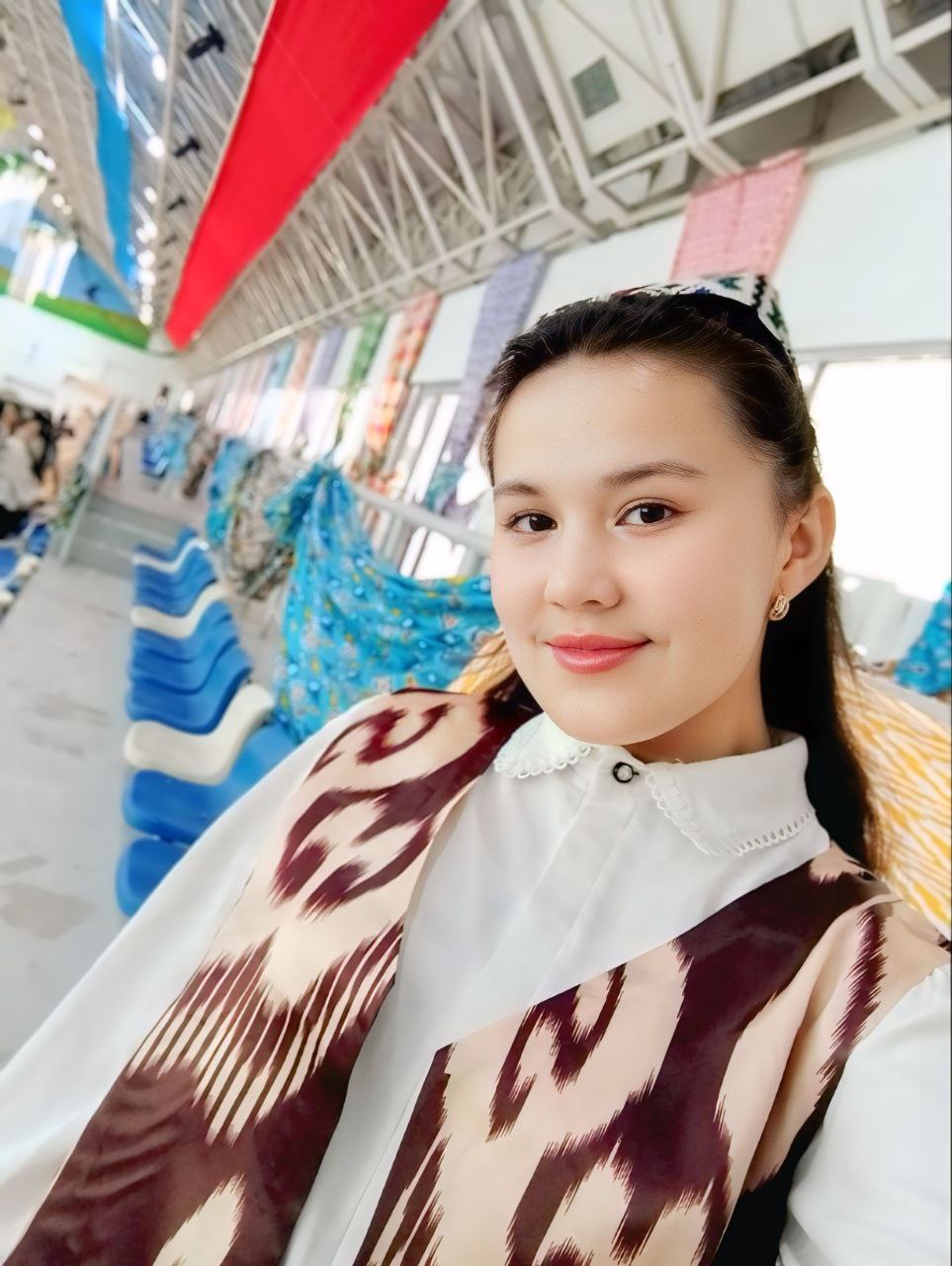
Culture is the shared beliefs, customs, values, and traditions that define a society. It influences the way people think, behave, and interact with one another. From language and art to religion and social norms, culture shapes our identity and helps us understand the world around us. Every community, whether small or large, has its unique cultural practices that connect individuals and create a sense of belonging.
One of the most important aspects of culture is communication. Language, for example, is not only a tool for expressing thoughts but also a way of preserving history and traditions. Art, music, and literature reflect the values, emotions, and creativity of a society, allowing people to share experiences across generations. Festivals and rituals strengthen social bonds and bring people together, promoting unity and cooperation.
Culture also plays a vital role in education and personal development. Learning about different cultures encourages tolerance, empathy, and open-mindedness. It helps individuals appreciate diversity and reduces prejudice. In today’s globalized world, understanding other cultures is essential for international relations, business, and travel. Cultural awareness enables better cooperation and helps prevent misunderstandings between people from different backgrounds.
However, culture is constantly evolving. Globalization, technology, and migration influence traditional practices and introduce new ideas. While this can lead to cultural enrichment, it also presents challenges in preserving heritage and identity. Communities must find a balance between embracing modernity and maintaining their cultural roots.
In conclusion, culture is a fundamental part of human life that shapes our identity, guides our actions, and strengthens communities. By appreciating and respecting different cultures, we can foster a more inclusive and harmonious world. Understanding culture is not just about preserving the past but also about building a better future for everyone.
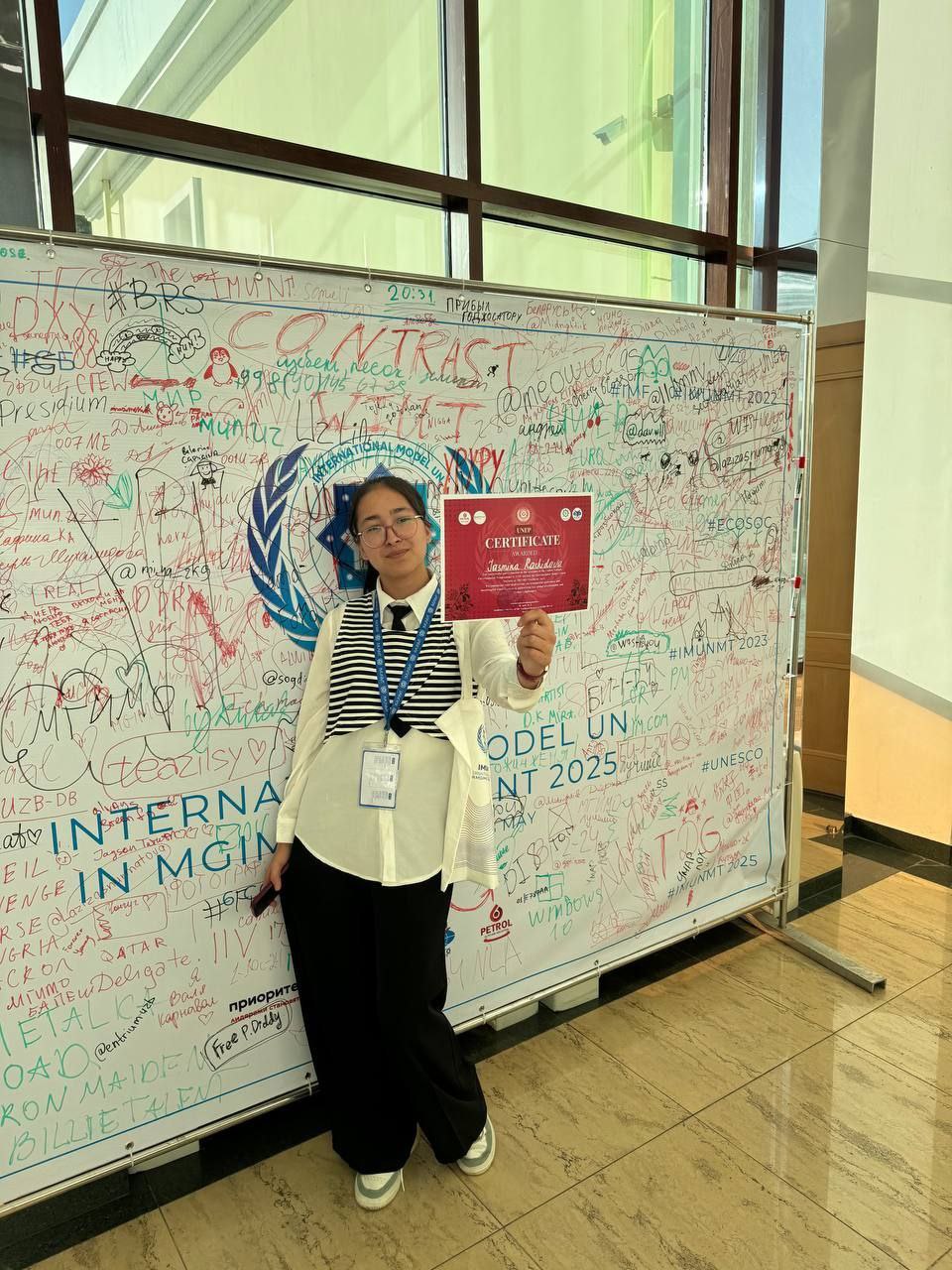
My name is Jasmina Rashidova, a passionate and ambitious student born on November 23, 2008, in Shakhrisabz district, Kashkadarya Region, Uzbekistan!I currently study at School No. 74. I have earned several educational grants and awards, and I am a finalist of competitions like BBG, FO, and VHG. I actively participate in international Model United Nations (MUN) conferences and lead my own educational channel — @Jr_extraWith a deep interest in leadership, public speaking, and writing, I continue to work hard toward achieving academic excellence and inspiring others in my community. A bright example for this can be about little Jasmine Rashidova — A finalist of StriveHub, LOT’2025, and CAMLP’25.
Welcome, readers, to the first Synchronized Chaos issue of November 2025. First, a few announcements.
This issue was edited by poetTao Yucheng, who has been published several times in Synchronized Chaos and in several other publications.
Contributor Kelly Moyer has launched a blog-style journal, Circle of Salt, a simple blog-style journal for all things esoteric. Potential contributors are invited to send up to three unpublished pieces of magickal poetry (including esoteriku), prose, personal essay, original art, reviews, recipes, tips, etc. to Kelly Sauvage Moyer at unfazedmoon@gmail.com. The web address is https://circleofsaltmag.blogspot.com/.
A sip and see is a meet and greet party popular in the southeastern United States where people enjoy light snacks, drinks, and the chance to meet a newborn baby. In a way, Synchronized Chaos Magazine’s issues are global ‘sips and sees,’ celebrations where we may meet newly emerged bursts of creativity.
As we would when encountering a new baby, Priyanka Neogi revels in life’s joy.
Bill Tope and Doug Hawley’s short story “Evergreen” portrays quiet familial concern, capturing the subtle tension and affection between siblings as they notice their mother’s unusual, tender attachment to her garden.
Mahbub Alam takes joy in nature and the brilliant sunshine. Timothee Bordenave’s essay explores permaculture, advocating livestock grazing on fallow land and urban fruit tree forests. Genevieve Guevara playfully links weather patterns and emotions. Walid Alzoukani revels in how the rain enriches his spirit. Brian Michael Barbeito’s“What is the Meadow and What is Love?” finds love and presence in the quiet endurance of nature. Bekturdiyeva Nozima’s essay examines the urgent need to cultivate ecological consciousness among youth, emphasizing education, family, and practical engagement as keys to a sustainable future. Jack Galmitz’ poetry speaks to cultural memory and our connections with nature. Brian Barbeito’s work reflect the relationship between human beings, nature and animals, which is even more important in the current Internet age.
Paintings from Srijani Dutta reflect hope for the return of spring, drawing on images from an Asian mythological system. Eddie Heaton guides us on a surrealist romp through a colorful universe. Mark Young speculates through found and created poetry on how human art can coexist with science and technology.
Image c/o Jacques Fleury
Federico Wardal highlights the work of holistic physician Dr. Antonello Turco and how his medical practice is a work of art. Nidia Garcia celebrates the creativity and insight of a weaver who tells the story of her people in cloth. Taylor Dibbert shares an amusing anecdote about sartorial fashion choices and lost luggage.
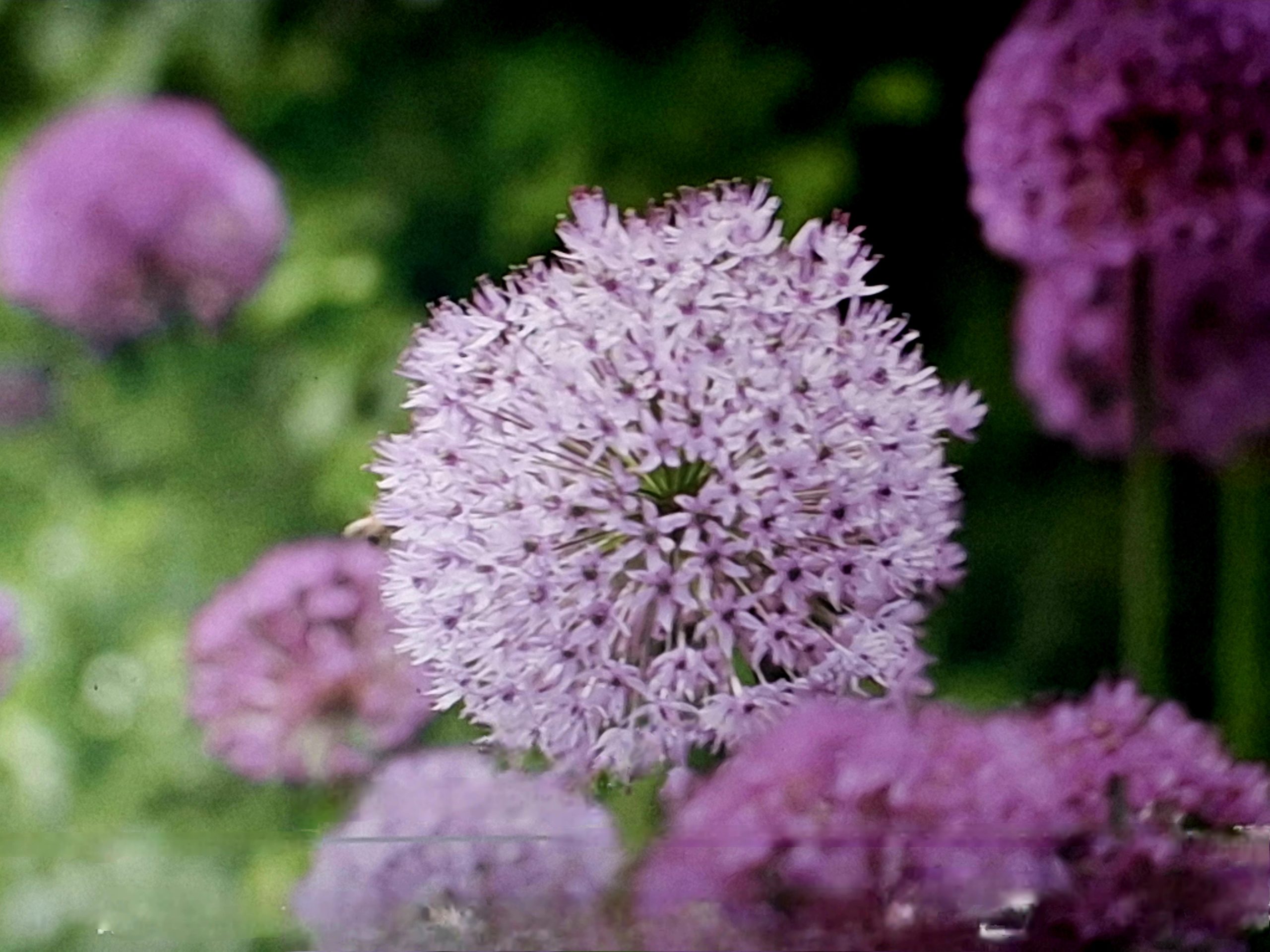
Jacques Fleury’s “The Color Purple” is a vibrant meditation on heritage and symbolism, exploring how shades of purple evoke nobility, spirituality, emotion, and the richness of human experience. Normatova Sevinchoy reflects on the nature of beauty and finds it through elegant simplicity. Kelly Moyer’s films explore the relationship between life and all things through the disposal and dissolution of human-built objects.
Literature and writing are integral parts of human creative culture. Contemporary Uzbek literature blends tradition and modernity, emphasizing national identity and the Uzbek language. Abdulazizova Nigina Faxriddin qizi’s article “Developing Speech Culture of Primary School Students” examines methods to enhance young learners’ oral and written communication, emphasizing interactive strategies, cultural awareness, and the link between speech skills and social participation.
Zuhra Jumanazarova expresses that preserving the literary quality of the Uzbek language is integral to preserving Uzbek culture. Muhayyo Toshpo’latova’s essay explores how contemporary Uzbek literature balances tradition, national identity, and digital-age innovation. Nilufar Yusupova discusses advantages and challenges posed by online education. Masharipova Unsunoy outlines strategies for improving student public speaking competence. Dilafruz Karimova evaluates various methods for teaching English as a second language. Rashidova Lobar’s“Mother Tongue” is a heartfelt tribute to the Uzbek language, celebrating it as the nation’s soul, heritage, and eternal source of pride and unity.
Peter Cherches’ vignettes explore through gentle humor how we make decisions and set up our lives. James Tian reminds the faithful to use their God-given brains, even in church.
Janna Hossam’s essay explores the fleeting nature of achievement and the trap of “fast dopamine,” urging a shift from chasing external validation to finding lasting fulfillment in steady, meaningful growth. Sharifova Saidaxon advocates for balance in the use of social media and online entertainment. O‘rozboyeva Shodiya’s essay “How Social Media Affects Young People” reflects on the dual impact of social media, highlighting its benefits for learning and reading while cautioning against distraction and over-immersion in the virtual world.
Turkan Ergor reflects on how people’s strongest desires and best-laid plans don’t come to fruition. Dr. Ashok Kumar expresses the peace found through surrendering to what we cannot control.
J.T. Whitehead’s Nocturnes are haiku-inspired reflections on art, history, and personal experience, capturing quiet joy and solitude. Christina Chin and Marjorie Pezzoli’s collaborative renga blends fragmented, stark imagery with a conversational, experimental flow, exploring tension, vulnerability, and the raw textures of experience. Derek Dew’s poems “To Come” and “What is Ours” delve into language, memory, and moral stillness, blending abstraction and lyricism to explore identity, silence, and the elusive nature of meaning. Sayani Mukherjee’s “God’s Hands” is a dreamlike meditation on time and memory, shimmering with blue skies and fleeting wishes. Vo Thi Nhu Mai’s “Harbour of the Changing Season” is a tender, reflective meditation on love, loss, and the passage of time, finding beauty and peace in the rhythms of nature and the flow of life.
Duane Vorhees’ poem “ORH” tenderly portrays love as cleansing and transformative, merging identities like rain washing away dust. Amina Kasim Muhammad advocates kindness and humanity. In a similar vein, Maja Milojkovic reflects on the value of a human soul as measured by the person’s compassion and integrity. Ruzimbayeva Quvonchoy Jamoladdin qizi’s essay highlights Uzbekistan’s national values as the enduring heart of the nation, shaping identity, unity, and moral life.
Yodgorova Madina also celebrates traditional Uzbek values such as diligence, hospitality, respect for the elderly, the young, and women, honesty, and compassion and urges modern Uzbeks to pass down those values. Jumanazarova Muxlisa’s essay highlights women as the vital foundation of Uzbek society, shaping history, education, and leadership. In the same vein, Egyptian writer Adham Boghdady’s poem portrays a woman as a radiant, inspiring presence who lights up hearts and the world. Dildora Khojyozova’s essay “Kindness and Humanity in the 21st Century” emphasizes the enduring importance of empathy and compassion amid technological and social change, arguing that true progress depends on how we treat one another.
Abbas Yusuf Alhassan’s long poetic piece illustrates the different facets of love as expressed through grief. Elmaya Jabbarova’s poetry intertwines love and grief. RP Verlaine comments on what brings people together and what divides us. Eldar Akhadov ponders the mental distance that inevitably separates everyone.
Turdiyeva Guloyim’s “I’m Tired, Mother!” expresses profound loneliness and disillusionment, lamenting false friendships, cruelty, and the harshness of the world, while yearning for genuine human connection. Kandy Fontaine’s“Nepantla, The Tipping Point, Deep Time: A Conversation Between Worlds” examines the intersections of literature, identity, and planetary change, using the concept of Deep Time to reflect on societal fear, power structures, and the urgent need for transformation. Mirta Liliana Ramirez reminds us that powerful people exist who prey on the vulnerable. Patricia Doyne surveys the sentiments at a San Francisco Bay Area No Kings rally. Aubrey Malaya Lassen’s poem “The Call” confronts misunderstanding and oppression, using vivid animal imagery to explore awareness, resistance, and the refusal of power to recognize truth.
Bill Tope’s “The Gauntlet” is a tense short story following Anais, a Haitian refugee, as she navigates an unsettling encounter with police in a small Ohio town, exploring themes of fear, vulnerability, and power. Ahmed Miqdad’s poem reflects on the horrors of violence and displacement, using stark imagery of blood and silence to evoke grief and loss. Emeniano Acain Somoza Jr. writes of humans eking out existence in the shadows of ageless deities and harsh weather. Stephen Jarrell Williams crafts a slow piece on calm preparations as an apocalypse looms.
J.J. Campbell illustrates the lingering effects of trauma on a person’s life and psyche. Mykyta Ryzhykh’s poem juxtaposes stark, unsettling images with fragile signs of life, capturing the raw and abrupt entry of innocence into harsh reality. Alexa Grospe personifies the pain and terror of stage fright and writers’ block. Philip Butera views life from the panoramic perspective of one nearing death. Ablakulova Dilfuza’s essay “My child, if I leave, you won’t find me again” is a poignant meditation on solitude, aging, and loss, vividly portraying the emotional landscape of a woman left alone, clinging to memories as her world darkens. Adewuyi Taiwo’s short story “A Star Called Priye” explores themes of family secrets, grief, and quiet strength.
Jabborova Vasila comments on how medicine can address psychological changes in some heart transplant patients. Melita Mely Ratkovic’s poem urges the speaker’s friend to heal and love themselves again after trauma. Ramona Yolanda Montiel wishes all her readers simple joys and gentle comfort.
Eva Petropoulou Lianou’s “Miracles” celebrates everyday wonders, human connection, and the light of faith amid darkness. Jeanette Eureka Tiburcio’s poem honors resilience and hope, invoking golden children as symbols of strength, growth, and the enduring light amid adversity.
We hope that this issue serves as a guiding light as you ‘sip and see’ the many forms of human thought and feeling from around the world.
At the end of the 20th and beginning of the 21st centuries, the global ecological crisis has deepened: atmospheric pollution, climate change, deforestation, water resource depletion, and soil degradation pose a serious threat to human life. This situation shows that neglect of nature ultimately returns to man himself. In this regard, the issue of forming the ecological consciousness and culture of youth should be the focus of attention not only of the education system, but also of the entire society.
Because today’s youth are the owners of tomorrow. Their attitude to nature will determine the ecological sustainability and quality of life of society in the future. The formation of ecological culture is understood not only as providing information about nature, but also as forming in the younger generation love for nature, environmental responsibility, the habit of saving resources, and the ability to apply ecological thinking in practical activities. Ecological consciousness is a level of human thinking in which a person considers it his duty not to subjugate nature to his own interests, but to preserve it, to maintain natural balance. A person strives to live in harmony with nature as an integral part of his life.
The process of forming such consciousness is complex and gradual. This depends, first of all, on family, school and public education. In the family, a child observes the attitude of his parents to nature, and at school he receives theoretical knowledge through ecology and natural science lessons. But the most important thing is practical learning, that is, direct contact with nature.
The education system plays a special role in the process of ecological education. Environmental trainings, ecological clubs, and “Green Space” campaigns held in schools, colleges, and universities help young people avoid apathy. In addition, initiatives such as “Eco-schools,” “Young Environmentalists’ Circles,” and “Eco-marathons” encourage young people to be environmentally conscious. Instilling elements of ecological culture in every lesson and event is an educational strategy that yields long-term results. For young people living in the digital age, environmental problems are not only related to nature, but also to technology. Electronic waste, excessive consumption, plastic use, and energy waste are all directly affecting the lifestyle of modern young people.
Therefore, the formation of environmental awareness should not be limited to planting trees or cleaning up garbage. It broadly refers to the philosophy of sustainable development: that is, a person takes into account the interests of nature in every decision he makes in his life. For example, saving water, turning off electricity, using recyclable materials instead of plastic, and separating waste are simple but very important habits that demonstrate the ecological awareness of young people in everyday life. Ecological education is an investment in the future. Raising an ecologically conscious generation is the most important investment in the future. Because environmental problems are solved not by technology, but by people themselves. A responsible attitude towards nature is culture, this is education, this is an indicator of the level of consciousness.
If today’s youth are ecologically conscious, responsible and active, then in the future our country will have a healthy environment, clean air, green cities, and environmental safety. The formation of ecological awareness is not only the task of environmental science, but also the general responsibility of the entire society. Nature is not an inheritance for us, but a reliable trust that we pass on to our children. Therefore, the formation of the ecological culture of young people is the greatest gift not only for today, but also for future generations.
When young people love nature, protect it, value every tree, save water, and dispose of waste properly, they will develop an ecological consciousness and become responsible individuals.
Bekturdiyeva Nozima Mardonbek qizi was born on July 22, 2006, in Yangiariq District, Khorezm Region, Republic of Uzbekistan. She graduated from a secondary specialized school and is currently a second-year student at Urgench State University named after Abu Rayhon Beruni.
Crooked be the road that leads to Ithaca. For hubris has blinded me, like Polyphemus. I grasp for answers but feel men in sheep’s clothing— Who was I to question Poseidon’s teachings?
To live porcine in gilded halls did not make me a king, For beauty ages, unlike Calypso’s graces—it wasn’t meant for me. Leaving lotus petals like broken dreams, I embrace reality. Seven years I have sailed—will three more make prophecy?
I accept that my crooked path may lead to distant shores. Hopefully my Penelope will be there when I land; If she’s not, I’ll still have become a wiser, older man.
J.J. Campbell (1976 – ?) is old enough to know where the bodies are buried. He’s a three time Best of the Net nominee and a soon to be two time Pushcart Prize nominee. He’s been widely published over the years, most recently at Disturb the Universe Magazine, The Beatnik Cowboy, The Rye Whiskey Review, Misfit Magazine and Yellow Mama. His next chapbook should be out soon. You can find him gambling on basically any sport he can possibly watch. He does still have a blog, although he rarely has the time to write on it. (https://evildelights.blogspot.com)
Teaching Methods in Modern English Language Education
Abstract: This article discusses the importance of effective teaching methods in modern English language education. It focuses on how innovative approaches can enhance students’ learning experience, motivation, and language competence. The paper also explores traditional and modern teaching techniques, comparing their impact on learners’ engagement and outcomes.
In the modern educational environment, English language teaching has undergone significant transformation. Teachers today are expected not only to provide linguistic knowledge but also to develop students’ communicative competence, critical thinking, and intercultural awareness. To achieve these goals, various teaching methods have been introduced and developed to meet the diverse needs of learners. Traditional methods such as the Grammar-Translation Method and the Direct Method have played a vital role in the history of language teaching. The Grammar-Translation Method emphasizes grammatical rules and vocabulary through translation exercises, which can help learners understand language structure. However, it often lacks opportunities for speaking practice. The Direct Method, on the other hand, promotes communication through the use of the target language only, encouraging learners to think in English and develop fluency.
With technological advancements and changing educational needs, modern methods such as Communicative Language Teaching (CLT), Task-Based Learning (TBL), and the Audio-Lingual Method have become increasingly popular. CLT emphasizes meaningful communication and real-life contexts, while TBL focuses on completing tasks that require language use, promoting active learning. The Audio-Lingual Method, based on repetition and drills, helps learners internalize language patterns through listening and speaking practice. In addition, the integration of digital tools has revolutionized teaching methods. The use of multimedia, online platforms, and virtual classrooms creates a more interactive and engaging learning environment. Teachers can incorporate videos, games, and mobile applications to make lessons more dynamic and accessible. Digital technologies also support self-directed learning, allowing students to practice language skills at their own pace.
Another essential approach is the use of differentiated instruction, where teachers adapt their teaching styles to meet the needs of individual learners. This method recognizes that students have different learning preferences, abilities, and interests. By varying activities, materials, and assessments, teachers can ensure that all learners progress effectively. Furthermore, learner-centered approaches such as project-based learning and cooperative learning encourage students to take an active role in their education. These methods promote collaboration, creativity, and problem-solving—skills that are crucial for success in the 21st century. Teachers act as facilitators, guiding learners through activities that foster autonomy and confidence in using English.
In conclusion, the effectiveness of English language teaching largely depends on the choice of methods used in the classroom. Combining traditional and modern approaches allows teachers to balance structure and creativity. Innovative teaching methods supported by technology can motivate learners, improve their language competence, and prepare them for global communication. Teachers should continuously update their pedagogical skills and adapt to the evolving educational landscape to ensure successful language learning outcomes.
References:
1. Harmer, J. The Practice of English Language Teaching. Pearson Education,2001.
2. Brown, H. D. Principles of Language Learning and Teaching. PearsonEducation,2007.
3. Richards, J. C., & Rodgers, T. S. Approaches and Methods in Language Teaching. Cambridge University Press, 2014.
4. Nunan, D. Teaching English to Speakers of Other Languages. Routledge, 2015.
5. Larsen-Freeman, D. Techniques and Principles in Language Teaching. Oxford University Press, 2000.
Dilafruz Karimova was born in Gurlen district, Khorezm region, Republic of Uzbekistan. She is currently a fourth-year student at Chirchik State Pedagogical University and she works as an English teacher at Secondary school No.34. She can speak Uzbek, English and Russian languages. She is holder of international certificates, participant in international anthologies and conferences.