Poetry from Scott C. Holstad

Beginnings

The day began simply enough,

cigarette in hand, bitter black

coffee, wadded up tactile pubs,

two tablet devices after I was

jettisoned from the warm

welcome bed. You were there

too, sipping your herbal tea,

glancing about for an early

tin of biscuits. You wanted to

debate the meaning of [our]

existence (as though there may

be any), but I couldn’t at that

moment for so many reasons

never to be understood. Still,

outside the birds sang – no,

warbled – to each other and

we as audience –  words of

great wisdom in clouds of

the finest smoke. A mob of

blue jays descended on

a hapless bird feeder and

the light started to resemble

glistening peaches and cream.

If there are lessons to be

learned here and gauntlets

left to run, if you

become

attain

maintain

retain

remain

ARE

holy, the seeds will be taken

right from your hands.

Drive – III

In order to be with her,

I’d fly from L.A. to Dallas,

high over endless desert,

blue skies blinding,

releasing, then blinding

once more.

In order to be with her,

I’d fly, over and over again,

to Nevada, Georgia, Ontario,

Wisconsin, Oregon, Maine

and New Hampshire

over and over again,

each time holding my

breath as though with

that simple motion, I

could again feel love. Or

just feel … something.

That’s been gone,

was jettisoned,

and replacing it

was my burden, my

challenge. How to

go on, what choices,

where the journey,

so with few answers

I drove on, hugged

the earth, traversed

new realities,

sought new meaning,

any meaning, some

purpose Sartre would

approve of while driving

here and yonder past

husky cornfields and

viscous pastures,

past city skyscrapers,

through college towns

and onto university

campuses, toward

federal labs, national

parks, art galleries,

cathedrals and casinos.

 I drove at

  • Albuquerque
  • Boulder
  • Tucson
  • Pittsburgh
  • Athens
  • Sedona
  • Chattanooga
  • Syracuse
  • Cincinnati
  • Reno
  • Gatlinburg
  • Asheville
  • Baltimore
  • Berkeley
  • Charlotte

and more places

than any other list

could ever hold,

in order to

locate

find

search

learn

grow

know

live

finally be

at one

with myself

in my selves

as myself.

Lamenting

Bulbous clouds stream by

the scarred window. What

happened down there?

Did shiny political rhetoric

slide down your legs again?  

How hearts are broken,

the many different ways.

You cried out in your sleep

again last night, steel toe

boots dancing through your

head, reaching for me.

It’s raining now and no

one cares. But after this,

does it really matter?

Palmetto trees stand

guard outside. He died

last night, actually 6:25

AM today. Did you hear

the gunshot? Loud as

hell, really echoed. Did

you hear her screaming

his name? She knew and

couldn’t do anything.

You didn’t hear? I’m

glad you could sleep.

Some might have felt

a little guilty having

gone down there with

that note. But I don’t

question that. I just

wonder will you cry?

Will You?

Dog Paradox Equation

Two dogs ran in front of the SUV ahead and the lab took it viciously to its side at 50 MPH. There was an ugly thud and then the dog’s hideous screaming. The SUV stopped hard while the lab struggled to right itself, side ripped open, intestines pouring out. That driver then went unthinkable, cluelessly backing up over the dog as I honked and honked. Right then I wanted to kill that driver. ‘Cept it could have been me or anyone and I knew it.

The slashed-up dog dragged itself to the side of the road and tried to throw itself into the bushes. Why’d I’d leave my snub-nose home? The dog wouldn’t recover, wouldn’t live. I didn’t want it to suffer, but what to do? If I went back, grabbed my piece and ended things, I’d be “saving” the dog but what trouble awaited if anyone misunderstood? Nix legal troubles! But if I drove off, how long would it suffer? If I tried to forget things, I’d be a bastard and even more tortured. But doing nothing? Frozen there stuck in a dog paradox equation.

I decided to…

No, instead I called Sandi and cried like a goddamned baby.

Scott C. Holstad has authored 60+ books & has appeared in the Minnesota Review, Exquisite Corpse, Pacific Review, Long Shot, Wormwood Review, Chiron Review, Santa Clara Review, Southern Review, Haight-Ashbury Literary Journal, Kerouac Connection, Processed World, Dream International Quarterly, Sivullinen, Nidergasse, Gangan Verlag, Ginosko Literary Journal, Ink Sweat & Tears, Hidden Peak Press, Mad Swirl, Bristol Noir, PULP & Poetry Ireland Review. He holds degrees from the University of Tennessee, California State University Long Beach, UCLA & Queens University of Charlotte. He’s moved 35+ times & currently lives near Gettysburg PA. 
https://hankrules2011.com.

X: @tangledscott 

Essay from 2123 Group Students

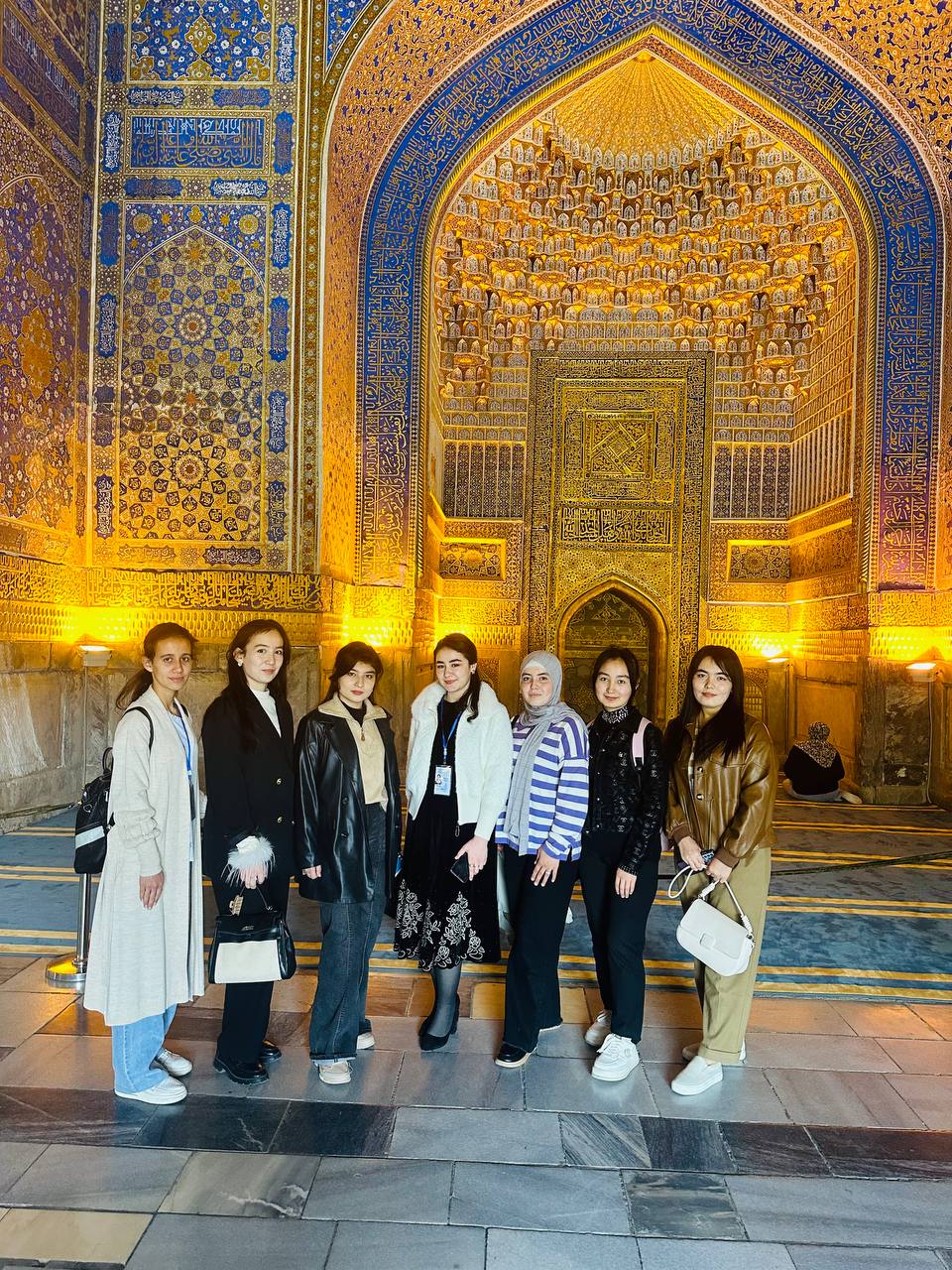
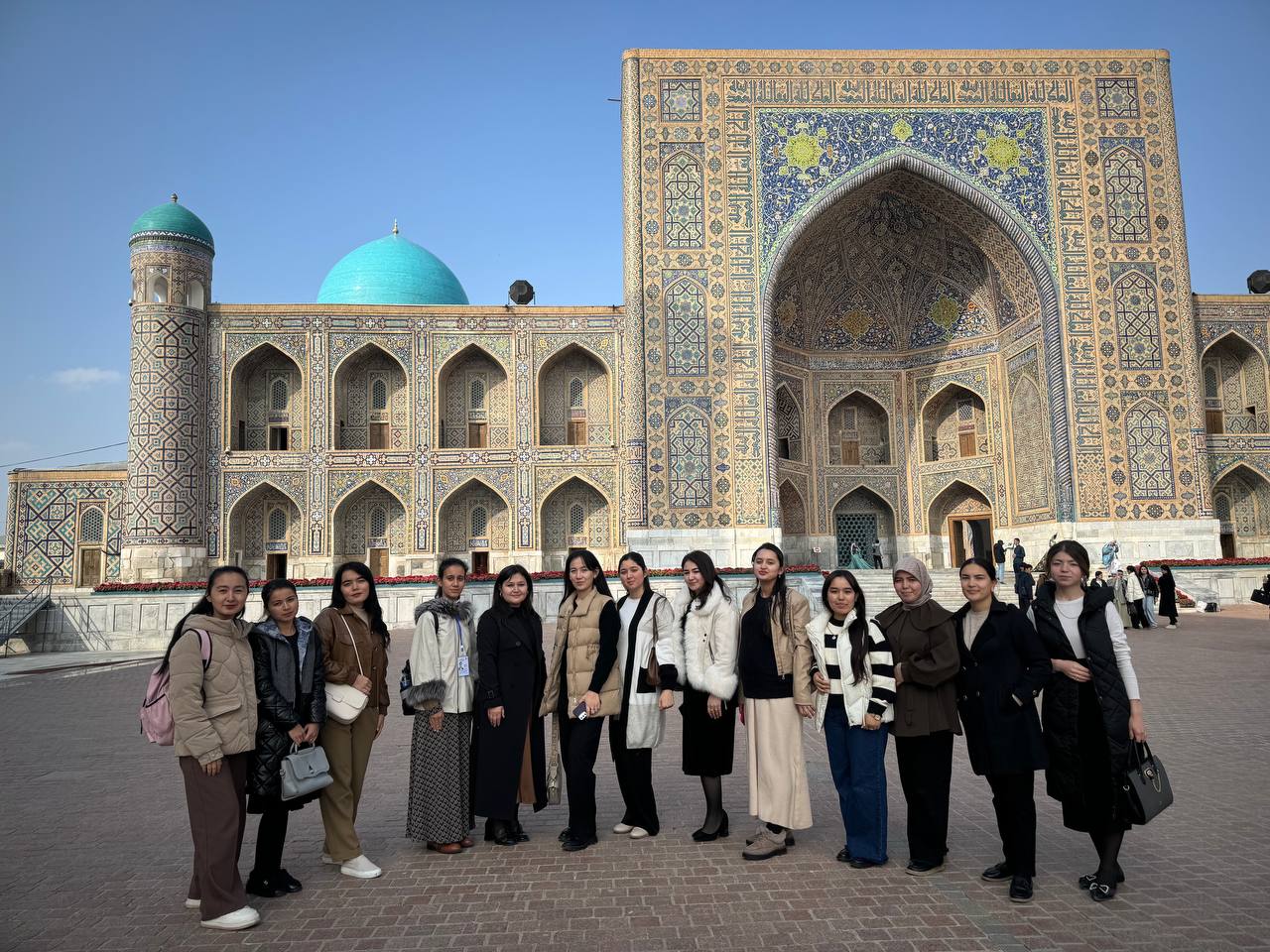
Group of Central Asian young women students in front of a decorated building with blue and yellow and tan designs, a few green domes, and arched entryways.
Smaller group of young women students inside an intricately decorated blue and gold building.

Unforgettable Moments of Our Final Year

Time flies at an incredible speed. It feels like just yesterday we stepped into university as curious, playful freshmen, struggling to navigate the academic system. And now, before we even realized it, we are in our final year—some of us already married, some even parents, all of us grown into mature individuals. Over the past four years, we have experienced countless challenges and milestones, but today, I want to share the most memorable part of this journey—our final-year internship.

At our university, we are privileged to learn from some of the finest professors, and this extends to our practical training as well. We were fortunate to be mentored by outstanding experts, particularly during our internship at the historical Registan complex. Under the guidance of our supervisor, G. Sirocheva, an experienced and knowledgeable tour guide, we gained invaluable insights into the art of guiding tourists. She spared no effort in sharing her expertise, encouraging us to develop our translation and guiding skills through hands-on practice with both local and foreign visitors.

Samarqand, a city with a rich historical legacy, continues to mesmerize the world with its stunning architectural wonders and centuries-old monuments. Studying its cultural heritage is not only fascinating but also a great responsibility. As aspiring translators and guides, sharing this wealth of knowledge with visitors brings us immense pride.

For any guest visiting Samarqand, exploring its ancient landmarks is very pleased. The city’s blue-domed minarets, the grandeur of the Timurid era, and its well-preserved historical essence create an atmosphere that transports visitors to another time. Registan Square, once the heart of the city’s bustling marketplace, remains the primary attraction for tourists. Stepping onto this historic site, one cannot help but feel the lingering presence of the Timur era’s splendor.

As translation and interpretation students, our internship was structured to balance both practical fieldwork and academic translation exercises. We spent three days a week at historical sites, honing our guiding skills, while the remaining days were dedicated to translating various texts, including official documents and literary works.

One of the most exciting projects assigned to our group was preparing English subtitles for the Uzbek film O‘tgan Kunlar (Bygone Days). Under the guidance of our mentor, F. Bakiyev, we delved deep into the complexities of literary translation. We explored techniques for adapting idiomatic expressions, proverbs, and figurative language while ensuring cultural and linguistic accuracy. Additionally, we learned about modern subtitling platforms and tools, further expanding our skill set in audiovisual translation.

Looking back, this year has been one of the most enriching experiences of our academic journey. It rovided us with invaluable opportunities to apply our theoretical knowledge in real-world settings and take a significant step forward in our professional development. The dedication of our professors, the time and effort invested in our education, and the doors being opened for us as young professionals all serve as a reminder that we must continue striving for excellence.

As we stand on the brink of graduation, we are more determined than ever to make the most of the opportunities ahead, honoring the hard work of our mentors and making a meaningful contribution to our field.

2123 group of final-year students,

Faculty of English Philology and Translation Studies

Samarkand State Institute of Foreign Languages

Poetry from Tom McDade

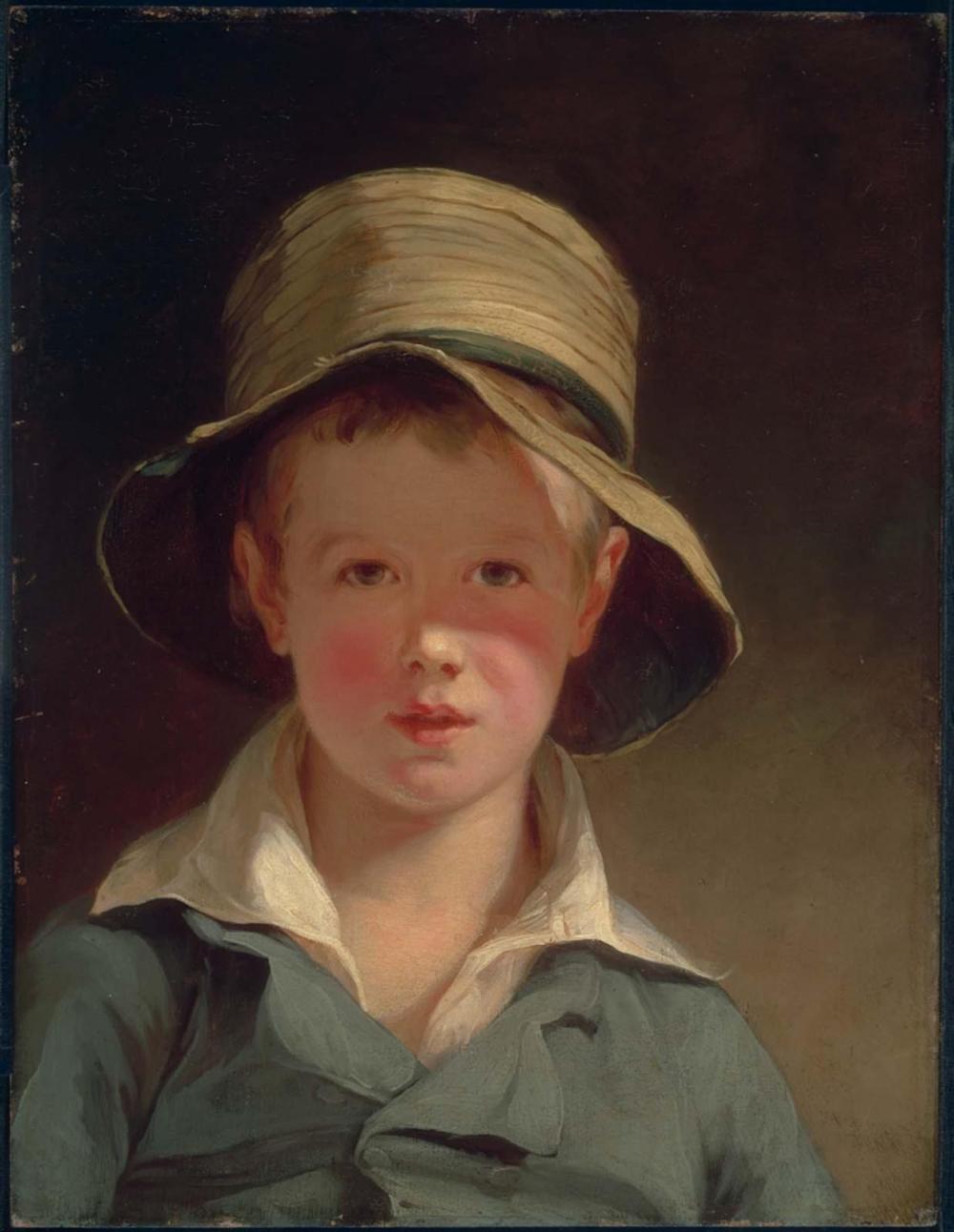
Thomas Sully’s Torn Hat, c/o MFA Boston

Two on the Wall

The Torn Hat painting

By Tom Sully was one

Of two that hung

On a Federal Housing

Wall where we lived

Never made me want

To own such a lid

But I might have wished

I’d been as good

Looking or as brave

As that kid with the rosy

Cheeks that might have

Been badges of courage

From a bully skirmish

Chapeau snatched

And ripped in retrieval –

Years after my brother’s

Suicide I began to gaze

Back and find him in that

Memory frame but never

Coaxed smile or smirk

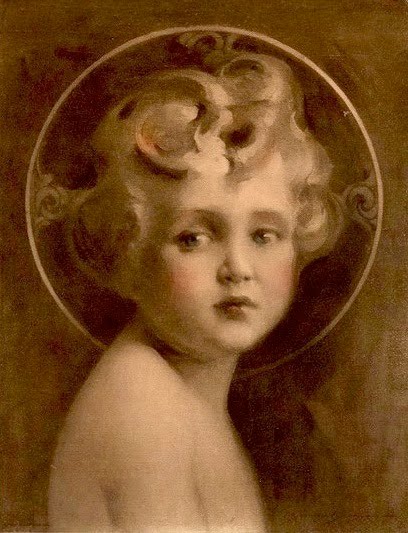
Light of the World-Child

Jesus was the companion

Skinny gold halo and God

Awful ragged and painful

Looking seaweed hair

A shoulder turned as if

Awaiting a polio shot

He died for our sins so

They say so ergo no need

For my brother to have

Taken his so seriously

Any critic art or otherwise

Would agree don’t you think

Charles Bosseron Chambers’ The Light of the World, Jesus c/o the Fra Angelico Institute

Store-Bought

The pipe-smoking professor

lobbed quickly a question or two

at the Shakespeare Intro class

before settling at his throne.

Not a hand signaling interest

or answer fecund or fallow,

he bolted in disgust leaving

a striking  tobacco trail

and I recalled the tall student

sitting in front  of me tall, Jesus

looking or at least

a disciple, long hair but no beard

a mere goatee—could be a character

from Midsummer, the comedy at hand—

who three days past picked apart

a drug angle namely Puck’s

narcotic plucking that had proven

a tad much for the professor

who broke in, citing a need

to inhale something more

potent than store-bought

in order to follow.

Wondering what wafted from clay

pipes at the Boar’s Head Inn,

perfuming the hair of wenches

I eyed the beauty second seat, first row

and imagined my face lost in her forest

of raven locks and at her request

deeply inhaling to separate

the store-bought

from whatever mystical elixir

she’d used in her morning shower.

The Libretto

Just a short stretch

Of wall between Bill Butler

Chase’s Wounded Poacher 

And Seymour Guy’s At the Opera 

The fugitive is all the worse

For the wear, gaunt, grimy

Bandage-headed yet

His exquisite mustache

Is oddly hale as if

Smoothed for the posing

Guy’s lovely young

Woman, sophisticated

No doubt and oh so fragile

A slim red band holds

Her taut hairdo in place

What’s occurring on stage

Prompts removal of her

Opera glasses or are those

Smartly gloved fingers

Lifting them to better peek

At a man of interest

As Madame Bovary did

From her Rouen box

How would she react to the poacher

His rifle aimed, they won’t take me

Alive written in caps all over his face

Give up the three strands of pearls

Give up the fur he’d kill to caress

Allow him to touch her thin lips

Small ears, perfect nose and skin

As fair as tissue under a pelt

Of a creature freshly peeled

A Beach and Boardwalk Poem

A couple of teens surf like novices

A kid in a sandbox scans them

But keeps his windblown focus

On a small bulldozer shifting sand

Does he long for the day he might fill

That vehicle seat, ditch the shovel and pail

A couple of loud F-15s fly over, another dream

Along with an aircraft carrier his mom points out

Near the jetty a trio of men and one woman fish

A boat rigged to tow hang gliders exits the inlet

A young woman in a bikini powering inline

Skates, pushes off with fingers entwined

Confidently behind her back

A yellow lab carrying an ultra-bright tennis ball

Pulls ahead and drops the toy

She squats to snag, passes it back

And speeds off six wheels singing

Her arms wagging like happy dog tails

By James McNeill Whistler – National Gallery of Art, Washington, D. C., online collection, Public Domain,

Fame Found 

She was snatched off a branch

Of our family tree, a very distant

Cousin, mistress, of both Jim

Whistler and Gus Courbet

My grandparents never would

Have shared that tidbit

Irish Catholic reins you know

So kudos and gratitude

To the arborist who released

Joanna into our custody

How stately, simply gorgeous

Standing tall on a bearskin rug

The head intact and it’s smiling

In Jim’s Symphony in White 

Her red hair a wimple

The white of her dress and

The pale of the curtain behind

Equal at least two wedding gowns

In Gus’s, Jo La Belle Irlandaise she is

Fingering her locks, examining

Her face in a hand held looking glass

Maybe concerned her beauty is fading

How many women sharing boughs

On our ancestral timber appraise

Their reflections hoping to find

A tad of her handed down

Count the men who have ogled

A forest of barroom faces

By Gustave Courbet – Bridgeman Art Library: Object 128516, Public Domain,

AWOL

I’m homeless and walking

At midnight in Central Park

It is winter and I’m wearing

My first Navy Issue pea coat

Stolen when left on my rack

To use the head the day

I was leaving for a new ship

I bought a used one in Newport

But this is the original I’m sure of it

Don’t ask me why this certainty

I can’t place the rest of my clothing

I have a fountain pen in one pocket

And half a lemon poppy seed

Muffin in the other

That I pick at

There are no flowers

In this dream no opium

But seeds get stuck

In my teeth that I move

To my tongue with my pen

Tip then swallow

And taste punctuation

Ending sentences

Confining me

To a brig

Ashok Kumar reviews a poem by Eva Petropoulou Lianou

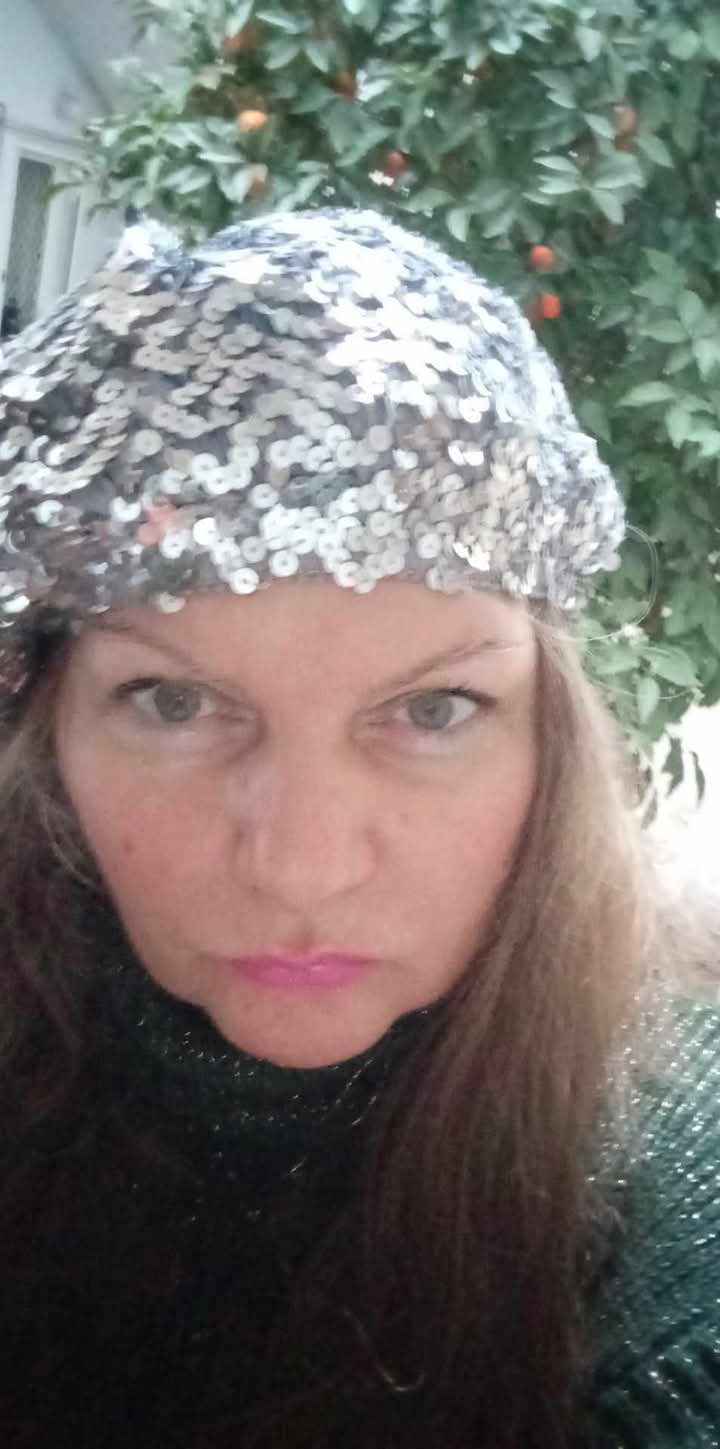
Light-skinned middle aged woman with green eyes, pink lipstick, a gray sequined cap, and a green sweater. Leafy green tree is behind her.

Peace

Prayers for a peaceful world

I dreamt about it

I closed my eyes years ago

I saw children playing with dolls

I keep my eyes closed

I am afraid to open them

Because when i opened my eyes, dead bodies exist everywhere

No schools

No home

No toys

I keep my eyes closed

I live peacefully

Eva Petropoulou Lianou 🇬🇷

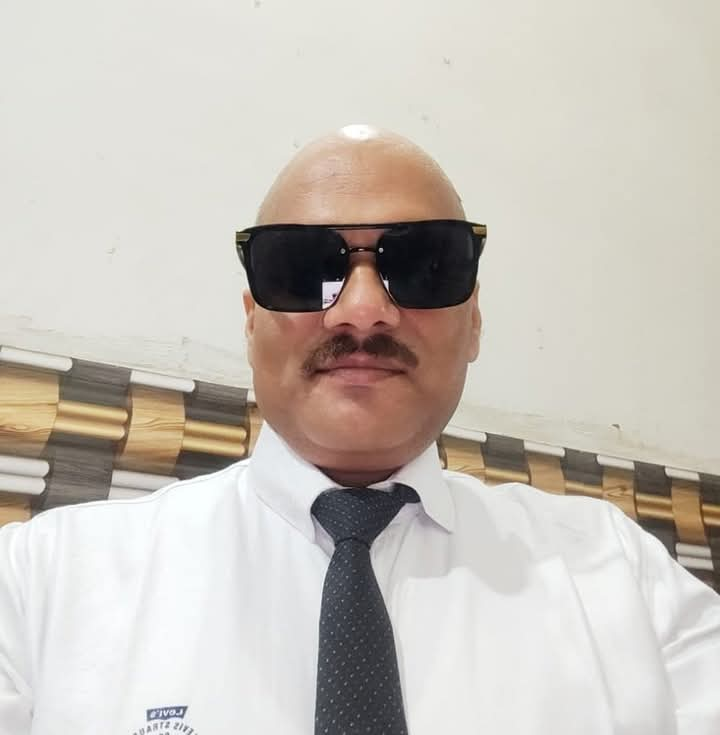
Older South Asian man with a bald head, dark sunglasses, small mustache and no beard, and a white suit and a dark tie.
Ashok Kumar

Critical Appreciation: “Peace, Prayers for a Peaceful World” by Eva Petropoulou Lianou

In the realm of contemporary poetry, Eva Petropoulou Lianou’s “Peace, Prayers for a Peaceful World” stands as a powerful and poignant masterpiece that pierces the heart and soul of humanity. This poem is a profound exploration of the human experience, delving into the complexities of war, violence, and the longing for peace.

The poem’s central theme of the speaker’s dream of a peaceful world is a powerful metaphor for the universal human aspiration for harmony and tranquility. Lianou’s lines, “I dreamt about it / I closed my eyes years ago / I saw children playing with dolls,” create a vivid image of a world where innocence and joy reign supreme. However, the speaker’s reluctance to open their eyes, “Because when I opened my eyes, / dead bodies exist everywhere,” is a heart-wrenching reminder of the harsh realities of war and violence.

One of the most impressive aspects of this poem is its use of imagery and symbolism. The image of children playing with dolls is a particularly striking one, highlighting the ways in which war and violence destroy the innocence and joy of childhood. The contrast between the peaceful world of the speaker’s dream and the harsh reality of war is also noteworthy, underscoring the ways in which violence can shatter our hopes and dreams.

The poem’s themes of peace, war, and the human condition are equally compelling. Lianou’s lines, “No schools / No home / No toys,” speak to the ways in which war and violence can destroy the very fabric of our lives, leaving us without the basic necessities of human existence. The speaker’s decision to keep their eyes closed, “I keep my eyes closed / I leave peacefully,” is a poignant reminder of the ways in which we often try to escape the harsh realities of the world around us.

Throughout the poem, Lianou’s voice is characterized by its lyricism, depth, and emotional resonance. The poem’s message is both timely and timeless, speaking to the universal human aspirations for peace, harmony, and tranquility that transcend borders, cultures, and generations.

In conclusion, “Peace, Prayers for a Peaceful World” is a masterpiece of contemporary poetry that deserves to be widely read and studied. Eva Petropoulou Lianou’s poem is a powerful exploration of the human experience, peace, war, and the longing for a better world, and its themes of hope, resilience, and the human condition will resonate with readers long after they finish reading.

India 🇮🇳 BHARAT

January 24, 2025

Dr Ashok Kumar from Baraut BAGHPAT UP INDIA BHARAT

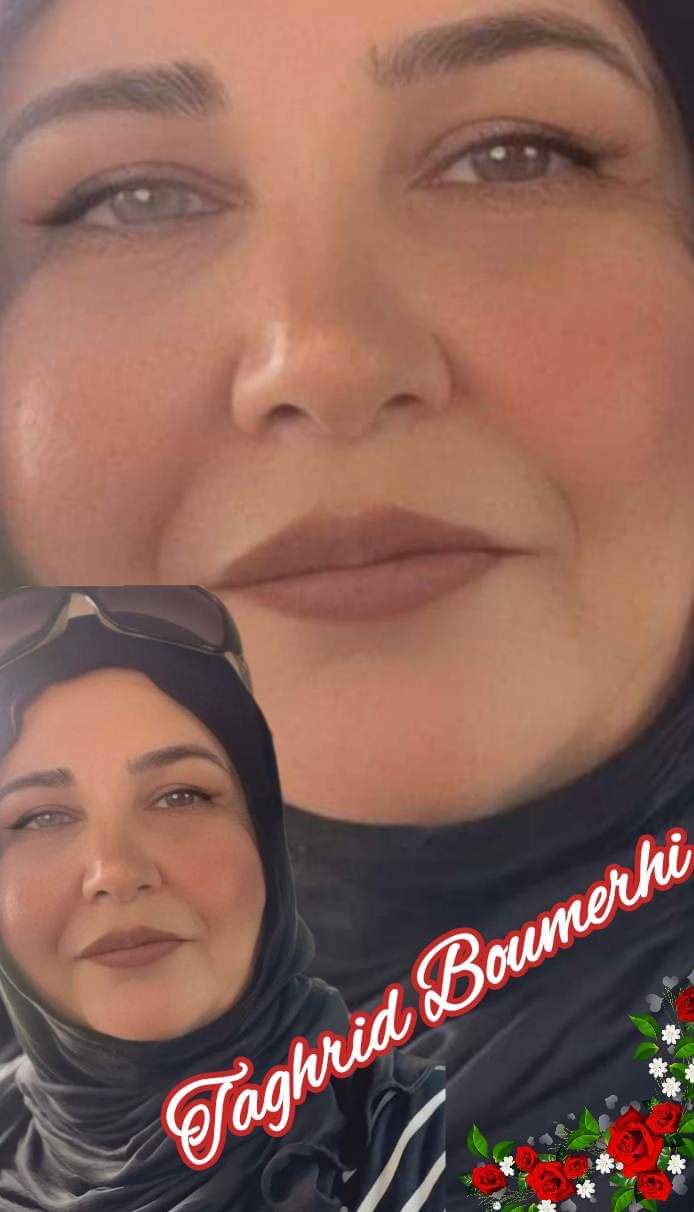
Poetry from Tagrid Boumerhi

Closeup image of a light skinned woman with a dark headscarf over her hair and neck. In the lower left is a smaller image of her face. White text outlined in red spells her name, Taghrid Boumerhi. Red roses and white baby's breath in the lower right corner.
Καλησπέρα σας
Παρακαλώ πολύ όπως δημοσιεύσετε τα ποιήματα

Taghrid Boumerhi
Poet
Translator
Journalist
Lebanon
Brasil


Θέμα: Poem Written Y translation by TAGHRID BOU MERHI

"BETWEEN SILENCE AND NOTHINGNESS" 
Poem in Arabic language written and translated into English, Italiano, Spanish, French and Portuguese by poet and Translator TAGHRID BOU MERHI 

بين الصمت والعدم

في البدءِ، كانتِ الكلماتُ تُخلقُ من الرماد، ثمَّ تتلاشى في الفراغِ كأنّها لم تكن.
كنتُ أحاولُ أن أسمعَ صوتَ الظلِّ وهوَ ينسحبُ من الجدار، لكنَّ الجدارَ لم يكنْ هناك.
كنتُ أبحثُ عن يدٍ تمسكُ بالزمنِ، فأمسكتُ بريحٍ خفيفةٍ تسرّبتْ من بينِ أصابعي.
ثمَّ أدركتُ أنَّ الفراغَ يزدادُ امتلاءً كلّما حاولتُ قياسَهُ،
وأنَّ العدمَ يُمسكُ بالعالمِ مثلَ قصيدةٍ لم تكتملْ.

تُرى، هل كانَ الإنسانُ فكرةً تأخّرتْ عن الوصول؟
هل كانَ ظلَّ احتمالٍ نسيَ أنْ يعودَ إلى جسده؟
كنتُ أراقبُ الوقتَ وهوَ يسيلُ على طاولةٍ من زجاج،
كانَ الزمنُ يذوبُ ببطءٍ، يتركُ أثرَهُ على الأصابعِ ثمَّ يختفي،
لكنَّ أحداً لم يلاحظْ أنَّ الطاولةَ كانتْ تصدأُ من الداخل.

في الخارجِ، كانَ الصمتُ يملأُ الأزقّةَ مثلَ دخانٍ باردٍ،
والأبوابُ تُفتحُ على نفسها دونَ أن يدخلَ أحدٌ أو يخرجَ.
الأرصفةُ تنتظرُ خطواتٍ لم تأتِ،
والأشجارُ تحاولُ أن تُقنعَ العابرينَ أنّها لا تزالُ تتنفّسُ.

هل ثمّةَ بابٌ للخروجِ من هذهِ الدائرة؟
ربّما البابُ ليسَ في الجدار،
ربّما البابُ ليسَ باباً، بل فكرةٌ تنزلقُ في الظلامِ ثمَّ تنحلُّ في الهواء.
لكن، كيفَ يخرجُ المرءُ من شيءٍ لا يدركُ حدوده؟
كيفَ يعبرُ إلى الضفّةِ الأخرى دونَ أنْ يعرفَ إنْ كانتْ هناكَ ضفّةٌ أخرى؟

كنتُ أفكّرُ في هذا حينَ سمعتُ صوتاً يسألني:
"من تكونُ؟"
بحثتُ عن إجابةٍ في جيبي، فلم أجدْ سوى حفنةِ غبارٍ قديمٍ
وبقايا أصواتٍ لم يعدْ أحدٌ يذكرُ أصحابَها.
فقلتُ للصوتِ:
"أنا ظِلٌّ يتذكّرُ أنه كانَ ضوءاً،
أنا صدى كلمةٍ نسيَتْ من قالَها،
أنا خطأٌ لم يجدْ مكاناً ليسقطَ فيه،
أنا اللاشيءُ، يسعى ليكونَ شيئاً."

ثمَّ نظرتُ إلى يدي،
فرأيتُ أنني لم أكنْ هناك.

Version Italian 

TRA IL SILENZIO E IL NULLA 

All'inizio, le parole nascevano dalla cenere,
poi svanivano nel vuoto come se non fossero mai esistite.
Cercavo di sentire il suono dell’ombra che si ritirava dal muro,
ma il muro non c’era.
Cercavo una mano che afferrasse il tempo,
ma ho preso solo un vento leggero, sfuggito tra le mie dita.
Poi ho capito che il vuoto si riempie quanto più si cerca di misurarlo,
e che il nulla trattiene il mondo come una poesia incompiuta.

Mi chiedo: l’uomo era forse un’idea arrivata in ritardo?
Era forse l’ombra di una possibilità
che ha dimenticato di tornare al suo corpo?
Osservavo il tempo scorrere su un tavolo di vetro,
si scioglieva lentamente, lasciando tracce sulle dita,
poi scompariva.
Ma nessuno si accorgeva che il tavolo arrugginiva dall’interno.

Fuori, il silenzio riempiva i vicoli come un fumo freddo,
le porte si aprivano su se stesse
senza che nessuno entrasse o uscisse.
I marciapiedi aspettavano passi che non arrivavano,
e gli alberi cercavano di convincere i passanti
che ancora respiravano.

C’è forse una porta per uscire da questo cerchio?
Forse la porta non è nel muro,
forse la porta non è una porta,
ma un’idea che scivola nell’oscurità e si dissolve nell’aria.
Ma come si esce da qualcosa di cui non si conoscono i confini?
Come si attraversa l’altra riva senza sapere se esiste davvero un’altra riva?

Stavo pensando a questo, quando ho sentito una voce chiedermi:
“Chi sei?”
Ho cercato una risposta nella mia tasca,
ma non ho trovato altro che una manciata di polvere antica
e resti di voci di cui nessuno ricordava più i proprietari.
Allora ho detto alla voce:

“Io sono un’ombra che ricorda di essere stata luce,
sono l’eco di una parola che ha dimenticato chi l’ha pronunciata,
sono un errore che non ha trovato un posto dove cadere,
sono il nulla che cerca di diventare qualcosa.”

Poi ho guardato le mie mani,
e ho visto che io non c’ero più.

©® TAGHRID BOU MERHI - LIBANO - BRASILE


English Version

BETWEEN SILENCE AND NOTHINGNESS

In the beginning, words were born from ashes,
then vanished into emptiness as if they had never been.
I tried to hear the sound of the shadow withdrawing from the wall,
but the wall was not there.
I searched for a hand to grasp time,
but I held only a light breeze slipping through my fingers.
Then I realized that emptiness grows fuller the more one tries to measure it,
and that nothingness holds the world like an unfinished poem.

I wonder: was humanity merely an idea that arrived too late?
Was it the shadow of a possibility
that forgot to return to its body?
I watched time flow across a glass table,
melting slowly, leaving its trace on my fingers,
then disappearing.
Yet no one noticed that the table was rusting from within.

Outside, silence filled the alleys like cold smoke,
doors opened onto themselves
without anyone entering or leaving.
Sidewalks awaited footsteps that never came,
and trees tried to convince passersby
that they were still breathing.

Is there a door to escape this circle?
Perhaps the door is not in the wall,
perhaps the door is not a door at all,
but an idea slipping into darkness, dissolving into the air.
But how does one leave something whose boundaries are unknown?
How does one cross to the other shore without knowing if there is another shore?

I was thinking about this when I heard a voice ask me:
"Who are you?"
I searched my pocket for an answer,
but found only a handful of ancient dust
and the remnants of voices whose owners had long been forgotten.
So I said to the voice:

"I am a shadow that remembers being light,
I am the echo of a word that has forgotten who spoke it,
I am a mistake that never found a place to fall,
I am nothingness striving to become something."

Then I looked at my hands,
and saw that I was no longer there.

©® TAGHRID BOU MERHI - LEBANON - BRAZIL 


Spanich Version 

ENTRE EL SILENCIO Y LA NADA

Al principio, las palabras nacían de las cenizas,
luego desaparecían en el vacío como si nunca hubieran existido.
Intenté escuchar el sonido de la sombra retirándose de la pared,
pero la pared no estaba allí.
Busqué una mano que sostuviera el tiempo,
pero solo atrapé una brisa ligera que se escapaba entre mis dedos.
Entonces comprendí que el vacío se llena más cuanto más intentamos medirlo,
y que la nada sostiene al mundo como un poema inacabado.

Me pregunto: ¿fue la humanidad solo una idea que llegó tarde?
¿Fue la sombra de una posibilidad
que olvidó regresar a su cuerpo?
Observé el tiempo deslizándose sobre una mesa de cristal,
derritiéndose lentamente, dejando su rastro en mis dedos,
para luego desvanecerse.
Pero nadie notó que la mesa se oxidaba por dentro.

Afuera, el silencio llenaba los callejones como un humo frío,
las puertas se abrían sobre sí mismas
sin que nadie entrara o saliera.
Las aceras esperaban pasos que nunca llegaron,
y los árboles intentaban convencer a los transeúntes
de que aún respiraban.

¿Existe una puerta para salir de este círculo?
Tal vez la puerta no está en la pared,
tal vez la puerta no es una puerta,
sino una idea que se desliza en la oscuridad y se disuelve en el aire.
Pero, ¿cómo se escapa de algo cuyos límites son desconocidos?
¿Cómo se cruza a la otra orilla sin saber si hay otra orilla?

Pensaba en esto cuando escuché una voz preguntarme:
"¿Quién eres?"
Busqué en mi bolsillo una respuesta,
pero solo encontré un puñado de polvo antiguo
y los restos de voces cuyos dueños habían sido olvidados.
Entonces le respondí a la voz:

"Soy una sombra que recuerda haber sido luz,
soy el eco de una palabra que olvidó quién la pronunció,
soy un error que nunca encontró dónde caer,
soy la nada intentando convertirse en algo."

Luego miré mis manos,
y vi que ya no estaba allí.

©® TAGHRID BOU MERHI - LÍBANO - BRASIL


-----


Version French 

ENTRE LE SILENCE ET LE NÉANT

Au commencement, les mots naissaient des cendres, puis s’évanouissaient dans le vide comme s’ils n’avaient jamais existé.
J’essayais d’entendre la voix de l’ombre qui se retirait du mur, mais le mur n’était pas là.
Je cherchais une main pour saisir le temps, mais j’ai attrapé une brise légère qui s’est échappée entre mes doigts.
Puis j’ai compris que le vide se remplissait à mesure que j’essayais de le mesurer,
et que le néant tenait le monde comme un poème inachevé.

Se pourrait-il que l’homme soit une idée arrivée en retard ?
Était-il l’ombre d’une possibilité qui avait oublié de retourner à son corps ?
Je regardais le temps couler sur une table en verre,
le temps fondait lentement, laissait sa trace sur les doigts puis disparaissait,
mais personne ne remarquait que la table rouillait de l’intérieur.

Dehors, le silence emplissait les ruelles comme une fumée froide,
et les portes s’ouvraient sur elles-mêmes sans que personne n’entre ni ne sorte.
Les trottoirs attendaient des pas qui ne venaient pas,
et les arbres tentaient de convaincre les passants qu’ils respiraient encore.

Y avait-il une porte pour sortir de ce cercle ?
Peut-être que la porte n’était pas dans le mur,
peut-être que la porte n’était pas une porte, mais une idée qui glissait dans l’obscurité avant de se dissoudre dans l’air.
Mais comment sortir de quelque chose dont on ne perçoit pas les limites ?
Comment traverser vers l’autre rive sans savoir s’il y a une autre rive ?

Je réfléchissais à cela quand j’ai entendu une voix me demander :
"Qui es-tu ?"
J’ai cherché une réponse dans ma poche, mais je n’y ai trouvé qu’une poignée de poussière ancienne
et des restes de voix dont plus personne ne se souvenait.
Alors, j’ai dit à la voix :
"Je suis une ombre qui se souvient d’avoir été lumière,
je suis l’écho d’un mot qui a oublié qui l’avait prononcé,
je suis une erreur qui n’a pas trouvé d’endroit où tomber,
je suis le néant, cherchant à devenir quelque chose."

Puis j’ai regardé ma main,
et j’ai vu que je n’étais plus là.

©® TAGHRID BOU MERHI - LIBAN - BRÉSIL 

---

Version Portuguese

ENTRE O SILÊNCIO E O NADA 

No começo, as palavras nasciam das cinzas, depois se dissipavam no vazio como se nunca tivessem existido.
Eu tentava ouvir a voz da sombra se afastando da parede, mas a parede não estava lá.
Eu procurava uma mão que segurasse o tempo, mas agarrei uma brisa leve que escapou entre meus dedos.
Então percebi que o vazio se tornava mais cheio sempre que eu tentava medi-lo,
e que o nada segurava o mundo como um poema inacabado.

Será que o ser humano era uma ideia que chegou tarde demais?
Seria ele a sombra de uma possibilidade que esqueceu de voltar ao seu corpo?
Eu observava o tempo escorrendo sobre uma mesa de vidro,
o tempo derretia lentamente, deixava sua marca nos dedos e depois desaparecia,
mas ninguém percebia que a mesa enferrujava por dentro.

Lá fora, o silêncio enchia as vielas como uma fumaça fria,
e as portas se abriam para si mesmas sem que ninguém entrasse ou saísse.
As calçadas esperavam passos que nunca vinham,
e as árvores tentavam convencer os transeuntes de que ainda respiravam.

Haveria uma porta para sair desse círculo?
Talvez a porta não estivesse na parede,
talvez a porta não fosse uma porta, mas uma ideia que escorregava na escuridão antes de se dissolver no ar.
Mas como se sai de algo cujos limites não se percebem?
Como atravessar para a outra margem sem saber se existe uma outra margem?

Eu pensava nisso quando ouvi uma voz me perguntar:
"Quem é você?"
Procurei uma resposta no bolso, mas só encontrei um punhado de poeira antiga
e restos de vozes cujos donos ninguém mais lembrava.
Então, disse à voz:
"Sou uma sombra que se lembra de ter sido luz,
sou o eco de uma palavra que esqueceu quem a disse,
sou um erro que não encontrou onde cair,
sou o nada, tentando ser alguma coisa."

Então olhei para minha mão,
e vi que eu já não estava lá.

©® TAGHRID BOU MERHI - LIBANO - BRAZIL 

Synchronized Chaos’ Mid-January Issue: Human Passions

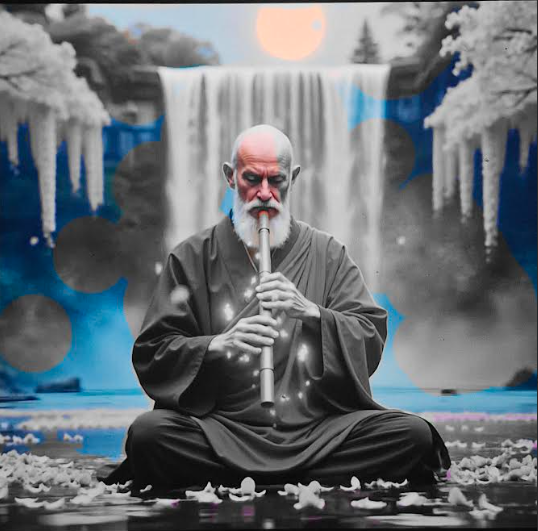
Older bald man with a beard and a robe meditating in a pond with lotus blossoms with snow-covered trees and a waterfall behind him.
Image c/o Jacques Fleury

Contributor Eva Petropolou Lianou would like to let us know about this call for submissions of poetry to benefit a writer in Gaza (whom we’ve also published).

Also, contributing poet Christina Chin has a new book available now on Amazon, “First Day of the Rest.” This is a special project, a collaborative haibun/haibunga book written with Michael Hough, poet, composer, and musician featuring both photos and art by the authors. More about the book here.

Next, an announcement from contributor Chimezie Ihekuna, who is seeking an investor/executive producer for the project, One Man’s Deep Words. It is set in the US, details here.

Also, poet and prose writer Christopher Bernard would like to share that his magazine, Caveat Lector, will be giving a reading to commemorate the Winter 2025 issue, at Clarion Performing Arts Center. Information and address here.

In this issue, our international contributors address themes of passion.

Some writers explore this concept in the way modern people tend to understand it, with pieces on love of various sorts.

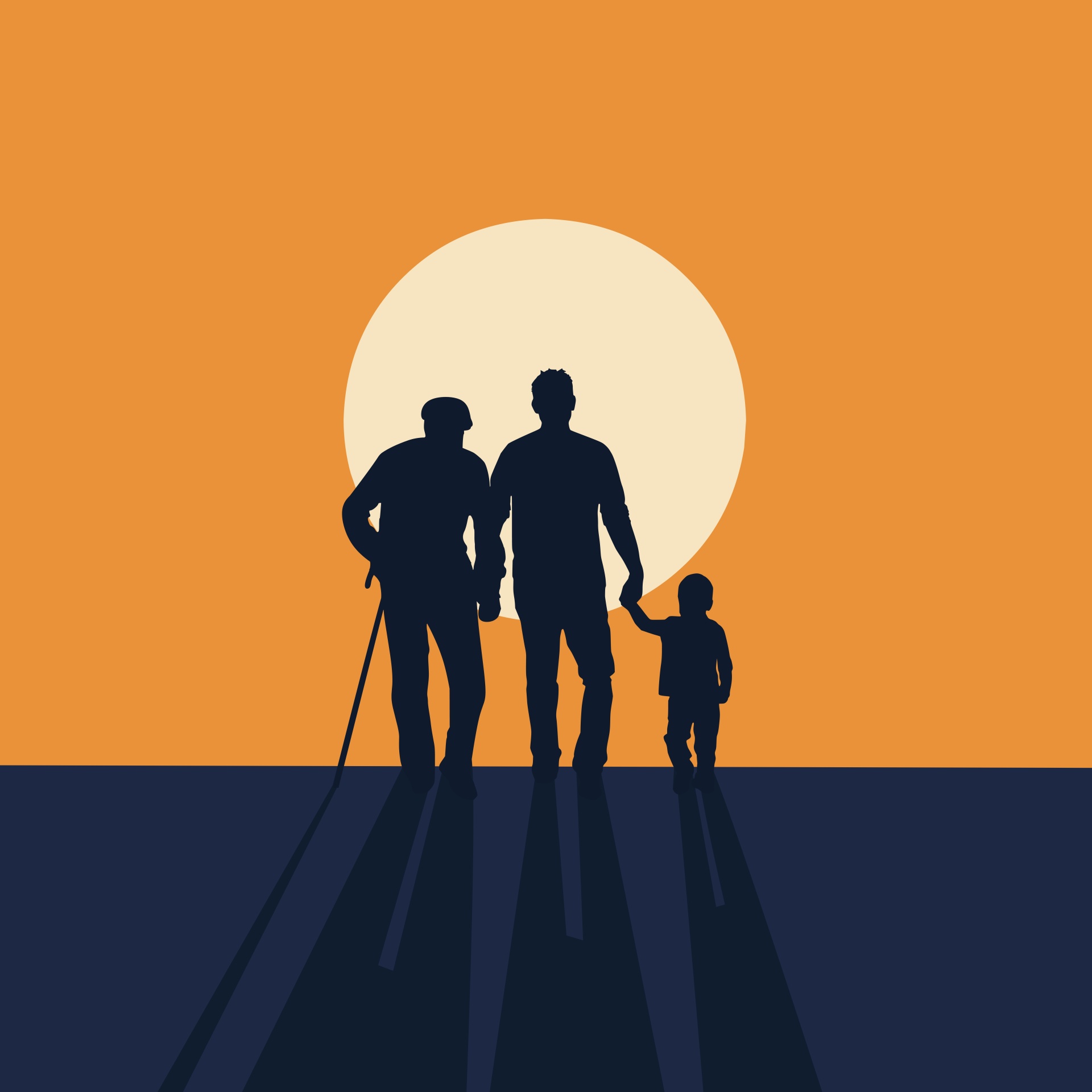
Black and white silhouette family, two older adults, one with a cane, and a little child, on blue ground heading to a yellow sun and orange sky.
Image c/o Mohamed Mahmoud Hassan

Madaminova Ogiloy’s tender poem praises the kindness and care of her mother. Ilhomova Mohichehra reflects on the steady consistency and dedication of her father. Xonzoda Axtamova honors a mother who cared for her children despite her own struggles.

G’ulomjanova Marjona reminds us that family love and care for parents should come before materialism and success in our short lives.

Anindya Paul’s piece compares the pressure of a son trying to live up to his father’s expectations to that of a father doing his best to provide for and raise children.

Teachers and other professionals also extend deep concern for the children under their care. Azadbek Yusupov outlines effective ways to evaluate teachers’ classroom performance. Medical student Dilshoda Izzatilloyeva outlines causes and treatments of pneumonia in young children.

Rus Khomutoff evokes a mix of spiritual and sensual feelings in his transfixing concrete dream poem. R.K. Singh’s poetry explores the feelings of men and women navigating complex sensual desires and emotions: fear, danger, lust, and ecstasy that can come with intimacy. Mark Blickley fills out the story in a bawdy Greek myth in historical speculative fan fiction.

Luis Cuauhtemoc Berriozabal fantasizes about imagined romances as his body slowly decays with time. Doug Holder crafts a mood of giddy romantic anticipation in his ekphrastic accompaniment to Gieseke Penizzotto Denise’s painting.

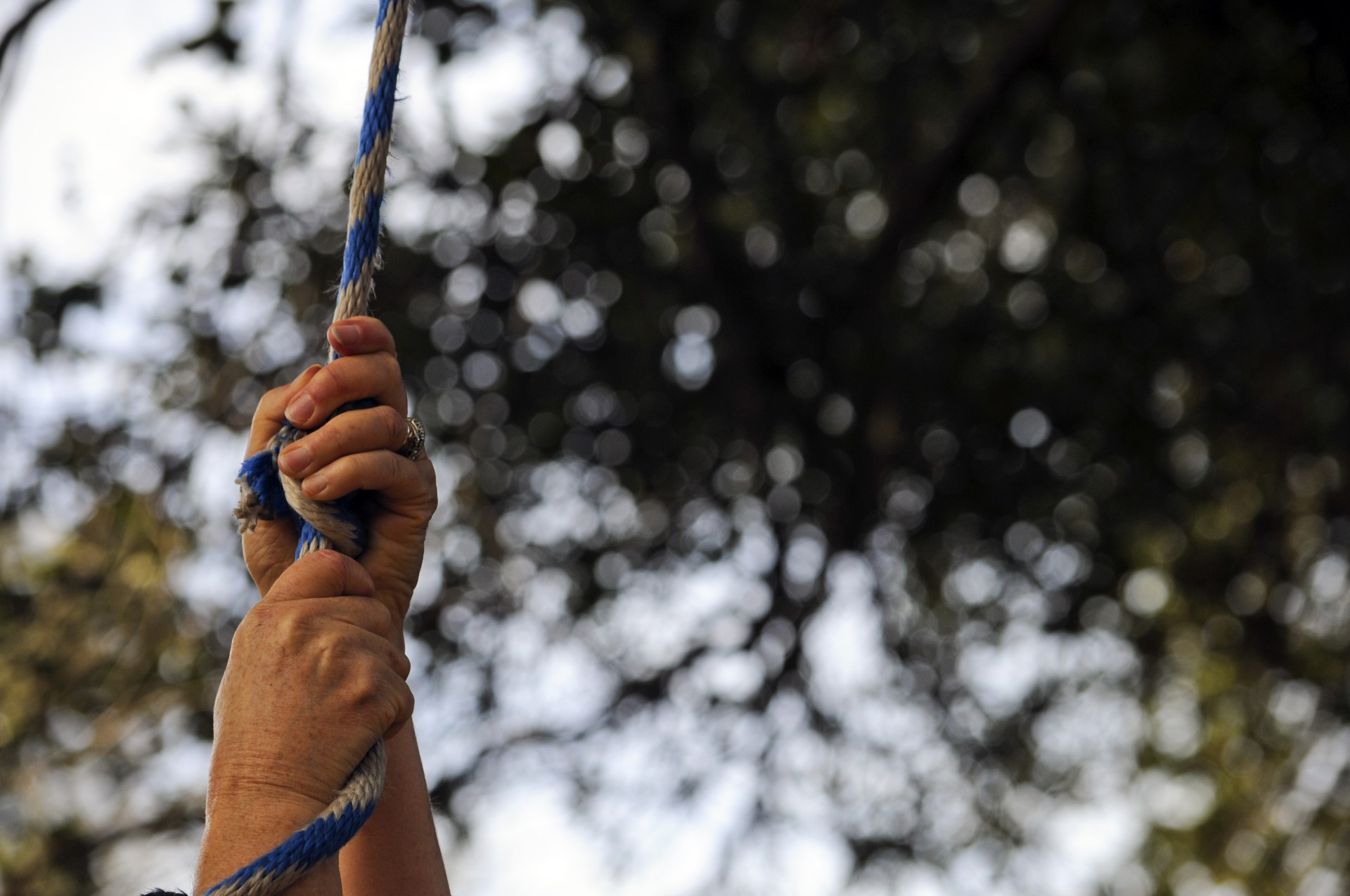
Person's hand gripping a rope with trees in the background.
Image c/o Linnaea Mallette

While the word has come to be associated with romantic emotion, the word “passion” comes from an old Latin word for suffering and originally referred to the willingness to endure much to reach one’s goals. Some of our contributors celebrate this kind of determination and perseverance, on their paths to personal or creative development or just to survive in the world.

Jacques Fleury reviews Lyric Stage Boston’s production of Lynn Nottage’s play Crumbs from the Table of Joy and discusses how the show highlights the struggles of working-class Black people for full inclusion in the United States.

In Bill Tope’s short story, a young woman rebels against the humiliation of an oppressive dress code.

Graciela Noemi Villaverde draws on gardening metaphors to describe the cultivation of character over time. Feruza Sheraliyeva writes of the corrosive nature of corruption on society and urges every individual to uphold ethical standards. Asadbek Yusupov outlines the balance between individual rights and civic responsibilities in Uzbekistan. Aminova Dilbar highlights the value placed on inter-ethnic harmony, equality, and mutual respect in Uzbekistan, codified into the highest levels of government.

David Sapp’s poetic speaker wishes to transcend this life to a higher spiritual plane, but human feelings keep calling him back to this mortal coil. Kieu Bich Hau remains resolute during her time of soul-searching loss on the shores of Italy’s Lake Como. Michael Robinson speaks to how his faith in Christ gives him joy and peace as he undergoes dialysis. Abigail George’s essay speaks to what it means to create in times of great struggle and societal marginalization.

Anna Keiko celebrates individuality in her short poem, encouraging readers to be unafraid to be themselves. Z.I. Mahmud highlights themes of female emancipation and agency and freedom from existing purely for the male gaze in Sylvia Plath’s poetry.

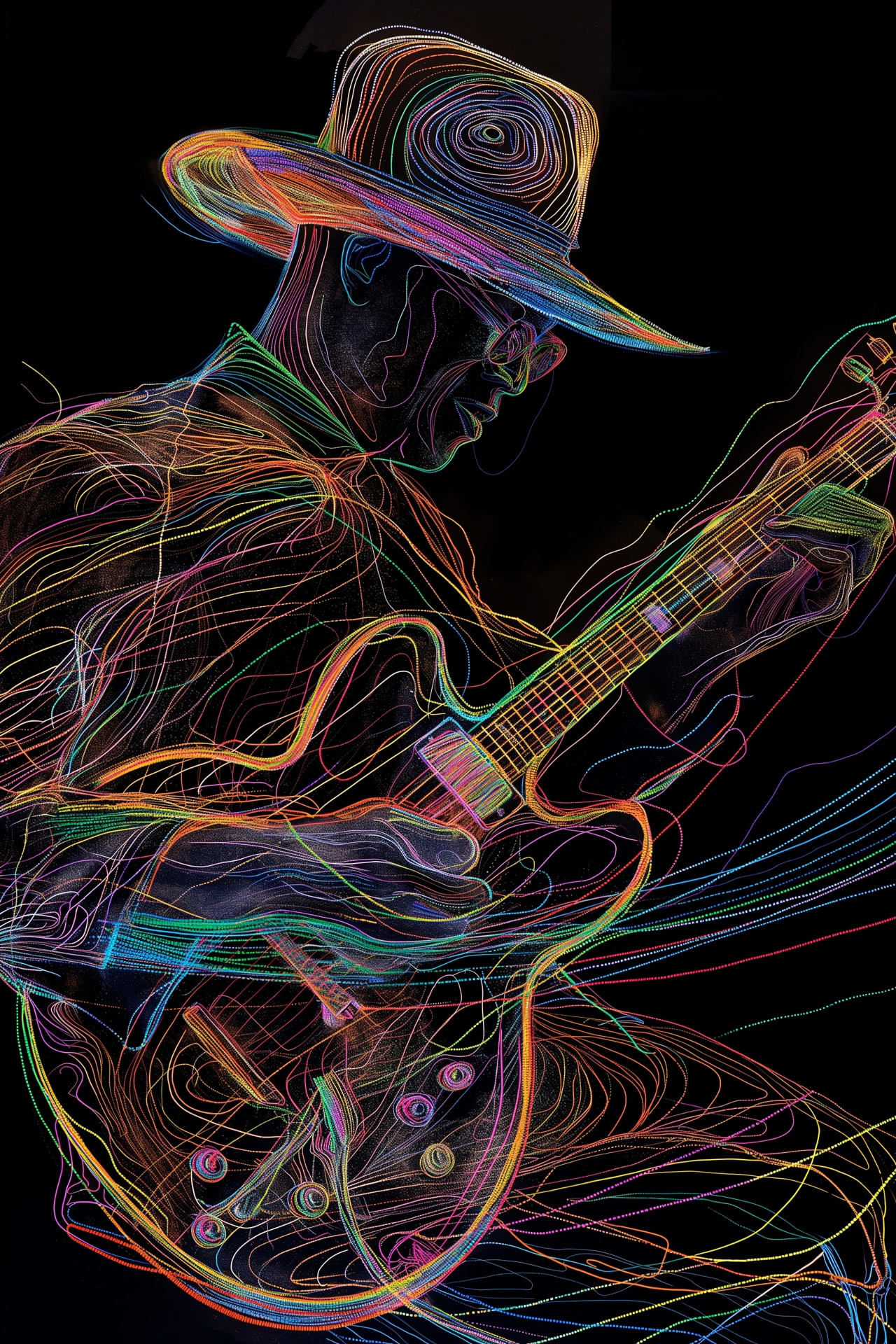
Outline drawing of a man playing the guitar, wavy colored lines on a black background.
Image c/o Omar Sahel

In his Reflective Thinking spoken word album and screenplay concept One Man’s Deep Words, Chimezie Ihekuna mulls over what makes for a wise and satisfying life. Sometimes, satisfaction can come through dedication to one’s craft.

Jacques Fleury’s poem on a day of solitude reminds us of what unites us all as human beings and brings his literary and cultural aspirations to clearer focus.

Stephen Bett evokes the feeling of hearing performance poetry at a reading in his concrete-ish piece, and also jeers at weaponized misogyny and reflects on chemical happiness. Patrick Sweeney crafts one-line poems that become near-stories with a thoughtful reading.

Poet and nature photographer Brian Barbeito outlines his creative process and goals in a creative personal essay. Kylian Cubilla Gomez’ photos this month explore mediated images of nature: drawings and cartoons we create to interface with our world from a step removed.

Actor and writer Federico Wardal spotlights Egyptian actor Wael Elouny and Italian director Antonello Altamura and their new indie film Ancient Taste of Death. Mark Young’s mix of intriguing and explosive visual pieces meld color, shape, text, and design. Texas Fontanella mixes up chatspeak and everyday language in a cyberpunk-style set of surreal anecdotes and shares some intense, wild musical vibes.

Maftuna Mehrojova outlines basics of and new directions in the craft of business marketing and communications. Gulsevar Bosimova describes and takes pride in her proficiency in traditional Uzbek martial arts.

Dilbar Koldoshova Nuraliyevna writes of how Uzbek poet Abdulla Oripov’s works were grounded in his love of his homeland. Joseph C. Ogbonna reflects on his trip from Nigeria to visit John F. Kennedy’s birthplace and rhapsodizes on the glory of the past president and his times.

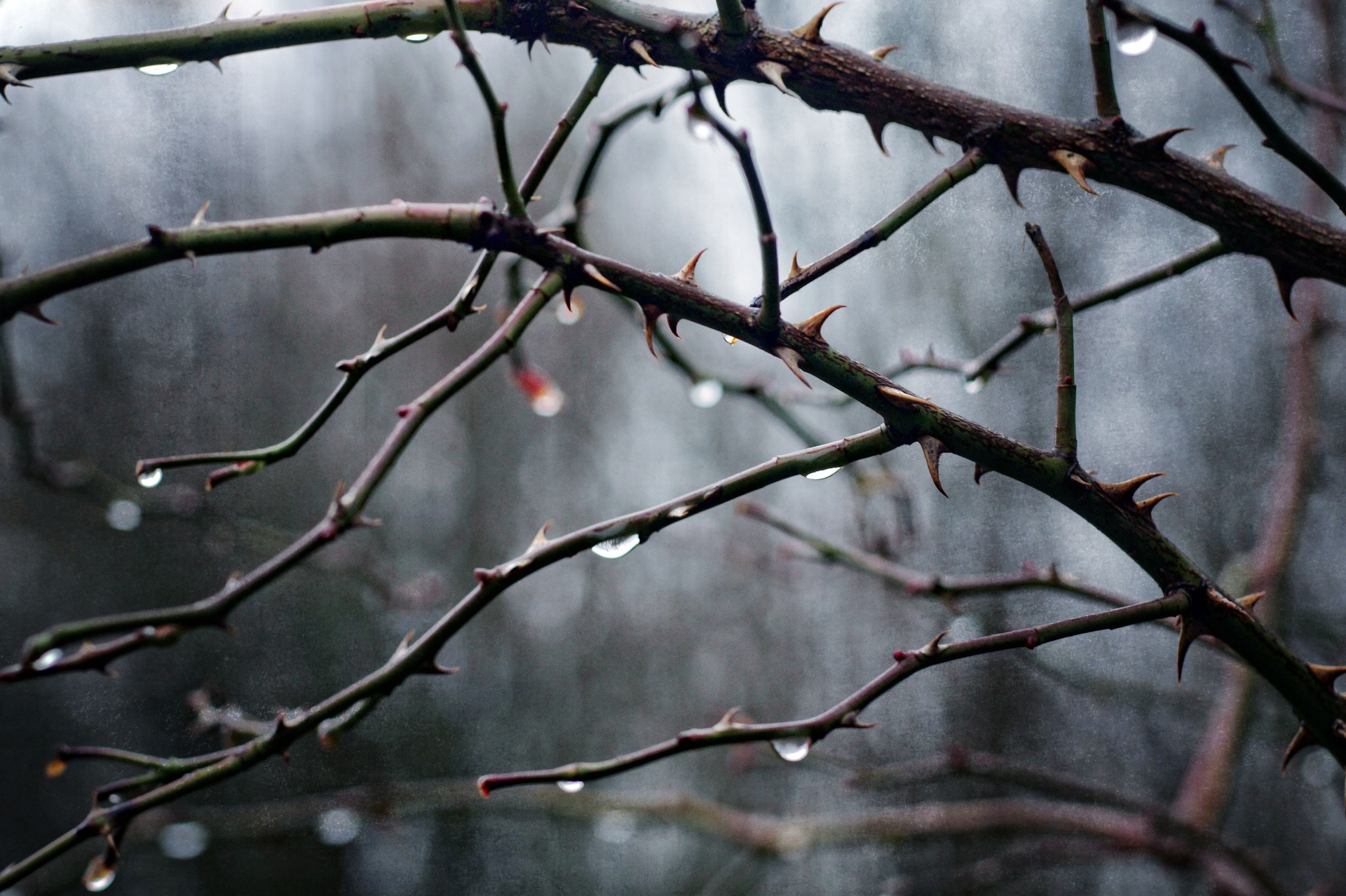
Empty bush branches with thorns and raindrops.
Image c/o Andrea Stockel

Another aspect of passion, or love, is grief for what we lose. Ahmed Miqdad mourns loss of life, hope, and joy in Gaza during wartime.

Christopher Bernard laments in mythological, epic language the loss of so much beauty and history to the flames in Los Angeles. Pat Doyne grieves not just the fires in Los Angeles, but the callousness of some in society towards the survivors and the natural environment.

Rob Plath’s poetry conveys the understated numbness of grief and remembrance as Ahmad Al-Khatat’s character sketch illustrates the emptiness and fragility that can come with being displaced from one’s homeland and loved ones. In a more upbeat tone, J.K. Durick recollects fragments of people and literary works that populated his youthful consciousness and now his dreams. Taylor Dibbert reflects on the passage of time through a brief encounter with someone he remembers from long ago.

Linda S. Gunther reviews Nikki Erlick’s novel The Measure, a tale asking big questions about mortality, purpose, and destiny through the lives of carefully drawn, highly individual characters. Wazed Abdullah reminds us to cherish life, with all its ups and downs as Mahbub Alam points out how we are all mortal, how time ticks quickly for us all.

Yucheng Tao’s impressionist poetry touches on themes of memory and loss while Mykyta Ryzhykh draws on imagery of death, decay, and natural renewal.

Lazzatoy Shukurillayeva translates a poem from historical Uzbek poet Alexander Feinberg about the brevity of life and the vanity of assuming you can make yourself great in a short time. Noah Berlatsky humorously reflects on how perhaps most of us do not need to be memorialized through ponderous tomes.

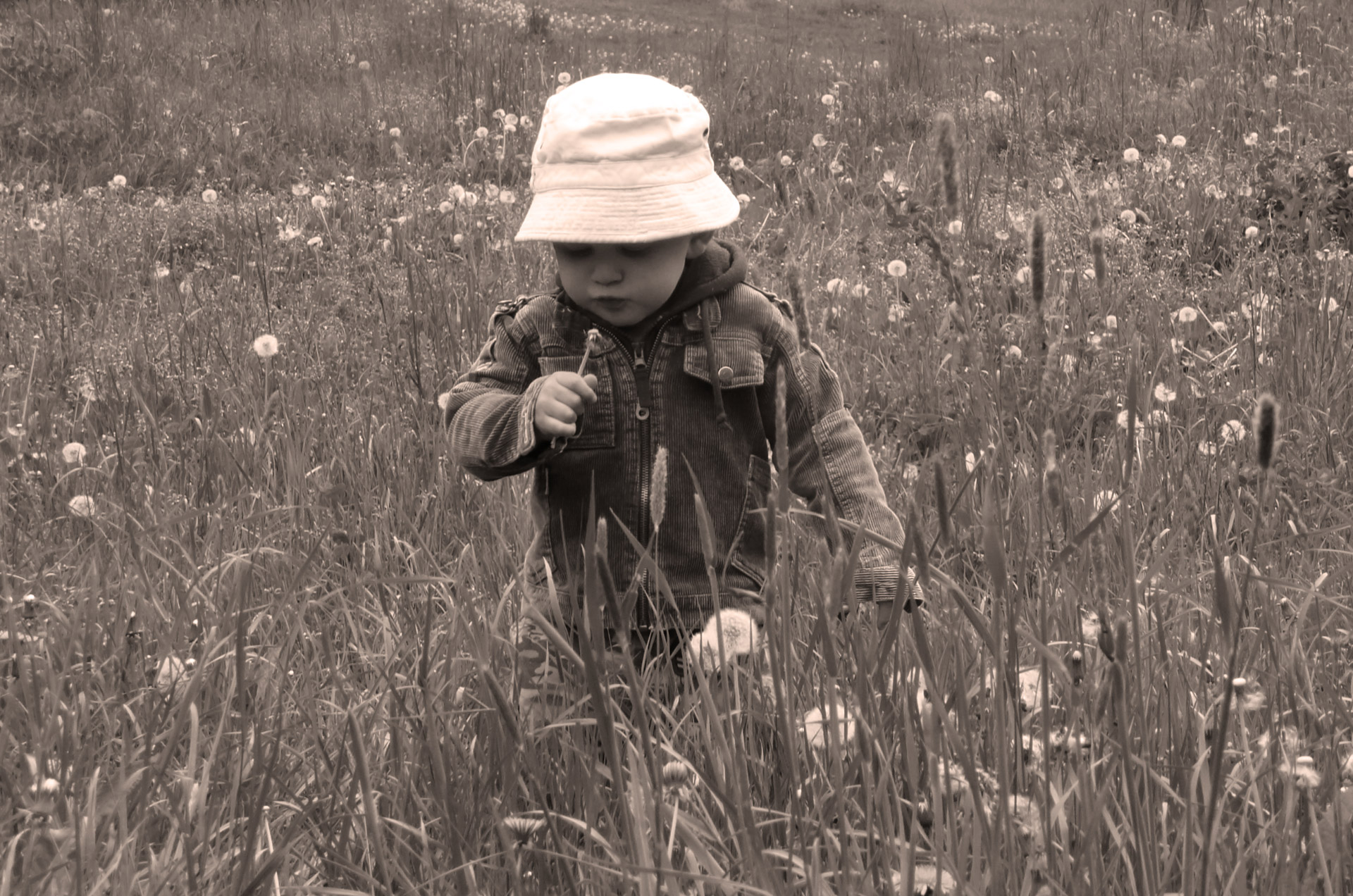
Preschool age child with a large floppy hat and jacket wandering through a field of flowers and tall grass. Black and white image.
Image c/o George Hodan

Despite the finite nature of our lives, some people take passionate enjoyment in our ordinary world.

Dr. Jernail S. Anand recaptures the wonder of childhood and urges his fellow adults to reclaim youthful curiosity.

Isabel Gomez de Diego’s photos suggest the wonder in everyday scenes: a mural of a wine toast during a meal, public fountains, loaves of sourdough bread. Lidia Popa waxes poetic on birds and green butterflies as Alan Catlin sends up many different ways of looking at winter, summer, crows, and the moon.

Sayani Mukherjee illustrates the rebirth of sunrise as winter gives way to spring and she rejoins the outdoors in her running shoes.

In another kind of rebirth, we’ve just barely started another planetary journey around the sun. Lilian Dipasupil Kunimasa welcomes in the Northern Hemisphere’s wintry New Year and speaks of the difficulty of conveying the feel of snow to someone in a temperate climate. Maria Cristina Pulvirenti’s minuscule haiku captures how snow can muffle sound, dulling the senses to focus your attention.

Daniel De Culla cynically speculates that selfish human nature will not change much in the New Year. J.J. Campbell considers signs of hope in his life, then rationalizes each of them away. And, in another piece, Ahmed Miqdad contrasts the human suffering in Gaza with the world’s joyful holiday celebrations. Pat Doyne reflects on quirky, hopeful, and fearsome bits of 2024’s news cycle and wonders playfully about 2025.

Poetry from Sayani Mukherjee

Burning

As the months processed
I surmise a new fall
Flamingo pink skies 
Burning over the horizon
A new Streetlamp hung around my closet
I swam a darkness high 
As I breathe deep I drink a new paradise
Hope's cities has new avenues
Before they all fall a decade high
Hung around still for the spring
Matches for matches 
This is what justice felt like
Over my running shoes 
I knew the darkness has tapestry
So it showed me a matchstick sky
Heaven knows I tried 
For the spring comes 
With burning winter's sickly delicate lace.