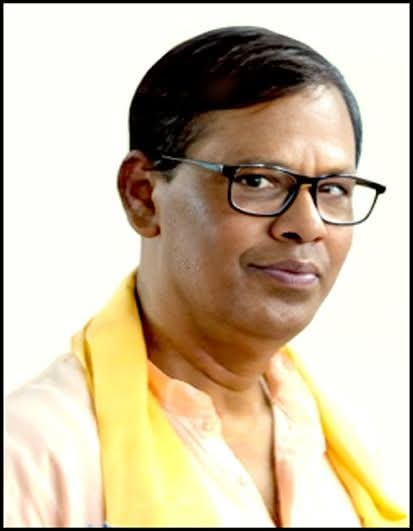
Essay from Farzona Hoshimova

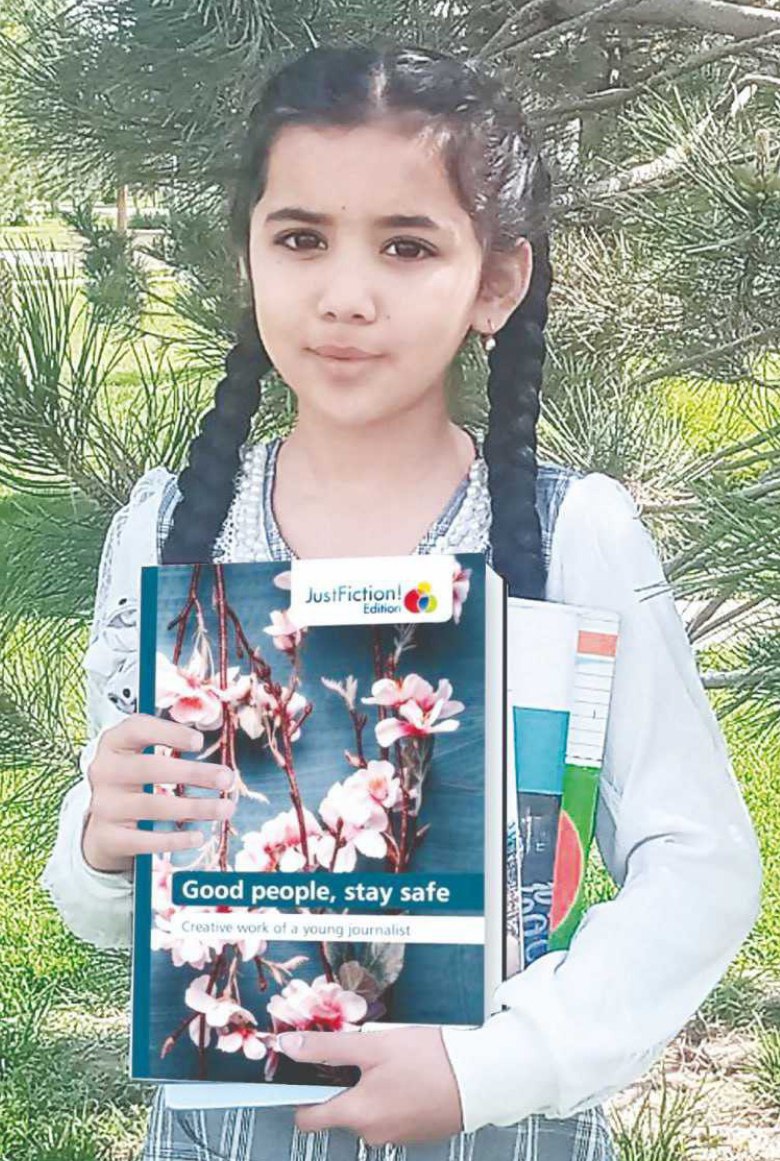
Young Central Asian girl with dark pigtails and a white blouse and blue overalls holding a set of books in front of a pine tree on a grassy field on a sunny day.

Thank You, “Tong Yulduzi”!

Creative Journey and Publications

Between 2021 and 2025, more than 50 of her literary works—both in prose and poetry—have been published in national and international press. Her works have appeared in publications such as “Fergana Haqiqati”, “Dono Word”, “Tong Yulduzi”, “Smile”, “Yangiyer Tongi”, and “Ijodkor”, as well as international journals like “Kenya Times”, “Raven Cage”, “Page 3 News”, and “Thotem” in Argentina. Farzona’s writings have also been featured in collective anthologies, including “Girls Nation – Daughters of the Nation”, published by Amazon.com (USA), as well as collections printed in Khiva, Jizzakh, and Sirdarya.

Her first book was published in 2021 in Great Britain and Europe.

Competitions and Achievements

To date, Farzona has been awarded over 95 diplomas, certificates, and memorable gifts for her active participation and success in various contests.

“Tong Yulduzi” – A Source of Inspiration

The newspaper “Tong Yulduzi” (Morning Star) holds a special place in Farzona’s creative journey. A poem dedicated to the paper by children’s poet Ro‘zimurod Bolqiyev continues to inspire her. According to Farzona, the newspaper, now 96 years old, was known as “Lenin Uchquni” (Lenin’s Spark) during her grandmother’s school years. She has had nearly 30 of her works published in the paper to date.

Farzona expresses deep gratitude to the editorial team of “Tong Yulduzi”—including Feruza Adilova, Nodira Nazarova, Nurbek aka, and all staff members—for their continuous support and warm attitude toward students across the country.

She is also an active member of the “Creative Children” club under the Republican Children’s Library, where the creativity of over 234 young authors is showcased. On average, 4 to 5 children report daily that their works have been published in “Tong Yulduzi”.

A Memorable Victory in Bukhara

Since the 5th grade, Farzona has participated in many creative competitions. She fondly recalls her first victory when newspaper representatives visited her school to award her in person. Later, she received awards by post. In a recent contest jointly organized by “Tong Yulduzi” and the family of the great Bukhara poet G‘ulom Shomurod, she proudly won first place.

Accompanied by her two grandmothers, aunt, and uncle, she traveled from Fergana to Bukhara, crossing seven provinces in 15 hours. Throughout the journey, she received frequent phone calls from the newspaper staff, asking about their well-being. Upon arrival, G‘ulom Shomurod’s children warmly welcomed them and accommodated them in a prestigious hotel. The staff treated them with great respect, offering warm food and tea.

At the event, Farzona’s heart beat differently—filled with excitement and pride. She listened attentively to heartfelt words about the late poet G‘ulom Shomurod, and was deeply inspired to learn more about his works. When she was announced as the first-place winner, her joy was beyond words. She was awarded with a diploma, memorable gifts, and books, including a poetry book by G‘ulom Shomurod himself. She also received a book from Obid Qo‘ldosh, a renowned poet and journalist from Bukhara.

After the ceremony, guests gathered for a special lunch. Though the organizers wanted to give them a city tour, limited time meant the participants had to bid farewell to the “Tong Yulduzi” team and the Shomurod family.

Farzona sincerely thanks the family of G‘ulom Shomurod, especially G‘ayrat Shomurod, the editorial staff of “Tong Yulduzi”, and the administration of Jondor District, Bukhara, for organizing such a meaningful event. She was particularly happy to learn that G‘ulom Shomurod’s poetry has now been included in school textbooks, giving future generations the chance to get to know his legacy from an early age.

Conclusion

Farzona believes that finding her place and rising in the creative world would not have been possible without the guidance of her mentors—especially the devoted team of “Tong Yulduzi”.

Thank you, “Tong Yulduzi”!

— Farzona Hoshimova Ilhomjon qizi,

9th-grade student, School No. 18, Fergana City

Farzona Hoshimova Ilhomjon qizi was born on December 10, 2010, in Fergana city. She is currently a 9th-grade student at School No. 18 in Fergana. This young creative girl is a member of several national and international organizations, including the “Creative Children” circle under the Republican Children’s Library, the “Double Wings Writers’ Union” (Uzbekistan–Kazakhstan), the international “IQRA Foundation”, and the Writers’ Union of Argentina.
Poetry from Michael Robinson

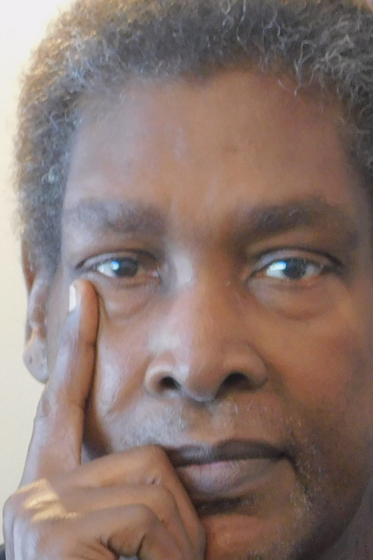
Middle aged Black man facing the camera with his face resting on his hand
Michael Robinson

 My RESURRECTION  

              (Jesus shows me the way)

                       July 16th, 2025

Truly I say to you all: I have been Resurrected over the last year and half through all the medical issues. Truly, I was legally dead for six minutes doing open heart surgery a year or so earlier. My rapid heartbeats have sent me to the emergency room several times.

The many hospital stays. Finally, the rehab center at Solaris in Apopka Fla on 5-27-2025 till 6-13-2025 was a living nightmare.  Looking back over the last year and half I prayed with intensely to God this year and half. Praying, as I laid in bed. Praying day and into the wee hours of the morning. 

I had focus and purpose to seek God like in childhood in the inner-city. I was created to be with the Holy Father for all eternity on earth or Heaven. Now that I fully understand Jesus total obedience to the Lord. Now I am coming to understand more fully what it means to live in total obedience to Jesus as Lord. 

The walk to Calvary and Golgotha was at the place of the skull. The Cross was not only a symbol to wear, but rather a way of life taught by Jesus himself. Jesus taught me through my illness that I had to die to the physical world of man. 

Jesus taught illness to my understanding was to die to the physical world of man. Man has many desires to be the creator and that man’s selfish needs and wants and desires are opposed to God’s purpose for man. In my recent experiences, I came to understand God, Jesus Christ, and the true purpose of salvation and redemption for us all, starting with First, trust that God cares for you no matter what, simply because you are His child. A child must grow into a man. A man of God’s creation or a man of the world? Man’s world is a world of deception and greed and ultimately death.

This is not Jesus’ death, because he was Resurrected into spirit, joining God presence among the angels. When Jesus died, his death was for the sake of resurrection and to re-join God in the third heaven.

The Cross was my walk the last year and half.  Faith and trust and belief beyond your intentions to save yourself. I learned that you must have faith and trust beyond your intentions to save yourself. You will not save yourself but lose who you were created to be. Once knowing that Jesus lived beyond the physical death and was Resurrected to love and be one with the Father. Once you realize that Jesus lived beyond the physical death and was resurrected, you learn to love and to be one with the Father.

Beyond the symbol of the Cross to the reality that one must die to that which he loves. Jesus focused on His purpose to be crucified even through Jesus knew that he was to show us the path to the light of life and not the darkness of death. 

God offers life.

Man offers death. 

God offers love. 

Man offers hate.

God offers truth.

Man offers lies.

Jesus revealed God’s truth and showed man’s deceit. Jesus walks to Calvary showed man nature for cruelty to man. Nothing could be crueler than the Crucifixion.

What kind of evil had to reside in men to do this to anyone? All of man’s inhumanity was exposed on that walk to Calvary. How about the events leading to the walk with the Cross? The lies and false accusations and the use of these accusations to have a man (the Son of God) crucified. How many of us have experienced these moments?

However, there’s a way out of the darkness and Jesus shines that light in our hearts with God. 

Essay from Olimova Sevara

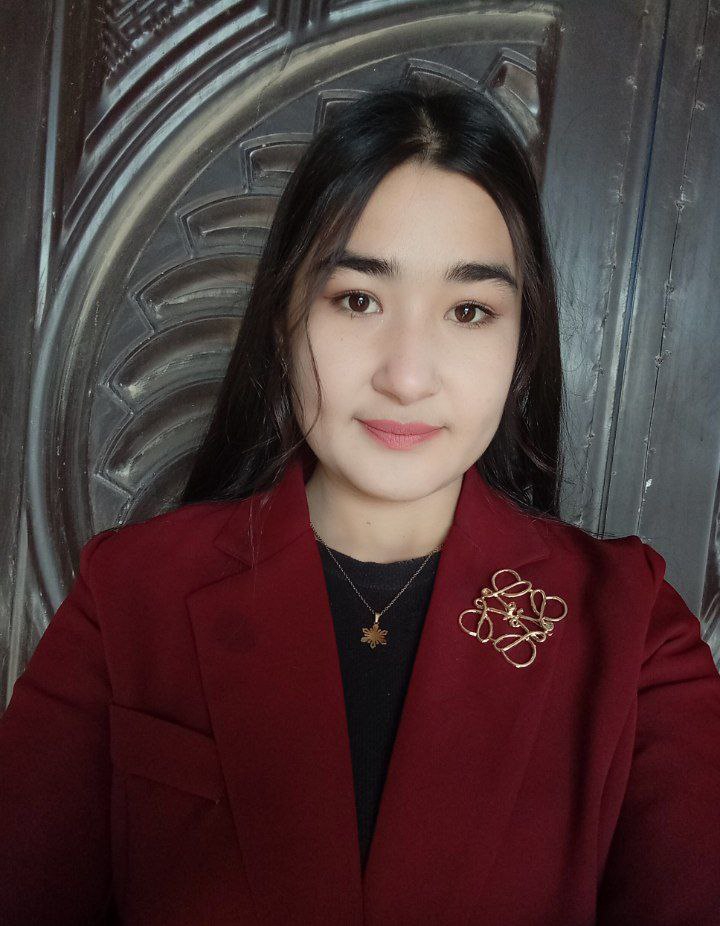
Young dark-haired Central Asian woman  with a red coat, black top, pin and necklace.

Soviet Modernization and the Profound Changes in Uzbek Women’s Lives

ANNOTATION; This article examines the significant transformations in the lives of Uzbek women between 1920 and 1980, during the period of Soviet modernization. It analyzes how Soviet policies—despite their ideological, political, and cultural agendas—played a major role in shaping women’s identities, social roles, and life experiences. The research highlights the ideological contradictions, the impact of forced modernization, and the clash between tradition and the new Soviet worldview. It explores the path of struggle, adaptation, and active participation of Uzbek women within this historic context.

KEYWORDS: Soviet modernization, Uzbek women, social transformation, gender policy, traditional society, emancipation, ideological control

The Soviet period introduced profound and often contradictory changes to the social life of Central Asia, especially in Uzbekistan. Among the most affected groups were women, whose roles in society, family, and public life underwent radical transformations under the guise of liberation and modernization. The aim of this article is to evaluate the effects of Soviet modernization on Uzbek women between 1920 and 1980, based on historical facts, documents, and research1

From the 1920s, Soviet ideology launched an intensive campaign of social engineering. Uzbek women were expected to discard traditional garments like the paranja and chachvan, symbols of modesty in Muslim society, and join public life as workers, teachers, and activists. The infamous “Hujum” campaign (1927) symbolized this movement, where unveiling was both a political and cultural tool. While promoted as emancipation, this campaign often led to violence, social ostracism, and even death for many women at the hands of their own communities.

Despite such challenges, a generation of educated and politically active women emerged during this period. Names like Uyg‘unoy Abdullayeva and Tojixon Shodieva, among many others, became symbols of transformation. These women were trained in the newly established institutions such as the Women’s Departments [Zhenotdel] and pedagogical institutes, gaining access to education, legal rights, and employment opportunities that had been previously unavailable.

Nevertheless, the transformation was not entirely emancipatory. Soviet modernization was not a neutral, benevolent process but rather one that was tightly controlled, ideologically driven, and often repressive. Women were used as instruments of the state agenda: their visibility in the workforce was both a propaganda tool and an economic necessity. Yet many women continued to experience double burdens—working full-time jobs while still being expected to fulfill traditional roles at home.

In rural areas, modernization occurred more slowly and often encountered stronger resistance. While urban women were able to access state-sponsored opportunities, women in villages faced continued patriarchal pressure. Still, over time, even these regions witnessed significant shifts, particularly through literacy campaigns, compulsory education, and the rise of medical institutions that increasingly involved female professionals1

By the 1960s and 70s, the presence of Uzbek women in social, cultural, and academic life had become normalized. They worked as doctors, engineers, educators, and artists. However, it is important to recognize that these developments were not entirely organic but orchestrated through state pressure, quotas, and ideological control. Women’s organizations were heavily monitored by the Communist Party, and any deviation from Soviet ideals was quickly suppressed.

Despite these limitations, the Soviet era undeniably laid the groundwork for today’s gender dynamics in Uzbekistan. Women’s access to education, employment, and public roles—even if imposed—planted the seeds of long-term change. The Soviet modernization of women’s roles, although controversial, is a key part of understanding contemporary Uzbek society.

In conclusion, the Soviet modernization process brought irreversible changes to the lives of Uzbek women. Despite its many contradictions, pressures, and ideological rigidity, it opened previously inaccessible paths in education, employment, and public life. This transformation was not merely a shift in attire or workplace presence, but a deeper social and psychological reorientation. It disrupted centuries-old traditions while simultaneously creating new forms of dependence on the state. Uzbek women, therefore, were not passive recipients of change but active participants in negotiating their identities and futures within a highly politicized system. Understanding this complex process is essential for evaluating both the costs and gains of modernization in a colonial and ideological context.

REFERENCES

1.Kamp, M. (2006). The New Woman in Uzbekistan: Islam, Modernity, and Unveiling under Communism. University of Washington Press.

2.Northrop, D. (2004). Veiled Empire: Gender and Power in Stalinist Central Asia. Cornell University Press.

3.Edgar, A. L. (2004). Tribal Nation: The Making of Soviet Turkmenistan. Princeton University Press.

4.Bobojonov, H. (2005). “Oʻzbek ayolining faoliyati tarix zarurati sifatida”. Tarix va Hamdo‘stlik, №2.

5.Jo‘rayev, A. (2011). “Oʻzbek ayollari tarixidagi burilishlar”. Ijtimoiy fanlar, №1.

6.Tursunova, G. (2020). “Sovet davri ayollari: islohotlar va oqibatlar”. Yangi O‘zbekiston, №3.

7.Islomova, Z. (2019). “Oʻzbek ayolining ijtimoiy faolligi: tarix va zamonaviylik”. Fan va turmush. N6Sevara Olimova, [7/27/2025 6:25 PM]

Olimova Sevara, from Kashkadarya region. Born in Mirishkor district , 4th year student at the Faculty of History of Karshi State University

Synchronized Chaos Mid-July 2025: Trapped in History

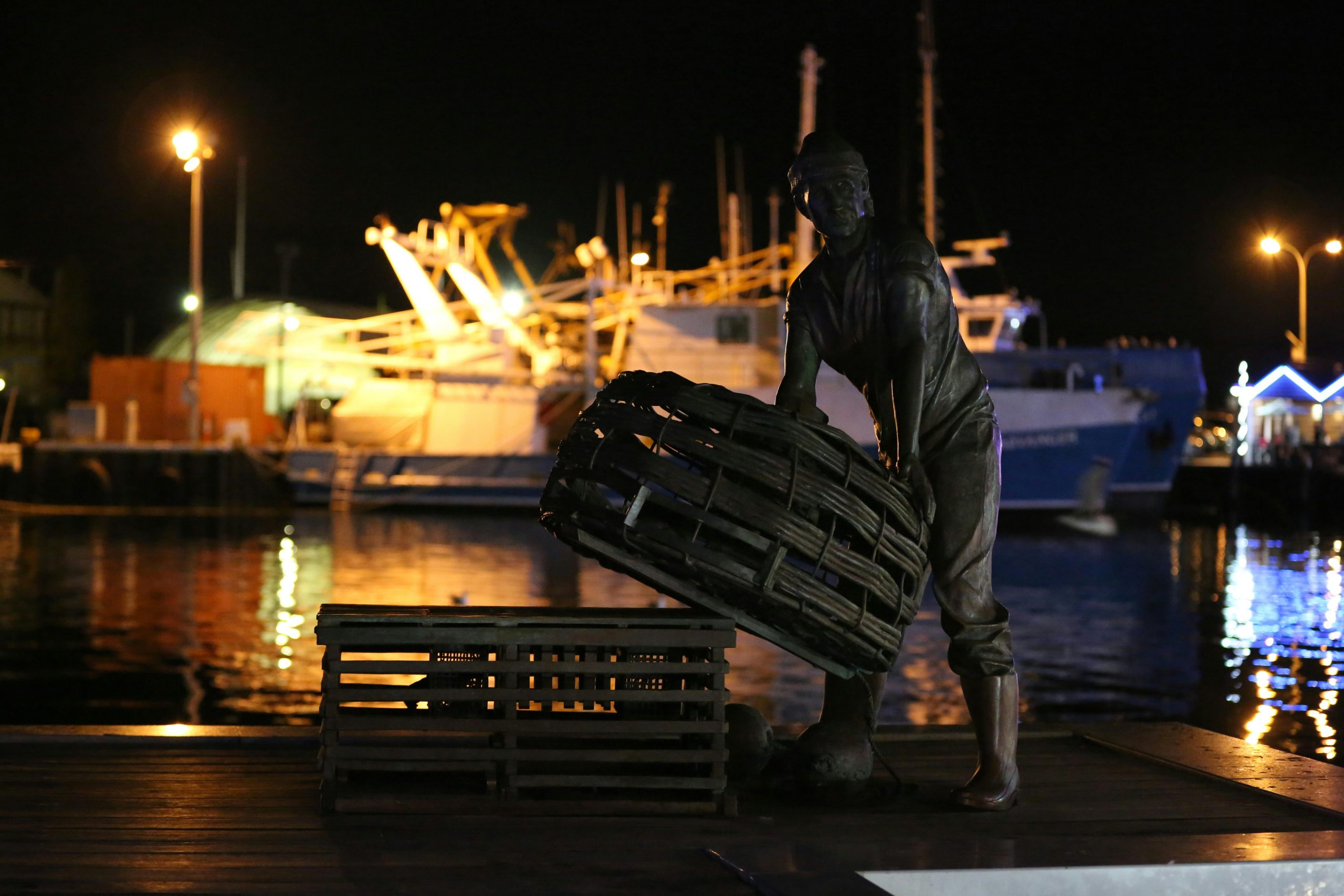
Dark metal statue of a man in rolled-up pants holding a large wicker basket over a wooden crate at night near water, a large ship, and a pier. (South Asia)
Photo by deep Bhullar

“People are trapped in history and history is trapped in them.”

James Baldwin

In this issue, we explore how people are influenced by their times and cultures, and how they learn from and engage with the thoughts of their forebears. Also, we acknowledge the wealth of wisdom and life lessons carried within each person due to the events through which they have lived.

Graciela Noemi Villaverde speaks to the inexorable and irrevocable passage of time.

Amit Shankar Saha writes of then and now, memory and future, remembrance and forgetting, universal human questions. Duane Vorhees’ poetry evokes change, thought, aging, and the creative process.

Stephen Jarrell Williams speaks to memory and the human experience. Eva Lianou Petropoulou speaks to artists and authors’ learning from and being inspired by each other throughout the ages. Writer Rizal Tanjung offers up an existential analysis of Eva Petropoulou Lianou’s poetry.

Giorgos Pratzigos interviews Konstantinos Fais on his artwork and advocacy for rediscovering Hercules and ancient Greek virtues. Muxlisa Khaytbayeva records her grandfather Jumaboy Allaberganov’s memories of knowing famed Uzbek author Omonboy Matjonov as a young adult and discusses Matjonov’s contributions to culture. Shukurilloyeva Lazzatoy Shamsodovna relates her scholarly and personal journey to understanding and illuminating Russian writer Alexandr Faynberg’s poetic legacy and its influence on Uzbek culture.

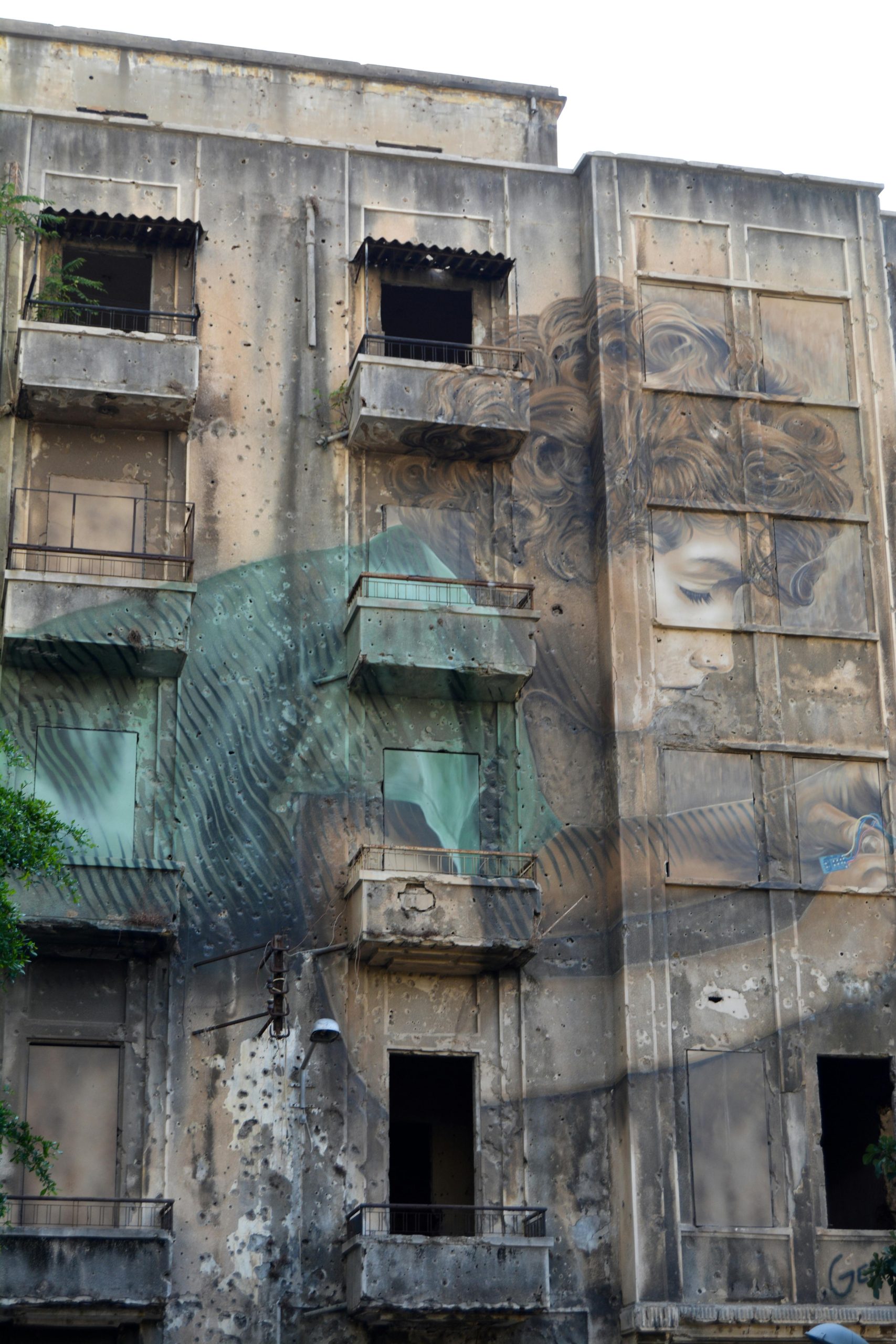
Painting of a curly haired small child with a green top engrossed in play on the wall of a gray apartment building (Lebanon)
Photo by Antoun Boustani

Kuziyeva Shakhrizoda highlights the Uzbek government’s investment in the nation’s youth and the incredible potential of their young adults. Otaboyeva Khushniya outlines how the psychology of early childhood can inform education. Su Yun collects and translates the work of Chinese elementary school students. O’tkirava Sevinch outlines strategies for learning Mandarin Chinese as a second language and for teaching the language in Uzbek schools. Olimboyeva Dilaferuz outlines verb conjugation rules in the Uzbek language.

Mashhura Farhodovna Joraqulova’s short story encourages students from low-income families to persevere with their education. Sevara Kuchkarova outlines strategies to motivate students to complete work at school. Rashidova Shaxrizoda Zarshidovna honors the life and work of a woman who mentored many of the girls at her school. Dilbar Aminova advocates for a balanced approach to screentime in young children’s lives. Shahnoza Ochildiyeva reflects on the value of her journalism education at an Uzbek university. Xo’jamiyorova Gulmira Abdusalomovna highlights the role of emerging and young poets in Uzbekistan’s national destiny.

Duane Vorhees compares the poetry of Phillis Wheatley and Nikki Giovanni as part of a broader comment on changing Black consciousness in the United States.

Cherise Barasch writes with respect for the hardworking people she observes digging into the earth in the heat. Yongbo Ma brings a poetic and scientific perspective to fog. Sayani Mukherjee contemplates peaceful natural scenes in a reverie. Priyanka Neogi compares accepting life’s changes to living through different seasons and times of day. David Sapp reflects on the transcendent experience of seeing a peacock. Dilnoza Islamova looks to nature’s beauty as an invitation to spiritual faith and practice. Maki Starfield sends up elegant reflections on weather and fruits in Thailand as Maja Milojkovic meditates on sunflowers, existence, and perseverance.

Brian Barbeito lets his mind wander to cosmological and existential places while walking near birds by a lake. Orinbayeva Dilfuza rejoices in the beauty of nature at springtime as Dilobar Maxmarejabova shares the emotional significance of tulips in her life. Don Bormon revels in the fun of rain at school. Mark Young renders up more of his fanciful “geographical” maps of Australian regions. Mathematics is a language we use to describe nature, and Timothee Bordenave discusses how his geometric studies inform his artwork. Mesfakus Salahin speaks to drought in Bangladesh in a meditation on accepting life and nature’s cycles.

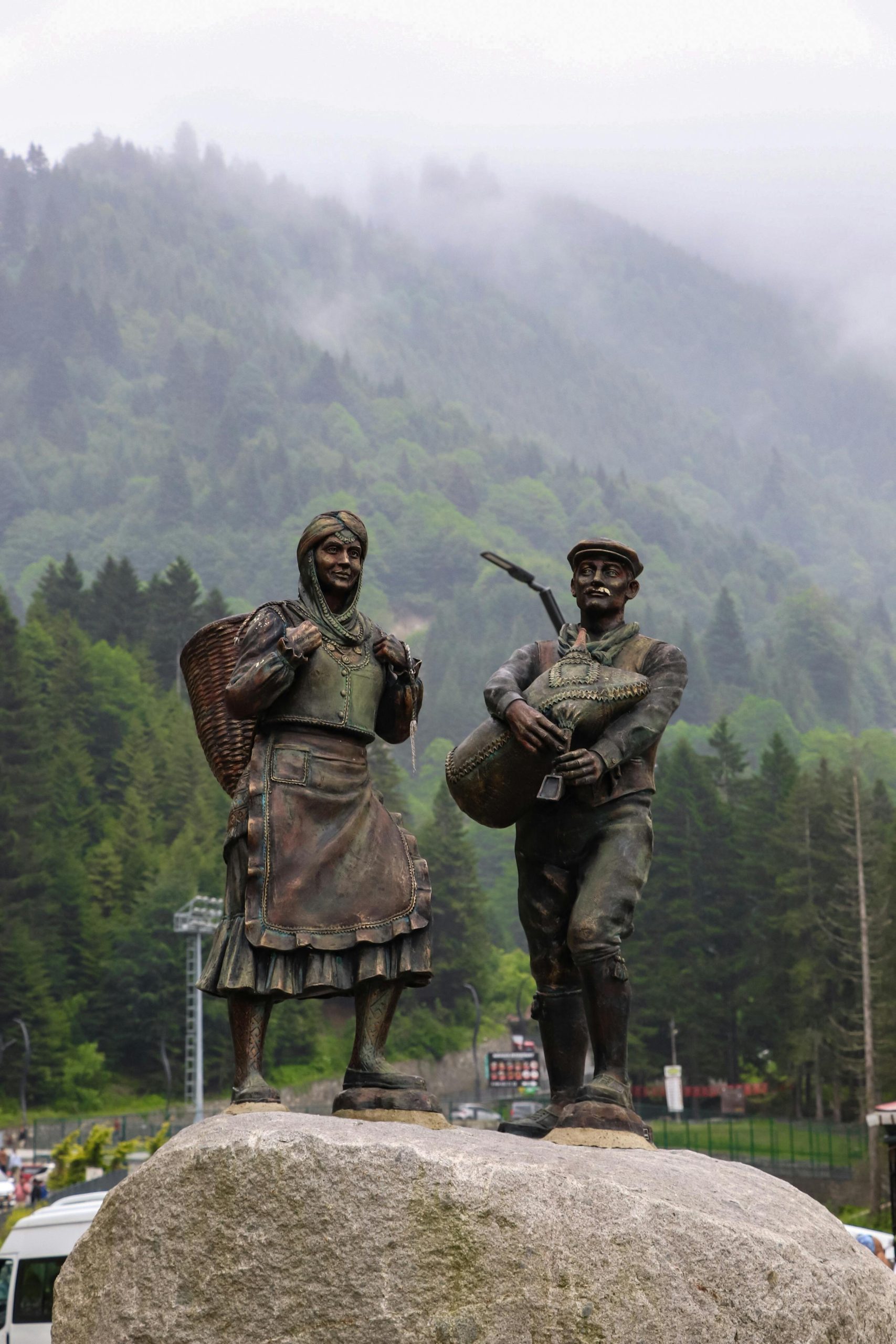
Light brown and green metal statues of traditionally dressed Turkish man and woman. Caps, headscarves, vest and dress and petticoat and boots. They're in a misty conifer forest.
Photo by Zehra İslamoğlu

Bruce Mundhenke urges humanity to turn away from hate towards love and acceptance. Vo Thi Nhu Mai illuminates the beauty and communicative power of the craft of poetry.

Leslie Lisbona sends up a childhood memory of having fun dancing to and figuring out rap lyrics. Marjona Baxtiyorovna Jorayeva celebrates sports and their fandoms and their power to bring enjoyment and bring people together.

Shomurotova Sevinchoy reflects on what it means to be a true friend. Munisa Ro’ziboyeva illuminates her appreciation for her mother’s care. Hamroyeva Shahinabonu Shavkatovna highlights the love and care both fathers and mothers have for their children. Rashidova Muallima offers up her love for her mother. Kamoliddin Hamidullah sends us a tender love poem. Thathanhally B. Shekara expresses his joy in romantic union with his beloved. Vo Thi Nhu Mai looks to wind as a metaphor for gentle connection among people.

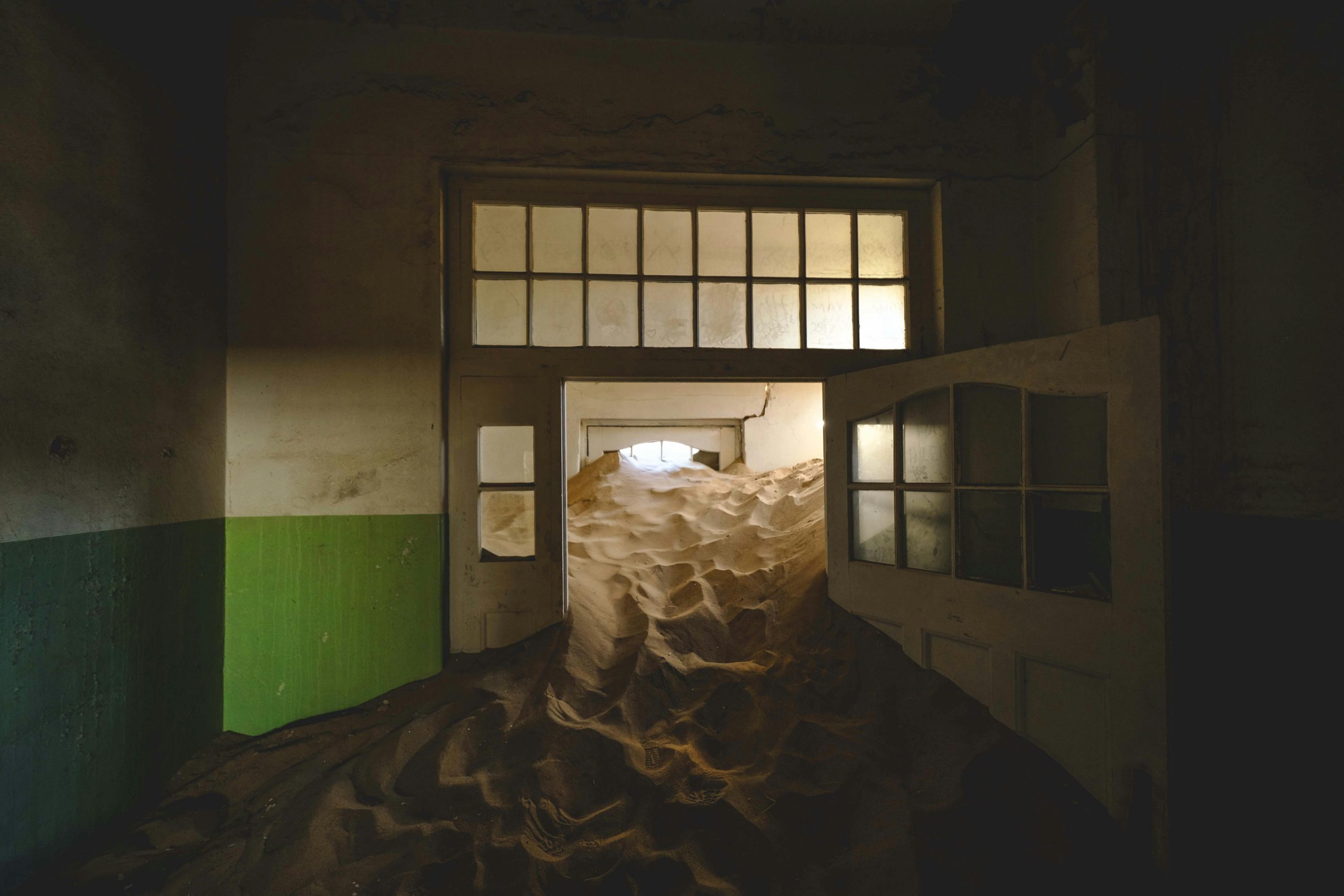
Artsy photo of sand in a doorway in an abandoned room with sunlight streaming in through windows. White walls with green paint (Namibia)
Photo by Francesco Ungaro

Jim Meirose crafts a surreal piece in the language of fairy tales and dreams. Iduoze Abdulhafiz takes a lengthy journey through the subconscious with a wide selection of words. Dr. Maja Sekulic reviews Dr. Jernail S. Anand’s exploration of artificial intelligence, myth, and morality.

Kholmurodova outlines strategies to bring digital access and economic opportunities to the world’s rural women. Rakhimov Rakhmatullo outlines challenges and solutions for logistics technologies. Sa’dia Alisher outlines some benefits, problems, and challenges from modern digital technologies. Gulnora Rakhimjonovna Khomidova explores the educational potential of artificial intelligence.

Dr. Jernail S. Anand relates how, regardless of the tools we use to craft our work, restraint and discipline can serve as a creative force. Dr. Debabrata Maji highlights the power of perseverance and devotion. Azemina Krehic compares the care she has for her poetic works to the process of washing her clothes on a line. Hassan Mistura speaks to the journey of developing a healthy self concept. Surayyo Nosirova reminds us to let go of the illusion of more control than we have and to stay open to change.

Light skinned woman puts her hand in front of her face reaching out against plastic that partially obscures her. She's got dark hair and a white blouse.
Photo by MART PRODUCTION

Grant Guy offers up stage directions for absurdist theater, an artistic reaction to periods of rapid social change. Ahmed Miqdad speaks to the absurd persistence of normal life amid wartime. Mykyta Ryzhykh, in a similar vein, evokes the quest for queer love and sensuality among bombs and bullets.

Pat Doyne laments violent immigration enforcement overreach in Los Angeles. Otabayeva Khusniya reveals the deeply humane vision of Erkin Vahidov’s work Rebellion of Souls, a tribute to the memory of Nasrul Islam and other artists who died as a result of unjust persecution. Chimezie Ihekuna shares some of life’s paradoxes and urges nations and groups of people to move away from war as a solution to issues. Mahbub Alam also puts out a call for peace, remembering the many people lost to war. Boboqulova Durdona laments the many civilian deaths in Gaza as Stephen House highlights war’s effects on ordinary people, especially children.

Muslima Olimova reflects on surviving an unhappy marriage and urges families to welcome young brides and for women to carefully consider before marrying. J.J. Campbell speaks to the lingering effects of trauma on people and the tension between hope and disillusionment. Dr. Bindu Madhavi speaks to the inner battles many of us fight as Mirta Liliana Ramirez evokes the pain of loneliness.

Light skinned hand reaching out of water, maybe grabbing for rescue? Ring  on the middle finger.
Photo by Luca Nardone

Doug Hawley’s short story presents several characters representing a mix of lawful and roguish motives and actions. Taylor Dibbert’s poem lampoons the worldliness of a priest and the devotion it still inspires. Sarvinoz Sobirjonova Abdusharifova depicts the dual nature of humanity: kindness and cruelty.

Kelly Moyer uses vegetable humor to convey and navigate the experience of chronic illness. Alan Catlin frames evocative images with words, plumbing the imagined photos for meaning.

Mark Blickley, a combat veteran who finished education later in life, reflects on what he gained as a person and an artist from popular literature and reminds the “literary” crowd not to so easily dismiss popular writers.

Essay from Surayyo Nosirova

The Paradox of Expectation: When Letting Go Brings the Best Results

We are all dreamers, aren’t we? We set goals, envision our future, make plans, and wait. We wait for love, for success, for recognition. We wait for things to fall into place. But what if I told you that waiting too much—or expecting too little—can both lead to unexpected, life-altering outcomes? What if the very act of letting go is the secret to finding exactly what we’ve been searching for?

This article is not based on abstract theories or philosophical ideas written in books. It’s personal. These are thoughts born from my own life experiences—moments of deep disappointment, surprising joy, and the realization that expectation can be both a guiding light and a heavy burden.

Two Extremes of Expectation

Over the years, I’ve found myself swinging between two emotional extremes when it comes to expectation.

First, there are times I wait and wait. I put all my heart into something—a project, a person, a dream. I imagine it fully. I dress it in hope, decorate it with possibilities, and rehearse the joy I will feel when it finally comes true. But life often walks in wearing a different face. The results don’t match my script. It feels like I’ve been holding a beautifully wrapped box, only to open it and find it empty. Disappointment whispers, “This isn’t what you hoped for.”

Second, after experiencing repeated heartbreak or failures, I reach a point where I expect nothing. I say things like, “Let it all fall apart. I don’t care anymore.” I adopt an attitude of emotional self-defense, a wall to protect myself from being hurt again. And then, quite unexpectedly, life knocks on my door with a smile. It offers me something better than what I had hoped for. I whisper a quiet “Alhamdulillah” in awe. It’s as if the moment I stop chasing, life starts giving.

The Burden of Waiting

There is a danger in waiting too long. Waiting can slowly become a form of passive suffering. We wait for things to happen, but forget to move. We hold on so tightly to our expectations that we paralyze ourselves. We stop taking risks. We stop exploring new paths. We stop living in the moment.

I’ve seen people—myself included—who waited for someone to recognize their efforts, for a “perfect” opportunity to arrive, or for happiness to knock on the door. But while we wait, life keeps moving. Time keeps ticking. The world keeps spinning. And often, the doors we were staring at remain closed, while other doors pass by unnoticed.

It’s important to remember that hope is not the same as waiting, and faith is not the same as clinging. Hope says, “I believe something good can happen,” but waiting sometimes says, “I won’t move until it happens.”

The Overachievement Trap

On the other side of the coin, some people pour their entire energy into achieving their dreams. They work tirelessly, sacrifice rest, push through failure after failure. They don’t wait—they run. And yet, even after all this, they sometimes find that the outcome still doesn’t satisfy them. Why?

Because even though the effort was there, their hearts were deeply attached to a very specific result. And when the result didn’t match their inner picture, they felt like they failed. They were so focused on the destination that they forgot to enjoy the journey.

This has happened to me more than once. I worked hard, did everything “right,” and still felt unfulfilled. But then—when I least expected it—something completely different arrived. Something I never even asked for. A surprise. A blessing in disguise. A “BOOM” moment that made me say, “This is what I needed all along.”

Letting Go Is Not Giving Up

Many people mistake letting go for giving up. They think if they stop expecting, they’re admitting defeat. But that’s not true. Letting go is not the same as losing hope. It’s about trusting that the universe, or God, or life itself, knows better than we do.

Letting go means this:

You still work hard.

You still love deeply.

You still dream boldly.

But you release the idea that things must happen in a certain way or at a certain time. You stop trying to control the outcome. You stop tying your self-worth to the result.

In fact, letting go is an act of courage. It says, “I am doing my part, and I trust the rest to unfold as it should.”

Why the Best Things Happen When We Least Expect Them

Psychologists call this the “expectancy paradox.” When we expect something too much, we put pressure on it. We become emotionally dependent on its success. This anxiety can actually block the flow of creativity, joy, and spontaneous opportunity.

But when we are relaxed, open, and detached from the result, we are more likely to notice the quiet, unexpected doors opening. We are more receptive to surprise. We become magnetically attractive to good things—not because we chase them, but because we are not chained to them.

Think about it: How many times have people found love when they stopped looking? Or discovered a new path when they gave up on an old dream?

That’s because sometimes, the best gifts come when your hands are not clenched in desperation—but open in surrender.

Action Without Attachment

So what do we do? Should we stop dreaming? Should we stop making plans?

Absolutely not.

Dream. Plan. Act. Push forward.

But don’t attach your peace to the result. Don’t say, “I’ll only be happy if this happens.” Instead, say, “I’ll do my best, and whatever happens, I will grow from it.”

That shift in mindset changes everything.

You can still apply to that scholarship, write that book, pursue that relationship, or fight for your goals—with full heart. But know that life may have better plans. It may reroute you. And when it does, don’t resist. Follow it. You might just find something far greater than you imagined.

A Real-Life Example

Let me share a real example.

There was a competition I deeply wanted to win. I prepared, practiced, visualized the victory. I imagined the applause, the recognition, the pride I’d feel. I gave everything.

The day arrived. I didn’t win.

I felt crushed. Not because I wasn’t proud of my work, but because I had expected the outcome so vividly that I couldn’t separate my effort from the result.

But weeks later, something strange happened. A different opportunity—completely unrelated—came into my life. It turned out to be a doorway to a bigger stage, better connections, and deeper fulfillment. It was a bigger blessing than the one I had hoped for. I wouldn’t have found it if I hadn’t lost the first one.

That’s when I learned: sometimes, your loss is a diversion, not a defeat.

Final Thoughts: Let Results Find You

The truth is: life is full of surprises, some painful and some breathtakingly beautiful. We are not meant to control everything. We are meant to participate, contribute, love, grow—and then trust.

Don’t stop dreaming. Don’t stop trying. But release the pressure to know how everything will unfold.

Let go of the timelines.

Let go of the fixed outcomes.

Let go of the fear that if it doesn’t happen your way, it won’t happen at all.

Sometimes, the very thing you’re chasing is just waiting for you to stop running—so it can find you where you are.

So here’s my final advice, drawn from experience:

Do your part. Work hard, give your best.

Stay open. Be flexible to life’s surprises.

Detach from the outcome. Trust that what’s meant for you will come.

Celebrate every step. Even the failures lead somewhere.

Let life surprise you.

Because when you stop waiting so desperately, life may just show up at your door with a gift you never expected—but always needed.

Surayyo Nosirova Elyor qizi was born on May 13, 2006, in the Narpay district of the Samarkand region, Uzbekistan. From an early age, she showed a deep interest in literature, languages, and creative expression. Her passion for learning and writing became evident during her school years, where she actively participated in various academic, literary, and cultural activities.

Currently, Surayyo is a first-year student at the Uzbekistan State University World Languages university, specializing in English Philology and Teaching. She is known for her strong academic performance and her dedication to mastering the English language. Her commitment to education extends beyond the classroom—she is the author of three published books: Heartfelt Thoughts, Voices in Writing, and Beyond Words: Mastering English. Each of these works reflects her insights into language learning, writing skills, and the emotional depth of student life. 

Poetry from Dr. Debabrata Maji 

Young South Asian man with straight dark hair, reading glasses, and a yellow scarf over a pink collared shirt.

Power of Dedication 

The power of dedication forced 

To move in smiles deserving life

It’s a powerful ointment treatment 

May change your goal perspective.

Dedication forced to sacrifice

It is always bonded faithfulness

Forced to be a gentle greatness 

Strong perception of commitment.

Help to overcome any obstacles 

Strength mind to face challenges 

It’s an arising mood of soul winnings 

Overcome any kind of weakness.

Motivated the eternal sunshine 

And propelled the inner strength

Destructive catalysts of shame

Strength the sense of discipline.

But it’s also certain limitations 

Never compromise with resilience 

Life makes more perfect in goal

Transforming dreams into reality.

Dr. Debabrata Maji’s journey is one woven with the artistry of words, the precision of engineering, and the resounding echoes of literary passion. Born on September 6, 1961, in the serene Deulpur Village of Howrah District, West Bengal, India, his life’s path meandered through the structured world of engineering before blossoming into an awe-inspiring legacy in the poetic realm. With the gentle guidance of his parents, the late Harendra Nath Maji and late Nirmala Maji, Dr. Maji grew up immersed in the rhythms of nature and the unspoken poetry of life.

Despite pursuing a career in engineering, the written word never loosened its grip on his soul. It was as if poetry was inscribed into his very being, waiting patiently for the right moment to erupt into brilliance. And erupt, it did. What followed was an unstoppable rise through the ranks of the World Poetic Fraternity, marking Dr. Maji as a luminary in contemporary literature. His works—potent, evocative, and timeless—captured hearts across borders, earning him a place among the greatest voices of his era.

His literary prowess, distinguished by a profound sensitivity and refined craftsmanship, has been recognized far and wide. The world acknowledged his contributions by bestowing upon him twelve Honorary Doctorates, a testament to the depth and impact of his work. Recognition followed in waves, with nine prestigious Annual Literary Awards adorning his illustrious career—one of the most remarkable being the Silver Saraswati Statue, a symbol of divine wisdom and artistic excellence.

The weight of his influence is evident in the vast array of publications that carry his name. His unique poetic creations have graced numerous magazines, newspapers, and contemporary anthologies, reaching readers across India and beyond. His artistry, rooted in heartfelt emotions and intricate expressions, carved a distinct space within global literary landscapes.

Dr. Maji’s written legacy is solidified through six remarkable poetry collections, each bearing the coveted ISBN. His books—*Kavita Bichitra*, *Kavita Darpan*, *Probad Angina*, *Premer Boikunth*, *Sonnet Bhaskar*, *Harano Bamsari*, *Smarane Manane” and *Dreamscape* — are more than literary works; they are extensions of his soul. They have found their way into the hands of eager readers, offering solace, beauty, and wisdom through poetic verses that transcend time.

The accolades are endless, honoring his artistic contributions with the most distinguished awards: *Bharat Gaurav Ishan Award*, *International Solidarity Award*, *Kabi Ratna Award*, *Sarat Sahitya Ratna Award*, *Bengal Shiksha Gaurav*, *International Kabi Ratna Award*, and many more, including the *Royal of Art and Literature Award*, *Bishwa Bongo Sahitya Award*, *Golden Pen Award*, *Golden Star Award*, *William Shakespeare Award*, *Poet of Nature Award*, and the revered *Gold Poetry Prize Winner*. These titles bear witness to his unwavering commitment to poetry and the sheer brilliance of his literary craft.

A life dedicated to poetic excellence naturally garnered admiration and respect, culminating in six prestigious Lifetime Achievement Awards. These recognitions not only celebrate his mastery but also solidify his place in the pantheon of poetic greatness. His presence as a guest in numerous literary organizations further reinforces the esteem he commands within intellectual and artistic circles.

Through every verse, every accolade, and every page that carries his name, Dr. Debabrata Maji’s journey remains an extraordinary testament to the boundless power of words. His story is not merely about accolades or achievements—it is about a man who dared to transform life’s melodies into poetry, leaving behind an enduring legacy that will inspire generations to come.

Poetry from J.J. Campbell

Middle aged white man with a beard standing in a bedroom with posters on the walls
J.J. Campbell

trying to capture the moment

and here comes this light

soul saying all the right

things

sharing secrets

trying to capture the

moment

it makes me laugh

all of us

broken souls

searching for a better

tomorrow in a world

hell bent on destroying

itself

longing for a touch

a kiss on the sunset

as the world burns

it always ends the same

someone will need money

and i will have seen this

scam before

i respect the honest criminals

they found something

they were good at

most of us don’t

———————————————————

this time of year

the apartments behind

us like to play with

fireworks this time

of year

they will usually go

to two or three in the

morning

that is usually when

some genius

probably drunk

will throw a firecracker

into the dumpster

that explosion usually

wakes up the entire

neighborhood

a world war two vet

used to live next door

to me

too many memories

in the middle of the

night for him in his

nineties

he made it out

i doubt the rest

of us will

————————————————

memory of joy

growing up in dysfunction

doesn’t bring much memory

of joy when the holidays

roll around

only the moaning and bitching

about every little thing

so, for this fourth of july

i did my laundry

fucked up my back while

stripping my bed clean

icing that bad back

and counting the bottles

of whiskey over in the

corner and how many

it would take

dysfunction never leaves

you

like a cancer

a disease that knows

no limit

and i’m supposed to

give this joy to a child

fuck you

—————————————————————

tucked away in the darkness

i often think about

death these days

yours

mine

everyone i suppose

nothing comes from

these thoughts

they are tucked away

in the darkness

always willing to

come out and play

in the rain if ever

allowed

insomnia likes to

creep inside of me

open up a book

and a bottle of

wine

so, if you ever see

me bleary eyed

and laughing

we’ve got to a

chapter about the

pursuit of pussy

or power or some

motherfucker that

thinks there is a

difference between

the two

———————————————————————-

everyone wonders

the water is rising

paradise is burning

and everyone wonders

where is god

and i know i am the

crazy one for showing

the world the bullshit

of organized religion

yet no one wants to

give anything more

than thoughts and

prayers

god forbid

believe in science

stop raping the planet

stop thinking the rich

will save you

or any elected official

gives two shits about

anything other than

money

you have to be the

difference

you are the solution

because, eventually

you will realize

you is all you got

————————————————————-

J.J. Campbell

51 Urban Ln.

Brookville, OH 45309-9277

jcampb4593@aol.com

https://evildelights.blogspot.com

https://goodreads.com/jjthepoet

J.J. Campbell (1976 – ?) is trapped in suburbia, looking for some lost soul to complete his misery. He’s been widely published over the years, most recently at Misfit Magazine, Disturb the Universe Magazine, The Beatnik Cowboy, Mad Swirl and Yellow Mama. Rumor has it he may have a new book coming out sometime before he dies. You can find him most days legally betting on sports and taking care of his disabled mother. He still has a blog, though he rarely has the time to post on it. (https://evildelights.blogspot.com)