Sweetness in everything
The sweetness in a child's voice binds the hearts of parents
A young woman's sweet smile seduces a man
Unhappy people cure sadness with chocolate
All the delights of this world are intoxicating
And attractive
As we get closer, everything carries both poison and medicine in it.
But no matter how much it ensnares us, we again go towards sweetness in all things.
Maja Milojković was born in 1975 in Zaječar, Serbia.
She is a person to whom from an early age, Leonardo da Vinci's statement "Painting is poetry that can be seen, and poetry is painting that can be heard" is circulating through the blood.
That's why she started to use feathers and a brush and began to reveal the world and herself to them.
As a poet, she is represented in numerous domestic and foreign literary newspapers, anthologies and electronic media, and some of her poems can be found on YouTube.
Many of her poems have been translated into English, Hungarian, Bengali and Bulgarian due to the need of foreign readers.
She is the recipient of many international awards.
"Trees of Desire" is her second collection of poems in preparation, which is preceded by the book of poems "Moon Circle".
She is a member of the International Society of Writers and Artists "Mountain Views" in Montenegro, and she also is a member of the Poetry club "Area Felix" in Serbia.
The community and your family always take care of you when you fail, when you become ill, and even during the hard times of your lifetime. Unfortunately, the Industry system wanted to urbanize and care with the system not more for family but about work.
They can continue their schedule with the insurance company to care for their health, and they can encourage their properties in banks like they can take many values. Also, their crimes are never countered, and they can live how they want, and as a consequence, when they become older, they can go to the elderly hospital and receive nursing support.
As a result, they can take care of people who have never met before or are unaware of their perception of each other, or even if this care isn’t given by their grandchildren or their children. They should take care of the nurses. So, interesting point. Right! The main priority is to handle them with work.
In addition, people can find their spouse without the permission of their parents, or even their occupation, and all of these things In premodern life, we can have strong relationships with their family but weak industries and individuals. In Modern life, we can include weak families, strong industries or work, and strong individuals.
Many years ago, the bride and groom met with each other in the living room, and their money passed through from their fathers. In the current situation, people can meet in cafes and restaurants. With the money passed through, waiters, gyms, dietaries, and cosmetic surgeons can make as much effort to look perfect as they can. Also, many years ago, children offended their parents. In most societies, children can do whatever they want, and parents can’t punish them.
Everything in the world has evolved into an industry. Many years or eras ago, humans worked like a person with the clothes they wanted to wear at work, and even they didn’t know what time to come and go or have lunch with themselves.
An interesting point is that humans thought about agricultural work from season to season, like when plants and flowers start to grow, they can start their plantation process and harvest them at the end of the hot days. Like that, many days passed unconsciously. They never became aware of this kind of thing.
In addition, one human asked a passerby an interesting question. What year do we live? In which era or time can we call momentum? This situation is incredible. After that, they started to create their own times. Like the first time clock created in London, in 1784. The London time may be 7 p.m., but the Liverpool time shows 7:30 p.m. Like that, people started to go on time with their work. Simply put, humankind adapted to the situation.
Children started to go on time every day to their schools, and bus workers started to go to their bus station every day in the morning. The most important thing is that humans take care of their foods not when they are hungry but at breakfast or lunch time, and as a consequence, they can continue their eating time together.
Meet the smiling blonde boy. Never makes a fuss. [Probably.] “Hi, hun. Love ya.” A subdural, cerebellar arachnoid cyst above the right ear. Developed during gestation. Useless bits of convoluted gray matter lie about. Shaken baby. [Don’t know for sure.] A funnel-shaped cell all the way down. Down to the reptilian brain. His accomplice, Hunger, incarcerated there. Let out at night…..to feed. “Yippee!” Grinning. Mayhem. Gnawing bloody bones. Dawn. Heads for home. Door slams shut. Moans, snarls, guttural growls. Awaits dusk. Smiling blonde boy. “Good morning, hun. Love ya.” [Maybe.]
Merge Within
With no ground of distrust,
No agony within,
Without worry of separation,
Like autumn leaves
Falling with no care,
Meeting the earth
And merging with it.
In the same way,
Come with deep desire.
Sometimes, you bury your face in my arms,
Seeking comfort and solace.
Sometimes, I nestle my face in yours,
Finding serenity in your embrace.
At times, you somersault
Like a playful dolphin on my lap,
Seeking joy and laughter.
And sometimes, I too somersault,
Offering you happiness and delight
From dawn until night.
[Sushant Kumar B.K. is a Nepali poet, translator, educator, and freelance writer from Gulariya, Bardiya, Nepal. He holds two degrees: an MA in English Literature and Political Science. He primarily writes poems in English and Nepali. His poems have been featured in national and international anthologies, magazines, newspapers, and online portals. He can be reached at sushantacademia@gmail.com.".]
A Tale of a Bird
A bird of prey flew away before me
While I was watching, I could not turn my eyes for a single moment
From that scene of changing ponderous sight.
I was not born at the time of independence of our Bangladesh
It ignited my nerves and blood to see the way of people’s
Breaking the curfew flowing the waves of the ocean on the road.
The king bird sat with the chief of staffs
But what an irony of fate no way other than
Resigning the post of the prime minister!
It had only forty minutes to leave the nest of Gono Bhabon
And at last the bird spread its feathers and flew away out of sight.
I would not like to write any episode for this
Though it has already been written in every part of the earth
And will last in every pages of history for the generation after generation
They will learn the type of bird and will sigh in astonishing
I see the birds everyday flying over head
Not like that on 05 August, 2024.
Chapainawabganj, Bangladesh
13 August, 2024.Md. Mahbubul Alam is from Bangladesh. His writer name is Mahbub John in Bangladesh. He is a Senior Teacher (English) of Harimohan Government High School, Chapainawabganj, Bangladesh. Chapainawabganj is a district town of Bangladesh. He is an MA in English Literature from Rajshahi College under National University. He has published three books of poems in Bangla. He writes mainly poems but other branches of literature such as prose, article, essay etc. also have been published in national and local newspapers, magazines, little magazines. He has achieved three times the Best Teacher Certificate and Crest in National Education Week in the District Wise Competition in Chapainawabganj District. He has gained many literary awards from home and abroad. His English writings have been published in Synchronized Chaos for seven years.
Our regular contributor, prose and poetry writer Jacques Fleury, invites Synchronized Chaos readers to review his latest book. He will send FREE ebooks to people who will provide at least 50-75 word blurbs in their blogs or on Amazon/Goodreads.
Jacques Fleury’s book You Are Enough: The Journey Towards Understanding Your Authentic Self
There is a deep yearning inside all of us to bring to light what makes us who we are! In this book, you will encounter literature replete with neurodivergent poetry—akin to 18th century English poet Christopher Smart, notable for his visionary power and lyrical virtuosity. You will also discover a collection of well researched writings, both new and previously published, that explore, debate, celebrate and reaffirm the human spirit and its often pathological and pernicious capacity for antiphonal ruminations and self-inflicted pain, a prismatic portrait of triumph over trauma. It is an articulation of metacognition or self-awareness, an attempt to explore the complexities of man’s inner struggle against the backdrop of Global disharmony mediated by our shared humanity. Ultimately a valiant effort in proffering a favorable outlook for an innovative, adaptive and idyllic prototype: unrestrained love, compassion, understanding and acceptance of our truest selves.
Still Some Crazy Summer Wind Coming Through is a collection of prose poems and photography by Canadian poet Brian Michael Barbeito. The writings combine the themes of the natural world and metaphysics in a braided and interwoven journey seen through the phantasmagoric lens of a world that is both physical and spiritual. They are accompanied by landscape photos taken by the author. This unique and inspiring collection includes an introduction by Cristina Deptula, the Executive Editor of Synchronized Chaos Magazine.
Please comment or contact us at synchchaos@gmail.com if either the Fleury or the Barbeito book interests you for review.
Now for this month’s issue: Reflecting Us Back To Ourselves. These submissions, while depicting or exploring different subjects and ideas, also show us parts of ourselves and how we think. As with a lot of art and writing, they serve as pieces of glass within an angled, composite mirror, showing us what we value and find interesting.
Royal Rhodes’ work illuminates how we can find ourselves within cultural artifacts – books, films, and art – depending on where we choose to focus. Christopher Bernard describes the evocative music of a blind singer and what he saw and would have created from a photo of a child’s footprints at the beach.
Stephen Jarrell Williams pays tribute to a writer who followed her craft and philosophical insights and incidentally found an audience along the way. Mykyta Ryzhykh’s play highlights how each civilization and each person is tasked with discovering and creating meaning in life.
Bach Le’s work speaks to being multiracial and his thoughtful, but imperfect, attempts to capture complex and nuanced human experiences through art.
Tohirova Husnova Nurillo crafts a rhymed and metered poem on the importance and value of precision in scientific measurement that speaks to how we seek and understand truths in nature.
Rayhona Jumaniyazova urges people to use language with elegance and compassion. Gulmira Polotova highlights the humanity, caring, and determination in Zarifa Saidnosirova’s play Oybegim Mening.
David A. Douglas draws on the cultural language of movies to illustrate negative drama within a family. Ziyodaxon O’roqboyeva highlights the history and cultural importance of Uzbek fairy tales. Martha Ellen Johnson depicts a mother’s grief as a daughter descends into an abusive relationship.
Randall Rogers disrupts toxic masculinity and fascism with a portrait of his more reasonable father and some mixed metaphors. Bruce Roberts’ anti-Trump poems satirize American politics as Pat Doyne’s poetry draws on Biblical metaphor to reflect on the need to spiritually and morally cleanse the American political scene. Mahbub Alam mourns the political unrest and violence in his native Bangladesh, yet affirms his unconditional love for his country.
Richard Modiano reviews Yahia Lababidi’s Palestine Wail, illustrating her hope for the power of compassion to overcome the power of resentment and war. Lilian Dipasupil Kunimasa asks why humans so often act without humanity, but takes comfort in the earth itself and other creatures to outlast us. Faleeha Hassan uses lipstick, beauty, and the secret confidences of lovers as illustrations of the grace and nuance of everyday life that is at risk in wartime.
Nargiza Xusanova points out the value of simple acts of kindness as Kristy Raines’ work expresses gentle, delicate love. Dr. Prasana Kumar Dalai’s poetry renders the sensitive emotions of a newly flowering love and its loss. Mesfakus Salahin’s poem celebrates the tender beauty of a romance and Gulchexra Iskandarova encourages readers to live simple and kind lives. Zarina Rizoqulova evokes the strength, gentleness, wisdom and grace of Uzbek women, who have traditionally cared for their families and the land.
Michael Robinson speaks to the strength he finds through daily reliance on his Christian faith. Chiniqulova Gulsora finds inspiration and love through practicing Islam. Jacques Fleury’s self-exploration at the end of summer prepares him for a fresh beginning.
Sayani Mukherjee’s piece reflects on how it can be difficult to take joy in simple summer pleasures while the world is burning. Regina Lawless sends an excerpt from her book Do You that depicts her grief on losing her husband. Nosirova Gavhar’s tender story conveys the loneliness and pervasive nature of grief.
Taylor Dibbert comments on the increasing fear in many modern societies. Bill Tope’s story highlights the slippery slope we head down when we begin censoring books and ideas.
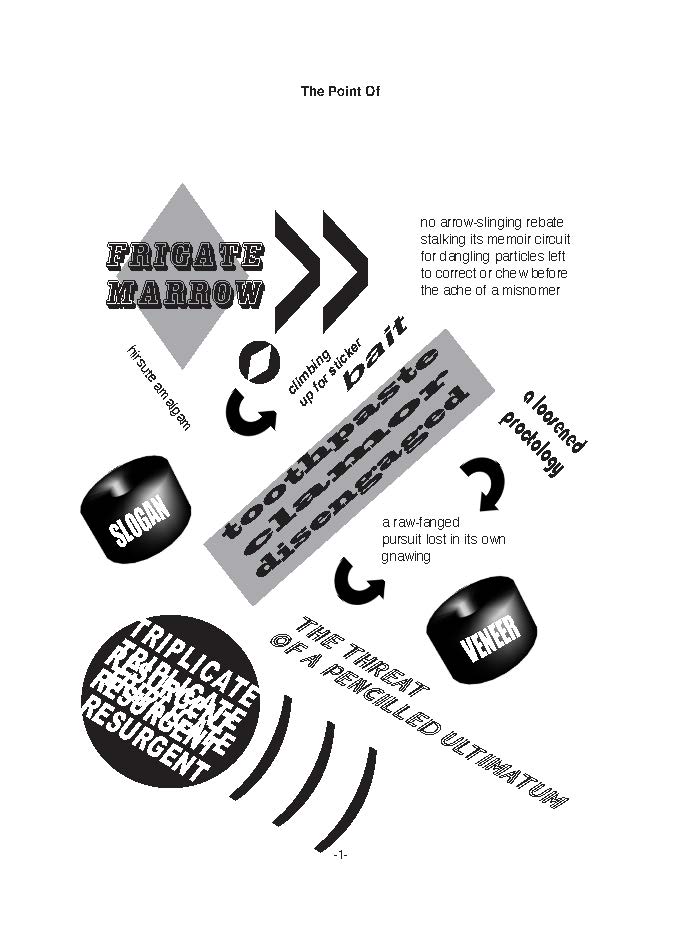
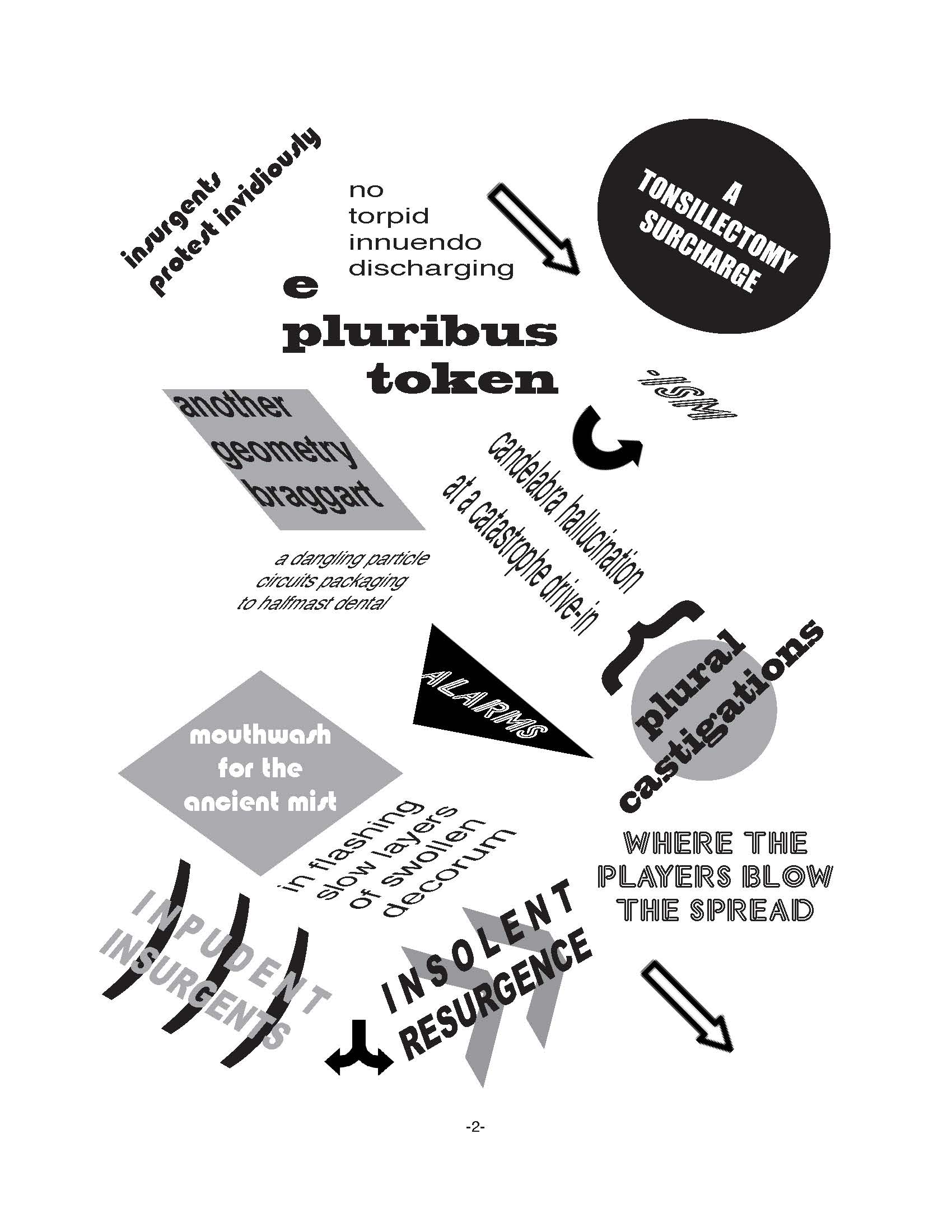
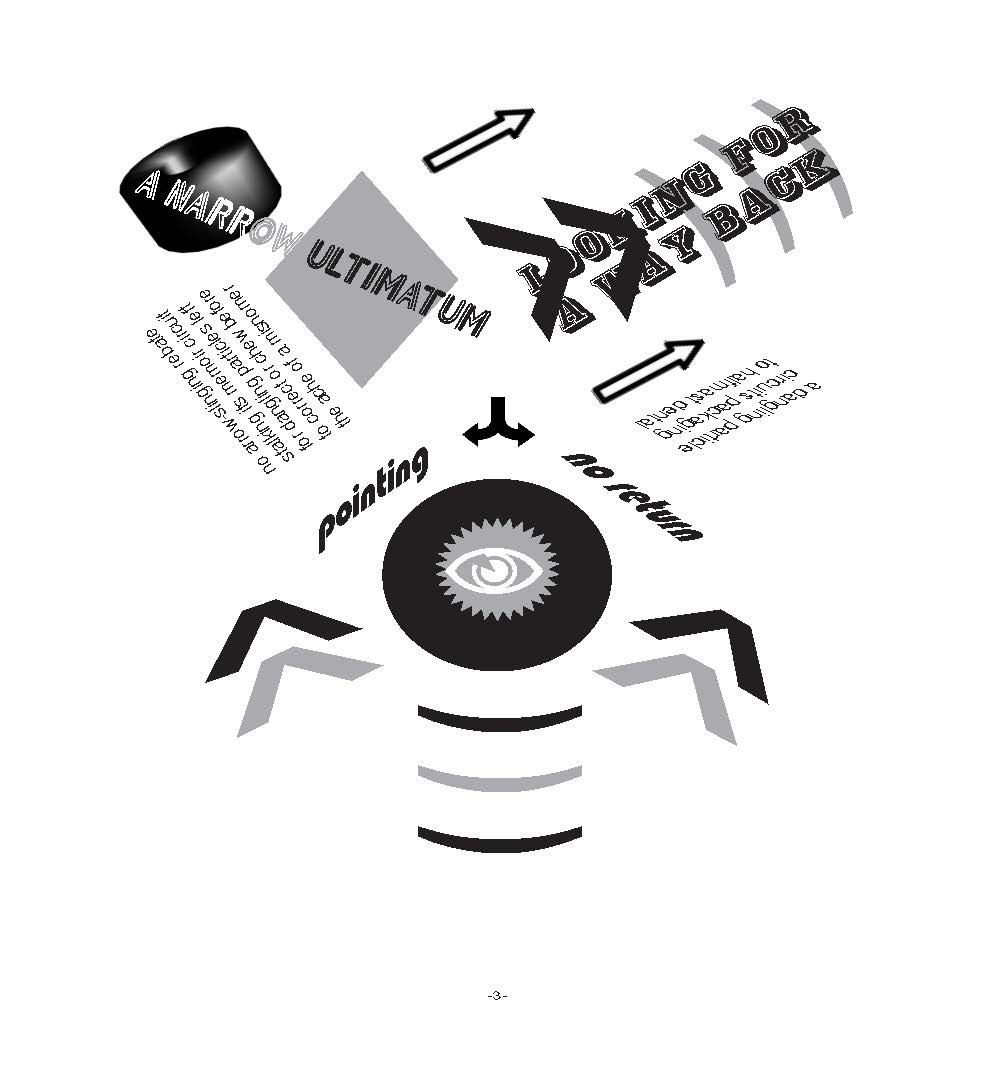
Rashidova Shahrizoda Zarshidovna extols the imaginative potential of books and reading. Mark Young graces us with the acrobatic swirls of birds and words on the page. Jim Meirose’s short story plays with words and fragments of narrative and speech. Vernon Frazer’s concrete poetry splashes words around the page as elements in a painting.
Zebo Rahmonberdiyeva points out how gratitude can lead to happiness. J.J. Campbell evokes nostalgia and memories of past happiness amidst his difficult present life.
Shodiyeva Madina points out that happiness comes from within, not from measuring up to others’ standards, as we are all different. Stephen House speaks to humility, not always having to give advice since our world is already full of different people who all consider themselves knowledgeable.
Ismoilova Sevinchoy motivates readers to set aside distractions and pursue their goals. Ozoda Turaqulova proudly celebrates her work anniversary at an Uzbek industrial gold mine. Ahmad Al-Khatat entreats those in recovery to continue their healing journeys.
Jackie Chou speaks to identity, selfhood, and wild and urban nature in her lively and sincere poems. J.D. Nelson’s one-line poems portray brief encounters with the natural world, embedded as we are within it. Kylian Cubilla Gomez’ work highlights the wildness and unruly colors and shapes of nature.
Isabel Gomez de Diego’s photos explore ways we domesticate and encounter the natural world. Daniel De Culla explores children’s complex feelings about eating other creatures, namely, snails. Kurolova Dilnura outlines the study of ecology and reminds readers to care for the environment. O’tkir Mulikboyev encourages proper care and stewardship of nature and water.
Brian Barbeito sends up a fantastical vision of electricity, enlightenment and ladybugs.
Mark Blickley interweaves figures and colors and mixed media to craft intricate collages. Brooks Lindberg touches on cosmology, jazz music, history, and philosophy in his poems. Duane Vorhees illustrates the volatile and sensual nature of romantic love and attraction. Dr. Sajid Hussain evokes the intensity of spiritual emptiness and the joy of enlightenment.
We hope that this issue helps you in your quest for meaning and joy.