
MARY

Mary had a little lamb.
It gave her indigestion.
And everywhere that Mary went
she had to use the restroom

LEPIDOPTOURISTS

Folding these my genitals into the soft privacy of the parched cocoon. Careful, Lust! Do not disturb that gentle dust. Lightly, precisely, park your eternal lips against my forever mouth, fasten firmly in place. Yes! Twin thoraces fixed just so! to allow free articulation of limbs in the moon's easy breeze, And, now, our skins unzip along spines, splurge toward the distant vacuum beyond the edge of the sheet, until your wings purple lurid under the lunar fluorescence iron themselves indistinguishable into mine (soft-yellowed).
Ahhhhhhhhhhhhh. More leaves in someone's unremembered book. All, the rest, is settled. Only our eyes bulge up, multifaceted and questing, from the petrified flatland. Until mourning dawn shakes again the pin loose and fossils rewake.

WHAT YOU WILL

You intruded my soul--
the whirlwind
amidst my feathers,
the typhoon
among my waters--

Some might call it love and, some, religion
but I’m satisfied to call it passion.

And then our thread despoiled,
the balloon
discovered fetters,
our garden
became our desert.

Wild/still. Static/ecstatic. Push/and/pull.
Anarchy/enchained. -- Call it what you will.

HERBERT’S REVELATIONS

Ancient George Herbert
--an only poet
known for piety--
when he was dying

was able to put
out another tome,
TEMPLE: SACRED POEMS
AND (it said) PRIVATE

EJACULATIONS!!
Oh, what a volume!
--The hypocrisy
of pious clergy

and their secret sins!
Exposé I sought.
But this was not that.
Just more holy din.

Honest George Herbert,
patient preacher-poet,
proved his piety
even when dying.

AMANUENSIS CUNNILINGUS

My tongue is your servant
you keep at your desk
to dictate to fingers
the words from my mind

in praise of your beauty,
in praise of your worth.
If only my body
consisted of tongues.

My tongue is your serpent
you keep for your cleft,
whose electric tingle
wiggles and entwines,

for love and in duty,
and promotes this verse.
If only my body
were made out of tongues.
Category Archives: CHAOS
Poetry from Sidnei Rosa da Silva (one of two)
Ladybug’s Journey To The Moon
In moon’s soft light, a starlit harbor fell,
Across the beaches, I did bravely dwell,
Of mermaids dreaming, on the rocky shore,
My solitude’s cliff, a letter life implore.
I challenged tides, the ocean’s depths I’ve seen,
A swirling chaos, a nature’s vibrant scene.
The fire yearns to cross, the wind to softly blow,
Across the landscapes, where gentle breezes flow.
“In time,” the wise man said, “the curve pursue,”
Upon the waves, your destined path renew,
Until the dunes, you find your resting place,
Incandescent lady, with your artificial grace.
Tonight I’ll stay, no sleep will claim my eyes,
This dream’s embrace, I won’t let it pass by.
One wish remains, a touch, a face so near,
Life’s hand to hold, dispelling every fear.
The road is long, the search may cause alarm,
But my heart’s compass, keeps me safe and warm.
Poetry from Olivia Brody
THE DUNES


will see it differently: not a bird,

but violet is an invasive species

she can’t fly

i think if i palm the pulse of the waves long enough,

they will erode the hard parts of me

crunch iceplants between my canine teeth

and dig my toes into the sand,

the tide rises and falls

and with it shifts my surety

tugs a fistful of my tangled hair,

wretched with saltwater and iceplant- flower perfumed

sand leaks into every crevice of my body: it permeates the motion

the waves of my brain


current pulls back from the shore

baring naked the beach

she is stripped loveless

droplets of judgment collect on my lashes and sting my eyes

an invasive species


nested high up in the dunes, i bury my naked body among the sand and limestone

you’ll never find me.
Poetry from Joshua Martin
memento to a plodding habit
martyrdom song sequence metaphors
pandering to the commonest doom
disgrace:
whiff, mineshaft of miserable digressions,
wallow pitiful grease pit – – –
(‘what sullen arachnophobia could unleash
a stammering gut punch into a public
toilet cowering like an octopus onion?’) – – –
welts, reading between the tonsils,
a star filled night growing into a
troublesome bacteria digression
. . .
kisses mask a demanding goiter
. . .
when dismantling an anus,
the yardstick comes in handy:
(‘can thou wither without barking
into a jar of oily rhododendrons?’)
. . .
screaming texts match
seeping manicured
hams
. . .
relaxation plunge,
simplified mosquito net algorithm,
the skimpy nooses begin to outweigh
boiling sponges
A Surging Crocodile of Iridescent Bubbles
Loot, my leg, shifting chamomile masks
planted like a shaving cream skull:
ecstatic collagen
sweeping textured
scorpion alarms
what rises
to shape a
paving stone?????
Some bareheaded regrets bashing silhouettes
on a mission to glue notorious islands together
as hollow as a skinned bowl of haughty vomit
less a gesture than a dungeon of mellow curls
does this sweeping poison
endow lashing with guts
shuddering beneath shapely
umbrella pajamas?????
such hermetic shingles
spilling backwards fungi:
imaginary sculptures, branches,
the loosening rags rattling sauce,
thunder / deeds / inversions /
sneaking off in
a gallop of inclinations /
escape route wings
regurgitating tranquility /
stars view the nimble toenails
while starving balconies grieve
Feasting on Bone Marrow
merging porcupine waves
into soiled newspaper holes
widening like serenity tears
laughing like cradled whips
, groan
, searchable demagogues
, what presence apologizes
to crinkly asparagus wands
. . .
splendid nude seagulls
violently snoring pods
obsessive atonal desire
. . .
the dangers of sleepwalking
through murmuring anxiety
, the public blanched
, a castle withering
between pubic hair
teeth grinding lemons
, it cleared the room of ozone
& bled sugar hemispheres
. . .
a bronze cave
mystifies a burning nipple
. . .
a sulphureous forehead fireworks display
drowning in secreted foliage cathedrals
blasting subterranean strawberry insects
. . .
what blushes
obscures
Phenomena, ever subordinated, enters the void
despite, most foul context requiring
situational essential trapezoid squirm,
elevator periscope mannequin
robbing petrified subjective
thoroughly lobotomized scope = = =
un,
ethical shoehorn postponement,
grieve : : (allowable excerpts
forming archival
weather reports) : : , , , ,
INform,
ed = actionable,
ethical, abomination sprinkler
system, , , ,
> struck By A
viper < , , , limitation
textual entry [
us | we | them | sEt FrEe, |
fictions critical analysis / /
/ / . . . . . frivolous vertical
coercion :
MaCHiNe tO provoke
formal NoVeLtIeS . . . . .
/ / / / / ,
| assuming argumentations
implicated contradictions
eras, moths, theories, eons:
a disputed rocking
CHAIR, , , , , ( . . . . .
clear throat, an allusion,
outlining proposal lamentations
, the tExt that BuRsTs
& spills
literary MoTiFs
Joshua Martin is a Philadelphia based writer and filmmaker, who currently works in a library. He is a member of C22, an experimental writing collective. He is the author most recently of the books O! fragmented glories (Argotist Ebooks), Prismatic Fissures (C22 Press), and peeping sardine fumes (RANGER Press). He has had numerous pieces published in various journals. You can find links to his published work at joshuamartinwriting.blogspot.com
Poetry from Richard Stimac
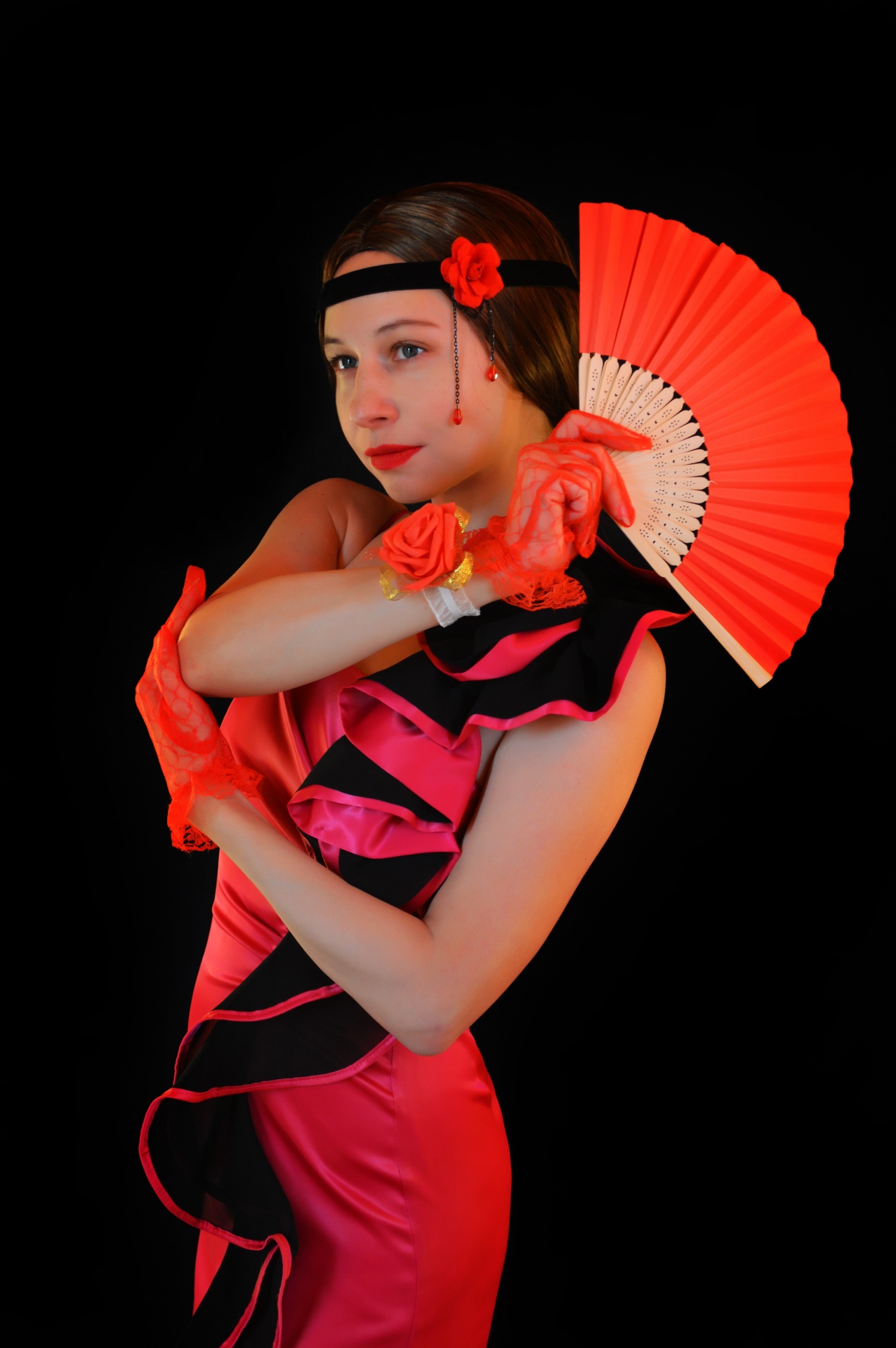
Stasis
They are wrong, those who say we dissolve in connection,
as if we have worn special clothes, handmade shoes,
paid for unneeded lessons, all to lose individuality.
Maybe it’s the separateness we crave, the remembrance
the song will end. We will be free to return where we laid
our wallets and purses, our IDs, keys, lives beyond
the dance floor we will never abandon for bed or bank.
The mouthing of words soothes more than the meaning:
how wonderful to regain the infant’s unmediated cry,
or, like a cat, live by instinct, not by choice, free
of the burden to make our lives what we desire,
irresponsible, for a moment, ourselves given, in total,
to a rhythm, a melody, a touch, a body, a god,
that has taken control and absolved us of sin.
We want only so much freedom. It’s too much to bear.
Some of us hold on too long. Others, too brief. As if touch
were a measure of our commitment to one other.
There is always a reluctance to betray the embrace.
That is why we rely on patterns but praise spontaneity.
Even the virtuoso dances sequences yet unrecognized.
We are like lovers trying to make memories,
looking forward to a future that is not yet
when we will look back at a past that no longer is,
discounting the present as a means.
Dreading silence, some of us never rest, as if motion
were truer than stillness. This is wrong.
So what does that leave us in our needs?
I say, the dance is in the emptiness, the quiet, the balance
that reminds us we are mortal. We always want more.
That frightens us. The staying of time is enough,
one step, held for itself, its own entrance, its own resolution,
unconnected to a before, or an after, yet unseparated.
It’s in the stasis where we find the dance.
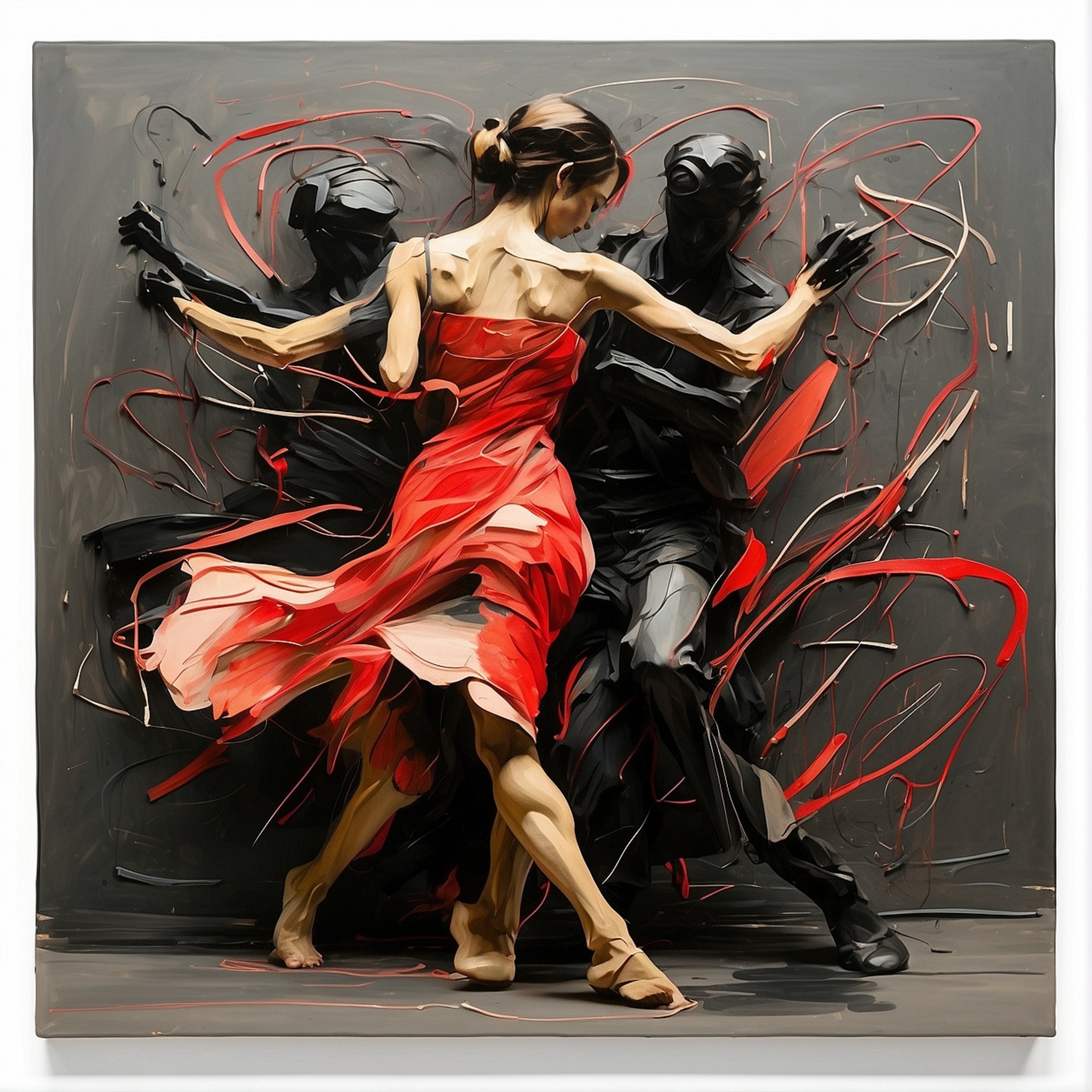
No Dance Floor is Ever Empty
No dance floor is ever empty.
I see them, the ghosts of past dancers.
They left the touch
of each step, each turn, each embrace
pressed into the wood.
You can see them, too.
Look, in the corner, the couple falling in love.
Besides them, that pair already fallen out.
Here, to the side, the forlorn
who clutches a partner
like a fetish to ward off
an overwhelming loneliness.
Across the floor, the married one
who dances to return resigned to a spouse
who is content, functional, incomplete.
There are the comfortable,
those who know little
of sadness and suffering
and are perplexed
by those who do.
Even they leave bits
of thin souls
underfoot.
When you are on the floor,
give your attention to them, the ghosts.
You can feel them brush against you,
see their invisible shadows,
hear the softness of their voices.
It is they who fill the void between us.
Listen to me, my friend:
you, too, will be a ghost,
you, too, will leave a trace
of your dance. If you are blest,
someone will enter the dance floor,
someone born after you have died,
and will see what you have left.
They will know, at one time,
someone danced here
and gave what there was to give.
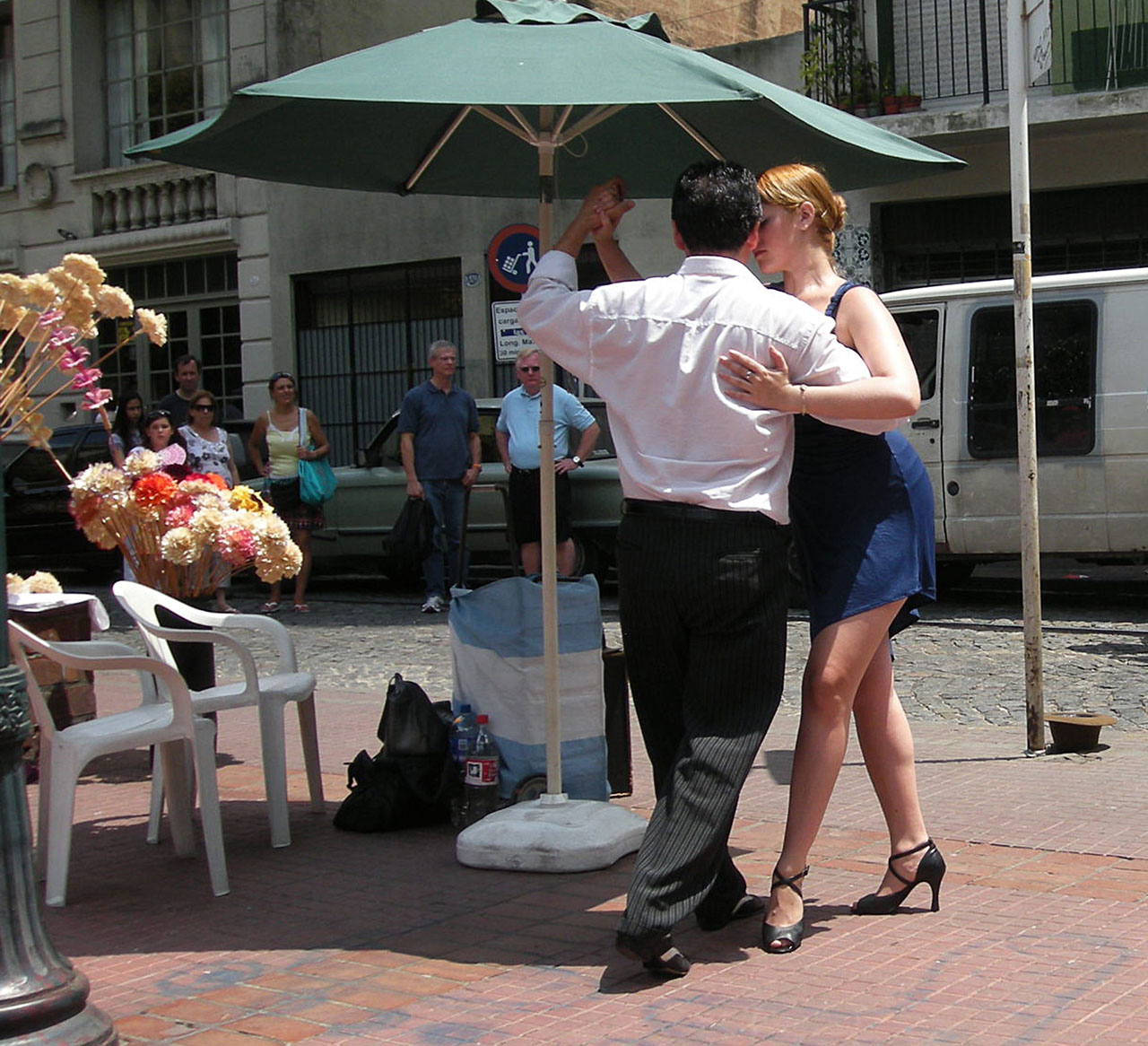
Leading
Leading is like writing a poem, isn’t it? The amateur constructs plans, sets milestones, identifies goals, chooses an end and steps backwards from there. I’m that, at times, with an idea of where things must go: a brilliant image or turn of phrase; a cleaver pattern or adornment; an intention to display my brilliance that will elicit a smile; a somewhere where I think the line of dance or of metaphor should end. When I try, I succeed, unfortunately. We all confuse what we desire with who we are. If I’m lucky, then I’m lost, a child in a dusk woods, the shadows, the trees, the calls; the music, the dance floor, the body of another. Some other thing, some other self, not me, as I think I am, but some part of me I cannot, will not, name, chooses me as its object. I follow. Could I say my life is really my own?
Richard Stimac has published a poetry book Bricolage (Spartan Press), two poetry chapbooks, and one flash fiction chapbook. In his work, Richard explores time and memory through the landscape and humanscape of the St. Louis region. His work is inspired by dancing Argentine tango.
Essay from Christopher Bernard
An Ordinary American Monster: Liberalism, Capitalism, and Donald Trump
By Christopher Bernard
He was inevitable. The innocents who believed either in the fundamental goodness of humanity, or in the power of our institutions to undermine humanity’s drive to evil – its selfishness, greed, hunger for power, arrogance, deceitfulness – did not just fail to defend us from him. They helped create him. And then made it almost impossible to defend against him. You see, he had rights, and these rights were guaranteed. And his rights superseded our rights to be protected. That is the way it is with rights: the agent has more than the patient. When the elephant has the same rights as the mice, it is not the elephant that is crushed.
And this is the way with liberalism. And, with capitalism, which is the economic driver of liberalism; this is the way with America and its “exceptionalism.” This is our way, the American way. We have avoided, or conquered, the worst effects of our way of life for a very long time. Until now.
Yet who doesn’t love liberalism, especially when it is applied to them? The very word is steeped in generosity, in magnanimity and loving kindness. I love the freedom it accords me to do whatever I wish whenever I wish. I love the feeling of lightness and air it surrounds me with, like a bath. I love the fact it gives the same freedom to everyone I know and care for, even though they sometimes use it in a way that (usually inadvertently) does me some harm. And even for people I do not particularly like or love: I hate the idea of them, or of anyone, confined, oppressed, suffering, for any reason at all. In fact, if I had my way, Dante’s Inferno would be empty. Indeed, if I had my way, life on earth would be a paradise.
But the Supreme Being didn’t ask me when drawing up plans for the cosmos. Really, he should have. I would have had some nice liberal ideas, and also a few useful ideas that might have saved us from liberalism’s formidable flaws.
It is not often noted that liberalism is not so much a political philosophy as an abdication from having one, a kind of what the French call faute de mieux (“for lack of anything better”), a jury-rigging and gigantic shrugging off and throwing up of one’s hands at the very idea of discovering how a society, how a polity that supports the well-being of all its members, might actually work: every attempt to found a “philosophy of liberalism,” from Hobbes to Locke to Jefferson and the framers of the United States Constitution, has failed, mired in helpless contradictions and blinded by forms of willful self-deception.
For at the very basis of liberalism lies a series of gaping holes liberals keep pretending not to notice, and then keeping falling into them while pretending they are just potholes they are mending on the way to the millennium.
To wit:
Liberal: “The freedom of the individual supersedes the rights of society as a whole.”
Skeptic: “Really?”
Liberal: “That’s right. And we must tolerate all religions and philosophies because people can’t agree on first principles, and we want to live in a society that is at least relatively at peace.”
Skeptic: “But you just told me you in fact have a ‘first principle’!”
Liberal: “I hoped you hadn’t noticed that.”
Skeptic: “And what about people (most people throughout history, really) who believe the rights of groups, of families, of society as a whole come first – and in fact they must come first, for obvious reasons? No individual human being can exist outside a society; we are social creatures from the day we are born, and remain so until the day we die. The only perfectly autonomous individual is a dead one. We all begin as infants, and if we weren’t immediately supported by a complicated network of social support – from our parents and family to doctors and nurses – we would be dead within hours, even minutes, of coming out of the womb. We are components of a group before we ever become (relative, since we never become complete) individuals. So privileging the individual above the society is literally an insane idea – it would be like saying the tire on a car is more important than the car itself.”
Liberal: “[Several pages of incoherent and inconsistent logic-chopping we will not bore the reader with. But their ultimate argument always comes down to:] Everyone loves liberty, everyone wants to be free, just like us. Everyone wants to do whatever they want to do whenever they want to do it. The fact that most societies since the dawn of time have considered this the height of human immaturity at the very least, and, at worst, of moral irresponsibility and active evil, to be condemned, excoriated, and punished, makes no difference. Their morality is just out of date – these things change, history has its own morality and ethical standards, there are no absolutes, but history is progressive (yes, I know the Nazis came after Florence Nightingale, but don’t bother me with facts!), we are progressive, we are liberated, we are enlightened! And who gets to define what these noble values mean (to anticipate your irritating question)? Why, we do, of course! And so, if anyone doesn’t choose to be free, we shoot them until they do. It’s really very simple: as Rousseau and John Stuart Mill so wisely said: people sometimes need to be forced to be free. And as far as infants go, we’re doing this for the children!”
Skeptic: (Silent. After all there are no words by which one might wade through such a swamp of self-contradictions.)
But then there’s the liberal doctrine of “tolerance.” How can anyone possibly oppose that? It sounds so nice!
Liberal: “We must tolerate all forms of thought and action as long as they do not cause harm to other people.”
Skeptic: “Okay. And who gets to define ‘harm’?”
Liberal: “Why, liberals do, naturally!”
Skeptic: “So what do you do with people who don’t agree that something you tolerate does not cause ‘harm,’ indeed they believe it is an absolute evil that must be destroyed? Wait, don’t tell me! You . . .”
Liberal and Skeptic “. . . shoot them until they do!”
Skeptic: “Well, of course we do. But I have another issue. Isn’t there a danger liberalism will encourage the most anti-social forms of behavior; in fact it will reward psychopaths and empower ‘malignant narcissists’ when they also happen to be talented manipulators? It could hand power over society as a whole to some of the worst monsters humanity is able to create. At the same time it will have made it almost impossible to protect against them.”
Liberal: “But if we liberals just scold enough and say out loud what a very nasty person it is and how we should really not let these people either become billionaires or become president of the United States, and just follow the Constitution, which is after the greatest political document in the world, with its marvelous array of check and balances, and division of branches of government, and an actively questioning Fourth Estate of news organization, independent of any interference by psychopaths or ‘malignant narcissists’ or political sway of any kind, and we have after all a robust and independent debate going on in America on all the important issues of our time, without fear or favor, don’t we? I mean, well then everything will work out just fine. We hope. Maybe.”
Skeptic: “My gosh, you actually believe all of that . . . gibberish?”
Liberal: “Of course I do! We are what liberalism created! We are the freest country in the world! Oh wait: I meant to say, ‘We are the greatest country in the history of the world!’ (Don’t want to be cancelled, heh, heh!)”
Skeptic: “Whew! I knew you didn’t know yourself very well, but I never guessed how much. Despite the qualms I have about the knot of self-contradictions making up your so-called ‘political philosophy,’ it doesn’t bother you at all. And it sure looks like a heck of a lot more fun than worrying about being ‘moral’ all the time. Where does one go to sign up?”
Liberal: “No need to! Just stop thinking so much and Do Whatever You Feel Like Doing Whenever You Feel Like Doing It, and devil take the hindmost,”
*
And capitalism? Capitalism is liberalism on meth, cocaine, steroids, old wine for me, fentanyl for thee. It is the economic policy of liberalism, of America and her “exceptionalism”: it makes the monsters rich. The elephant crushes the mice because he can. The mice have the same right to crush the elephant . . .
*
And then there is Trump.
But what is Trump?
Perfect liberal, perfect capitalist: psychopath and malignant narcissist with a gift for manipulating millions of us. A man who is just doing whatever he wants to do whenever he wants to do it – and he has very good lawyers in using the laws invented to protect his liberal “rights.” And devil take the hindmost – the rest of us.
Trump is a very ordinary American monster.
_____
Christopher Bernard is a novelist, essayist and poet, and author of numerous books, including the award-winning collection The Socialist’s Garden of Verses. He is founder and lead editor of the webzine Caveat Lector and recipient of an Albert Nelson Marquis Lifetime Achievement Award.
Poetry from Kass
Cities Breathe in Abandonment
Wet woods suppressed mind,
bodies of moss chat towards the fog.
Breathe in responsibilities clasped
rooftops overthrown by land.
Numbers walled in by numbers.
Matter speaks silent.
Vines trail over my fingertips bridges.
Such a liar, so afraid,
not fond of regrets.
My years drift afloat
Marigolds outshined by damp willows.
I spoke the words I cried and viewed
tangy colors waving their fingers to crowds.
Where did they go? I ask the minutes,
left behind thick air to our shadows,
never front, focused on past.
Inverted mirrors don’t shatter the depths of blood.
Cracked rain, punctured windows.
I ask for one last direction,
whom shall lead my heart of desires to horizons,
not footsteps.