Two Broken Hearts

Staying away from you is torturing me
Be a little flirty, is there any need for coyness
While I have opened the door of my heart to you
Let two broken hearts come together
If you want to extinguish my burning heart
This cry of mine is for you, this is a loud call
Break your horse with spur towards me
Let two broken hearts come together
You never show it, you have no words about love
You have turned to ashes, as if you have no embers to ignite
Either you are too hesitant or you have no eyes for love
Let two broken hearts come together
Don't destroy this ruined heart of mine anymore
Come hide in my heart and don't come out anymore
Come on, hold my hands, don't look helpless anymore
Let two broken hearts come together


NIGHTS DON'T PASS

Nights don't pass, they don't pass
Is it possible to get you out of my mind
Fall into a sleepless night
I hope you'll understand me then
You're not on one side, longing on the other
My poor mind is wasted without you
If you're left like me in a lonely inn
I hope you'll understand me then
When your eyes suddenly fill with tears
Don't think that troubles will end in the morning
When you're left in trouble like me
I hope you'll understand me then
If the thing you call life disappears one day
If love, respect, everything ends one day
If separation comes one day
I hope you'll understand me then
Is it certain to reap what you sow
What do you expect from unkempt soil
If an old picture makes you cry
I hope you'll understand me then


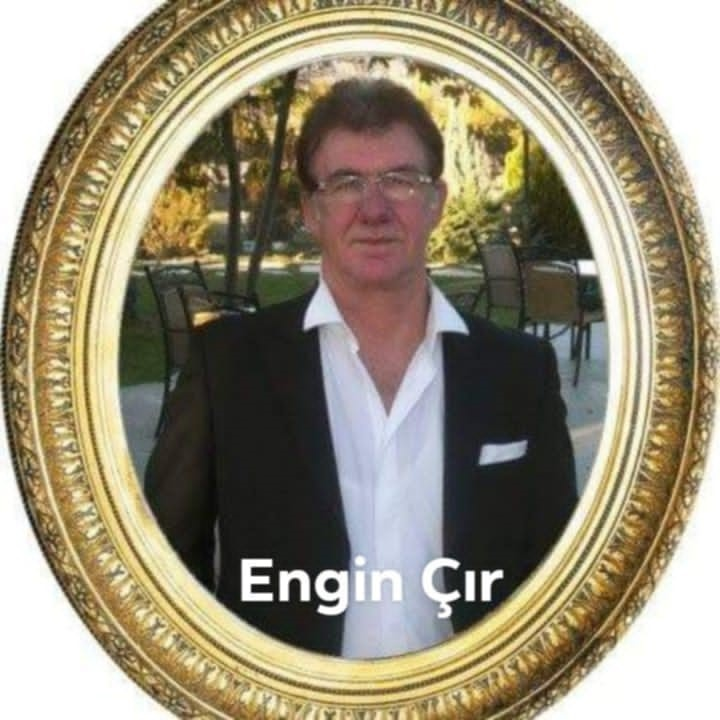
Engin Çir was born on October 29, 1954 in Samsun. He played the alto saz in the school band for two years during his middle school years. In 1970-1971, he continued as a vocal artist in the Samsun Folk Music Association, conducted by Umit Bekir Ağa, for two years. He learned to play the saz on his own. In 1972, he joined the Samsun Music Society Choir, conducted by Taner Cağlayan, and continued his work uninterruptedly until 1979. He entered the Samsun Municipal Conservatory, which was established in 1979. During his four-year education, he took solfeggio and theory lessons from Ali Ozdolap, Ali Özgümüş, Cavit Ersoy, Dr. Turgut Tokaç, Fethi Unal, Nihat Alaca, Şadan Ünsal. Between 1982 and 1989, he studied at the Samsun He worked as assistant conductor and oud player in the Turkish Classical Music Choir at Ondokuz Mayıs University. He passed the Turkish Classical Music pre-listening exam held by TRT Ankara Radio in the 1979-1980 period with an exception contract. He graduated from Samsun Municipal Conservatory in 1984. Later, he worked both as a vocal artist in the executive board and as a lecturer until 1989.
(Easy Co., Mercury Rules Virgo and Gemini, and the Birds in the Trees)
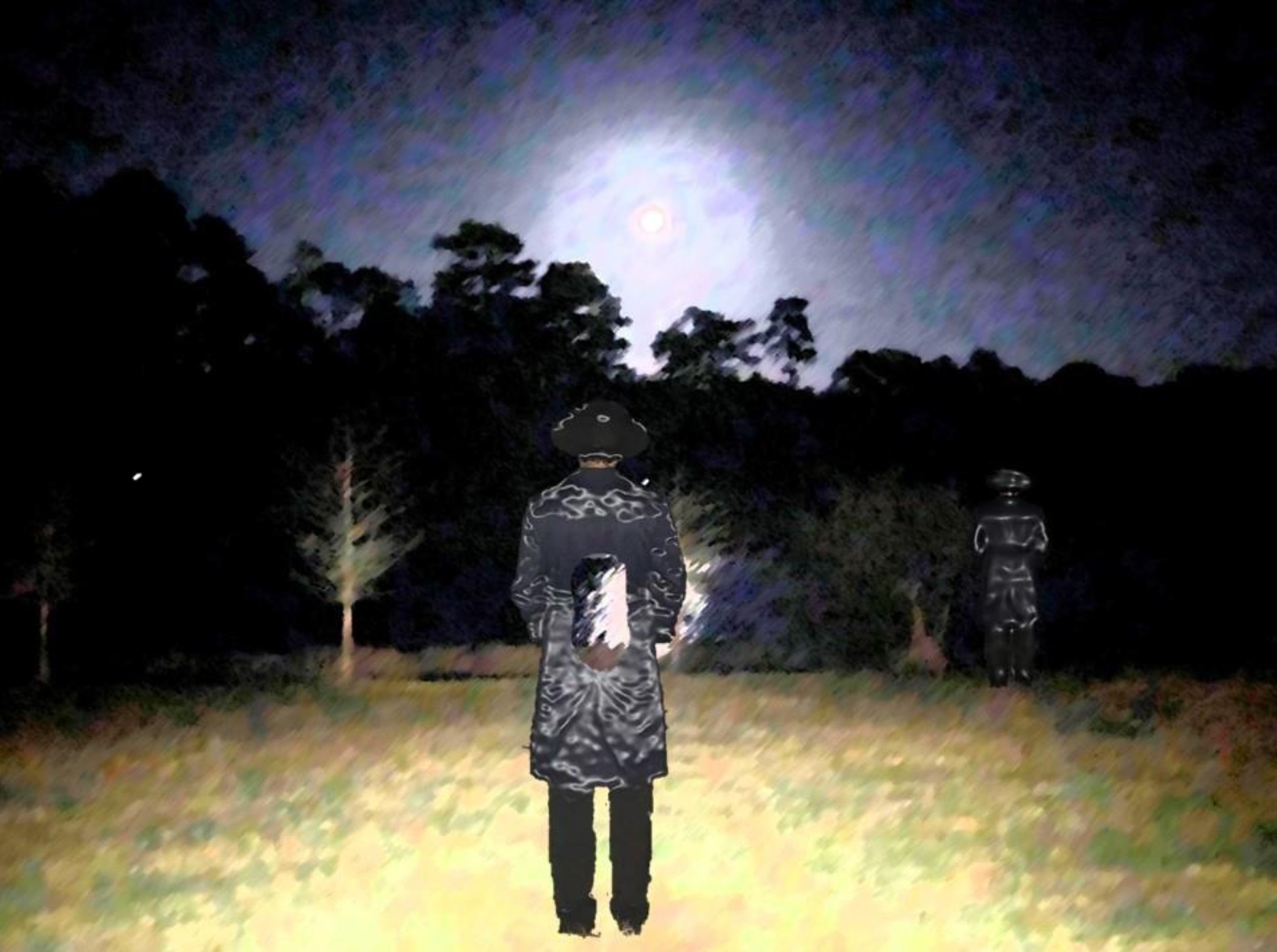
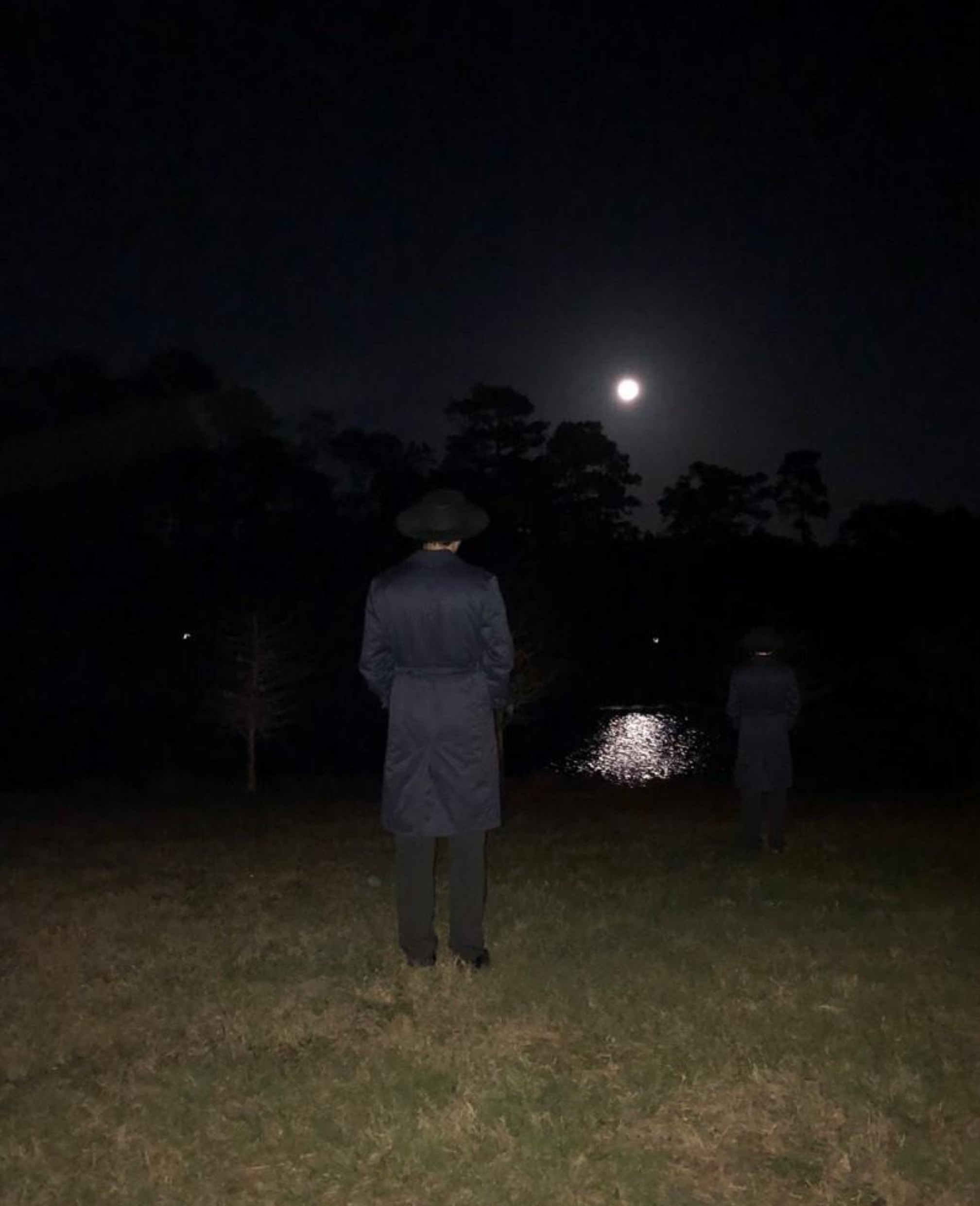
We had fourteen days free and went to the forests each morning to walk. There was a car there that said, – EASY CO. and that was the car I happened to park behind one day, the last day actually. I took it as a Jungian synchronic sign as I used to buy Sgt. Rock comics often as a kid and his war group of soldiers were called Easy Company. I used to read each issue and also the letters of compliments and questions to the makers of the comic that they published at the back each issue. How I loved the adventure stories and the art, and one got to know each character of the comic through the years.
Inside the paths, the woodlands wild and whimsy driven and wondrous, I was walking with Tara, a Virgo. I am Gemini and we are the only two signs ruled by the same planet, Mercury, the fastest planet, the messenger, the one that denotes communication. The birds in the trees called out, and sometimes a squirrel ran away or a chipmunk. Verdant place. Kind atmosphere. A little too hot and humid those days for my liking. But the autumn would one day come. Still, we followed the idea of three S’s,…short, shaded, and slow,- when it was mighty hot. Sometimes a breeze came along. Sometimes not. Mostly empty area. But once in a while a solitary jogger, or an old couple, something. There, a heron that fishes for food by the still pond, and little groups of wild roses, where when their petals are absent the middle looks like a berry red.
I talked to Tara, about the things people talk about,- current events local and the greater world, plus spirituality, things like karma and dreams and journeys. Silence is okay also. Just the sight of the leaves. Or raspberries. Stones. The plain earth itself. The paths are often gravel but at times sand. Orchids are there, and ferns green and wild. I know where some snakes live, and I know all the trails through experience, time, steps. So does she. Little marshes and bogs,- the logs and an owl watching in the day if you are lucky. It’s not an ambitious worldly achievement, but there are worse things people do than nature walk. I loved the fourteen days. Talk walk see be. Believe contemplate meditate heal. Like love belong and dream. Ideas for writings, plus landscape photography, blossom often and well, yes blossom like the summer wildflowers.
Paul Tristram is a Welsh writer who has poems and short stories published in many publications around the world, he yearns to tattoo porcelain bridesmaids instead of digging empty graves for innocence at midnight, this too may pass, yet. His novel Crazy Like Emotion was recently released upon the public by Close To The Bone Publishing.
The Clouds

Clouds float gently in the sky so high,
Soft whispers of dreams as they drift by.
They gather in clusters, then break apart,
A canvas of wonder, a work of art.

White and fluffy, like cotton they seem,
Or dark and heavy, with a storm's gleam.
They dance with the wind, in a graceful flight,
Changing shapes in the morning light.

Some bring rain, a refreshing kiss,
Others shade the earth in a moment of bliss.
They tell tales of lands far and wide,
Of mountains, oceans, and the world's great tide.


Don Bormon is a student of grade nine in Harimohan Government High School, Chapainawabganj, Bangladesh.
The Teacher: Beyond Intelligence

"Mero ta  Moj cha Yaar,"- “I am having extreme fun” – my friend Ramesh replied when I asked him about his well-being over the phone. Ramesh and I had been intimate friends since childhood, growing up in the same countryside, studying together at the local college, Ramesh was always the top student; his intelligence was far superior to that of his peers, a fact reflected in his academic results as well.

After earning his bachelor's degree, he headed to Kathmandu to pursue further education and continued to shine in his academic journey. He excelled at the top of his master's degree program at a prestigious university. His academic achievements were the talk of our village, and we all celebrated his success.

However, during the conversation, Ramesh revealed another side of his life. "During the day, I teach at three different private colleges as a part-time English teacher in Kathmandu," he admitted. "But mostly on Friday nights, I spend time drinking whiskey at bars in Thamel with some students. They pay for everything since they belong to rich families."

I couldn't help but feel a pang of disappointment. Somewhere deep down, those words compelled me to question the ethics of his professional life, as they seemed to reflect a lack of wisdom and character despite his engaging classes, knowledge, and the success of his students under his guidance.

Some philosophers argue that wisdom is a broader term than intelligence. Wisdom includes ethical values and actions, and those who possess wisdom can distinguish between wrong and right.

However, despite being a teacher who is supposed to be full of wisdom, Ramesh’s choice to visit bars and drink with students made me feel that he lacks such qualities. During our conversation, he also mentioned that he does not feel the positive burden of duties and responsibilities, as he is a part-time teacher and most of his fellow teachers are unfamiliar with him.

"Who comes and goes doesn’t matter. No one knows except the person who hired you," he said. Ramesh is a clear illustration of the moral deficiencies prevalent among many teachers today. It is truly disheartening to realize that they undermine the integrity of the educational system.

The conversation made me ponder what makes a good teacher. Is intelligence the only criterion for being a good teacher? What about wisdom and character? What is the right process for selecting teachers? Do educational institutions train teachers to be honest and moral? How can they motivate teachers to be duty-bound and self-disciplined?

In recent years, with the rise of science and technology, teachers have become more resourceful and knowledgeable than ever.

However, it is crucial for them to also embody wisdom and good character. The role of a teacher is not only to impart academic knowledge but also to serve as a role model for students. The impact of a teacher on a student's life spreads beyond the classroom; Teachers’ values, ethics, overall personality, and character absolutely influence students.

Therefore, the following considerations should be made during the selection process and after the selection of teachers.

Selection of Teachers

When selecting teachers, the education institutions should initiate a mechanism to evaluate candidates' ethical values, in addition to their excellent academic qualifications. The mechanism could include thorough background checks, psychological well-being assessments, and interviews focusing on ethical issues. By doing so, schools can ensure they are hiring teachers who are not only knowledgeable but also capable of serving as positive role models for their students.


Teachers’ Trainings beyond Curriculum and Methodology

Educational institutions often focus teacher training solely on curriculum, syllabus, and teaching methodologies. However, training should encompass more than these aspects. It should also cover ethics, self-discipline, and teachers' roles and responsibilities.


The cushioning role of the principal

The principal should create an environment where teachers feel that the institution is their second home by bridging the communication gap among staff members. Rewarding good behavior can motivate teachers to strive for excellence in all aspects of their roles. Additionally, the principal should make teachers feel like the school's true foundation by recognizing them as valuable employees. Fostering a sense of permanence and belonging will encourage teachers to dedicate both their hearts and minds to the organization.

This can be achieved through regular meetings, team-building activities, and, if needed, one-on-one positive counseling.
In a nutshell, the role of a teacher goes beyond imparting academic knowledge. Teachers should serve as role models embodying wisdom, good character, and ethical values.

Therefore, educational institutions should prioritize selecting teachers who possess these qualities and provide professional as well as ethical training to help them grow in all aspects of their profession. Thus, schools can ensure that teachers are highly motivated, duty-bound, and self-disciplined. This, in turn, will have a positive impact on pupils. Over time, students will grow into individuals with strong moral values and ethical standards.

[Sushant Kumar B.K. is a Nepali poet, translator, educator, and freelance writer from Gulariya, Bardiya, Nepal. He holds two degrees: an MA in English Literature and Political Science. He primarily writes poems in English and Nepali. His poems have been featured in national and international anthologies, magazines, newspapers, and online portals. He can be reached at sushantacademia@gmail.com.".]