
Armageddon

The rugged ambience

of cultural dislocation,

the subtle behemoth

of Organized Noize

hence a re-constructed structure

of re-conceptualized cultural design.


Drawing parallels with

wands of remembrance,

concrete quakes

as lovers dance

between pillars of

admiration & despotism.

___________________


Hyde Park ghosts volley

between continents -

reminders of individual

amber solitudes amidst wars

and earthly revelations (War) -

a Cancer of Ego in science.


Chaotic planes

speed above

brick & concrete

ghettos inhabited by

black & brown aliens.


The design poetics

of the hereafter

encapsulated in

countercultural forests,

endangered pipelines,

wooden detritus and

clear oxygen.
Category Archives: CHAOS
Eva Petropoulou interviews Richard C. Bower
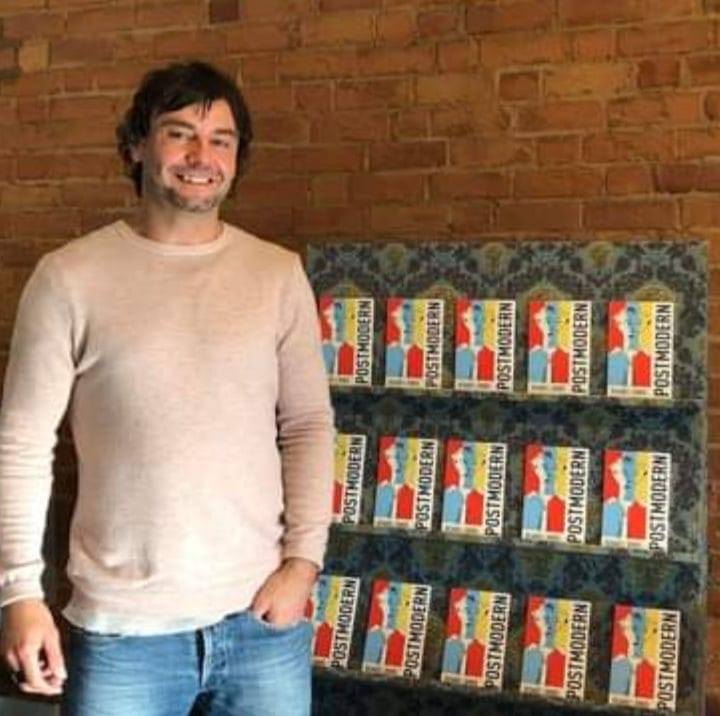
Dear Richard, I am very happy to have this interview with you. Let’s talk about you. How was your childhood? Your dream?
I was fortunate to have a good upbringing, with supportive parents and a stable home, growing up in a working-class town – Mansfield – in Nottinghamshire. It was a grounded childhood – simple in many ways, but rich in the things that mattered: love, encouragement, books, and space to think.
Books were always part of my life. I have been reading from a very young age, and I still remember getting books every Christmas. My Mum once told me a story that stayed with me: she had gone to order some books I’d asked for, including the works of William Blake, and the shop assistant remarked on what good taste I had for someone so young. That says a lot about where my mind was even then.
Writing was there from the beginning too. I wrote constantly as a child, and one of my English teachers recognised something in it early on, telling me that one day I would write a book. He was right – I’ve now had five published. But at the time, writing never felt unusual to me. I didn’t “dream” of being a writer because I simply assumed it was something everyone did – writing in journals and note pads, etc. It felt natural, like breathing.
Poetry always fascinated me. I would often find myself drawn to the poetry sections of libraries, trying to understand what it was. There was a wonder to it – something elusive, almost sacred. Alongside poetry came philosophy and psychology: questions of existence, meaning, and the workings of the mind. Looking back now, I can see that all of these threads became woven into my work.
I never consciously set out to become a writer. Life seemed to shape that path for me. But I do remember when I first went to university thinking how powerful it must be to write words that could genuinely affect, and inspire, another person’s life!
Now, through my books, essays, and my freelance writing – including my own column in local lifestyle magazines – I find myself in that very position. Looking back, it all makes sense. What once felt ordinary has become my life’s work, and I feel deeply grateful for that.
2. When did you meet poetry? Who inspired you?
Poetry found me early, though I only truly recognised it later. It became a language for the things ordinary speech could not hold. I have been inspired by many voices across time – from William Blake to Jim Morrison. But life itself has been my greatest teacher.
3. What is poetry giving to the world?
Poetry gives the world pause. In an age of speed, distraction, and noise, poetry asks us to stop and feel. It reminds us of what is essential – love, grief, beauty, impermanence, truth. It keeps alive the inner life of humanity.
4. What about young people? Are they interested in literature and books?
I believe many young people are hungry for meaning, but they are growing up in a world that often fragments their attention. Literature asks for patience, and patience is becoming rare. But the hunger remains. The challenge is not that literature has lost its value, but that the world has changed its rhythm.
5. Tell us about your book. Why would you suggest your book to the reader?
My latest book, Introspective Soliloquies, is perhaps the clearest expression of who I am as a writer at this stage of my journey. It is a collection rooted in reflection, contradiction, rebellion, and inner searching – exploring themes of nature, identity, suffering, resilience, and the eternal tension between shadow and light. The title itself speaks to the essence of the work: a dialogue with the self, an honest confrontation with the inner landscape.
What makes this book especially meaningful to me is the journey it has taken beyond the page. It became my first work to enter the UK curriculum, now being studied in schools across the Midlands – something that felt both surreal and deeply humbling. That achievement also made headlines in India, because the book was published by the esteemed Indian publishing house Birutjatio, a publisher long associated with literary prestige and academic significance. Their catalogue has included giants such as Rabindranath Tagore, Nobel laureates, Bollinger Prize winners, and Pulitzer finalists. To become their first contemporary British author is an honour I hold close.
In many ways, Introspective Soliloquies represents a bridge – between the romantic inwardness of Lord Byron and the spiritual universality of Tagore. Some have described my work as occupying that middle ground, and I think there is truth in that. It carries both rebellion and reverence; both grit and grace.
The book also forms part of my wider literary journey – one that has seen my work recognised by UNESCO and Nottingham City of Literature, where I have been placed in conversation with the legacy of Nottinghamshire writers such as Lord Byron, D.H. Lawrence, and Alan Sillitoe. That lineage means a great deal to me, not because of status, but because all of them, in their own way, wrote against the grain.
I would recommend Introspective Soliloquies to readers who value honesty over polish, depth over distraction, and poetry that does not merely decorate life, but interrogates it.
Available here:
6. What is your favourite quote?
At the moment, my favourite quote is:
“The energy of the mind is the essence of life.”
– Aristotle.
It’s a quote that resonates deeply with me and one that will appear at the front of the book I am currently working on. I won’t say too much about that yet, because I don’t want to give too much away, but I think the quote itself offers an insight into the spirit of the work.
It also reflects something central to me as a writer – my long-standing fascination with philosophy, consciousness, and the workings of the mind, which I mentioned earlier. Those themes have always run alongside my poetry.
I’ve always chosen quotes carefully for each of my books. They act almost like doorways into the work – particular fragments of thought that help frame the journey ahead. Over the years, those guiding voices have included figures such as Jack Kerouac, Hunter S. Thompson, and Carl Jung – writers and thinkers whose words have stayed with me, each for different reasons, at different times in my life.
7. What are your future plans?
At the moment, my future plans are rooted very much in the place I come from. As Poet Laureate of Mansfield, I am working closely and passionately with my hometown to inspire and encourage local writers, helping to nurture creative voices that may otherwise go unheard.
Over the past months, I have been giving workshops, talks, and recitals of my own work at colleges and various venues around the town, sharing not just poetry itself, but the deeper idea that writing can be a means of understanding ourselves and our communities.
A major part of that work has been my role as judge for Mansfield’s Writing on the Wall poetry competition – a heritage project tied to the restoration of the historic Old Town Hall. The competition invited writers to respond to themes such as hope, courage, reflection, and community, and the winning pieces will not only be published in an anthology – for many, perhaps the first time they will ever see their words in print – but fragments of those poems will also be woven permanently into the fabric of the town itself, inscribed onto the historic stonework of Mansfield’s Old Town Hall. I think there is something incredibly powerful about that: words becoming part of the landscape, part of the town’s memory.
Beyond that, my ambition is to build on the talent we are uncovering and create something lasting – an annual literature festival in Mansfield that is recognised not just locally, but nationally. Mansfield has a rich creative spirit, and I want to help give it the platform it deserves.
For me, the future is not only about my own writing. It is about creating opportunities for others, strengthening the literary identity of my hometown, and ensuring that the next generation of writers knows that their voice matters.
8. A wish?
My wish is that people return to themselves – to silence, to reflection, to authenticity. In a world that constantly asks us to perform, I hope more of us remember how to simply be.
Thank you.
Richard C. Bower
Author | Poet Laureate of Mansfield
UNESCO-Recognised Literary Contributor
Cultural Ambassador, Mansfield UK
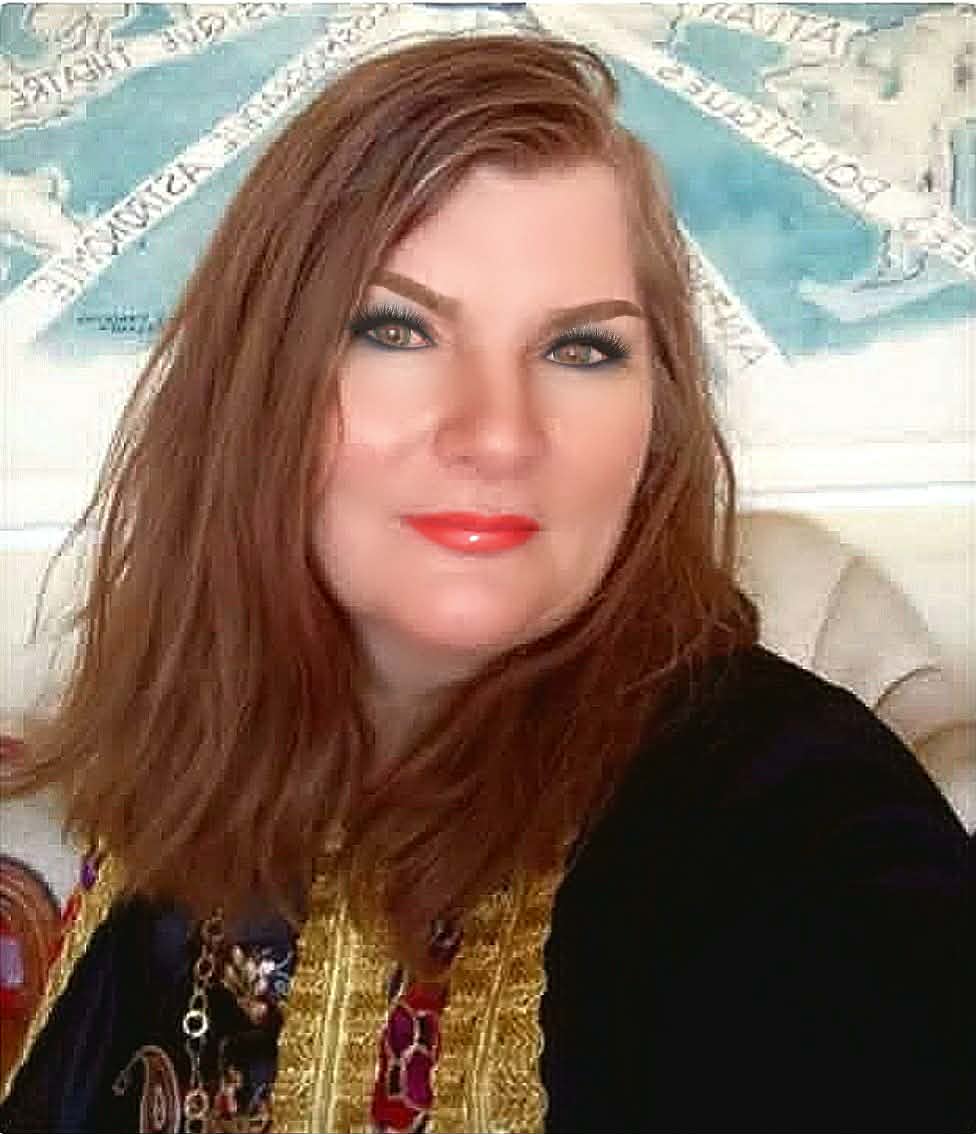
Poetry from Safarova Sabrina Fazliddin qizi

THE WORLD AND US
Tired of the world’s deceptive games,
At times exhausted, at times worn away.
Through countless knots that life became,
I set my heart aside one day.
Some spread carpets beneath our feet,
Some dig deep pits along our way.
Sometimes the friend we trust deceives,
While foes may bear their own dismay.
And who are we within this boundless earth?
Just travelers in a borrowed place.
In this short life, this fleeting path,
Why do we bring each other disgrace?
Like our elder Abdullah, we should proclaim:
“My homeland, your pain is my pain!”
When noble dreams arise within the heart,
My homeland is my joy, my honor, my name.
I need no false devotion lasting years;
One moment of truth is enough for me.
If you stand with pride and live content,
Even the coldest heavens will know your dignity.
My name is Safarova Sabrina Fazliddin qizi. I was born on September 7, 2005, in Khatirchi District, Navoi Region, Uzbekistan. Since childhood, I have been passionate about learning, creativity, and the world of literature. The art of words, poetry, and literary works that reflect the human soul have always inspired me.
Currently, I am studying Russian Language and Literature at the Uzbekistan State University of World Languages. Studying the Russian language and literature, analyzing the works of writers from different historical periods, and expressing my thoughts through creative writing are among my main interests.
In my free time, I enjoy reading books, writing poetry, working on creative ideas, and exploring the world of art. For me, literature is the most beautiful way to express the human soul, emotions, and reflections on life. My future goal is to expand my knowledge and experience, become a highly qualified specialist in my field, develop my creative abilities, and make a meaningful contribution to society.
Poetry from Lan Xin

Immortal Oracles
Poem By Lan Xin (Lanxin Samei)
Humankind wanders through wild woods of spiritual mist
Countless souls sink into primordial chaos
Lost and fallen in the ignorance of greed, anger and delusion
Clouded inner eyes fail to behold the true nature of the heavens and earth
Beloved humankind
Do not linger in the net alone
The golden lotus has grown in the depths of the soul
Petal tips gather light from higher dimensions
Resolutely piercing layers of confusion
Awakening slowly in the midst of chaos
The Dongba priest blows the white conch
Its call pierces layers of cloud and mist
Rushing straight to the gates of the thirteenth heavens
Carrying ancient signals
knocking at the roots of the universe
Awakening the soul of civilization sleeping in the cave of signatures
The golden phoenix soars across the sky
Its clear cry scatters the dark haze of the sky
Feathers shake off sparks of starlight
Prometheus’ fire
Gently plucked by the clear wind of the sacred mountain
Falling on the snow line of Mount Kailash
Scattered across the vast Martian soil
Above the Möbius strip
Time breaks free from the closed loop of bondage
The shadow of the Himalayas steps through a thousand years of solitude
Cradling the lingering echo of snowland chants
Passing them to the Pleiades stars
The wisdom of Sirius, following the strings of the cosmic lyre
Flows into the hidden realms of Nubia
Medusa’s gaze
No longer a curse of stone
But a clear mirror that sees through all illusion
The all-seeing eye
Looking down on the mortal world from the high-dimensional sky
Witnessing the sleeping mind slowly waking to new life
This is not the final chapter of the decay of oracles
But the opening stanza of the soul’s awakening
When all high-dimensional imprints resonate in harmony
When the sparks of world civilizations merge once more
The long-slumbering mind
Will finally hear
— The oracles that once fell
Engraved by the universe for the Earth
— An echo of light.
Poetry from Mahbub Alam
Reflection of the Soul
The soul is everlasting,
Though every human, at some point in life,
Must depart from this earthly shore.
The body is left behind,
While the journey continues beyond.
Thus we are noble, blessed,
Honored, praised, and wrapped in love,
Though sorrow still leaves its gentle trace
Upon the contours of our faces.
Each living soul, when parted from its frame,
Moves onward to another realm.
Though the body may break and fade,
The soul transcends, crossing
From this side to the other.
Some forms never truly perish.
As souls are gathered beyond,
Layer upon layer in unseen order,
So too certain legacies endure,
While all else passes into dust.
A day shall come when every soul awakens.
A day shall come when every being rises,
Reunited with its form,
Hastening toward the Great Sustainer—
The One who grants life today,
Takes it back tomorrow,
And on another dawn restores it once again,
Body and soul together.
Yet we remain consumed by countless tasks,
Busy with the burdens of our days.
We forget our true existence.
We forget our highest worth.
We seldom seek the voice within,
Nor reach out with hands of love.
We do not widen the roads for one another.
And yet, sharing our sorrows and affections,
Our joys and griefs,
Our peace and unrest,
We could become a tree of comfort,
Spreading shade across the world.
Today’s present will stand one day
In the court of the future;
Some will smile,
And some will weep.
Still, paying the price of time,
Each of us continues to live
In our own way,
Upon this fleeting earth.
Chapainawabganj, Bangladesh
08 May, 2026.
Md. Mahbubul Alam is from Bangladesh. His writer name is Mahbub John in Bangladesh. He is a Senior Teacher (English) of Harimohan Government High School, Chapainawabganj, Bangladesh. Chapainawabganj is a district town of Bangladesh. He is an MA in English Literature from Rajshahi College under National University. He has published three books of poems in Bangla. He writes mainly poems but other branches of literature such as prose, article, essay etc. also have been published in national and local newspapers, magazines, little magazines. He has achieved three times the Best Teacher Certificate and Crest in National Education Week in the District Wise Competition in Chapainawabganj District. He has gained many literary awards from home and abroad. His English writings have been published in Synchronized Chaos for seven years.
Once when he was in grade ten in 1990, his Bangla letter was selected as the best one from Deutsche Welle, Germany Radio that broadcast Bangla news for the Banglalee people. And he was given 50 Dutch Mark as his award. They would ask letters from the listeners to the news in Bangla and select one letter for the best one in every month.
From 17 to 30 September, in 2018 he received a higher training in teaching English language in Kasetsart University of Thailand for secondary level students through a government order from education ministry.
On 06 November 2015 he achieved Amjad Ali Mondal Medal for his contribution in education field by a development organization in the conference and felicitation function for the honorable personalities at Rajshahi College Auditorium.
On 30 December 2017 from West Bengal in India he was declared a ‘Literary Charioteer’ in Bangobandhu Literary and World Bango Conference and they awarded him with a Gold Medal in their International Literary Conference and Prize Giving Ceremony.
In 2018, he achieved Prodipto Lirerary Award in Prodipto Literary Conference at Kesorhat, Rajshahi for poems in Bangla literature. He received honorary crest from the administration of Chapainawabganj District Literary Conference and Cultural Function in 2021 and 2022 consecutively.
His poems have been published in many international online magazines such as Juntos Por las L Raven Cage Zine, and Area Felix. His poems have been translated and published in Argentine and Serbian, and he participated in many international online cultural meetings.
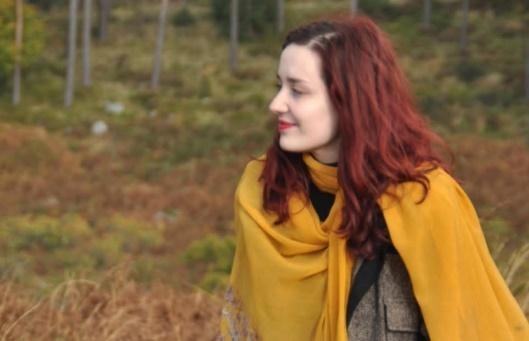
Poetry from Jasmila Talić-Kujundžić
Levitating
I have never had my feet on the ground
I have never been deaf to the sound
Of clapping wings
I always had multiple rings
As a proof I am a wife to the world of Beyond
As a proof I have a strong bond
And unity with the Self
I have piles and piles of books on the shelf
But Words are coming straight from the Soul
As Alice I am falling into Rabbit’s Hole
I have no fear of becoming small and insignificant
I have no fear of touching my inner infant
I have great fear of becoming large
I have great fear of being deceptively in charge
Of keeping an illusion of masquerade ball
I would rather scream and call
Everyone to rip off their masks
To give up on their made up tasks
And hear the sound of wings clapping
Or maybe I should be tapping
Myself to the ground?
High voltage woman
There should be a sign on my forehead
So everyone could just sleep and go to bed
Instead of trying to be awake with my high-maintenance Self
They should just leave me on the shelf
Full of misunderstood books
I just don’t care about looks
About shallowness
About being less
I have never stopped being much and more
I have never stopped searching for soul’s core
A sign should say:
“Caution, high voltage”
I am somewhere near middle age
But it doesn’t stop me to engage
Myself fully to every emotion
To every life motion
I admit, it is exhausting
Sometimes I wish I could just sit and sing
Just dance and stare at sky
Just watch the birds fly
But I am a mother
I cannot just say I don’t care, I don’t want to bother
With life’s biggest responsibility
I want to learn how to have ability
To relax
But still be me
But still be someone who deserves True Love
Just the way I am
So dangerous, high-voltage woman.
Jasmila Talić-Kujundžić
Short biography:
Jasmila Talić-Kujundžić was born on December 26, 1989 in Banja Luka. She completed primary and secondary school in Zenica, and in Sarajevo, where she still lives, she obtained a master’s degree in Psychology at the Faculty of Philosophy.
Her first novel “The Sky Window” (BMG, Bosanska medijska grupa, Tuzla, 2025) was awarded as the best manuscript at the “My First Book” festival competition.
Jasmila worked for six years as the editor of the youth magazine “Preventeen”. She has a lot of experience working with children and young people, and has worked in schools and day care centers. She has published poetry, prose, essays, and articles on numerous portals, magazines, and anthologies.
She also won first prize in the competition for the best newspaper story organized by “Naša riječ” Zenica in 2008.
Jasmila is currently focused on motherhood and writing.
Essay from Kumushbibi Hamidova
Scientific Foundations of a Healthy Lifestyle: A Systems Biology Approach to Human Longevity
A healthy lifestyle is not merely a modern wellness trend; it is a comprehensive, biologically substantiated approach to optimizing human physiology, preventing chronic diseases, and extending healthspan—the period of life spent in good health. According to modern biomedical and biophysical research, human health is a dynamic equilibrium governed by the interplay between genetic predisposition and epigenetic factors, the most prominent of which is lifestyle. The World Health Organization (WHO) estimates that more than 50% of individual health outcomes are directly determined by daily behavioral choices.
From a systems biology perspective, the human body functions as an interconnected network of biochemical and physiological pathways. When these pathways are disrupted by poor habits, the body shifts from homeostasis (stable balance) to pathogenesis (disease development). This article explores the fundamental scientific pillars of a healthy lifestyle and their mechanisms at the cellular, molecular, and systemic levels.
—
## 1. Nutritional Biochemistry and Metabolic Homeostasis
Nutritional science has evolved beyond the simple concept of satisfying hunger or counting calories. Today, it is understood as the cellular delivery of macronutrients (proteins, lipids, carbohydrates) and micronutrients (vitamins, minerals) essential for driving metabolic reactions.
### The Energetic Balance and Mitochondrial Function
Every cell requires Adenosine Triphosphate (ATP), the primary energy currency of the body, generated by the mitochondria. To maintain metabolic homeostasis, energy intake must match energy expenditure. Chronic caloric surplus leads to the accumulation of visceral adipose tissue (fat around internal organs). This tissue is not inert; it acts as an endocrine organ, secreting pro-inflammatory cytokines such as Tumor Necrosis Factor-alpha (TNF-$\alpha$) and Interleukin-6 (IL-6), which drive systemic, low-grade chronic inflammation.
### Glycemic Index and Insulin Resistance
The consumption of high-glycemic carbohydrates (refined sugars, processed grains) causes rapid spikes in blood glucose. In response, the pancreas secretes large amounts of insulin to facilitate glucose uptake by cells. Over time, constant hyperinsulinemia desensitizes cellular receptors, leading to *insulin resistance*. This state is the pathophysiological hallmark of Metabolic Syndrome, Type 2 diabetes, and accelerated cellular aging.
### Lipid Profiles and Cellular Membrane Integrity
Lipids are essential components of cellular membranes, maintaining their fluidity and signaling capabilities. Replacing saturated fats and artificial trans-fats with polyunsaturated fatty acids (specifically Omega-3 fatty acids like EPA and DHA found in fish and flaxseeds) alters the composition of cell membranes. This optimization improves endothelial function (the lining of blood vessels), lowers low-density lipoprotein (LDL) oxidation, and significantly reduces the risk of atherosclerosis and coronary artery disease.
—
## 2. Kinesiology and Cardiorespiratory Physiology
The human musculoskeletal and cardiovascular systems are highly adaptive architectures designed for movement. Physical inactivity, known as hypokinesia, initiates a cascade of degenerative structural and functional changes across multiple organ systems.
“`
[Physical Inactivity] ──> [Endothelial Dysfunction] ──> [Nitric Oxide ↓] ──> [Arterial Stiffness & Hypertension]
“`
### Aerobic Capacity and Endothelial Health
Engaging in regular aerobic exercise (such as brisk walking, swimming, or cycling) increases the stroke volume of the heart and expands the vital capacity of the lungs, optimizing systemic oxygenation. On a molecular level, the mechanical shear stress of blood flowing through vessels during exercise stimulates the endothelium to produce *nitric oxide (NO)*. Nitric oxide is a potent vasodilator that relaxes blood vessels, reduces arterial stiffness, and regulates systemic blood pressure.
### Mitochondrial Biogenesis and Muscle Plasticity
Musculoskeletal adaptation to physical load involves a process called *mitochondrial biogenesis*—the creation of new mitochondria within muscle cells. Driven by the activation of the master regulator PGC-1$\alpha$, an increased density of mitochondria allows cells to burn fats and sugars more efficiently, increasing physical endurance and protecting against metabolic decline. Furthermore, resistance training prevents sarcopenia (age-related muscle wasting), which is vital for preserving metabolic rate and skeletal integrity.
### Myokines and Brain-Derived Neurotrophic Factor (BDNF)
Skeletal muscles act as endocrine organs during contraction, releasing signaling peptides called *myokines*. One prominent myokine is irisin, which crosses the blood-brain barrier and stimulates the expression of *Brain-Derived Neurotrophic Factor (BDNF)* in the hippocampus. BDNF promotes neurogenesis (the birth of new neurons), enhances synaptic plasticity, and serves as a powerful natural defense against neurodegenerative disorders such as Alzheimer’s and depression.
—
## 3. Neurobiology of Sleep and Circadian Rhythms
Biological systems operate on an internal, evolutionary timekeeping mechanism known as the *circadian rhythm*. Governed by the suprachiasmatic nucleus (SCN) in the hypothalamus, this 24-hour cycle regulates hormone secretion, body temperature, and cellular repair.
### The Glymphatic System: Brain Detoxification
One of the most vital scientific discoveries in sleep medicine is the *glymphatic system*. During slow-wave (deep) sleep, the extracellular space in the brain increases by up to 60%, allowing cerebrospinal fluid to rapidly flush through the tissue. This process effectively cleanses the brain of metabolic waste accumulated during waking hours, including neurotoxic proteins like beta-amyloid and tau proteins, which are directly implicated in cognitive decline.
| Sleep Phase | Dominant Physiological Process | Health Benefit |
| — | — | — |
| **Deep Sleep (N3)** | Glymphatic clearance, Growth Hormone secretion | Brain detoxification, tissue repair, and immune strengthening |
| **REM Sleep** | Neural pathway reorganization, emotional processing | Memory consolidation and psychological resilience |
### Endocrinology of the Dark Cycle: Melatonin and Cortisol
As environmental light decreases, the pineal gland synthesizes *melatonin*. Beyond inducing sleep, melatonin is one of the body’s most potent endogenous anti-oxidants and radical scavengers, protecting cellular DNA from oxidative damage. Artificial blue light from screens suppresses melatonin synthesis, delaying the sleep cycle and artificially elevating morning cortisol (stress hormone) levels at night, which disrupts the natural hormonal balance and impairs immune function. Clinical data indicates that adults require 7 to 9 hours of uninterrupted sleep nightly to preserve these homeostatic functions.
—
## 4. Pathophysiology of Chronic Stress and Psychohygiene
While acute stress is an evolutionary survival mechanism (“fight or flight”), modern chronic stress acts as a persistent, low-level physiological toxin that slowly degrades the body’s defenses.
### The HPA Axis and Systemic Wear
Perceived chronic stress triggers the continuous activation of the Hypothalamic-Pituitary-Adrenal (HPA) axis, leading to sustained high levels of glucocorticoids, primarily *cortisol*. Prolonged hypercortisolemia exerts a destructive effect on the immune system by inducing the apoptosis (programmed death) of T-lymphocytes and suppressing natural killer (NK) cell activity. This leaves the body highly susceptible to viral infections and compromises its internal surveillance system against mutated cancer cells.
“`
[Chronic Stress] ──> [HPA Axis Activation] ──> [Persistent Cortisol Rise] ──> [T-Cell Suppression] ──> [Immune Deficit]
“`
### Neuroplasticity and Mindfulness Interventions
To counteract HPA axis dysfunction, practicing psychohygiene—such as mindfulness, breathwork, and cognitive behavioral adjustments—is essential. These practices shift the autonomic nervous system from a sympathetic (“fight or flight”) state to a parasympathetic (“rest and digest”) state via the vagus nerve. Over time, these interventions promote positive *neuroplasticity*, increasing gray matter density in regions of the brain responsible for emotional regulation (the prefrontal cortex) while shrinking the overactive fear center (the amygdala).
—
## 5. Toxicology: Cellular Impact of Xenobiotics
A critical aspect of a healthy lifestyle is protecting the body from harmful external substances (xenobiotics), specifically nicotine and ethanol, which cause significant damage to vital organs.
### Nicotine, Carbon Monoxide, and Cellular Hypoxia
Cigarette smoke introduces thousands of toxic compounds into the respiratory tract. Among them, *carbon monoxide (CO)* has an affinity for hemoglobin that is roughly 200 times higher than that of oxygen. When inhaled, it binds to hemoglobin to form carboxyhemoglobin, severely reducing the blood’s capacity to transport oxygen. This induces systemic *cellular hypoxia* (oxygen starvation), forcing the heart to work harder and damaging the delicate endothelial lining of arteries, which accelerates cardiovascular disease.
### Ethanol Metabolism and DNA Adducts
When alcohol (ethanol) is consumed, the liver prioritizes its clearance using the enzyme alcohol dehydrogenase to convert it into *acetaldehyde*. Acetaldehyde is a highly reactive, toxic compound and a known carcinogen. It interferes with DNA replication and repair by forming destructive DNA adducts (bonds), which can cause permanent genetic mutations. Furthermore, its metabolism generates massive amounts of reactive oxygen species (ROS), leading to oxidative stress that destroys liver cells (hepatocytes) and can progress to cirrhosis.
—
## Conclusion: The Epigenetic Power of Choice
In summary, a healthy lifestyle is a deliberate, scientifically backed system of daily habits that work together to optimize human biology. By understanding and applying the principles of nutritional balance, physical movement, circadian alignment, stress management, and toxicological avoidance, individuals can actively influence their genetic expression.
While we cannot alter our inherited DNA sequence, we hold substantial control over its *epigenetic expression*—turning on health-protective genes and silencing disease-promoting ones. Ultimately, cultivating a healthy lifestyle is far more than a preventative measure; it is the most effective, biologically proven strategy to achieve long-term vital energy and biological longevity.