GLOBAL WARMING

A voice without a voice
The beauty of nature is being damaged
The shores are covered with garbage
The wealth of flora and fauna is becoming a thing of the past
And man is to blame for everything!
We are slowly sinking into ruin Carried on waves of poison
The danger of global pollution lurks
The sky, air and water are poisoned
And no one takes responsibility
We are knee-deep in mud
There is no solution anywhere
The echo echoes - DOOM!
The will of the people becomes weakened
And an indecisive look, when we disagree
We don't hear her pain, Mother Earth is crying...
If only people knew, to say:
Enough is enough, let's make Mother Earth smile!


Maja Milojković, born in 1975 in Zaječar, Serbia. She lived in Bor, Serbia, and Hillerod, Denmark. Laboratory technician, artist, reviewer. Internationally recognized poet who advocates peace in the world. Activist in the international organization "RRM3, RINASCIMENTO-RENESANSA Millennium III" Together for the Future of Europe - International Peace Organization. Director General: Mr. George Onsi from Egypt and Franca Colozzo from Italy. She regularly publishes her poems in these two leading newspapers Galaxy Poetic Atunis", Belgium "Synchronicity of chaos", California Her poems have been translated into many world languages and many poems are available on You Tube. She is a member of the International Association of Writers and Artists "Gorski Vidici" in Montenegro and a member of the Poetry Club "Area Felix" in Serbia.
My Father

My father is my world.
He loves me, mother and my sister very much.
He is my father, friend and teacher.
If there is a mistake, he rules over
As well as there is a lot of love
Also teaching hidden between this rule.

Ali Sony is a student of grade 7 in Harimohan Government High School, Chapainawabganj, Bangladesh.
Synchronized Chaos Magazine expresses sympathy for all the people affected by the recent violence in the Middle East and shares the hope for a peaceful and just resolution and for justice and equality for the region’s many groups of people.
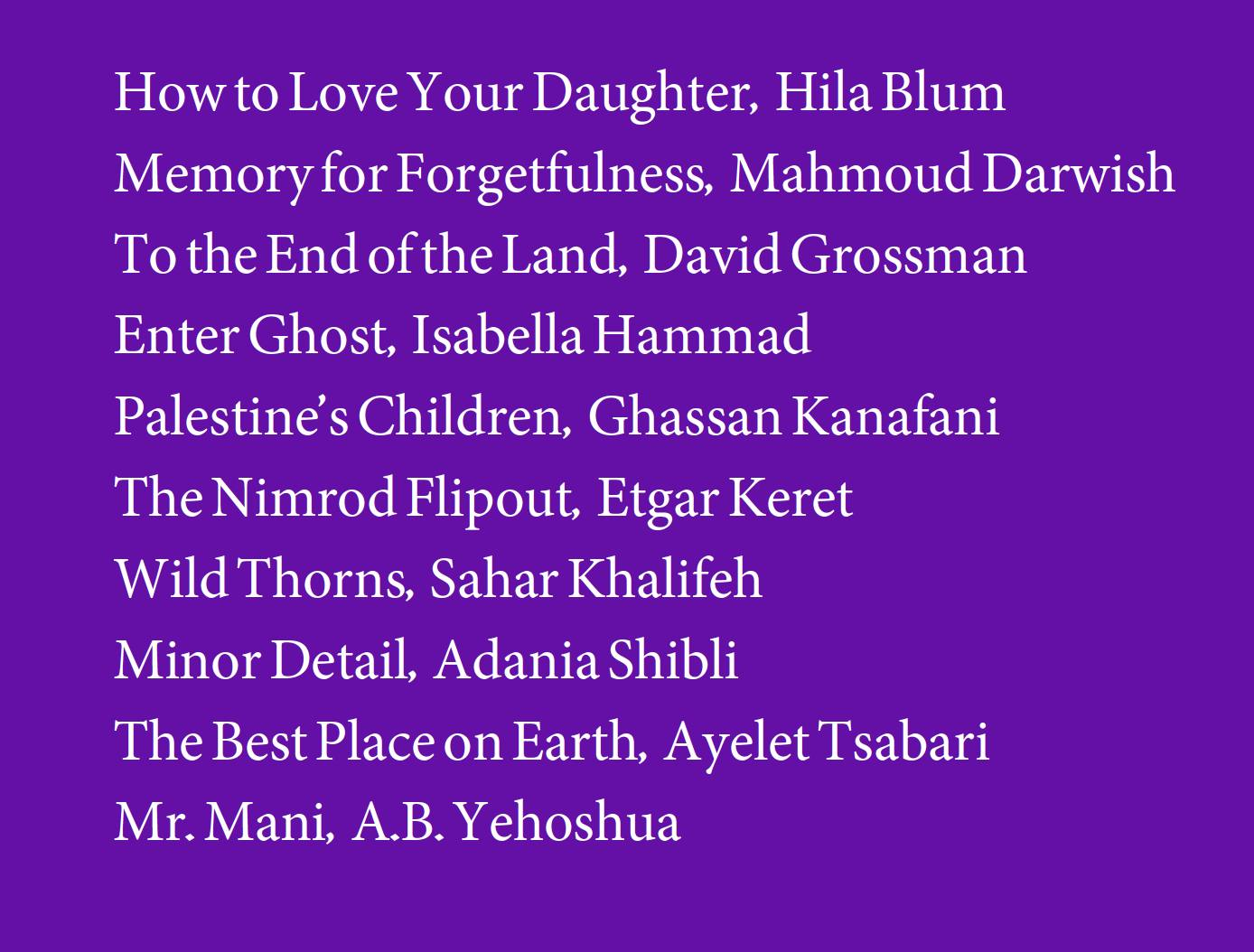
In the spirit of what we do here, we are sharing author Michael Lukas’ recommendations of fiction and poetry from both Israelis and Palestinians that he and others believe will help people understand the issues and the cultures in the region.
Please feel welcome to suggest other titles.
We are also aware that Afghanistan has suffered an earthquake that has killed thousands of people. We invite people to help however they can and suggest the Afghan-founded and led organization RAWA which assists those of all genders and racial backgrounds in the country. They are seeking people to translate articles on their website and help in a variety of ways.
Finally, we stand with the people of Burma who are continuing to undergo war and repression. We encourage people to assist through groups such as Doctors Without Borders.
On another note, this month’s submissions, and the whole project of Synchronized Chaos, bring to mind the research of Ilya Prigogene, whose scientific work demonstrated that when complex systems are far from equilibrium, small islands of coherence can shift the entire system to a higher order.
This magazine is an effort to synthesize various ideas and projects and pieces into a “small idea of coherence” each month.
Nigerian physician Ayokunle Adeleye urges people to rely on science and seek sensible and knowledgeable medical advice. Uzbek author Amirova Niginabonu recognizes the value of parents and teachers in imparting wisdom to younger people.
Adhamova Laylo Akmaljon speaks to the power of faith to heal through calming intense or troubled emotions. Adiba Pardaboyeva speaks to the comfort and calm she finds in her faith and her home and family. Nilufar Thoktaboyeva reminds us that while life’s emotions can be strong, they are transitory.
Anna Ferriero expresses her awe at the power of romantic love and large birds in her Italian and English poetry. Sayani Mukherjee reflects on a transformative love through a panoply of autumn and winter imagery.
Christopher Bernard reflects on another kind of transformative love, Aeschylus’ take on the ancient Greek myth of Io, a human woman who caught Zeus’ eye and was turned to a cow by his jealous wife. In this version, Io is not silenced and her voice continues throughout the ages.
Iftikhar Zaman Ononno explains the importance of trees to the natural environment and encourages tree planting and conservation. Muntasir Mamun Kiron joins in the song of nature’s beauty and diversity while Aklima Ankhi rejoices in the variety of colors present in each and every season. Mirta Liliana Ramirez recollects a time when she took comfort in poetry and the sea and the sky while in pain. Annie Johnson expresses her love for the totality of nature: summer days, moonlight, and morning. Channie Greenberg sends up hopeful photography of peaceful farm fields in the Middle East. Z.I. Mahmud explores the nuances of the creative and destructive imagery of the West Wind in Percy Shelley’s Ode to the West Wind.
Michelle Adegboro’s speaker comments on whiteness, blackness, and belonging in the world through childhood images of astronomy and eclipses.
Rafiul Islam shares a tale of best friends who seek adventure and find riches. Nahyean Bin Khalid presents a story of a boy who gets trapped in a haunted house. Fernando Sorrentino relates a tale of how a soccer game gone wrong causes a boy to question his character.
Nurujjaman’s story shows the danger of marrying without a realistic plan for adult life. Jim Meirose’s tale of a brickyard hod carrier presents a hard working man who never loses his imagination or capacity to dream.
Monira Mahbub extols the virtues of education. Oydinova Malika offers up advice for those in Uzbekistan teaching English as a foreign language, using her experience and research as a guide. Rano Dilshadovna offers advice directly to students on how to learn spoken and written English while Marjona Qurbonova discusses whether online language learning environments can be as effective as in-person courses and Ravshanbek Nasulloyev proposes strategies for learning to think in English.
Jerrice J. Baptiste, niece of our contributor Roodly Laurore, sends in photos and shares about a school in Haiti for low income children where her aunt volunteers. We are also aware that Haiti has experienced major violence and disruption in recent months and encourage people to support education as well as general relief there.
Mahbub Alam laments the human losses caused by warfare. Mykyta Ryzhykh expresses the utter dislocation and destruction caused by modern warfare in his prose and also echoes those themes in his poetry.Abdurrashid Abdulrahman (newbornpoet) mourns the violence and injustice in his native land, while Ajibade Abdurasheed sings out his hopes for justice for the poor and vulnerable. Olanrewaju Timothy Fatoye’s lyrics decry criminal violence against the vulnerable. Indian artist Mantri Pragada Markandeleyu harnesses Marilyn Monroe as a universal symbol to help him advocate for world peace in his graphic design. Giddi Vivian Hembafan speaks to redemption from the violence in the human heart through faith.
Don Bormon contributes a caring poem about his best friend. Leslie Lisbona speaks to the long-term, profound relationships she had with her family’s various dogs. Taylor Dibbert’s speaker mourns and remembers a very special dog. Catherine Arra illuminates adult and childhood grief through the story of a family dog’s dying in an accident.
Azemina Krehic speaks of a love beset with danger, longing, and loneliness. K.G. Munro evokes the joy of a first attraction between lovers who meet by a campfire, then turns to the dangers of vaping. Kristy Raines talks of a beautiful and unconditional love that might be too amazing to exist in waking life. Sergio Ortiz draws on both nature and mythology to explore his heart and speak to different relationships from his past.
Ahmad Al-Khatat celebrates a love that perseveres and helps him to navigate the memory of past trauma. Hannah Aipoh recollects how writing helped her survive mental illness and a traumatic family situation. Makhfiratkhon Abdurakhmonova relates the story of a breast cancer survivor who triumphs through resilience and patience.
Graciela Noemi Villaverde asks for clarity to understand the true nature of her situation. Elnura Mahammadiyeva urges people to clarify their dreams into specific goals and work towards them.
Zahro Shamsiyya finds her identity and self respect in her poetry and reflects on her life and possible afterlife. Jerry Langdon considers mortality through the metaphorical death of his journal and through another piece on vampires and nighttime. Roy Gu speaks to mortality, grief, beauty, and making the most of an imperfect life. Bruce McRae uses surreal whimsy and entertainment-industry metaphors to wonder about the stability and possible mortality of the universe itself.
Brian Barbeito contributes a lush meditation on nature, groundedness, love, and poetry. Steven Croft memorializes the former poet laureate of the state of Georgia, David Bottoms. Eva Petropoulou shares wishes for her poetry to become powerful enough to bring about transformative change.
Duane Vorhees explores identity, autonomy, travel and groundedness, and mythic wonder in his poetry. Precious Olugbodi highlights the importance of grounding your life’s projects with a solid foundation.
Nigirabonu Amirova highlights the up and coming literary scene in her native Uzbekistan. Another Uzbek writer, Bakhora Baktiyorova, shares her dream of becoming a journalist. Meanwhile, Parivash Sobirova regales us with a tale of a young girl discovering the joy of reading and the wonder of a library.
Lilian Dipasupil Kunimasa encourages readers to find joy where they can in a lovely but precarious world. J.J. Campbell writes of acceptance: of age, of change, of the presence of different parts of yourself.
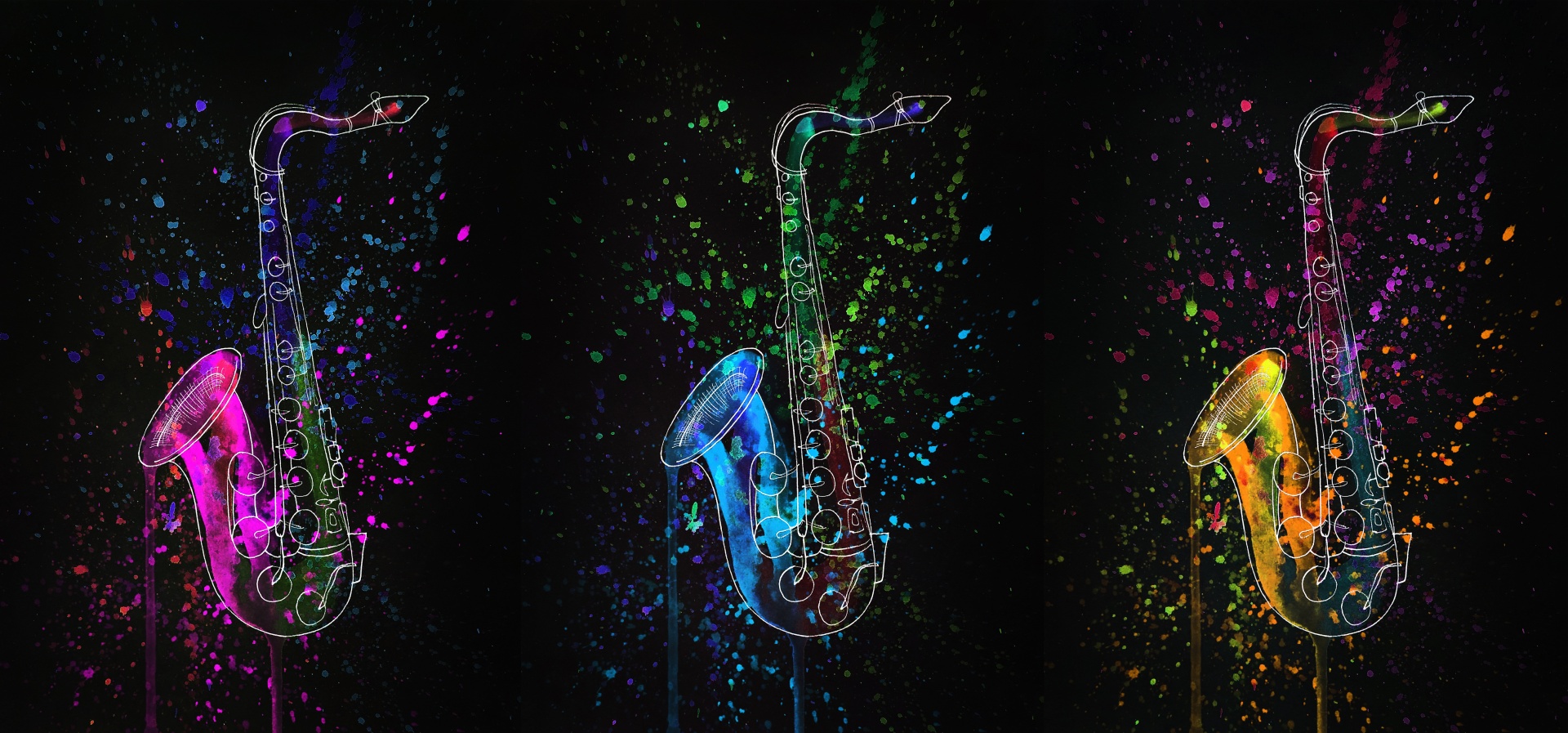
Elmaya Jabbarova revels in the music all around her: sounds from nature and her Islamic services. Iqra Aslam finds elegance in precisely chosen language in a Zadie Smith novel. Noah Berlatsky finds a form of rhythmic art in the repetitive daily nature of life.
Maja Milojkovic speaks to the persistence of sorrow and longing for loved ones. Mesfakus Salahin reminds us in his short story that money alone cannot solve all the world’s sorrows. Laylo Bakhtiyorova addresses the all-too-common human condition of feeling dissatisfied, but not knowing what will solve one’s problems.
Mark Young probes the limits of AI algorithms in understanding us and guessing our preferences and interests. Edward Lee’s poetry looks at different types of human and natural creation and speculates on where we can find beauty.
Patrick Sweeney’s one-line poems combine the mystical, the logical, and the physical for unexpected results. Isabel Gomes de Diego’s photography captures whimsical moments of contrast or interest. Daniel De Culla combines whimsy and humor with curiosity and nature with human crafts. Mantri Pragada Markandeleyu contributes the first installment of a comic play about a group of beggars.
Laura Stamps jokingly laments how the pandemic has turned many of us into homebodies and “slugs.” Stephen House speaks to the need to make the most of our short lives, as we never know when we will face suffering or disaster. Meg Freer’s stories involve change and reconstruction of people and things. Peter Cherches plays with time and identity in his humorous short stories where nothing is as it seems and multiple ideas are simultaneously true.
AND JUSTICE SHALL REIGN

I extremely pledge to my country
Where peace had been dwelled in the past century
To not illegally compose an abusive write_up
Because Justice must be ours and my pen can't shut up

‘...And justice shall reign' is what ended our national anthem
More also we're practising a democratic system
The national anthem composer knew then that we will need peace
That was why someone made it as a song and put it into practice

Citizens are clamouring, both left and right
Unknown to them that their leaders have denied their right
Their clamour to them is like a sweet melody
That is why they refused to find its remedy

There is rule of law according to our constitution
But law was made for the poor as we dwell in destitution
Hunger makes a poet to strike for creativity
It is unfair, this is an enormity
How to improve English speaking skills and become a great communicator.

Abstract: To teach speaking requires planning of activities which is not only allows learners to practice oral language but also focus their attention on important linguistic elements that can improve their accuracy . Drawing on a substantial research base, this article discusses key dimensions in teaching speaking that can develop language learners` fluency, accuracy and complexity.

Key words: speaking skill, procedure , method, techniques, practice, shadowing


English is the world`s most studied language -around 20% of the world speaks English. Learning English can lead to new opportunities in life, including easier travel, that you can study higher education at some of the world`s top institutions, including the University of the People`s online programs, which are tuition free!
Practice is the key to learning any skill, especially communication abilities. Speaking more often will allow you to boost your speech expand your vocabulary and proven methods to enhance your English skills.

Speaking skill.

1.	Definition of speaking
Speaking is one of the four fundamental skills that students should master. Speaking considered as a productive skill. I was impossible to separate it from listening . We create the text when we talk and it should be relevant . In the nature of communication, we may find the speaker, the listener, the message and the feedback . Speaking is inextricably linked to pronunciation since it encourages students to learn English sounds.


Surround yourself with English.
English is widely used. No matter where you live, you can discover English language menus, promotional materials, novels, movies road signs and more your foundation will be stronger the more you immerse yourself in and pay attention to these everyday English techniques.

  Make  sure to listen as well as speak
One of the best methods to understand the formulation of sentences and build your vocabulary is to listen to people speak . Try listening to podcast and recorded conversation . From YouTube to real-life conversations there are so many places to access English speaking .

 Practice with music and movies .
Most people enjoy some music or entertainment in form of movies to unwind and relax . You have the option of watching movies  in your native language with readable English subtitles.

 Find a Conversation Partner
If possible, its best to find a native English speaker with whom you can practice your English . If you do not know anyone in your direct network, consider finding a tutor . Otherwise, you can practice your conversation skills.

        Four Important techniques to improve English speaking skills.
There are also a variety of techniques to help improve your English speaking ability.

1. Speech Shadowing

Basically, this is mimicking a native speaker . The easiest way to practice speech shadowing is watch videos or a movie with subtitles. Read the sentences aloud after you have finished . Play it back after that while the native speaker is speaking. To mimic the flow and pattern as precisely as you can, try pausing in between . You can record yourself doing this if you want to hear how it sounds when spoken by a native speaker.


2. Self Talk

Whether you choose to speak your thoughts out loud or record yourself singing. Talking to yourself and hearing the words will help you improve. You can also read out loud.

3. Think in English

This probably will not come naturally, but you can help train yourself to think in English by first translating the thoughts in your head . Otherwise, you can keep a journal or diary of thoughts and write in English.

4. Retell a Story in English

Start with something simple, like a fairy tale or traditional story from your childhood. Then you  can take this to the next step and challenge yourself to retell story that someone else shares in English. This helps to check your comprehension and understanding .


Conclusion
Community-based learning method is a method of learning that can be applied to learn language.  It is very functional because the learners learn the language like in real community.  It is conducted out of the formal or regular teaching learning process that usually done in the classroom. These speaking techniques will help you improve your speaking ability.


REFERENCES

1.How to improve English speaking skills
https://www.upeople.edu/blog/how-to-improve-english-speaking-skills/

2.https://www.avadolearning.com/blog/the-7-different-learning-styles-and-what-they-mean/


3.https://www.indeed.com/career-advice/career-development/teaching-methods
Pendulum Thursday Quilt


Make a quilt

of Thursdays and pendulums

we’re comforted by tedium

and the same words recurring

like pendulums, like Thursdays

like a pattern of words wording

what’s for dinner, how’s your day

who are you texting, we have to leave

now or we’ll miss Thursday

and the words you say on Thursday

and the pendulums that are weaving

of time and time a quilt.