
        A non-exclusive Release of
         Heartfelt that Matters

    My Rest comforts
                   Time's Engine

 The staggering rhythm
        that rests  in  Awe
        of   LOVES Rising

            •          •          •

           Daylight upon
       Soothed that knows
    That knows in the Quiet

 Appreciate a gift
poured from the Timeless
      Oceans
                 of
                    LOVE


 by John Edward Culp
      March 11, 2023
Category Archives: CHAOS
Art from Michael Barbeito
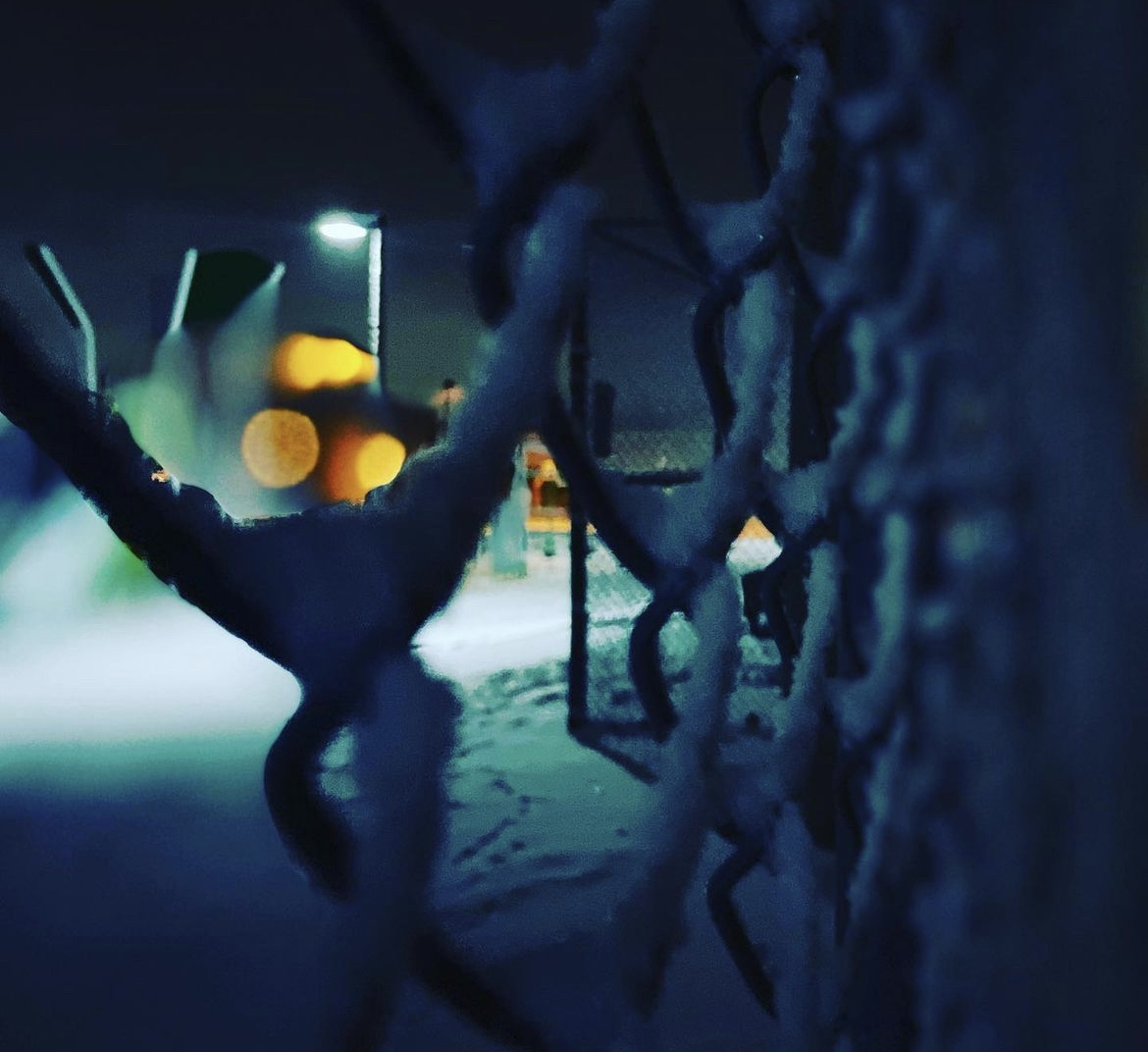
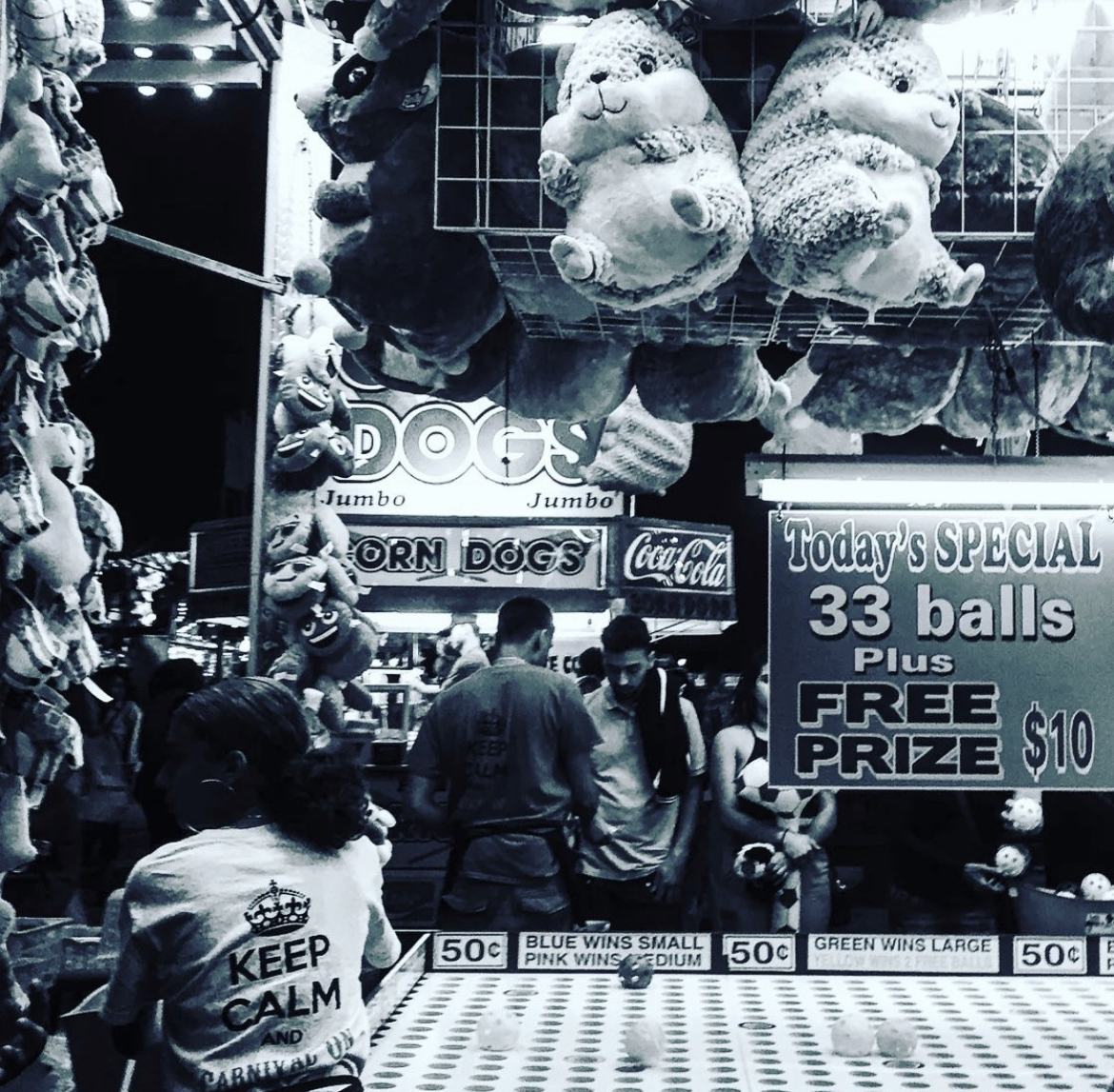

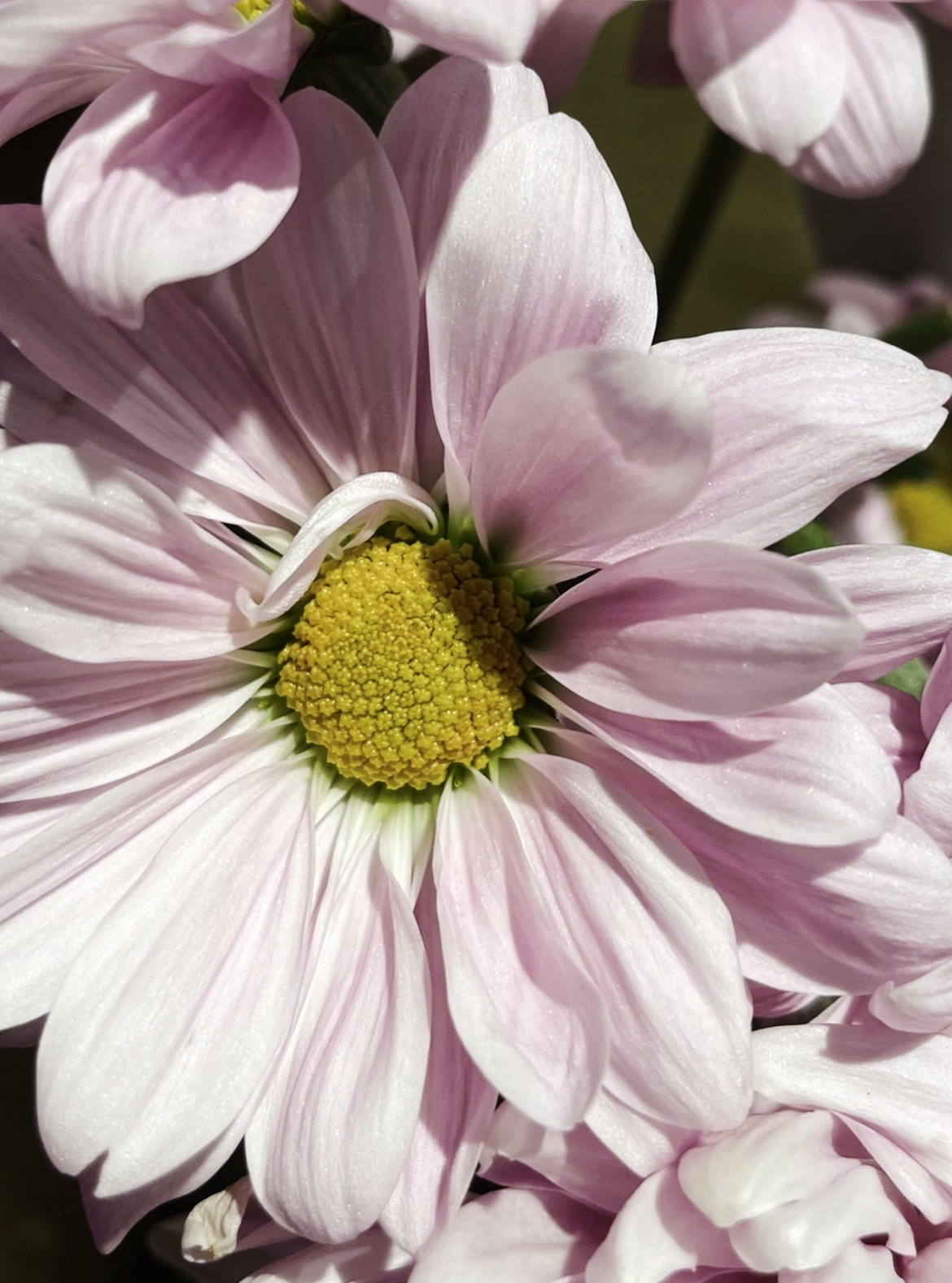
Brian Michael Barbeito is a Canadian writer and photographer. Recent work appears at The Notre Dame Review.
Spirit of a Place, Spirit of a Thing (Artist Statement)
In an off handed remark during an interview, U.G. Krishnamurti, called by some an anti-guru, and by himself, ‘Something like a philosopher,’ said that he once thought he could sense the spirit of a place. But then he brushed it off through words and body language. It didn’t fit in with his philosophy and message. But I resonated with his statement anyhow, because I had always felt that I could feel the spirit of a place and also a thing. Old town, lake still and wide. City street, carnival game vendor and prizes. Bee. Spider. Flower. Vine. Ridge. Summit. Stone. Petal. Stream. Sun. Cloud. Bird and dusk, horizon and dawn. Lock, denoting love, affixed to lonesome bridge alone in the rain. Artifacts. Areas. Some saturnine and some sanguine. Hundreds of places and things, their spirit, against reason and logic, somehow speaking out, not with language of course, but calling out nevertheless. Semantics and nomenclature could argue what spirit means. Is it the atmosphere, the daemon, the angel, the area, the vibration, the feeling? Is it physical, metaphysical, true and there, or purely imaginary and projected? Difficult to know conclusively. But there is something I think in all that mise- en-scene, and so on the rural footpaths and metropolitan worlds also, I try and photograph it and also write about it, this spirit of a place.
Poetry from Jerry Durick
               Who I Am

I’ve been wearing this person

All these years, have become

Used to him, his shape and his

Size, learned to put up with his

Manners and voice. I’ve watched

Him age, watched him lose a step,

Fall back a bit, begin to lose his

Place, sometimes forgetting even

Simple things, his wallet, his keys.

I’ve listened to him try to explain

Himself to others, himself to what’s

Left of himself. I’ve learned to be

Him, fell into the role, assumed his

Identity, even answer to his name

If I hear it in the midst of the day

He builds around us.


                         Identity

Each I.D. we carry says something else

About us. This one says I can be here

And this one says I can drive if I want

To, though right now I don’t have any-

Thing to drive, just me walking through

A line, a line called security check as if

This group were a threat. It’s hard to

Imagine their jobs, asking people in line

To establish their right to be here. How

Often do they catch someone, someone

Dangerous, dangerous like we have learned

To expect from watching the news. Imagine

The headlines: senior citizen with no i.d.

Tried to breach security but failed was then

Jailed. What we carry tells them who we

Are and what we might do, do if we don’t

Have the proper identification to show them.


                In The End

Our obits will have us going peacefully

Surrounded by family, after a brief, or

Was it a lengthy illness, an illness they

Rarely name, and there we go off into

Whatever comes next. But what about

Those of us who will die violently, along

A highway, decapitated, disemboweled

Or in an emergency room, surrounded

By personnel who don’t know us from

Adam or Eve. But obits tend to miss

Those details. Like undertakers they’ll

Dress us up and put us in ideal situations –

With immediate or extended family, our


Loving folks gathered to watch us on our

Way to a next life that we all hope will be

There, waiting for us.
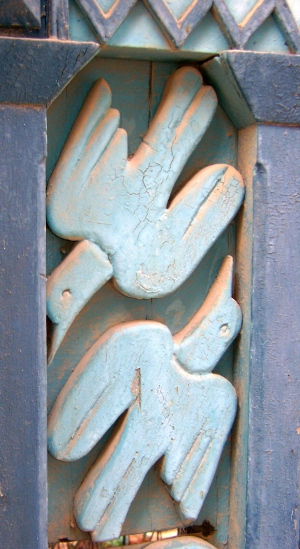
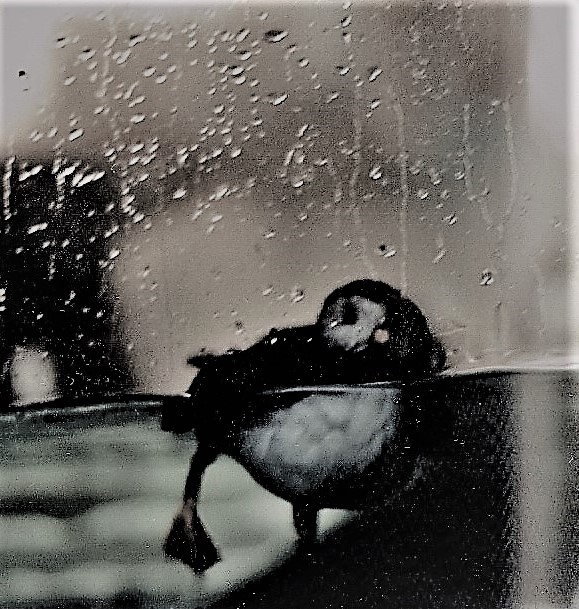
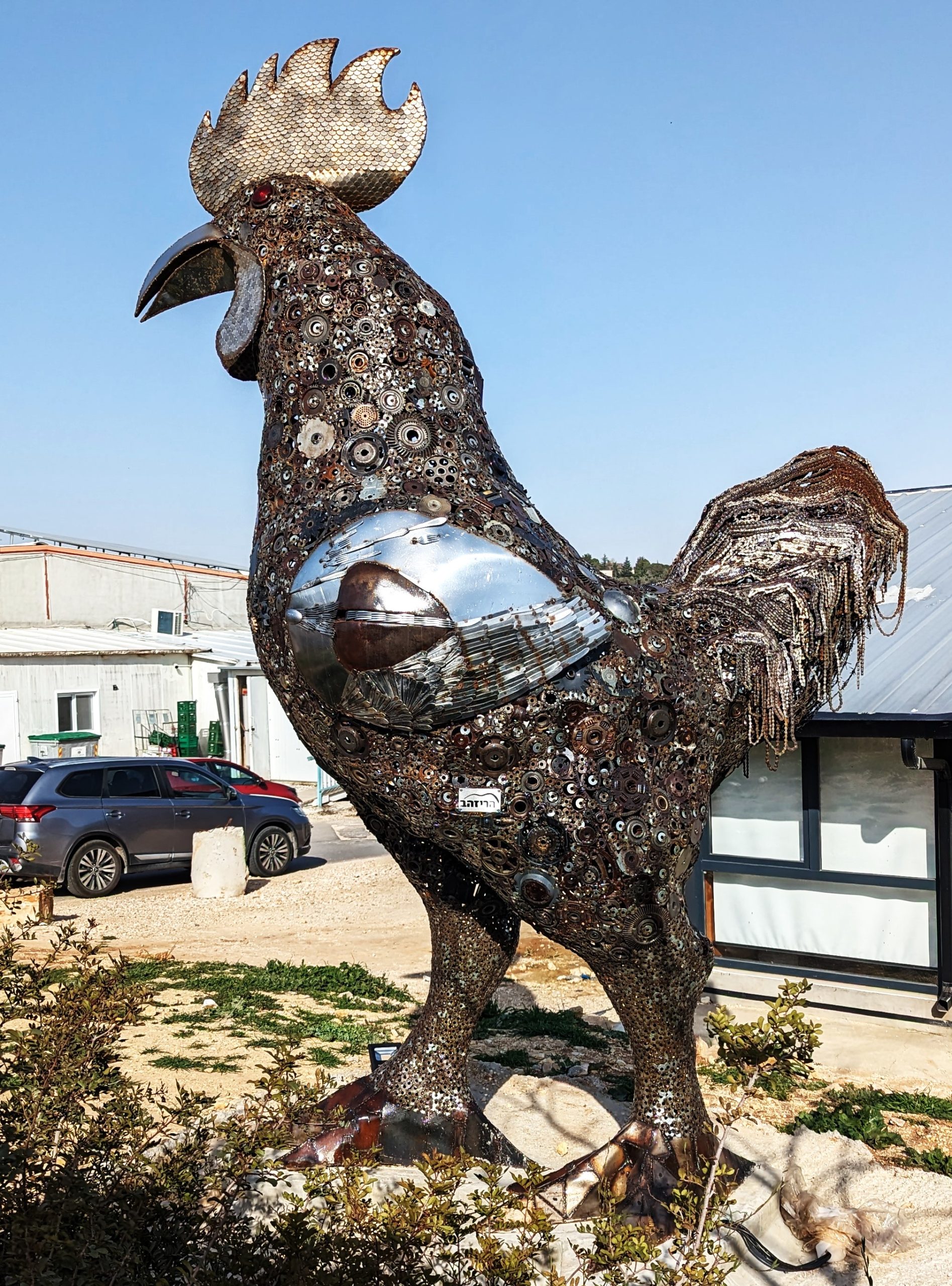
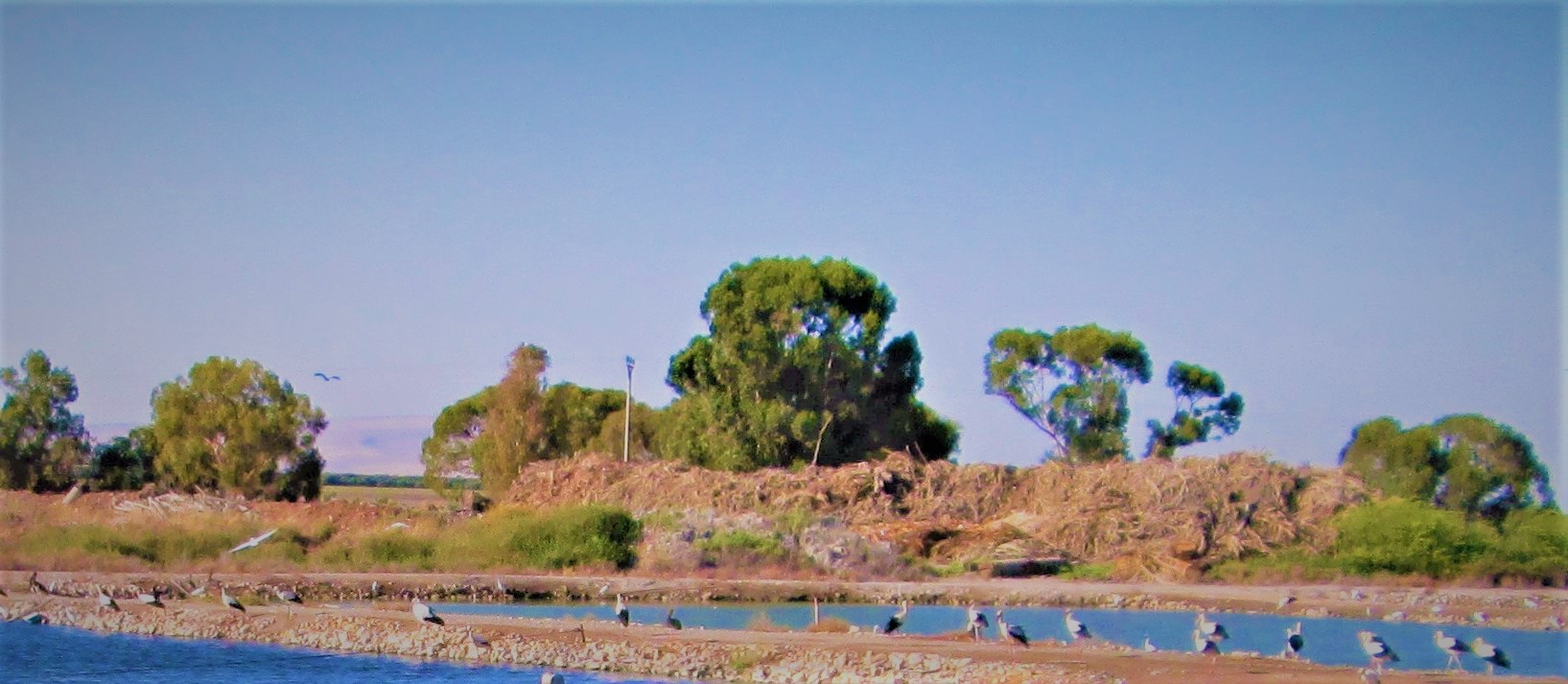
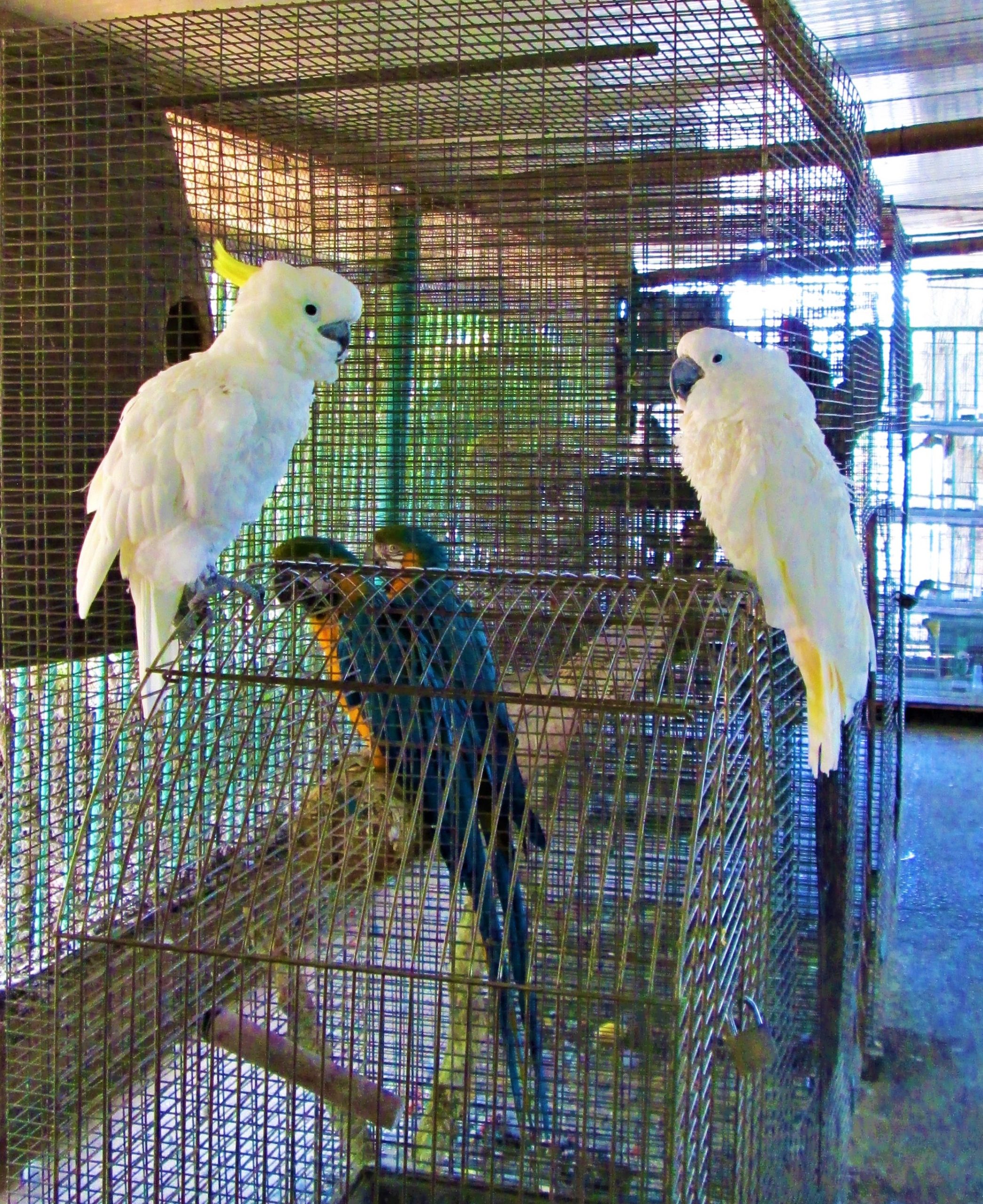
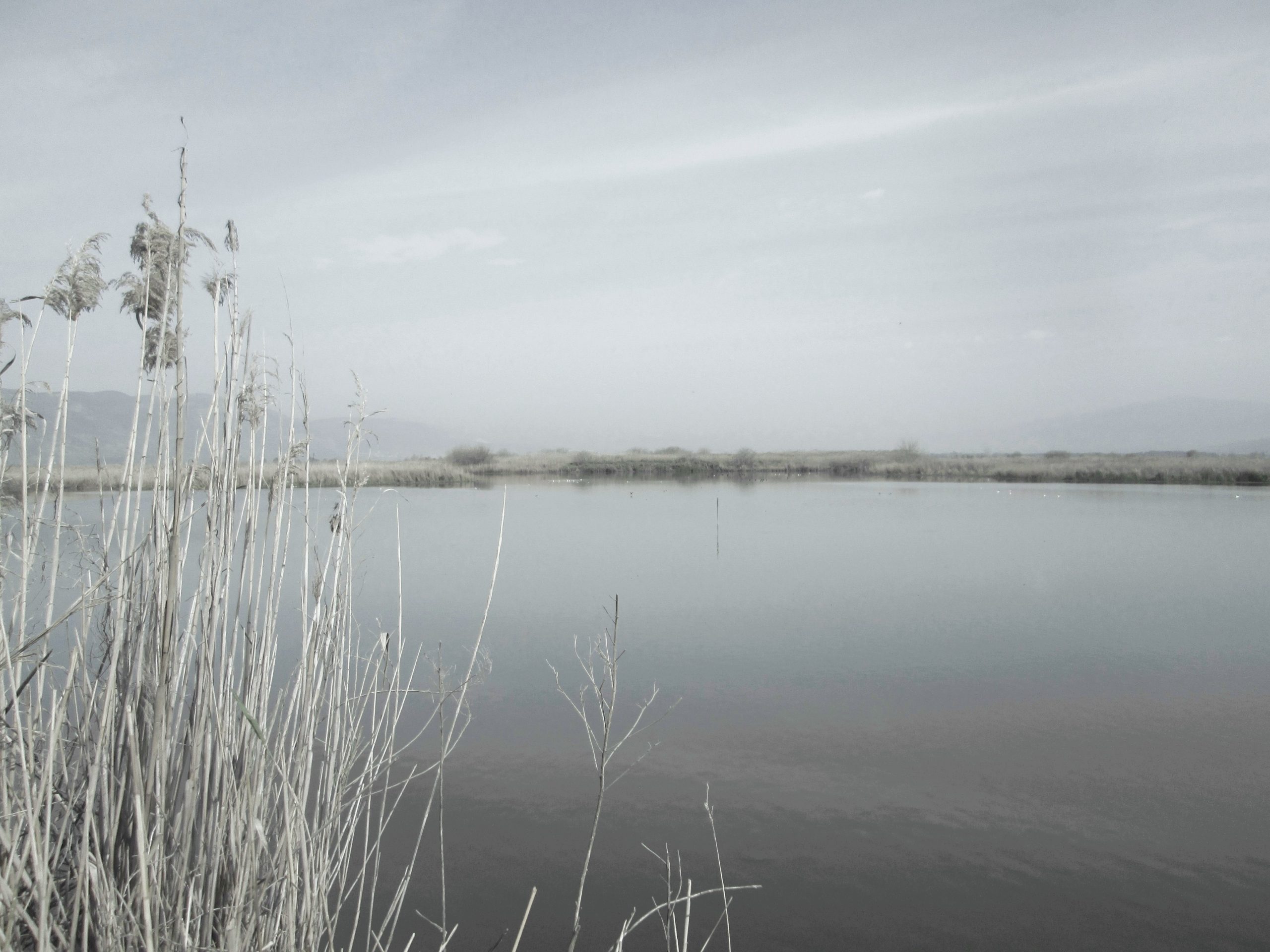
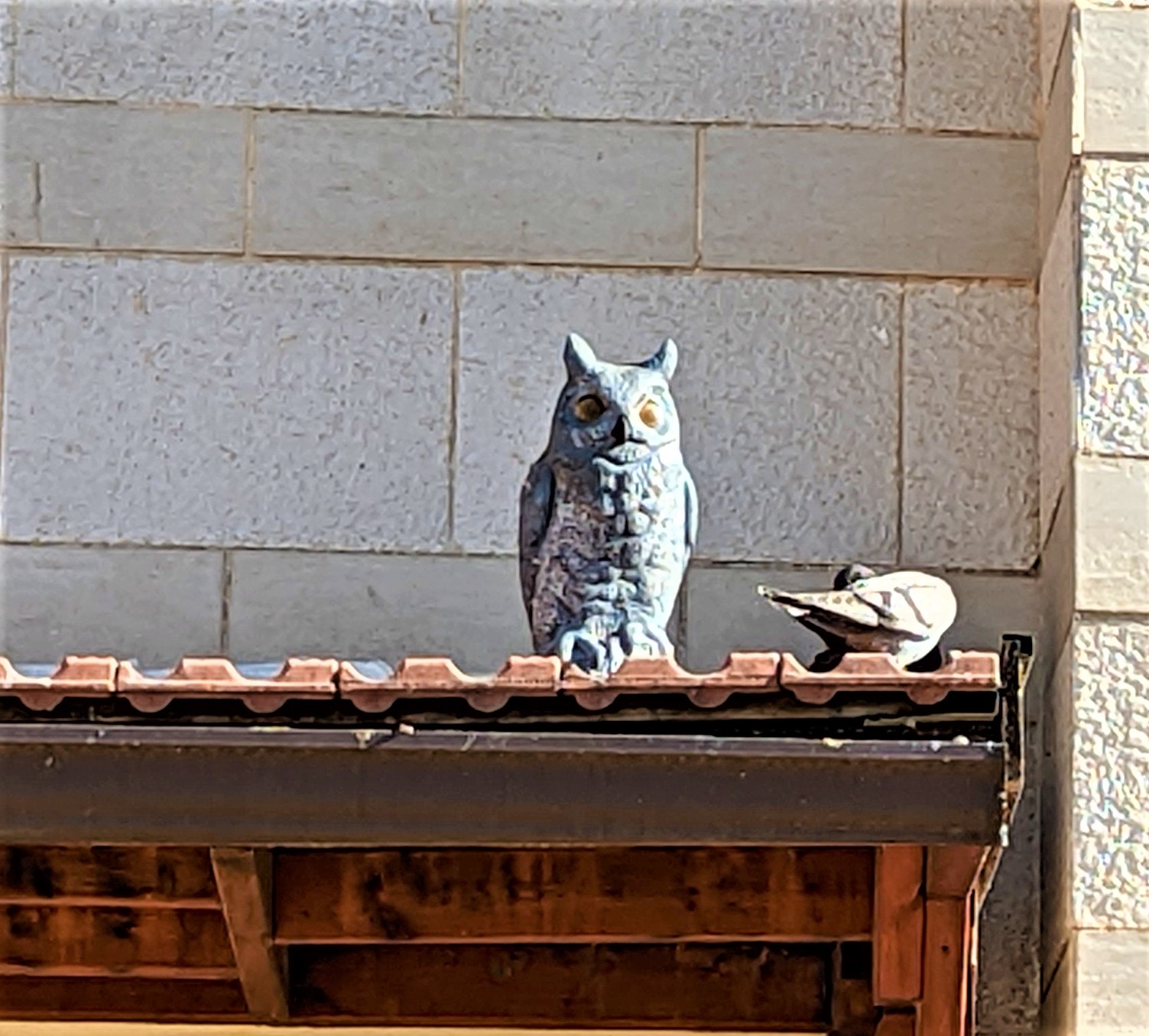
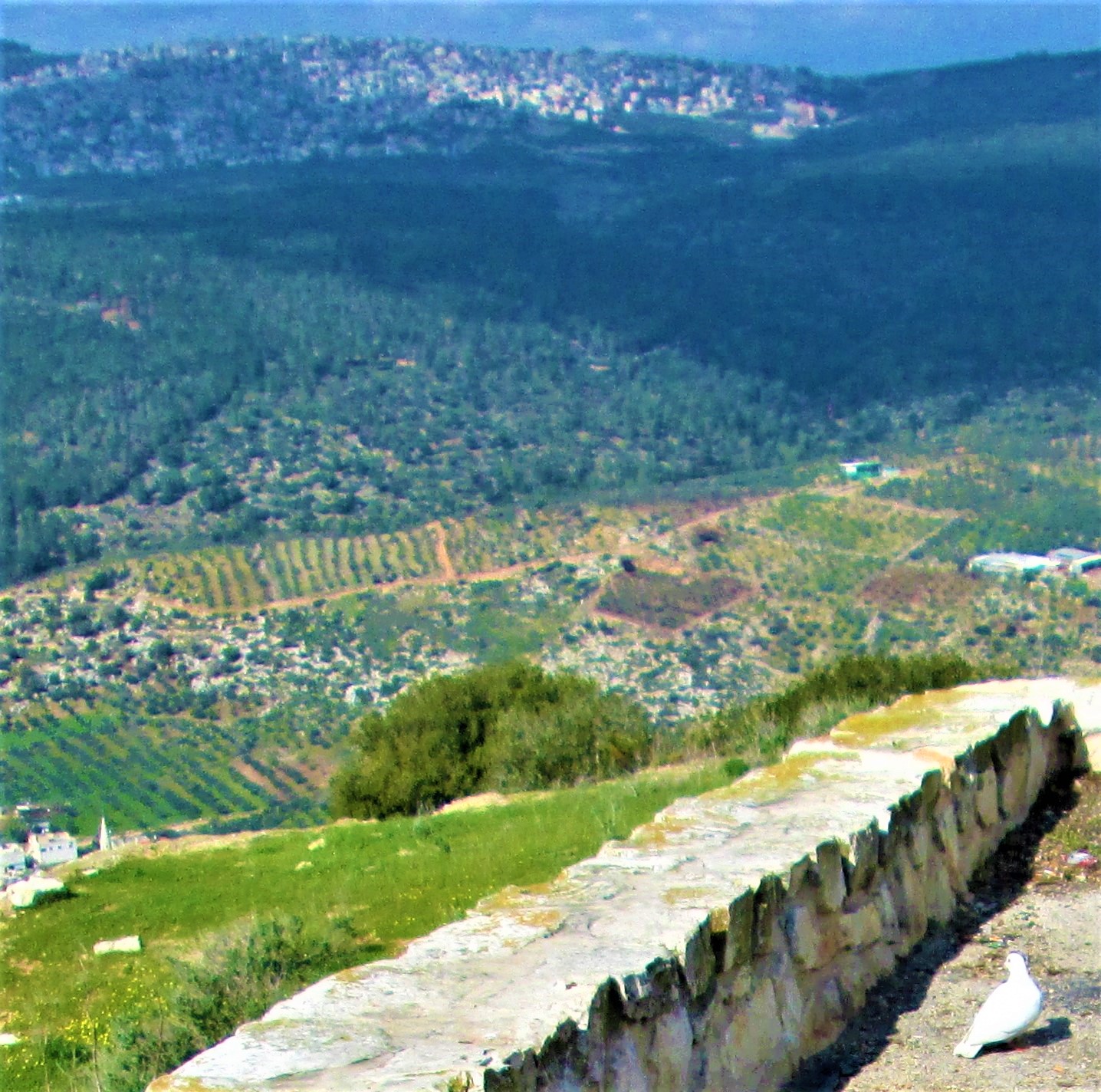
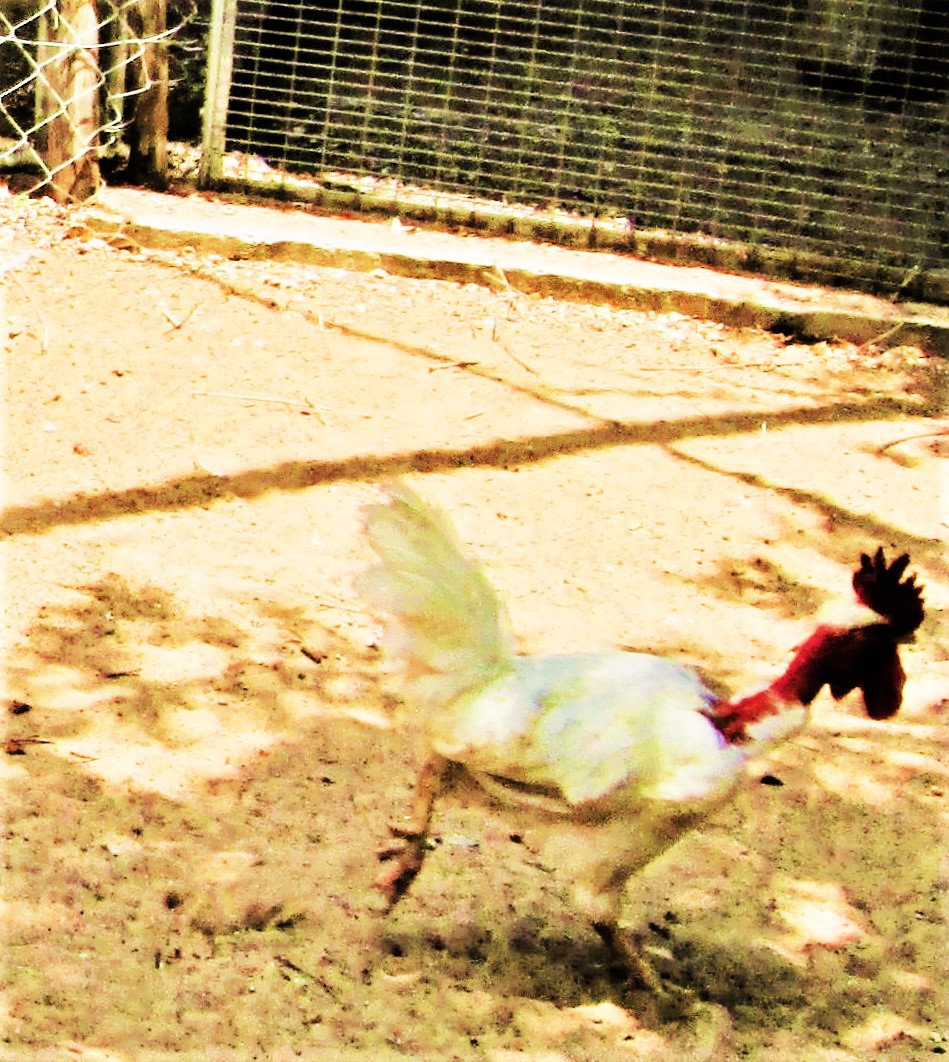
Artwork from Channie Greenberg
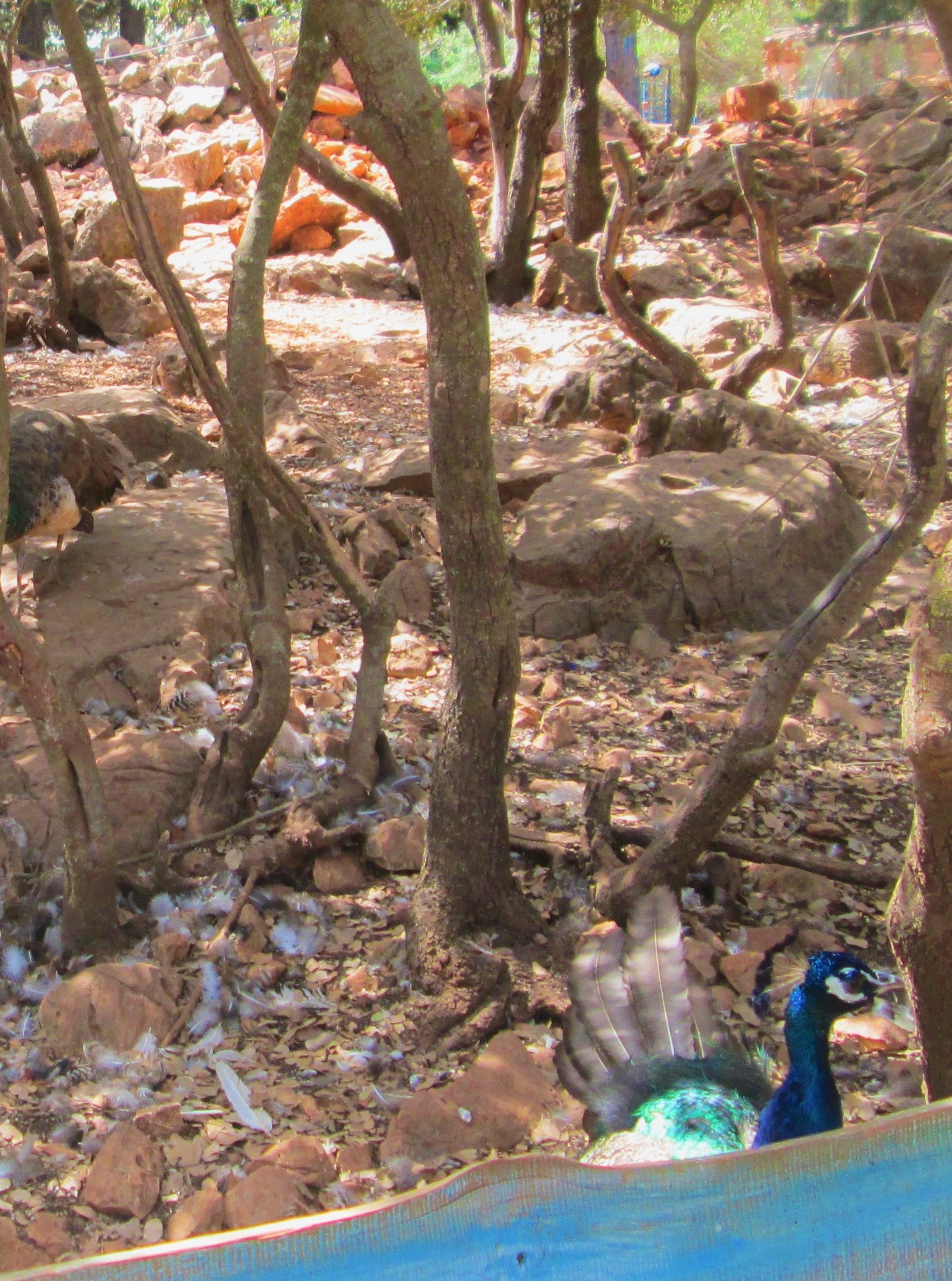
Another Peacock
Poetry from Stephen Jarrell Williams
"Road Walkers"

Sunrise solitude
trees hiding my footprints

a few hours reflecting
the past unfolding

way back chosen few
many of us had to run

heavy backpacks
stuffed with prophetic poems

word bombs
exploding the supposed peace

quick copied
and buried

hiding in the wilderness
they caught some of us

sentenced
to a choke of silence

my old friends now in a blur
their screams in the crackling leaves

their flesh left against cracks in the walls
pinch of prison bars

inventive years the rest of us staying alive
around campfires and crammed inside caves

star gazers and wall painters
tasting sugar honey when we slept

remembering before our good deeds
became unbreathable and illegal

yet the world underestimating
you should never cheat the Creator

now reaping with endless lines
toxic food in plastic bags

on their knees with bent straws
sipping gutter water

strangers becoming stranger
giving hand signs in a cryptic rage

broken fingers
swollen tongues

somewhere books still telling the truth
pages burning to keep warm

wilderness closing in
beside the mountains of dead

finally out into the open I run
looking for my lonely cross

not many of us left
to torture

truthsayers into the sun.


"Someday Flowering Lands"

Some of us seen in the distance
shadow stick figures

disappearing in the flowing mist
fog of lowering clouds

passing they hear our whispers
thought arrows prickling inside their heads

later in the evening quiet
rubbing their chins

wondering why they're thinking
pre-dreams of flowering lands

paradise people
singing to the stars

angels dancing
with tambourines and harps

breaths from heaven
everlasting

no fear
no hate

no worries
no cliff falls

down
to an expired world

hopefully our prayers have an effect
on the spoiled and mega rich.


"End of the Road"

She steps lighter than air
upon the stones

telling me on our last trip
before she passes her final test

wings won't be needed
God lifting whenever we want

I wasn't sure at the time
if she was hallucinating

with her fading breaths
tender touch to my hand

until a soft glow of light
embraced her that night

in a clearing of grass
beside the highway between cities

she was queen of the road walkers
everyone had seen her

on the gradual slope of plains
and the paths to mountaintops

her voice sweet
as her spirit

everyone weeping
at the end of her road.
Short story from Linda Springhorn Gunther
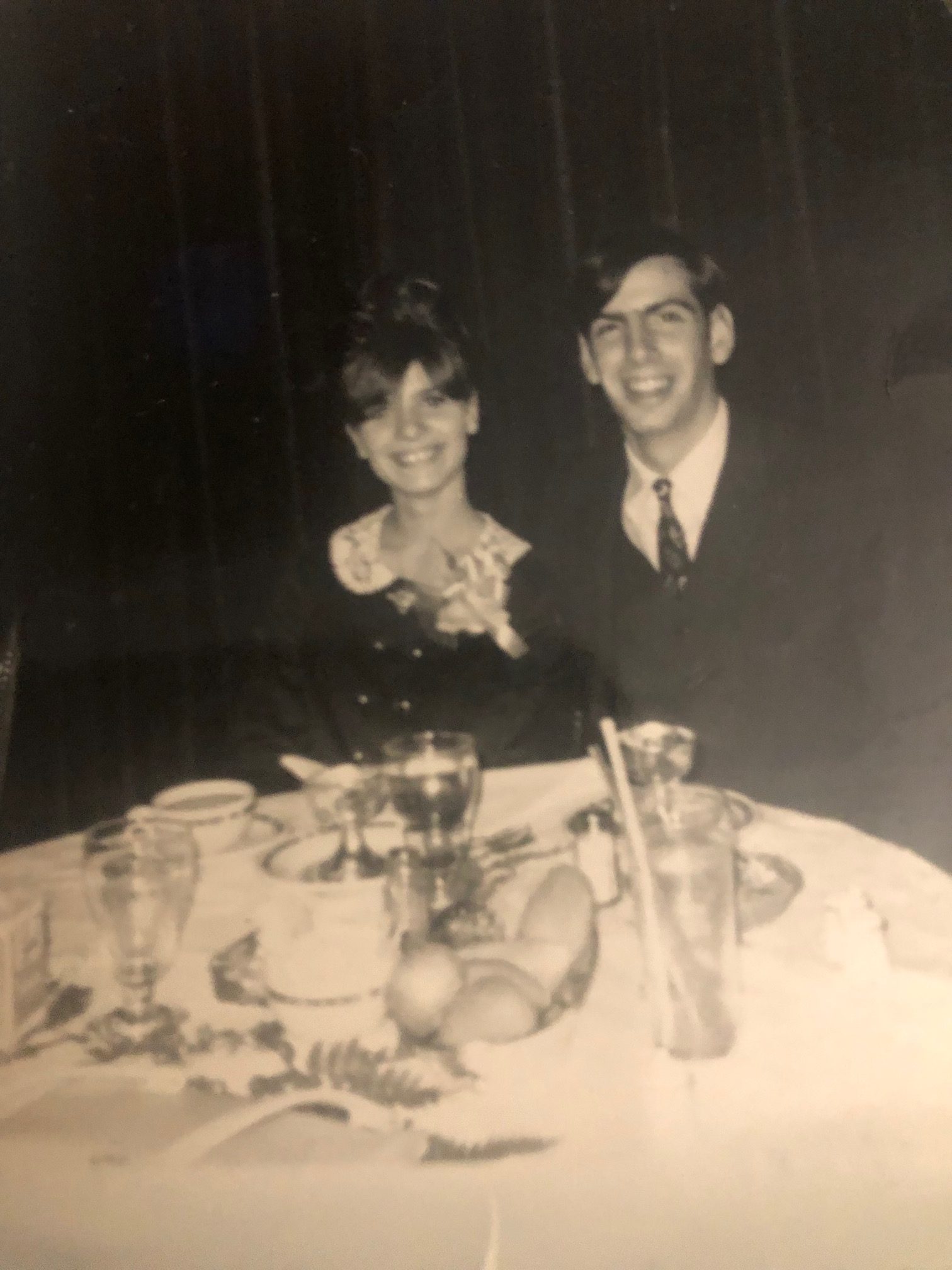
HIGH SCHOOL HEART
             By Linda Springhorn Gunther

July 1965

That second summer at the Concourse Cabana Club I came out of my shell. I had just finished ninth grade, my last year in Junior High.
My two best girlfriends, both members of the Cabana Club last year, didn’t return again because their parents took them to Rockaway Beach for the whole summer. So, I spent the first few days poolside at the Cabana Club sprawled out in the sun on a lounge chair, alone, reading my book. I’d take a dunk in the pool for a few minutes when it got really hot, then pop out for another chapter of Herman Hesse’s Siddhartha.

On my third day hanging by myself, I left my towel on the lounger I had snagged early that morning. After reading three more chapters in my book, I placed it on the side table and eased myself from the ledge of the pool into the refreshing water. I decided to do a couple of laps to the deep end, each one underwater all the way.  I wanted to make it to the wall in one breath with my eyes open, a challenge I often gave myself. I butterflied underwater to the deep end, touched the wall, raised my head to catch a breath and swam back underwater to the shallow end. On the second lap, as I reached the deep end, I felt a tug on my right arm. I looked up to see my brother Ronnie kicking his legs furiously. He yanked on my swimsuit determined to sink me further down. Pulling away, I struggled to raise my head above the surface, spit out water, and pushed him off me. He splashed me in the face.

“Get out of my way,” he said, and sputtered out a stream which hit me directly in one eye. He turned and swam towards the short metal steps to his two gawking friends who sat with their legs dangling over the side.

Although my mother no longer expected me to be Ronnie’s caretaker at the Club while she was at work, he couldn’t resist hunting me down to pester me. He was thirteen years old, just eleven months my junior and still emotionally immature. But he had generally become more independent over the past year, even a leader with his pack of neighborhood friends. He hadn’t skipped any grades like I had but was suddenly recognized as being super smart at school; had been selected to take special IQ and math tests, and had emerged as a top contender for entry into Bronx High School of Science, a school for the academically gifted. But that would be a couple of years away.
I recovered from the sneak attack, swam back to the shallow end, and hiked myself up out of the pool. A girl with short brown curly hair about my age wearing a purple one-piece sat in my lounge chair, her legs straight out on a flower-print towel, her head down reading an issue of Seventeen magazine. I stood there dripping wet looking around for where my blue beach towel had gone, and saw that my beach bag was gone too. The girl on the lounger hadn’t noticed me.
I glanced at the side table. My book had disappeared. Damn! Why would someone take my stuff? I glanced over at the girl on my lounge chair.

Something bumped my right shoulder.
There he was again.

“Looking for this?” Ronnie teased, dropping the beach bag at my feet, the towel sticking out of it. He pushed the Herman Hesse book, the cover wet, into my hands. The girl on the lounge chair looked up from her magazine.
“Aww, too bad you lost your chair,” my brother said and ran off, his bare feet moving fast on the hot cement.
The girl on the lounge chair shook her head. Her brown page boy finished at her chin

 Did I take your chair?” she asked, her hair swinging from side to side as she spoke.
“Don’t worry about it,” I said. “My stupid brother pranked me.”
I picked up my beach bag, wrapped the towel around my waist and scanned the area for another chair or maybe a small patch of cement where I could sit.
“My sister annoys the heck out of me,” the girl said. “A pain in the butt.” She rolled her eyes. “Ok, probably not as bad as your mean brother.”
She scooted off the lounger, folded her towel and sat back down. “Here,” she said, “We can share this one. I’m Edie,” she said, and smiled. “The one and only Edie Bremerhoff.”

I instantly liked her. She was almost two years older than me, petite like me at about five foot two, chattered non-stop and always had something interesting to say. We had attended different junior highs, and so, had never met before.
I would turn fourteen that September, just after my start at Taft High which went from tenth to twelfth grade. Having skipped grades, I felt nervous to be entering high school knowing I’d be younger than most all the kids in my classes and probably in the entire school. But I was used to being the youngest and felt lucky to have a friend for the summer who would join me at Taft, and in the same grade.

Edie and I spent that summer at the Club dancing on the wood deck to piped-in rock and roll music with other teens after we’d have a burger at the food kiosk. We teamed up as a duo in ping-pong tournaments and more than once beat a pair of arrogant older boys. She and I would sit and talk for hours confiding our fears about entering such a huge school, anticipating a tough life in our first year yet imagining adventures awaiting us.

In the second week at the Club, there was a talent competition for teens. Edie and I dressed in frilly pastel summer dresses and sang a duet, Shelley Fabare’s song, Johnny Angel, over a microphone, clinching second place in our age group. We received a fake silver medal that we proudly wore on a ribbon around our necks for at least a week, only taking them off for a swim. Like me, Edie loved doing laps in the pool. We’d wait until late afternoon when most kids already left for home and then we’d swim ten laps together, the last two of them on our backs, our arms moving in unison through the water. Our mission was to stay perfectly parallel with each other, reach the wall at the deep end and back again at exactly the same time, hoping to emulate Esther Williams in her Hollywood aquatic films.

Things had been going well for me. A few weeks before the Cabana Club opened my mom finally released me from a life of non-stop singing and dance lessons at Jules Faber School of Dance and Stage. I was scheduled to perform in two big recitals in Westchester County in late June where I’d sing two solos, one of them I Feel Pretty, and the other Sunnyside of the Street which I’d also tap-danced to with three back-up dancers. Five days before the performance date, I told Mom that I was miserable and wanted to cancel. She was horrified at my request.

“Get out of my sight,” she said. “You just want to humiliate me.”
Each June and December, Mom lived for my performance in these recitals. It was her on that stage, the stage she had left behind when she had children. I knew how she constantly bragged to friends and acquaintances about her talented daughter. But I was tired of all of it!
I ran off to the bedroom, slammed the door, laid down on the chenille bedspread and cried, refusing to come out for dinner. I felt like cutting up the costumes hanging in the bedroom closet and tossing the tap shoes out the window. But I didn’t. I stared up at the ceiling and imagined my life in some other place living by the ocean, free from my life in a one bedroom apartment, sleeping in one room with brother, sister and mother. After a couple of hours, the bedroom door squeaked open. Mom tiptoed into the room. I could hear my sister and brother in the living room laughing at some evening TV show, and Nana’s voice on the phone in the kitchen. Mom closed the bedroom door and sat down on the bed. She stroked my back, my face buried in the pillow. “Let’s make a deal,” she whispered. I sat up. Then, she agreed that if I’d do the two recital performances, she’d allow me to quit my lessons and cease going to auditions.

“But I’m expecting you to focus one hundred per cent on academic success. Got that?
You need to stay on track for a college scholarship.”
I was stunned by her words, thinking maybe for once she actually listened to me, and acknowledged the pressure she had placed me under for years.
Yes, I wanted to excel academically but I also secretly yearned to get a part time job once I got settled in high school, maybe at a downtown boutique or at Lord and Taylor, a high-end department store where I could buy nice clothes at a discount, closely follow fashion trends and earn some spending money which I badly needed.

That deal with Mom felt like a gift from the gods. And, meeting Edie at the Cabana Club was like icing on the cake for me that summer. In mid-July Edie invited me to meet her friends who lived on her block. Her building was set at the corner of Clarke Place on the Grand Concourse, the prestigious boulevard that stretched about five miles across the Bronx, where all the fancy apartment buildings, best restaurants and shops were situated.

On a Monday night, after I was excused from dinner, I planned to walk the five blocks from my building to Clarke Place to see Edie. My mother was okay with it as long as I was back home by 9:30. I put on my black capri pants and a yellow cotton halter top. I was tanned from three weeks at the Cabana Club. My straight brown hair streaked blonde from the sun had grown past my shoulders. I put my hair up in a pony tail because it was so humid that evening. I went into the bathroom for a quick look in the mirror and noticed a few brown freckles visible across my nose. I wanted to look like Sandra Dee in Gidget Goes Hawaiian. She didn’t have freckles, at least any I could see on the movie screen. And Cindy Carol, the new actress in the second film, Gidget Goes to Rome, which I had seen last week, also didn’t have any freckles. Her skin was flawless. I wasn’t allowed to wear make-up but I closed the bathroom door and quietly opened Nana’s beauty box. Patting a little face powder on my nose, I tried my best to camouflage the freckles, then quickly went out the front door, my head down, saying “Bye. Home by 9:30.”

I walked half a block up the hill to the Grand Concourse, hung a left and headed to Clarke Place. The sun was still bright in the sky. Taft High School was located just a few streets beyond Edie’s apartment building. So, once school started, I’d be walking past her building every day. I spotted her standing on the corner of Clarke Place talking with three boys. She looked cute in a short pink and blue paisley print sundress, two strings of fabric tied in a loose bow at the back. One of the boys was slender and tall, maybe six feet. The two shorter boys were in blue jeans, both curly-haired and although it was a hot summer night, they wore nice short sleeve pastel-colored buttoned shirts. The tall boy had thick dark hair and wore a navy-blue t-shirt, light tan Bermuda shorts and brown penny loafers without socks. As I came a little closer, I could see that his teeth were big, especially the two front teeth, and all pearly white. Although his straight hair flopped over one eye, I noticed that his dark eyebrows came together above his nose with what seemed like no space between them. I almost laughed out loud. He was definitely good-looking but the eyebrow thing was his one noticeable flaw yet didn’t take away from me thinking he was handsome. Edie turned away from the boys and waved at me.

“You’re here,” she shouted. Clapping her hands together, she ran up to me and pulled me towards the boys. “I didn’t think you’d come,” she said, eying her watch. “Thought you chickened out.”
The tall boy glanced at me. I thought I saw his mouth drop open. “Mel,” Edie said. “This is her, my friend from the Cabana Club.”.
He nodded without saying a word. The two shorter boys moved towards me while Mel stood back, a grin on his face.
“Meet Arnie,” Edie said, “and the other Mel. Two Mel’s on one block,” she said and giggled. “We’re so lucky.” She rolled her eyes. “Come on, you want to see my apartment and meet my mom? I told her all about you.”

The two other boys smiled, went back to talking, one of them dangled a cigarette from his mouth. The taller Mel stared at me.
Edie led me towards the white-columned entrance to her building. “We’ll be back later,” she called out to the boys.
We started up the gray and white marble staircase inside the building.
“The tall Mel has the hots for you. I knew he would.”

Edie’s mom was friendly, gave me a tour of their three bedroom second-floor apartment. Lots of antique furniture and beautiful deep blue carpeting. Edie’s bedroom was decorated in pinks and touches of lavender in the window curtains. We sat on her fancy four-poster bed on a flowered bedspread.  She put on a Supremes album. We sang along with Where Did Our Love Go and Come See About Me. Sitting cross-legged, we thumbed through her collection of Seventeen magazines. She seemed to love fashion almost as much as I did but was more focused on the models’ hairstyles than I was. After about thirty minutes, Edie’s mom appeared in the doorway of the bedroom.

“You girls have a visitor,” she grinned. Mel, the tall boy from downstairs stood behind her.
“Mel!” Edie shouted. “I knew you’d show up.”
I could feel the heat in my cheeks, the flutter in my stomach.  Edie’s mom left the space at the doorway. Mel stood there, his hands in his pockets, as if he didn’t know whether he should come into the room or not.

“You just gonna stand there?” Edie said. “Get your skinny butt in here.” She looked at me. “Okay with you?”
She didn’t wait for me to answer. She jumped up and cleared a pile of magazines from the velvet easy chair in the corner. She looked over at Mel. “You can sit here,” she said and flopped back on the bed where I sat, and started going through more magazines, pointing out the prettiest models with the coolest hairdos.
“I think I might get this one,” she tapped her finger on the front cover of an issue where the model had a short pixie cut. She held up the magazine next to her face, tilted her head and puffed her lips out. “What do you think?” We both collapsed in giggles.
“It would be different,” Mel said, then shrugged.

I liked his sideburns and lanky body, his long legs, one crossed over the other, dark hairs sprinkled from his knee down to his penny loafers. “Mel’s going to Taft,” Edie said. “Same as us. Might be in one of your classes.” Mel bit his lip.
“Tall silent type, this one,” Edie said. “Lives one floor up. I can knock on my ceiling with a broomstick to kiss him goodnight.”
“You never do that,” he said. “Do you?”
“Are you for real?” she said. “You’re like the brother I never had.”
When Mel offered to walk me home, I said yes. Edie practically pushed us both out the front door. She and her mom stood on the threshold waving good-bye.

Mel kept his hands in his pocket as we walked the five blocks on the Concourse. I chattered about how much fun Edie and I were having at the Cabana Club, the kids we met, the dancing, how we got a medal for the singing contest, our late afternoon lap swim regiment. When we got to the corner of Tudor Place where we’d make the turn downhill to my building, I realized how much I’d been talking, I stopped walking and turned to him. “I’m sorry. I didn’t mean to hog the conversation.”

“You could talk my ear off and I wouldn’t ever mind it,” he said.
“Really? No, that would get old real fast.”
He shook his head. “Not for me.”
“So, you prefer to be called Mel or Melvin?”
“What would you prefer to call me?” he asked, and took my hand in his.

“I like the sound of Melvin,” I said, and that’s what I called him all the way through high school while everyone else referred to him as Mel. I’d purposely shout out his name in the middle of Alexander’s Department Store, and people would stop and stare at me. He’d see me from a distance, pretend he was annoyed, his lips pressed together feigning disapproval. Then he’d rush over to me and tickle me in the ribs. “Do that again, and suffer the consequences,” he’d tease. Then his face would light up with a smile. He had a hundred different smiles.

We became a couple almost from the day we met. Sympatico. Did we fall in love? Completely, but it’s tricky to describe because we also became best buddies. Sex and romance were at the top of our list of shenanigans but close behind were our animated conversations during the long walks we took the rest of that first summer and well into the Fall.  Even during the bitter cold of the New York City winter, we’d take walks often headed to Joyce Kilmer Park near Yankee Stadium where we’d stop for an impromptu snowball fight. I’d pull off one of his gloves so he couldn’t pack the ball properly and then I’d pound him with snow.

We’d walk for two, maybe three hours in late afternoons on weekends, often into the evening if weather permitted, from my building, then two miles to Fordham Road, hang a right at Alexander’s, pass Fordham University and then go down another mile to the Bronx Zoo.
Long walks with friends would become part of my life over the long-term. It’s where I still find peace today and a lot of that feeling is because of my time with Melvin.

My friends in high school wondered what the hell the two of us would talk about all that time. The truth is that nothing jumps out in terms of our “go to” topic of conversation. I remember we liked making up stories. I’d start with the first few lines of a story I’d invent on the spot and Melvin would continue it, then toss it back to me. We’d go back and forth until we arrived at a satisfactory natural ending. Occasionally, we’d play miniature golf at the course directly opposite the zoo. The place had no name. The sign just read Miniature Golf but I nicknamed it Whacky Wally’s because there was a goofy guy named Wally who had curly ringlets of hair down to his shoulders, wore a red uniform and black fedora, and stuck the eraser end of a pencil in his ear, twirling it around while he took our money. Melvin would like it when I came up with quirky names for the places we’d go. I called the Bronx Zoo, Animal Farm, one of my favorite books of all time, and named Fordham University, Preppy Palace.
In many ways, our relationship was like a marriage from the start. We managed to keep our independence but we shared a private language of facial expressions, gestures and short phrases when around friends. Friends sometimes noticed and just shook their heads.

Melvin made the high school baseball team, first as the back-up pitcher, then was elevated within months to starting pitcher. He played the tuba in the school band which I found endearing and worked part-time at the A-1 Dry Cleaners where he made deliveries to those who could afford the expensive luxury of chemically cleaned clothes. Every morning, he’d backtrack from his building on Clarke Place five blocks to mine and carry my heavy load of books to school along with his own. Although I often reminded him that chivalry wasn’t really necessary, he insisted. I found his routine romantic. But when he’d offer to buy me a slice of pizza, I’d refuse, wanting to pay my own way, although I had a small allowance. But after about six months together, I finally agreed to him springing for snacks after school. It was the way his face lit up whenever he got the chance to buy me something, even if only a slice of pizza or a coke. And, for some reason it felt romantic to me.

I tried out for the Cheerleading squad in the Spring as a new Sophomore, and out of dozens and dozens of hopeful girls, only five were selected and that included me, something Melvin was not pleased about.

“You’ll probably be going to away games with the team,” was the first thing he said when I excitedly told him the good news. When I responded with a puzzled look, he quickly brightened and held me close. “I knew you’d make it,” he whispered in my ear. “You’re a star.”
When Melvin was at work or at baseball practice, I hung out with girlfriends, enjoying my friendships which were also important to me. My girlfriends and I would walk the Grand Concourse arm in arm in our pea coats and tight jeans belting out songs from West Side Story or hits from Petula Clark. I also got a part-time job on Saturdays at a French boutique downtown on 34th street opposite Macy’s.

Despite our busy schedules, Melvin and I spent as much time together as possible, sneaking thirty minutes between things, determined to meet for an hour most evenings, even if it was just outside my front door in the entryway to my apartment building. Since Melvin was over six foot and I stood only a smidge above five feet, he hid a wooden vegetable crate under the staircase outside my first-floor apartment. When he’d meet me in the entryway at night, I’d stand on that crate so we could passionately make out. One night my mother caught us and ordered me inside without acknowledging Melvin. She didn’t let me out of the house for the next three nights but then gave in because I was so damn grumpy, refusing to speak to her and muttering things under my breath. I also stopped hiding the fact that I was left-handed which I had hidden all through grade school and even during junior high. She insisted that it was evil to be left-handed, demanding that I stop when I was in first grade. So, when she forbade me to leave the house and not connect with Melvin, I purposely wrote in front of her with my left hand, making noises and sounds so that she had to notice. It was 1965, a year of political protest and I in turn started to talk back to my mother, on the road to being a rebel.

Mom disliked Melvin despite the fact that he was easily one of the most decent boys in high school. He was always polite to her. Yet, she complained that he was Jewish which was insanely ironic since she was born Jewish while my father whom we saw maybe twice during our entire childhood was a Protestant. My mother pretended that we were Christian much of the time, celebrating Christmas and Easter even though we actually lived with our kosher Nana who made blintzes and matzo brei, and kept two separate sets of dishes. Mom’s views on ethnic and skin color differences angered me, causing me to reject her even more over the years into my adulthood. There seemed also an absence of logic to her twisted perceptions.

The mid-late sixties sparked an era of ‘free love’ and drug use amongst teenagers. Many of our friends were in the ‘explore’ mode, some kids with a daily marijuana habit and others who embraced psychedelics, a few of them sadly overdosing. The Vietnam war was in full swing and organized protests including candlelight marches were prevalent all over the city which many friends, including Melvin and I participated in on occasion.

We’d often hang out on Clarke Place with Edie and Arnie and numerous other friends. On Friday nights a crowd of well over a hundred “Taft-ites” would gather on 170th Street, many of us frequenting the Waldorf Diner where we’d squeeze seven or eight kids into one booth and feast on French fries and cokes. I’d lean on Melvin’s shoulder and listen to friends tell stories about teachers from hell, gossip about who’s dating who, which couples just broke up and what was happening in Vietnam, where the next protest march would happen.

Although Melvin and I hung with many who were regularly on acid or stoned and some who drank a lot of alcohol from a brown paper bag, he and I resisted these temptations all through high school. Some kids turned “hippie,” boys transitioning to army jackets and long straggly hair; girls switching to peasant blouses, bell bottoms and beads in their hair. In contrast, others retained their “collegiate” style of dress. I was in the latter group, suited to my tight jeans, penny loafers, crew neck sweaters and Navy pea jacket. And, I loved fashion including plaid wool short-pleated skirts, knee socks, and peter pan collared blouses. Once I got a part-time job at the boutique, I spent most of the money I earned on one expensive item of clothing per month, slowly growing a high-quality wardrobe.

Because Melvin and I were one of the longest-standing couples at school, friends assumed we were having lots of sex, going “all the way.” We’d cuddle and kiss in public but the truth was that although we were sexual, I insisted on ‘no intercourse’ at least until college or maybe until I married. It was a tenet my mother had beaten into me and even though she repelled me, I was in synch with her on that particular subject. Melvin and I spent at least one afternoon each week after school at his family’s apartment. Both his parents worked as corporate accountants in lower Manhattan. Melvin and I would strip down to our underwear, make tuna sandwiches on toast layered with potato chips and then make out on his bed to our favorite record.
It was one afternoon in our junior year when he whispered the words “I love you” in the middle of Unchained Melody. I was over the moon yet a twinge of uneasiness swept through my thoughts.

So, if he loved me, would he expect more? Was I ready? What would more really mean? But I declared my love in return a few days later in the same bedroom with the same song on the record player. It felt “right,” natural, like a pact for us to stay faithful, committed to an exclusive relationship, something we had declared to one another.
At the start of my senior year, my Nana threw me a Sweet Sixteen party, something every teen girl had to have growing up in the 60’s. The party, a fancy sit-down luncheon was held at a classy mid-town hotel. Twelve of my girlfriends were invited. Nana told me to invite Melvin even though Mom made her disapproval known to both of us. I won. Melvin was the only boy at my party. My brother spent the day at a basketball game with friends. I thought it was the best day of my life, and fortunately my mother was on her best behavior. Life couldn’t get much sweeter. I didn’t think for a moment that things would change. But sooner or later there’s usually a downed tree in the road when it comes to what seems like perfect love.
Comment from Bob Hahn:
After reading the short story Linda has written, I am compelled to respond. Reading about her love story with Mel was beautiful. Mel and I grew up together on Clarke place. We met when both of us were, but five years old. We both attended PS 64 on Walton Ave.. We’d always walk to school together through the years and being that our folks both worked we were one of the first “latch key kids” After school we would go to one of our apartments, drink chocolate milk and ravage an entire box of fig newtons. We’d play board games, baseball games, electric football, tried to learn chess, gave up and made our own rules. We were inseparable. I remember when we were eight years old. Daniel Boone was a blood brother to one of the Indians and both of us thought…how cool! I had one of those inch and a half pocket knife that was as dull as a kitchen spoon. We were determined to poke a hole in our thumbs and mix our blood to be true blood brothers. I went first. I held my breath and with all my might dug the dull edged knife into my thumb. I pushed so hard tears were pouring out of my eyes. I finally succeeded and now it was Mel’s turn. Seeing what I went through, Mel turned white and said he was going to vomit at the sight of my bleeding thumb. He was now hesitant about this blood brother thing and we wrestled on the ground until I had the advantage and pushed the knife as hard as I could into his thumb. I learned a new vocabulary from my young friend that day but we mashed our thumbs together and became true blood brothers, Daniel Boone would have been very proud of us that day.
Growing up on Clarke Place was perhaps the greatest thing. We played stickball, off the point, basketball using the fire escape ladder as a hoop, scully and pitching in. That game would last until the first window on the opposite side of the street would break. What made Mel a great friend was that he was very athletic and could beat me at any game anytime. Many times he would ease off and give me chances to win. He would congratulate me although I knew he was blowing the game allowing me to win. He would never say anything about winning or losing but I knew, so I also kept it to myself.
We were two kids that met at a young age and soon became teenagers and girls became a new and better activity over sports. I remember the day Mel met Linda. i I Iwas playing ball and saw both Mels and Arnie talking with Edie and this new girl who was in my eyes as cute as a chipmunk. Both girls went upstairs to Edie’s apartment and Mel came over to me. He was glowing! He was at a loss for words. Like pulling teeth I finally got him to talk about this new girl he just met. .Now it was my turn to be the person who was a tad more experienced and told him he had to make his move before the other Mel ,who was a chick magnet. Mel took a deep breath, gave me a hug and said although he was scared to death, he’d go and meet this adorably cute girl. Later that night under the stairs of the apartment building,, our secret hideout ,he told me the whole story. With tears in his eyes he admitted to me he was in love and would do anything to capture this girl’s heart. I couldn’t be more proud of him.
Let’s skip a year or two and Mel told me he was invited to Linda’s sweet sixteen party. He asked me to go shopping with him. We went to Fordham road and he bought a new pair of brown loafers, brown socks, a camel colored pair of pants, a white shirt, brown decorative tie, and a beautiful dark brown dress jacket. Mel looked great. There was no way he wouldn’t impress Linda. The last thing he bought was a bracelet and he told me ,the bracelet was not just a gift but he was going to ask Linda to go steady. I couldn’t be more proud of my brother that day. I saw what was to be a love that was true. You could feel it.
Well, time goes by faster than we could imagine. Mel went off to Jacksonville U, I went to Staten Island C C, and I never saw Mel or Linda again. After two years at college I decided to join the Navy and upon leaving the Navy and my experiences in Vietnam, came home to the good old USA. I took the time to go back to Clarke Place, the Concourse cabana club, Fordham Road, the Bronx zoo, etc. My best memories were our stickball games, the girls we dated, etc. I think a lot about my relationship with Mel. Our adventures as children and teenagers, our becoming blood brothers and my happiness for him and Linda. In my mind I hoped they would marry and raise a family. At our first reunion, I learned of Mel’s death and that Linda had moved away. I’m thankful for the time I had with Mel. I’ll always remember his smile, his skill as a pitcher, but mostly of having him as a brother and Linda as his first love. God bless you both, Bob Hahn
Artwork from Maurizio Brancaleoni
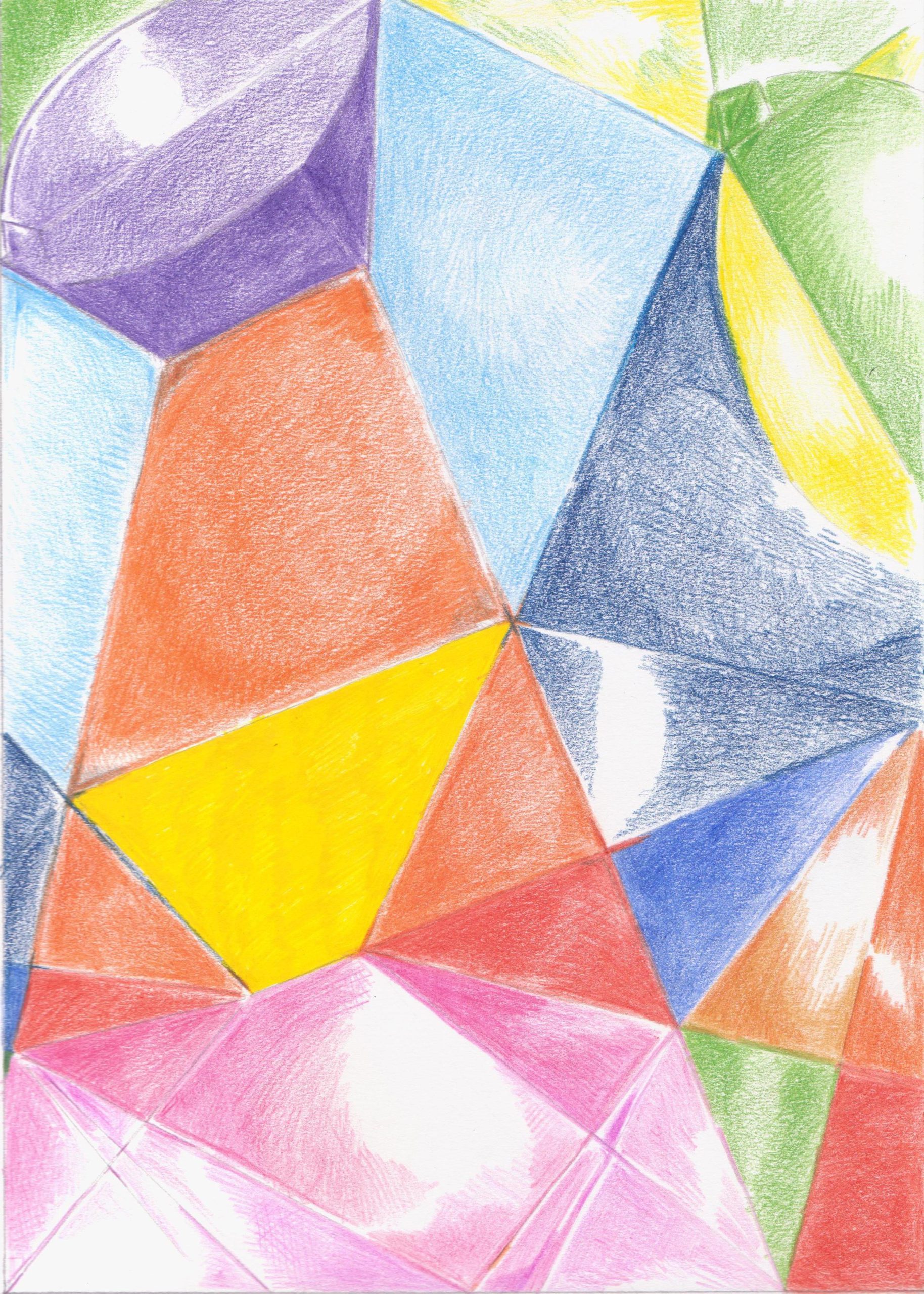
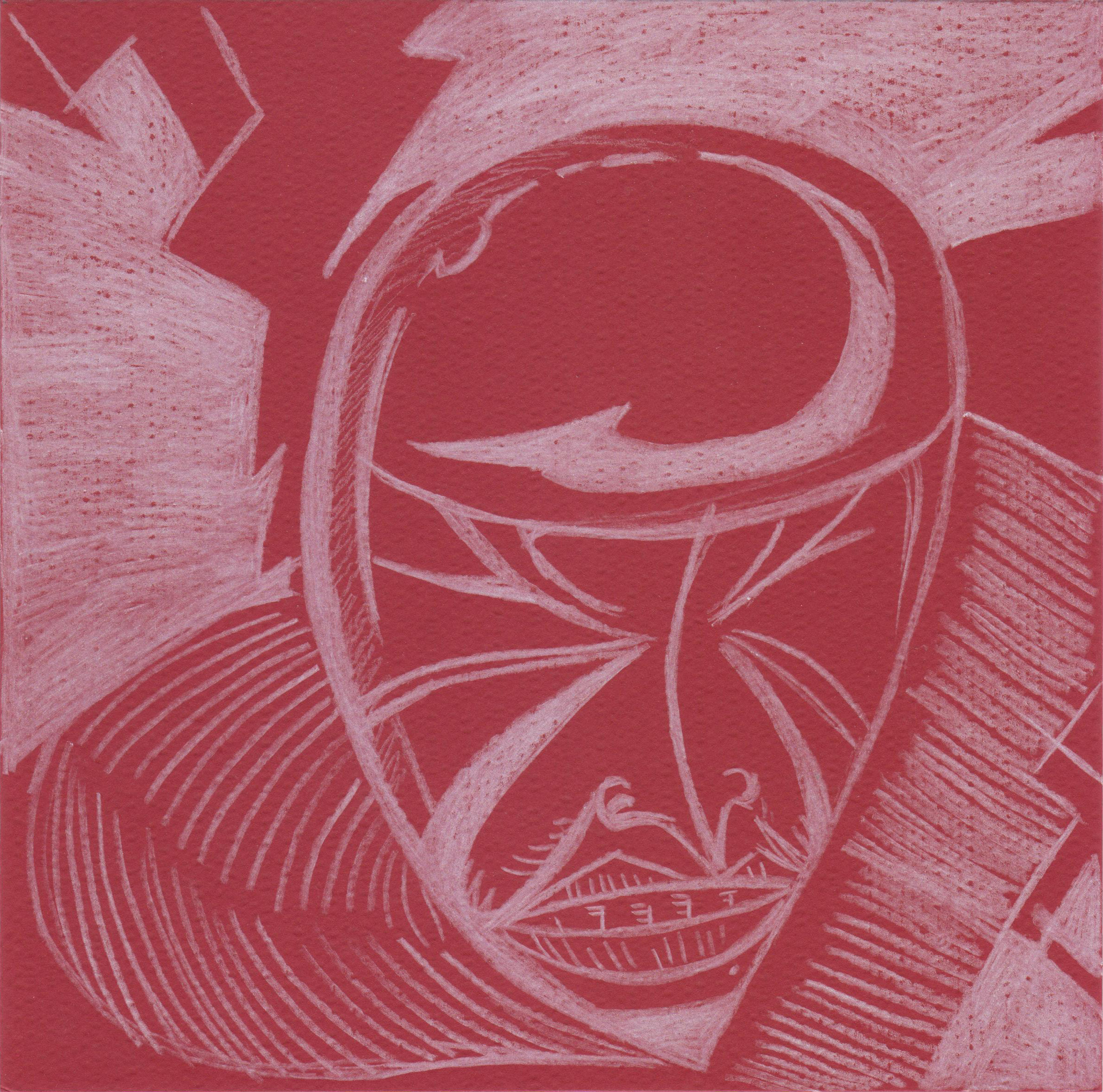
Maurizio Brancaleoni’s literary output has appeared in a wide variety of journals and collections. To date his art has not gained as much attention. More drawings, paintings, collages and comic pages are available here.