Synchronized Chaos Mid-December Issue: Back and Forth on the River Styx

Welcome to mid-December’s issue!

We encourage you to come on out to Metamorphosis, our New Year’s Eve gathering and benefit show for the Revolutionary Association of Women of Afghanistan and Sacramento’s Take Back the Night. This will take place in downtown Davis, CA, at 2pm in the fellowship hall of Davis Lutheran Church (all are welcome, we’re simply using their room as a community space). 4pm Pacific time is midnight Greenwich Mean Time so we can count down to midnight. Please sign up here to attend.
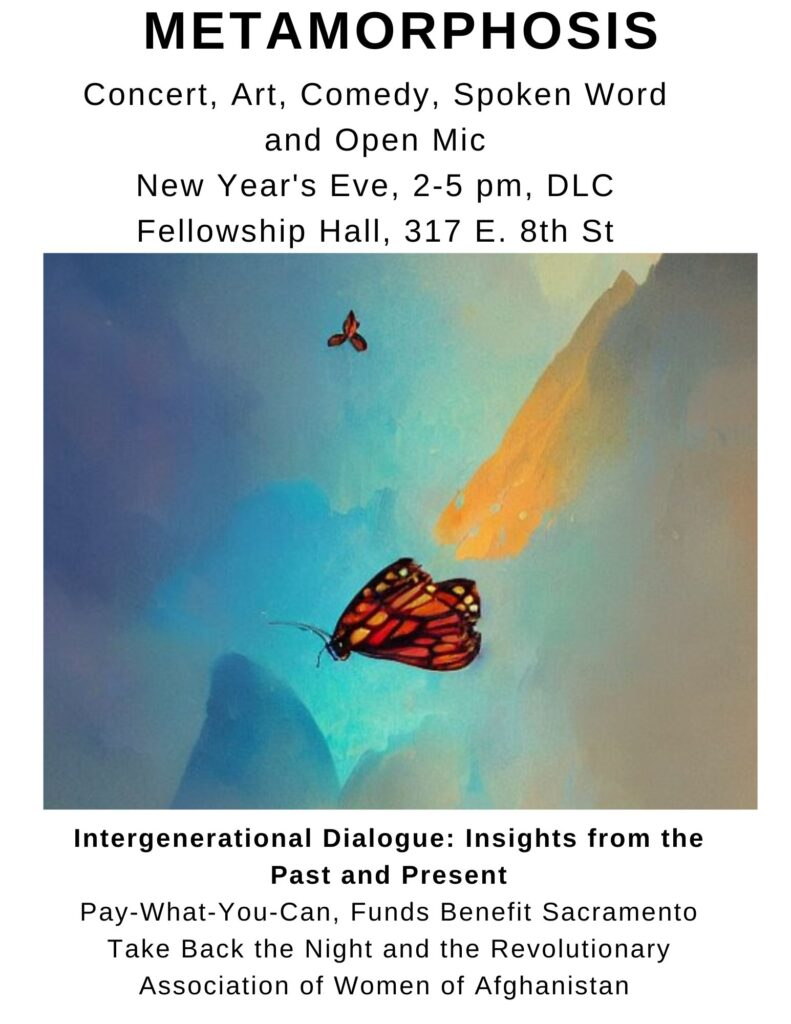
The theme “Metamorphosis” refers to having people there from different generations to speak and read and learn from each other, challenging us to honor the wisdom of our parents and ancestors while incorporating the best of the world’s new ideas in a thoughtful “metamorphosis.” We’ve got comedian Nicole Eichenberg, musicians Avery Burke and Joseph Menke, and others on board as well as speakers from different generations.

Second, our friend and collaborator Rui Carvalho has announced our Nature Writing Contest for 2022.
This is an invitation to submit poems and short stories related to trees, water, and nature conservation between now and the March 2023 deadline. More information and submission instructions here!

This month explores various forms of life and death, and how and when we pass through the veil or cross the famed Styx of Greek mythology. Our theme is quite appropriate for the solstice a week after this issue’s release, a time of natural passage from one season to another.
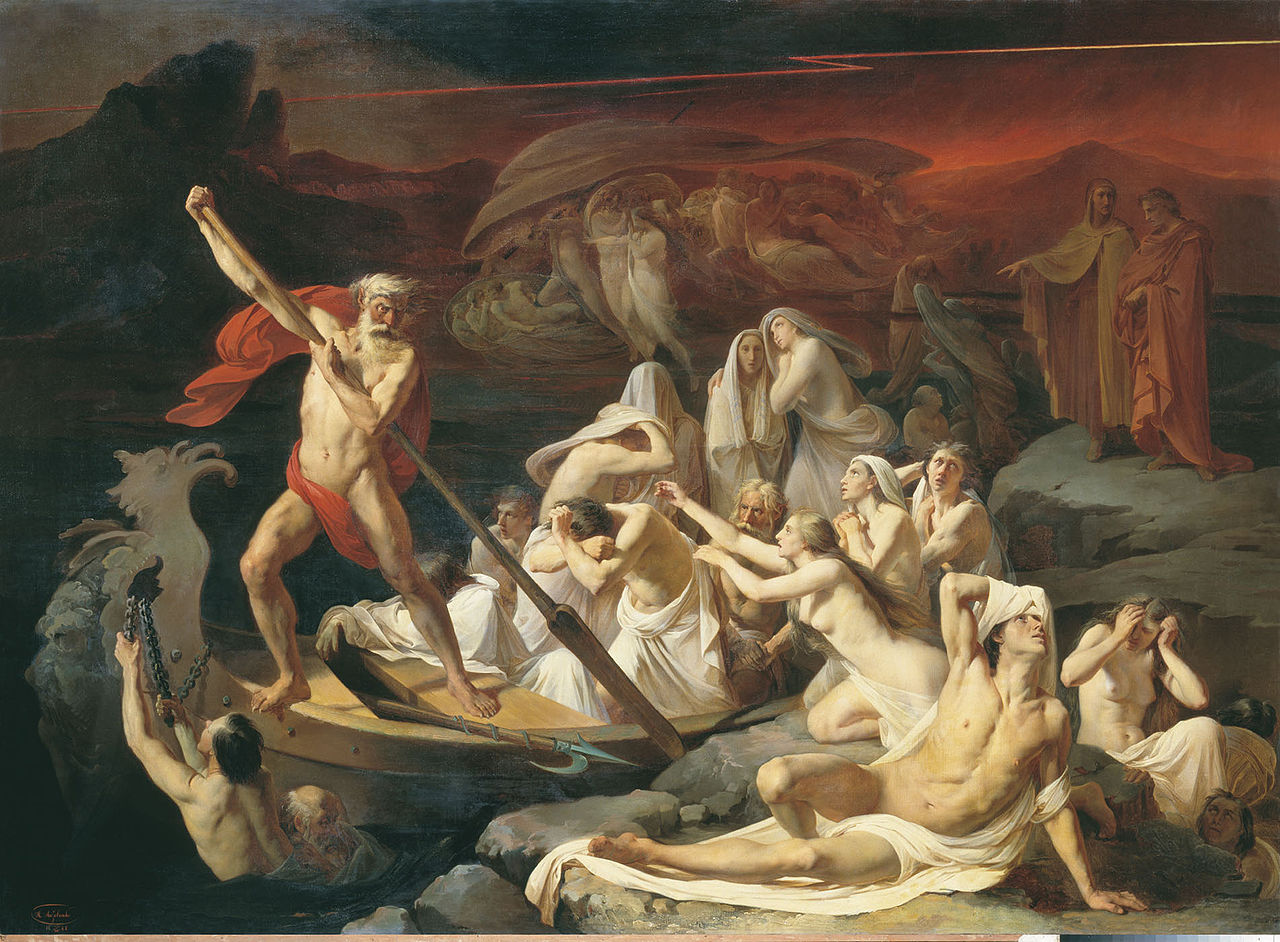
Alexander Dmitrievich Litovchenko( 1835 – 1890) “Charon carries souls across the river Styx”

Natasha Leung explores the impermanence of seasons and sensations through a meditation on a burn from a candle. Chimezie Ihekuna’s poem celebrates the festivities of Christmas along with the opportunity for renewal presented by the new year.

Sophia Fastaia shows the sun and moon finding each other’s light in a joyful, childlike encounter.

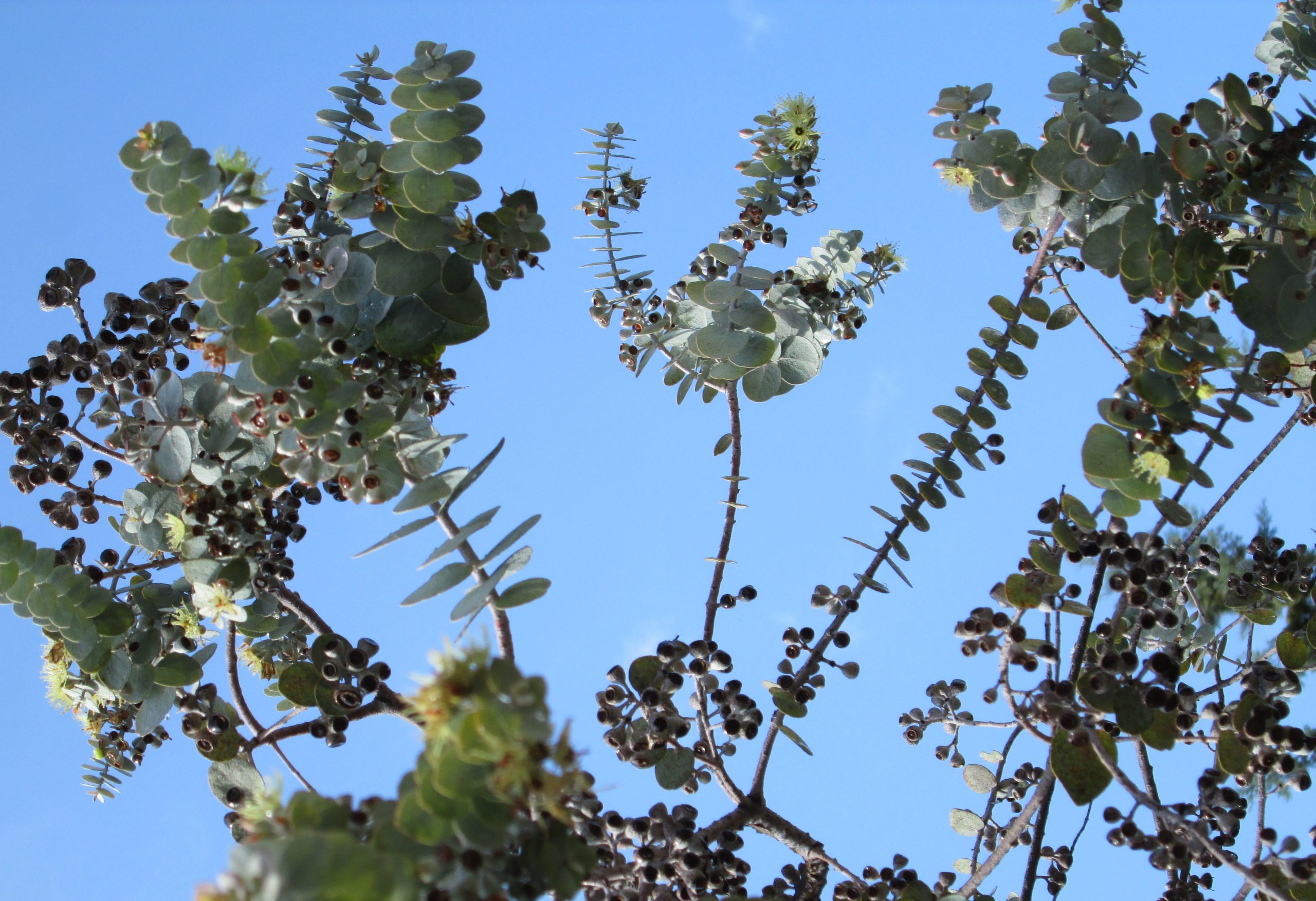
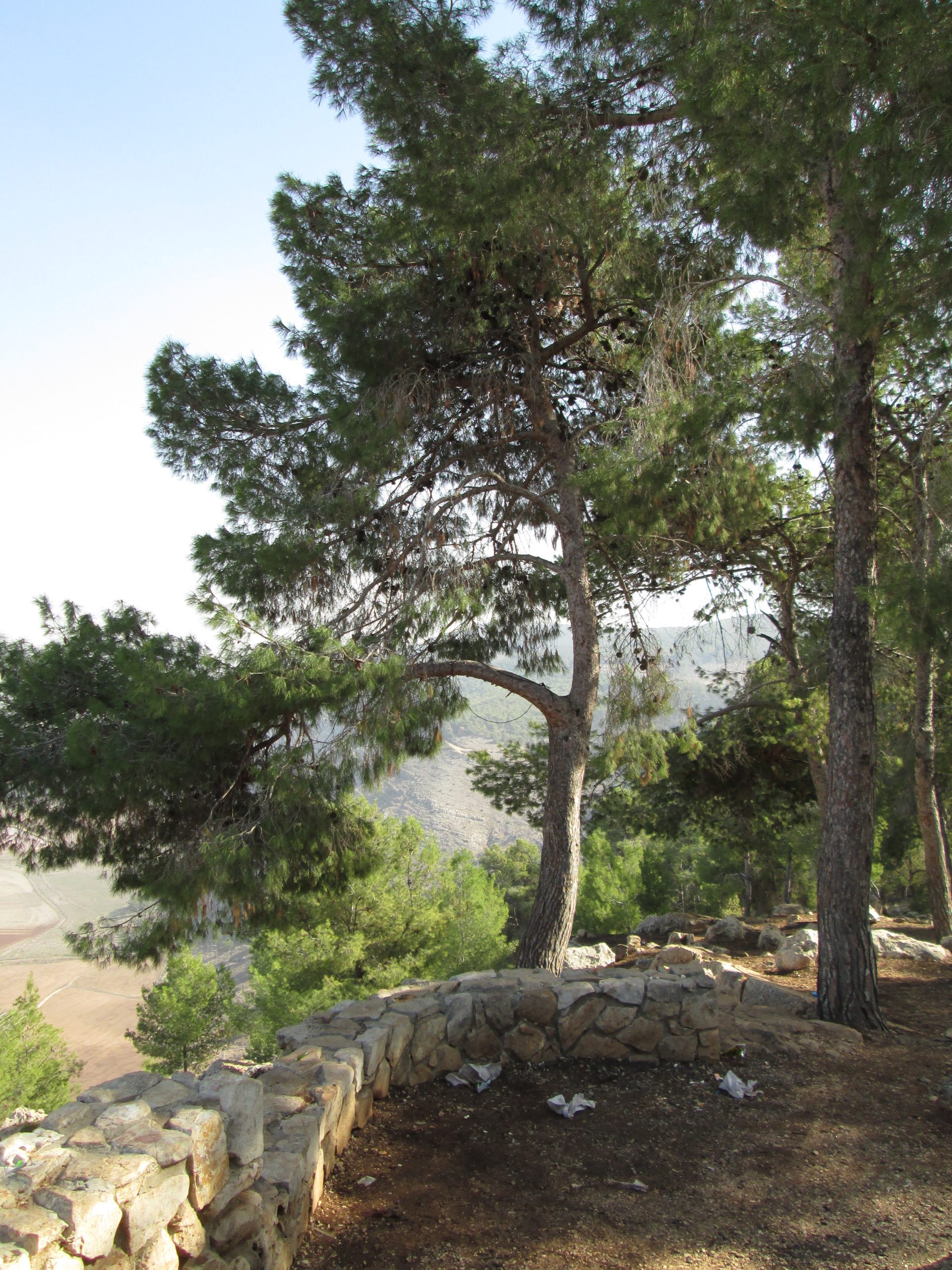
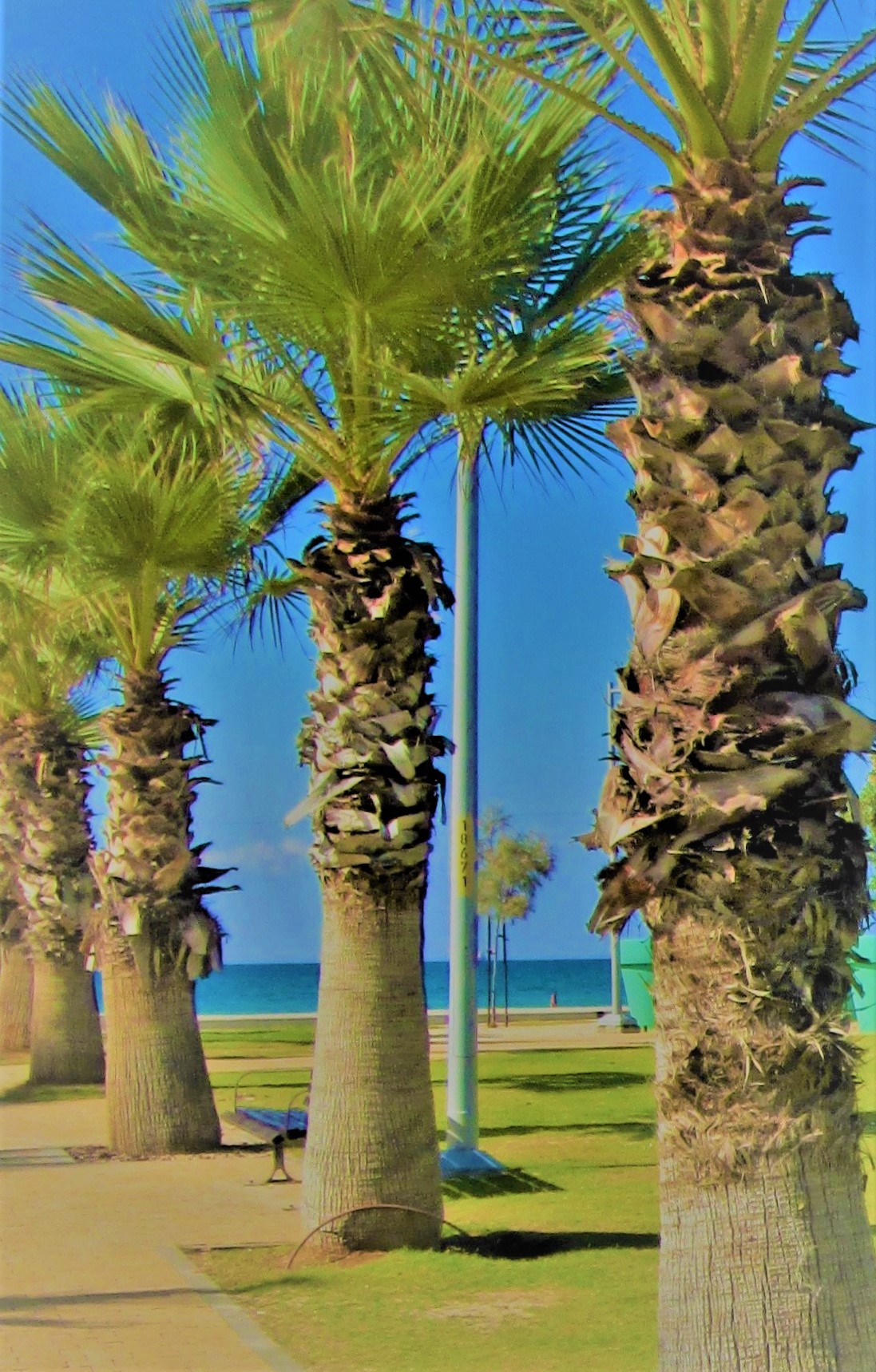
Mary Croy voyages through the vastness of nebulae in space and also fields and meadows here on Earth. Channie Greenberg presents images of trees, a mashup of vista shots of the whole tree and closeups of a few branches or trunks.

Image c/o George Hodan

Robert Stephens highlights the power of memory to contain a lush panoply of disparate scenes and to bring life to the dead. Norman J. Olson reflects on appreciating centuries of human history by traveling with his wife.

Lachlan McDougall sends us atmospheric moments of subtle natural or supernatural tension. Fernando Sorrentino crafts a compelling caricature of a man immobilized and slowly decimated by fear.

Ashley Mann’s pieces lament the artificiality of the culture that she sees as replacing whole natural foods and authentic human connection. J.J. Campbell reflects on the ways we anesthetize ourselves in an uncertain world: substances, eroticism, fantasy, perhaps even cynicism itself.
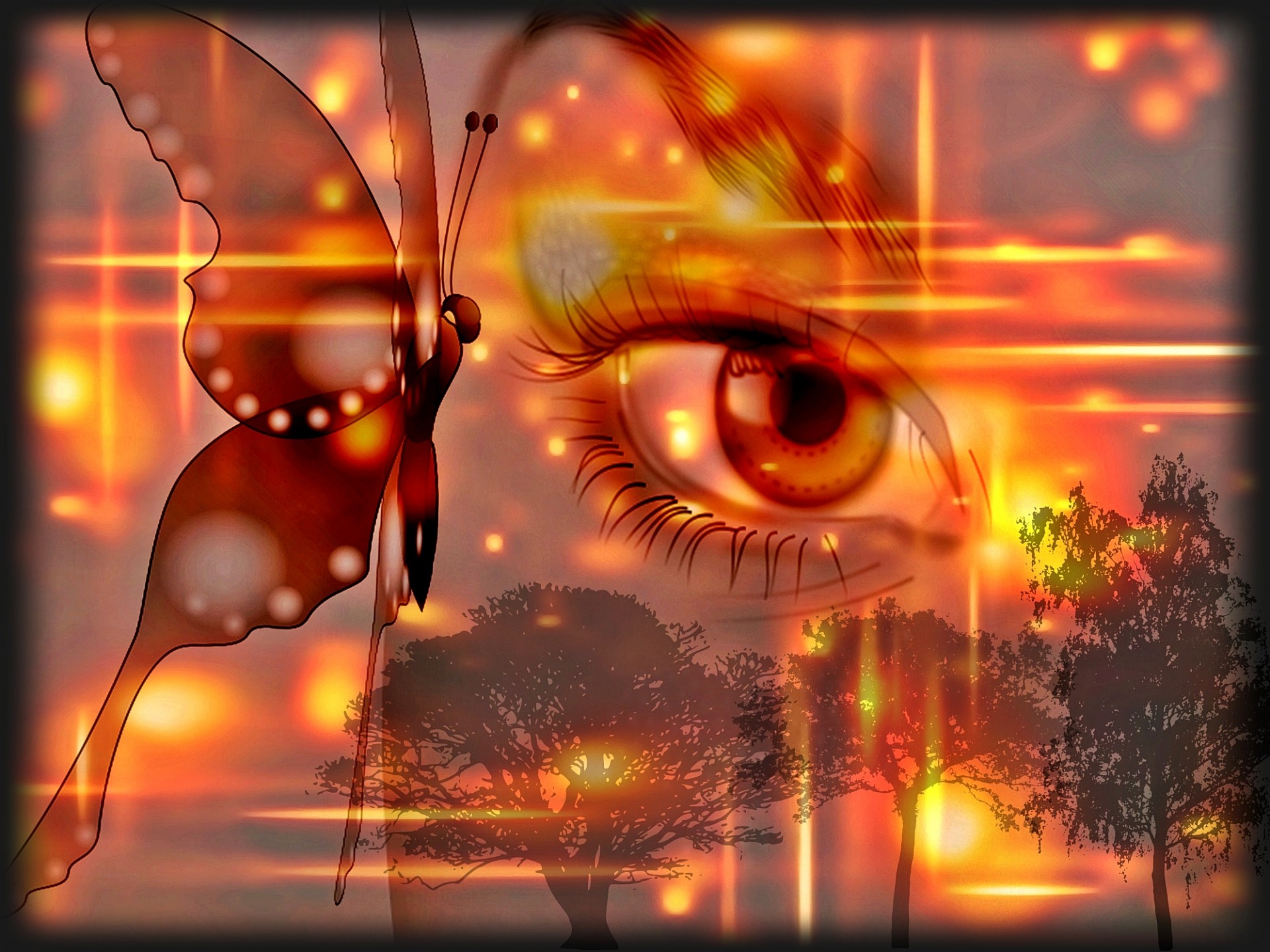
Image c/o Sabine Sauermal

Marley Manalo-Landicho mentally dissects himself, wondering who he really is under the constructions of his ego and his physical body. John Culp’s poem describes the dissolution of ego to make way for loving connection with another person.

Vernon Frazer’s poetry pans out to the edge of human consciousness with a dizzying array of linked words. J.D. Nelson arranges words and syllables to evoke and distill meaning and thought in pieces specifically designed for our publication. Sayani Mukherjee draws on mythology, fantasy literature and nature to conjure a wild dream. Alan Catlin’s characters and settings teeter in and out of sanity, drawing on Ouija boards, psychedelics, fevers and outer space.

Jim Meirose’s surrealist piece draws on a children’s trope, with an anthropomorphized rat and mouse loose in the library, but then goes in a more adult and ludicrous direction. Daniel De Culla contributes his signature earthy humor to the issue, with a story of a gentleman’s bodily functions.

Beth Gulley renders ordinary life in short haiku-like poems, exploring weather, public swimming, and home repairs through wit and careful observation. Damon Hubbs sends up scenes of imaginative speculation and drama within domesticity, characters who stand out in pink earmuffs or flowing robes amid their daily environs.
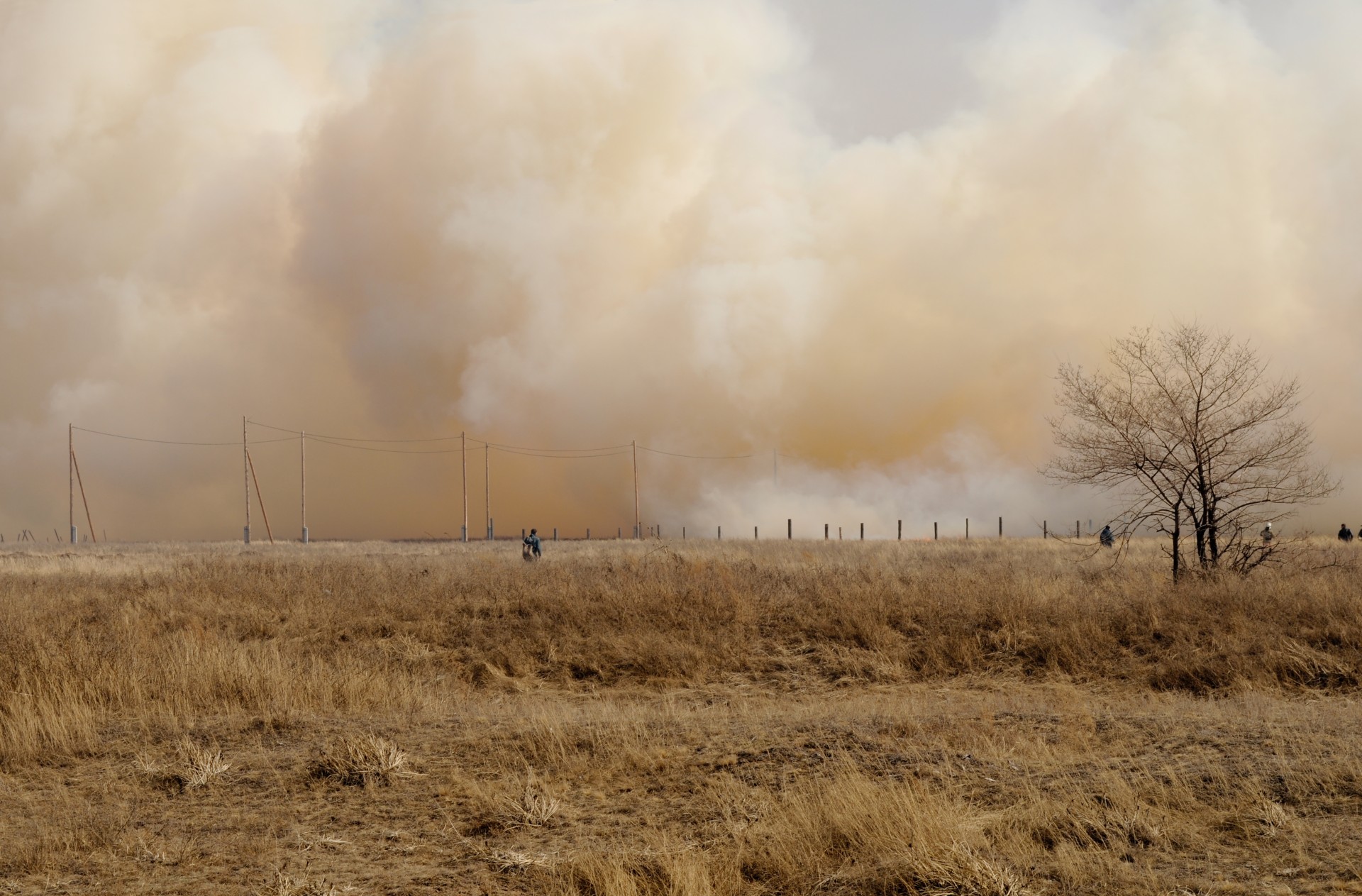
Photo c/o Larisa Koshkina

Peter F. Crowley harnesses only slightly exaggerated humor to describe the end of dysfunctional relationships.

Z.I. Mahmud laments the tragedies of both Creon and Antigone in Sophocles’ famous play, highlighting the quixotic quests of each character for law and order or romantic or familial love.

Exploring family tragedy in a different way, Jaylan Salah probes the power of the calm, understated themes of loss and mortality in Satish and Santosh Babusenan’s new film The Husband, The Wife and Their Dead Sons.

Mykyta Ryzhykh’s poem illustrates how war steals a society’s innocence as well as its people’s lives. Ahmad Al-Khatat’s dark piece also mourns wartime losses, so extensive the sun itself could lose its fire.
Photo c/o Circe Denyer

Alison Owings’ piece highlights the small and large hopes and dreams people have for a better world. Jeff Rasley looks to the work and lives of gifted but tortured writers and artists to explore how ordinary people might resonate and ultimately find their way to wholeness. Charley De Inspirator shares his journey towards spiritual healing and salvation through religious faith.

We hope that this issue represents a way forward for you, through curiosity, wonder, healing, dreams, connection, or transformation.
Poetry from Beth Gulley

At A YMCA Swim Meet

The inexperienced,
unsupervised lifeguard
splashed the baby vomit
into the pool.
The mothers collectively gasp.


Last Chance

Last chance sunflowers
Wilt on the table
Winter claims it’s time


Brave World

I was brave today.
I went into the world,
and didn’t take a sweater.


We Find Out

This house 
hemorrhages nails.
Where from?
After a big wind
we find out.


Poetry by Lachlan McDougall

A Summer Memory

Trees

in bloom, reckoning the sky
towards a cloudless night.
Sultry summer rain
hisses on the sidewalk—
bloom of Jacaranda	
purple against a slate grey sky.

Wine of holidaymakers	sound of laughter
navel orange splash	cooling upwind of 	(rain)
Long pull of books and films	drag towards
the night of oppressive heat and 	(rain)

Here is the season
of purple blooming
around us wrapped
like a garland wreath;
lively dances
performed for the summer dead


Tuft of Light

lizard beaked sits
riotous in motion; silver
shredded ribbons; blood and dead 
leaves;

(breathing in the stink)

calm cup of tea
dissolve atmosphere of
hate words; nastiness; just blood
and dead leaves;

(open to the sewer)

skin smooth over porous shale;
seawater laps
the deck of the ship
urine soaked and alabaster;

(soap bubbles over shale)

bring order, bring results
into present time;
blood in the pissoir; ice; smoke; just blood and dead
leaves 


Sound of Laughter

Sound of laughter		children playing
I haven’t the time		to stop and look
I'm losing the thread		of innocence
You see, I was unnatural		and my time
was fleeting along		with the ermines

Sound of laughter		cold light of fish
the pool of algae		ran rivers of blood
I was Unnatural, it was the time 		I was to lose
fleeting moments		of moonlight
took their anger out		on a lonely boy

Sound of laughter		one wet rock
A flock of seagulls		to shit upon it
Sound of laughter		delicate bones set in the ear
they break at a moment’s		notice
Sound of laughter		it’s all I can do
to stay in touch with		children playing
I haven’t the time		to stop and look


Dreaming

All was gone through layers of night
As I wandered through my sleep,
All was gone through rays of light

I wandered here as though I might
Wander knowing that children weep
All was gone through layers of night

Bludgeoned, I held my form aright
Through holds of sleep’s yellow keep
All was gone through rays of light

Obscenity, profanity held to height
Wafting bleats of nettled sheep
All was gone through layers of night

The pornographic lust grew bright:
A penny, a dollar, sir, just for a peep
All was gone through rays of light


Awake I felt the dirt and blight
Lost in the theme of dream’s full sweep
All was gone through layers of night
All was gone through rays of light.


The Balance

I have hurt my hand.
I do not know when, or where
Or how, 
But I suppose it must
Have been in the delicate
Balance between sanity
And the dark place we fear
To go.

It is not useless.
Just a slight twinge
When I perform a task, 
Simple things
Like arranging my affairs
Or the flowers
Of state.
It is not altogether

Unpleasant, 
Although it does pain me
And I do not know
How it happened
Or whether
There is a purpose
To this injury
That plays on my conscience.

I would ask you,
But I know
That you are not there,
Not altogether
Useless
Just a slight twinge
When performing a task.

I have invented a person
To talk to 
And hold,
I do not know
When or where
Or why
But perhaps in the balance
Between sanity

And affairs of the state.


Miles Davis

He was cool when people was still playing
hot!
Be-bop that horn zoot rollo

Like a golden tide river stretched out for miles
Pulling me by the ears
Old Devil Moon just be-bop-a-lu

Wail that siren like for fires
Hep cats playing
Hot! Cool! Anything you want!

Lid those eyes over Bitches Brew
You toot hoot full zoot get a snoot
Full of the hippest

Jazz fever bopped along funk rollo

Poetry from Damon Hubbs

Not Another Holiday Poem

grandmother’s 
annual holiday poem
was nothing like The New Yorker’s 
annual holiday poem

the top bard of Walton, NY
poet laureate of St. John Street
wouldn’t think of starting a poem
with “Greetings, Friends!”

she was more 
Miss Havisham 
than Grandma Moses 
in those later years 

when the wraparound porch 
on her black & white Victorian 
collapsed like a poorly measured 
fruit cake 

and the delivery man 
who dropped off groceries 
& cases of Genny every Friday 
would find her 

on the old wooden swing 
kicking out 
over 
the abyss

noting the times & the season
hark, with each pump 
of her schoolyard legs. 


Suburb

such a fuss 
was raised last night 
by the chickens 
in the neighbor’s coop 

you would have thought 
kids were staging boxing matches 
in the foreclosure
on the corner 

or Mr. Connolly was finally 
putting the misery 
out of his sour puss 
wife

or a delivery man 
who knows that evil 
works against us
on a daily basis 

was fighting 
the high-casualty event 
of middle class 
life

by arranging 
a tufted boudoir chaise 
in a perfect pelt 
of moonlight. 

 
Mount Vision

it’s a small town
nothing to do
but fantasize
so when news 
cropped that the radio tower
on Mount Vision
had picked spectral music
out of the sky

the disappointment
was as sharp
as finding
a plastic toy saucer
at the bottom 
of a technicolor
cereal 
box
 
the rise and fall of the west

‘You’ve gotta’ be fucking kidding me,’ 
I say, half under my breath ‘are you 
sure that’s right?’ 
The woman 
behind the cash register 
is wearing pink earmuffs. It’s December 
but there isn’t a bite to the air 
or as much as a flake on the ground. 
The pink earmuffs are her way 
of saying ‘sorry, fucker 
I can’t hear you bitch 
about the cost of potatoes
because my ears are huddled 
in pink earmuffs.’ 
I’m so pissed
about the cost of potatoes
I wanna’ tell the woman 
that her pink earmuffs 
make her look like she feeds 
on the homeless.
But she won’t hear me anyway,
so what’s the point. 
Then, in a mock hospitable voice
she adds, ‘sir, potatoes fueled 
the rise of the West.’  
The last item scans, chirps. 
‘Paper or plastic?’ 
‘Plastic,’ I say 
doing my part to hasten the fall. 

 
the last roundhouse on dead end street

south 
of the rib, in the flatlands
dram shops & the 
roundhouse, upstate’s 
industrial colosseum 

the Canadian Pacific 
razed it in 93’ but demolition began earlier 
36 of 52 brick stalls 
scattered like a game 
of pick-up 

amongst the ruins 
& rotting Pullman mail cars 

a woman 
with a dismembered 
goat hoof between her legs 
says to an ex-con: 
tastes are becoming hard to satisfy. 

Story from Peter F. Crowley

                                            Dump

     From the early afternoon light filtering through the tavern’s off-white shades, Sharon’s frown had become apparent. She sat there watching Daryl eat an enormous pulled pork sandwich after finishing her grilled tempeh and arugula salad.
     “What?” Daryl asked, taking off his baseball hat and wiping the sweat from his brow.
     It was over 90 degrees. From where they sat in the back, not a trickle of air from the doorway fan was palpable.
     Sharon’s lower jaw sunk low as she started to open her mouth. She placed her pointer finger to her lips and thought for a moment before putting her shoulder-length, red hair into a bun.

     “He’s not a bro but he’s different from me,” she thought. “He doesn’t get the details of my paintings and how it’s really only them that matter. Kara even said that the details ‘overwhelm and inform’ the whole. But the last portrait I did of an old woman, all that Daryl said was, “Very cool.” Did he even look at it? I tried to show every skin cell of the woman’s face to depict the dark circles around her eyes and all her wrinkles.”
     “Not talking again?” Daryl asked.
     The waiter came by and asked if everything was ok. Sharon responded that all was well, as Daryl had just taken another large bite from his sandwich. 

     Did they want the check? Sharon shook her head.
     It’ll be ten years before he finishes that sandwich. He eats so goddamn slow and look how he chews! Like a cow chewing on grass all day. Hurry up, cow!
     Sharon tried to remember if Daryl had asked her something. He must’ve, but what?
    “How’s your sandwich?”
     “It’s good.”
     Sharon raised her eyebrows and nodded.
     “Why do you always have to be so sarcastic about everything? You don’t have to look down on me for eating meat.”

     “I don’t.”
     Actually, I do, but not that much. If you just ate chicken and beef occasionally, it’d be different. But you eat beef or pork every day. Don’t you realize how bad that is for the environment? Methane is worse than CO2, dude. And you say you care about climate change. That was probably just to get into my pants.
     “I have to say: I’m really loving this conversation we’re having.”
     “Me too.”
     “See what I mean? And I don’t even know if you mean it or not. But I guess not, right? Because we’ve barely spoken all through lunch.”

     “That’s because you’re eating.”
     “We’ve both been eating. You’re just done.”
     “Yep, I was done like ten minutes ago.”
     “Is it a race? I can’t help it if this place makes ginormous sandwiches.”
     “You don’t have to eat all of it.”
     “Come on, this kind of thing would taste horrible the next day. It’s eat it all now or waste it, you know?”
     “Interesting.”
     Was he always so boring? He couldn’t have been. Or maybe I was just blinded by his good looks and how into me he was.

     “Really? You don’t find that interesting. You shouldn’t say stuff that you don’t mean. It almost seems like you’re just responding to me on autopilot and you’re really just way off on another planet or something.”
     That would be preferable to being with you.
     Sharon got up and went to the bathroom. A thick cigarette smoke pervaded the air. The stall she went into had an empty Heineken bottle floating in the toilet. 

     “Figures,” she thought. “He always likes divvy places. Maybe that was cool when you’re 21 but not when you’re 35!”
     When she returned, Daryl was lying on the floor underneath their table, with his head popping out at the end. The plate of pulled pork sandwich, of which there was still ¼ remaining, was on his stomach. She rested her feet on his ribs as she sat down, and it felt particularly comfortable. The White Stripe song “Stop Breaking Down” came into her head and she tapped out the beat with her heeled shoes.
     “I think I got it! That’s Green Day’s “Basket Case,” right?”
     “No.”

      “What is it then?”
      “Why does it matter?”
      Daryl peered up at her, trying make eye contact and asked, “Don’t you love me anymore?”
     “Did we ever say we loved each other?”
     “Yeah, we both did. Remember? We were in Brooklyn at your favorite restaurant in the whole world.”

     Sharon thought back to a year ago, four months after they had met. They were seated outside at a narrow row of tables next to a dozen-story brick building. It was an Indo-Chinese vegan place. She ordered an amazing Gobi Manchurian appetizer; he just sat there with a coffee, saying that he wasn’t hungry. He looked into her eyes and said those words. When she replied in kind, his eyes hazel eyes beamed. 
     Love is weird. I thought I loved you then, but did I? Maybe? But maybe I was just really horny and lonely. I definitely don’t love you now.

     “Why do we always have to talk about these kinds of things?”
     Why, really, do we have to talk at all?
     “I don’t know. I guess that it’s nice to reminisce about the nice times that we’ve had together.”
     Sharon looked straight across the table to where Daryl had been sitting and said, “I’ve been thinking. We’ve been together for almost a year and a half now. Don’t you think it’s time to give ourselves a little space and maybe see other people?”

     “You mean like an open relationship?”
     “No. I just mean us not see each other anymore. Ever.”
     Daryl stopped chewing and looked up to the ceiling fan, which had finally whirred on.
     “…I don’t think that’s something we need to do.”
     “I do,” Sharon said, shoving her heels deep into his side as she pushed herself out from the booth. 
     She stood up, looked down at him as he masticated on a mouthful of pulled pork and said, “I’m dumping you, Daryl.”

                                       Nanny

     “Good timing,” Giselda thought, taking off her shoes. 
     Jimmy, the 13-month old she was hired to watch, had fallen asleep for his morning nap just before she arrived.   
     Giselda looked out the window, from the dried-up grass on the expansive front lawn to a sign in the neighbor’s yard across the street that read “We’re proud of our Christian Academy student.” 
     She took out her phone and scrolled through Facebook. Her friend Adriana and her new American husband had posted pictures from a fishing trip to New Hampshire. But Giselda knew that Adriana didn’t even like fishing. Giselda’s mother had finished reading the Harry Potter series for the fifth time. Her São Paulo high school classmate, Luiz, posted something new against Bolsonaro.

     “Would you like a coffee?” asked Lisa, Jimmy’s mother, who Giselda had responded to on a local Nannies/Babysitters community page seeking childcare. 
     “No thank you.”
     “Good, because I’d have to charge you for it.”
     Lisa laughed and stood over Giselda, watching her look into her phone.

     “How long are his naps, usually?”
     “What?” asked Lisa, unaccustomed to ESL speakers.
     “Jimmy’s naps, are they usually for one hour? Two hours?”
     “Oh, I don’t know. They could be anywhere from 15 minutes to three hours.”
     “Wow, quite a range!”
     Lisa nodded and walked away. 

     Giselda fished out a hair tie from her purse and tied her long, silky black hair into a ponytail. She looked to her phone and saw Rodrigo’s number pop up. They had broken up two months ago, but he kept calling her to “check on her health.” It was around the time that she had Covid when she stopped taking his calls. She had been symptomless for over a month and a half but the only foods she could taste were Guaraná and her roommate’s barbeque beef.
     Giselda texted, “I’m fine. Stop calling me all the time. Ok?”
     A few minutes later, just as she heard fussing coming from Jimmy’s upstairs bedroom, Rodrigo texted back, “Ok. But I care about you. If the feeling isn’t mutual then I’ll just go back to São Paulo.”

     “No, stay. Not because of me though. I don’t think we’ll ever get back together. But the money you make at your fancy job, it doesn’t make sense to leave now. Your family needs that.”
Rodrigo was a software engineer at a Boston financial firm. Although he didn’t make as much as his American colleagues, he was fairly content with his salary.

     Giselda felt a tap on her shoulder.
     “Umm, excuse me. Did you hear Jimmy?”
     Lisa looked down at Giselda with small, squinting blue eyes. Her dirty blonde hair was parted in the middle and tucked behind her ears. When she bent over and tapped Giselda, the right side of her hair fell across half of her face.
     “Yes, but it just sounded like a little fussing. Do you want me to go and get him?”
      Lisa stood upright and leaned towards the staircase with a tilted head.

     “He quieted down. Never mind.”
     Lisa went back to the kitchen and began chopping vegetables. She turned on the radio to her favorite soft rock station.
     “Just as an fyi, I don’t pay for the time when he’s napping.”
     “Are you serious?”
     “It wouldn’t be fair to us. I can’t pay you to just sit there. We aren’t loaded.”
     “It doesn’t matter if you’re loaded or not. This is my time that you have to pay for.”
     “It’s your time to go on Twitter or text your boyfriend. I won’t pay for that.”

     Lisa opened the freezer and took out a plastic bag with several pizza crusts from weeks ago. She placed them into the microwave to defrost, then put them in the toaster until they got warm and crispy and started chewing on them while chopping celery.
     Giselda remained seated in the family room and stared at the Persian rug. It had multiple gilded boarders, each one smaller than the others. In the center, there was a detailed depiction of a king seated on a throne. A woman wearing a wimple clasped his leg with both hands.

     “I like that we can still talk,” texted Rodrigo.
     Giselda started to text back when her phone was snatched away. Lisa stood over Giselda wagging it in her face. 
     “Hey, we provide free internet service for you here and we aren’t a public library. So, drop the sour face, k?”
     Giselda gritted her teeth as Lisa handed her phone back. She looked back to the picture of the king and woman. The king had one of his hands on the woman’s head, as though he was petting a dog.
     Giselda clutched the phone, put her arm back and hurled it at Lisa as she walked away.

     “Ouch, fuck!” said Lisa, holding the back of her head where the phone had hit. She pointed towards the door and said, “Get the hell out of my house!”
     Giselda walked slowly towards Lisa and picked up her phone from the off-white linoleum kitchen floor.
     She looked into Lisa’s eyes and said, “Gladly, you miserable woman.”

As a prolific author from the Boston area, Peter F. Crowley writes in various forms, including short fiction, op-eds, poetry and academic essays. In 2020, his poetry book Those Who Hold Up the Earth was published by Kelsay Books and received impressive reviews by Kirkus Review, the Bangladeshi New Age and two local Boston-area newspapers. His writing can be found in Middle East Monitor, Znet, 34th Parallel, Pif Magazine, Galway Review, Digging the Fat, Adelaide’s Short Story and Poetry Award anthologies (finalist in both) and The Opiate.

Poetry from J.D. Nelson


. . . urger (b)

roadside peaches
bro + ken androids


spock’s legendary green

ape
far-flung


the sound of the tree

machine box
momentary ember

one sparrow


barthroom

tart frog famished
rose hat head

santa fe
nm


2 eyes made

co    rn
co    b

p     i
p     e


-------------


bio/graf

J. D. Nelson (b. 1971) experiments with words in his subterranean laboratory. His poems have appeared in many small press publications, worldwide, since 2002. He is the author of ten chapbooks and e-books of poetry, including Cinderella City (The Red Ceilings Press, 2012). Nelson’s poem, “to mask a little bird” was nominated for Best of the Net. Visit http://MadVerse.com for more information and links to his published work. His haiku blog is at http://JDNelson.net. Nelson lives in Colorado, USA.