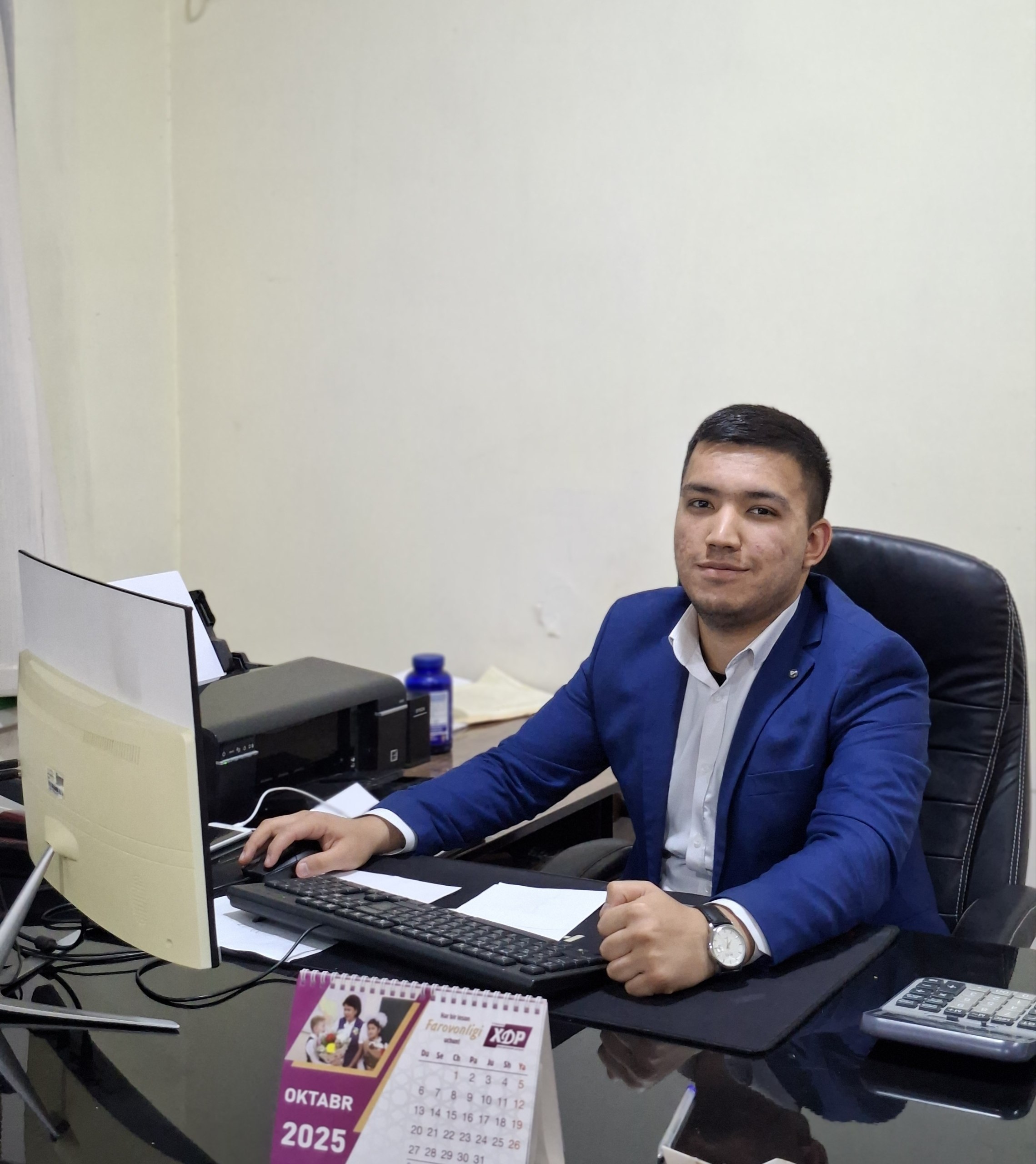
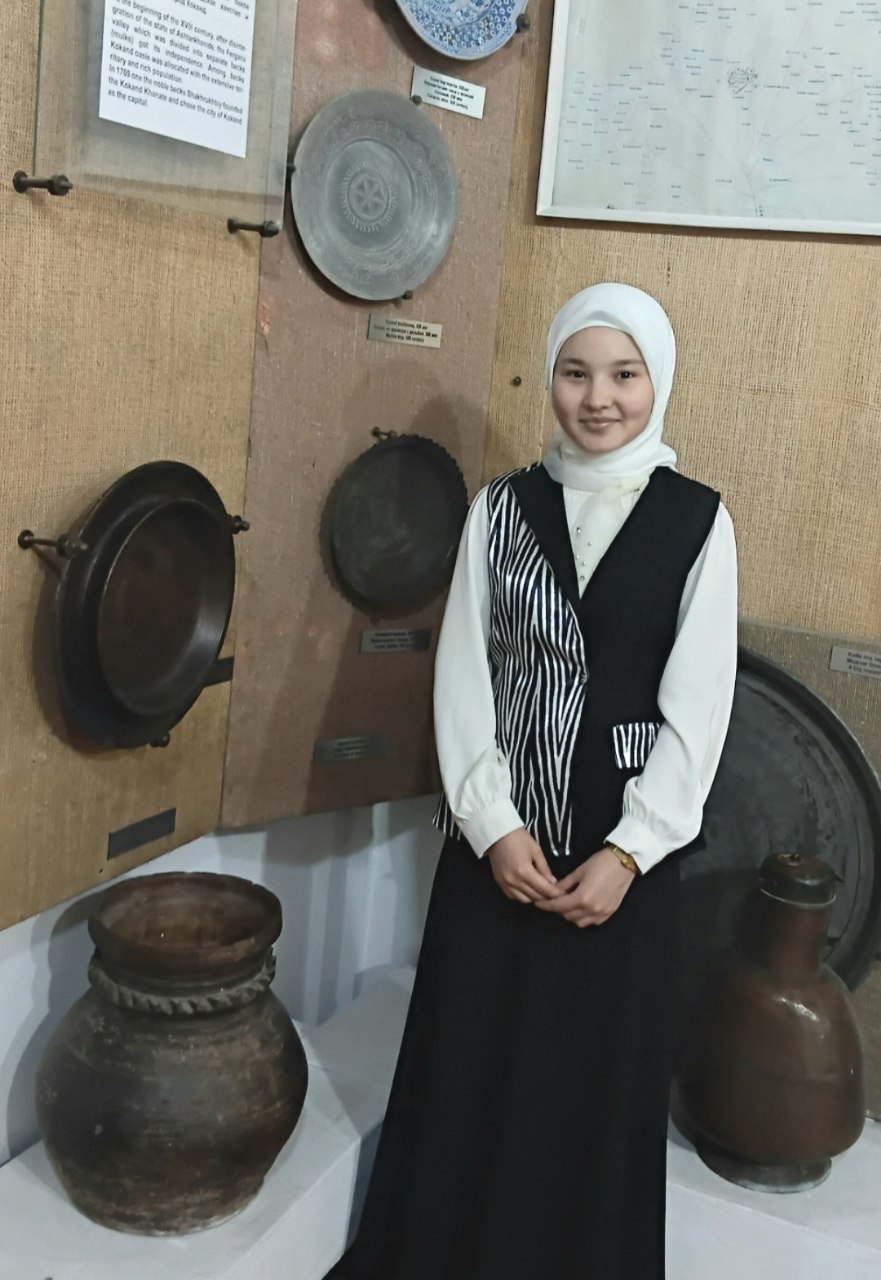
Short story from Abdel Iatif Moubarak

Abdel latif Moubarak
Egypt

“Layla the Nightingale” did not walk on the ground; she floated on red carpets that stretched from Cairo to the capitals of mist and beauty. On those nights, the Grand Opera House would tremble before she even stepped on stage. The scent of luxury incense mingled with her French perfume, a fragrance crafted exclusively for her.


When she raised her hand, thousands fell silent. When she sang, that silence became sacred. The headlines read: “Layla, the Woman Who Stole the Throat of Angels.” She never imagined that this applause, which sounded like winter thunder, could ever fade.
It began with a simple rasp, which doctors dismissed as exhaustion. But Layla knew something was breaking inside. The hoarseness wasn’t just in her voice; it was in her soul. A “young producer” arrived with loud, rhythmic beats, and the public’s taste began to shift.


She told her manager coldly, “The audience doesn’t betray, darling; they are just being temperamental.” But when she stood for her final grand concert, she saw empty seats in the back rows. Those seats looked like black holes waiting to swallow her history whole.
Events accelerated like falling dominoes. A failed marriage to a businessman stripped her of half her fortune before he vanished. Tax cases piled up like dust on her old crowns. She was forced to sell her villa in Zamalek, then her Mercedes—the car the city streets knew by heart.


She moved to a small apartment in a crowded neighborhood, keeping her silk dresses in battered leather suitcases. She still wore bright red lipstick when she opened the door for the electricity collectors, as if she were receiving a press delegation.
The turning point came at a second-rate nightclub where she was forced to sing to pay her rent. She stood under a flickering neon light. She tried to reach that high note that used to shake hearts, but what came out was a strangled, wounded cry—the sound of a dying bird.
A drunkard in the hall laughed and shouted, “Give it up, lady! Your time is over!” The microphone fell from her hand, and there was no one there to catch it.


Two years passed. The phone stopped ringing. The friends who used to crowd her dressing room were suddenly struck by a collective amnesia. Resources dried up, and she was evicted from her apartment.
She walked out with a single suitcase containing one dress encrusted with fake crystals and a few black-and-white photographs showing kings and presidents applauding a woman who looked like her, but whom she no longer recognized.


The street has no mercy for those accustomed to silk carpets. On her first night under the Qasr al-Nil Bridge, she watched the Nile—the river she once sang to as the “Source of Goodness.” Now, the Nile looked like a black beast lurking for the lonely.
She lay on a piece of cardboard and covered her face with an old shawl. She didn’t sleep; she listened to the footsteps of passersby, terrified someone might recognize her… and even more terrified that no one would.


As the months went by, Layla’s features changed. Gray invaded the hair that once shone like a summer night, and the hands that were once kissed in high society became cracked and rough. She became “the crazy woman” who sat by the metro station.
She would sing in a very low voice—indistinct humming. People would drop coins in her lap out of pity for a “beggar,” never realizing that the hand taking the spare change was the same one that had received the highest medals of art.
One day, a luxury car pulled up in front of her. A young singer stepped out—the current “Number One” star. He wore sunglasses to hide his face. He placed a large banknote in her hand without looking at her.


Layla looked at his face and remembered him as a child who was once in her musical troupe. She wanted to call his name, to say, “It’s me, Layla, my son,” but her tongue had grown used to silence, and the pride remaining in her ashes held her back.
On a bitterly cold winter night, Layla felt the curtain was about to fall. She couldn’t feel her limbs, but her throat suddenly regained its old purity. She stood in the middle of the empty street at midnight.


She began to sing her most beautiful song, “Farewell to My Dreams.” Her voice echoed through the alleys of Downtown, powerful and resonant, as if she were back at the Opera. Residents opened their windows in amazement: “Who is this angelic voice in the dead of night?” But Layla wasn’t singing for the living; she was singing for the sky.
In the morning, they found an old woman lying peacefully on the pavement. She was smiling, holding a faded old photograph of a woman glowing under the spotlights.


No one knew who she was. She was taken away in an ambulance as an “unidentified body.” That evening, a radio in a nearby café played her famous song: “I am the one who never dies… I remain in your hearts,” while her body was being laid to rest in a pauper’s grave—far from the lights, and very close to the truth.

Poetry from Ryan Quinn Flanagan

Gorky’s Cathedrals

Cathedrals of the city,

that is what Gorky called the many fire hydrants

he would pass in the street.

Ascribing meaning and texture,

the artist’s eye brought to everything.

I’m surprised surly New York 

never got to him,

always how and when he wished

to see it.

An acrobat 

of such fine delusions.

How far out

do you plan on treading

against the twisting 

tides?

I sit

at the back of the house

wondering how the front 

of the house

is doing

and if this makes me paranoid 

or overly sensitive

in some way 

then you’re counting

porcupines 

instead of

quills.

Net of Lemons

The fridge almost empty again,

it is hard to not grow sour.

A single net of lemons.

Pushed back by better options  

and forgotten on the second shelf.

The yellow netting 

every bit as cowardly and sad

as the failing fruit within.

And I stand over the sink.

Squeeze out the last dried dregs

into the bottom of a single malt glass.

Thrown back without toast.

That deep copper mine way I wince with a pain 

everyone can remember.

Standing

in this change 

room

trying on many 

slim fit shirts 

that don’t fit

as half-naked children

run around 

trying to open 

all the doors

not realizing 

their future 

is just

on the other 

side.

What I love

about 

Detroit 

is that it never 

once

tries to be

Paris,

only itself,

which is all 

we can 

ever 

do.

Sub Par

The submarines are on shore leave. 

Playing a round of golf in checkered pants 

that hide their torpedoes.

The submarines are taller than you would think

when they stand up on end.

Waiting for their turn at the tee.

Looking to break even on a difficult Par 4.

Tiny pencils to keep score.

A friendly wager or two before the 6th green.

While the rest of the submarines are off patrolling the oceans.

With sonar ears and gangly periscope eyes.

Waiting for their shore leave.

An opportunity to hit the links.

Your

life can be in park

even if you don’t drive

that is what

they never tell you

once they get 

around to not telling 

you things.

Steve Jobs 

ate his food raw 

and would always lease a car  

for 6 months 

because anything longer  

required a license and registration  

under California law 

so that every six months 

Steve Jobs would drop off his car 

at the dealership 

and drive a new one 

off the lot  

behind that steering wheel  

that had just been waiting 

for its turn at the helm.

Question

What’s wrong with losing your mind?

You may find it all over again.

And never in the way or place

they told you.


Ryan Quinn Flanagan 
is a Canadian-born author residing in Elliot Lake, Ontario, Canada with his wife and many bears that rifle though his garbage.  His work can be found both in print and online in such places as: Evergreen Review, The New York Quarterly, SynchronizedChaos, Literary Yard, Red Fez, and The Oklahoma Review.

Essay from Muhammadyusuf Kozimjonov

History of Uzbekistan: Stages of Development from Ancient Times to Independence

University of Business and Science, Faculty of History, student of group 22-06, Muhammadyusuf Kozimjonov

Abstract 

This article analyzes the stages of Uzbekistan’s historical development from ancient times to independence. The study examines early states formed in the region, including Sogdiana and Bactria, within the broader context of historical processes. It also highlights the political, economic, and cultural significance of the period of Amir Timur during the medieval era. The research is based on historical, comparative, and source-analysis methods. The findings indicate that the territory of Uzbekistan developed as an important center of civilization across different periods, with a continuous and interconnected historical evolution. The article aims to provide a systematic overview of the key stages of Uzbekistan’s history.

Keywords: History of Uzbekistan, ancient period, medieval period, statehood, Silk Road, culture, independence.

Introduction 

The territory of Uzbekistan has long been one of the key centers of human civilization. Since ancient times, this region has been characterized by the development of advanced culture, science, and statehood traditions. Located in the heart of Central Asia, it has served as a crossroads of various civilizations, states, and peoples throughout history. In particular, the Silk Road played a crucial role in fostering economic growth and cultural exchange in the region.

The history of Uzbekistan can be divided into several major periods: ancient times, the medieval era, the modern period, and the period leading up to independence. Each of these stages has distinct political, economic, and cultural characteristics that significantly contributed to the country’s development. In ancient times, states such as Sogdiana and Bactria emerged, while in later periods, the empire of Amir Timur left a profound mark on the region’s political and cultural life.

This article examines the stages of Uzbekistan’s historical development from ancient times to independence, highlighting the distinctive features of each period based on scholarly analysis.

Literature Review 

The study of Uzbekistan’s history from ancient times to independence is based on a wide range of scholarly works by both local and international researchers. In particular, the works of Vasily Bartold provide a comprehensive scientific analysis of Central Asian history, offering valuable insights into the region’s political and cultural development. Additionally, archaeological research conducted by Sergey Tolstov has played a significant role in uncovering the history of ancient civilizations, especially that of Khorezm.

The contributions of Boris Gafurov are also essential in understanding the historical processes of Central Asia, as his works present a holistic analysis of the region’s development. Furthermore, studies by Uzbek scholars such as A. Askarov and E. Rtveladze have significantly enriched the understanding of different historical periods in Uzbekistan.

For the medieval period, written sources such as “History of Bukhara” by Narshakhi serve as key references. Likewise, the work “Zafarnama” by Sharaf ad-Din Ali Yazdi is an essential source for studying the era of Amir Timur.

In the modern period, research on Uzbekistan’s history has evolved significantly, especially after independence, with new methodological approaches and interpretations. Publications by the Academy of Sciences of Uzbekistan have contributed greatly to reassessing and objectively presenting national history. Overall, the existing body of literature provides a comprehensive foundation for studying the various stages of Uzbekistan’s historical development.

Methodology 

This study employs a комплекс of scientific approaches to examine the stages of Uzbekistan’s historical development from ancient times to independence. The research is based on the principles of historicism and logical analysis, meaning that historical events are analyzed in their chronological sequence and in terms of cause-and-effect relationships.

A comparative-historical method is used to identify similarities and differences between various historical periods and to reveal their developmental trends. In addition, a системatic analysis approach is applied to study the interconnections between different political entities that existed in the region, including Sogdiana and Bactria.

The source-based (historiographical) approach plays a key role in the research. Written and archaeological sources are critically analyzed, including important works such as History of Bukhara and Zafarnama. Furthermore, modern scholarly publications, particularly those issued by the Academy of Sciences of Uzbekistan, are utilized to provide a comprehensive understanding of the topic.

The study also employs methods of analysis, synthesis, and generalization to construct an integrated view of historical processes. This methodological framework allows for a thorough and systematic exploration of the different stages in the history of Uzbekistan.

Results and Discussion 

The results of the study indicate that the historical development of the territory of Uzbekistan has evolved in a consistent and stage-by-stage manner, with each period characterized by distinct socio-political and cultural features. In ancient times, the emergence of states such as Sogdiana and Bactria demonstrates the early formation of statehood in the region. During this period, trade and economic relations flourished, particularly through the Silk Road, which enhanced the region’s international significance.

In the medieval period, the region became a major center of science and culture. The empire established by Amir Timur ensured political stability and created favorable conditions for economic and cultural growth. Significant achievements were made in science, architecture, and urban development.

During the modern and especially the colonial period, the political independence of the region was limited; however, notable transformations occurred in the socio-economic system. Industrialization processes and new administrative structures were introduced, although these changes often served external interests rather than local needs.

On the eve of independence, there was a growing awareness of national identity and a renewed interest in historical heritage. This created the foundation for re-evaluating history and restoring national statehood traditions in the independence period.

The discussion highlights that all stages of Uzbekistan’s history are closely interconnected, with the achievements and challenges of one period directly influencing subsequent developments. Therefore, a comprehensive and systematic approach is essential for understanding the country’s historical evolution.

Conclusion 

In conclusion, the territory of Uzbekistan has long been one of the significant centers of human civilization, with a historical development that has evolved consistently through distinct stages. The emergence of early states such as Sogdiana and Bactria demonstrates the deep roots of statehood traditions in the region. During the medieval period, the era of Amir Timur marked a time of political stability and remarkable achievements in science and culture.

Although later historical periods, particularly the colonial era, had complex and sometimes adverse impacts on the region’s development, the process of national identity formation continued. This process intensified on the eve of independence, laying a strong foundation for the restoration of historical heritage and the development of national statehood.

Overall, all stages of Uzbekistan’s history are closely interconnected, with each period contributing to subsequent development. Therefore, a comprehensive and systematic study of the country’s past is essential not only for academic purposes but also for strengthening national identity and guiding future progress.

References 

[1] V. V. Vasily Bartold, Turkestan Down to the Mongol Invasion. London, UK: Luzac & Co., 1928.

[2] S. P. Sergey Tolstov, Ancient Khorezm. Moscow, Russia: USSR Academy of Sciences, 1948.

[3] B. G. Boris Gafurov, Tajiks: Ancient, Ancient, and Medieval History. Moscow, Russia: Nauka, 1972.

[4] A. Askarov, The Beginning of the Early Iron Age Culture in Central Asia. Tashkent, Uzbekistan: Fan, 1993.

[5] E. V. Rtveladze, Civilizations, States and Cultures of Central Asia. Tashkent, Uzbekistan: Uzbekistan, 2005.

[6] Narshakhi, History of Bukhara. Cambridge, UK: Harvard University Press, 1954.

[7] Sharaf ad-Din Ali Yazdi, Zafarnama. Tehran, Iran: Institute of Oriental Studies, 1957.

[8] R. N. Frye, The Heritage of Central Asia. Princeton, NJ, USA: Markus Wiener Publishers, 1996.

[9] P. B. Golden, Central Asia in World History. Oxford, UK: Oxford University Press, 2011.

[10] C. E. Bosworth, The New Islamic Dynasties. Edinburgh, UK: Edinburgh University Press, 1996.

[11] D. Sinor (Ed.), The Cambridge History of Early Inner Asia. Cambridge, UK: Cambridge University Press, 1990.

[12] J. E. Curtis and N. Tallis (Eds.), Forgotten Empire: The World of Ancient Persia. Berkeley, CA, USA: University of California Press, 2005.

[13] A. Khalid, The Politics of Muslim Cultural Reform. Berkeley, CA, USA: University of California Press, 1998.

[14] O‘zbekiston Fanlar akademiyasi, O‘zbekiston tarixi (ko‘p jildli). Toshkent, O‘zbekiston, 2010.

[15] Sh. Kamoliddin, Ancient Cities of Uzbekistan. Tashkent, Uzbekistan: Fan, 2012.

Essay from Abduraufova Nilufar Khurshidjon kizi

Kokand State University Faculty of Primary and Technological Education Primary Education Department Student 03/25 Group Abduraufova Nilufar Khurshidjon qizi

INTEGRATION BETWEEN PARENTS AND SCHOOL IN THE EDUCATION OF PRIMARY STUDENTS

Abduraufova Nilufar Khurshidjon kizi

Student of Kokand State University 

Scientific supervisor: Usmonova Sofiyakhon Alimovna

Abstract. This article analyzes the importance of cooperation between family and school in the upbringing of primary school students, ways to improve its effectiveness, and the pedagogical foundations of an integrative approach. It is substantiated that the harmony of family and school education is a key factor in the formation of a child’s personality.

Keywords: integration, primary education, upbringing, family, school, pedagogy, cooperation.

INTRODUCTION 

The primary education stage is the most important period in the intellectual and moral development of a person. It is at this stage that the child begins to understand the environment, assimilates social values, and creates the initial foundation for the formation of a person. Therefore, ensuring the integral connection between the school and the family in the upbringing of primary school students is one of the urgent pedagogical problems. The modern education system shows that educational work carried out only within the school framework does not produce sufficient results. With high parental participation and their pedagogical culture, the socialization and personal development of children are more effective. From this point of view, the establishment of integrated cooperation between the school and parents is considered an important factor in improving the quality of education.

 LITERATURE ANALYSIS 

The issue of family and school cooperation in pedagogy has been studied by many scientists. In particular, V.A. Sukhomlinsky in his work “I Give My Heart to Children” emphasizes that the unity of school and family is important in raising a child, and positive results are achieved only when they work harmoniously with each other [1]. A.S. Makarenko, in his pedagogical views, indicates the need to conduct family education in connection with social education. In his opinion, parents should be active participants in the pedagogical process and must cooperate with the school [2]. One of the Uzbek scientists, Q. Yuldoshev, in his scientific works, pays special attention to the role of the family institution in the educational process. According to him, the active participation of parents in the upbringing of primary school students ensures the moral maturity of the child [3]. Also, in the pedagogical research of N. Musurmonova, the connection between family education and school is interpreted as a key factor in the formation of social adaptability in children [4].

METHODOLOGY 

This article uses analytical, comparative and statistical methods. Surveys were conducted among primary school students, their parents and teachers. Based on the results obtained, the level of integration and its impact on educational effectiveness were studied. Scientific literature and advanced pedagogical practices were also analyzed.ANALYSIS AND RESULTS 

The issue of integration between parents and school in the upbringing of primary school students requires a systematic approach in pedagogical science. Theoretically, the formation of a child’s personality occurs under the influence of two main institutions – the family and the educational institution. The harmony or imbalance between these two environments directly affects educational results. According to pedagogical theories, integration is not just cooperation, but also a process of adaptation of goals, content and methods to each other. If the educational influence provided by the school is consistent with the values in the family, a stable behavioral model is formed in the child. On the contrary, if there are conflicting influences, the child will experience internal conflicts. Based on the analysis of scientific literature, the main components of parent-school integration are:

Table 1

Theoretical components of parent-school integration

Components

Content

Impact on educational outcomes

Unity of purpose

Harmony of educational goals

Personal stability is formed

Information exchange

Communication between parents and teachers

The individual characteristics of the child are taken into account

Collaborative activities

Joint activities and educational work

Social activity develops

Pedagogical culture

Pedagogical literacy of parents

Effectiveness of upbringing increases

These components are closely interconnected, and the weakness of one of them reduces the effectiveness of the overall system. For example, if the pedagogical culture of parents is insufficient, the educational work carried out by the school will not be fully supported. Theoretically, as the level of integration increases, the following pedagogical results can be achieved: increased social adaptability in children; stable formation of moral values; increased motivation for learning; development of independent thinking and a sense of responsibility. Such results are explained from the point of view of the theory of pedagogical systems. That is, when the family and school function as a single system, their synergistic (mutually reinforcing) effect occurs. This provides higher efficiency than the simple sum. Integration is also of great importance from a psychological point of view. When two environments that are important for the child – family and school – put forward the same requirements and values, then trust, a sense of security and self-confidence are strengthened. This has a positive effect on its overall development.

         Summary

In conclusion, integration between parents and school is an important pedagogical factor in the upbringing of primary school students. Their mutual cooperation has a positive effect on the comprehensive development of children. The results of the study show that as the level of integration increases, the discipline, interest in knowledge, and social activity of students increase. Therefore, it is necessary to develop systematic measures to strengthen family-school cooperation in the education system.

REFERENCES USED:

1. Sukhomlinsky V.A. I give my heart to children. – Tashkent: Teacher, 1984. – 320 p. 

2. Makarenko A.S. Pedagogical poem. – Moscow: Prosveshcheniye, 1987. – 384 p.

3. Yuldoshev K. Fundamentals of pedagogy. – Tashkent: Science, 2010. – 256 p.

4. Musurmonova N. Family pedagogy. – Tashkent: Teacher, 2015. – 180 p.

Essay from Qurbana Mubinakhon Umidjon qizi

Kokand State University, Faculty of Primary and Technological Education,

Primary Education, group 03/25 student Qurbana Mubinakhon Umidjon qizi

METHODOLOGY FOR DEVELOPING NATIONAL VALUES IN STUDENTS BASED ON FAMILY AND SCHOOL COOPERATION

Mubina Kurbanova Student of Kokand State University

Scientific supervisor: Normatova Madinakhan

Abstract. This scientific article explores the theoretical and practical aspects of developing national values in students based on the cooperation between family and school. The study analyzes the essence of national values, their role in the upbringing of the younger generation, and the importance of effective collaboration between families and educational institutions. Additionally, effective pedagogical methods and practical recommendations for fostering national values in students are proposed.

Keywords: national values, family, school, cooperation, education, student, pedagogical methods, spiritual development.

INTRODUCTION

 In today’s conditions of accelerating globalization processes, educating the younger generation in the spirit of national values is becoming one of the urgent issues. In particular, modern information flows, the interaction of different cultures and changes in the social environment directly affect the spiritual world of students. Therefore, a systematic, coherent and scientifically based approach is necessary in the formation of national values in students, in which the cooperation of the family and school is an important factor. The family is the most important social institution of society, in which the initial worldview, moral norms and values of a person are formed. It is in the family that a child receives his first education, and this process creates a solid foundation for his future life.

At the same time, the school is an important educational institution that systematically continues and develops this process. Therefore, the cooperation of the family and school is an important condition for the effective formation of national values in students. Nowadays, the education system pays special attention not only to imparting knowledge, but also to the upbringing of a well-rounded personality. In this regard, national values are an important social phenomenon formed on the basis of the historical experience, customs, traditions, spiritual heritage and culture of the people, which play an important role in educating the younger generation in the spirit of patriotism, humanity and spiritual maturity. However, practice shows that in some cases, due to insufficient cooperation between the family and the school, the process of forming national values in students does not give the expected results. This creates the need to develop effective pedagogical methods in this area, improve cooperation mechanisms and put them into practice.

LITERATURE ANALYSIS 

The issue of forming national values in students has been studied by many scientists, and the importance of family and school cooperation in this area is emphasized. In particular, I.A. Karimov, in his work “High spirituality is an invincible force”, emphasizes that spiritual education is an important factor in the development of society, noting the need for close cooperation between the family and educational institutions in educating the younger generation in the spirit of national values. According to the author, the process of forming a spiritually mature person is continuous, it begins in the family and is improved through the education system [1].

Also, M. Tokhtakhodjaeva, in her work “Social foundations of education”, considers the process of education in close connection with the social environment. According to her, the family, as the primary educational environment, forms the value system of the individual, and the school develops this process on a scientific and pedagogical basis. The author emphasizes that by strengthening cooperation between the family and the school, national values can be more effectively instilled in students [2]. In the work “Theory of Pedagogy” by pedagogical scientists Sh. Kurbonov and Q. Abdurakhmonov, the issues of systematization and continuity of the educational process are widely covered. In their research, they substantiate that the school alone is not enough to form moral and spiritual qualities in students, but that activities carried out in cooperation with the family lead to high efficiency. In their opinion, the principle of cooperation occupies one of the main places in the pedagogical process [3]. A. Kholikov, in his work “Pedagogical Skills”, analyzes the professional competence of the teacher and his place in educational activities. The author emphasizes that the teacher is not only a provider of knowledge, but also a leading figure who forms national values in students. At the same time, he notes the need for teachers to establish effective communication and cooperation with parents [4]

One of the foreign researchers, J. Epstein, in his scientific works on family and school cooperation (in particular, in the concept of “School, Family, and Community Partnerships”) substantiates that increasing parental participation in the educational process has a positive effect not only on the academic, but also on the social and spiritual development of students. His model shows several levels of cooperation between family and school, through which it is proven that different value systems can be formed in students [5]. 

The analysis of the above scientific sources shows that family and school cooperation is an important pedagogical factor in the formation of national values in students. However, in order to effectively organize this process, it is necessary to develop modern pedagogical methods and approaches and put them into practice.

RESEARCH METHODOLOGY

 This article used a systematic and comprehensive approach to studying the process of forming national values in students. The research process used pedagogical observation, comparative analysis, and questionnaire-survey methods. In order to determine the effectiveness of family and school cooperation, practical experiments and analytical generalization methods were used. Also, qualitative and quantitative analysis methods were used in combination to evaluate the results obtained.

ANALYSIS AND RESULTS

Within the framework of this article, experimental work was conducted to determine the level of formation of national values in students based on family and school cooperation. Students of grades 7-9 of general secondary schools, their parents, and teachers participated in the study. During the analysis, students’ knowledge, attitude, and practical behavior regarding national values were studied. At the initial stage, it was found that students’ concepts of national values were not sufficiently systematized, and in most of them these concepts were formed only at the theoretical level.

This situation is explained by the weak cooperation between the family and the school, the lack of continuity of educational work. As noted in the studies of the pedagogical scientist Sh. Kurbonov and K. Abdurakhmonov, if the educational process is not systematic and continuous, it will be difficult to achieve the expected result. After that, a special methodological program was developed within the framework of experimental work to strengthen family and school cooperation. Within the framework of this program, roundtable discussions with parents, spiritual and educational events, cooperation projects based on the “family-school-student” triad were organized. Also, interactive methods, problem situations and real-life examples were widely used to form students’ attitudes towards national values. In this regard, the model of family and school cooperation put forward by J. Epstein is scientifically proven to give effective results [2].

The results of the research are reflected in the table below:

Indicators

Before experience (%)

After experience (%)

High level

           18

          42

Medium level

           46

         44

Low level

           36

         14

As can be seen from the table, as a result of the experimental work, the level of formation of national values in students has significantly increased. In particular, the high-level indicator has increased from 18 percent to 42 percent, while the low-level indicator has decreased from 36 percent to 14 percent. This indicates the effectiveness of the pedagogical process organized on the basis of family and school cooperation. These results once again confirm the scientific views put forward by M. Tokhtakhodjaeva that “education is inextricably linked with the social environment”. That is, the joint influence of the environment – family and school – is of decisive importance in the formation of a student’s value system [3]. Also, during the study, it was found that regular cooperation between teachers and parents, taking their opinions into account when planning educational work, leads to positive results for students. According to A. Kholikov, as the organizer of the pedagogical process, the teacher must establish effective cooperation not only with students, but also with parents [4]. In general, the conducted analyses show that the educational process organized on the basis of cooperation between family and school is highly effective in forming national values in students. This approach serves to develop not only the level of knowledge of students, but also their spiritual and moral qualities.

CONCLUSION

 In conclusion, the process of forming national values in students requires continuous, systematic and goal-oriented pedagogical activity. In this process, family and school cooperation is a decisive factor, and their harmonious and consistent activity serves to form stable spiritual and moral qualities in the student. The results of the research showed that a methodological approach based on family and school cooperation develops a conscious attitude towards national values in students, increases their social activity and significantly increases the level of spiritual maturity. In particular, effective communication between parents and teachers, joint planning and implementation of educational work are of great importance in achieving high results. It was also found that the use of modern pedagogical technologies, interactive methods and forms of education based on life approaches is important in instilling national values in students. This allows further improving the educational process and increasing its effectiveness. In general, the educational process organized on the basis of family and school cooperation serves as an effective mechanism for the formation of national values in students and is of significant scientific and practical importance in raising a well-rounded, spiritually mature, and socially active individual.

LIST OF REFERENCES 

1.Karimov Islam Abduganievich. High spirituality is an invincible force. – Tashkent: “Ma’naviyat” publishing house, 2008. – 176 pages. 2.Tokhtakhodjaeva Mavluda. Social foundations of education. – Tashkent: “O’qituvati” publishing house, 2010. – 256 pages. 

3.Kurbonov Shavkat, Abdurahmonov Kadirjon. Theory of pedagogy. – Tashkent: “Fan and technology” publishing house, 2014. – 320 pages. 4.Kholikov Abdugani. Pedagogical skills. – Tashkent: “Iqtisod-Finance” publishing house, 2012. – 240 pages. 

5.Epstein Joyce L. School, Family, and Community Partnerships. – Boulder: Westview Press, 2001. – 400 pages.

Essay from Abduhalilova Sevdora Xayrulla kizi

Kokand University Andijan Branch

Faculty of Philology

━━━━━━━━━━━━━━━━━━━━━━━━━━━━━━━━━━━━━━━━━━━━━━━━━

THE ROLE OF PHYSICAL EDUCATION IN THE HOLISTIC DEVELOPMENT OF UNIVERSITY STUDENTS

━━━━━━━━━━━━━━━━━━━━━━━━━━━━━━━━━━━━━━━━━━━━━━━━━

Author:

Abduhalilova Sevdora Xayrulla kizi

Student, Philology and Language Teaching: English Language Direction

sevdoraabduhalilova880@gmail.com

Scientific Supervisor:

Xayitboyev Nabijon Sheraliyevich

Senior Lecturer, Department of Pedagogy, Psychology and Physical Culture

+998998397419

━━━━━━━━━━━━━━━━━━━━━━━━━━━━━━━━━━━━━━━━━━━━━━━━━

ABSTRACT

This article examines the multifaceted role of physical education (PE) in the comprehensive development of university students. Drawing on contemporary research in sports science, psychology, and pedagogy, the study explores how regular physical activity positively influences students’ academic performance, mental health, social skills, and overall well-being. The article also discusses modern approaches to physical education in higher educational institutions, with particular reference to practices in Uzbekistan. The findings underscore the necessity of integrating systematic physical education into university curricula as a strategic educational priority.

Keywords: physical education, university students, holistic development, academic performance, mental health, sports, well-being, pedagogy.

━━━━━━━━━━━━━━━━━━━━━━━━━━━━━━━━━━━━━━━━━━━━━━━━━

INTRODUCTION

Physical education has long been recognized as a fundamental component of a well-rounded education. In recent decades, however, its role within university settings has come under renewed scrutiny as institutions increasingly prioritize academic subjects over physical activity. This shift has coincided with a global rise in sedentary behavior among young adults, accompanied by growing concerns about student mental health, stress, and burnout.

Universities are unique environments in which students undergo profound intellectual, social, and personal transformations. Physical education, when thoughtfully integrated into this environment, offers a powerful means of supporting these transformations. Beyond its obvious benefits to physical fitness, PE cultivates discipline, teamwork, resilience, and leadership — qualities that are indispensable in both academic and professional life.

This article aims to investigate the comprehensive impact of physical education on university students, analyze current challenges in its implementation, and propose recommendations for enhancing PE programs in higher educational institutions, particularly within the Uzbek educational context.

━━━━━━━━━━━━━━━━━━━━━━━━━━━━━━━━━━━━━━━━━━━━━━━━━

LITERATURE REVIEW

Numerous studies have explored the relationship between physical activity and cognitive function. Hillman it al. (2008) demonstrated that aerobic exercise enhances executive function, attention, and memory in young people — capacities that are directly relevant to academic success. Similarly, Ratey (2008) argued that physical activity stimulates the production of brain-derived neurotrophic factor (BDNF), which facilitates learning and neuroplasticity.

From a psychological perspective, research by Biddle and Mutrie (2008) confirmed that regular participation in physical activity significantly reduces symptoms of anxiety and depression among university students — populations particularly vulnerable to mental health challenges. Furthermore, Warburton it al. (2006) established strong links between physical fitness and reduced risk of chronic diseases, emphasizing the long-term public health value of PE in higher education.

In the Uzbek context, scholars such as Toshmatov (2019) and Rakhimov (2021) have emphasized the need to modernize physical education curricula in Uzbek universities to align with international standards while respecting local cultural values. Their work highlights the importance of motivational strategies and student-centered approaches to PE instruction.

━━━━━━━━━━━━━━━━━━━━━━━━━━━━━━━━━━━━━━━━━━━━━━━━━

THE ROLE OF PHYSICAL EDUCATION IN STUDENT DEVELOPMENT

3.1 Physical Health and Well-being

The most immediate benefit of physical education is the improvement of students’ physical health. Regular participation in structured PE classes helps students maintain healthy body weight, improve cardiovascular endurance, develop muscular strength, and enhance flexibility. These physical gains are particularly critical during university years, when many students adopt sedentary study habits and irregular dietary patterns.

University PE programs typically offer a variety of sports and fitness activities — from traditional sports such as football, volleyball, and basketball to modern disciplines like fitness training, yoga, and swimming. This diversity ensures that students with different interests and abilities can find meaningful participation opportunities, fostering a lifelong commitment to physical activity.

3.2 Mental Health and Psychological Benefits

The mental health benefits of physical education are equally significant. University life is fraught with academic pressures, financial concerns, and social adjustments that can lead to elevated stress levels, anxiety, and depression. Physical activity serves as a natural counterbalance to these stressors by triggering the release of endorphins — neurochemicals associated with feelings of pleasure and reduced pain.

Furthermore, PE classes provide students with structured opportunities to disconnect from digital devices and academic obligations, offering a form of active mindfulness. Research consistently shows that students who engage in regular physical activity report higher levels of life satisfaction, better sleep quality, and greater emotional resilience compared to their sedentary peers.

3.3 Academic Performance

A growing body of evidence suggests a positive correlation between physical fitness and academic achievement. Students who participate regularly in PE demonstrate improved concentration, faster information processing, and stronger problem-solving abilities. Physical activity increases blood flow to the brain, enhancing neural connectivity and cognitive flexibility.

A longitudinal study conducted across several European universities found that students who engaged in at least 150 minutes of moderate physical activity per week achieved significantly higher grade point averages than those who did not. These findings challenge the notion that time spent on PE detracts from academic study, suggesting instead that it enhances the capacity for learning.

3.4 Social and Character Development

Team sports and group physical activities are powerful vehicles for social learning. Through collaborative exercise, students develop communication skills, learn to negotiate and resolve conflicts, practice leadership, and experience both victory and defeat with grace. These experiences contribute directly to the formation of character traits that are valued in the workplace and in civic life.

Physical education also fosters cultural exchange and inclusivity. When students from different backgrounds participate together in sport, barriers of language, ethnicity, and socioeconomic status become less significant. This social dimension of PE is especially relevant in multilingual, multicultural university settings such as the Kokand University Andijan Branch.

━━━━━━━━━━━━━━━━━━━━━━━━━━━━━━━━━━━━━━━━━━━━━━━━━

CHALLENGES IN IMPLEMENTING PHYSICAL EDUCATION

Despite its well-documented benefits, physical education in Uzbek universities faces several systemic challenges. First, there is a widespread perception among students and faculty alike that PE is a secondary subject — less important than major academic disciplines. This attitude often results in low student motivation and irregular attendance.

Second, many institutions lack adequate sports infrastructure, including gyms, outdoor sports fields, and specialized equipment. Without proper facilities, quality PE instruction is difficult to deliver consistently. Third, there is a shortage of qualified PE instructors who are trained in modern, student-centered pedagogical methods.

Finally, the growing prevalence of online and hybrid learning models — accelerated by the COVID-19 pandemic — has posed new challenges for maintaining physical activity requirements. Digital education, while offering many advantages, has significantly reduced opportunities for structured physical activity among university students.

━━━━━━━━━━━━━━━━━━━━━━━━━━━━━━━━━━━━━━━━━━━━━━━━━

RECOMMENDATIONS

Integrate PE into the core curriculum with mandatory participation requirements and meaningful academic credit.

Invest in modern sports infrastructure and ensure equitable access for all students regardless of major or year of study.

Provide ongoing professional development for PE instructors, with emphasis on motivational strategies, inclusive pedagogy, and modern sports science.

Leverage technology — including fitness apps, online coaching platforms, and wearable devices — to supplement traditional PE instruction, particularly in hybrid learning environments.

Promote inter-faculty and inter-university sports competitions to enhance motivation, community spirit, and institutional pride.

Conduct regular research and assessment of student physical activity levels to inform evidence-based policy decisions.

━━━━━━━━━━━━━━━━━━━━━━━━━━━━━━━━━━━━━━━━━━━━━━━━━

CONCLUSION

Physical education is not a peripheral addition to university life — it is a cornerstone of holistic student development. By nurturing physical health, supporting mental well-being, enhancing cognitive performance, and cultivating essential social competencies, PE equips students with the tools they need to thrive in an increasingly demanding world.

Universities in Uzbekistan, including the Kokand University Andijan Branch, have a unique opportunity to lead by example in the region by adopting progressive, evidence-based physical education programs. Doing so will not only benefit individual students but will also contribute to the formation of a healthier, more productive, and more resilient society.

Future research should continue to examine the long-term impact of university PE participation on graduates’ health behaviors and professional outcomes, providing an empirical foundation for sustained institutional investment in physical education.

━━━━━━━━━━━━━━━━━━━━━━━━━━━━━━━━━━━━━━━━━━━━━━━━━

REFERENCES

Biddle, S. J. H., & Mutrie, N. (2008). Psychology of Physical Activity: Determinants, Well-being and Interventions (2nd ed.). Routledge.

Hillman, C. H., Erickson, K. I., & Kramer, A. F. (2008). Be smart, exercise your heart: Exercise effects on brain and cognition. Nature Reviews Neuroscience, 9(1), 58–65.

Rakhimov, B. (2021). Modernization of Physical Education in Uzbek Higher Education. Tashkent: Education and Technologies.

Ratey, J. J. (2008). Spark: The Revolutionary New Science of Exercise and the Brain. Little, Brown and Company.

Toshmatov, A. (2019). Student-Centered Approaches to Physical Education in Uzbekistan. Fergana: Pedagogical Press.

Warburton, D. E., Nicol, C. W., & Bredin, S. S. (2006). Health benefits of physical activity: The evidence. Canadian Medical Association Journal, 174(6), 801–809.

World Health Organization. (2020). WHO Guidelines on Physical Activity and Sedentary Behaviour. Geneva: WHO.

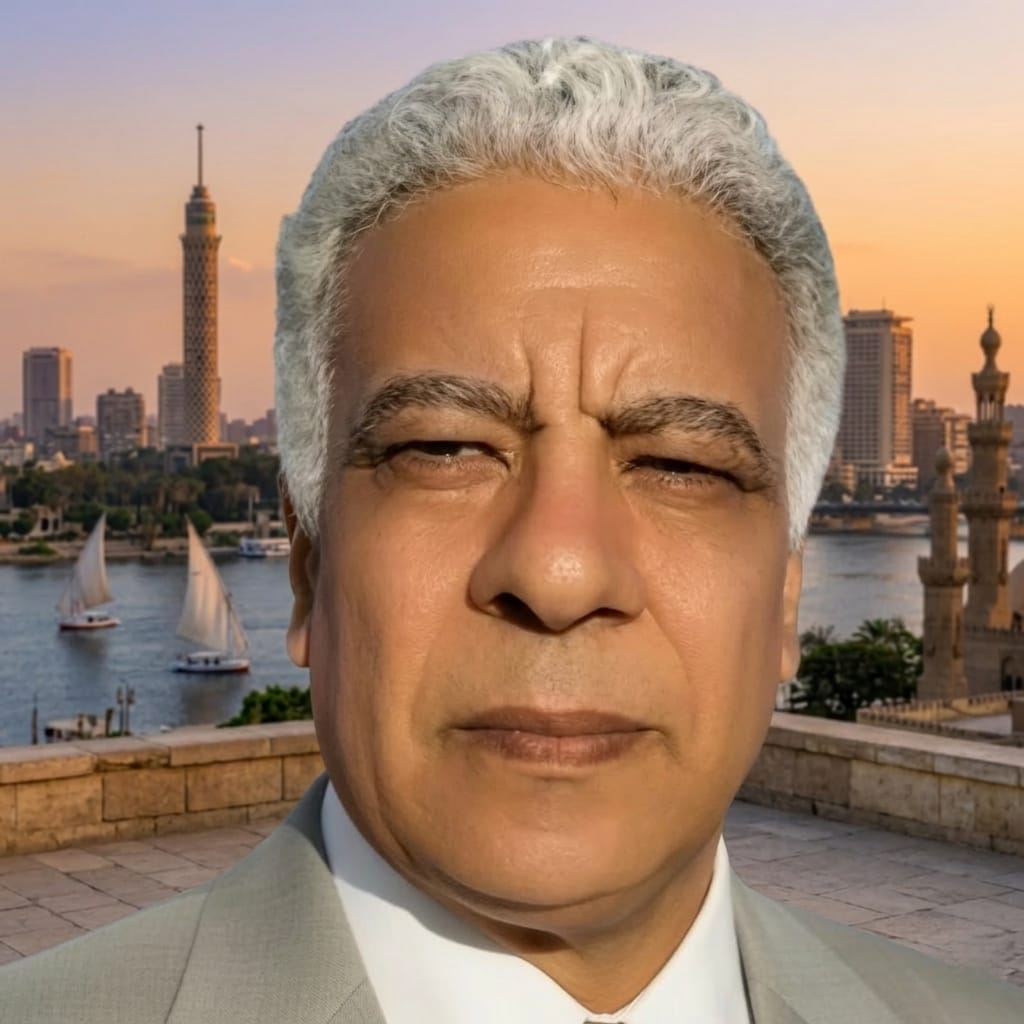
Essay from Isakova Mukhlisa Khusanboevna

ADAPTATION OF STUDENTS’ BODIES TO PHYSICAL LOADS AND METHODS OF SELF-CONTROL

Philology of Teaching English Language, Groups 25–26

Isakova Mukhlisa Khusanboevna

Supervisor: Senior Lecturer Khayitboev Nabijon Sheraliyevich

1st-year student at KUAF University

ANNOTATION

This article examines the impact of regular physical activity on students’ stress levels and academic performance. The importance of physical recreation as a means of preventing emotional burnout during examination periods is substantiated. An analysis of self-control methods and their role in maintaining the body’s homeostasis under intensive mental нагрузки is also presented.

Keywords: physical culture, students, adaptation, psycho-emotional state, hypodynamia, self-control, healthy lifestyle.

The relevance of this topic is обусловлена a sharp decrease in the level of physical activity among modern youth in the context of the digitalization of the educational process. Students spend more than 8–10 hours a day using computers and smartphones, which leads to the development of “muscle starvation” (hypodynamia). This not only weakens the muscular system but also negatively affects the cognitive functions of the brain.

The aim of this work is to study the mechanisms of the influence of physical exercises on the nervous system and to develop recommendations for optimizing work and rest schedules. The research objectives include analyzing the phases of fatigue and identifying the most effective forms of recreation.

MAIN PART

1. Physiological Mechanisms of Stress Reduction

Physical activity activates the endocrine system. During moderate aerobic exercise, cortisol (the stress hormone) production decreases, while the synthesis of endorphins and dopamine increases. This creates a “biological release” effect necessary after prolonged static tension.

2. Prevention of Hypodynamia at University

To maintain performance, it is necessary to introduce micro-breaks (physical exercise minutes) every 90 minutes of mental work. The author identifies three levels of adaptation of the organism to physical нагрузкам:

Immediate adaptation: changes in heart rate (HR) and deeper breathing during exercise.

Long-term adaptation: structural changes in the cardiovascular system and an increase in lung vital capacity.

3. Methods of Objective Self-Control

In order for physical activity to be beneficial, students must possess self-diagnosis skills. The most important indicators include the Quetelet index (BMI) and the Stange test (breath-holding on inhalation), which helps assess the condition of the respiratory system.

It is recommended to keep a “Self-Control Diary”, where the following are recorded:

Pulse rate at rest and after exercise

Subjective well-being (sleep, appetite, willingness to train)

Dynamics of anthropometric indicators

CONCLUSION

In conclusion, physical culture can be considered the only natural antagonist to nervous overstrain. Regular exercise (at least 150 minutes per week) not only strengthens health but also improves working memory capacity and concentration. The formation of a movement culture is not an optional task but a foundation for the successful professional activity of a future specialist.

REFERENCES

Lubysheva L. I. Sociology of Physical Culture and Sport: Textbook for University Students. — Moscow: Akademiya, 2021. — 272 p.

Matveev L. P. Theory and Methodology of Physical Culture. — Moscow: Fizkultura i Sport, 2019. — 544 p.

Kholodov Zh. K., Kuznetsov V. S. Theory and Methodology of Physical Education and Sport. — Moscow: Publishing Center “Akademiya”, 2022. — 480 p.

Vilensky M. Ya. Physical Culture and Healthy Lifestyle of a Student: Study Guide. — Moscow: KnoRus, 2020. — 240 p.