Essay from Brian Michael Barbeito

The Holy Spirit and the Peace Dove and, One Day I’ll Go So Very Far Away

The Mourning Dove, it was there suddenly and stayed and watched me and didn’t go away. I felt right away that it was a sign, an auspicious symbol. A lady I’d been listening to in the canon of near-death experience said that the spirit spoke to her but then when she became part of the world again it would speak in other ways but still be with her. 

I thought that was mystical and inspiring. The day unfolded that way. Good things happened. Many of them. Regardless, if karma and the forces that be allowed it, I thought I’d one day go far away, to another sun, a southern sun, and never, ever come back, for I’d have found a true place. 

It would be an area of the sea and sand, and, being an actual real-life orphan, that would be, as it was before, where my true affinity and allegiance would be found. I would go like an agile and healthy bird across worlds, or a ghost that can tackle any time and circumstance. Verdant palm frond, lapping night tides, the moon observing. The way back to the subconscious and super conscious both. Satori by the sea. Can you see the languid benches that sit forever by the pier feel the placid warm breezes that caress and assuage and even inform? 

Stay, the winds say, for you have come home to bright and delight and the ways that are right. Stay with us, be with us, see with us. For many days and nights, months, and years. Forget the past and know being and feeling again. 

And I’ll silently nod and smile and sigh and accept. Maybe it will be by where that old catamaran abandoned used to sit stationed between the ocean and the inland. Maybe. The sea is an ancient, gnostic, and feral but wise phenomena. The sea knows the answer because the sea knows and can do everything…

~~~

Essay from Brian Barbeito


Pools by the Calm Southern Waters

There were a series of pools and a singer that sang sad love songs, you know, the unrequited thing and such. Many palm fronds verdant swayed just a bit. But there was nobody there, so he was just singing, as if to God or if not God then the air or himself. I got a soda and the lady said there was no charge but the soda I knew was six dollars. She wouldn’t say why there was no charge for me and I to this day wonder. A man arrived beside me and then another and the one talked of boats, baseball, and weather. Some of the things he said were, ‘You can’t even be out here in July after 11:00 am it’s too hot’ and ‘I’ve not taken that boat out in over a year. It’s all a bit of a waste I think.’  I also remember he was upset at his baseball team because things had changed but I didn’t hear all as I swam away due to boredom and restlessness. There was officially speaking no smoking, but he had smoked a cigarette on the sly and put it out in a bit of sand between two paving stones. I drank my cold soda and just looked at the local birds up the way as they stood on labyrinthine paths that disappeared interestingly into distant flora and lawns. The birds also stood on little piers and docks plus wooden bridges that crossed calm southern waters. 

Poetry from Sayani Mukherjee

The poet

The evening melts into oblivion

I saw a soul perched on my skin

Beaded and bubbled in love’s warfare

The greenery is dropped in palettes

Hues of red and crimson joy

The fairies sung in unison

A drama written upon the land of sadness

The holy grail is beamoned with sacrifice

A numberless winged dews of poetry

It has the power to heal any broken soul

The sad demise of mountains high

A melodic death happens afar

The poet is now crowned with victory

Art as it is upon God’s hands.


Synchronized Chaos’ First June Issue: Endurance and Survival

This month, across continents, languages, and artistic forms, these writers and artists illustrate pathways towards personal and cultural endurance and survival. Though their subjects range from war to environmentalism, from mathematics to romance, the works are united by a central concern: how people preserve meaning and dignity while confronting the fragility of life. Together, they create a portrait of humanity struggling not merely to survive, but to transform pain, uncertainty, and impermanence into connection, beauty, and renewal.

The shadow of mortality and conflict appears repeatedly throughout these works. Pat Doyne honors those who sacrificed their lives during wartime, while Elaine Murray similarly forces readers to confront the devastating human consequences of war and the preciousness of life itself. Mohammad Sedigh Haghighi broadens this historical struggle, tracing humanity’s difficult movement toward democracy, liberty, and enlightenment against the forces of ignorance. Danijela Ćuk extends the argument into the present by urging humanity to abandon divisions and pursue peace. Lan Xin connects the larger world to our inner worlds, suggesting that we carry the capacity for both good and evil and that changing our mindsets can change society. Even Hamida Nazarova’s analysis of the works of Abdulhamid Cho‘lpon and Hamza Hakimzoda Niyoziy reveals another battlefield: not military conflict, but social injustice, particularly the suffering and oppression faced by Uzbek women. These works collectively suggest that human progress is measured not by conquest, but by compassion, justice, and the willingness to protect one another’s humanity.

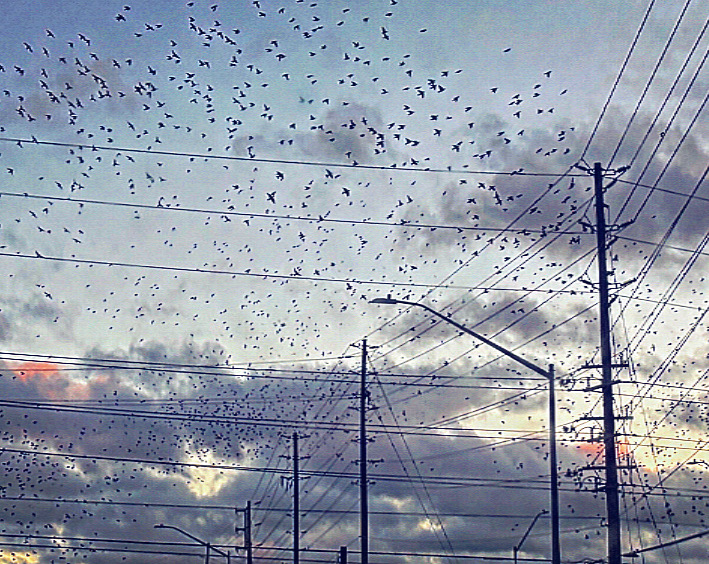
Image c/o Linnaea Mallette

Yet alongside destruction exists resilience. Darren C. Demaree writes of love, grief, identity, and survival, revealing how memory becomes a lifeline through suffering. Madina Asliddinova’s family saga captures the cyclical nature of existence through births, deaths, joys, and tragedies, reminding readers that life is never static but constantly renewing itself through generations. Jacques Fleury teases out themes of individual strength and determination to shape one’s own fate in Boston’s Huntington Theater’s production of Oedipus el Rey. Mai Văn Phấn similarly meditates on cycles of time, nature, suffering, and endurance, portraying resilience as something deeply intertwined with the rhythms of the natural world. Patrick Sweeney’s brief pieces linger in moments of nostalgia and connection, emphasizing how even fleeting experiences can carry emotional permanence. Fiza Amir’s poem transforms romantic loss and regret into gratitude, suggesting that pain can take on meaning through memory and reflection.

Several writers explore the emotional burdens placed upon individuals by society. Jesse Emmanuella Pheebemi’s poetry captures the crushing guilt and inadequacy produced by familial and societal expectations, while Eva Lianou Petropoulou’s poetry depicts a speaker exhausted by constant scrutiny over even the smallest behaviors. Sara Hunt-Florez mourns the loss of childhood innocence when a teenage girl is forced to mature too quickly. Sabina Tursunqulova laments in verse the loss of her childhood. J.J. Campbell presents a complex, introspective, and often melancholic exploration of the human experience. Isaac Aju reflects on how trauma can pull a person away from engaging with the world and quietly into themselves. These works expose how society often pressures individuals into performances of perfection or obedience that diminish authentic selfhood. However, Eva Lianou Petropoulou’s short story offers a possible remedy by insisting that love must move beyond isolation and enter the difficult realities of the world if it is to matter at all.

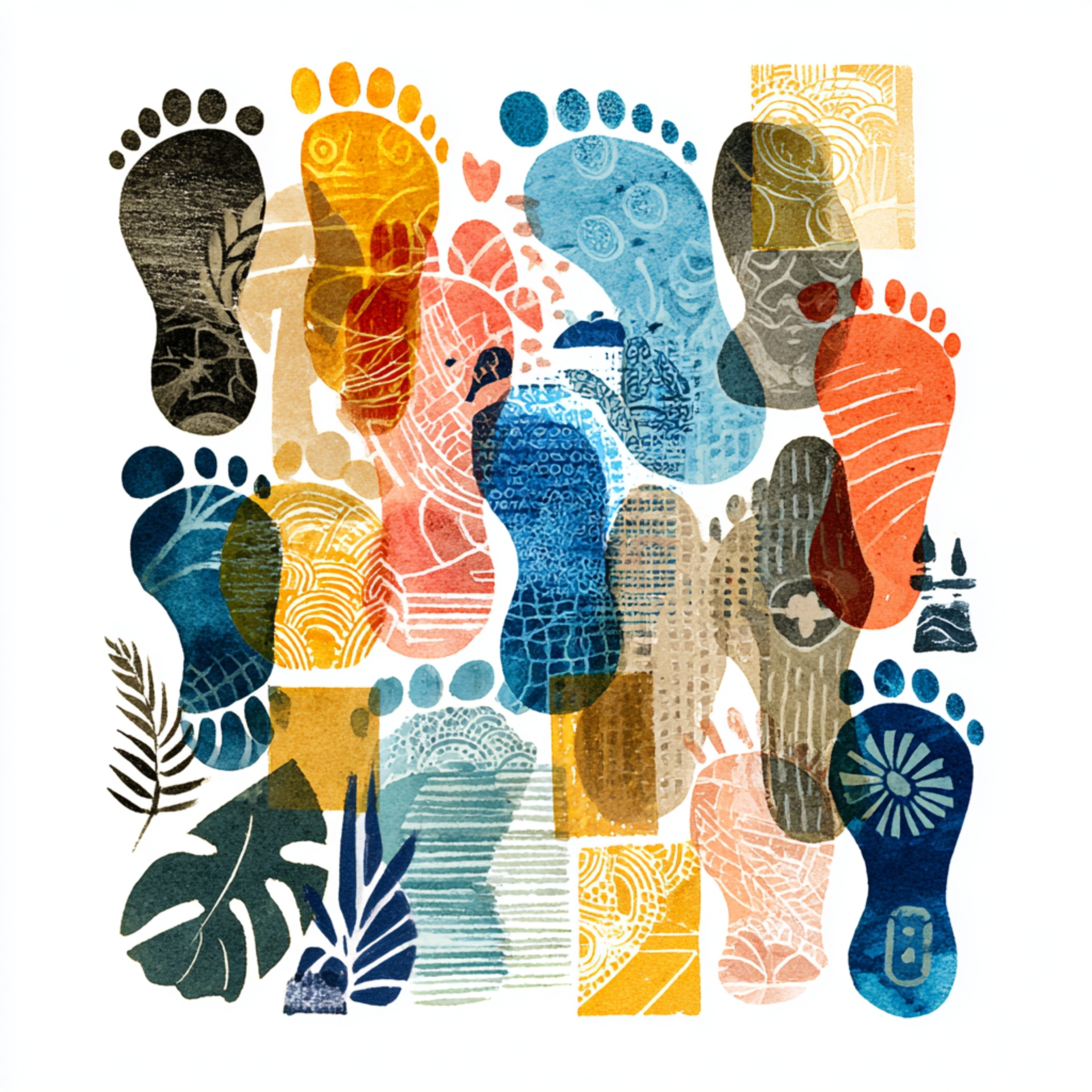
Image c/o Gerd Altmann

Art itself emerges as one of humanity’s primary tools for surviving emotional complexity. In Alex S. Johnson’s interview with avant-garde artist Diamanda Galás, Galás argues that art achieves its greatest power not through raw confession, but through discipline, strategy, intellect, and creative transformation of pain. This idea resonates strongly with Yongbo Ma’s interview with J.D. Scrimgeour, whose reflections on humor, mystery, music, memory, creativity, and community suggest that poetry helps people navigate the emotional contradictions of being alive. Ma Yongbo’s own poetry likewise wrestles with impermanence, mortality, and the search for meaning, while Paul Tristram’s energetic poems connect creativity with mental health and self-discovery. Paul Murgatroyd approaches art through satire and absurdity, using humor and nostalgia to examine entertainment and poetry themselves. Egamberdiyeva Diloromxon Olloberdi qizi analyzes how Uzbek author Tohir Malik explores adolescent psychology. Duane Vorhees adds yet another dimension by exploring the hidden complexity beneath the surfaces of poems, people, and places. Together, these artists insist that art is not an escape from life’s difficulties, but a way of understanding and enduring them.

Questions of language and culture also play a central role in preserving identity. Egamberdiyeva Diloromxon Olloberdi qizi explores themes of patriotism in the works of Uzbek poet Erkin Vokhidov. Rashidova Shohsanam addresses the challenge of protecting the Uzbek language amid youth slang, internet speech, and foreign influences, emphasizing that language carries cultural memory and identity. Giyosova Mohinur Yoqubjon qizi discusses ways to enhance linguistic capabilities of elementary students. Aleksandra Soltysiak’s poetry, translated by Jakub Sajkowski, similarly celebrates the balance between language, identity, nature, and beauty. Ahmedova Zamira Shokirjon qizi outlines the moral and cultural themes in Uzbek poet Alisher Navoi’s work. Italian critic Ivan Pozzoni discusses central themes of Western literary postmodernism. Christopher Bernard’s third installment of his novel Otherwise underscores books’ vital role in free thought and resistance. Fhen M.’s essay on Roger Kimball critiques approaches to literature that reduce art solely to politics or economics, arguing instead for the continued importance of aesthetics and imaginative value. Sevara Matnazarova celebrates the joy and wonder of reading. These works defend culture not as something static, but as a living inheritance requiring care, interpretation, and renewal.

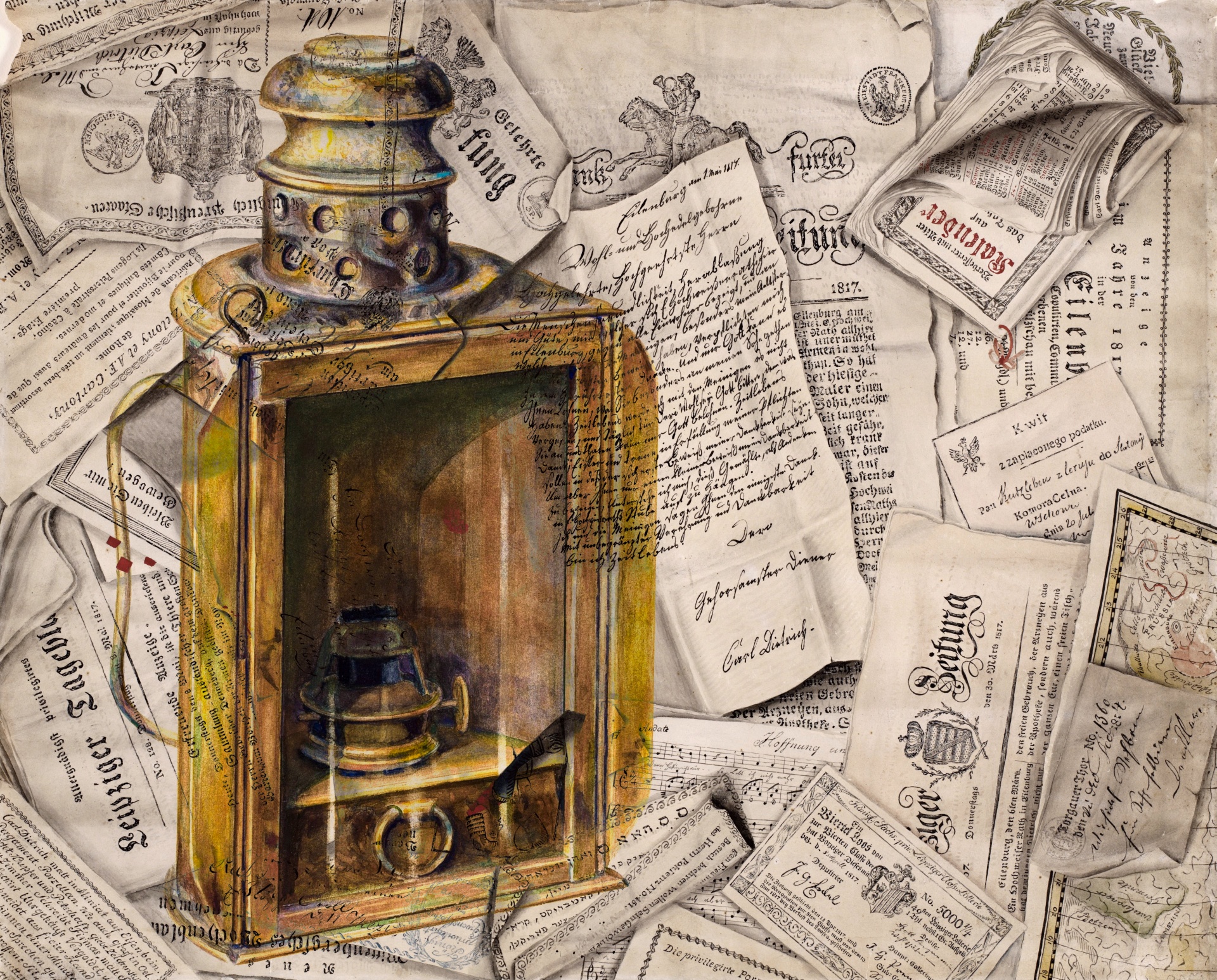
Image c/o Andrea Stockel

Other writers focus on practical pathways toward a better future. Abdusalomova Marjona Jahongir qizi and Egamnazarova Shahina Shaxriyor qizi both emphasize determination and goal setting, presenting perseverance as a crucial force for personal transformation. Asalxon Xasanova learns to develop a realistic attitude towards her personal and academic struggles and to seek improvement where needed. Sobirova Iroda Abdulaziz qizi advocates for financial literacy among Uzbek youth, suggesting that economic understanding empowers individuals and communities alike. Sharifov Sirojiddin Shavkatovich celebrates mathematics as a profound intellectual framework for understanding the universe, presenting reason itself as a form of human achievement. Olimova Muslimaxon Odiljon qizi celebrates the success of her high school’s robotics team in their first competition. Abdumutalibov Islombek discusses students’ use of artificial intelligence technology. Mirzajonova Sabokhon turns to medical science, outlining the of iron in the human body, as does Merojxon Ahliddin qizi Majidova, who discusses treatments for liver and uterine issues. Azizaxon Shodmonova sends in a charming graduation poem saying goodbye to a wholesome elementary school year and to her teachers and classmates. Finally, Eshmurzayeva Jasmina Shodiyor qizi celebrates the new generation of educated, accomplished young Uzbek women. These works suggest that hope is not passive optimism, but active effort guided by education, discipline, and vision.

Environmental awareness forms another major thread uniting these voices. Sabrina O’ktamova discusses restoring the damaged soil of the Aralkum Desert through lichen, transforming ecological devastation into the possibility of renewal. Yeon Myung-Li celebrates a variety of animals after a trip to the zoo, including one who escaped. Timothee Bordenave proposes practical environmental conservation through innovative heating methods, while Jacques Fleury simply but powerfully urges people not to litter. Mark Young’s digitally altered maps of Australian geography blend language and vibrant color into imaginative landscapes, reminding readers that geography itself can become art. Christina Chin’s delicate haiku captures a quiet evening moment, revealing the beauty hidden within ordinary experience. Mushtariybegim Ozodbekova similarly argues that beautiful and well-maintained spaces are essential for human flourishing. In these works, caring for the environment becomes inseparable from caring for humanity itself.

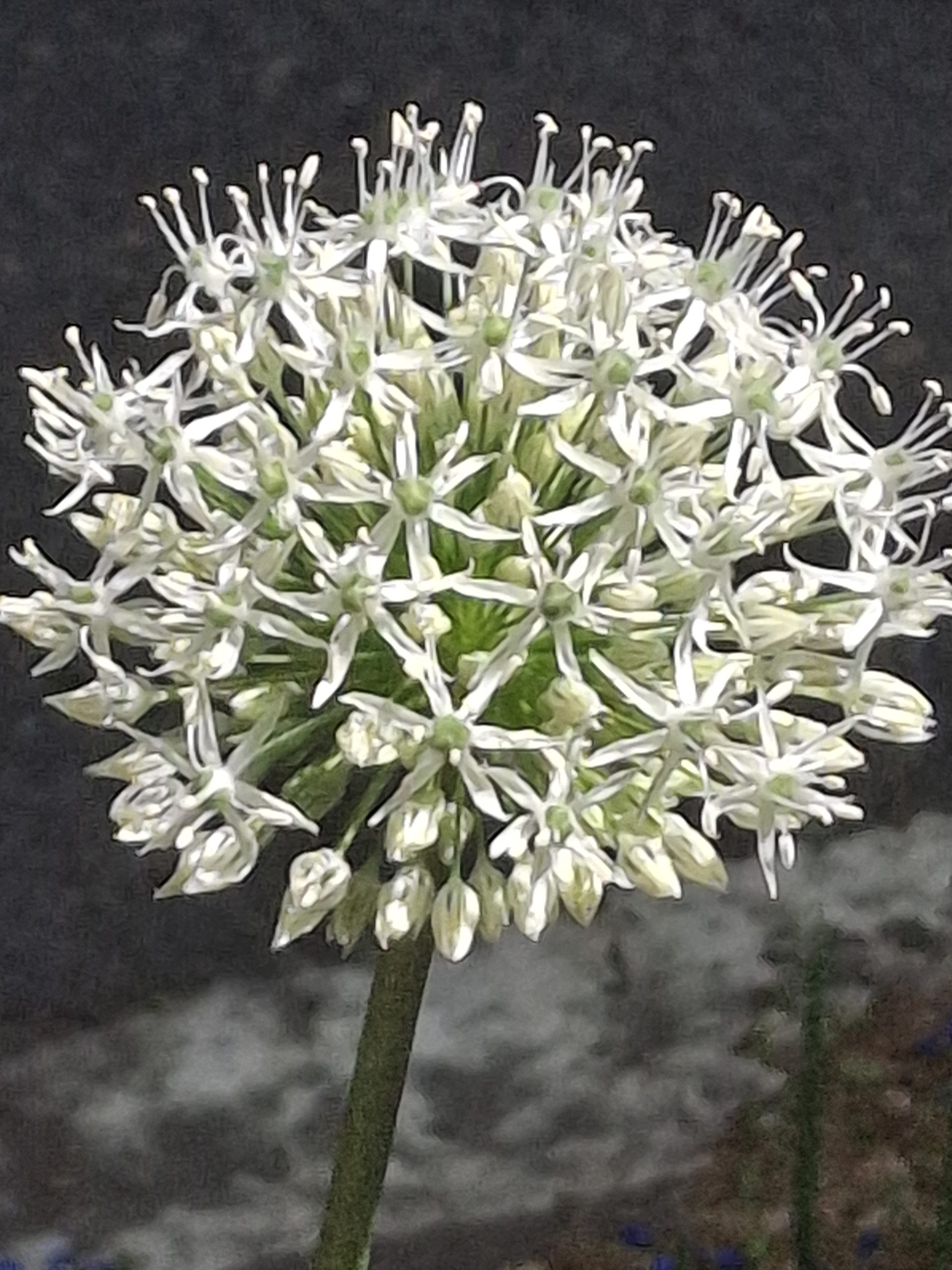
Image c/o Jacques Fleury

Finally, several writers turn toward spirituality, longing, and human connection as sources of transcendence. Soumen Roy reflects on divine presence, interconnectedness, joy, and spiritual awakening, presenting existence as deeply unified beneath apparent separation. Yeon Myung-ji’s imaginative work explores desire, hope, art, and possibility, suggesting that longing itself can inspire transformation. Brent Yergensen’s old-style poem shows a person finding comfort just from the nearness of God. Paul Bavister’s poems look into connection, solitude, change and self-reflection. Jessie Vanderwall presents the depths of loneliness left behind after a great and soul-expanding love. Dr. Perwaiz Shaharyar’s tender invitation to dance offers a smaller but equally meaningful expression of vulnerability and admiration. Even amid grief, conflict, and uncertainty, these works affirm the enduring human desire to reach toward others.

Whether through poetry, criticism, environmental activism, mathematics, storytelling, or cultural preservation, these creators demonstrate that survival alone is not enough. Human beings seek beauty alongside truth, memory alongside progress, individuality alongside community. Across all these works runs the same underlying conviction: though life is fragile and often painful, people possess an extraordinary capacity to create meaning, preserve dignity, and imagine renewal even in the face of impermanence.

Essay from Eshmurzayeva Jasmina Shodiyor qizi

The Path of the New Generation of Uzbek Girls

Uzbekistan is creating broad opportunities for young people. In particular, Uzbek girls are showing an increasing desire to gain knowledge and a strong sense of responsibility for self-development. They are not only mastering modern sciences but are also preserving national values while earning a достойный place in society.

Knowledge and education have always held an important position in the national values of the Uzbek people. Since ancient times, special attention has been given to ensuring that girls are not only well-mannered but also well-educated. This tradition continues to maintain its significance today.

Nowadays, educational opportunities are expanding even further. Girls actively participate in schools and higher educational institutions, achieving remarkable success in various fields. Many girls are learning foreign languages and obtaining international certificates. In addition, they take part in international competitions and become recipients of prestigious scholarships and grants.

As evidence of this progress, one can mention Mushtariy Sharifova, the first Uzbek woman reportedly hired by Tesla. Through continuous learning, dedication, and self-confidence, she achieved significant success on the international stage. Her accomplishments clearly demonstrate the potential and determination of Uzbek girls. Mushtariy Sharifova advises young people: “Never give up on your dreams and always continue working on yourself.”

Despite their young age, today’s Uzbek girls stand out because of their active participation, thirst for knowledge, and ambitious goals. They achieve success in various fields and serve as sources of inspiration and motivation for other young people. At the same time, a unique harmony between tradition and modernity can be observed. While acquiring modern knowledge and skills, girls remain loyal to their cultural values and heritage. In conclusion, today’s Uzbek girls are developing comprehensively by combining education with national values. They are becoming knowledgeable, determined, culturally aware, and spiritually mature individuals. By making effective use of modern opportunities, they contribute significantly to the progress of society. Without a doubt, such active and educated young women are an important force in ensuring the bright future of Uzbekistan.

Eshmurzayeva Jasmina Shodiyor qizi was born on November 4, 2009, in the Kashkadarya region of Uzbekistan. She is currently a 10th-grade student at School No. 185 Tashkent. She also holds a CEFR English language certificate.

Poetry from Azizaxon Sherzod qizi Shodmonova

My Eleven Years That Will Never Return

The sound of the final school bell rang,
Touching the deepest strings of my heart.
Today, the cheerful melody of childhood
Has sworn to make us shed tears.

Look, silence rules the corridors,
Every corner is filled with memories.
Today, sorrowful tears fill our eyes,
As distant horizons call us forward.

The dreams we shared while studying together,
The playful mischief we made together…
Now all those questions remain unanswered,
And those times have turned into longing.

Teacher, I bow before you in respect,
I placed your pearls of wisdom in my heart.
If my words ever hurt you unknowingly,
Please forgive me, for today I cried so much.

Every single letter you taught us
Will guide us through the journey of life.
You devoted your years for our sake,
And now your sons and daughters will miss you.

Looking at our classroom one last time,
My heart aches and cries from within.
Tears slowly roll down my face,
I do not want to leave this beloved home.

Farewell, my dear friend and classmate,
I wish to rest my head upon your shoulder and cry.
I grew up with you, I matured with you,
Today, grief and sadness pierce my heart.

Do not cry, my classmate, do not cry now,
No one can escape what fate has written.
Our youth has come to an end here,
But the memories of school will never die!

Azizaxon Sherzod qizi Shodmonova was born in 2008 in Qarshi district, Kashkadarya region, Uzbekistan. Currently, she has earned the honorable title of a university student ahead of schedule and is studying at the Uzbekistan State World Languages University.

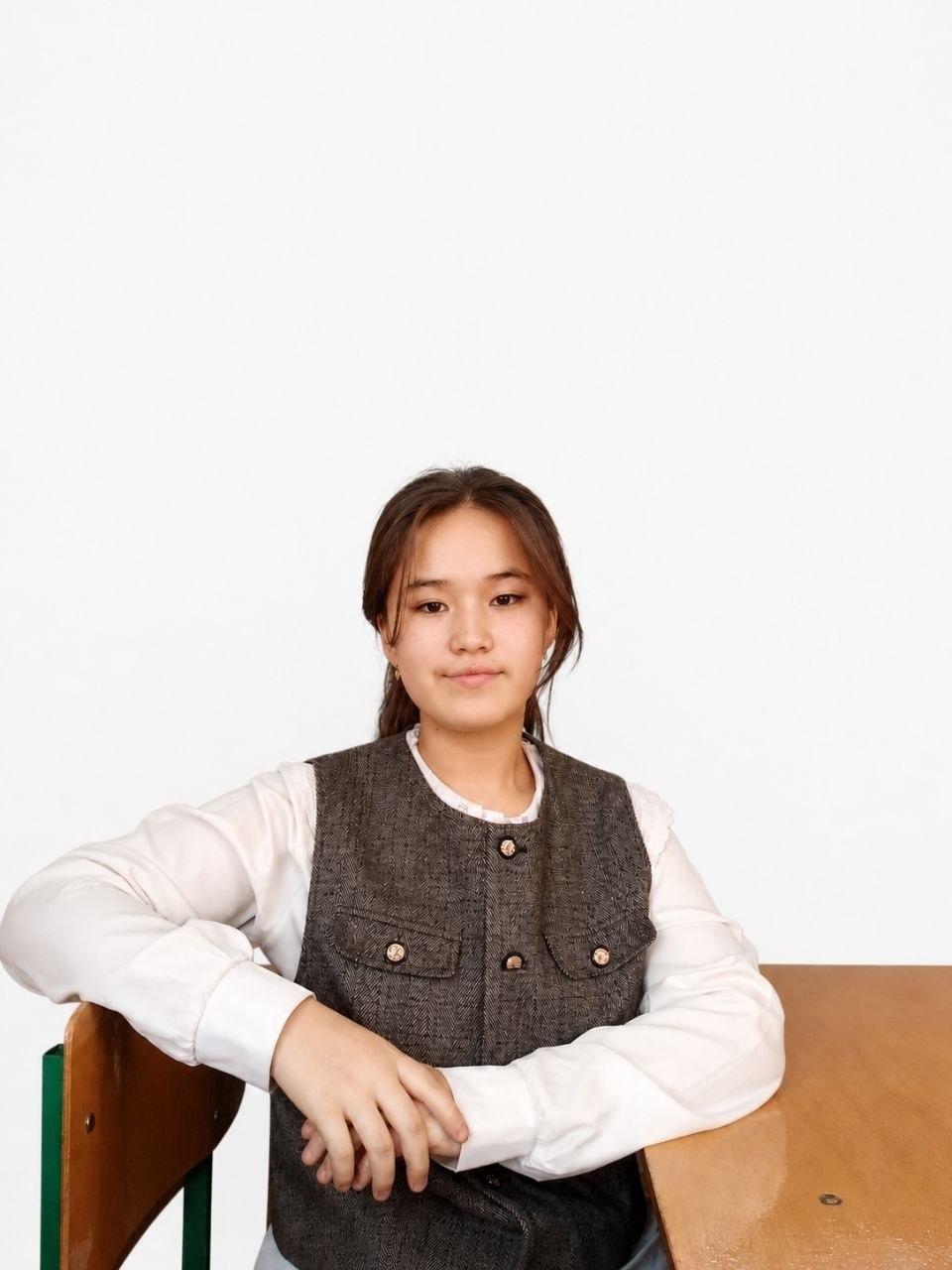
Essay from Asalxon Xasanova

TO HELL WITH POSITIVITY!

​“For years, we’ve been told that positive thinking is the key to a happy, successful life. Not anymore. To hell with positivity!”

Mark Manson

​Everyone goes through adolescence, and right now, I am navigating this exact phase of life. We all know that teenage years come with a wave of hormonal changes, so I won’t dwell too much on that. It is a time when everyone struggles and experiences a certain degree of emotional pain.

​As I grew older, my responsibilities multiplied: household chores, studies, language learning, and, most importantly, family issues. This is the period when a person is tested the most, and knowing how to make the right choices becomes vital. However, there was a time when I completely lost interest in everything. I couldn’t focus on my studies, I felt disconnected from the world around me, and I became utterly indifferent to my own future. The underlying reason was simple: I had turned into a “coward.”

​Everything began piling up at once. Schoolwork, especially language learning, became incredibly overwhelming because I had reached the most critical and decisive stage — preparing for the “IELTS” exam. Ironically, the very process I had been anticipating so eagerly turned out to be daunting and complex in reality. Unwilling to fight through the difficulties and feeling lost, I chose to escape from my problems… and I began mindlessly scrolling through Reels for temporary hits of dopamine.

​No matter how much I tried to force myself to think positively or justify my slacking, the anxiety and inner turmoil kept eating away at me. My peers seemed so much more fortunate and successful than I was. It felt like they could achieve anything, while I, in my own eyes, had become utterly useless. So, what did I do next? I decided that I simply refused to go on living as a useless member of society!

​I committed to a radical change. I had always enjoyed reading, but this time, in an effort to understand and discover myself, I turned to self-development literature. I opened the “Mutolaa” app and browsed through the personal growth section. The first book that caught my eye and instantly drew me in was The Subtle Art of Not Giving a Fck*. It perfectly matched my state of mind. As I read, I began questioning the values I had always blindly accepted as true. I threw toxic positivity out the window and learned to embrace “negative thinking” — or rather, looking reality square in the eyes.

​Surprised, aren’t you? You read that correctly: I learned to accept the truth for what it is. The more clearly a person can see their own shortcomings, the more they grow, the more real solutions they find to their problems, and the wider their worldview becomes. I put this into practice.

​For instance, I was struggling significantly with English Writing (essays). It was a painful sticking point for me. I analyzed the situation brutally, asking myself: “What am I doing wrong? Why does this feel so impossible?” I realized two things. First, my vocabulary was insufficient. Second, even when I did manage to write an essay, I was terrified to re-read it because I was scared of making mistakes. And why was I so afraid of making mistakes? Because I dreaded being criticized by my teacher. But one day, I conquered all my fears and simply read what I had written, then handed it over to my teacher. My teacher simply corrected the errors, and that was it. In that very moment, I realized that you just have to start without fear. I had been making a mountain out of a molehill.

​Not everyone can solve their problems independently; many prefer to simply run away from them. I was no exception. I used to try to avoid thinking about even the smallest issues, but deep down, I knew they were draining me every single day. Eventually, I resolved to face them all. Most of my anxieties revolved around my future: “Will I get a high IELTS score? What about the SAT? Will I get accepted into prestigious universities in the US?” These questions spun in my mind like a non-stop carousel.

I tackled these issues by prioritizing the most fundamental ones.

Problem 1 & Solution: Why don’t I always speak fluently and flawlessly in English?

Solution: I realized I had been speaking mechanically. My mindset was basically, “I need to talk, I am talking, so that’s enough.” I wasn’t bringing the same freedom and emotion to English that I naturally use in my native language. The next time I spoke, I infused it with emotion just as I would in my native tongue, and I discovered it became significantly easier.

Problem 2 & Solution: Why did my closest friend betray me?

Solution: In reality, labeling them as my “closest” friend was flawed from the start. A person’s ultimate confidants are only their family and God. My friend hadn’t betrayed me; they had simply made a new friend, built a closer bond with them, and chosen to trust them. They shared their thoughts with them. This is a completely natural human dynamic. Because I had viewed them as my “irreplaceable” friend, I felt like a victim who had been stabbed in the back. The truth is that everyone has the right to choose their friends and confidants, and you cannot force anyone’s affection. Accepting this changed my perspective entirely. The situation wasn’t a tragedy, and I was not a victim.

​Conclusion

​In conclusion, I realized that during my teenage years, I had been exaggerating minor setbacks and artificially shaping myself into a “victim.” This victim mentality provided a temporary cushion and a false sense of dopamine, making it feel like my problems weren’t my fault. But please, do not make the same mistake!

​No matter what challenges you face, whether you are to blame or not, the responsibility and accountability ultimately rest squarely on your shoulders. Always look at situations with a realistic, critical eye and filter your thoughts. Do not run from your problems; solve them. Do not fear losses, and start working for your future today. No one is going to hand you success on a silver platter. You must always strive to reach every single milestone through your own hard work!

​Finally, I would like to express my deepest gratitude to Mark Manson, the author of the book that entirely transformed my outlook on life, and I highly recommend that you pick up a copy and read it too.