
"See How We Fell"

See how we fell without knowing...
Years ago, ago, ago...

Blowing air through the barrels of our nostrils,
singing songs surrounded by walls of people.

Pounding drums and plucking electric guitars,
roar of low heavens in our ears...

Hollywood movies bulging our eyes full,
then drugging them almost shut.

Dancing circles of crowds flaunting,
nights dark with flashing bed escapades...

Too young to know
down the hall hospitalizations...

Stumping our barefoot dreams and schemes,
mind murdering those we seldom thought of...

Dead toads on the road smashed
and dried behind the high school auditorium.

Always wishing for true love
and marrying a saint we didn't deserve.

Babies crying in the middle of night.
Sending them to school in a blink of shock.

Working 2 jobs into old age,
wishing for a reboot with bags under our eyes.

The world becoming chaos in a diaper.
The dollar becoming acid in our pockets.

The only way out has always been before us.
A prayer of grace with unending tears, tears,
tears....
Kahlil Crawford reviews Jeff Deutsch’s title ‘In Praise of Good Bookstores’
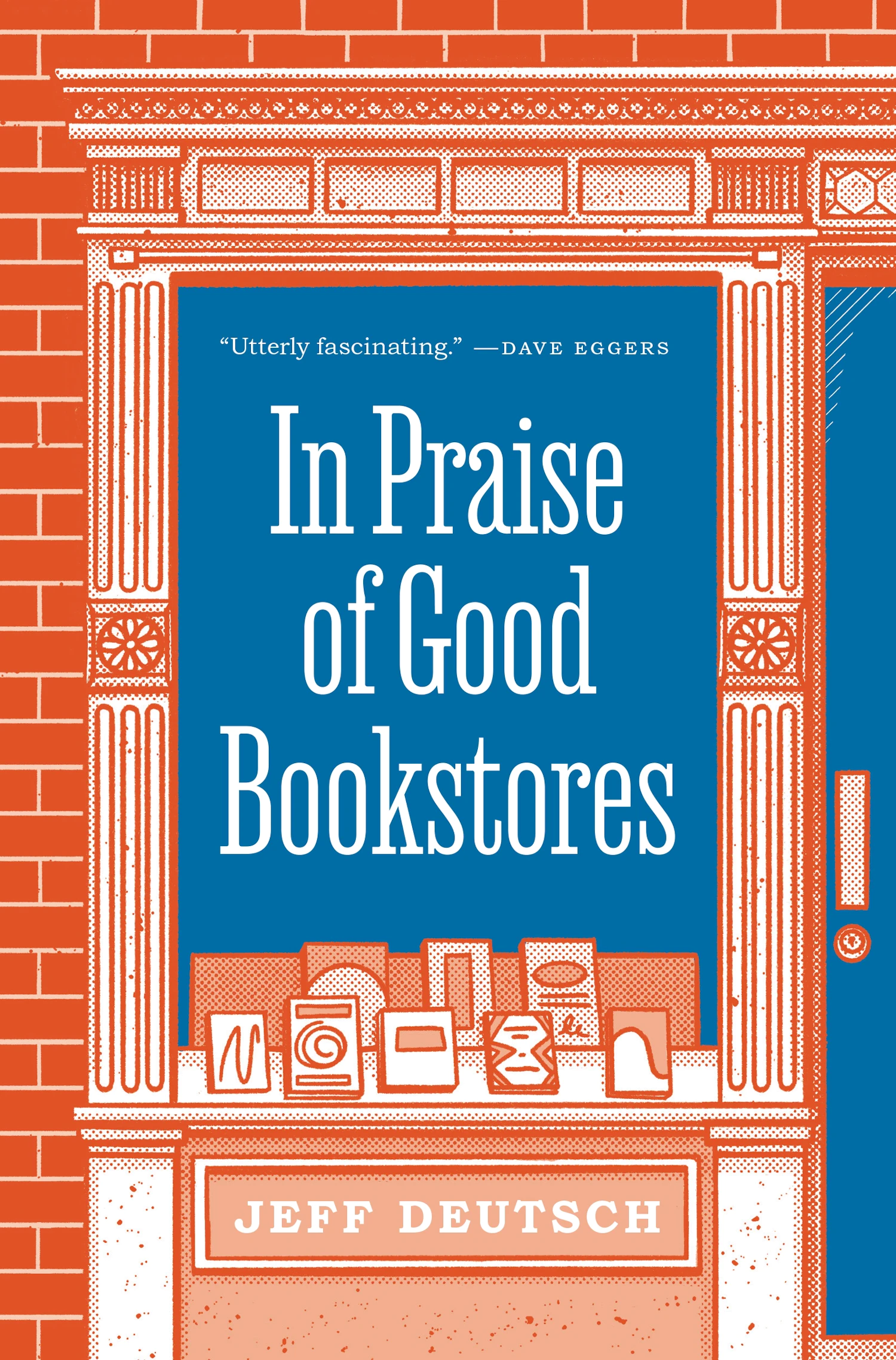
“The bookstore is a haven for the heterodox.”
Whilst chronicling the history of professional bookselling and book buying, and drawing from the chevrusas (study groups) of his Hebrew youth, Jeff Deutsch passionately advocates for himself and his fellow booksellers (or les levreurs de livres) as essential in this century.
He wisely circumvents Amazon-bashing when establishing his case for a better-developed bookselling culture, which would entail a non-retail approach to selling books. Perhaps best articulated as one that would “rebuild deliberately what had first developed organically in response to the limits of space.”
Jeff aptly distinguishes between “serious” and casual book-browsing, as “exceptional bookstores both reflect and create their communities.” He postulates that the “good” bookstore “is about interiority” as he guides us through the existentiality of bookstore design and architecture:
“…the shape of the bookstore operates…akin to a literary form.”
Jeff offers several anecdotes to what this form looks like. My favorite is the bookstore as zuihitsu (following the brush); or is it ēnso – a freeing of the enlightened mind to let the body create? If so, humanity has severely underestimated the value of the bookshop for centuries now, which can explain the subpar human condition.

According to Jeff, selective uniquity is rampant in the book-buying culture. He reminds us that “book discovery…is a highly individualized endeavor” leading us to an anticipated future immersed in literary utopia. This zen and/or rapture of book browsing involves searching “the millions of grains through sheets of interrupting water.”
Yet like a book, Jeff suggests, “the imagination is…portable”. It can be postulated that the bookstore is where the two meet and, with a purchase, marry. This marriage of the “life of the mind” is sanctified and consummated by the creative ritual of book browsing.
If a book is portable why, then, does a bookstore pose “a problem of space?” Perhaps it is because books are an illusion. Oftentimes books possess the knowledge we already have within ourselves, which would qualify them as a sort of trompe l’oeil (trick of the eye). When we physically see what we already know, we feel confirmed. That is, perhaps, the greatest attribute of the book.
If the bookstore is a haven for the heterodox, what, then, is the library? Jeff hints that it can be a kind of prison for books from which the book lover must rescue them. This makes sense. A “lost” book can remain on the shelf for millennia without ever being acknowledged save from the occasional dusting alongst its spine. Bookselling, on the other hand, serves as a filtration process to provide the book buyer opinioned “essentials” within the great ocean of books (i.e. great books).
~Kahlil Crawford
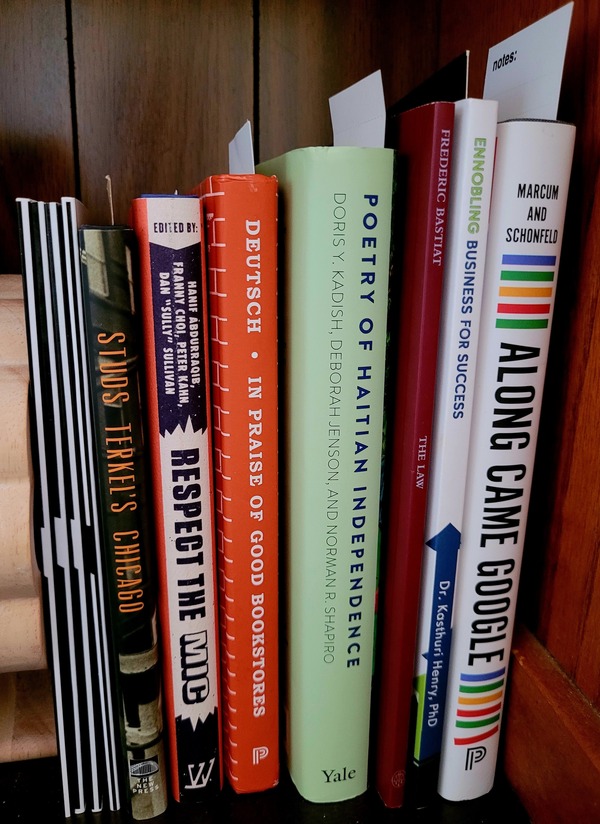
Jeff Deutsch’s In Praise of Good Bookstores is available here from Princeton University Press.
Poetry from John Culp
+


Life bond anneal
Reminders of Breath

           Let  eyes  awaken !

And  I drop to feed the Stars

      I  Know
          with  Heart Beats
                Rhythms   on  Song
No mission is Left unattended
                       as  Spirit  rises

        Like  no  time  Before
              Dreams meant nothing
                        until now
        My forgotten Sight
                 Knows  no  Bounds
Falling Backwards to the unseen
                              Yet expected
                      Blissed  Out !
         willing  to  stop

    drawn through shielded flames
       toward Stars in a quiet night
                      and   Home   again .

Lets be       As the greatness melts
moist in the life of new Beginning

                                                                ...


     by  John Edward Culp
        January 20, 2020
Cristina Deptula reviews Chimezie Ihekuna (Mr. Ben)’s book The Broken Mirror
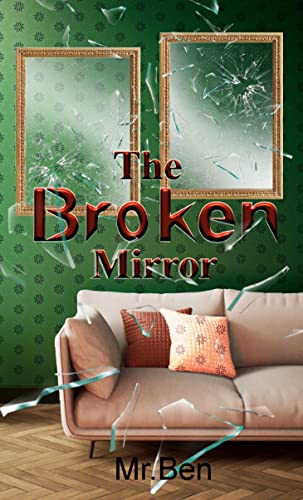
Chimezie Ihekuna (Mr. Ben)’s short dramatic novella The Broken Mirror explores the intergenerational loss of self that can result from abuse and broken family relationships. The conflict between two Nigerian immigrant twin sisters, Shade and Joke, involves Shakespearean twists and devices as characters destroy those who were once closest to them.
While each person is responsible for their own actions, the choices they have are impacted by those of the others around them. The book kicks off with a vicious argument between husband and wife Bode and Cynthia that results in Bode beating Cynthia badly enough to send her to the hospital and her filing for divorce. Soon, though, we see that Bode himself was a victim, unemployed due to a conspiracy of dishonest coworkers.
Rather than excusing characters’ actions by implying they are the result of impersonal societal forces, this book gives even greater importance to the need for each character to act as ethically as possible, because their actions have the potential to impact even those beyond their immediate circle.
The short length of this book means that the settings – homes, hospitals, and workplaces in California over the past several decades – and the physical action are described quickly. This leaves some things up to the imagination and gives the book the feel of a stage play.
Overall, Chimezie Ihekuna’s The Broken Mirror builds high suspense as we watch the drama unfold towards its tragic conclusion. It’s readable in one sitting and also suggests through the title and the literary device of identical twin characters that when we choose to harm others, we destroy not only the others, but parts of and reflections of ourselves.
Chimezie Ihekuna/Mr. Ben’s novella The Broken Mirror can be ordered here.
Stories from Lorena Caputo
CARNAVAL’S MORN
I am awakened by an explosion & a faint flash of orange light.
& the successive blast of rocket after rocket shakes these four-a.m. streets.
Gunpowder smoke drifts down the main avenue towards the pier.
Nearby, at a makeshift stall, men sit drinking beers.
They yell in English at this foreign lady up on the hotel balcony of termite-gnawed wood.
She ignores them.
A weak shaft of light shines out from her room.
The stall owner sprawls in her chair.
Her blue dress stretches across splayed knees.
Her closed-eye head rests on an upturned hand.
Cumbias flow from a jam box, gentle wash of waves behind them.
After the last reverberation of the last rocket fades, a marimba begins playing up in that central park.
~ ~ ~
Several hours later, morning dusk washes over the gulf, the islands, the shoreline.
The rose-colored full moon fades.
On the corner of the pier avenue & Calle Marina, a person lies stretched in a hammock strung under a palm-thatched porch, unawakened, unmoved by the loud voices of those men who are still drinking.
A couple hurries down that long pier to where others await a panga for the mainland.
Soon one leaves riding deep in the leaden water.
The buzz of the outboard motor fades with its distance.
Twittering birdsong fills the sparse-scattered trees.
The distant landscapes clear.
CROSSING THE ISTHMUS
I.
We escape the banana plantations
& enter mountains
Stilted homes of
cane slat, palm thatch
nestle into the folds of
The land carpeted with
bamboo, ficus, palms &
flamboyant flame-colored flowers
In this sear noon sun
clothes hang on lines
Wending now & again
glimpsing below a plain &
Bahía Almirante
Near San Agustín a cemetery
of nameless same white headstones
deeply carved with numbers
Then on the heights
above that bay &
its islands
II.
Into the cordillera
that is the spine
of this country
Serpentining
a river serpentines
through the jungle
Serpentining
past small cattle ranches
A mother & her children
walk under a large umbrella
Serpentining serpentining higher
these mountains
the trees tower
Deep valleys in patched
shadow & sunlight
Broad ríos meander
a swift roadside waterfall tumbles
The air is cooler
clouds descend on peaks
III.
& dimly on the horizon
sabanas stretch to
a lacey coast
wending wending
down into warmer air
Away from the clouds
towards the
Pacific Ocean
FROM SHORE TO SHORE
When we leave the south side of Isla Santa Cruz, the light rain still falls.
And into the highlands, the misting fog heavy. The scent of escalesia and lichen-draped palo santo is so faint – like a fading watercolor in this garúa.
To the twin craters of this island’s volcano, heading north. Here, the sky is sun-cleared, sun-dried. The landscape a bit more sere, less green – but much greener than when I came three months ago. And on this side, the earth is free from the hand of man. We are ascending, drying. Then, descending to Canal de Itabaca which separates this isla from the island to the north.
Outside this bus window, I watch for the gentle giant, the Galápagos tortoise, who – at times – wander to this highway, watching the humans come, the humans go in their metal shells.
That channel is now visible, a broad blue ribbon draping the northern coast / shore. To the west the Daphnes, Mayor and Menor, dot the sea. On the distant horizon is a large, hazed island, perhaps Santiago.
And on the shore of that canal, I watch small dory fish swim this way, that way, above larger, blue-bellied fish. Across the turquoise water, several frigatebirds soar above the rough, red-lava cliffs streaked with guano. A great blue heron wades along on the shore green-laced with mangrove.
Lorraine Caputo is a wandering troubadour whose writings appear in over 400 journals on six continents, and 23 collections – including In the Jaguar Valley (dancing girl press, 2023) and Caribbean Interludes (Origami Poems Project, 2022). She also authors travel narratives, articles and guidebooks.
Her writing has been honored by the Parliamentary Poet Laureate of Canada (2011) and thrice nominated for the Best of the Net. Caputo has done literary readings from Alaska to the Patagonia. She journeys through Latin America with her faithful knapsack Rocinante, listening to the voices of the pueblos and Earth. Follow her adventures at:
www.facebook.com/lorrainecaputo.wanderer or http://latinamericawanderer.wordpress.com.
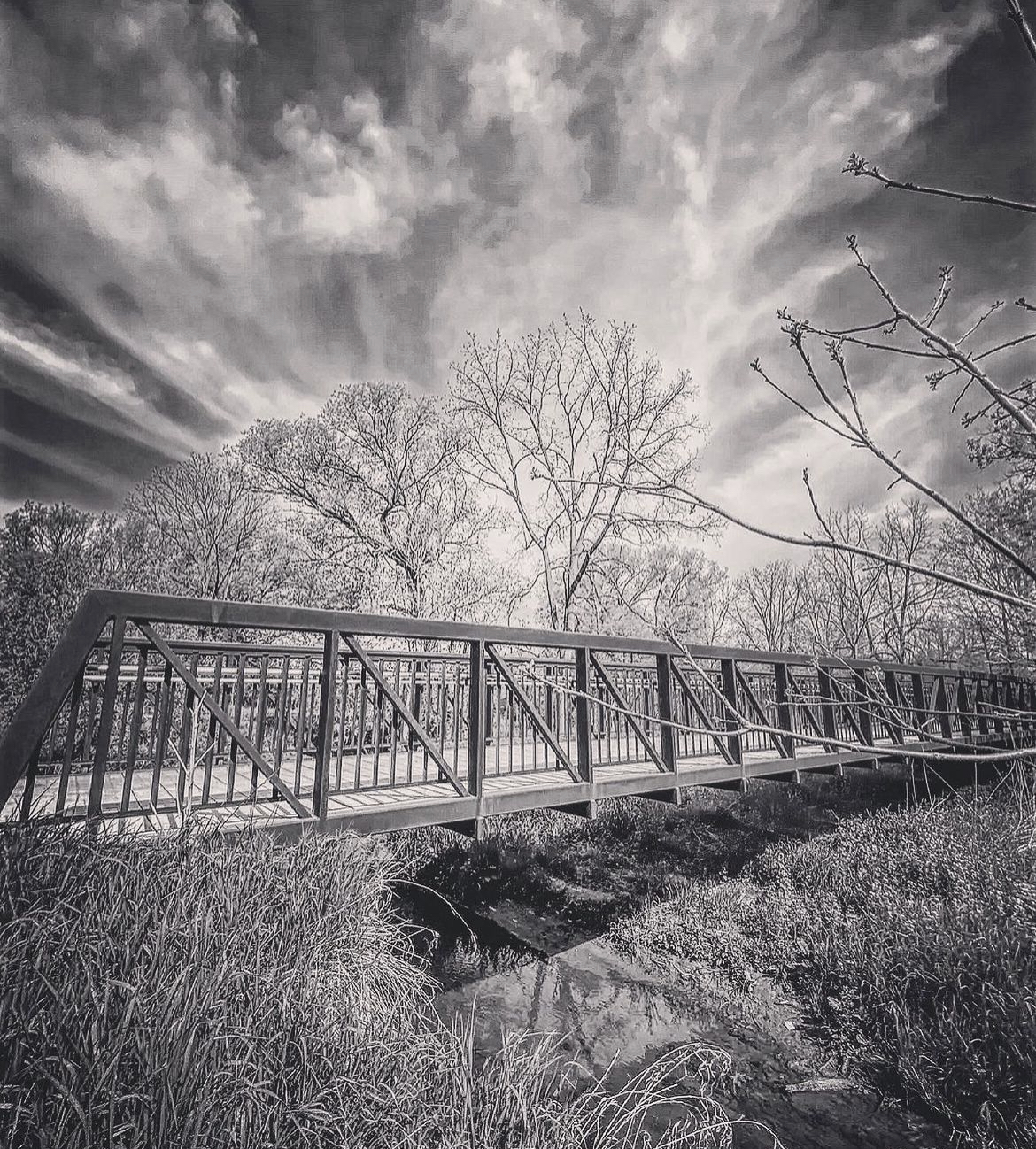
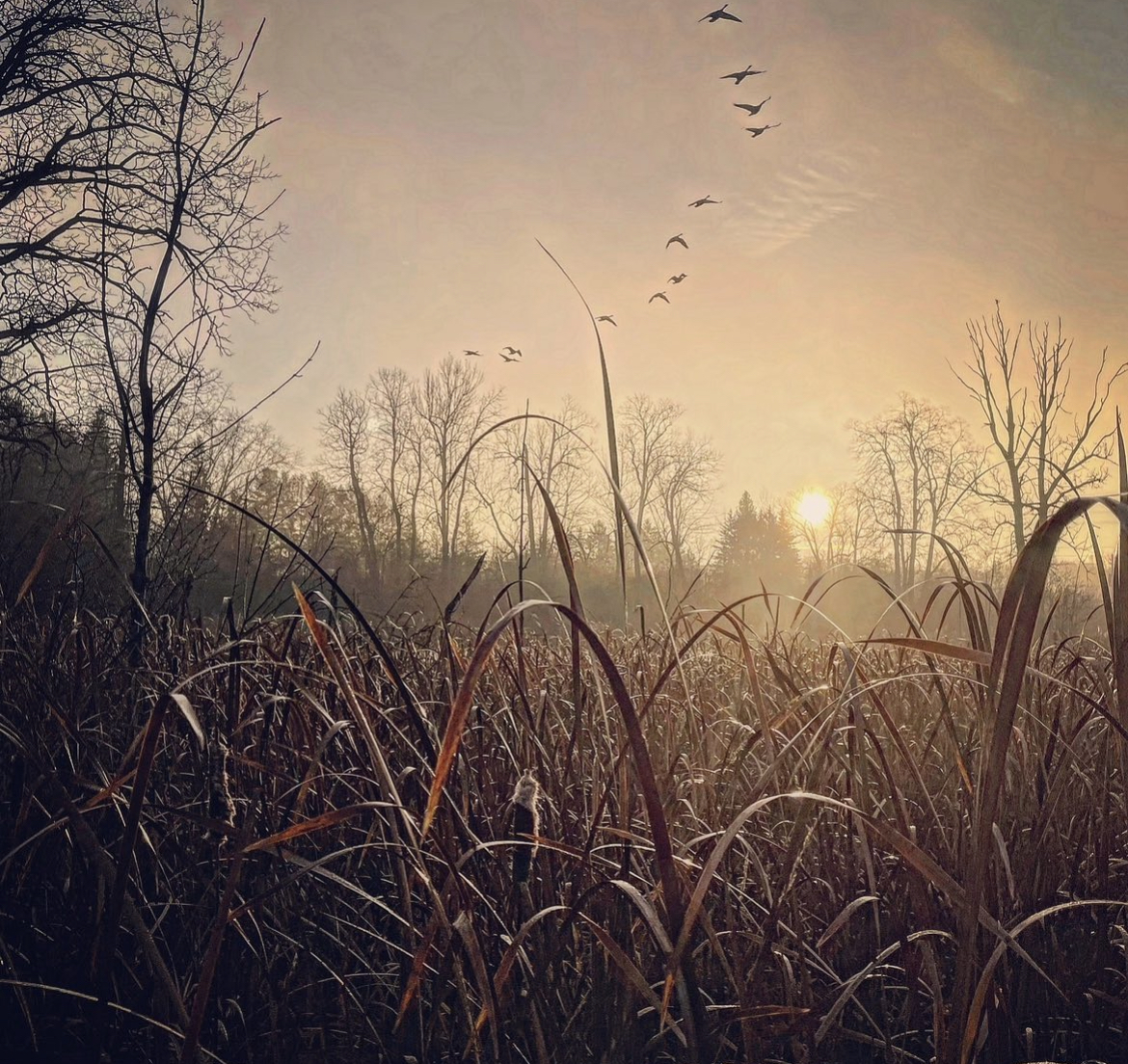
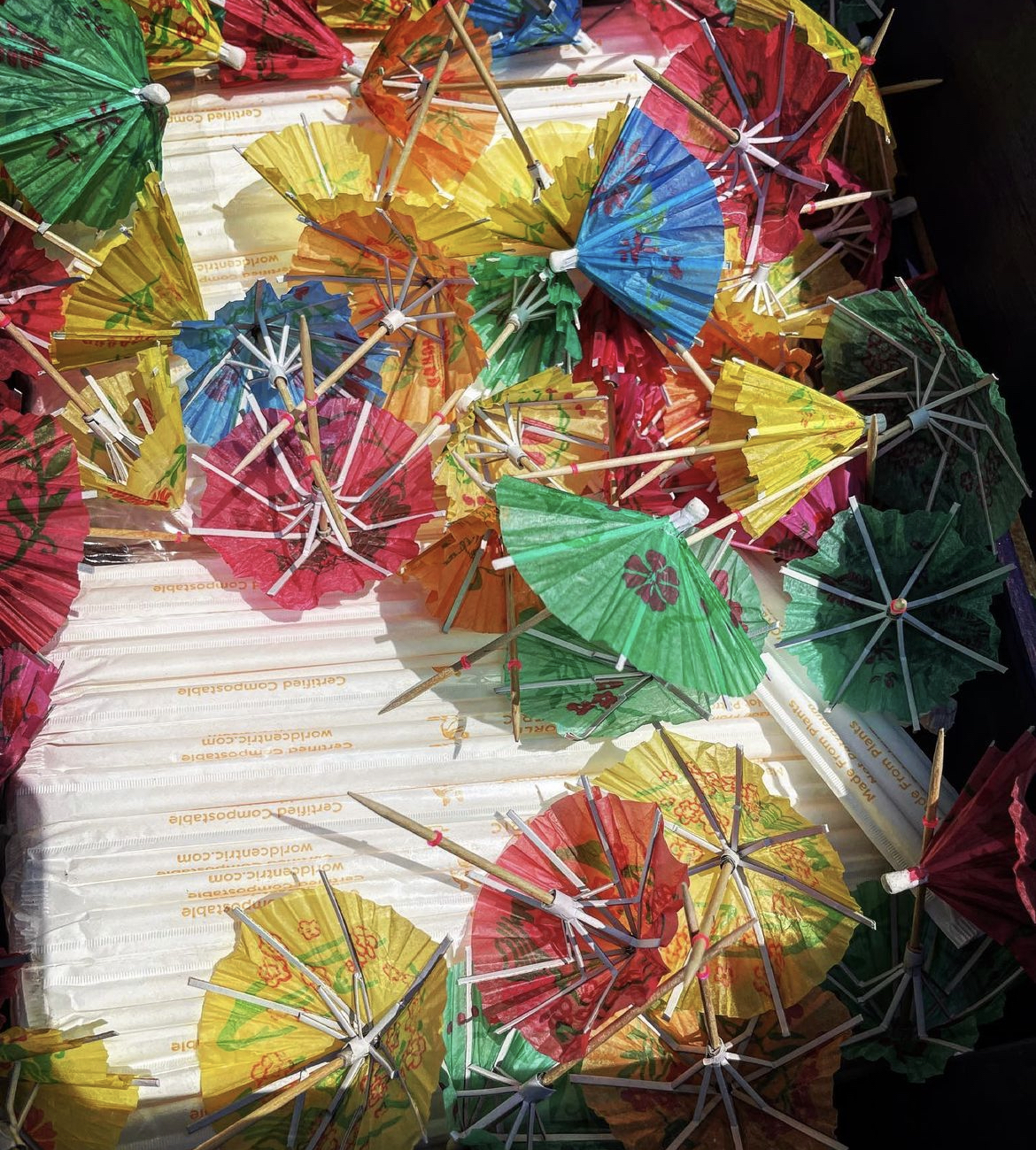
Art from Brian Barbeito
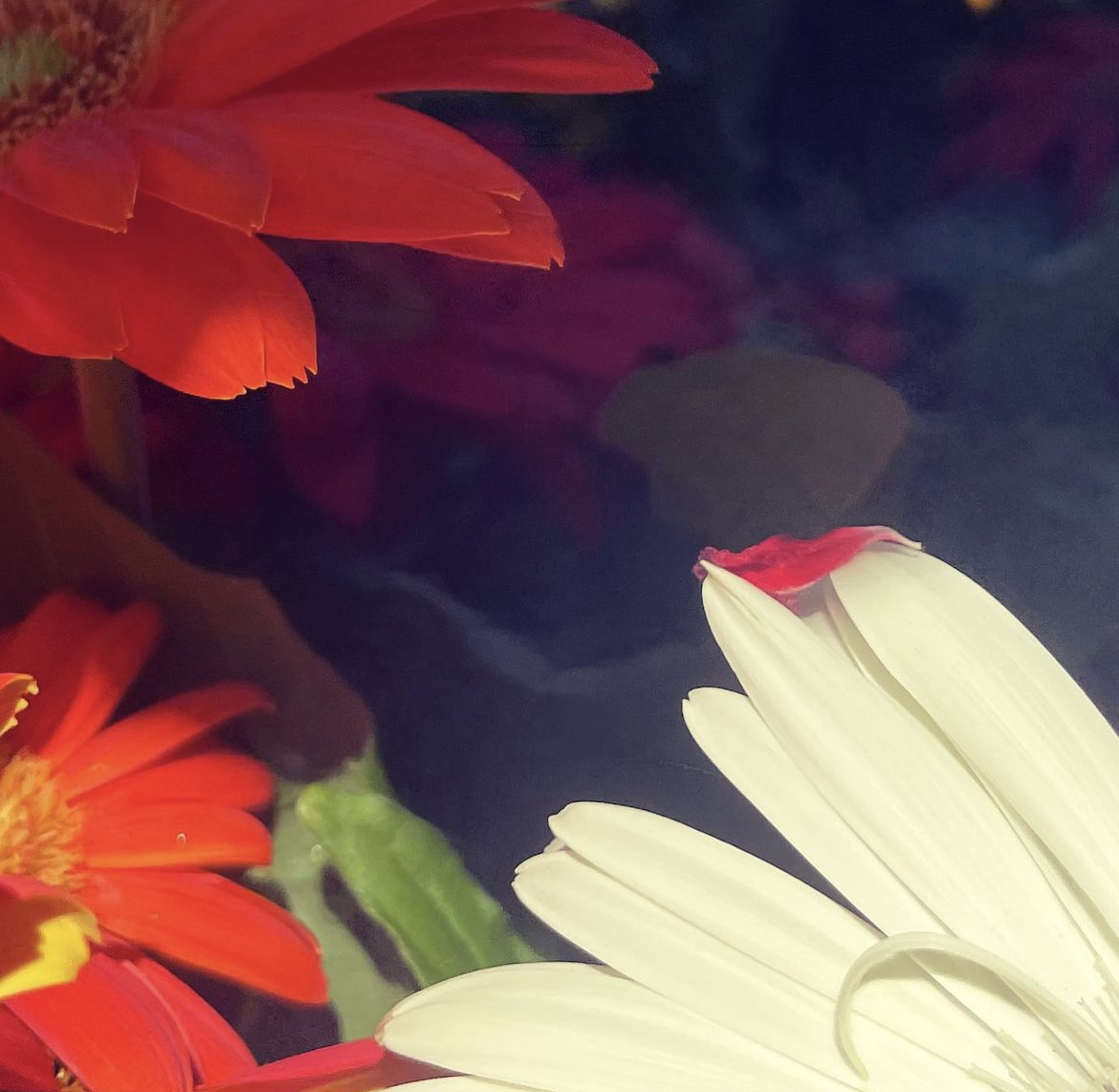
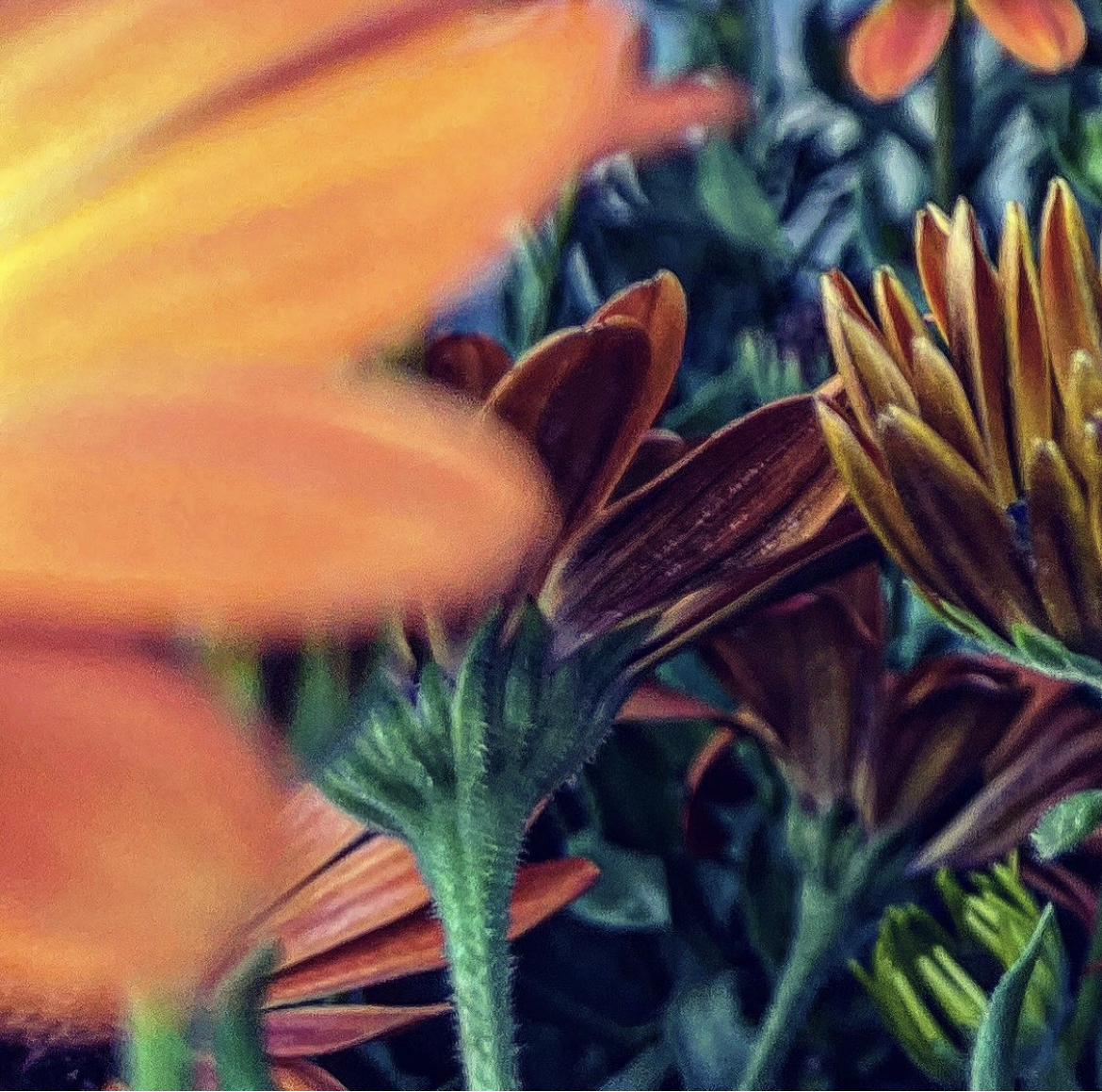
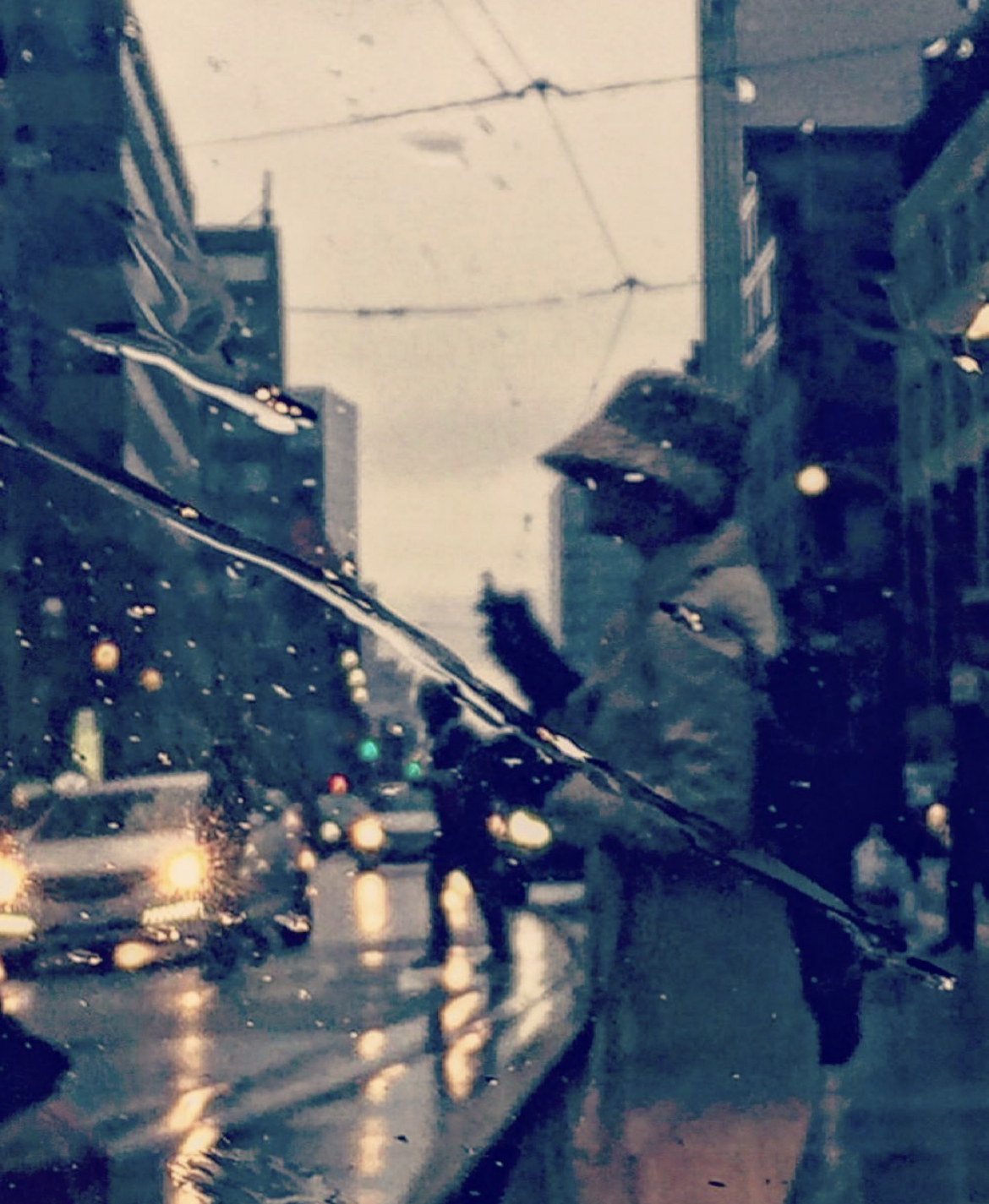
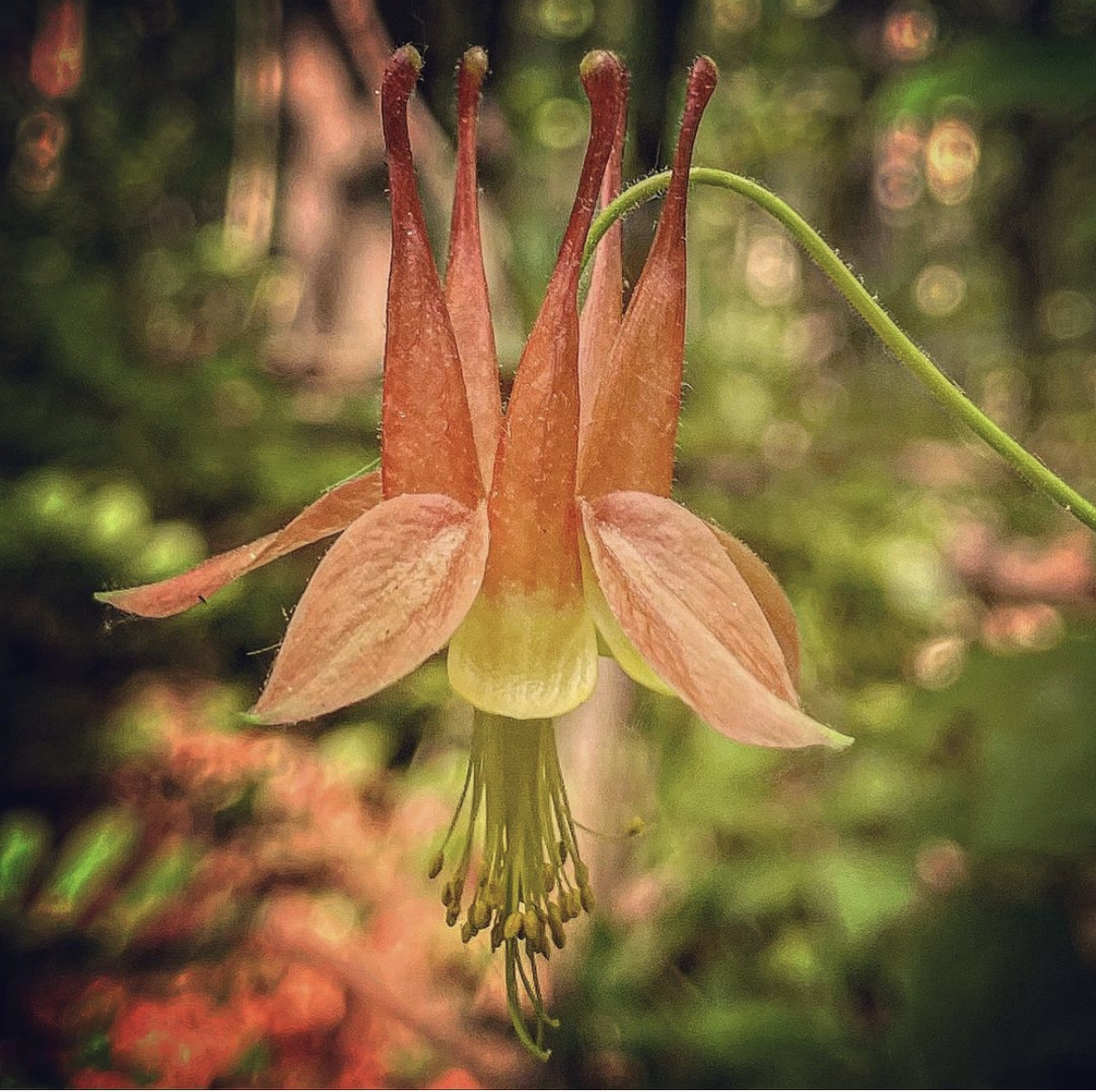

Poetry from Anshi Purohit
On the Dilating Pupils of Heroes

I know your titles are passive and distanced from your being,
but I am awake and observe while the rumor spreads

The rumor begins: they cannot sleep at night,
their pupils dilating as they toss and turn,
sheets pulled over contorting bodies
too similar to bloated dead men floating down thick rivers,
history hates them more than death despises their lovers

If I look into your eyes,
what will I see, what should I see-
will you be surprised? if I unwind the spools in your pupils,
lay them face up on your office desk like a deck of cards?
No, I will triumph, you do not wear contacts

Even if you did, I would still see the stratus clouds embedded like-
secret crystals reflected through refracted prisms in your smile
The rumor continues: they dream like they are freefalling,
dragging their tender limbs along the clay packed Earth like-
crooked dandelions wresting free of their seeds

The rumor concludes while I collect your thoughts,
in a paper bag and a star sleeps on cold cement steps
in a city that wishes to entomb its light,
 darkened in the shadow of a new becoming,
a new brilliance to step over its place
Of course, you have scarred eyes, nuanced sight

When the light leaks from your irises I search for a tissue but,
someone tells me to grab a canvas instead