
reflection

mirror of something —

the hummingbird

mistakes

for a mate


sundown…

hungry after

an evening walk

the village dweller

making fire


the homeless man

lives by the day

the sun sets on a stray dog

at my backyard

maybe it's love


the sparrow

in and out of the nest

mother's love

a child and his father

where she calls home


time escapes hold

on the local train

with lit of cheer

on the dust

powdered faces


the departed soul

with the void

no return

only if he has

no attachments


always

the question of 'to-who'

follow the owl

the new moon's emissary


to salvation


fifteenth night

of the seventh lunar moon

she's been...

the ghost i recognize

in this graveyard


unread

messages…

rainy night

gently pounding the roof


heartbreak hotel


the vibrant

deep and jazzy voice

in her belly

the old soul

sun & moon
Film review from Jaylan Salah
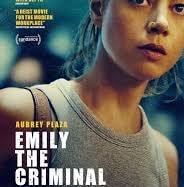
Why the world needs more unlikeable female heroes
Emily is no criminal.
She’s the male anti-hero viewers have been fed to love and pine throughout the pre #MeToo era. She’s not likable, doesn’t talk about her past or present, and does not try to save or be saved, and when the heat comes around the corner, she flees.
Emily is the Neil McCauley to viewers’ Lt. Hannah, and she knows how to play it cool even at the darkest times. Her violence seems impeccable but shaky contrary to badass women in movies. She’s relatable and could have been any woman who has found herself in a situation where only the fight vs. flight responses stir the wheel.
In John Patton Ford’s “Emily the Criminal,” poverty, classism, misogyny, and injustice take over the action-packed hour-and-a-half feature. In no way do these heavy topics seem squeezed or rhetoric as they stem from a solid narrative, authentic and faithful to the story about how someone’s life could complicate as the system disables them from finding a way to succeed without going astray. Like McCauley’s determination never to go back to prison, Emily’s determination to pay her loans and never face another day with her face down drives the narrative. Her reactive violence has made her into the modern-day hero that viewers can easily root for. She’s no otherworldly strong woman who eats men for breakfast. Emily is afraid, hurt, bent, threatened, and insulted. But the difference from the other women in action movies is that she fights back with no prior training required.
Emily uses the MacGuffins thrown her way or the ones she randomly finds. Emily challenges the modern workforce, toxic femininity in the workplace, and the hypocrisy of women in managerial positions. She demands equal treatment from female managers who supposedly have made it, denouncing younger women who have to scrap a living while reminding them of how their “struggles were harder” and their fight against patriarchal male-dominated workplace “acts of martyrdom”.
Aubrey Plaza’s deadpan, serious, expressionless, tired, and worn-out features relate to other female viewers. Her realistic-looking face and skin of a woman who does not have time for skincare or beautification immediately hooked me. It is not some Hollywood pampered celebrity wearing shabby clothes to look “poor”. She has the face of a woman who has tasted misery, fear, financial tightness, and a hectic lifestyle. The contrast between Emily and her friend Liz shows through both actresses’ looks and clothing styles. The dialogue reveals a lot without being blatant. It draws people in through attention to detail where they get glimpses into Emily’s endless work shifts and sleepless nights. The film’s social commentary is bold but never takes center stage, allowing the main protagonist to shine and let the commentary and criticism flow through her. Scenes shot from the back a la French films styles (think Xavier Dolan and the Dardenne brothers) take the viewer on a journey where doors slam shut, food trays are delivered, corridors are walked, and business is sealed. The multiple times Emily has been shot from the back add to her mystery and turn her into a complex riddle that viewers strive to solve.
One of the highlights of the film is Emily’s relationship with Youcef. The sexual tension between the two characters is highlighted beautifully and with elegance. The film portrays Youcef through a sympathetic, understanding lens. He seems like an Arab character seen through the French filmmaker’s lens, as opposed to how most Arabs appear in popular American movies. Youcef lacks Emily’s boldness and assuredness, but his layered, complex relationship with women shows through the scenes where he blames her or allows her to be bullied by his controlling relative. The tender and intimate relationship between an Arab son and his Mama are shown beautifully in one of the rare peaceful scenes in the film. Viewers mostly watch it through Emily’s unflinching -yet mesmerized gaze- as she follows around the warm relationship between mother and son, which may hint at her lack of a similar familial experience.
The film dismisses Emily’s artistic side. That adds to the film’s supremacy as it clearly shows how dire financial situations and low social status suffocate the art and cause some artists to give up, or throw their talent behind out of frustration or self-loathing. Emily is an artist at heart, but she hates herself for not being the artist she is meant to be, so she denies it anytime someone brings it up. This part hit home for me, as I have been a struggling poet throughout my life, and during many stages, I have had to give up on my art and compensate it for regular jobs which pay little and do not satisfy the artist’s hungry soul. These dark phases have turned my relationship with my craft a bit unstable but also erratic, and it has taken me a while to get back on track in terms of reaching an upward curve that could have been present if not for the year’s gaps and interruptions.
The Emilys of our modern time matter. Recently dark, comical, sexual, and dangerous female characters have emerged in film or TV, but characters like Emily Benetto need to be more seen and heard. Their simplicity and relatability will resonate with many women worldwide watching and feeling burdened by social, economic, or societal injustice. Emily may not be a hero, but that’s why she needs to exist in a fictional world that seems horrifyingly similar to ours. We need the Emilys that empower the average workaholic woman.
The modern, practical, workaholic woman doesn’t need to cater to patriarchy. She needs outlet and catharsis through Ti West’s “Pearl” or Jennifer Kaytin Robinson’s “Do Revenge”, “Emily the Criminal” is a milestone in having the George Clooney and Brad Pitt complex misunderstood but lovable characters. They are mean, snarky, sneaky, unreliable, and narcissistic, but that’s part of their charm. Emily is by no means the poster kid for the female workers’ alliance -leave that to Norma Rae (1979)- but she has been suffering and facing unrealistic expectations from future jobs she applies to. That leads to her refusing to take bullshit from anybody, not a lover, a coworker, and especially not from a dark-rimmed glasses female superior who lectures her on generational differences in taking down the patriarchy in the workplace.
Photos from Channie Greenberg
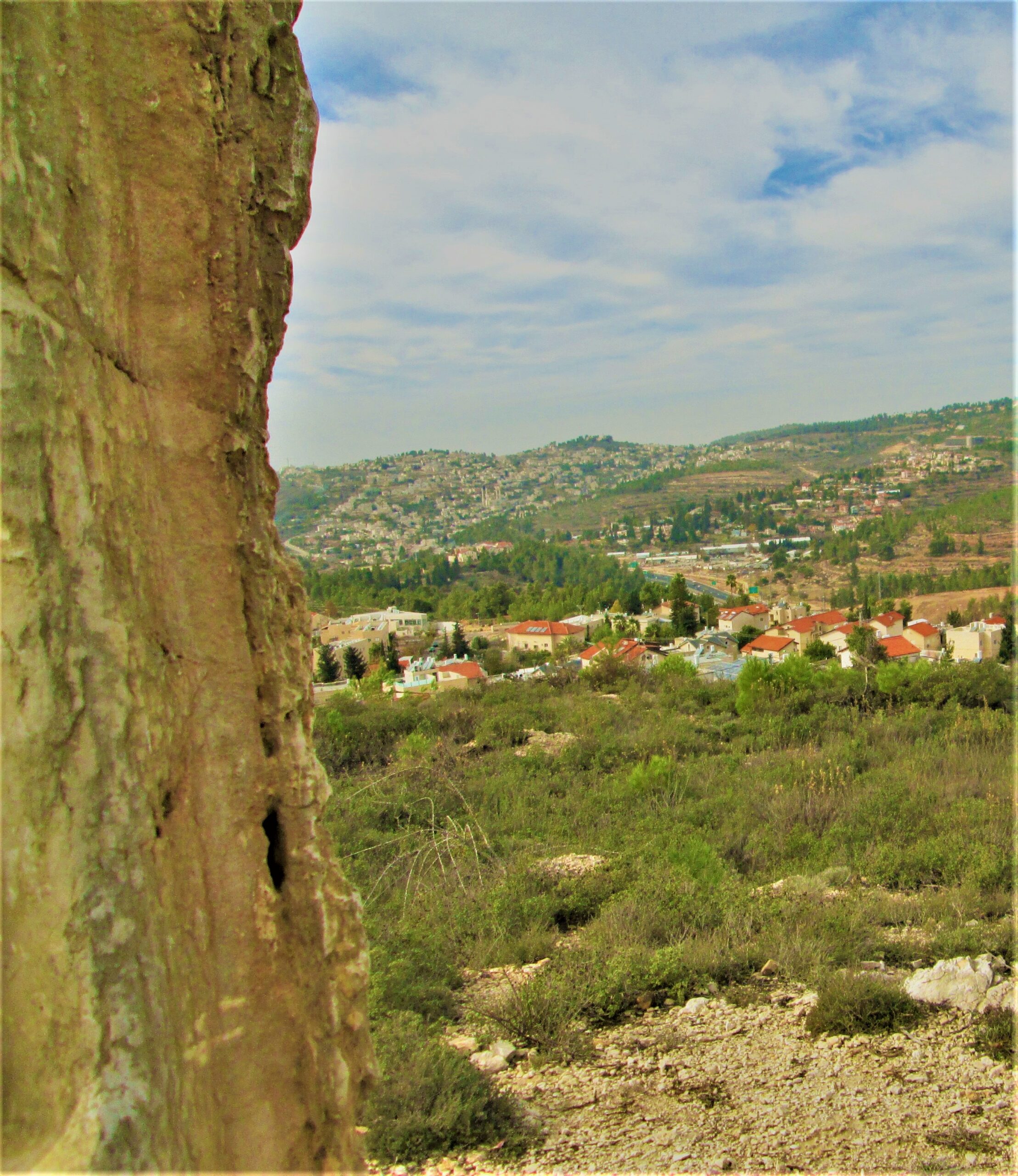

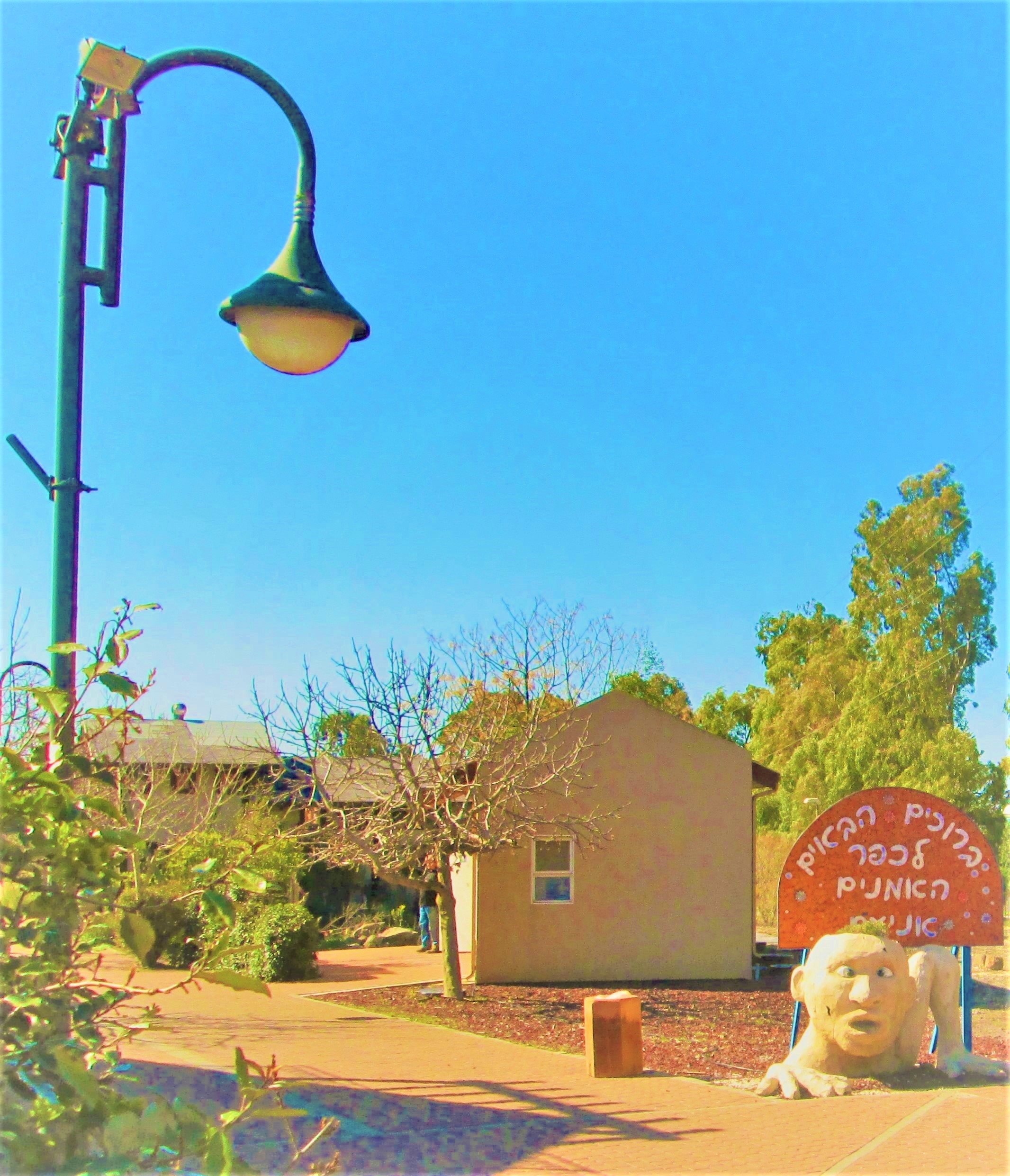
Poetry from Christina Chin and Matthew Defibaugh
mist in the hills

a paulownia leaf

drifts and falls

back to sleep

. . . on heavy meds


the trodden path

of forest scent

autumn's voice

dampened by

the sound of rain


stifling

the silence after

a cold autumn storm

recovery begins

then the relapse


good news

bad news

autumn mountains

the rainbow brighter

near its end


under

the tall pasture grass

fescue sprouts

where she last raked

end of autumn


Christina Chin / M. R. Defibaugh
Poetry from Mesfakus Salahin
Find yourself in your view
Everyday you will be new
Roads become soft and enjoyable
Passer by  will be available.

Tie the time to the top of the finger
Nature will be singer
Birds will sing the song of heart
Flowers will bloom in the desert.

Embrace happy memories in solitude
Ice of pain will salute your attitude
Frustration will never touch future
You will be above mental torture.

Remove the rivers of sufferings and sorrow
The sun will be your tomorrow
The dry river will get fountain of the moon
God will fulfill your prayer very soon.
Poetry from Sayani Mukherjee
Tattooed
By Sayani Mukherjee

Uniquely designed for mainstream
A six figured tattooed butterfly
On my back
A pat at my shoulder
A beam at my poem
Tree house and childplay things
My proof of itsy bitsy rock scissors stone
A friendship bracelets with red ribbon
White washed marooned island
Over my chest
It stays when I form a circle of mates-
Three Pentagons diaphragmatic
Radio shows on for Friday nights
Modernist nonsense and my
Zabberwocky tricks
I form my bracelets with my
Tattooed fingertips.
My jinx my pixie dust my childlike wonder
A little sparkle did no wonder
Red bracelets white washed marooned island
I hum at my lost poem
A sudden Omition at the back
A little pinch of dusty drives
Underneath a new edge control
Completing of a poem for the
Medal gold
I hope my pixie dust will do
Good for nothing
For this electric haze on my tattooed butterfly soul.
Synchronized Chaos Mid-November 2022: Strength and Vulnerability
Welcome to November’s second issue of Synchronized Chaos Magazine!
First of all, we encourage you to come on out to Metamorphosis, our New Year’s Eve gathering and benefit show for the Revolutionary Association of Women of Afghanistan and Sacramento’s Take Back the Night. This will take place in downtown Davis, CA, at 2pm in the fellowship hall of Davis Lutheran Church (all are welcome, we’re simply using their room as a community space). 4pm Pacific time is midnight Greenwich Mean Time so we can count down to midnight.
The theme “Metamorphosis” refers to having people there from different generations to speak and read and learn from each other, challenging us to honor the wisdom of our parents and ancestors while incorporating the best of the world’s new ideas in a thoughtful “metamorphosis.” We’ve got comedian Nicole Eichenberg, musicians Avery Burke and Joseph Menke, and others on board as well as speakers from different generations.
Second, our friend and collaborator Rui Carvalho has announced our Nature Writing Contest for 2022. This is an invitation to submit poems and short stories related to trees, water, and nature conservation between now and the March 2023 deadline. More information and submission instructions here!
This month, our issue focuses on themes of strength and vulnerability.
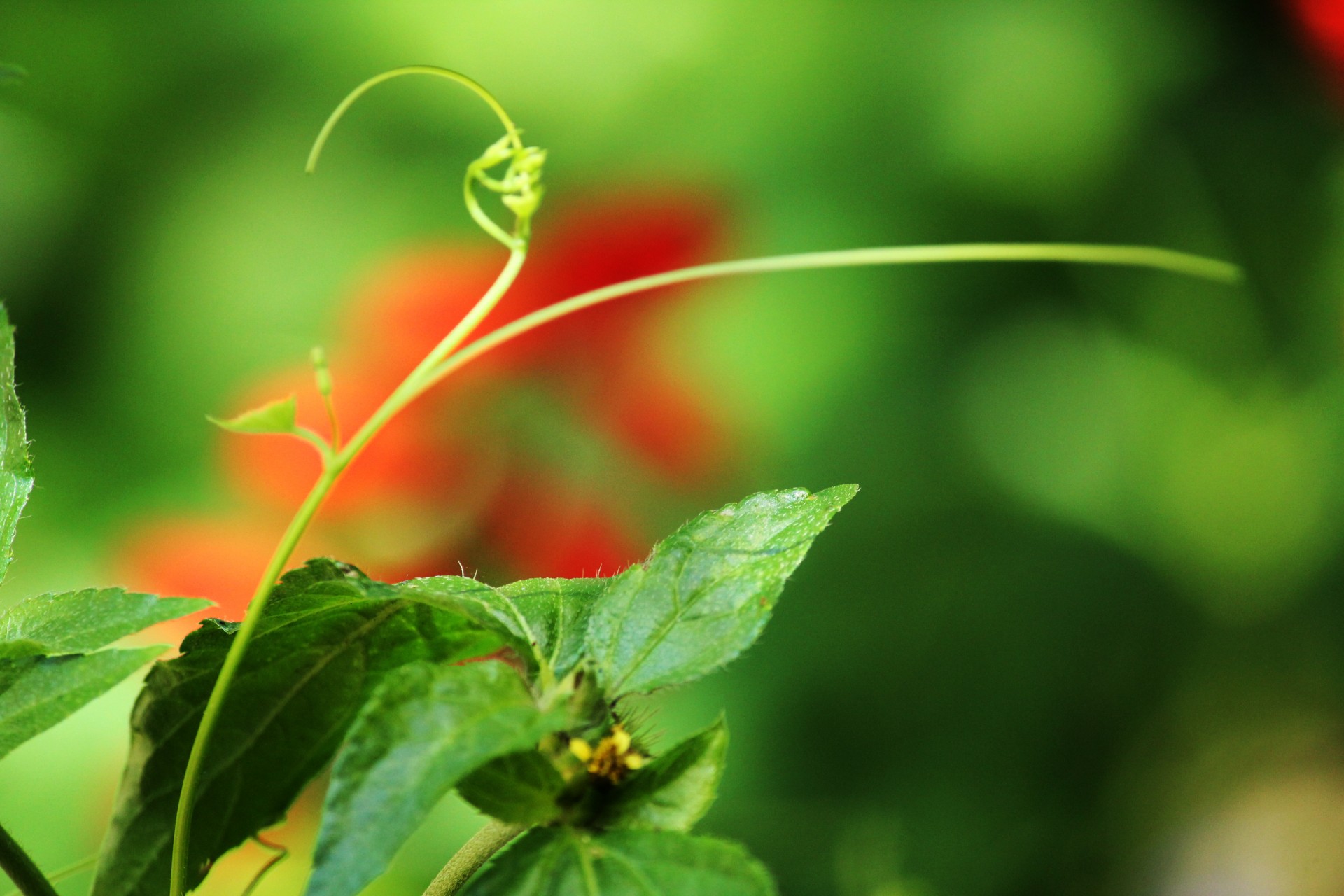
Sreya Sarkar’s piece exemplifies this theme, comparing women protesting for change in Iran to the tendrils of a vine. While tendrils may look weak, they can eventually tear apart greater structures and claim a space.
Many other contributors draw upon nature for inspiration.
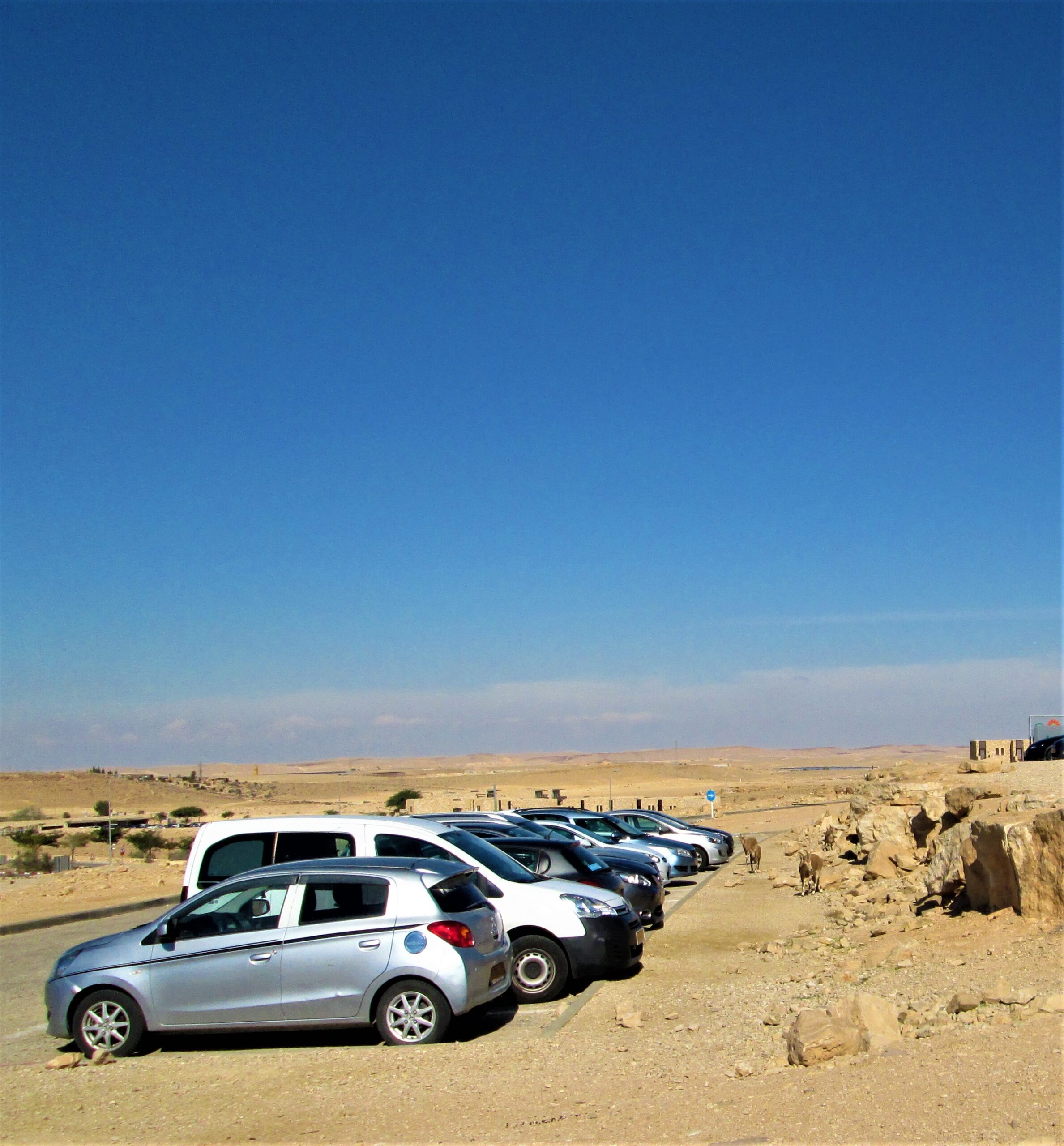
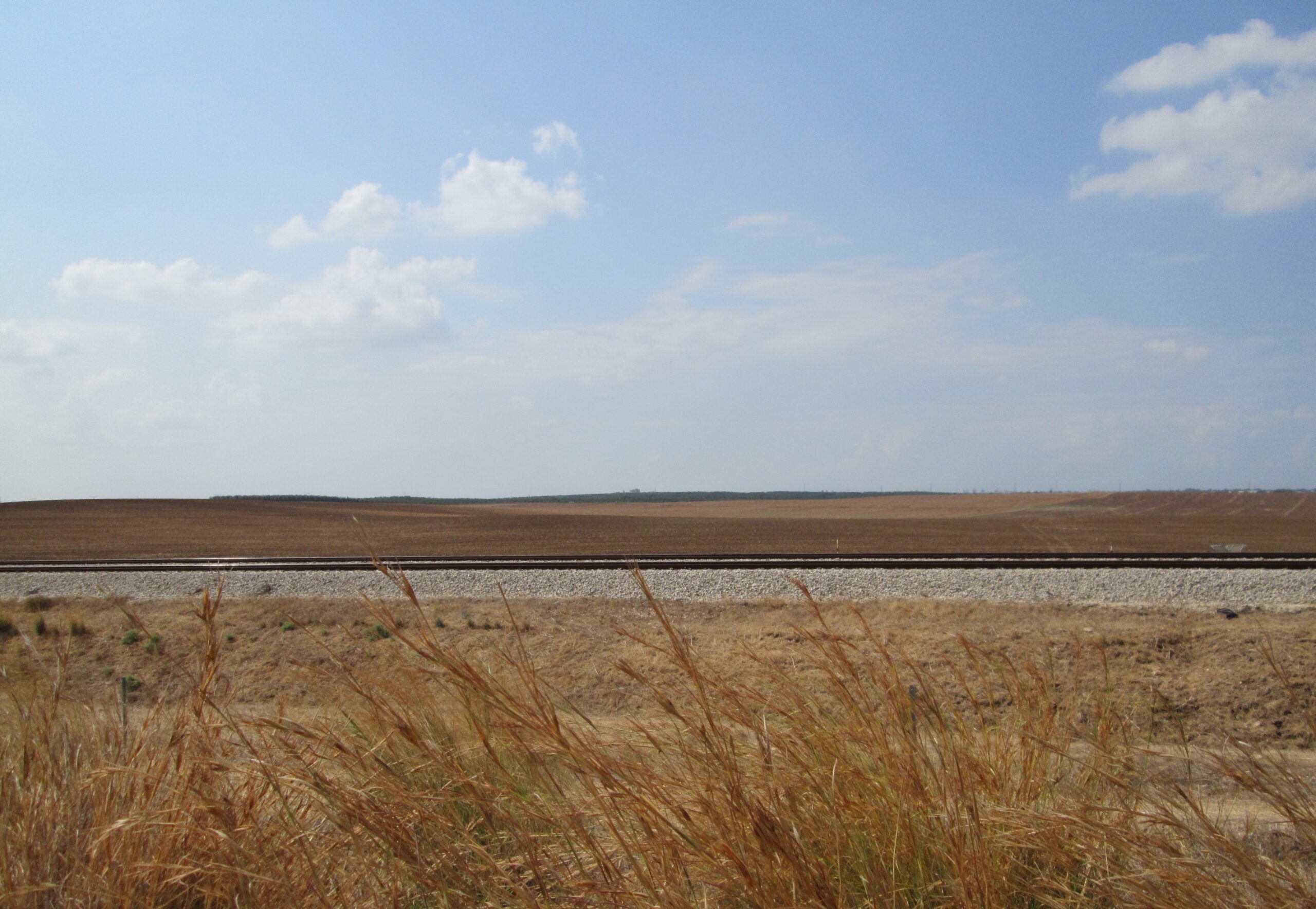
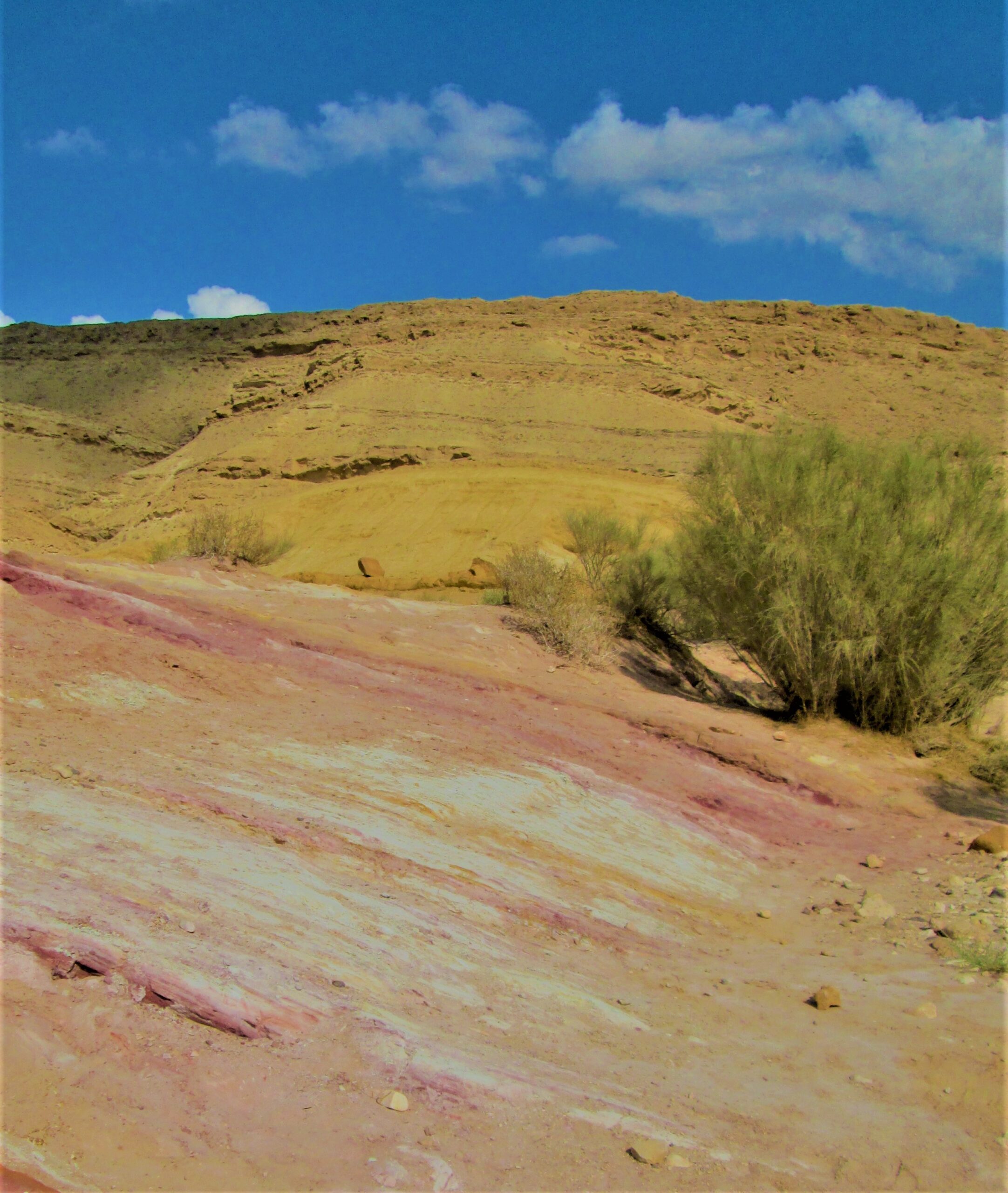
Channie Greenberg photographs staircases in different locations, many of which are becoming overgrown and reclaimed by plant life. J.D. Nelson creates small poetic snapshots of natural scenes.
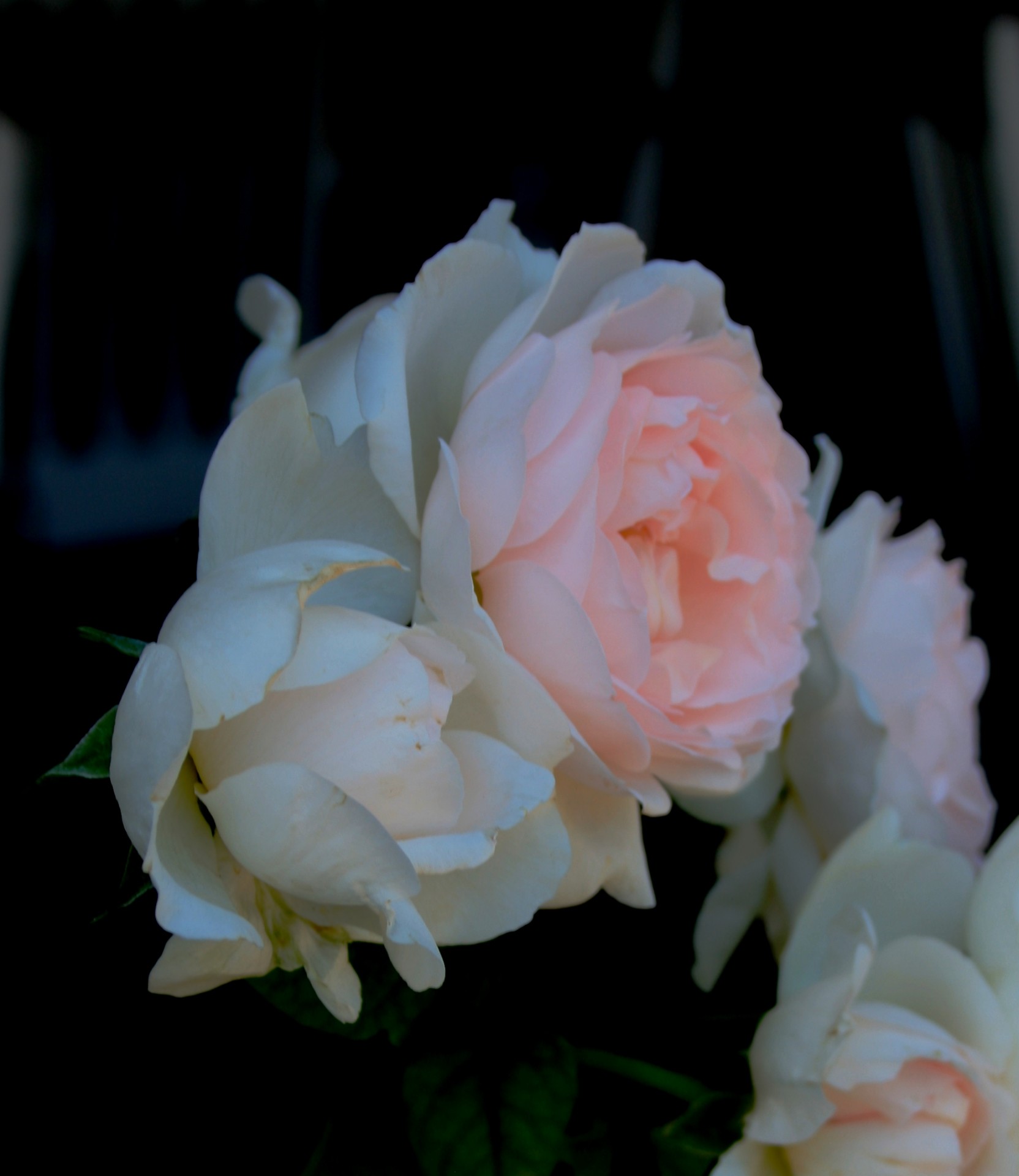
John Culp probes the nature of love and intimacy through sharing his feelings about a rose in a vase on his windowsill. Mesfakus Salahin plumbs the depths of human emotion and bodies of water. Debarati Sen poetizes about poetry through floral metaphors while observing the change of seasons into fall.
John Grey writes of love and nature and incorporates modern science and climate change into old style pastoral poetry. Jim Force interposes haiku onto photographs of cracks in the sidewalk, places where the vulnerability of physical materials shows through despite our intent in their construction.
J.D. DeHart writes of nature, virtual reality, and his quest to figure out who he is and how he can most effectively live as a teacher and mentor.
Other pieces are more fanciful, yet still touch on the complexities of our world and our natures.

Bill Tope depicts a wild acid trip in psychedelic detail, yet suggests the dreamer is aware is experience is unreal.
Alan Catlin looks to his mysterious and foreboding dreams for inspiration, recollecting a conversation with a recurrent personage. Fernando Sorrentino depicts a friendship between a researcher and a mythical animal, suggesting coexistence with nature.
Nathan Anderson mixes up characters and text on the screen for artistic effect. Christina Chin and Uchechukwu Onyedikam create a collaborative haiku set, playing off each other to build scenes of nature and human culture.
Daniel De Culla’s earthy, risque piece entertains with bawdy humor.
Some pieces address personal and historical grief, loss, and remembrance.

Andrew Cyril MacDonald evokes scenes of mausoleums in his work, structures fading into memory along with their occupants. Naziru Sulaiman mourns his recent ancestors lost to a war of aggression, bringing them back the only way he can, in poetry.
Santiago Burdon presents a brave child who uses logic to confront his parents’ prejudice against Jews. Bill Tope presents a scene of raw suffering in a Nazi concentration camp. Cora Tate relates a tragic tale of a community leader who sought peace only to die from law enforcement brutality.
J.J. Campbell’s poems portray stagnation and the long shadows of trauma. Santiago Burdon shows a drug abuser turning to substances to distract himself from the desolation caused by his addiction.
Chris Butler’s short story highlights the trauma of sexual violence. This act strikes hard enough at the personhood of both victim and perpetrator that it colors their views of everything in the world surrounding them.
Other writers look at the social, emotional and psychological ways we can struggle or find our power.
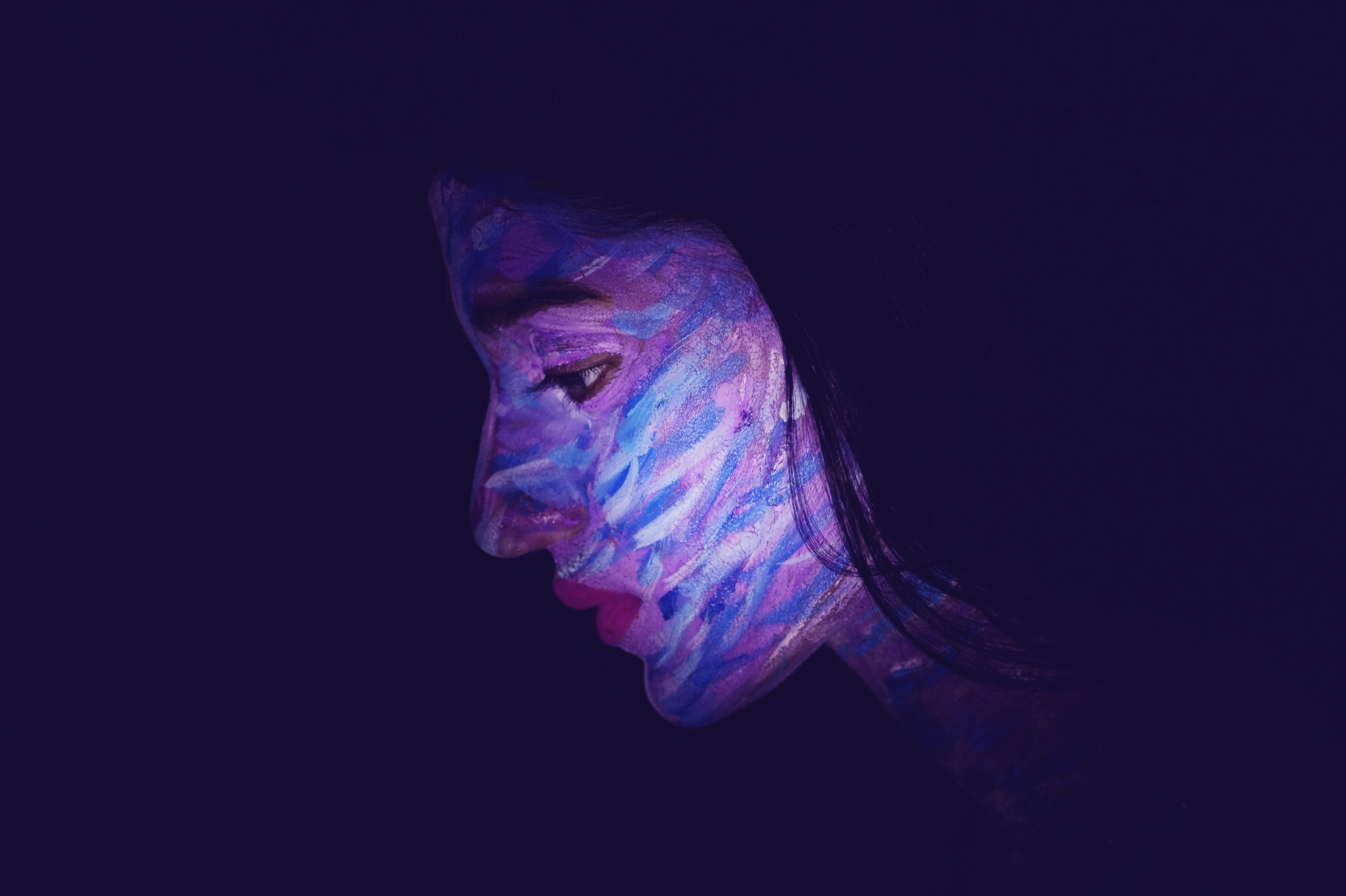
In another piece, Sayani Mukerjee explores the cultural mythos of women as simultaneously beautiful and dangerous in a modern way, using metaphors from human society along with the natural references.
Jaylan Salah critiques our harsh criticism and disgust for women in film or popular culture who have “issues” or public meltdowns. She suggests that feminism has tried so hard to make women appear confident and competent that it has become difficult for women to acknowledge the human weaknesses that make us all real people.
Oona Haskovec wrestles with the human tension between loving our bodies and wanting them to change. Lorelyn Arevalo’s sensual poems convey the physicality of emotion, whether love or self-hatred. Amirah Abdulrahman mourns the limits of poetry to express feelings and change reality.
Vyarka Kozareva illuminates the drama hidden within ordinary life: clothing, birthday parties, holiday decorations. Chimezie Ihekuna continues with his semimonthly Christmas countdown.
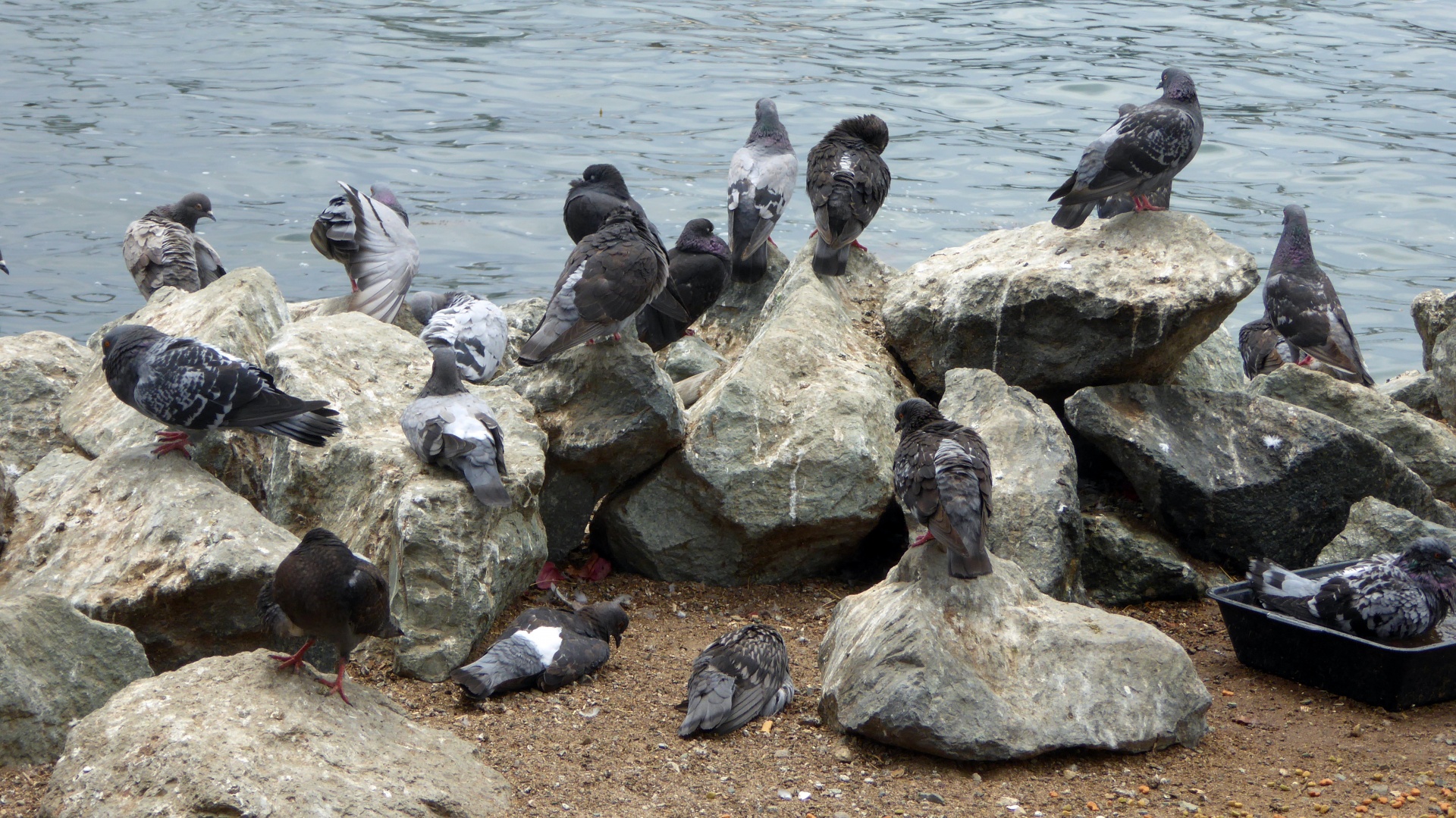
Chris Daly’s readable, humorous poems about workaday life, taxi driving, and pigeons in San Francisco also capture the everyday, this time as something to enjoy.
We hope this issue will be a source of reflection, growth, and pleasure now and in the weeks to come.