it stirred, it fled, and lost itself unto the night.
Then wept I sore – aye, many years –
with outstretched hands in sightless gloom,
still craving that fair-patterned grace
which once my very soul ensnared.
So came a morn, another morn,
wherein I walked as others do,
persuading mine own heart I must –
perchance such course is rightly so –
and did subdue my longing deep,
desiring not to know its truth.
For one must grow, and cease from youth,
and cast aside the child within,
and walk the world with steady step
unburdened by such painted dreams.
Yet on a night – another night –
when at the last I knew full well
no cure was mine, nor solace found,
with steps made heavy by the weight
of secret knowledge in my breast
of that dear vase, now lost to me –
a wonder came to pass most strange:
my longing had recalled it forth.
Yet mark thee well – this is not all,
nor hath the tale yet reached its end.
For on a day, another day,
wandering through the Wood
of Endless Turmoil and Utter Woe
I stumbled once more ‘mid tangled thorns –
and lo! Before mine eyes it lay:
the selfsame vase as at the first.
Then bowed I low unto the heavens,
and still, I bow with each new dawn,
as silk I wrap it tenderly
lest fragile beauty come to harm;
as marks I set a hundredfold
to mind me where ’tis laid away,
lest once again it slip from me;
as secretly I touch its form,
concealed from every watchful eye,
that none may see, nor come to know.
Yet know I this, within my soul:
no joy is mine to show it forth,
nor bear it proud before the world,
though now I ken its priceless worth.
For life doth grant – and taketh still –
and every gift exacts its price.
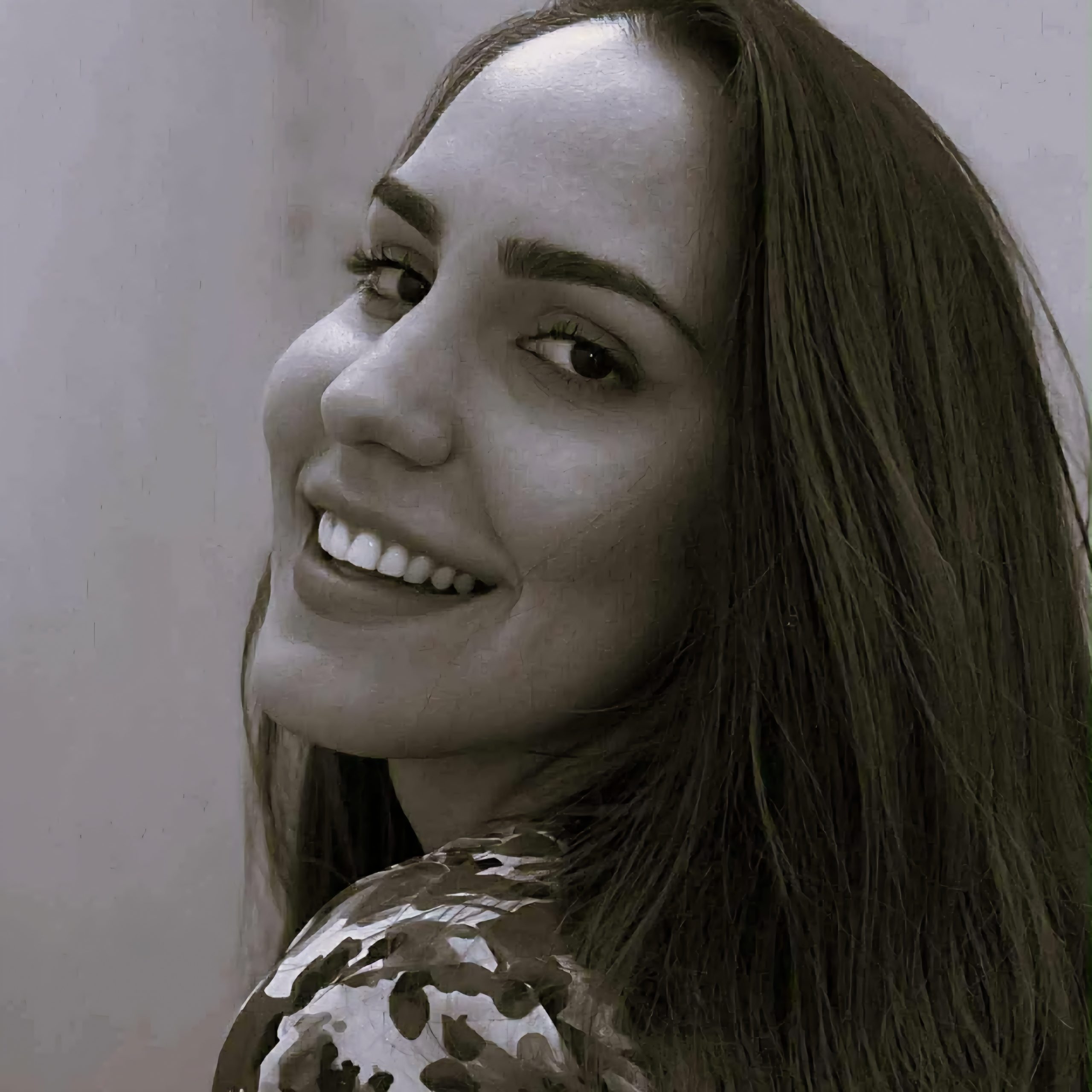
Valentina Pavlović is a contemporary poet from Belgrade, Serbia. Her poetry explores inner rhythm, shifts in tonality, diverse perspectives, and themes. Her work is recognized for its original approach to form, tone and expression, creating poetry that is intimate, powerful and universally relevant while enabling layered communication with readers.
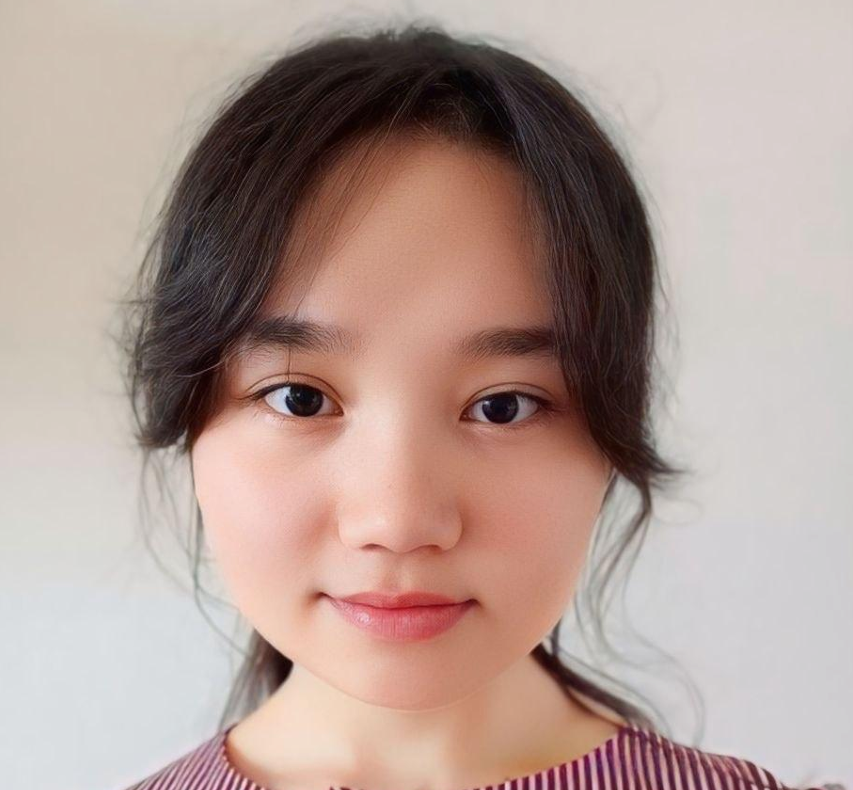
Multilingual Philology Student and Aspiring Researcher Abduxafizova Sitora Farxod qizi was born on April 28, 2007. She is currently a third-year student at the National University of Uzbekistan, specialising in Philology and Language Teaching. She is developing her academic and professional profile as a multilingual philology student with a strong interest in linguistics, language education, and contemporary research.
Academic Background and Research Interests Throughout her three years of university study, Sitora has been developing her knowledge and skills in linguistics, philology, and language teaching methodology. Her academic interests include phonetics, theoretical grammar, and lexicology. She is particularly interested in exploring the structure of languages, understanding linguistic phenomena, and strengthening her expertise in language studies.
Language Proficiency With the long-term goal of becoming a multilingual specialist, Sitora actively studies and develops her proficiency in several languages. – Uzbek: Her native language, which she uses at an academic and professional level. – English: An advanced level of proficiency, with academic knowledge of phonetics, theoretical grammar, lexicology, and IELTS-related studies. – Turkish: A fluent level of proficiency, enabling her to communicate independently and engage in intercultural interactions. – French: An intermediate level of proficiency, with skills in grammar, communication, and text translation.
Academic Interests and Social Engagement Reading and Literature Sitora has a strong interest in both classical and contemporary Uzbek and world literature. She enjoys analysing literary works and exploring their linguistic, cultural, and intellectual dimensions.
Educational and Social Initiatives She is interested in educational and social initiatives that promote reading among young people, support the development of digital library systems, and encourage the creation of innovative learning projects. Through these areas of interest, she aims to contribute to accessible education and the development of reading culture.
Information Technology and Digital Learning Sitora recognises the importance of digital technologies in modern education and research. She is interested in using digital tools and contemporary platforms effectively to support learning, facilitate research, and explore new approaches to language education.
Future Academic Goals Sitora aims to continue developing her expertise in philology, linguistics, and multilingual communication. By combining her interest in language studies, literature, educational innovation, and digital technologies, she seeks to broaden her academic perspective and contribute to the advancement of language education and research.
Volunteering: A Journey of Personal Growth, Leadership, and Social Impact When I was still at school, I used to regard volunteering simply as a way to spend my free time productively. I imagined volunteers as people who wanted to make meaningful use of their time, explore new experiences, or work towards a particular goal. However, when I eventually became involved in volunteering myself, I realised that it was far more complex and meaningful than I had initially thought.
Behind this activity, I discovered a great deal of responsibility, dedication, humanity, and sincerity. Most importantly, I began to understand that while I was helping others, I was also changing and growing as an individual. For me, volunteering proved to be much more than helping others or contributing to someone’s happiness. It became an important part of my personal development, enabling me to meet new people, develop a stronger sense of responsibility, and look at life from a different perspective.
My volunteering journey began in a rather interesting way. Although everything started with simple curiosity, that curiosity gradually became the starting point of a much larger journey. Initially, I joined a team and began exploring its previous projects through our Telegram group. I followed the team’s earlier initiatives and observed how they had been organised and implemented. In doing so, I gradually learned how the team operated, how projects were developed, and how responsibilities were distributed among its members.
Later, following an invitation from one of the volunteers, I was given the opportunity to assist the organisers of a Zakovat intellectual competition. This project became a significant turning point in my journey. Until then, I had mainly been observing and learning about volunteering. With this opportunity, however, I began to participate actively in the process.
By assisting with the organisation of the Zakovat project, I gained practical experience in event management, teamwork, task coordination, and problem-solving. These experiences subsequently inspired me to develop initiatives of my own. As I gained confidence and practical knowledge, I gradually moved from supporting other people’s projects to creating, planning, and implementing my own ideas.
Throughout this journey, my team played an essential role. One important lesson I learned was that a good idea may originate with one person, but a committed and supportive team can transform it into something much greater.
One of the first projects I developed was English Quiz, which I created in collaboration with a friend. We designed seven different and engaging quiz activities for participants. Our goal was to provide an opportunity for young people to practise and test their English in an enjoyable, interactive environment rather than through conventional question-and-answer exercises. Seeing the enthusiasm of the participants and the happiness of the winners at the end of the project was particularly rewarding.
Another initiative we organised was All in English. This project was broader and more diverse than our previous one. It featured a variety of challenges, games, and activities designed to encourage participants to use English actively. Their enthusiasm and the opportunity to receive gifts and certificates upon completion gave us even greater motivation to develop further initiatives.
In addition to our language-based activities, my team and I organised several projects promoting reading and literature. For example, we held book-based intellectual competitions in which participants answered questions about selected works of Uzbek and world literature. Through these activities, we sought not only to engage young people in intellectual challenges but also to nurture their interest in reading and literature.
We also organised various online projects, charitable activities, and social initiatives through Telegram groups. As part of our charitable work, we reached out to people in need of care and attention and organised events and engaging activities for them. It is difficult to count all the projects we have undertaken. Over time, one initiative inspired another idea, and each new idea opened the door to further opportunities.
For me, however, the most valuable aspect has never been the number of projects we have completed. What matters most is what each experience has taught us and the positive difference, however small, that we have been able to make in someone’s life.
Today, I can confidently say that volunteering and the projects I have been involved in have changed me considerably. This experience has not only expanded my knowledge but also broadened my worldview. Many things that I previously understood only in theory became practical lessons through my involvement in volunteering. Learning to communicate effectively, collaborate with people of different personalities, fulfill my responsibilities, cooperate with my peers, and, above all, understand the meaning of leadership has made volunteering one of the most valuable practical learning experiences of my life.
One of the most beautiful aspects of volunteering is that people often begin this journey without expecting financial rewards or personal benefits. They simply want to bring a little kindness into someone else’s life. Yet sometimes, we receive far more from the experience than we initially expect to give.
For me, volunteering has been exactly like that. I did not begin this journey in pursuit of a position, status, or recognition. Nevertheless, over time, my efforts brought me new responsibilities, new opportunities, and a deeper sense of trust in the people around me.
Today, I have the opportunity to coordinate a team at the regional level, plan new projects, and collaborate with other volunteers. I consider these opportunities meaningful outcomes of my volunteering journey. They have shown me that dedication and a sincere desire to contribute can lead to personal growth and greater responsibility.
For this reason, I see volunteering not merely as a way to help others, but as a school of life—a place where people learn discipline, develop their abilities, broaden their perspectives, and gradually discover their place in the world. Looking ahead, my team and I have many plans and ambitious goals. We hope to launch new projects, turn fresh ideas into reality, and encourage more young people to become actively involved in our initiatives. We also aim to collaborate with other teams and their members to develop larger, more meaningful, and socially beneficial projects.
I believe that volunteering knows no boundaries. There are still many milestones ahead of us, and our aspirations continue to grow. We look forward to embracing new projects, gaining valuable experiences, and achieving further milestones as we continue moving forward together.
When I look back and remember how I first entered the world of volunteering out of simple curiosity, I am amazed by how profoundly this journey has influenced me. I once considered volunteering merely a way to spend my free time productively. Today, I regard it as one of the most important practical schools in my life.
This journey has taught me not only how to help others but also how to understand myself, become more responsible, work effectively with different people, and pursue meaningful goals through collaboration. I believe that I am still at the beginning of this journey. Many more projects await me, along with new people to meet, experiences to gain, and milestones to reach.
Yet one thing remains clear to me: making a positive difference does not always require extraordinary opportunities or extensive resources. Sometimes, a single idea, a dedicated team, and a sincere intention are enough to lay the foundation for meaningful change.
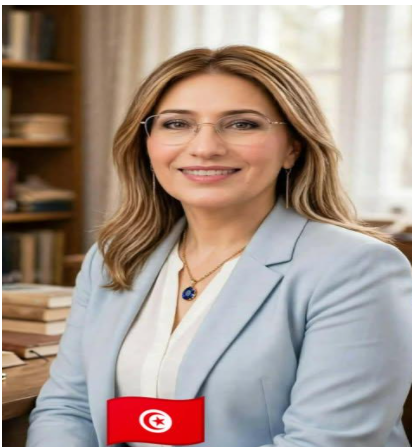
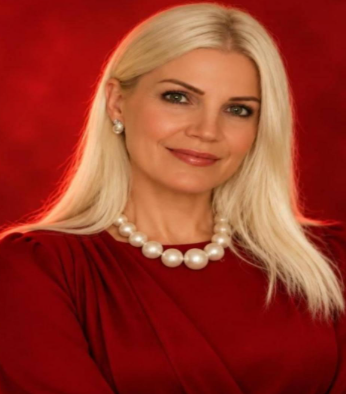
Tunisian poet, writer and translator. (Arabic- French- English)- She is Distinguished Senior Professor of French Language and Literature. She is member of the Union of Writers and Journalists in Europe. -Author of her first French poetry collection “Whispers of an Euphoric Heart”, published in France, Algeria, and Tunisia. -She will publish her next second poetry collection in Arabic language entitled “عزف على أوتار الليل” (Playing on the Strings of the Night).
Imène Daoud is preparing a Tunisian-Serbian poetic project. -Recipient of several diplomas and certificates in the fields of national and international culture. In Paris, Algeria and Tunisia. She publishes and writes her poetry in many international cultural magazines. She is also an International Coach of Personal Development and the recipient of several diplomas and certificates in the fields of national and international coaching and human development.
¿Do you think I’ve lost my mind from reading so very much? Or have I gained true wisdom from the books I’ve read? The pain of the oppressed strikes me like a club. Modern giants (take note) I attack with chivalry. Do you know who I resemble? I am like Don Quixote.
And I fly toward the windmills to right the wrongs of the world. I travel through cities and deserts, without a Sancho. The cunning ones slip away along the roads. I do not want evil to rise again. I stand firm. I keep moving. My hand is raised high. I am of a tempered spirit. I am like Don Quixote.
I am a Knight-Errant of a living, present time. I fight for humanity. I fight on foot, without Rocinante. I am a Knight-Errant. Evil has become a scourge. I will hold my head high. I am righteous—righteous and bold. I have already drawn my sword. I am like Don Quixote.
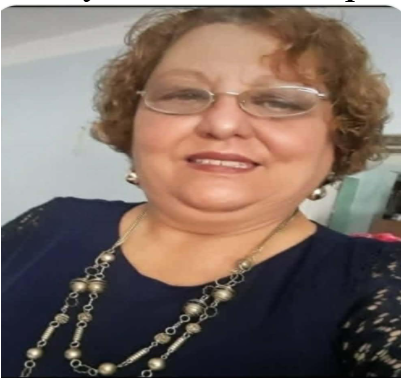
Delsa López Lorenzo. Cuba. Retired from the Credit and Commerce Bank of Yaguajay. Poet and storyteller; she writes for both children and adults. She serves as the Cuban director of the magazine América sin Fronteras (America Without Borders), founded in Mexico by Dr. José Ángel Ramírez. She has been accredited as an Ambassador of Peace by humanist organizations and was honored as a “Distinguished Woman” in the Mujeres Ilustres (Distinguished Women) program of Sancti Spíritus province, hosted by Saylí Alba Álvarez.
She has served as a juror for both in-person municipal events and online international events. She is an accredited member of the Mother Tongue Chair at the Simón Bolívar Municipal University Center (CUM). In Yaguajay, Sancti Spíritus, Cuba, she hosts various ongoing cultural programs sponsored by the Raúl Ferrer Promotion Center. These include Poesía para la vida (Poetry for Life), the Bernardo Amador Yunes Literary Workshop, and special programs serving the elderly, prison inmates, pregnant women, children with special needs, primary and secondary school students, and children in daycare centers, as well as workshops on décima poetry and repentismo (improvisational verse). Her work has been included in anthologies across Europe, Latin America, the United States, Cuba, Spain, Peru, Ecuador, Argentina, Mexico, and other countries.
She has won numerous awards in Cuba and abroad and has been featured in magazines, newspapers, and radio and television programs both in her home country and internationally. Her publications include the poetry collection for adults Réquiem para un amor (Mexico); the children’s and young adult storybook Paraíso de mascotas (Cuba); and the children’s books Juan Pirindingo y otros cuentos and Saltarina y el maja rastrero (United States). Her poetry collection for adults, Clamores de un hacedor de versos, is currently being edited for publication in Cuba.
Menda Vreto is an Albanian writer who lives and creates in Italy. She is the author of several books published in Italian, and her works have been translated into several languages internationally. She regularly collaborates with both online and print magazines, where she publishes literary articles and essays. Her work has received significant recognition. Among her achievements is the Special Jury Award in the literary competition Il Silenzio Uccide (Silence Kills), where her work was featured prominently in the anthology.
Her first book also attracted the attention of the prestigious magazine Marie Claire, which featured her extensively, recognizing both her work and her journey as an author. Menda Vreto proudly bears the surname Vreto, a name connected to the distinguished figure of the Albanian National Renaissance, Jani Vreto. She considers this family name a legacy of profound cultural and historical significance.
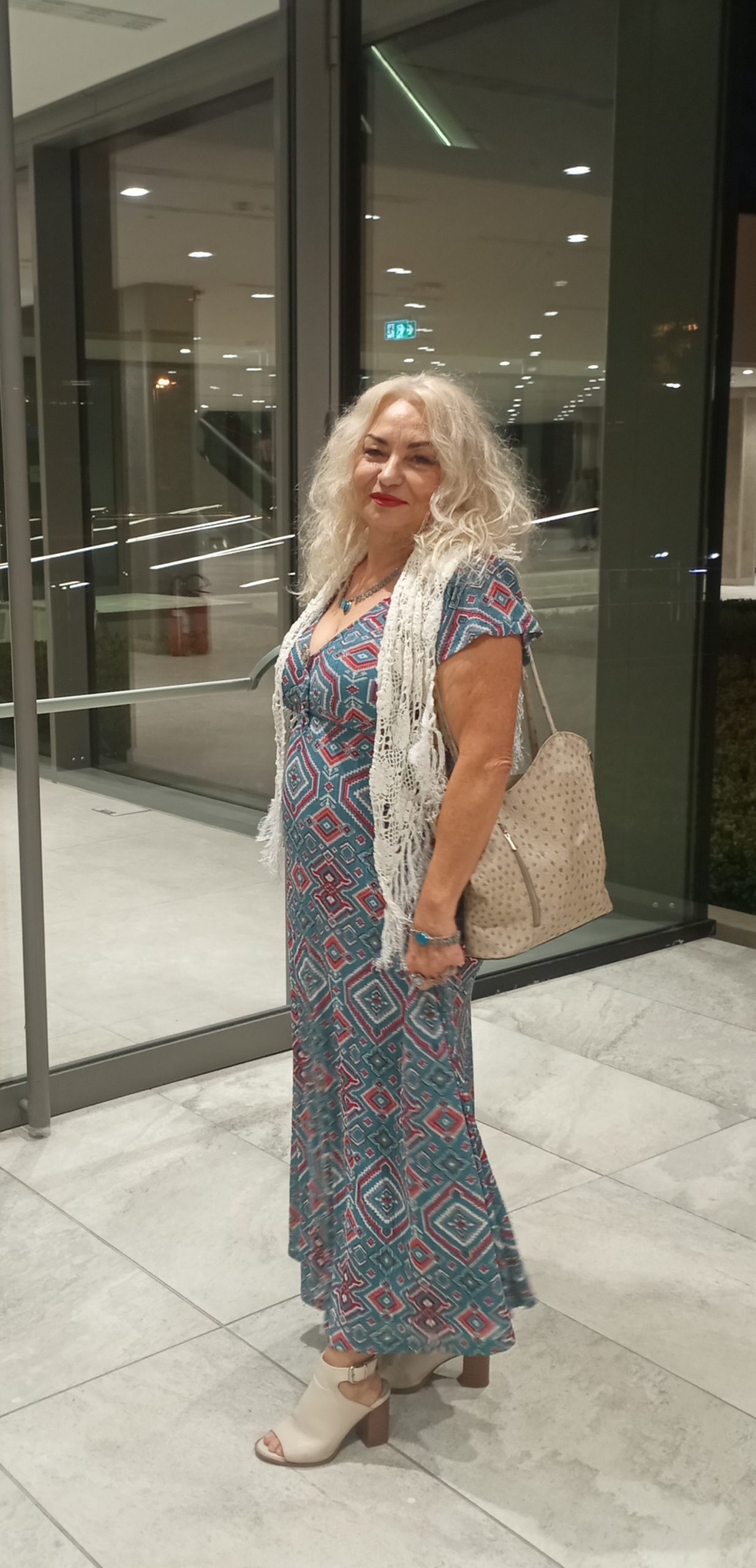
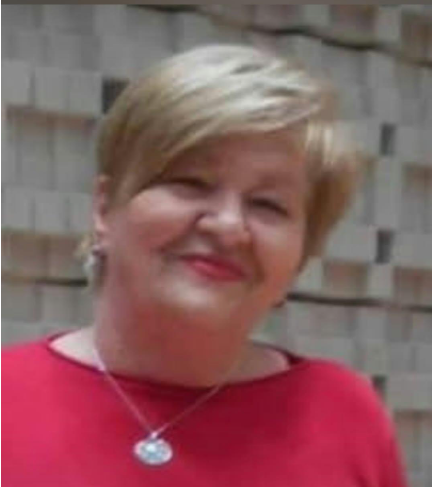
Katica Protić is a Croatian poet and prose writer from Dubrovnik. She is a mother of three and a retired former director of a private company. She has been writing poetry and prose since her early youth. Her literary work is deeply rooted in emotion, human experience, love, pain, and the beauty of life. She has published two independent poetry collections, Maybe We Met in Our Dreams and Love, Pain, Sea and Salt. Her poetry has been featured in more than 100 joint anthologies, with her work represented by anywhere from one to thirty poems in individual collections. She has received approximately 40 certificates of appreciation, commendations, diplomas, and awards, including bronze and gold medals.
Among her notable achievements are three consecutive first-place awards in literary competitions in Australia. Her poems have been published internationally, reaching readers and literary publications from Australia to India and the United States. Her prose has also received recognition, with awards in Croatia, the United States, and Australia. Through her poetry and prose, Katica Protić continues to share her personal vision of life, love, human resilience, and the world around her, carrying the voice of a woman whose words are shaped by both experience and emotion.