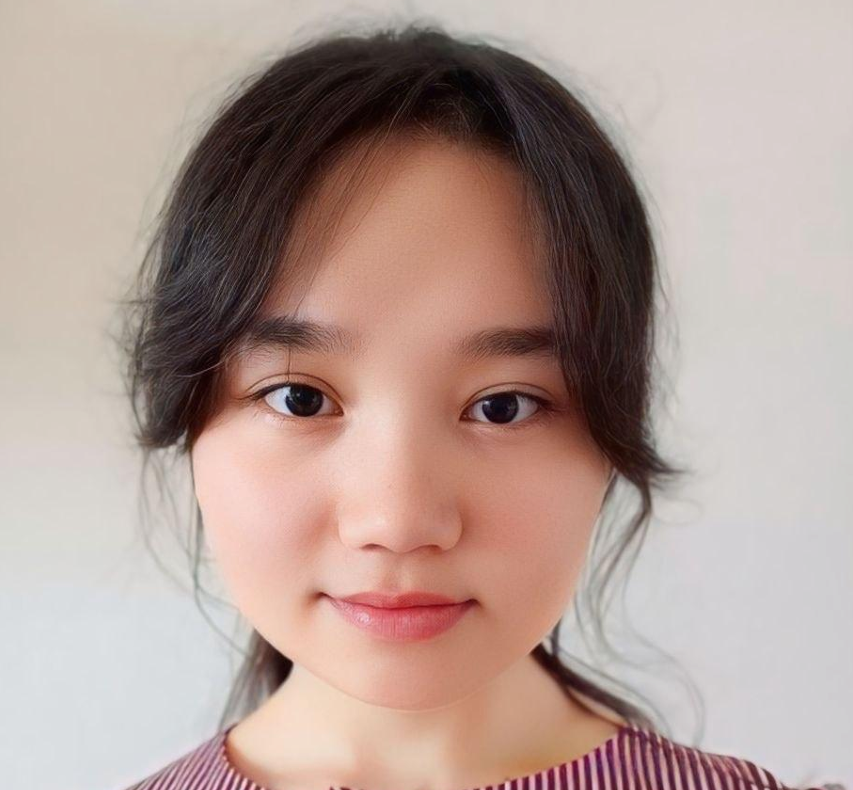
Essay from Nilufar Yoldoshova

Young Central Asian woman with long dark hair, brown eyes, and a white collared top with a light blue and white coat, standing outside on a lawn near some flowers.

INTERCULTURAL SIMILARITIES AND DIFFERENCES: ANALYSIS OF KOREAN AND UZBEK FUNERAL RITUALS

Nilufar Yoldoshova, SamDChTI, Faculty of Oriental Studies,

Department of Philology and Language Teaching (Korean),

1st year, Group 2502

Abstract:

Funeral rituals of the Korean and Uzbek peoples each possess unique cultural values and traditions of respect for the deceased. However, significant differences exist in both form and meaning. These differences are primarily shaped by Confucianism, Buddhism, and Shamanism in Korean society, and by the combination of Islam and national customs in Uzbek society. Although both cultures emphasize communal unity, deep respect for elders, and honoring the memory of the deceased, the organizational process, symbolic expression, and spiritual interpretation of funeral rituals show notable distinctions. This article explores the similarities and differences between the funeral practices of these two cultures.

Keywords: funeral ritual, funeral hall, memorial table, condolence money, mourning, coffin, shroud

Introduction

A funeral ritual is a ceremony and set of customs associated with burying the deceased. Funeral practices have evolved since the emergence of humanity, influenced by geographic environment, social life, human capabilities, scientific understanding, and worldviews. Even in the Paleolithic period, 40,000–18,000 years ago, burial rituals were performed. Over time, funeral practices became integrated with religious rituals and customs. Every culture has specific forms, rules, and procedures for funerals. Through these rituals, societies bid farewell to their members, preserve their memory, and, according to their beliefs, ensure the peace of the soul. Funerals are not only a time of grief and mourning but also an opportunity to reflect on the meaning of life and reinforce human values.

The main purposes of a funeral ritual are:

Respect for the deceased: This is the final expression of honor and reverence for the deceased.

Gathering and remembrance: Relatives and friends come together to share positive memories and bid farewell.

Compassion: To show the deceased’s close ones that they are not alone and to comfort them in their loss.

Spiritual and religious beliefs: In many religions, funeral rituals represent an important stage for the soul’s transition, purification, or return to God.

Korean Funeral Rituals

In Korean society, the funeral process is not only a farewell to the deceased but also an important cultural event reflecting their religious, philosophical, and social values. These rituals are influenced by Confucianism, Buddhism, and Shamanism, all of which emphasize respect for death as the final stage of human life.

Korean funeral traditions primarily developed under Confucian influence. In Confucianism, filial piety (효, hyo) toward parents and ancestors is the highest virtue. Therefore, children, especially the eldest son or grandson, play a critical role in the burial process. Buddhism emphasizes the rebirth of the soul, while Shamanism involves beliefs connected to spiritual entities and ceremonies.

Historically, funerals were held at home, but today they take place in specialized funeral halls (장례식장, jangnyesikjang) or hospital-associated centers. The “Jesa” ritual involves preparing food for the deceased every day for 49 days after death, reflecting the belief that the soul should not remain hungry. Typically, the funeral lasts three days:

Day 1: Preparing the body for burial (washing, shrouding, placing in position).

Day 2: Receiving guests and conducting condolence ceremonies.

Day 3: Burial or cremation (화장, hwajang).

Key stages of the ceremony:

The body is cleansed and wrapped in a white shroud, then placed before the memorial table (향안) with flowers, candles, and a photograph of the deceased. The chief mourner (상주, sangju), usually the eldest son, is responsible for all organizational duties. Guests bow deeply twice to the deceased and once to the family. Traditionally, only men served as sangju, but today women also participate, reflecting gender equality trends.

Guests give condolence money (부의금, bueuigeum) to support the bereaved family and cover funeral expenses:

Standard amount: 50,000–100,000 WON (approx. $50–100)

Close relatives: 100,000–500,000 WON

Business partners: 50,000–200,000 WON

Commonly: 50,000 WON

Food and beverages, including soju (소주), are served, and guests often remain until evening to provide emotional support. Traditionally, the deceased was buried, but modern cremation (화장, hwajang) has become increasingly common due to limited land resources and environmental considerations. Some families create keepsakes or memorial balls from the ashes to honor the memory of the deceased. Participants wear dark or black simple clothing; historically, families wore special mourning garments (상복, sangbok). Loud voices, jokes, or laughter are considered inappropriate.

Uzbek Funeral Rituals

Uzbek funeral practices have deep historical roots and are primarily shaped by Islamic religion and local customs. These ceremonies serve not only to send off the deceased but also to provide social compassion and spiritual support for their family and community.

Islam is the primary influence on Uzbek funerals, and all processes are carried out according to the Sunni Hanafi school of thought. Additionally, ancient Turkic and Persian cultural practices, such as holding memorial ceremonies on specific days, are observed. The focus is on the soul’s peace and salvation in the afterlife. Funerals usually occur in three main locations: the deceased’s home, mosque, and cemetery. Burial is typically conducted within 24 hours but is not mandatory on the day of death. The one-day ceremony includes washing (ghusl), shrouding, funeral prayer (janaza), and burial. After burial, family and friends recite the Qur’an and prepare a communal meal.

Shrouding: The body is wrapped in a white cloth symbolizing purity and equality.

Funeral prayer (janaza): Performed in the mosque or open space as a final collective prayer.

Burial: The deceased is laid on their side facing the Qibla, and each participant throws soil three times.

Financial support: Guests provide condolence money (sadaqa).

Only traditional burial is practiced; cremation is forbidden under Islamic law. Simple headstones are placed on graves, and elaborate structures are strictly prohibited. Participants wear simple black or white clothing; women cover their heads with scarves. Loud crying or wailing is strictly forbidden, as it may disturb the deceased’s soul.

Post-funeral ceremonies:

3rd day: Qur’an recitation and remembrance

7th day: Family and close relatives gather

40th day: Broader community participation

1-year memorial: Final remembrance

Similarities (despite differences):

Respect for the deceased: Both cultures view the funeral as a way to honor the deceased and fulfill one’s duty.

Family centrality: Close relatives, particularly the eldest son or closest male relative, play an essential role.

Gathering and rituals: Both traditions include communal gatherings (condolence meetings, meals) as part of mourning.

Dress code: Wearing dark or somber clothing is customary in both cultures, with Uzbek attire being modest and Islamic-compliant.

Differences:

Korean rituals are influenced by multiple religions; Uzbek rituals are primarily Islamic.

Korean funerals last three days, whereas Uzbek funerals are completed within 24 hours.

Burial method: cremation is common in Korea, while Uzbekistan strictly practices underground burial.

Commemoration practices: Koreans perform extended ancestral rites, while Uzbeks focus on prayer for the deceased.

Korean ceremonies often emphasize the eldest child’s role, while Uzbek ceremonies involve the entire community.

Financial support: Koreans give “bueuigeum,” while Uzbeks provide “sadaqa.”

Venue: Korean funerals often occur in specialized halls, whereas Uzbek ceremonies are held at home, mosque, and cemetery.

Post-funeral rituals: Korea observes a 49-day cycle, while Uzbekistan has ceremonies on the 3rd, 7th, 40th day, and 1 year.

Conclusion:

Korean and Uzbek funeral practices reflect unique cultural and religious characteristics. Korean rituals emphasize ancestral worship and family traditions, while Uzbek rituals are based on Islamic beliefs and community involvement. In both cultures, funerals honor the deceased and console the bereaved. These rituals are an important part of cultural heritage, passed down through generations.

References:

“Korean Funeral Customs” – National Folk Museum of Korea, 2015

“Death and Funeral Culture in Korea” – Seoul National University Press, Seoul, 2018

“Korean Traditional Culture Series” – Korea University Publishing, Korea, 2020

“Uzbek Folk Rituals” – Academy of Sciences of Uzbekistan, Tashkent, 2017, pp. 156–189

“Islam and Uzbek Traditions” – Muslim Board of Uzbekistan, Tashkent, 2019

“Uzbek National Encyclopedia,” Tashkent, 2021

Essay from Gulsevar Amirqulova

Young Central Asian woman with long dark hair, small earrings, and a black top.

PEDAGOGICAL ASPECTS OF DEVELOPING PROFESSIONAL CREATIVITY IN FUTURE TEACHERS BASED ON COGNITIVE APPROACH

ABSTRACT

This article analyzes the issues of guiding future teachers to acquire cognitive activity experience, developing their pedagogical thinking and professional creativity, and preparing them to design cognitive education and upbringing processes.

Keywords: cognitive pedagogy, future teacher, pedagogical education, professional creativity, education, upbringing, design, knowledge, method, cognitive-pedagogical activity.

The development of professional creativity in future teachers is directly related to the human cognitive process. The cognitive process reflects the systematic manifestation of mental processes. These are expressed in the future teacher’s perception of professional knowledge, retention in memory, recollection, processing, and interpretation. Methods and techniques that activate these processes in education began to be systematically studied by specialists by the end of the last century.

The formation of professional creativity in future teachers, the use of productive methods and technologies in this process, and ensuring creativity among future teachers have been studied in the works of R.G. Safarova, Kh.I. Ibraimov, B. Adizov, N. Muslimov, B.S. Abdullaeva, O. Tolipov, Sh. Sharipov, B. Mamurov, G. Ibragimova, and G. Nafasov. The technological stage is of great importance in helping future teachers acquire skills to design cognitive education and upbringing processes. At this stage, future teachers must master the principles of student development when designing all stages of the educational process.

It is crucial that future teachers acquire the ability to anticipate pedagogical tools, technologies used, and guaranteed educational outcomes. They should understand the principle of integrating their personal experiences into the content of education and training while designing cognitive education processes. Additionally, they must gain experience in collaborating with their future students through dialogue. The effectiveness of the cognitive education process depends on how accurately the teacher can design and organize it purposefully. For this, future teachers must also master the skill of using varied forms of work. These skills manifest clearly when future teachers select and design educational materials effectively.

Future teachers must also master the skills of monitoring the educational and cognitive activities of their students. Only then can they accurately design assessment materials and scenarios, which enables the efficient organization of the educational process. To equip future teachers with advanced pedagogical technologies, the following steps should be observed:

Analyze the lessons and professional outcomes of subject teachers during pedagogical practice to study their professional skills through mentorship.

Teach future teachers to identify and address potential challenges in cognitive pedagogical creativity and organization during their future professional activity.

Ensure future teachers can analyze and control their professional activities, relying on knowledge about designing and organizing the education process.

Enable future teachers to effectively select educational tools and use them in designing education and upbringing processes.

Allow future teachers to determine ways to improve their pedagogical creativity and organization based on concrete scientific and practical evidence.

To prepare future teachers for designing the education and upbringing process, they must initially:

Conduct regular consultations and discussions with mentor teachers during pedagogical practice.

Attend and analyze lessons of experienced teachers in detail.

Seek guidance from experienced teachers to organize the educational process effectively.

Participate in discussions, seminars, conferences, and training sessions on designing and organizing education and upbringing processes.

The practical training of future teachers in designing educational processes should be regularly analyzed by professors and instructors, highlighting achievements and shortcomings and recommending ways to address them. Future teachers should understand:

The individual characteristics of students in a particular class and the enhanced requirements during lessons.

How the teacher’s behavior in the educational process contributes to the personal development of students.

The structural components of the cognitive education process and what drives it.

The achievements and shortcomings of a specific teacher in organizing education.

To ensure effective design of the education process, the following measures are recommended:

Enrich the content of lesson topics and educational materials, aligning them with students’ personal development.

Create a supportive environment for students’ success and assist them in mastering the material.

Consistently support students’ interests and aspirations.

Future teachers should be able to select and design educational materials in harmony with students’ personal experiences and knowledge. Designing the educational process aligned with learning objectives is essential for its effectiveness. For this:

Educational materials should reflect students’ achievements, creative analysis, potential, experiences, and cognitive development.

Ensure the balance between the educational objectives and students’ abilities to master the material.

In designing educational situations within the cognitive education process, future teachers should consider creative thinking, communication engagement, and activity-oriented approaches, as these require mastery of professional knowledge. They must prioritize students’ personal development, facilitating interaction and dialogue between teacher and students, as well as among peers. The focus is on achieving outcomes important for students’ personal growth. Future teachers should gain experience in developing lesson plans that direct the learning process toward student-centered goals, ensuring lesson effectiveness through appropriate tasks and methods.

Collaboration among professional teachers, sharing and creatively utilizing each other’s experiences, is essential for ensuring the effectiveness of the education process. Future teachers should learn from experienced teachers during pedagogical practice. In addition to studying the conceptual foundations of cognitive education, they should understand methods for continuous educational activity, develop independent organizational skills, and recognize the significance of classroom situations in personal development.

All these requirements for future teachers must be reflected in the curriculum and textbooks designed for higher pedagogical education.

REFERENCES:

Mirziyoyev Sh.M. Strategy for the Development of New Uzbekistan. – Tashkent: Uzbekistan.

Safarova R.G. Theoretical Approaches to Cognitive Pedagogy: Monograph. – Tashkent.

Ibragimov Kh., Abdullayeva Sh. Theory of Pedagogy: Textbook. – Tashkent: Science and Technology, 2008. – 288 p.

Ibraimov Kh.I. Creativity as One of the Characteristics of the Personality of the Future Teacher // Science, Education and Culture. – 2018. – No. 3 (27). – P. 44-46.

Ibraimov Kh.I., Quronov M. General Pedagogy: Textbook. – Tashkent: Shaffof, 2023. – 416 p.

Essay from Jo‘ranazarova Dilobar Dilmurod qizi

Young Central Asian woman with curly dark hair, brown eyes, and a black coat with large buttons and a white undershirt and small earrings.

THE ROLE AND SIGNIFICANCE OF MOTHER TONGUE EDUCATION IN THE MODERNIZATION PROCESS

Student, Termiz State Pedagogical Institute

Abstract:

This article analyzes modern approaches to the modernization of mother tongue education within the general education system. It focuses on the goals and objectives of mother tongue teaching, its role in developing students’ language competence, and the implementation of innovative pedagogical technologies. Existing textbooks and curricula are analyzed, current challenges are identified, and recommendations for addressing them are provided. Results from experimental lessons organized using modern educational technologies confirm the effectiveness of new methods.

Keywords: mother tongue, educational modernization, language competence, curricula, innovative technologies, pedagogical process

Introduction:

In today’s era of globalization and digital development, modernizing the education system is considered a pressing task, as the socio-economic development of society, spiritual and moral growth, and the thinking and worldview of the younger generation are directly linked to the quality of education. From this perspective, modernizing mother tongue education is of particular importance.

The mother tongue serves as a primary tool for expressing national identity, shaping thought, and enhancing spirituality. It is not only a means of communication but also a key factor in transmitting cultural heritage and moral values from generation to generation. Therefore, re-examining the role and significance of the mother tongue within modern education and organizing its teaching through innovative approaches is one of the current pedagogical challenges.

Modernizing mother tongue education helps enhance students’ speech culture, develop critical and creative thinking skills, and educate them as individuals loyal to national and universal values, capable of competing in society. Studying this topic has both theoretical and practical significance.

The Concept of Modernization in Education:

Modernization (from Latin modernus – contemporary, renewed) refers to reorganizing, improving, and developing an existing system based on current requirements. In education, modernization involves updating the learning process using advanced achievements, modern pedagogical technologies, and digital tools.

Key aspects of educational modernization include:

Aligning curricula and standards with contemporary requirements

Strengthening interdisciplinary integration

Implementing competency-based education

Combining traditional teaching methods with interactive approaches

Creating tasks to develop creative and critical thinking

Applying student-centered education

Integrating digital technologies into the learning process (e-textbooks, online platforms, artificial intelligence)

Utilizing multimedia, virtual laboratories, and simulations

Implementing modern management systems in educational institutions

Regularly enhancing teachers’ qualifications

Adapting international experiences to the national education system

Educational modernization aims to develop students comprehensively and cultivate them as well-rounded individuals with competencies suited to the demands of the global information society.

Goals and Objectives of Mother Tongue Education:

Mother tongue education is essential in any society for preserving national values, promoting culture, and enhancing intellectual potential. Its primary goal is to develop students’ language competence: the ability to use the mother tongue correctly, fluently, and effectively, as well as to enhance communication and thinking skills.

General Goals:

Develop linguistic understanding and literacy

Teach phonetic, lexical, and grammatical norms to foster proper speech culture

Enrich students’ thinking and critical reasoning

Instill national identity, moral values, and patriotism

Encourage creativity and active participation in society

Objectives:

Teach literacy and written communication, ensuring correct spelling, style, and writing skills

Develop speech culture, including proper pronunciation, literary norms, and communication etiquette

Promote logical thinking through language study

Develop skills in analyzing, retelling, and creative writing

Implement innovative and communicative approaches using modern technologies

Prepare students to use language effectively in real-life situations

Theoretical Approaches:

Didactic approach: Integrates theoretical knowledge and practical skills

Communicative approach: Focuses on language as a tool for real-life communication

Competency-based approach: Emphasizes applying knowledge, problem-solving, and effective participation

Cultural and moral approach: Instills national values and enhances spirituality

Modernization in National and International Literature:

Recent national and international studies focus on updating content, developing competency-based skills, implementing ICT, and increasing teaching effectiveness. Uzbek researchers emphasize that mother tongue classes should go beyond grammar, fostering independent thinking, creativity, and communication skills. Foreign scholars highlight the importance of competency-based approaches, active learning, and communicative methods.

Competency-Based Approach:

The primary goal is to develop students’ language competence. Students should apply knowledge in real-life situations and communicate effectively. This approach enhances:

Communicative tasks in lessons

Critical and creative thinking

Speech culture for active societal participation

Information literacy, including sourcing and presenting materials

Integration of ICT in Mother Tongue Education:

ICT plays a critical role in modernizing mother tongue lessons. Digital resources such as e-textbooks, multimedia, interactive presentations, online tests, and platforms develop both language knowledge and independent learning skills. Benefits include:

Increasing lesson engagement and interactivity

Supporting individualized learning

Teaching multimodal literacy (text, audio, video, graphics)

Developing information literacy

Aligning with international educational standards

Scientific Foundations:

Modernization relies on various scientific approaches:

Didactic: Based on general laws and principles of teaching

Psychological: Accounts for age, cognition, and motivation

Pedagogical: Combines student-centered learning, educational goals, and communication

Methods:

Literature analysis of national and international sources

Observation and interviews with teachers and students

Experimental lessons using innovative methods and ICT

Surveys and questionnaires to identify problems and suggestions

Current Challenges:

Dominance of traditional approaches, focusing on grammar over communication and creativity

Outdated textbooks and curricula

Limited teacher preparedness for innovation

Insufficient use of ICT

Assessment systems emphasizing theory over creativity and communication

Analysis of Textbooks and Curricula:

Strengths: Coverage of national values, literary norms, and literacy topics

Weaknesses: Limited focus on communicative needs, creativity, and critical thinking; outdated or repetitive topics; misalignment with competency-based assessment

Effectiveness of Competency Development:

Competency assessment considers:

Speech competence

Linguistic competence

Communicative competence

Creative competence

Information competence

Experimental lessons using modern technologies showed increased student engagement, independent learning, creativity, collaboration, and communication skills, with a 25–30% higher activity compared to control groups.

Conclusion:

The modernization of mother tongue education should go beyond grammar to develop students’ linguistic, communicative, and creative competencies. Mother tongue education is vital for intellectual, moral, and social development, requiring a combination of didactic, psychological, and pedagogical approaches. Competency-based methods and modern technologies effectively enhance student engagement, language competence, and creativity. Current challenges include teacher preparedness, assessment limitations, and the need to improve textbooks and curricula. Modernization remains crucial for improving education quality and preparing students as active participants in contemporary society.

References:

Askarova, U. (2024). Enhancing Linguistic Competence Through Mother Tongue Lessons in Primary Classes (2-grade mother tongue textbook). Modern Science and Research, 3(7), 84–87.

Boltayeva, B., & Shakarova, L. (2022). Development of Mother Tongue Based Competences Outside the Classroom. International Journal of Scientific Trends. scientifictrends.org

Islyamova, S. Y. (2025). Competency-Based Approach: Transforming Assessment in Education. Web of Teachers: Inderscience Research, 3(3). Web of Journals

Jurayeva, T. U. (202x). Competency-Based Approach in Higher Education and Prospects for The Development of The Uzbek Language. International Journal of Scientific Trends. scientifictrends.org

Sadikov, E. (2024). Teaching Pragmatic Competencies as a Methodical Problem in Uzbekistan. Excellencia: International Multi-disciplinary Journal of Education, 2(10). multijournals.org

Pulotova, Y., & Olimova, S. U. (202x). Interdisciplinary Integration of the Mother Tongue in the Primary Education System and its Importance. International Journal on Integrated Education, 6(9). journals.researchparks.org

Nisanbaeva, A. K. (2023). The Role of Modern Technologies in Teaching the Mother Tongue. Eurasian Journal of Learning and Academic Teaching, 25, 66–69. Genius Journals

Shomurodova, O. G’. (2022). Levels of Materializing Mother Tongue Content in Schools. Pedagogs Journal, 9(3), 68–70. pedagoglar.uz

Essay from O’roqova Nargiza

Young Central Asian woman with long dark hair, brown eyes, a small necklace, and a white collared blouse. She's standing in front of a sign with greenery for her medical university.

SALIVARY GLANDS AND THEIR IMPORTANCE

Abstract

Salivary glands are exocrine glands that secrete saliva into the oral cavity. They play an important role in the human body in digestion, moisturizing mucous membranes, protection against microbes, and serving as a source of biomarkers for research purposes. This article discusses the anatomical structure and types of salivary glands, characteristics of their secretions, the mechanism of saliva secretion, their physiological functions, as well as pathological conditions (such as inflammation of the glands, stone formation, Sjögren’s syndrome) and their clinical significance. According to research results, salivary glands perform important roles in protecting mucous membranes interacting with the external environment, initiating digestion, regulating oral microbiota, and providing useful biomarkers for diagnostics. In conclusion, the proper functioning of salivary glands is emphasized as crucial for oral and overall health.

Keywords: salivary glands, secretion, anatomical structure, salivary enzymes, pathology, biomarkers, oral health

Introduction

Saliva is a liquid, primarily water-based secretion produced by the salivary glands in the oral cavity, consisting of up to 99% water, as well as various organic (enzymes, immune components) and inorganic compounds. On average, a human produces 0.5–1.5 liters of saliva per day. Salivary glands perform several essential functions for the oral cavity and the entire body: assisting in chewing and swallowing food, partially breaking down food molecules, maintaining oral microbiota and pH balance, moisturizing and protecting mucous membranes, and serving as bioindicators through secreted saliva. Despite their small size, salivary glands are biologically very important organs in the human body.

Discussion

1. Anatomical and Histological Structure:

Salivary glands are classified into major and minor glands. They include parotid, submandibular, sublingual, and other minor glands.

2. Salivary Secretion and Composition:

Saliva is a complex fluid composed of water, electrolytes, enzymes, and immune components.

3. Physiological Functions:

Saliva initiates digestion, facilitates swallowing, protects oral mucosa, and combats microbial infections.

4. Pathologies:

Diseases affecting salivary glands include sialadenitis, Sjögren’s syndrome, sialolithiasis, tumors, and xerostomia.

5. Regeneration Prospects:

Approaches for restoring gland function are being developed through gene therapy, cell transplantation, and biomarker research.

Results

1. Salivary glands are essential for initiating digestion, protecting mucous membranes, and controlling microbes.

2. Their anatomical and histological structure is adapted to perform various functions.

3. The composition of saliva and its secretion mechanism maintain oral balance.

4. Pathologies disrupt gland functions and negatively affect oral health.

5. Research on regeneration represents a promising direction.

Conclusion

Despite their small size, salivary glands play a vital biological role in the human body. They are crucial not only for initiating digestion but also for protecting mucous membranes and defending against microbes. Additionally, saliva serves as a useful diagnostic biomarker. In the future, research on regeneration and functional restoration of salivary glands is expected to develop further.

References

1. Anatomy, Head and Neck, Salivary Glands — StatPearls, NCBI.

2. Review of the Major and Minor Salivary Glands — PMC.

3. Physiology, Pathology and Regeneration of Salivary Glands — MDPI.

4. Salivary gland function, development, and regeneration — PMC.

5. Salivary glands (Wikipedia, uz).

6. Saliva (Wikipedia, uz).

7. Pathogenesis and Molecular Genetic Aspects of Salivary Gland Tumors — CyberLeninka.

8. Serous demilune — Wikipedia.

9. Progress in Salivary Glands: Endocrine Glands with Immune Functions — Frontiers.

10. Overview of Human Salivary Glands: Morphology and Histology — Wiley.

O‘roqova Nargiza, born on March 26, 2001, in Ishtikhon District, Samarkand Region. She is currently a first-year grant-funded student at Tashkent State Medical University.

Her professional activity includes working as a Biology teacher at Secondary School No. 33 in Ishtikhon District, Samarkand Region, during the 2024/2025 academic year. She graduated from Jizzakh State Pedagogical University, Faculty of Biology, in the 2020–2024 academic years. She has an excellent command of English, Russian, Arabic, and Turkish.

Essay from Nilufar Mo’ydinova

Young Central Asian girl in a jean jacket, light colored blouse, and jeans and white tennis shoes. She's holding a black purse and has long dark hair. She's in front of an entrance to a stone building with trees in a courtyard.

METAPHYSICS AND PHILOSOPHICAL IDEAS IN FAUST

ANNOTATION

This article provides a systematic analysis of the metaphysical and philosophical ideas present in Johann Wolfgang von Goethe’s tragedy Faust. Within the philosophical layer of the work, the human quest for boundless knowledge, the dialectical relationship between spirit and matter, the metaphysical nature of good and evil, and the issues of fate and free will are extensively explored. The study reveals the connection between the metaphysical views in the play and the traditions of German Classicism and Enlightenment philosophy. Furthermore, the dialogues between God, Mephistopheles, and Faust elucidate cosmic harmony, the dual nature of humanity, and the concept of spiritual development. The article also uncovers the philosophical roots of Goethe’s principle of “creation through negation,” providing a theoretical basis for modern interpretations of the work.

KEYWORDS

Goethe, Faust, metaphysics, philosophy, free will, fate, good and evil, dialectics, spirit and matter, Romanticism, Classicism.

INTRODUCTION

Johann Wolfgang von Goethe’s Faust is not only one of the greatest masterpieces of German literature but also one of the most significant metaphysical sources in the history of European intellectual thought. The play addresses fundamental philosophical problems such as the limits of human knowledge, spiritual development, free will, destiny, and the nature of good and evil. Goethe worked on this tragedy for nearly 60 years, from his youth until the end of his life, embedding within it the scientific-philosophical ideas of his era, the spirit of Enlightenment, Romantic thought, and Classical aesthetics.

The profound philosophical content of Faust reveals that the work consists of several layers. On one hand, it is the story of an individual’s search, inner contradictions, and intellectual dissatisfaction. On the other, it is a poetic interpretation of cosmic order, divine principles, and the essence of creation. For this reason, the tragedy serves as an essential source for scholarly research in philosophical literature, psychology, theology, ontology, and ethics.

This article examines the metaphysical problems in Faust from three essential perspectives:

The human quest for knowledge and its metaphysical limits

The dialectics of good and evil and their ontological foundations

The issues of fate, free will, and cosmic order

MAIN PART

1. The Human Quest for Knowledge and Its Metaphysical Limits

Goethe’s Faust revisits the ancient philosophical idea widely spread in European culture — the human quest for infinite knowledge. Faust embodies the archetype of the classical “seeker of wisdom.” Although he has studied nearly all conventional fields — medicine, philosophy, law, theology, and even astronomy — he still does not feel truly fulfilled. This existential void drives him toward metaphysical pursuits.

Faust’s dissatisfaction with knowledge is not accidental. During Goethe’s era, the rapid progress of science did not necessarily satisfy humanity’s spiritual needs. Enlightenment rationalism elevated reason as the sole path to divine truth, yet many existential questions remained unanswered. Goethe artistically portrays this tension, demonstrating the limits of scientific inquiry.

In his early monologues, Faust appears as a man intellectually saturated but yearning for deeper meaning. His reflections — “What use is all the knowledge I have gained? I still do not know the essential secrets of existence!” — express one of the central questions of classical metaphysics: What is the essence of being?

For Goethe, the pursuit of knowledge is not merely scientific activity but a fundamental characteristic of human nature. Faust’s longing arises from the dialectical relationship between the human inner world and external reality. Metaphysics emerges precisely at this boundary: when a person seeks to understand not only the material world but also the hidden system of existence. Knowledge alone is insufficient; Faust desires to understand “the innermost essence of reality.” Thus begins his journey toward the infinite.

Faust’s pact with the devil symbolizes this metaphysical pursuit. Although it is often interpreted as a moral downfall, it actually reflects the dramatic philosophical tension born from the thirst for ultimate truth. The pact represents Faust’s radical step in his quest for meaning beyond scientific knowledge — through emotions, human experiences, power, mystical energies, and spiritual transformations.

Faust’s desire for knowledge is based on perpetual movement. He never stops; each new search demonstrates the creative power of the human mind. Goethe argues that although humans may never reach perfection, striving toward it is the driving force of human progress. Therefore, “active striving” becomes one of the central principles of Goethe’s metaphysics.

Faust’s journey reveals several paradoxes: the more he seeks truth, the more distant it becomes; the more he learns, the more he realizes his own limitations. This echoes the Romantic concept of the “paradox of infinity” — the human spirit is vast, yet impossible to fully express.

Thus, Faust’s tragedy lies not in his failures but in his endless striving.

In the end, the work raises one profound metaphysical question:

“To what extent can a human being truly understand themselves?”

Goethe offers no definitive answer, for metaphysics naturally resists final conclusions. Yet the play suggests that the pursuit itself is the highest expression of humanity.

2. The Metaphysical Nature of Good and Evil: The Phenomenon of Mephistopheles

One of the most significant philosophical symbols in Faust is Mephistopheles. He is not merely a devil but an ontological category — the “principle of negation” (das verneinende Prinzip). This concept is far more complex than the traditional dualism of good and evil.

Classical theology views evil as a destructive, absolute force. Goethe rejects this notion. For him, evil is a necessary element of creation. Mephistopheles’ famous line — “I am the spirit that negates… I strive for evil, yet unknowingly create good” — captures this idea.

Mephistopheles does not destroy good; he tests and therefore strengthens it. This aligns with dialectical philosophy: contradictions propel development. Good cannot exist without evil, because evil reveals its true value.

Mephistopheles embodies:

1. The principle of critical reason

He mocks, doubts, exaggerates — similar to Voltaire’s satire or Socratic questioning. His criticism does not destroy the world but forces consciousness to rise above itself.

2. A cosmic balancing force

In the “Prologue in Heaven,” God affirms Mephistopheles’ role in the divine order. This is a radical metaphysical claim: evil has a place within the divine plan.

3. The shadow of the human psyche

Mephistopheles personifies Faust’s own doubts, fears, and suppressed desires — resembling the Jungian “shadow archetype.”

Mephistopheles never fully triumphs. He strives for destruction, but the essence of existence is creation and growth. Evil is limited by the cosmic supremacy of good. This optimistic interpretation forms the backbone of Goethe’s metaphysics.

3. Fate, Free Will, and Cosmic Order

Among the metaphysical themes in Faust, fate and free will hold special significance. The play begins with the “Prologue in Heaven,” where God allows Mephistopheles to test Faust, yet expresses complete confidence in Faust’s eventual salvation.

Here Goethe presents a central idea of German Classicism: the universe is directed toward a positive purpose.

Faust is free, but responsible for his decisions. His involvement in Gretchen’s tragedy, his indulgence in worldly pleasures, and his moral failures all stem from his choices. Yet these experiences foster his spiritual growth.

In Faust, fate is not predestination but a realm of possibilities shaped by human desire and action. Goethe emphasizes: even Faust’s gravest mistakes do not doom him because he never stops striving. Hence the metaphysical conclusion:

“Only those who strive shall be saved.”

Movement is the highest principle of Goethean metaphysics.

Evil also plays a role in the cosmic order. Mephistopheles is not an enemy of creation but a force ensuring balance. All contradictions in the cosmos aim toward harmony.

Thus, Faust’s mistakes guide him to a higher spiritual state — a deeply optimistic metaphysical vision.

CONCLUSION

Goethe’s Faust is a literary phenomenon that embodies centuries of European intellectual and aesthetic development. At its core lie the human striving for infinity, the metaphysical foundations of existence, and the process of spiritual maturation. The tragedy is therefore not only a masterpiece of German literature but also a universal philosophical text.

The analysis shows that Goethe reinterprets the key categories of classical metaphysics — good and evil, spirit and matter, freedom and fate, knowledge and infinity, divine order and cosmic harmony. Faust’s unending search arises from humanity’s creative nature. His goal is to understand the world, to know himself, and to pursue the infinite. Thus, Faust becomes a metaphysical archetype — the artistic-symbolic image of the seeking mind.

Mephistopheles reveals the dialectical tensions within this search. He represents not absolute evil but the force of negation — the principle that questions, challenges, and ultimately strengthens creation. Thus, good and evil in Faust appear not as rigid opposites but as dynamic elements that drive human development.

Free will is central to the tragedy. Faust consciously makes his choices and bears their consequences. These choices illustrate that human freedom is inseparable from moral responsibility. Fate, therefore, is not fixed but shaped through creativity, striving, and spiritual growth.

The “Prologue in Heaven” expands the work to a cosmic scale, presenting the universe as a harmonious system guided by spiritual evolution. Faust’s salvation, despite his errors, reflects Goethe’s optimism about human nature. Humanity’s true worth lies in its striving, its ever-evolving consciousness, and its pursuit of the good.

In Faust, the dialectic of spirit and matter also plays a crucial role. Faust’s worldly desires clash with his higher aspirations, revealing the ontological tension inherent to human existence. Goethe shows that spiritual ascent is possible only when these opposing forces find harmony.

In conclusion, the metaphysical layers of Faust explore humanity’s place in existence, the limits of knowledge, creative thinking, moral responsibility, and divine order. The play portrays humans not as passive beings but as creators capable of understanding, shaping, and transcending their lives. Goethe celebrates humanity’s spiritual ascent and eternal striving toward the infinite — the perpetual mission of humankind.

USED LITERATURE

Goethe, J. W. von. Faust I & II. Translated by Walter Kaufmann, Anchor Books, 1961.

Boyle, Nicholas. Goethe: The Poet and the Age. Oxford University Press, 1991.

Atkins, Stuart. Goethe’s Faust: A Literary Analysis. Harvard University Press, 1958.

Gray, Ronald. Goethe the Alchemist: A Study of Alchemical Symbolism in Goethe’s Literary and Scientific Works. Cambridge University Press, 1952.

Safranski, Rüdiger. Goethe: Life as a Work of Art. Liveright Publishing, 2017.

Kittler, Friedrich. Discourse Networks 1800/1900. Stanford University Press, 1990.

Pinkard, Terry. German Philosophy 1760–1860: The Legacy of Idealism. Cambridge University Press, 2002.

Beiser, Frederick. The Romantic Imperative: The Concept of Early German Romanticism. Harvard University Press, 2003.

Hegel, G. W. F. Phenomenology of Spirit. Oxford University Press, 1977.

Magee, Glenn. Hegel and the Hermetic Tradition. Cornell University Press, 2001.

Nilufar Mo‘ydinova was born in Qo‘shtepa district, Fergana region, Republic of Uzbekistan. She is a graduate of the Uzbekistan State University of World Languages. She works as a manager at the “Fair Print” printing service. Her articles have been published in Bekajon, Kenya Times, The Diaspora Times Global, and Synchaos. She is a member of the International Writers’ Association of Argentina (Grupo de Trabajo de Escritores Internacionales – Argentina), a holder of international certificates, a Global Ambassador for Peace, and a participant in international anthologies and conferences. She is also a recipient of the “Ambassador of Friendship” honorary badge.

Essay from Aliyeva Aziza Utkirovna

Young Central Asian girl with short dark hair, brown eyes, small earrings, and a white collared shirt and black coat.

HIDDEN HISTORY IN THE EYES: THE INNER WORLD OF HUMANS

Abstract: This article is devoted to revealing a person’s inner world through the eyes. The author interprets the eyes not only as organs of sight but also as the most reliable mirror of human psyche, emotions, and inner history. The article vividly and profoundly depicts how the eyes reflect human experiences, memories, dreams, and inner sufferings. It also analyzes the possibility of understanding a person’s psyche, personal values, and worldview through the eyes. Written in an artistic style, the article harmonizes psychological and philosophical perspectives, allowing the reader to feel the complex and rich layers of a person’s inner world.

“The eye is a secret, the heart is a sea, the mind is the shore.”

— Rumi

Human eyes are not merely organs for seeing, recognizing, or being recognized. The eyes are the oldest book of a person, the most meaningful language in silence, a unique means of communication that needs no translator. Sometimes one cannot trust a person’s words, yet a fleeting sparkle in their eyes can reveal their entire life. A person’s inner history, experiences, suffering, joy, and dreams—all of these fit into these two small windows.

Reading the hidden history in the eyes means feeling the person, understanding their heart, comprehending them without repeated words. One glance draws a person closer, another pushes them away through the years. The eyes have their own truth, their own seal: there is no deception, no sarcasm, no place for polished words.

Every person’s inner world is unique. In someone’s eyes, the dust of ancient cities, old experiences, and heavy trials are reflected. In another’s eyes, there are yet unwritten pages of life—purity, dreams, simple trust. The eyes are a magical bridge that unites a person’s past and future. As long as a person lives, every experience, every loss and gain, every suffering and joy leaves a new line at the bottom of these eyes.

Sometimes people hide their eyes—they fear their own histories and do not wish to reveal the stories within. But it is impossible to completely cover the eyes. A person reveals themselves even without words. Compared to a world tired of excessive words, the eyes speak truth like a wound: noticeable, yet impossible to conceal.

The idea that the eyes are the mirror of the soul is not merely figurative. A person’s inner world, psyche, upbringing, past, and even what kind of person they will become in the future can be sensed there. By looking into someone’s eyes, one can feel who they are, what they have experienced, what they long for, and what they fear.

A person who can read the hidden history in the eyes understands others quickly. For this history never lies. There are no extra phrases in the conversation of the eyes, only inner truth. Some eyes comfort, some give strength, while others carry traces of hopeless events. Behind every gaze lies a world—a universe—a person.

Therefore, if you want to know a person’s inner world, first look into their eyes. There lie unspoken words, unfinished stories, deep thoughts, and hidden secrets. In every person’s eyes is a history written by themselves but never read to anyone.

Studying the hidden history in the eyes also allows analyzing people’s emotional and mental states. Every glance, every tremor, every smile reflects the questions and answers a person gives to themselves. Thus, the eyes are not only a spiritual mirror but also witnesses of the passage of time, human experiences, and inner changes.

The struggles in a person’s inner world are reflected through the eyes. Sometimes in subtle expressions, sometimes in sharp gazes. For instance, when a person recalls a painful memory, dark clouds appear in their eyes; in moments of joy, light shines. These moments, memories, and feelings are all written in the inner history of the eyes, and this history is never forgotten.

Understanding a person through the eyes is not just looking; it is a harmony of thought, intuition, and inner feelings. Sometimes the smooth silence of the eyes says more than words ever could. The eyes are the most truthful part of a person, leaving no room for lies or hypocrisy. Therefore, by observing the eyes, one can sense not only a person’s mental state but also their personal values and worldview.

Every person creates a hidden bridge between past and future in their eyes. Through the eyes, they recall past mistakes, successes, loves, and losses. In this way, the eyes become an open book of a person’s personal history, where every page is an event, every gaze a trace, every slight tremor an emotion.

Studying the hidden history in the eyes helps to understand a person more deeply. This study is not merely observation but feeling, accepting the learned knowledge with the heart. Therefore, the eyes are the most reliable means of exploring a person’s inner world, for they never lie.

The eyes have a unique magical power: they reveal a person’s inner world, memories, dreams, fears, and hopes. In this way, one can learn much about a person’s mental state, human behavior, and personal values. The eyes are a vivid expression of the richest and most complex history of a person.

The role of eyes in human psyche is not limited to individual memories; they also reveal subtle connections in social relations. Through the eyes, a person connects with others, expresses feelings, and even communicates without words. In this sense, the eyes are one of the oldest and most universal “languages” in human history. Each gaze provides the opportunity to read a person’s unique history and personal experience.

The human inner world is complex and layered. The eyes are like a window that reveals these layers one by one. In one glance, the simple memories of childhood are reflected; in another, the deep thoughts of adulthood. Through the eyes, a person’s inner experiences and emotions are revealed: calmness and anxiety, hope and worry, joy and suffering coexist.

Furthermore, the eyes reveal a person’s personal values and worldview. Through them, a person understands their inner problems and dreams, compares themselves with others, and shapes life decisions. Therefore, studying the eyes is an essential tool for understanding the human psyche. Eyes are delicate and precise indicators that provide a map of a person’s inner world.

Studying the hidden history in the eyes is interesting not only psychologically but also philosophically. Every gaze reflects the complex connection between a person’s past, present moment, and future. In this way, the eyes become a key that helps to understand a person’s inner world more deeply.

Poetry from Ratan Bhattacharjee

Middle-aged South Asian man with short trimmed hair, reading glasses, a mustache, and a gray and white striped collared shirt and red tie.


Ode to 2026: Harbinger of Hope

Dr. Ratan Bhattacharjee

I

Hail to thee, O year of light,

 You rise to banish the lingering night.

 From weary hearts new dreams shall grow,

 Your dawn proclaims what all shall know.

 Hail to thee, 2026, Harbinger of Hope,

Guide us onward, teach us to cope.

II

The past lies silent, its burdens cast,

 You bring renewal, a future vast.

Injustice trembles, despair takes flight,

You crown the world with courage bright.

 Hail to thee, 2026, Harbinger of Hope,

Guide us onward, teach us to cope.

III

The children’s laughter rings clear and strong,

 The elders join in a timeless song.

Nations awaken, their voices free,

You weave their dreams in unity.

Hail to thee, 2026, Harbinger of Hope,

Guide us onward, teach us to cope.

IV

No tyrant’s shadow shall dim your flame,

 You etch on history a noble name.

With love and justice your banners rise,

 A brighter world beneath your skies.

 Hail to thee, 2026, Harbinger of Hope,

Guide us onward, teach us to cope.

V

So march we forward, hand in hand,

 Across the seas, through every land.

Your promise shines, our spirits soar,

 Hope reborn forevermore.

Hail to thee, 2026, Harbinger of Hope,

Guide us onward, teach us to cope.