
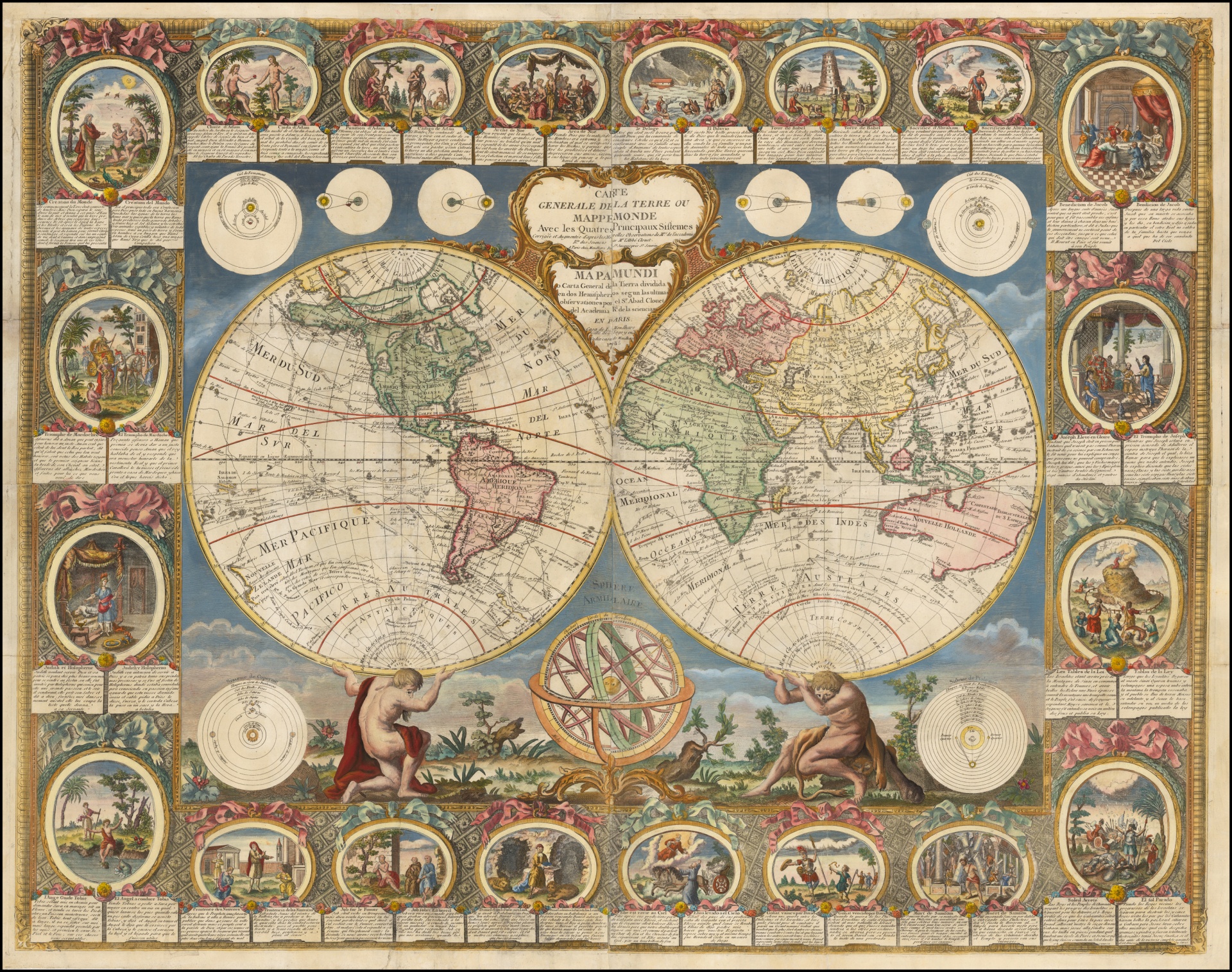
Welcome to September’s second issue of Synchronized Chaos! First, some announcements.
Author Eldar Akhadov requests reviews of his title Philosophy of the North: Notes of a Mine Surveyor – Arctic Prose and Philosophical Essays. More about Akhadov and the book here:
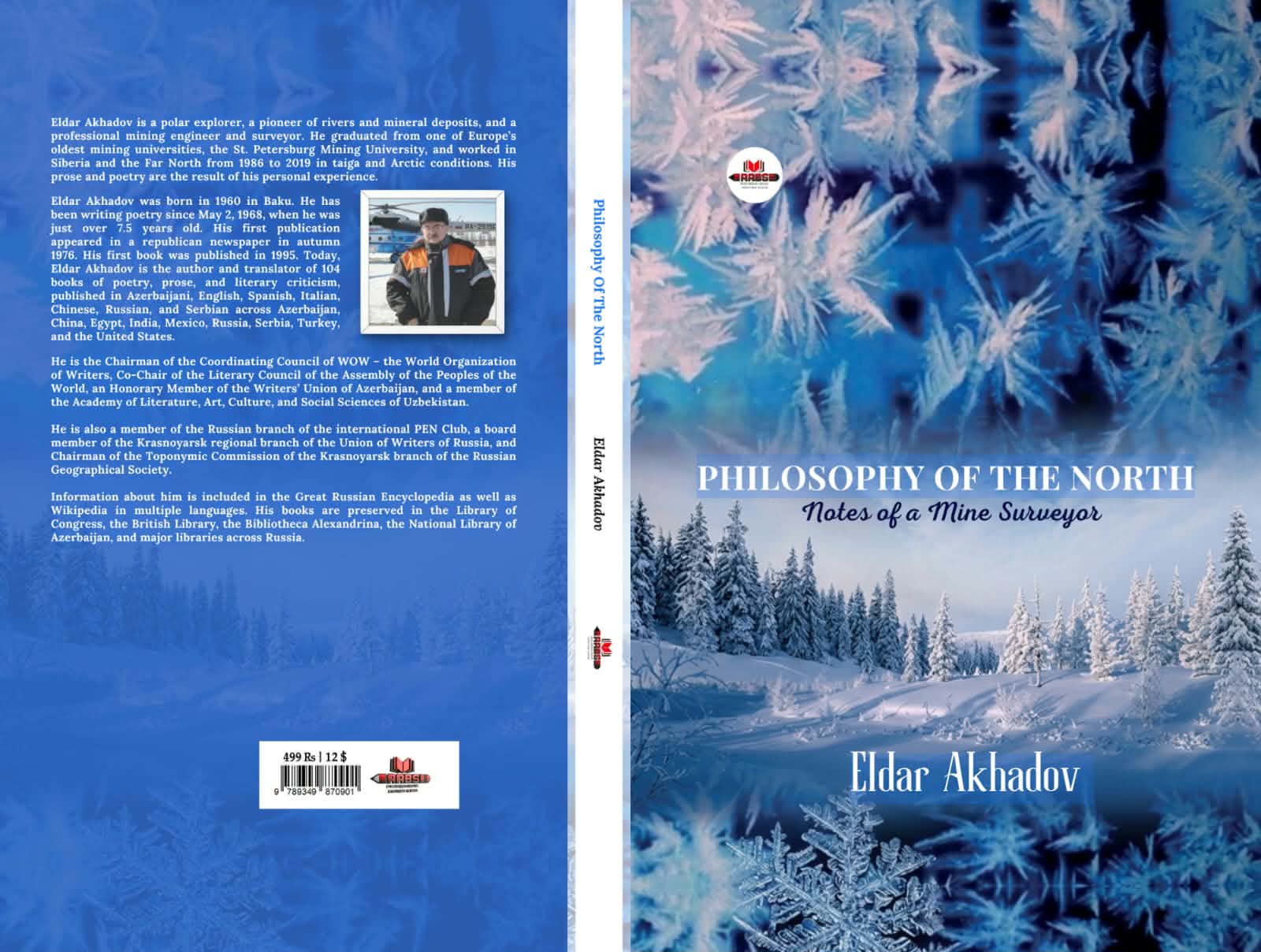
Author of the book *Philosophy of the North: Notes of a Mine Surveyor — Arctic Prose & Philosophical Essays*. I have authored 111 books in seven languages; I am a polar explorer who writes both non-fiction and creative works about Arctic exploration, philosophical poetry inspired by nature, travelogues on Siberia, and literature celebrating the northern wilderness.
My books are not the product of an armchair scholar’s imagination but reflect the harsh reality of the Arctic and the courage of the people who face it. Please, find a few kind words for my book. To write these works, I have descended kilometers underground, paraglided over the wild taiga, and encountered wild beasts; I have faced two attempts on my life and was once nearly sold into slavery—yet I am alive to share these incredible, true stories with you.
Also, our regular contributor Rui Carvalho invites readers and contributors to submit poetry to the next annual Nature Writing Contest.
Our contest, Nature 2025-2026, is a new opportunity that we, as organizers, create to reach the rest of the world. Every Contest is a challenge for authors participating and to people that make it happen. This year we invite all authors to write poetry about:
(i) Flowers;
(ii) Trees and wind;
(iii) Water;
(iv) Nature Conservation;
(v) Turtles;
(vi) Love for people and nature;
(vii) Hope and Happiness.
Rules and submission information here.
********************
Next, we turn to this month’s issue: The Human Atlas: An Essay in Maps.
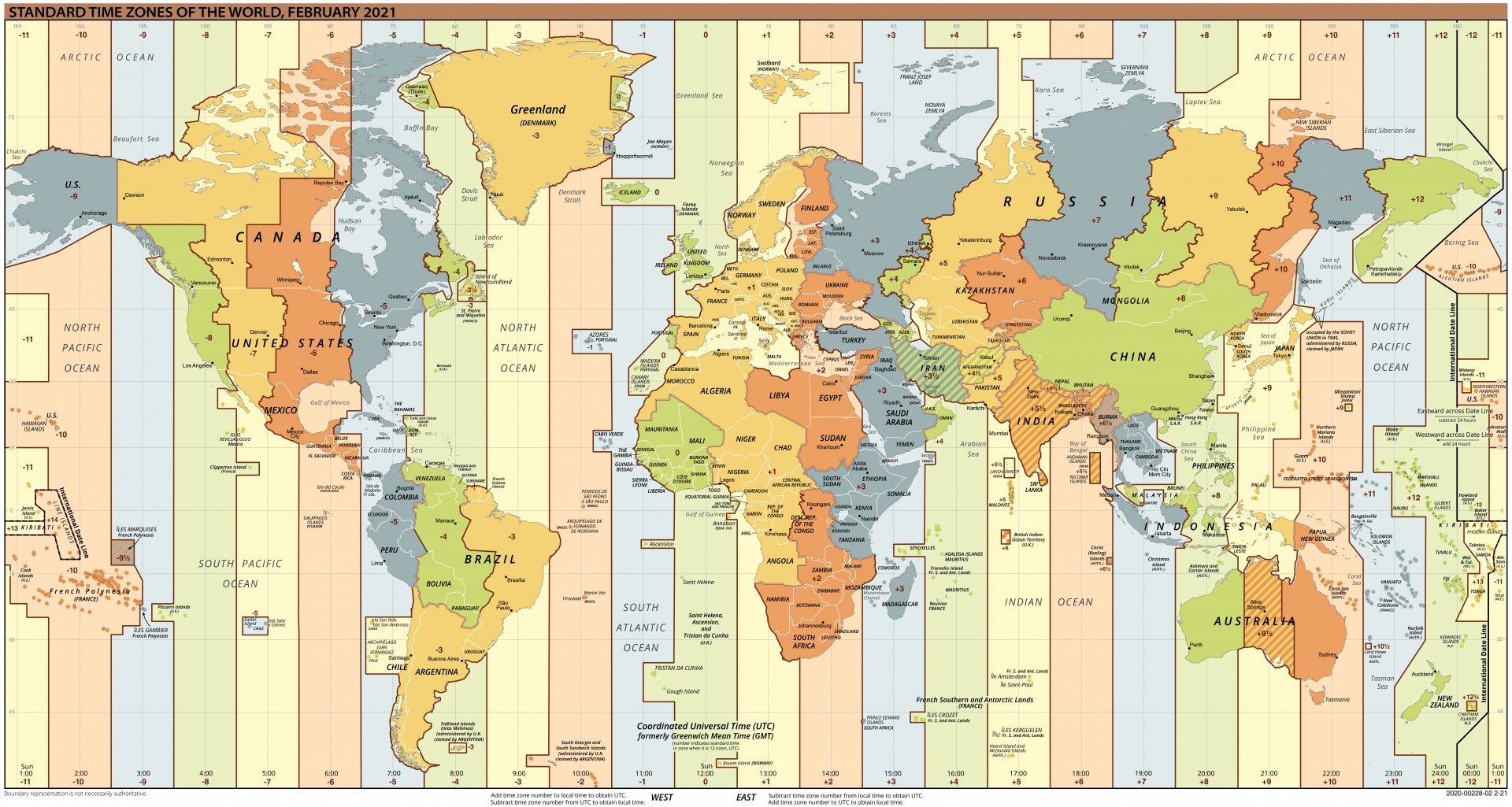
There is no single map of a life. The territory is too vast, too contradictory, too layered with joy and loss and the strange persistence of hope. The writers gathered here, hailing from Uzbekistan to Nigeria, from Bangladesh to Serbia, from Australia to the United States, collectively produce something remarkable: not a single narrative but an atlas. Each contributor traces a different region of the human condition and together suggests that to be human is to carry every map at once.
Book One: The Body
The first maps are drawn on flesh itself.
Feruza Jumanazar qizi Boymurodova charts the quiet crisis of maternal iron deficiency. Kamolabonu Rasuljon qizi Inomova extends this cartography of care, mapping the preventable contours of cervical cancer in Uzbekistan, a map drawn not in despair but in the sharp lines of public health and awareness.
The body ages too, and here the atlas shifts. Ri Hossain maps the slow relinquishment of ambition, the acceptance of mortality as a landscape one enters rather than resists. Milka J. Šolaja redraws aging not as shrinkage but as expansion, a body making room for even more love as it burns toward its end. Graciela Noemi Villaverde offers a royal metaphor for this same territory: the inner sovereignty that arrives with self-respect and wisdom, a throne built from the inside out.
And what of the body wounded? Mickey Corrigan maps the workplace as a terrain of vulnerability for women, with the cost of survival etched into bodies and minds. Emmanuel Barnabas insists on a full accounting of war’s toll on the human frame and psyche, a map of bodies that no one wants to look at but that must be drawn. Eva Petropoulou elegizes childhood innocence lost to war, mapping the before and after as two countries that share no border.
Book Two: The Heart
Some maps are drawn with emotion. Türkan Ergör traces a simple moment of love and connection, a small, but sincere, map. Munira Abdullajanova celebrates family, paying tribute to her beloved mother. Rayhona Sobirjonova maps the territory of sisterhood, honoring her sibling as her mentor and best friend.
Darren C. Demaree asks the hardest question on this page of the atlas: can love, stripped of fairy-tale romanticism, consist of daily choices to persevere amidst ordinary suffering and mortality? Philip Butera maps the human craving for certainty in love and wonders if this exists, even between two people who genuinely care. For Bahtiyar Hidayet, a photograph of Jennifer Lopez becomes a mirror for the poet’s own despair and yearning for permanence, the celebrity images a compass pointing inward.
Betrayal leaves its own topography.
Diyorova Zuhra Bobonazar qizi maps the lingering effects of trust broken by lovers or friends, a landscape where every landmark is a reminder. Milena Pčinjski draws the quiet exhaustion of loving someone who is already gone, the difficult work of accepting a separation that the heart keeps refusing. Mesfakus Salahin’s poem depicts grief, abandonment, and the stubborn endurance of love in the face of irreversible loss. Shannon Scoates speaks to the ache of being overlooked: a map of negative space, of the person standing right there whom no one sees.
And yet the heart persists. Elmaya Jabbarova reflects on romantic passion as a sweet illusory escape, a pleasure map, knowingly drawn in pencil. Jacques Fleury offers a clever and tender vision of romantic idealism, the heart’s own Mercator projection of how things could be. Dr. HC Rozalia Aleksandrova draws love as what it may actually be: a fragile, cosmic force that bridges distance and risk, sorrow and joy, a silent compass living within us.
Book Three: The World
Open the atlas wider. Joseph C. Ogbonna maps the global prejudice against Black African men, a cartography of suffering drawn overlaid on the actual continents. Pat Doyne frames the U.S. war with Iran as distraction and misfortune, a map drawn by power to obscure other, truer geographies. Mykyta Ryzhykh captures the existential despair of populations shaped by centuries of totalitarianism and colonization, a map written in the bone memory of peoples.
Saeed Koushan speaks for the uprooted, those displaced by war, persecution, or personal tragedy, a map that keeps moving as it is drawn. Calì Velela names the experiences society fails to see, illuminating the blind spots of the dominant cartography. Mark Young dramatizes war as scripted performance from which everyone could simply walk away, the ultimate unmapping of conflict.
Alan Catlin bypasses conscious control entirely, letting the subconscious speak through associative leaps and Surrealist juxtapositions. Rus Khomutoff’s moon-masked figure recalls carnival traditions and the unconscious, a brief video that maps the space between dream and ritual.
Book Four: The Home and the Hearth
Here the atlas breathes. Manasa Reddy Chichili and Uchechukwu Onyedikam jointly send up five vignettes of daily life in a rural West African community, a map of rhythm, of the ordinary made sacred by attention. Christina Chin’s haiga and artwork capture the making of cocoa, drawing taste and labor and culture in brushstrokes and syllables. Oruj Dadashi Elman celebrates the long history of Tabriz, an ancient Azerbaijani city mapped in layers of civilization.
Hassan Musa Dakasku reveals the inner world of the introvert: depths of love and thought that never make a a sound but fill an entire country. Egamnazarova Shahina Shaxriyor qizi draws a hopeful map of kindred spirits who may one day meet, a geography of the not-yet. Abigail George maps the resilience of a child who must invent sanctuary when adults are absent or dangerous, the most urgent and desperate cartography.
Amonboyeva Shahnoza describes Uzbekistan’s efforts to promote reading and literacy: a map of access, of opening doors that were closed. Shodmanova Rukhshona charts the rise of bank cards in Uzbekistan, the mundane revolution of plastic and PINs that reshapes daily life as surely as any river.
Book Five: The Mind and the Soul
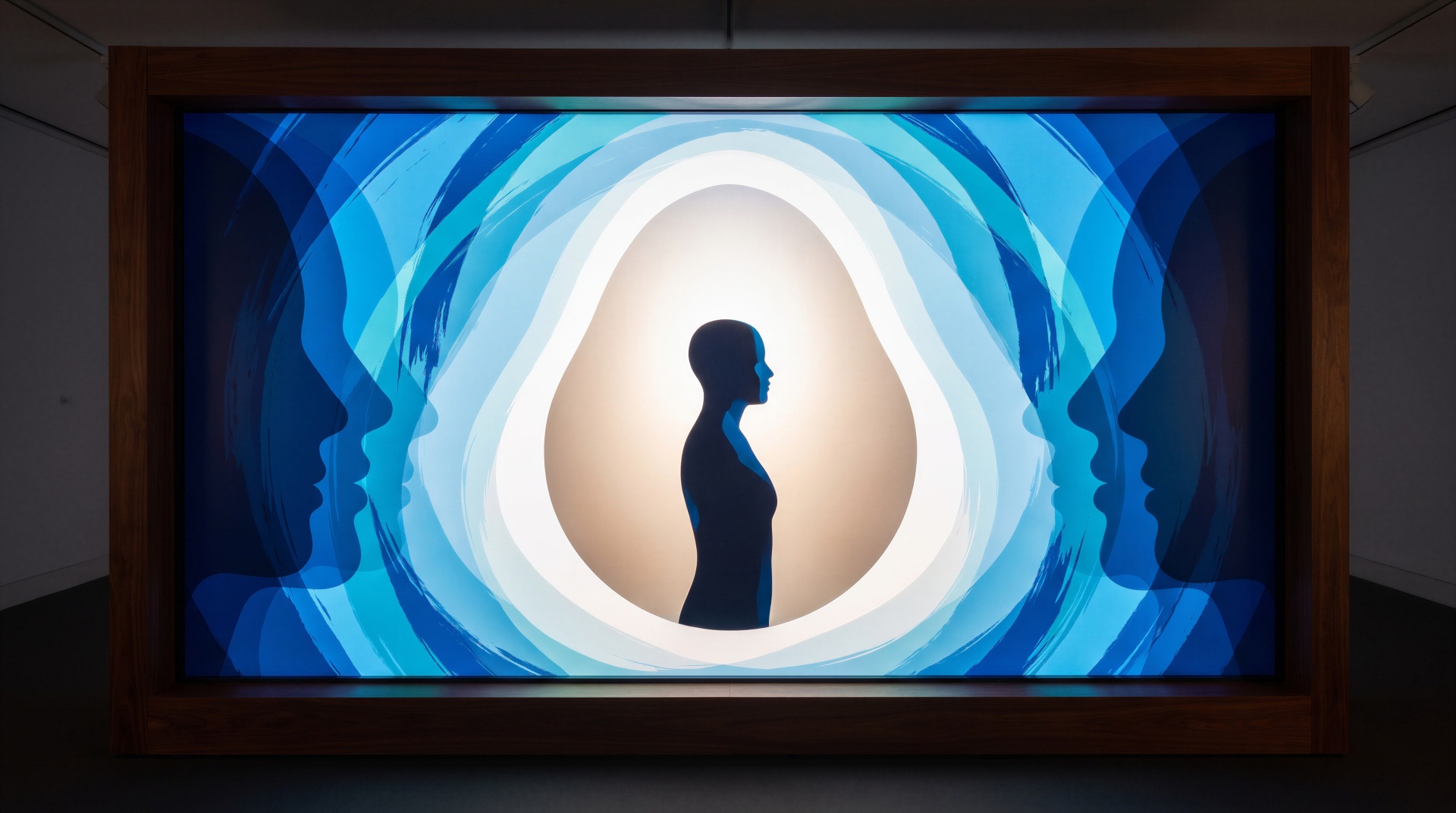
Some maps are drawn inward. Priyanka Neogi’s “At the Crossroads of the Mind” traces the shift from intellectual control to emotional surrender, from isolation to connection. Maja Milojković seeks deep within herself for understanding and grace, a map that keeps extending its own borders. Young-eun Kang probes the wound of language itself, how it can divide and conquer and erase, and searches for what might exist before that wound, a pre-linguistic country no one remembers.
Nataša Radanović reminds us that the Earth is older than we are, drawing a map on a geological timescale that makes human concerns both trivial and sacred. Danijela Ćuk highlights the power of the written word, the cartographer’s own tool, capable of mapping truth or lies. Mauro Montachiessi reviews Dr. Jernail Anand’s Conversations with the Infinite, which laments the post-truth era and calls us back to rigorous ethics, a map of the way home.
Latifa Harbaoui explores the mystery of death and the inadequacy of philosophy to map it, the edge of the atlas. Niloy Rafiq draws on Bengali geography, Jain philosophy, and literary homage to explore spiritual awakening, a map of transcendence. Mahbub Alam traces light and darkness, memory and spiritual renewal, a meditative map of the soul’s journey.
Book Six: The Making and the Breaking
And finally, the maps we make with our hands. Shinha Sarder portrays the creativity and resilience of the engineer’s mindset, a map of problem-solving. Stephen Jarrell Williams offers a short piece about being centered, fully present in a body and a history before the day begins, a map of the present moment. Md. Sheikh Rayhan profiles himself as an enterprising digital entrepreneur who contributes to the ecosystem, a map of ambition and self-construction.
H. M. Omar Faruk Ahmed Pobitro presents integrated success: deep Islamic faith, musical ability, and digital business acumen, a three-dimensional map of a whole person. Brian Michael Barbeito writes a manifesto for the poet and mystic as outcasts in a world driven by population and profit, a map of the margins where, it turns out, the most interesting people live. Tanja Ajtic urges us to make the most of the present moment together, to build a kinder world, a map of the possible.
Asalbonu Otamurodova reframes comparison to others as inspiration rather than despair, a map of the healthy gaze. Sayani Mukherjee suggests a middle path between self-righteousness and selfishness, a map of balance. Soumen Roy celebrates the sweet seasons when life begins again, the annual remapping of the world by spring. Shangguan Changfeng commemorates a poet’s birthday by comparing her to the moth orchid, a map drawn in flowers. Nidia Amelia García celebrates childhood dreams, a map before we learned to doubt.
O’tkir Mulikboyev’s poems speak to nature, wisdom, and human connection, a triptych of three panels of one map. Menda Vreto’s poetry urges gentleness, drawn with a soft hand. Kushi Nanayakkara argues through surreal imagery for a reawakening of the human spirit, a map of the resurrection the world needs.
Alex S. Johnson portrays Liv Jagrell as one who transforms loss into fierce art and activism. Her roar is a sound map of resistance. Dr. Jernail S. Anand advocates for educational reform in the digital age, a map of the future. To’lqinova Marjona Nazarxon qizi discusses AI’s impact on education, another future map, drawn in code.
Mohammad Qutubuddin sends up a cyberpunk allegory of surveillance and fragmented agency, with literary echoes of the panopticon. Fernando Sorrentino’s “The Prankster Goose” shows how a harmless joke escapes control, a map of unintended consequence. J.J. Campbell maps the grim comedy of persistence: we keep going because the alternative is unacceptable, fueled by equal parts humor and bitterness.
Bill Tope probes forgiveness, boundaries, and the cost of protecting one’s peace, a map of the hard yes and the harder no. Duane Vorhees notes wryly that each generation’s truisms are social constructs, a map that reveals pack ice where we thought there was solid ground. Ali Hasnain centers trauma, inherited shame, and the difficult recovery of agency, a map of coming back to oneself.
Epilogue: The Atlas Is Unfinished
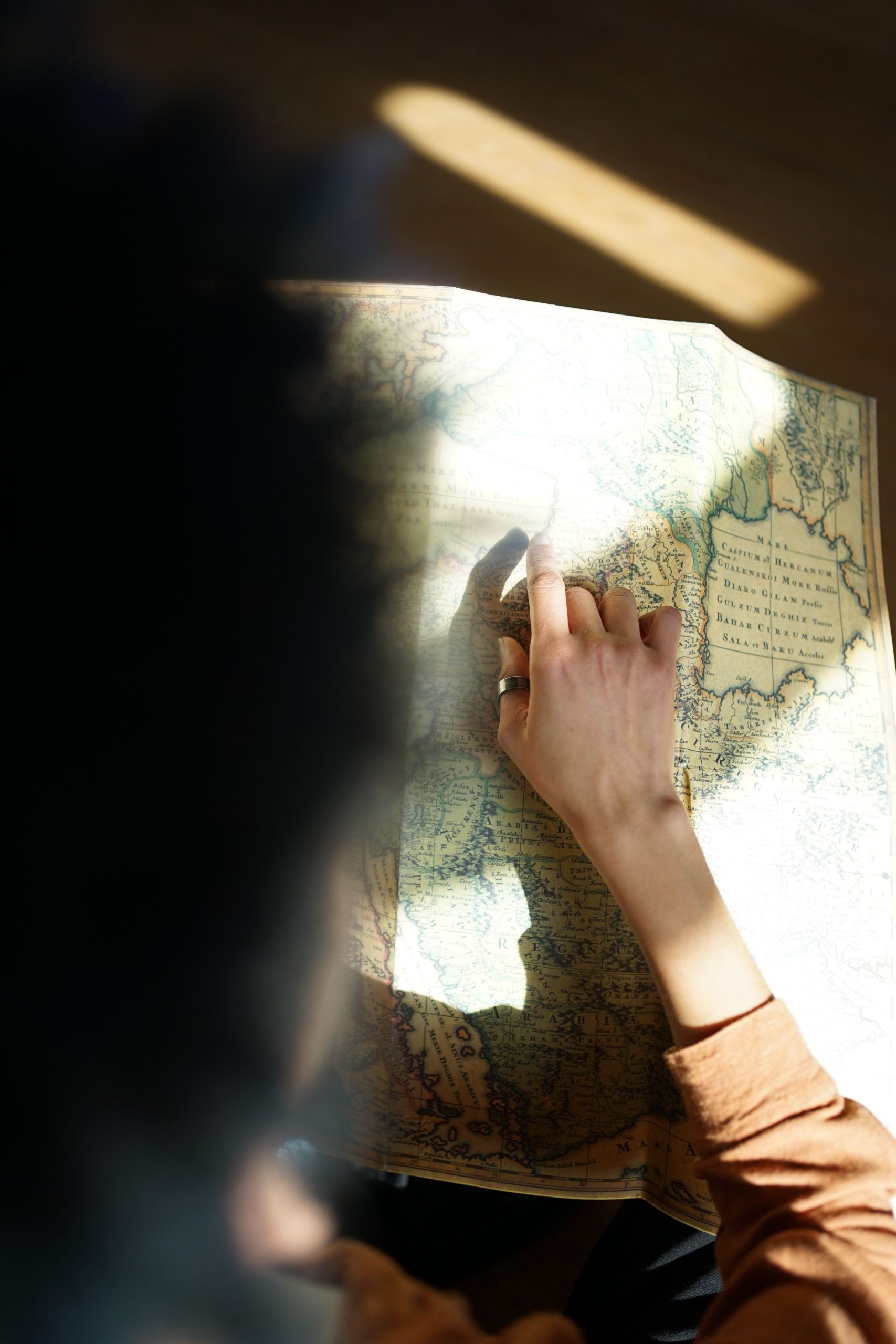
After all these maps — of body and heart, of home and world, of mind and making — what emerges is not a single human shape but a constellation. The writers of this atlas do not agree on everything. They map different territories with different tools: some use the sonnet, others the case study; some draw in medical data, others lean into surreal juxtapositions. But they share one conviction: that life’s territory can be mapped, that attention is a form of love, and that to name an experience — however painful, however overlooked, however tender — is to bring it into the shared geography of the human experience.
There is no map that captures everything. But these maps, laid side by side, begin to suggest the shape of the whole: a creature who suffers and loves, who betrays and forgives, who builds cities and flees them, who prays and doubts, who tends cocoa and plants and mothers and strangers, who ages and dreams and, against all evidence, keeps beginning again.
The atlas, mercifully, is not yet complete.