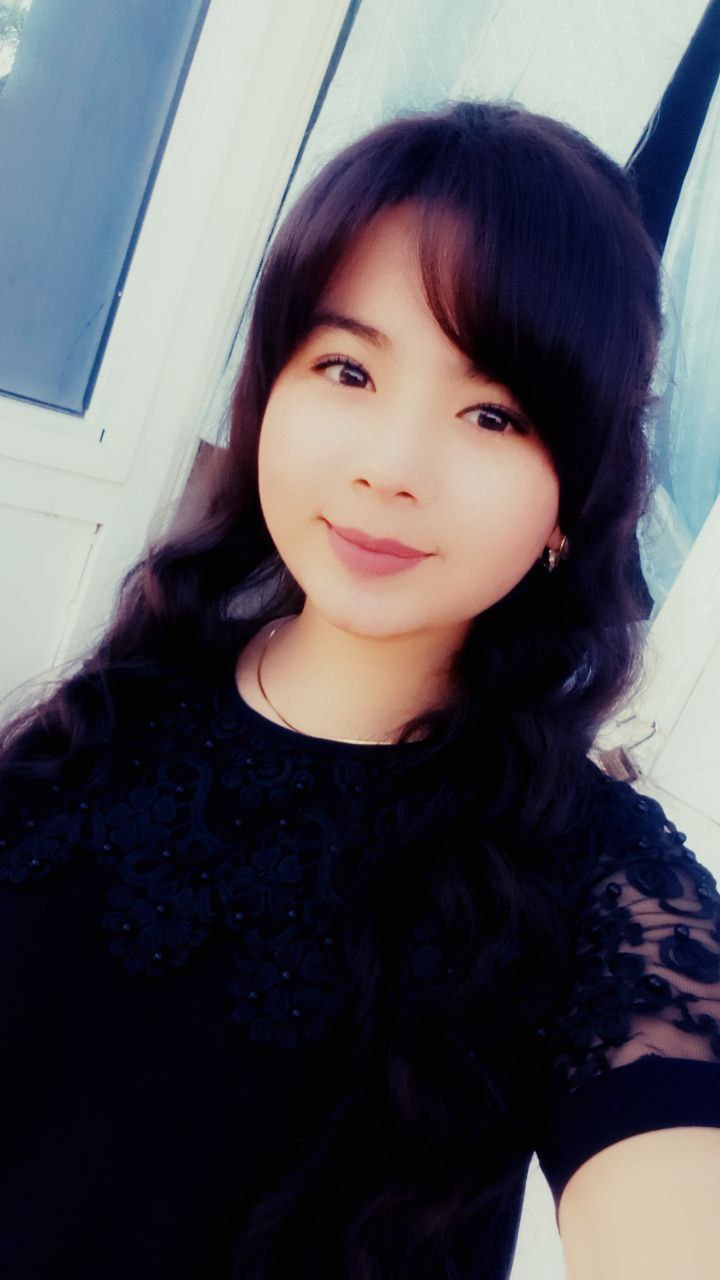
Panjiyeva Dilnavo Shukurvna was born in the village of Khalqabad, Guzor district, Kashkadarya region. She started writing poems from 2007 to 2020. Currently, she has more than 150 poems.
Title of article: How many languages do you know?


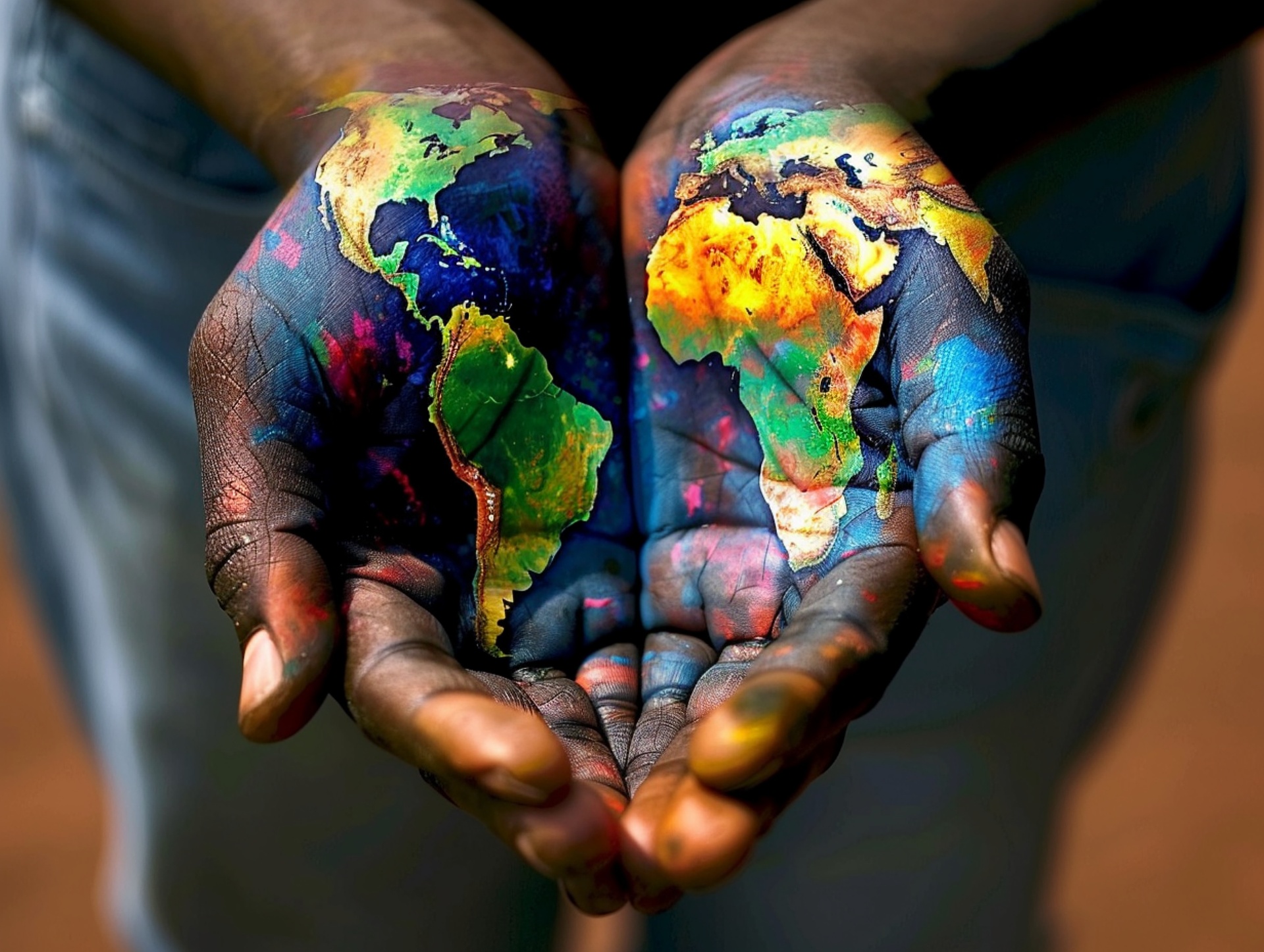
  How many languages do you know? One or two, maybe more. But do you know how many languages there are in the world? According to estimates, 7,100 to 7,164 languages are spoken in the world today. This number is taken from the Ethnologue directory, which catalogs the world's known languages. It is important to remember that this estimate and the exact number are constantly changing. New languages are always being discovered, especially in remote areas, while others are disappearing. Unfortunately, many languages are in danger of disappearing. According to some data, half of the world's languages have already disappeared. As you can see, there are more languages than countries. and each language has its origin and history. Everyone loves, respects, and honors their native language. It is only through this language that we can know how any nation is living, developing, or, on the contrary, lagging and getting poorer. That is why it is not for nothing that they say: " Language is the mirror of the nation."

 But would you believe me when I say that there is such a language that our tongue becomes weak when we speak it? Yes, there is such a language and it is Sign Language. Sign languages are not a single universal language, but rather a complete and complex set of languages used by deaf and hard of hearing communities around the world. Sign language relies on hand shapes, facial expressions, body language, and movement to convey meaning. They have their own grammar, syntax, and vocabulary, which are completely different from spoken languages. More than 300 different sign languages are used worldwide, with each country usually having its language. But sign languages are not mutually intelligible, meaning that someone who knows American Sign Language will not understand someone signing in French Sign Language (FSF).

 But if we look at history, Gesture was born in 1951, when the World Federation of the Deaf (WFG) was born. The participants of the first World Congress of the Deaf decided to standardize the language of communication in international events. The need for such a unique "Esperanto sign" is connected with the participation of social workers and public figures from among the deaf together with laryngologists, audiologists, and psychologists in the work of congresses, conferences, and symposia devoted to the problems of deafness, teachers, engineers, and other professionals. On behalf of the WFM Bureau, a group of experts, with the participation of a Soviet representative, based on the generality of the speech gestures of the deaf in different countries during the course (similar gestures were selected or assigned from various European countries). developed a common international sign language over a quarter of a century. In 1973, the World Federation of the Deaf issued a simplified sign language dictionary. In 1975, at the VII World Congress of the Deaf in Washington, the International Sign (IS) was adopted and approved (along with English and French, the official languages of the World Federation of the Deaf). as well as at international events, at events of the World Federation of the Deaf.

 In general, the reason I decided to write this article was because of the news information channels that I came across, and as a child, I remembered that in most TV news broadcasts or daily news, Sign language interpreters would also deliver the news together. But for some reason, it seems that it is difficult to find it now. Because we should not forget that this is also a language and hundreds of millions of people in the world use sign language to communicate.


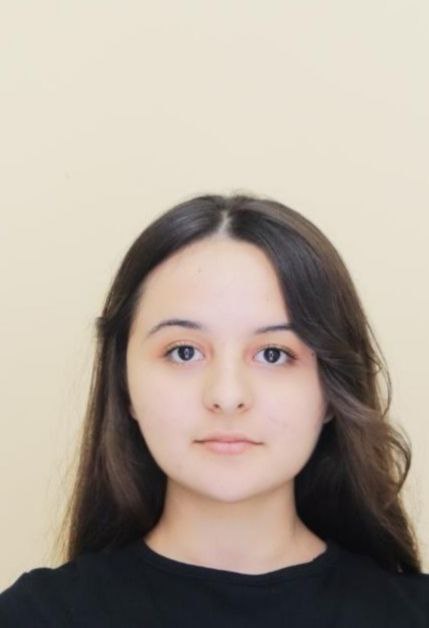
Charos Toshpulatova was born in Uzbekistan on 2003 November 19.

Currently, she is studying at Soonchunhyang University (SCH) in South Korea. In addition in 2022, she was selected by the United Nations General Assembly as a delegate the Arab Youth International Model United Nations in Dubai, United Arab Emirates for represent Diplomat of Uzbekistan And 2023 she has been selected again to join the Best Diplomats United Nations Simulation Conference Crafting Future Leaders in the Post-Pandemic
Era, 2023 in Istanbul, Türkiye.
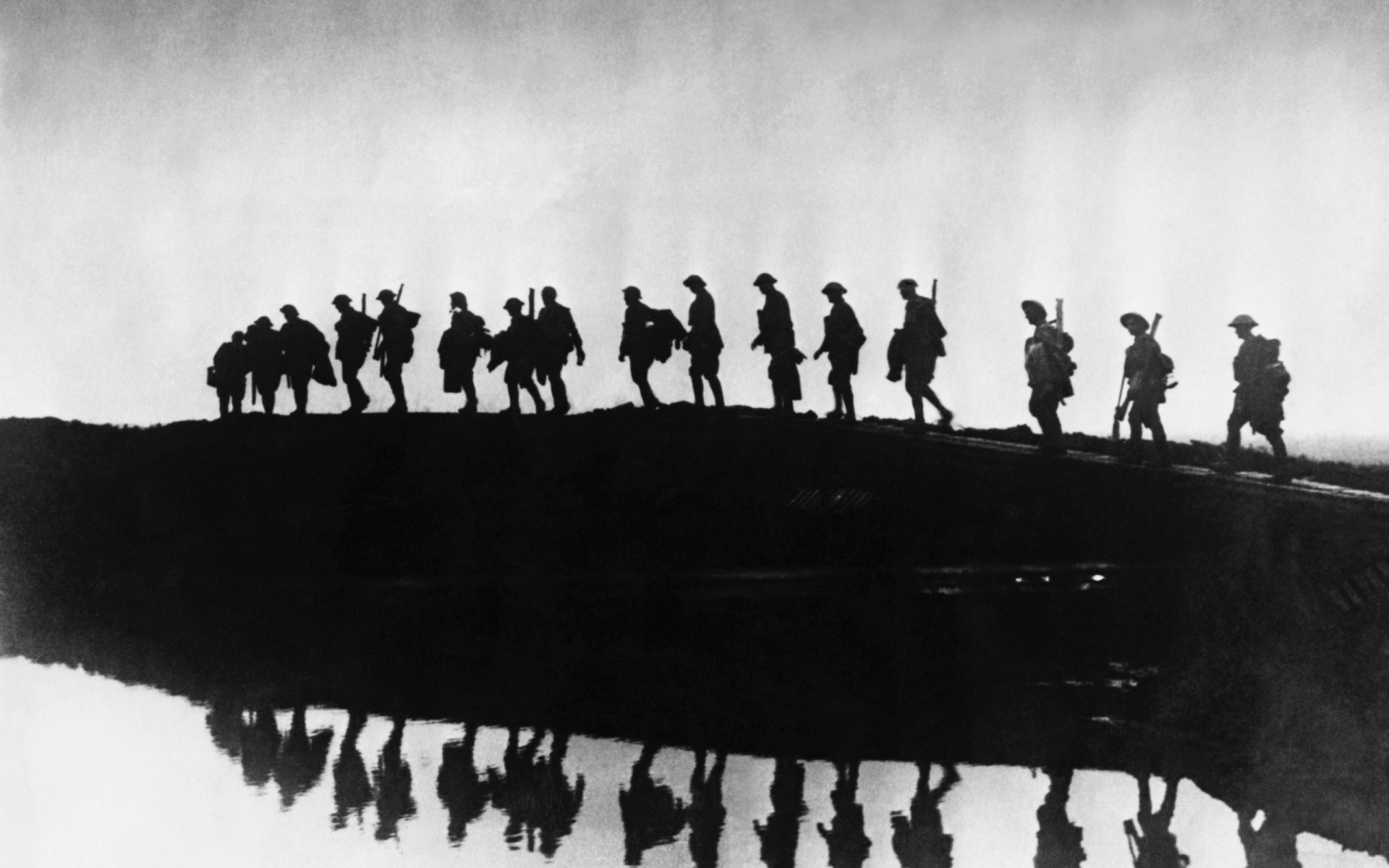
Spring has come to besieged Leningrad. It seemed that our neighbor’s prophecy was beginning to come true. My mother is in the hospital all the time. Apart from my mother, there are four of us left at home: my older sister Masha and brother Alexey, me and my younger brother Sasha. There has been no news from my father and brothers for several weeks, and we have been sick for the second week and do not go to school.
One of these days, there was a loud knock on our door (since the beginning of 1942, we have introduced the practice of closing doors, including the story of Baba Katya). As I was already recovering, I went to open it. Ivan and Leonid were on the threshold. To say that we were glad to see them is like saying nothing. During the war, without news, both returned alive and well!
We all literally escaped from the captivity of the disease at the same time. A brother and sister jumped out of bed, fussed, hung up soldiers’ overcoats, and began to set the table. There was not even a need for words – a smile did not leave the faces of the whole family. Even Sasha perked up, dangling his legs off the bed, smiling mysteriously, examining our defenders.
From the stories of Ivan and Leonid, we finally learned their whole life in recent months. It turned out that they were not accepted for service at the district military enlistment office because of their age, then they spontaneously decided to go to the front, at least as paramedics. Then there were a month and a half of training in the field, dangerous service in the frontline zone, rescue of the wounded. And now, their numerous petitions have been granted and after a three-day vacation they will return to their unit as ordinary Red Army soldiers.
– Are you only for three days? Masha asked with regret.
– It’s going to be a wonderful eternity for us! – Ivan smiled in response, – Let’s set the table already.
The guys brought sugar, nuts, dried fruits, canned fish – incredible delicacies for that time! And all we had was a few slices of bread and boiling water, so there wasn’t much to set the table.
No, that won’t do, – Ivan said, inspecting our feast.
– Let’s go to the market and buy something, – Leonid suggested, getting up from the table.
– Can I come with you? I jumped up after the brothers.
They both granted my request with an affirmative nod of their heads and, quickly gathering myself, I ran after them.
In those days, spontaneous markets could arise and disappear for several days almost anywhere, in squares, streets, even courtyards. The authorities tried to disperse these gatherings, so the merchants did not stay in the same place for a long time. Moreover, these markets had a bad reputation. At the other end of the district, my brothers and I came across one of these markets. Contrary to expectations, it was an incredibly lively place filled with all kinds of goods from groceries to antiques, so we even got a little lost in this abundance.
– Soldiers, do you want to buy something? – some merchant grabbed Ivan by the sleeve.
We turned towards the counter. Behind him stood a short old man, whom I disliked at first sight. He had small, angry, depressed piggy eyes, a bumpy robber’s face, and he was dressed in a padded jacket and a black earflap.
– Yes, Father, we should have something for the table… – Ivan began.
– Maybe meat? That terrible grandfather interrupted him.
– Do you have any meat? – We were surprised.
– Yes, but be quiet… – he looked around and took out a small bundle soaked in blood, – Pork, fresh!
– And where does it come from? Leonid hesitated, carefully examining the goods. I immediately remembered the neighbor’s story, but the evil look of this man scared me so much that I did not dare to tell about it now and hoped that there was pork in the bag.
– This is for the elite, but I got it on occasion, – he said, as if justifying himself.
– What’s the difference, we can’t find it cheaper and better. We’ll take it! Ivan said decisively.
As I was leaving, I took another look at that grandfather and he answered me with his cold gaze, so I quickly looked away and tried to forget myself in conversations with my brothers.
Soon we were at home and joyfully handed Masha the package we had bought. She jumped up with joy and ran to the kitchen to cook. But before we could sit down at the table, Masha thoughtfully returned back to the room and spoke softly:
– Guys, there’s something wrong with the meat…
– What happened? Leonid came up to her.
For a minute he silently examined this small piece, lightly tracing it with his finger, then suddenly changed his face and cried out:
– Yes, it’s human!
– You’re lying! Ivan snatched the meat from his hands.
– Look for yourself! Leonid waved it off.
There was a tense pause, after which Ivan sullenly agreed:
– You’re right.…
Without saying another word, he quickly went to the window, opened it and angrily threw the meat out into the street. So we were left without a festive dinner.
Step Five: Admitted to god, ourselves & another human being
– First confessional
Bless me father for I have sinned. I’m not going to tell
you I don’t buy anything you’re selling. Or twelve years
from now I’ll be driving blackout drunk, arm roped out
the window. You are not going to hear that twenty years
from now I will know the barrel of a gun tastes sour cold
sharp. You’ve no idea that one day she’ll not have to say
a word. The sky will burst in flames, heavens will plunge
into the sea. So, go ahead Father, tell me God’s forgiven
my sins. To go in peace. I have paid my penance by fire
and ash. Been absolved in cinder and smoke.
How to Drink Yourself Sober
Preamble: The only requirement is a desire to stop drinking
Let it bleed baby, bleed till we’re white. We are pale riders. Ghosts sucking the light
out of the tunnel, our bones left to blot out the sun. We are sons and daughters waiting
to mourn; ready to set the world on fire.
she calls me by name but I don’t recognize her
voice, the smell of her perfume, soap, shampoo
her body against mine is light:
all legs, long hair and ready
to start a revolution
she starts to say something but I can’t hear
I can only watch,
thinking I’m clever, knowing
she can see right through me
I am that fly on the wall. Yes. A thousand eyes. Unfocused, unclean, unable to swallow
and she knows. Yes she does. It is not to her advantage to forget. She’s watched
every move I make. I know. I know and there is power in knowledge.
I have that power. Don’t waste it. Don’t waste it.
How to Drink Yourself Sober
A Design for Living
When she’s five her mother spun a tale
of an angel who dropped to earth,
landed in a quarry.
She fell in love with a mortal,
asked him to bind her wings tight
against her back,
tried unsuccessfully to fit into his world.
Years later, when he died, she found herself
unable to fly back to heaven.
In her grief she flung herself into a marble slab
where she waits, to this day, for god to split it
in two to be reunited with him.
Alex Stolis lives in Minneapolis; he has had poems published in numerous journals. Two full length collections Pop. 1280, and John Berryman Died Here were released by Cyberwit and available on Amazon. His work has previously appeared or is forthcoming in Piker’s Press, Jasper’s Folly Poetry Journal, Beatnik Cowboy, One Art Poetry, Black Moon Magazine, and Star 82 Review. His chapbook, Postcards from the Knife-Thrower’s Wife, was released by Louisiana Literature Press in 2024, RIP Winston Smith from Alien Buddha Press 2024, and The Hum of Geometry; The Music of Spheres, 2024by Bottlecap Press.
Christopher Bernard will be reading at the Poets for Palestine SF Marathon Reading at San Francisco’s Bird and Beckett Bookstore. For a donation of any amount to the Middle East Children’s Alliance, a nonpartisan and nonpolitical organization helping all children in the region, poets can come and read at any time at the store on October 14th, Indigenous People’s Day. Please feel welcome to sign up here or email poetsforpalestinesf@gmail.com to be scheduled.
This month’s issue addresses our fears and aspirations: whether life will become what we dread, or what we hope.
Wazed Abdullah revels in the joy of the Bangladesh monsoon as Don Bormon celebrates flowers and wispy clouds in autumn. Maurizio Brancaleoni contributes bilingual haiku spotlighting days at the beach, insects, cats, and the rain. Brian Barbeito shares the experience of walking his dogs as summer turns to fall.
Soren Sorensen probes and stylizes sunsets in his photography series. Lan Qyqualla rhapsodizes about love, dreams, flowers, colors, poetry, and harp music. Ilhomova Mohichehra poetically welcomes autumn to her land.
John L. Waters reviews Brian Barbeito’s collection of poetry and photography Still Some Summer Wind Coming Through, pointing out how it showcases nature and the “subtle otherworldly” within seemingly ordinary scenes. Oz Hartwick finds a bit of the otherworldly within his ordinary vignettes as he shifts his perspective.
Kelly Moyer crafts stylized photographic closeups of ordinary scenes, rendering the familiar extraordinary. Ma Yongbo paints scenes where ordinary life becomes unreal, suffused with images associated with horror.
Sayani Mukherjee speaks of a bird’s sudden descent into a field of flowers and comments on our wildness beneath the surface. Jake Cosmos Aller illustrates physical attraction literally driving a person wild.
Mesfakus Salahin asserts that were the whole natural world to become silent, his love would continue. Mahbub Alam views life as a continual journey towards his beloved. Tuliyeva Sarvinoz writes tenderly of a mother and her young son and of the snow as a beloved preparing for her lover. Sevinch Tirkasheva speaks of young love and a connection that goes deeper than looks. llhomova Mohichehra offers up tender words for each of her family members. She also expresses a kind tribute to a classmate and friend.
Meanwhile, rather than describing tender loving affection, Mykyta Ryzhykh gets in your face with his pieces on war and physical and sexual abuse. His work speaks to the times when life seems to be an obscenity. Z.I. Mahmud looks at William Butler Yeats’ horror-esque poem The Second Coming through the lens of Yeats’ contemporary and tumultuous European political situation.
Alexander Kabishev’s next tale of life during the blockade of St. Petersburg horrifies with its domestic brutality. Almustapha Umar weeps with grief over the situations of others in his country.
In a switch back to thoughts of hope, Lidia Popa speaks to the power of poetry and language to connect people across social divides. Hari Lamba asserts his vision for a more just and equal America with better care for climate and ecology. Perizyat Azerbayeva highlights drip irrigation as a method to tackle the global problem of a shortage of clean drinkable water. Eldorbek Xotamov explores roles for technology and artificial intelligence in education.
Elmaya Jabbarova expresses her hopes for compassion and peace in our world. Eva Petropoulou affirms that action, not mere pretty words, are needed to heal our world.
Ahmad Al-Khatat’s story illustrates the healing power of intimate love after the trauma of surviving war and displacement. Graciela Noemi Villaverde reflects on the healing calm of silence after war.
Meanwhile, Christopher Bernard showcases the inhumanity of modern warfare in a story that reads at first glance like a sci-fi dystopia. Daniel De Culla also calls out the absurdity of war and the grossness of humor in the face of brutality.
Pat Doyne probes the roots of anti-Haitian immigrant rumors in Springfield, Ohio and critiques fear-mongering. Jorabayeva Ezoza Otkir looks to nature for metaphors on the corrosive nature of hate.
On a personal level, Nosirova Gavhar dramatizes various human responses to loss and trauma. Kendall Snipper dramatizes an eating disorder ravaging a woman’s life and body.
Donna Dallas’ characters are lonely, bruised by life, and drawn to what’s not good for them: drugs, bad relationships, lovers who don’t share their dreams. J.J. Campbell evokes his miserable life situation with dark humor.
Meanwhile, Maja Milojkovic savors each moment as she creates her own happiness through a positive attitude. In the same vein, Lilian Dipasupil Kunimasa celebrates the power of a free and self-confident mind and the joy of spending time with small children.
Tuliyeva Sarvinoz urges us to move forward toward our goals with faith and dedication. Numonjonova Shahnozakhon echoes that sentiment, encouraging perseverance and resilience. S. Afrose resolves to move forward in life with optimism and self-respect.
Michael Robinson reflects on the peace he finds in his continuing Christian walk. Federico Wardal reviews anthropologist Claudia Costa’s research into spiritual fasting practices among the Yawanawa tribe in Brazil.
Duane Vorhees explores questions of legacy, inheritance, and immortality, both seriously and with humor. Isabel Gomes de Diego highlights Spanish nature and culture with her photographic closeups of flowers, religious icons, and a drawing made as a gift for a child’s parents. Federico Wardal highlights the archaeological findings of Egyptologist Dr. Zahi Hawass and his upcoming return to San Francisco’s De Young Museum. Zarina Bo’riyeva describes the history and cultural value of Samarkand.
Sarvinoz Mansurova sends outlines from a conference she attended on Turkic-adjacent cultures, exploring her region as well as her own Uzbek culture.
Barchinoy Jumaboyeva describes her affection for her native Uzbekistan, viewing the country as a spiritual parent. Deepika Singh explores the mother-daughter relationship in India and universally through her dialogue poem.
David Sapp’s short story captures the feel of decades-ago Audrey Hepburn film Roman Holiday as it describes a dream meeting between lovers in Rome. Mickey Corrigan renders the escapades and tragedies of historical women writers into poetry.
Duane Vorhees draws a parallel between Whitman’s detractors and those who would criticize Jacques Fleury’s poetry collection You Are Enough: The Journey To Accepting Your Authentic Self for having a non-traditional style.
This set of poems from Jacques Fleury expresses a sophisticated childlike whimsy. A few other pieces carry a sense of wry humor. Daniel De Culla relates a tale of inadvertently obtaining something useful through an email scam. Taylor Dibbert reflects on our escapes and “guilty pleasures.”
Noah Berlatsky reflects on both his progress as a poet and editors’ changing tastes. Sometimes it takes growing and maturing over time as a person to create more thoughtful craft.
Alan Catlin strips artworks down to their bare essential elements in his list poetry, drawing attention to main themes. Mark Young focuses on kernels of experience, on the core of what matters in the moment. J.D. Nelson captures sights, experiences, and thoughts into evocative monostich poems worthy of another reading.
Kylian Cubilla Gomez’ pictures get close up to everyday miracles: a beetle, car components, action figures, a boy in a dinosaur costume.
We hope that this issue, while being open about the worries we face, is also a source of everyday miracles and thought-provoking ideas. Enjoy!
The goal

If you strive for a goal,
There will be a lot of friends.
If you agree with me,
The flower of desire also withers.

Did you fall, stand up quickly
Get up even if it hurts.
keep your head up
Don't be fooled.

Good luck if it doesn't come
Don't be sad and worried.
Don't bend, don't bend.
It is necessary to stand up for you.

There is wisdom in everything,
Do not wet your eyes.
Enjoy this job,
You will not be less than anyone.

Life goes on
Do not lose your passion.
Your flower goes out of hand,
Don't land the blackbird.


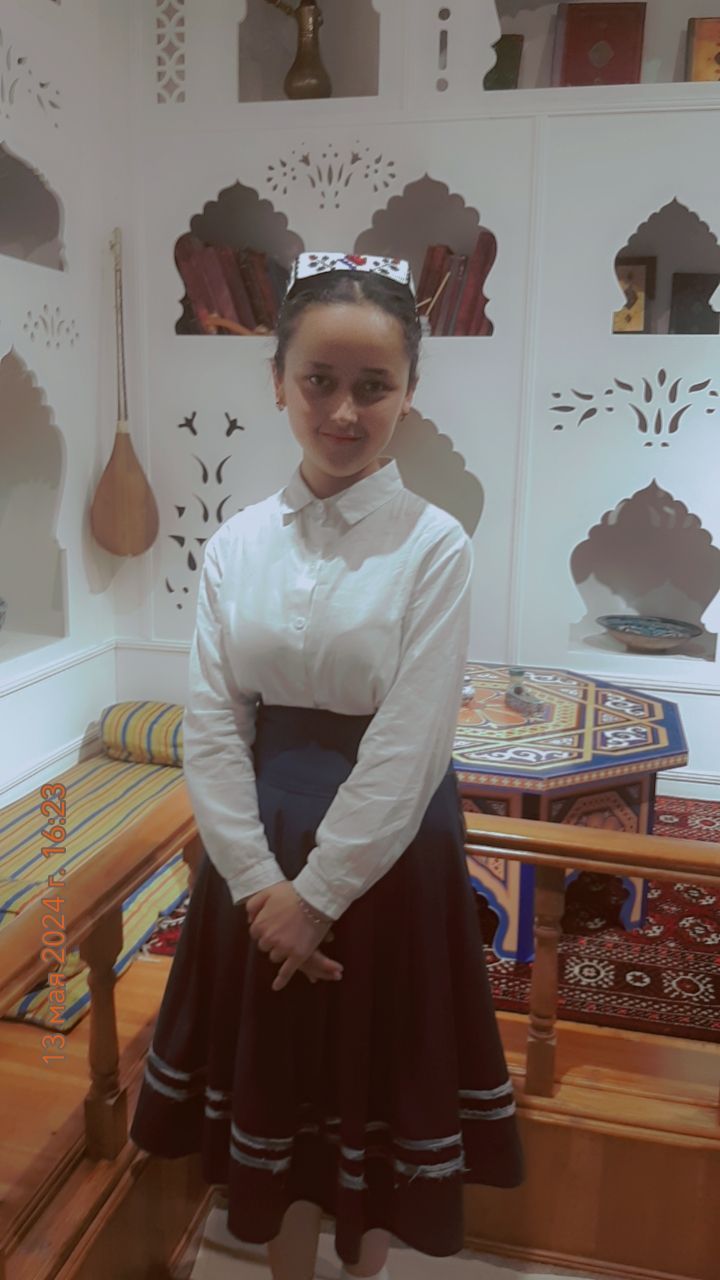
Numonjonova Shahnozakhon. She was born on June 7, 2009 in Fergana region. Currently, she is studying at the creative school named after Erkin Vahidov organized by PIIMA. Her creative works have been published in several international magazines and has various international certificates. The creator's future goal is to become an international ambassador and receive a state award named after Zulfiya.