
IF I WERE A TREE

If I were a tree
the tree, hidden inside me.
Perhaps a large Mango tree,
all the bird's nests, all the beehives
built inside me;
Bees are flying flowers to flowers
to collect bud nectar.
Birds sing and dance in the branches of flowers.
If I would be a tree
The tree, hidden inside me.
My branches and leaves are umbrellas
that shelter from summer dust and heat.
People sit under the trees
in hot waves of air and humidity.
Like an air cooler, but in a safe way
trees reduce climate misery.
I wish I would be a tree
the tree, hidden inside me.
The rain drops on my leaves
the insect hides below to flee.
The sparrows are bathing feathers are falling
like a paratrooper swinging in the air.
In the beehive, the queen came out from her chamber
Her Majesty bath in the tender;
the rainwater flashing through the root
The ants are climbing to reach the bark
Beneath the bark, there are colonies of troops.
I wish I could be a tree
the tree, hidden inside me.
My fruits are sweet and sour
with green, golden and red cores.
Flavour and freshness,
mind-blowing fragrance.
It's beauty and happiness
It's courage and kindness!
I wish I would be a tree
the tree, hidden inside me.


THE BLUE MIMOSA

I had seen,
the blue Mimosa trees in blossoms
and was overwhelmed by its beauty
but I don’t know its name.
You’re talking about it,
when the season of flower is gone.
And; when you come to my life
I noticed in your eyes,
the season has gone again.
This time, the season of love.
Because-
you were in enormous pain
for your past.


ANOTHER TRY

Sometimes,
I am not afraid of life
nor afraid of death.
But I think,
what will happen
after our death.
Will there someone waiting for you
someone else will be mine
or will we become dust
or a molecule with an endless life.
How far we will travel
how many galaxies
how many stars
will you read my poems
when I will be the universal traveler.
Shall I feel this loneliness while
traveling star after star.
I want this human life back
with another try.
You will sit with me
I will sit beside.
And that will be time for our divine love
without endless cry.


THE SUNSET IN NAGARKOT HILLS

I am standing with a friend
yet I am alone
and thinking about you.
The sun is setting in the west
of Nagarkot hills.
Twilight is visible at skyline
clouds kiss the forest greens.
Birds and insects are making noisy sounds
evening temperature is getting chilled.
fogs and clouds are flying like soft cottons
and I am alone
with many people.
Most tourist couple have already left,
how unlucky they are
those did not kiss each other
in this foggy mountain evening.


IF YOU CALL ME

Distance creates disappearance
time kills memories.
The world is a small village
but we are from two countries.
Two different races, religion
and ethnicity.

If you call me,
I will fly like an eagle
if you call me
I will try like an ant.
if you call me
I will love you like a human
giving up the obsession.
If you call me
I will build a home;
our two bodies
will become one
with the love of the divine.

so, please call me
please call me back
let’s be you are mine
I am yours
let’s fulfill this human life.


SOLITUDE

Here,
I have no family
no country
no beloved
yet, I hold the entire
universe in my heart.
-alone and lonely.


THOSE TWO EYES

I have fought
in so many difficulties
yet, I lost
in front of those two eyes.


Tareq Samin is an Author, Human Rights Activist and Social Entrepreneur. He is the editor of the bilingual literary journal Sahitto. He has authored ten books. His poems have been translated in more than 25 languages of which  English, Spanish, Chinese, German, French, Italian are few to mention. His poems, short stories and articles have also published in more than 40 countries.

Tareq Samin received the ‘International Best Poets Award-2020’ from The International Poetry Translation And Research Centre (IPTRC), China and the Greek Academy of Arts and Writing. He has been awarded ‘Honorable Mention’ in Foreign Language Authors category for his poem ‘Another Try’ in ‘The prize il Meleto di Guido Gozzano Agliè’ poetry competition held on 12 September 2020 in Turin, Italy. In July 2021 he won Naji Naaman Literary Prize 2021.

Tareq Samin is a former fellow of Martin-Roth-Initiative Scholarship. The Martin Roth-Initiative is a joint program of ifa (Institut für Auslandsbeziehungen) and the Goethe-Institut. As a Martin-Roth-Initiative Scholarship fellow he was a guest writer in Goethe-Institut, Kolkata, India, and Kathmandu, Nepal.
In 2021, he was an International guest writer in Château de Lavigny International writers-in-residence, Switzerland.

In 2023, he has been selected for Hungarian writers-in-residence. Also he has been nominated for the Oak Institute for Human Rights.
Category Archives: CHAOS
Poetry from Christopher Bernard
The Good Father
He is the mountain anchoring the horizon.
He is the sea holding candles for stars.
He is the law on the tablet of wisdom.
He is both wind and the sheltering wall.
He is the stone foundation of homeland.
He is the sun raising day to the sky.
He is the rock his son builds his whole soul on,
and his daughter gets her wings from his eye.
Christopher Bernard is an award-winning poet and novelist. He is the author of two children’s books, If You Ride A Crooked Trolley . . . and The Judgment Of Biestia – the first in the “Otherwise” series.
Poetry from Brian Michael Barbeito
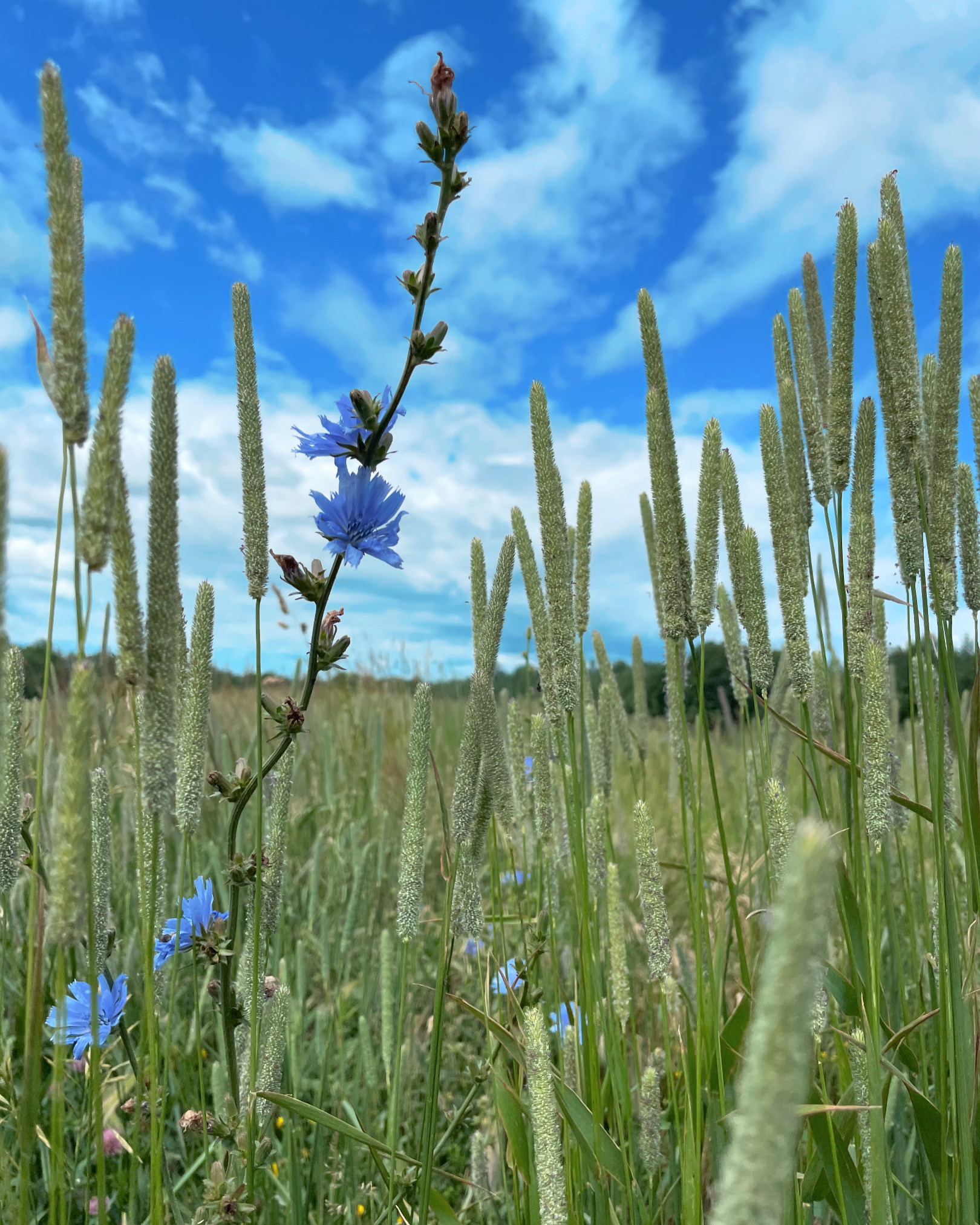
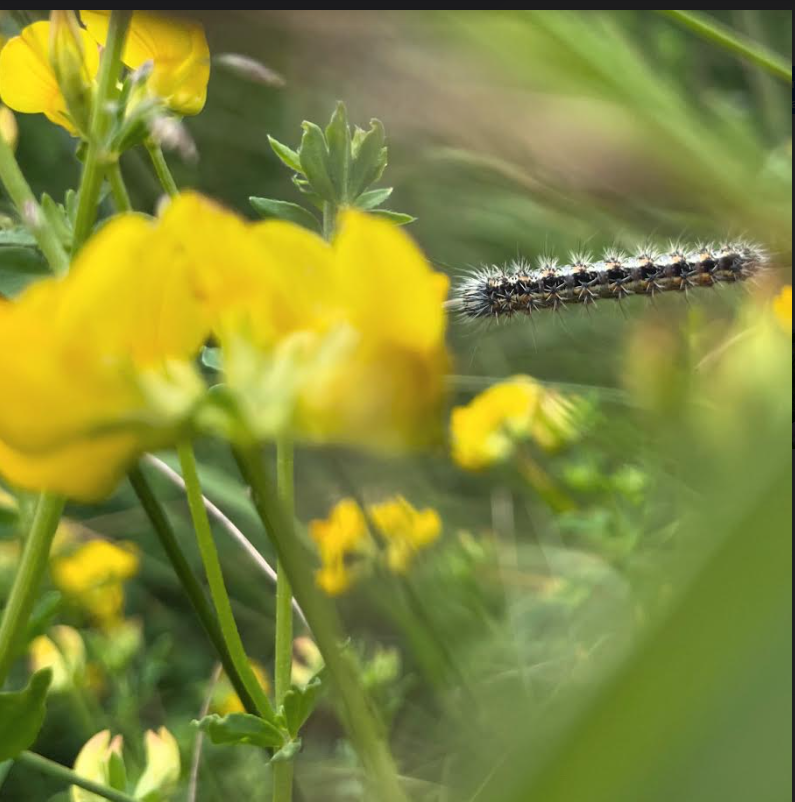
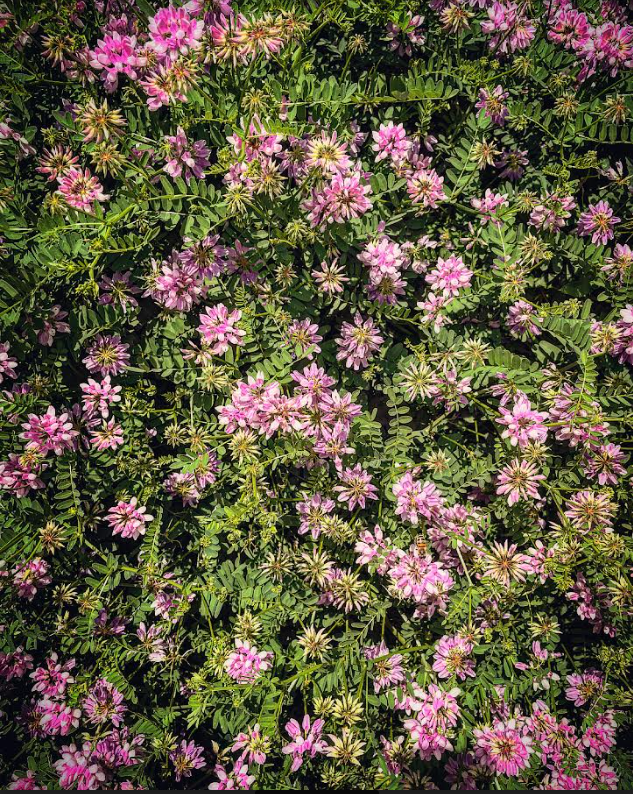
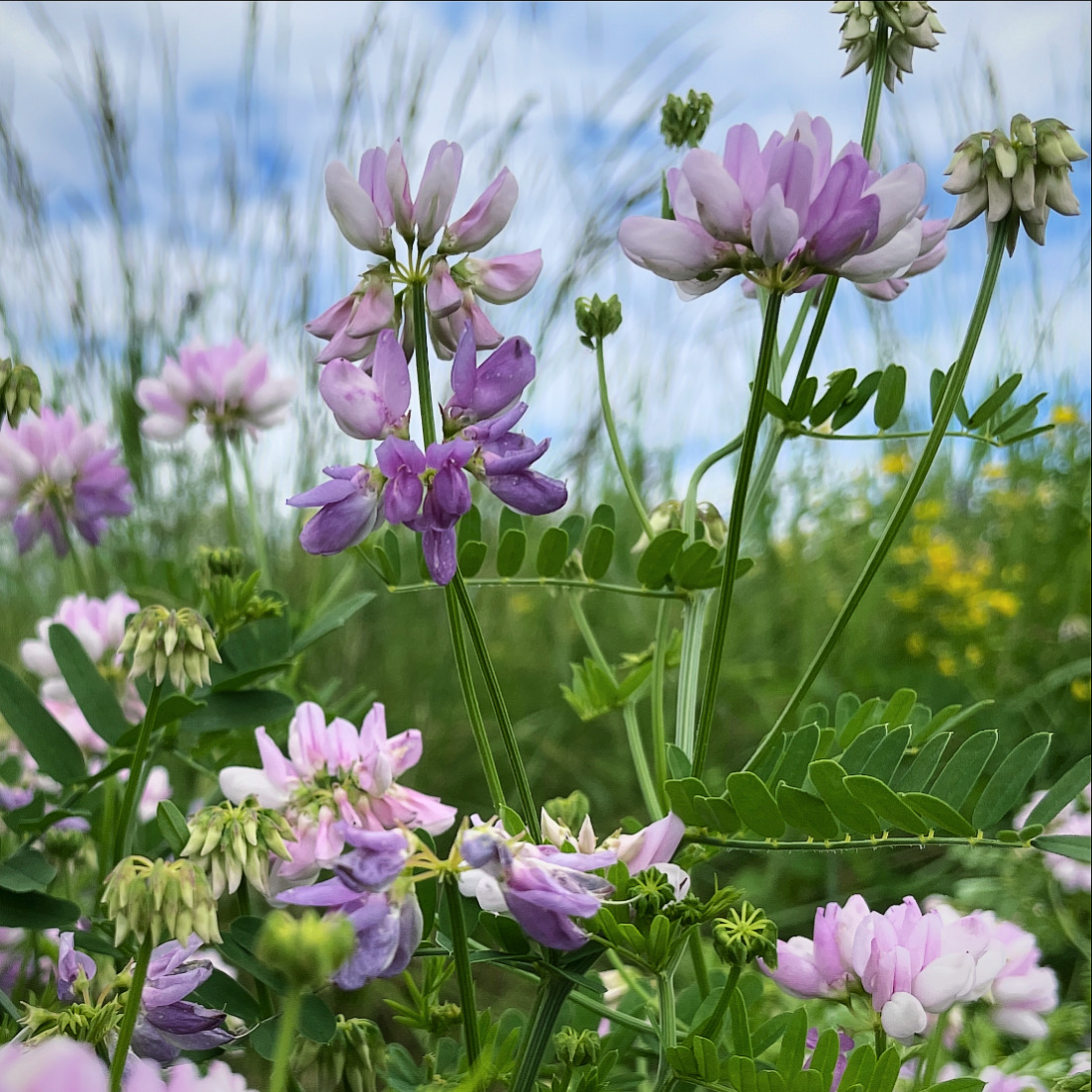
Summer Scenes Sanguine
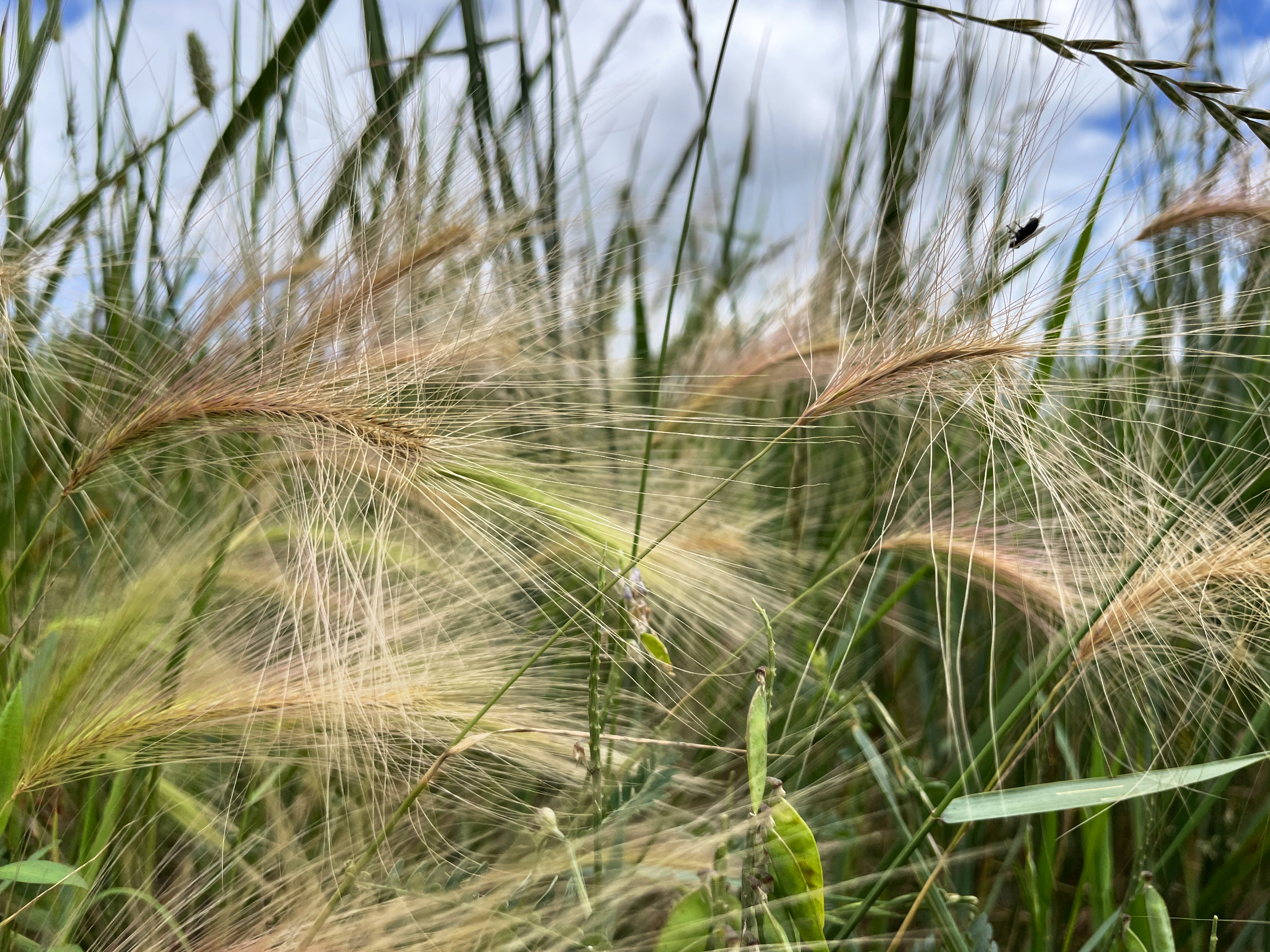
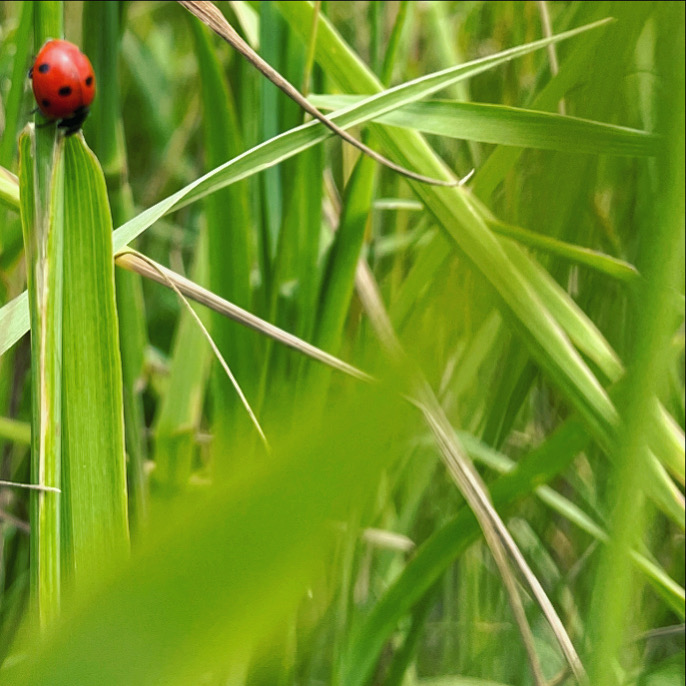
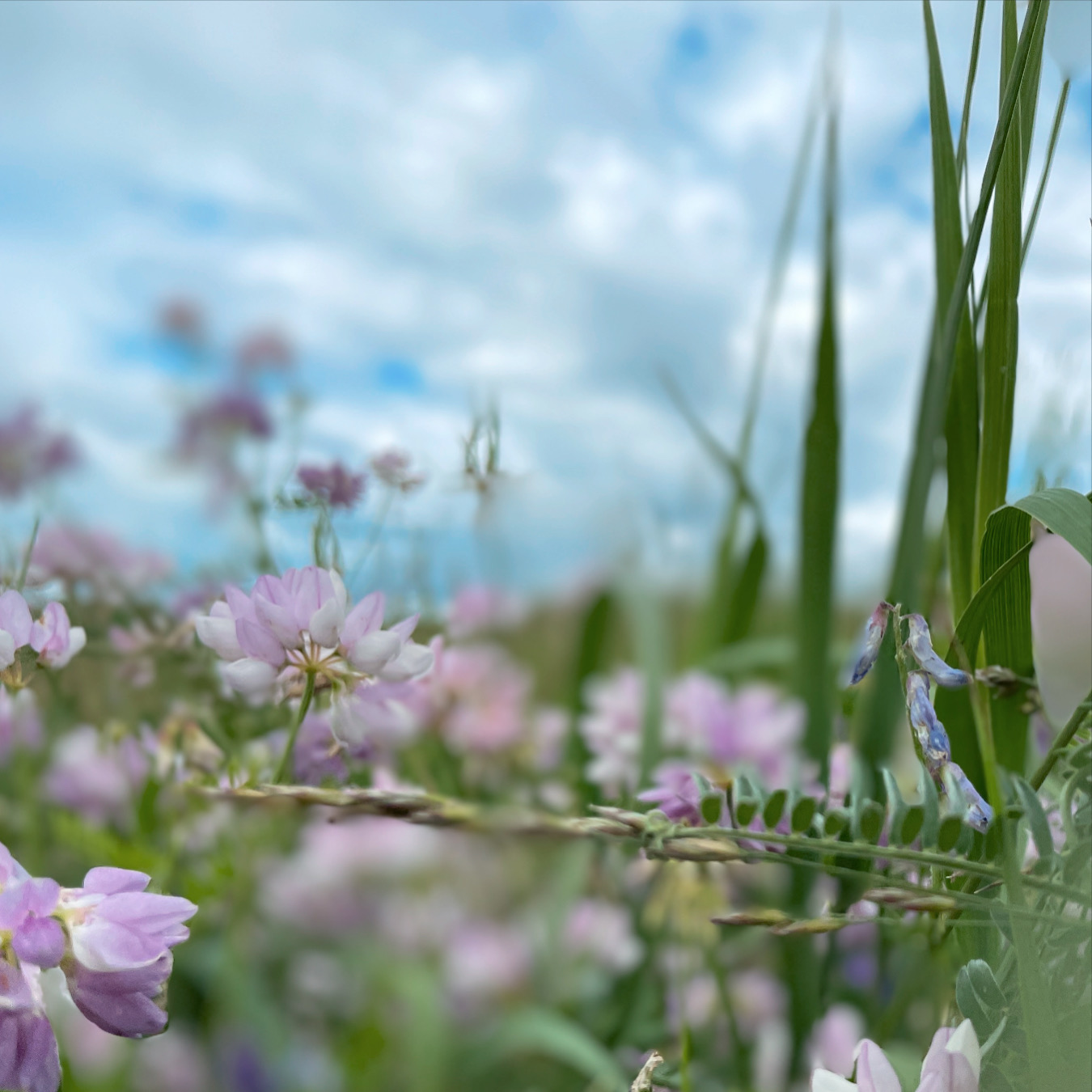
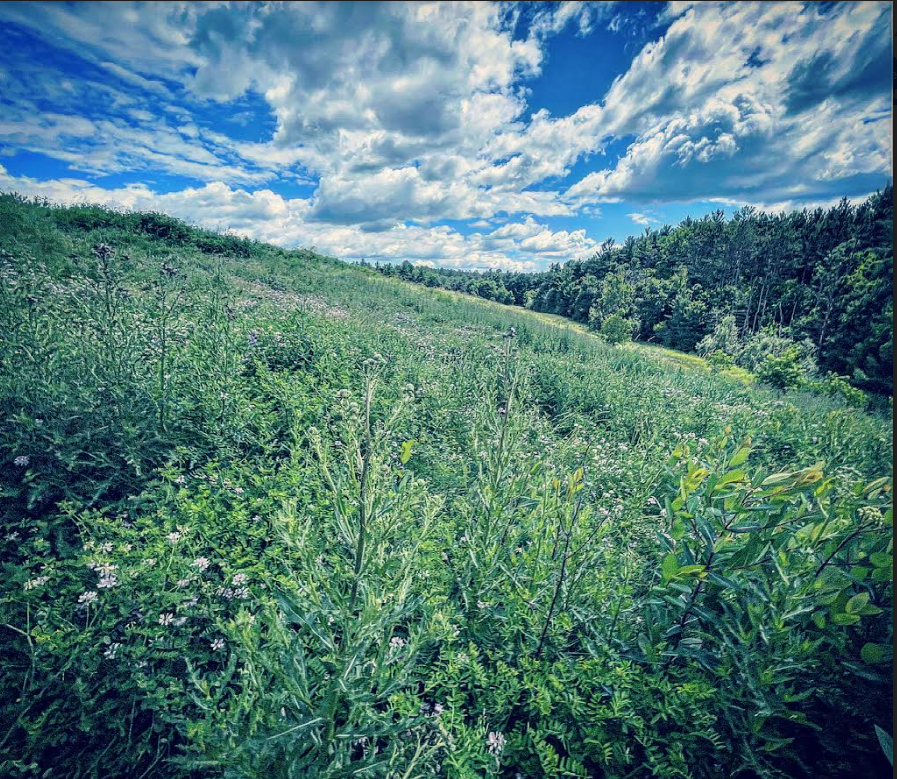
There is the sky and the clouds, a long and straight passageway below, beside a hill. It’s dark and shaded but not so much that one can’t see. Wind visits and makes the branches to sway back and forth. Previous storms have strewn leaves and branches around on the earth. Back and back, far and far, the largest mushroom waits untouched and unknown on a broken tree surrounded by reeds tall and then still. Just outside the trees is the open place, and on the feral summer growths are butterflies, spiders, and dragonflies. There are ants and grasshoppers. Blooms yellow, blue, and the open air is cleansing, refreshing. A pastoral scene. What is beyond the end of that place, where there is no passageway and the trees, the shrubs and chaparral become too thick? What would William Golding or Joseph Conrad think of that place? In the winter the snow is like infinite tiny crystals or other-worldly grains of sands. Agate, chaga, a large snake looks at me. Kundalini symbol and sign. I pause and it goes away at which point I look to the sky. I want to understand the clouds. I vaguely remember dreams of the night where I was in the desert and walked to a city at night with metropolitan lights and infrastructure and populace. But I wanted to go back to the desert. I couldn’t remember the rest. Something runs in the tall grasses. Fast. Determined. Magical. I see clover, bee, ladybug. Whitman wrote, -You road I enter and look around, I believe you are not all that is here, I believe much unseen is also here.- Whitman only travelled far and far once, to Canada, to visit his friend a doctor interested in consciousness. I breathe as deeply as possible. I’d say there is a bird but there is no bird then. But the clouds are enough. They are something, colloquially speaking…they are really something then beautifully bloated, numerous, each a little different and content in their difference. The clouds are confident then.
Poetry from Patrick Sweeney
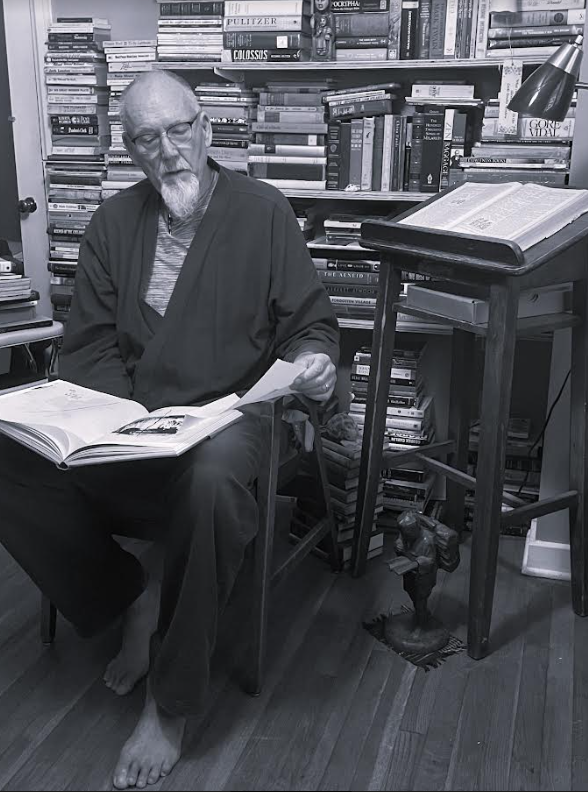
shedding ten-thousand shipworms of worry
skip the low-interest, multi-step directions...
I've a better chance of deciphering
the Voynich manuscript
swallowtail guess what I was about to say
even though the complex probability amplitudes are against me, ‘Moon Ra’
tic convulsif… elder brother’s son home from war
let them use the glitter
heads bowed in the next yard, requiem for a woo woo
kids blowing bubbles in a world without end
he was a nervous talker,
who punished wide-eyed historians
with Roman forecasts
she preferred he accept a non-speaking part
graciously receiving morning salutations from the thundercloud tree
hard as I tried, the infinite series continued right on out of the back of my flat head
the voiced and unvoiced consonants that happened in the front of the room
Patrick Sweeney is a short-form poet and a devotee of the public library.
Poetry from Taylor Dibbert
From Bad to Worse


He remembers

When they

Were about to

Get married

And he remembers

His soon-to-be

Mother-in-law

Sharing that

She wasn’t sure

That she’d

Be able

To attend

The wedding

And he remembers

Learning that his

Soon-to-be

Brother-in-law

Would not

Be attending,

At that point

He knew

Quite a bit

And wasn’t surprised

By this behavior,

Things would only

Get worse

From there.


Taylor Dibbert is a writer, journalist, and poet in Washington, DC. “Rescue Dog,” his fifth book, was published in May.
Short story from Bill Tope
Make Believe
i
“Clear a path,” cried Stacy, spreading wide her arms. “Here comes Shamu!” As if by magic, the students in the grade school corridor parted like the Red Sea. Lori, the object of this derision, gritted her teeth and said nothing. She walked past the taunting students, wincing in shame at each smirking face. Some of the children hooted or made other ugly animal sounds.
“Be careful what you say to Shamu,” cautioned Stacy. “She might morph into Carrie!” The girls giggled, and the boys guffawed. Lori passed out of their sight. Stacy smiled contentedly.
ii
“Students,” said Ms. Black, the fifth grade teacher, “today we’re going to get your vital statistics.” The children stared back at her blankly, perplexed.
“I mean,” Ms. Black went on, “that I’m going to measure your height and get your weight.” Lori had a sinking feeling. First, the teacher measured their heights, and that went off without incident, but then came the weighing. The children lined up before the physician’s scales, each taking their turn to step onto the platform while Ms. Black balanced the weights. At length, last in line, Lori stepped on the scale and Stacy didn’t remain idle.
“Hey, Shamu, don’t break the scale,” she barked. Several children chuckled. Lori felt her cheeks burn.
“That’s not polite, Stacy,” scolded Ms. Black. “I mean, how would you like it if…?”
“If I were fat?” Stacy finished the teacher’s sentence.
“Now, that’s enough, students!” Ms. Black spread the guilt over the entire class, inasmuch as Stacy Shelton was the daughter of Bruce Shelton, the superintendent of schools. That made him Ms. Black’s boss. He was known to dote on his daughter. None of the teachers were eager to get her in their class.
As Black maneuvered the weights on the scale, Stacy remarked, “They’ve got a special scale down at the stockyards.” The children erupted in gales of laughter. Even Ms. Black, in spite of herself, chuckled into her fist, then tried to hide it. Lori felt her betrayal keenly.
iii
At noon, the children scattered for lunch. Although it was a closed campus, Lori ran home, tears of humiliation streaking her eyes. When she arrived, she crept silently through the house and into her father’s den, where she found the gun cabinet, unlocked as usual. Lifting out a heavy, ugly black pistol, she then rummaged through the ammo drawer and extracted a box of bullets she knew would fit the handgun. Her father had instructed her on how to handle firearms safely.
Arriving back in class before the lunchroom let out, Lori sat silently in her seat in the back of the classroom. Students were assigned their seats alphabetically, and Lori felt lucky to be situated in the rear, where she’d garner less notice. Stacy’s keen eye and needling voice always seemed to find her, however. The gun sat hidden under the folds of Lori’s billowing dress.
iv
Finally, students began filing back into the classroom. Stacy, as per usual, was last to enter, making a spectacular entrance, of course, arriving as if onto a stage. The other girls giggled in appreciation. No one dared cross the girl. Lori frowned darkly. She hated that girl! When class commenced, Ms. Black instructed the students in social studies until two o’clock, at which time the children exited the school for the final recess. Lori remained in her seat, the gun cold against her thigh. When class reconvened, Ms. Black told the students there would be a test of their ability to write creative fiction. Pencils were turned up, and blank sheets of paper were passed out. Lori bent to her work, and SNAP! Her pencil broke cleanly in two; she had been pressing on it so hard, in frustration, that she ruined it. That was Lori’s last pencil. She looked up; the teacher had left the room, probably to take another smoke. Everyone else was busily scribbling on their own sheets; besides, no one would help the fat kid. Lori sighed. Then she thought: maybe this is the time to make her move. What did she have to lose?”
Stacy, observing what had transpired with Lori, turned to the girl and said, “Wanna borrow a pencil?” At first, Lori expected her to snatch the pencil out of her reach and taunt her some more. But no. Stacy was serious, and Lori accepted the small token of kindness.
“Thanks,” murmured Lori.
“Sure,” acknowledged the other girl, at last taking pity on her nemesis.
v
By the time Ms. Black collected the papers, the final bell rang, indicating it was time to leave for the day. Soon the classroom was deserted, except for the teacher. Ms. Black rifled through the thirty completed essays and began correcting and grading them. When she came to the last essay, her mouth fell open in surprise. She sat up straight in her chair and murmured, “Oh, my God!”
Here’s what the final essay said:
I almost killed a girl today. She made fun of me one time too many, and I had a gun, and I was going to shoot her dead. My dad taught me how to shoot, and I’m a good shot. But she let me use her pencil when mine broke, so for now she gets to live. This is, naturally, only make-believe fiction, as Ms. Black said.
Lori Belzer
5th Grade
ESSAY FROM FADWA ATTIA WITH HER WORKS (painting and photography)

Fadwa Attia from Egypt wonders, do the arts now in all fields need identity?
Yes, it is the difficult equation from ancient times to the present time. We need identity with its features.
These features were formed by different cultures, which It started from the ancient civilizations of the ancient Egyptians. Until we reach the present time, all of this, as I said in my previous articles, made identity formed from ideas and culture, so it became a cultural reference.
The identity thesis became important in theatre, cinema, fine art, and others.
But after I presented solutions to preserve identity, which is one of the basics of heritage, cultural heritage and other things, we need a lot to know the importance of our identity that we have missed, and to continue our dialogue.
About the solutions necessary to preserve identity, after training cadres and developing systematic plans for the coming years through strategic planning by specialists and researchers in these various fields, various seminars to introduce identity, in general.
Then, there is a taste of identity from the receiving audience, whether it is trainees from the cadres who carry out strategic planning.
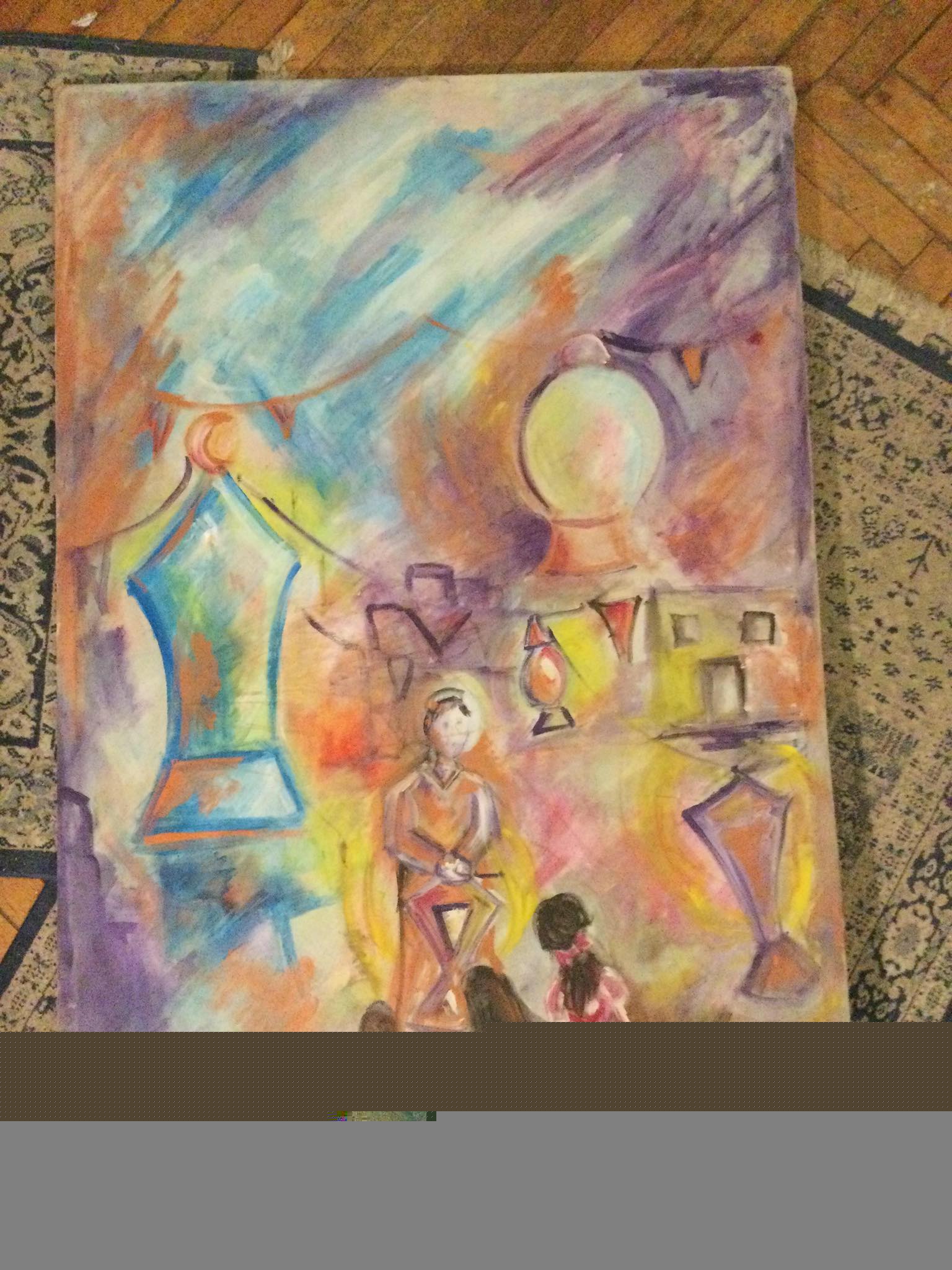
As well as the public that we educate through cultural and artistic seminars, producing short and documentary films about identity.
As well as holding conferences from which it issues,
Books and exhibitions calling for the preservation of identity, its elements and features.
Also, the media coordinates with him through the responsible state’s channels through various programmes.
Which demands the preservation of identity, its history and culture.
Through the Internet and also through satellite channels and television programmes.
This makes the preservation of identity continuous and never-ending.
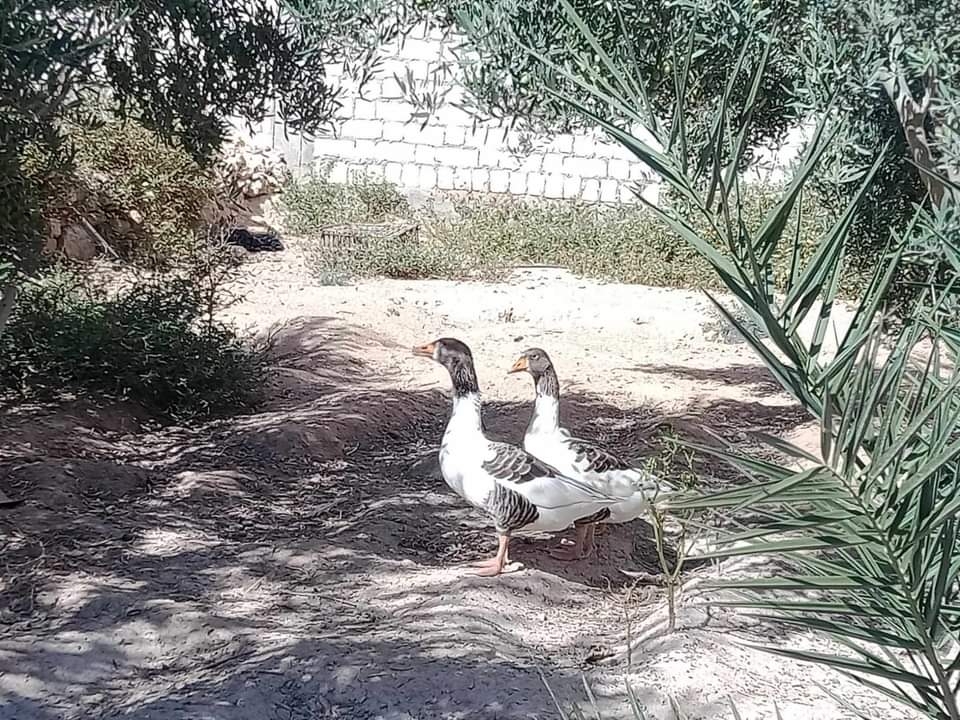
Which brings us to one truth: Identity is a homeland that we cannot do without. My identity is from within my homeland, from within the cultural and artistic heritage. From within our features, our art, and our heritage are like an inexhaustible river. We need a lot and a lot so that our identity from which our art emerges is not lost, and so that there is not a crisis in the loss of our identity. We are peoples with civilizations that have roots. We cannot dispense with our civilizations and our history. We need to support ourselves by preserving identity by all possible means.
Therefore, we continue our simple, enjoyable dialogue about identity through true, sincere art, and we have a new dialogue that we will continue in new articles later, with you with love and respect from our beloved Egypt.
My Lifelong Lover
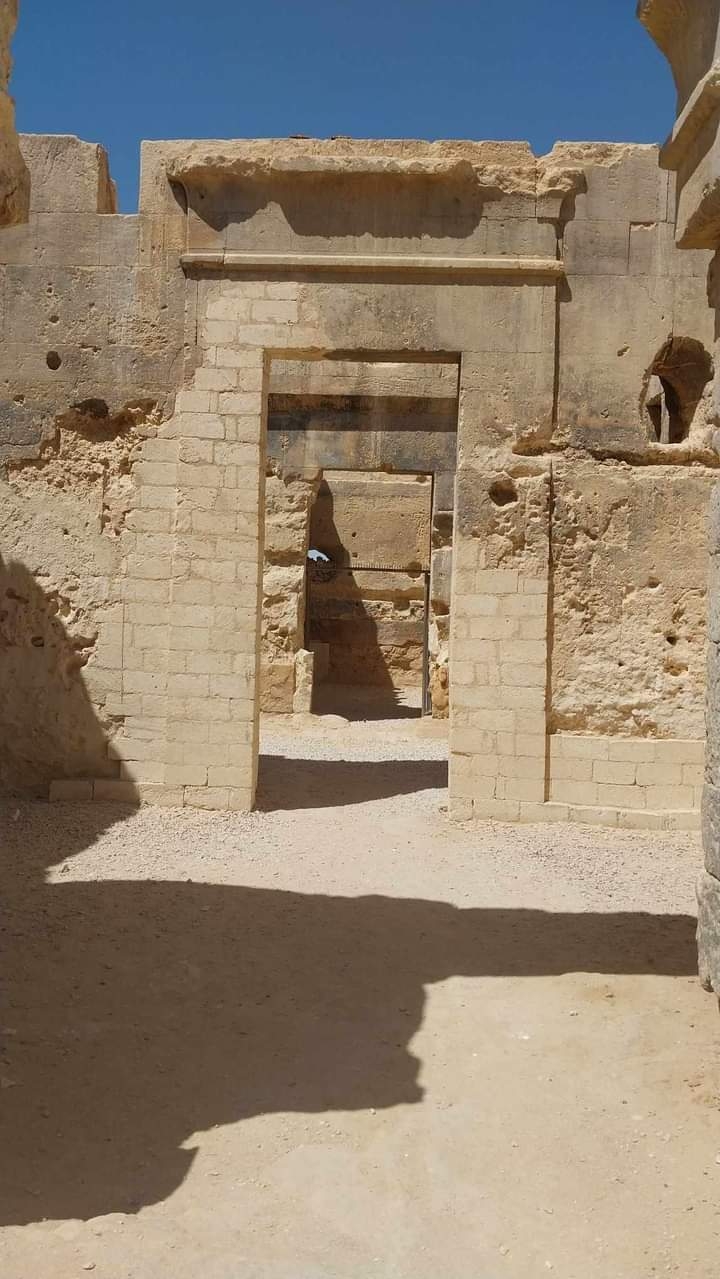
I have waited for you so much, my beloved, and I have hope that your love will be like the sea whose waves do not calm down. Your love has become the focus of my life. Do you feel me or not? Your distance has increased a lot, and my days have become lost to me and I have become no longer the one who loved you.
Come back, beloved of my life, to my warm heart with your love. Come back. You will find me waiting for you, wandering in love during your days, and getting lost with you in the moments of my life, my lifelong lover.
.