
HOPE: A HAIKU!

Hope it’s you and me
it’s a light so bright so bright
it is a pure gold.

HOPE: A HAIKU!

Hope is like a light
It’s a little light you can see
Hope is Happiness

By Aurora Brown, age 9, 3rd grade,
Alexandria, Virginia
Category Archives: CHAOS
Poetry from Leticia Garcia Bradford
On Days Like These

On Days Like These
On days like these
Be the change
Change What
Our tears
Our children
NPR
There aren’t enough words
On radio
On social media
On television
Are newspapers read anymore
Words to comfort the grieving
Words to comfort our hearts
Words to comfort the masses
Why?
We ask again
And again
Only to write another poem
Again
Artwork from K.J. Hannah Greenberg


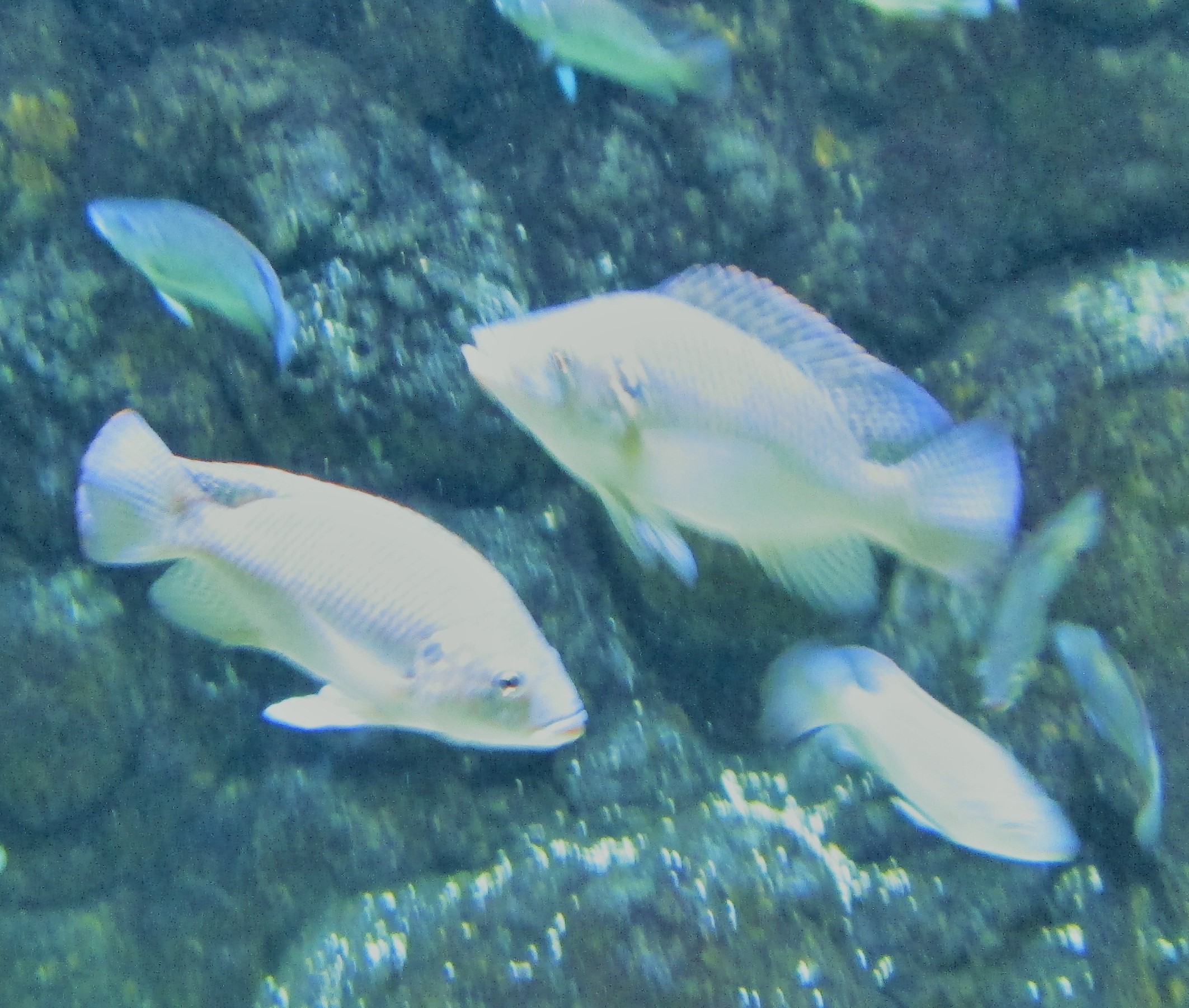
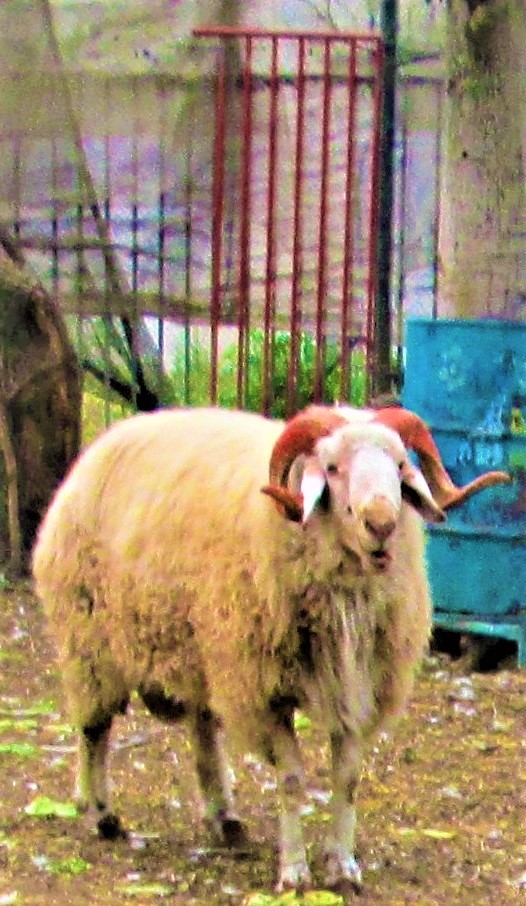
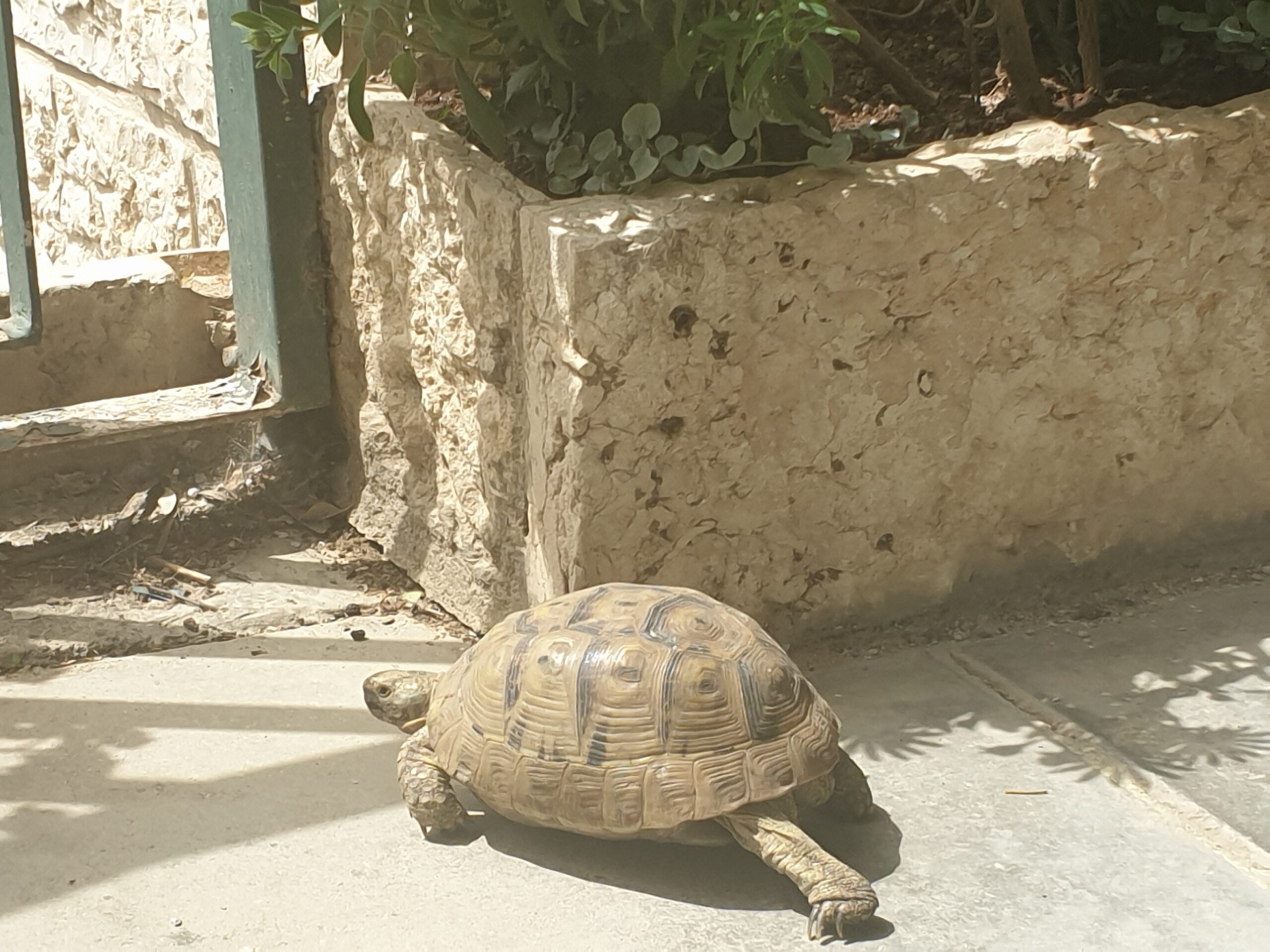
My paintings and digital paintings have graced two galleries, served as covers for more than half of a dozen publications, and been incorporated, alongside my poetry, in in One-Handed Pianist (Hekate Publishing, 2021). These days, I party with the imaginary hedgehogs I met in midlife, write about the foibles of parenting, teach online courses to emerging writers the world over, and deign to use color and shape to express feelings. There may not be anything new under the sun, but Granny can share with youngins various ways to secure their bonnets. After all, exposure to feral ideas remains important.
Essay from Chimezie Ihekuna
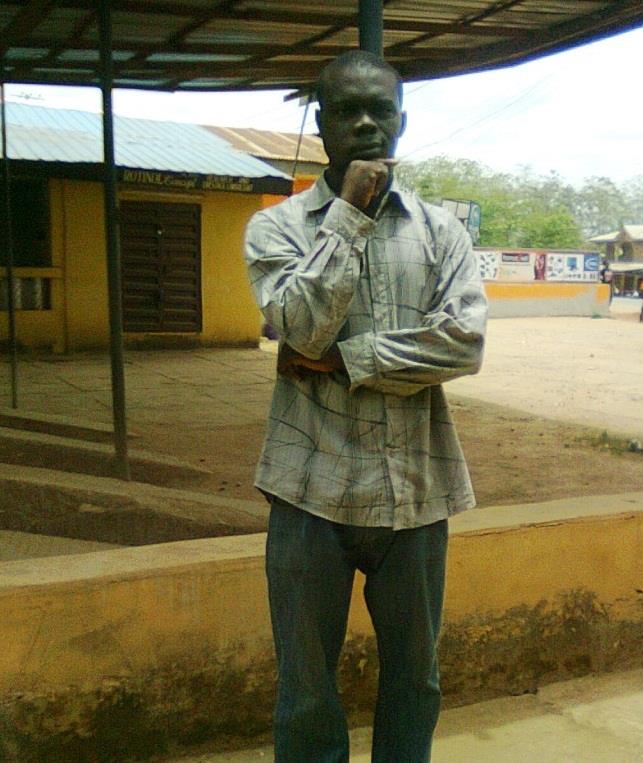
Parenting: What It Takes

Parenting is an uneasy task. In a world dominated by the emerging popularity of being single, having children out of wedlock and having to raise children after being divorce, parenting, in terms of the commitment of the man and his spouse is growing thin, each and every passing day.

Parenting is the chosen task taken up by a man, woman or both to handle the responsibility of appropriately raising children (biological or adoptive) in ways that conform to their given standards and principles with the aim of rearing them to become productive to society. It takes maturity on the
part of the man, woman or both to painstakingly and assiduously nurture children. Parenting involves a great deal of sacrifices and commitments by either party to ensure their children gets the attention, love, care and basic needs met.


What makes parenting, particularly by both parties, work is when the man and his spouse have chosen to value trust and communication in the things they do which are connected to their children. The understanding of each other's demeanor will go a long way in administering the attention their
children would get. For instance, a wayward woman will not be able to understand what it means when raising a child whose demeanor is rather hostile. A man who is not always around will not understand what it means for his spouse to sit down with their child to give utmost attention.

In a world where one would have to spend longer hours at work to make ends meet, parenting becomes a difficult task as the time or attention for children would hardly be available. Each and every passing day, the work world is embraced by more attention to machines, keeping at bay what parents need to do at home. Hence, it would take wisdom to actually strike a feasible balance between meeting up with working
demands and attending to matters of the home, particularly the mental upkeep of children.  Communication and trust between two parents would have to be necessary for such balance to be created. In other words, ensuring each other’s responsibility towards the upkeep of their children as they are faced with demands at work would have to be a priority.

Parenting takes discipline to cultivate. It is very hard trying to
raise children with different traits and peculiar abilities. It would take extra effort on the part of the woman parent to always ensure that her disabled son does not feel rejected by or isolated from his peers. It would take a wise father to make sure all that are required to pay up his daughter's tuition fees and other related academic expenditures are met, despite having to pay debts incurred.

In a time where divorce,  separation and single parenting prevails, the involvement of either the woman or man in fostering a healthy physical, mental and spiritual growth of his or her children becomes a huge challenge as matters  concerning their personal health comes to focus due to stress encountered in the place of work.

True parenting takes the involvement of a man and his spouse and the choice to painstakingly and wisely see to the upbringing of their children through communication and trust in faith.
Poetry from Renwick Berchild
How To Start


I cannot start

without the dagger pain of a wooden splinter

cored deep and burrowing in the dark.

Bearded dog, limping Cuckoo wasp, the painted

canvases are tumbling dominoes

but I cannot start.


Once I wandered onto property that was not mine

and an old man came screaming up

on a swastika-stamped ATV and the damp moss

spat his beliefs in my eyes, and I was startled

by a mind that was not mine.

I could start then.


Her Body


She lifts her body with her body,

moves her body with her body, sits down

on a hard mahogany chair that holds her body

while she tends to her body, as it is a creature

that needs be tended. Cutting lentils

and cooking rice to sustain her body,

boiling water, infusing safflower

that will quench her body, her body

moving her fingers (a part of her body)

with fine finesse and ease. She thinks

nothing of this marvelousness

that is her body; her body

is a sack which carries her brain around

which is also a part of her body,

wishes she could be without it, contemplates

the necessity of fingernails and earlobes.

She navigates the stairs with her body

that was built by bodies

with the help of machines and tools

that were imagined and designed by bodies,

who sweated, labored, debated

and shaped them alive like art. She enters

with her body, exits with her body,

works with her body, talks

with her body, embraces with her body,

treats it like a garden bush,

keeping it satisfied in its self-containing self.

Her body is the ultimate instrument,

that could even make other bodies

if she so chose; in her womb,

with her body, and the brief assistance

of another body, she can form a being.

(She does not consider much

how this is an attribute of gods.)

She lifts her body to reach the books

on the top shelf, lies her body with her body

onto her bed that cradles her body,

an idea her body came up with

to reconfigure itself. And so

she dreams in her body,

sees orbs and faces and feels pine needles

and loses time and place and law.

Her body is a distant echo; for seven hours

she is more than her body and she likes this,

she thinks this is a miraculous feat.

When she wakes she is a body again.

She rouses her body, walks her body

to the kitchen with her body,

to the kettle with her body, her body

a marvel, to be sure, her body

a majesty of cells and electrical impulses

and movements of bone and lore.

She counts her dollars, heads

to the grocery store, buys a vegetable body,

smells it, feels its leathery hide, wonders

if a potato is aware it has a body,

she walks alone the five city blocks

back home, considering only

the consciousness of the sky.


Dead Finches


They say the bird is a messenger.

Two finches die in a heatwave but who’s around?

The folding and unfolding skies twiddle

with my heart-ends, my valves summer yellow,

chambers blanketed in snow. Again

a lover sends down the rains, but all I get

are rasping gulls with shrieks that puncture sleeps

as musky as cow pastures, as heavy as gold.

My messengers are in procession down the nave

of a church with no one but straw dolls in the pews.

Birds die everyday. I’ve broken bottles

with more than liquid in them. In mourning

there’s a need for a story (even if cruel).

Words unwritten are words unused.


The Play


The curtain rises, and there are faux-animals

human beings dressed in gowns

of lions, elk, cicadas, foxes, toucans

whales on their stomachs moaning upon the floor

so they sway, declare they are grass blades

heaped together, a meadow, a symphony

and yes, they are singing

singing with not just their mouths dressed

as maws and bills and proboscises but with their eyes

their arms, their bellies, their hands

they are trying to tell the story

the story of what it means

to be on an oblate ball of clay alone

orbiting its way through unrelenting space

and what it means, they tell, of how they all lean

together upon one another's shoulders

how they have sex with each other

eat each other

die and will head

into the same soily, cool bed

how they fear and love each other

and are pulled

arrested

driven by yearnings and cravings

to rub against, break things open

watch it, see it, touch it, all of it, grow, change

it all so painful, heavenly, astronomical

so they sing, of when they first realized

that they could not leave, that they, all as one

existed on an island, and if it goes

they all go, gulped by an exhalation of energy

dark matter and quantum particles

and together they begin to act out the end

by suddenly spinning like tops

they fall into and over each other, calling out

hollering roars and coos and clicks and baas

and gasps and cries that are human

and taking off their pelts, as humans

they collapse, impact, all as one, to the stage


except the whales, they merely roll onto their backs

and reach their flippers up toward

the lights shining above, and this theater

all the way to the back rows and utmost rafters

is silent as a tomb.


Shake


All things rattle to your touch.

You are an earthquake, with feelers for the moon.

Monsignori pray for you. Playwrights scratch out

the tremor that takes place inside your pen;

little things make you quiver,

like lost daughters, dead pets, gone friends.

As the mother hen you bear the egg.

As the second youngest of the Babe and the Pop

your shoulders shake from all the wave of

Seven Sibling Wonders who came.

You stick to shampoo, like glue,

and all the windows leak whispers to you.

You pluck a cigarette, and shiver in the drag.

As the grass whipping, you smile.

The dandelions sprout in droves

and you reach to uproot—but you don’t.

Mama, you get me to commit

the genocide.


Lime Kiln


Around his steeple, a neckerchief

embroidered with the lie his father gave.

So, around the point, the strong gulls live,

songs like raking nails to the ear.

Dry myrtle, in the hand, spittle

aside the mouth, we forge course

through the arching buttresses of stars.

He knows the hammer. He knows the bouts.

What swings lays waste to things unmoving.

I reject his common beliefs, his white napkin

that dabs away the gore of his stinging words.

Daytime the chronometer, daytime the stick

measuring the waves at Lime Kiln.

My hands cross the hours. My hands

silt smeared and boney old. He harbors

his clean justice, his pure head

in the flailing wings of birds thriving.

I see the dead ones, on the stones.

Full of ivory threads and matted plumes.
Renwick Berchild is half literary critic, half poet. She is lead editor of Green Lion Journal and writes at Nothing in Particular Book Review. Her poems have appeared in Porridge Mag,Headline Press, Whimperbang, Free Verse Revolution, Vita Brevis, Streetcake, and other e-zines, anthologies, and journals. She was born and raised on the angry shores of Lake Superior, and now lives in a micro-apartment in Seattle, WA. Find more of her work at www.renwickberchild.com
Poetry from Steven Hill
The Loan
	   By Steven Hill

It comes back to me in pieces,
in reflective bites over breakfast cereal—
the smile of moonlit miles,
walks under freckles of stars
two bodies, folded in a hammock,
childish words for you, carved in a tree
so close, the summer grass as we crawled.
And we rubbed, I and thou,
cheek to cheek,
hair to hair,
cheek hairs brushed by dew,
drizzle like feather clouds
like memories of my baby blanket,
star-crossed patterns peering
at each other through our
windows—
what marvelous shelters,
you and I,
what a lighthouse,
what a beacon glowed within you and
beamed out at me
through your windows.

And then—suddenly—it was all gone. Poof!
This life is on loan, it turns out.
What we thought was ours belongs somewhere else,
drifted back home
leaving a pile of bones and
scattered remains, ashes, chalky petroglyphs
shards of pottery
and a long trail of relations like ribbons
	to carry on with what they too have borrowed.

Dandelion’s time had come to leave upon the wind,
not returning when spring
	pushed up through the soil again.
We thought we would all live on the same block forever,
a shady cul-de-sac with
	a box elder swaying over the creek,
the water feigning timelessness,
tree rings to infinity.
But a storm got the elder, the years dried the creek,
your kiss became a memory
our conversation a hushed prayer,
the doctor’s words a trace
	whispering through the moonlit lace,
the last light I saw reflected in your graying eyes
showed the telephone disconnected,
the boisterous neighborhood grown silent
bat and ball, lifeless in the on-deck
a field no longer sown,
the grandfather clock chiming
	over a hearth gone cold.

Everything in its own way announces the final curtain,
we trowel a foundation,
mark ourselves with a lifetime of endeavor
and then we are called to relinquish the monument;

	no, it relinquishes us

	Dull chatter in the background, announcing itself at the door,
with a rap and a rude harrumph,
waistcoat fastidious on the coach driver,
ah yes, the coach awaits, the door creaks open,
passage for one.

It’s a marathon and then
nothing,
silhouette instead of stone,
		the universal groan,
pace yourself, passage for one,
you won’t be takin’ it with you,
this life is on loan.
Poetry from John Culp
Consciousness is Self Evident.
To Ask for Proof grants the Disproof
 by the Axiom of Requiring it.

It's a journey that every Question
Aborts the Answer
so a walk home resumes.

The industry, The Art
is how to define Boundaries
to hold Pleasure as
an enduring form.

So If You Like it,
  the process can come
    from non-form
      through form
        to non-form
Or mid-stand
where comfort
holds the sensitivity
to ongoing Beauty.

Vibrant Joy Sure by feeling
upon natural ongrowing

Boundaries that fall to
      unrestrained pleasure.

Set Heart's desires
   as bounding focus
       drawn a party to

Gifts rising upon the moment,
                 Evidently.