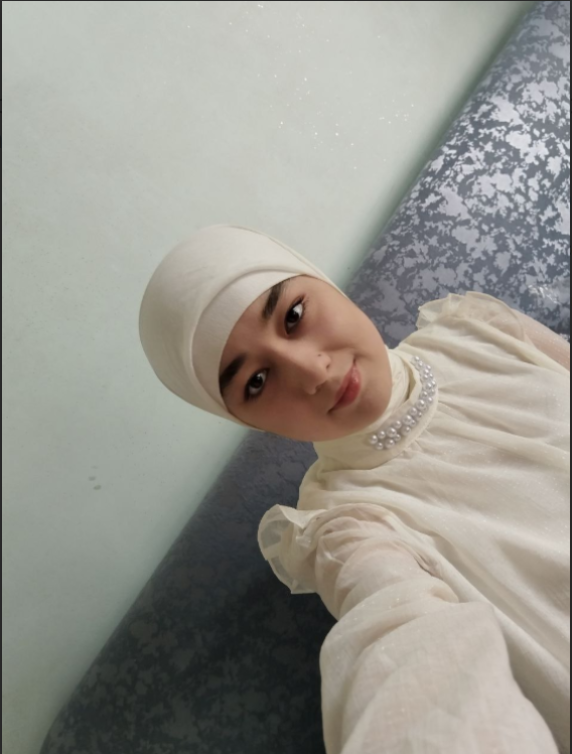
Essay from Muslima Olimova

Young woman with a white ruffled blouse and headscarf, thick eyebrows, and a pearl necklace.

In a world where digital skills determine future success, access to quality education is not a luxury—it’s a necessity. My name is Muslima Olimova, a young changemaker from Uzbekistan, and I founded Muslima Academy to create a bridge between global knowledge and ambitious youth, especially girls from Central Asia.

Born and raised in Andijan, I grew up seeing many talented youth who lacked access to resources, mentors, and international opportunities. Despite living in a digital era, many were unaware of online courses, scholarships, or even how to build a strong CV. That’s when I realized that change had to start somewhere—and I chose to be that start.

Muslima Academy is a youth-led educational platform where we offer online courses, career guidance, international certificate programs, and practical tasks that help students build their portfolios. Our mission is clear: empower 10,000+ youth by 2026 with the tools, skills, and global mindset needed for the 21st century.

We offer affordable access to:

Weekly live masterclasses

Scholarship application coaching

CV and motivation letter writing

Public speaking and personal branding

Mentorship and internship opportunities

What makes us unique is our commitment to inclusivity and real-world impact. In just one year, our students have been accepted into global summits, won international competitions, and even launched their own startups.

As a founder, I also work as a community ambassador for Wakelet in Uzbekistan and collaborate with international organizations to bring global education home. The story of Muslima Academy is not just mine—it belongs to every student who dares to dream big.

My dream? That one day, no youth from our region feels left behind in the digital revolution. Muslima Academy is more than an initiative. It’s a movement. And we’re just getting started.

Muslima Olimova is a 17-year-old student of Information Systems and Technologies at Andijan State Technical Institute in Uzbekistan. She is the founder of Muslima Academy, a youth-led initiative that empowers young people — especially girls — through education, digital skills, and access to global opportunities. Muslima is also the Uzbekistan Ambassador for Wakelet, a global educational platform, and her academic and creative work has been published in more than 26 countries. She is passionate about using technology, education, and innovation to uplift communities and inspire the next generation of changemakers.

In a world where women are increasingly stepping into leadership roles and shaping the future, stories like that of Muslima Olimova stand out as powerful examples of courage, vision, and impact. At just 17, Muslima is not only a student of Information Systems and Technologies at Andijan State Technical Institute in Uzbekistan but also the founder of Muslima Academy — an initiative aimed at empowering youth, especially girls, through education, digital skills, and global opportunities.

A Dream That Became a Movement

Muslima Academy was born out of a simple yet powerful belief: access to knowledge and global exposure can change lives. What started as a small educational initiative has now become a dynamic platform for students, freelancers, and aspiring leaders across Uzbekistan and beyond. Through online courses, international certificate programs, grant writing workshops, and mentorship, the Academy has touched the lives of hundreds of young people.

Facing Challenges as a Young Female Leader

Starting a project as a young girl in Central Asia comes with its share of barriers — from societal expectations to limited resources. Muslima faced skepticism, financial difficulties, and the challenge of balancing her academic life with her entrepreneurial dream. Yet, with resilience and a clear purpose, she turned these challenges into motivation. “I wanted to show that age and gender do not limit what we can achieve,” she says.

From Local Impact to Global Recognition

Muslima’s efforts didn’t go unnoticed. She became the Uzbekistan Ambassador of Wakelet, a UK-based global education platform. Her scientific articles, books, and essays are now published in over 26 countries. She’s also a winner of multiple science Olympiads and startup competitions, proving that young women can lead innovation just as boldly as anyone.

Building for the Future

Muslima is currently working on expanding Muslima Academy and launching new projects like EduMingle — a platform that connects youth with real-world tasks, mentors, and portfolio-building opportunities. Her startup ideas combine AI, blockchain, and education to create sustainable solutions for freelance workers and learners.

Through her work, she is building more than platforms — she is building confidence in girls who doubt themselves, opportunity for youth who feel left behind, and hope for communities ready to rise.

The Message

Muslima’s journey is not just about personal success. It’s a call to action — to invest in girls, trust their ideas, and create ecosystems where young people can lead change. As she says, “You don’t need to wait to be older, richer, or more experienced to make an impact. You can start now — with a purpose, a laptop, and a dream.”
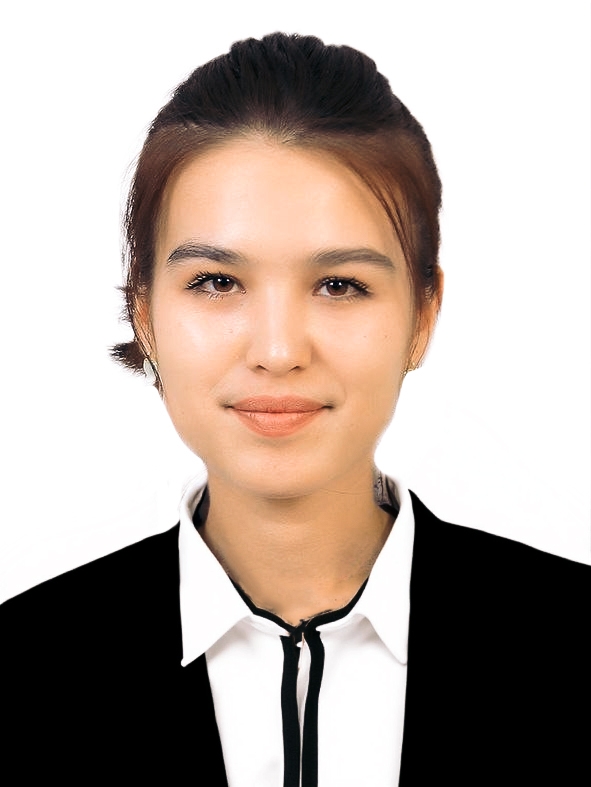
Essay from Mamatova Diyora

Young Central Asian woman with short dark hair and brown eyes. Headshot, white collared shirt and black coat.

Motivation of Foreign Students to Learn the Russian Language in a Non-Linguistic Environment 

Introduction 

The modern language policy of many countries aims at integration into the global educational and cultural space. In this context, learning foreign languages, particularly Russian, is becoming increasingly important. However, the effectiveness of learning largely depends on the level of student motivation, especially in a non-linguistic environment – that is, in countries and regions where Russian is not used in daily life.

This article is dedicated to exploring the motivation of foreign students to study Russian under such conditions, identifying the determining factors, and outlining ways to enhance academic motivation. 

1. The Concept of Motivation in the Process of Learning a Foreign Language 

Motivation is a combination of internal and external factors that prompt a person to take action. In the context of language learning, motivation plays a key role: it determines the student’s attitude toward the subject, perseverance in overcoming difficulties, and willingness to engage in independent work. 

Scientific research identifies two main types of motivation: 

– Integrative motivation – the desire to become part of another culture, communicate with its representatives, and understand their way of thinking; 

– Instrumental motivation – learning a language for practical purposes: obtaining education, employment, improving social status, etc. 

2. Features of Motivation in a Non-Linguistic Environment 

For students studying in countries where Russian is not an official or widely spoken language, motivation develops under specific conditions. The absence of a language environment limits practice opportunities, which may reduce interest in the subject. However, with strong personal or professional interest, students maintain high academic motivation. 

Factors influencing motivation in such conditions: 

– Personal interest in Russian culture and history; 

– Presence of relatives or friends who speak Russian; 

– Aspiration to study at Russian universities; 

– Career prospects associated with Russian language proficiency; 

– Participation in international projects, grants, internships. 

3. Empirical Study of Foreign Students’ Motivation 

To gain deeper insight into the issue, a survey was conducted among students from Central Asian countries studying in philological and non-philological faculties. The questions concerned their reasons for studying Russian, sources of motivation, and challenges faced. 

The results showed that: 

– Over 60% of students indicated professional motivation (job, career); 

– 25% were motivated by personal interest in culture; 

– 15% admitted studying the language as part of the curriculum, without intrinsic motivation. 

It was also found that having a teacher who uses interactive methods significantly increases motivation. 

4. Problems and Ways to Overcome Them 

Studying Russian in a non-linguistic environment comes with a number of challenges that directly affect students’ motivation. Let us consider the main ones: 

4.1. Lack of Language Practice 

The most commonly mentioned problem is the lack of speaking practice. In situations where Russian is not used in daily life, students struggle to maintain and develop communication skills. 

This can lead to decreased confidence and interest in further learning. 

Solution: Creating an artificial language environment – organizing Russian-speaking clubs, watching Russian films, participating in online events and forums with Russian-speaking participants. 

4.2. Lack of Motivational Stimuli 

In many cases, learning occurs “out of duty,” without internal interest. This attitude quickly leads to fatigue and decreased performance. 

Solution: Individualized approach – identifying each student’s goals, including assignments related to their interests. 

4.3. Limited Access to Modern Learning Resources 

In some universities, textbooks are outdated, making learning irrelevant and ineffective. 

Solution: Using digital resources, online platforms, and modern Russian language learning apps. 

4.4. Psychological Barriers 

Students often fear making mistakes when speaking, which hinders their verbal activity. 

Solution: Creating a supportive and tolerant atmosphere in class, where mistakes are seen as part of the learning process. 

5. Pedagogical Recommendations for Enhancing Motivation 

Successful teaching of Russian in a non-linguistic environment requires a creative approach from the teacher. Here are some recommendations: 

– Integration of culture into the educational process: lessons on culture, history, cuisine, and Russian art increase interest in the language. 

– Project-based learning: students work on mini-projects in Russian – create presentations, videos, conduct interviews. 

– Gamification of the learning process: using game formats (quizzes, quests, role-plays) stimulates participation and reduces anxiety. 

– Use of motivational interviews: inviting alumni who successfully use Russian in their careers positively influences students’ attitudes. 

– Differentiated approach: considering the level of knowledge, interests, and goals of each student helps create a comfortable and motivating environment. 

Conclusion 

Motivation is a key factor determining the success of learning Russian by foreign students in a non-linguistic environment. Despite external limitations, with proper pedagogical support, the creation of a learning environment, and the use of modern methods, motivation can not only be maintained but also enhanced. Modern technologies, cultural integration, and a learner-centered approach offer broad prospects for effective learning. 

Thus, the teacher plays an important role not only as a knowledge provider but also as a motivator who inspires students to learn the Russian language. 

References 

1. Galskova N.D. Modern Methods of Teaching Foreign Languages. – Moscow: Academia, 2019. 

2. Khrolenko V.N. Psychology of Motivation in Learning. – St. Petersburg: Piter, 2021. 

3. Belyaev B.V. Psycholinguistics and Foreign Language Teaching. – Moscow: Prosveshchenie, 2020. 

4. Frolova L.L. Motivation Features in a Non-Linguistic Environment // Bulletin of Pedagogical Sciences. – 2022. 

5. Electronic resource: www.pushkininstitute.ru

6. Electronic resource: www.russkiymir.ru

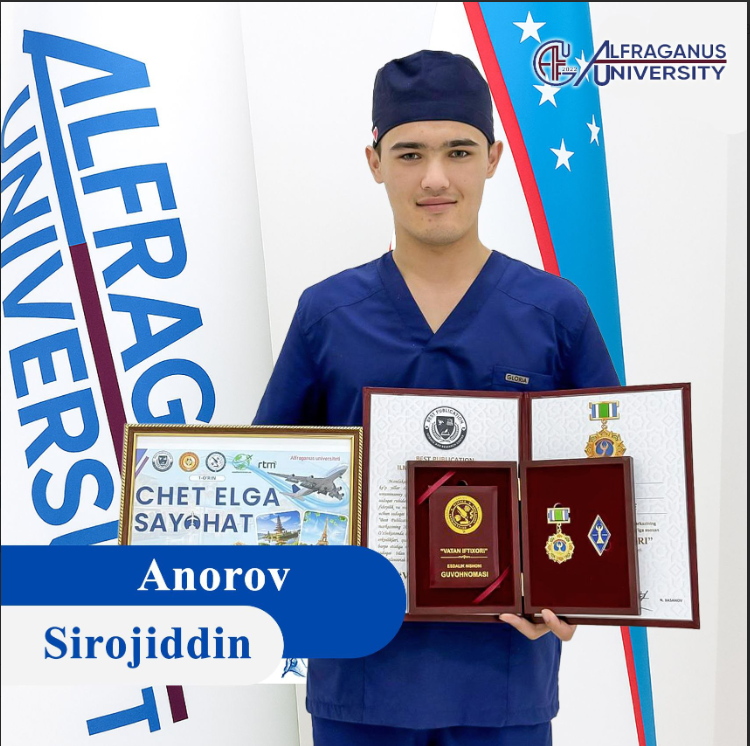
Essay from Anorov Sirojiddin

Young Central Asian man in a blue hat and medical scrubs holding a variety of awards.

UROLOGICAL DISEASES AND THEIR MEDICAL TREATMENT: A COMPREHENSIVE SCIENTIFIC REVIEW

Anorov Sirojiddin Nozimjon o’g’li

A student of the Faculty of Medicine, Alfraganus University

Abstract: This comprehensive review explores common urological conditions—urinary tract infections (UTIs), urinary incontinence, benign prostatic hyperplasia (BPH), kidney stones, neurogenic bladder, and urological fibrosis syndromes—and their evidence-based medical and minimally invasive treatments. We summarize current pharmacological therapies, endo-urologic procedures, and emerging interventions while highlighting prevention strategies and future research directions.

Keywords: Urological diseases; Urinary tract infections; BPH; Urinary incontinence; Kidney stones; Neurogenic bladder; Pharmacotherapy; Endo-urology; Minimally invasive procedures; Urological fibrosis

Introduction: Urological diseases significantly impact global health, affecting over 26 million individuals annually and causing more than \$11 billion in healthcare expenditures.Effective management of these conditions is critical to improving patient quality of life and reducing the burden on health systems.

COMMON UROLOGICAL DISEASES & THEIR MEDICAL MANAGEMENT

Urinary Tract Infections (UTIs)

UTIs remain one of the most common infections in primary and hospital care, especially in women

Antibiotic therapy: remains first-line but contributes to increasing antimicrobial resistance

Non-antibiotic adjuncts(cranberry products, D-mannose, probiotics, NSAIDs, estrogens, immunotherapy) show promise but evidence lacks to fully replace antibiotics

Probiotics: with anti-inflammatory and microbiome-modulating effects, are gaining attention for UTI prevention and recurrence reduction .

Urinary Incontinence: Urinary incontinence (UI) encompasses stress, urge, overflow, and functional types and significantly impairs quality of life.

Conservative method: pelvic floor exercises, lifestyle adjustments, absorbent aids.

Pharmacotherapy: anticholinergics and β3-agonists for urge UI.

Surgery/devices: slings, tension-free tape, artificial sphincters, particularly when conservative methods fail.

Benign Prostatic Hyperplasia (BPH): BPH affects >60% of men over 50 and causes lower urinary symptoms such as frequency, urgency, weak flow, and nocturia.

α1-blockers (tamsulosin, alfuzosin) and 5α-reductase inhibitors (finasteride, dutasteride) are first-line therapies.

Minimally invasive procedures: Transurethral microwave thermotherapy (TUMT) offers symptomatic relief with fewer complications, though with higher retreatment rates than TURP.

Surgical gold standard: Transurethral resection of the prostate (TURP) is highly effective, albeit with risks.

Kidney stones are commonly managed with non-invasive or minimally invasive approaches:

Extracorporeal shock wave lithotripsy (ESWL) is the standard therapy for stones <20 mm, achieving 80–85% success, with risks of renal hematoma and trauma.

Adjunct α-blockers post-ESWL enhance stone passage.

Endoscopic and percutaneous options** include ureteroscopy, laser lithotripsy, and percutaneous nephrolithotomy .

Neurogenic Bladder

Neurogenic bladder arises from neurological disorders (spinal injury, MS, Parkinson’s) and causes retention, incontinence, recurrent UTIs, stones, and renal damag .

Management involves clean intermittent catheterization, behavioral interventions, botulinum toxin injections, antimuscarinics, and surgical reconstruction for refractory cases .

Urological Fibrosis Disorders: Conditions such as Peyronie’s disease and urethral strictures involve fibrotic scarring.

Antifibrotic agents (collagenase injections, mitomycin C, verapamil, interferon) reduce fibrosis and recurrence, with collagenase (CCH) approved for Peyronie’s disease.

CONCLUSION: Urological disorders span infections, functional dysfunction, obstructive, calculi, neurogenic, and fibrotic etiologies. Treatment strategies range from lifestyle modification and antibiotics to pharmacotherapy, minimally invasive procedures, advanced surgeries, and emerging therapies like robotics and tissue engineering. A multidisciplinary, evidence-based, patient‑centered approach is essential to optimize outcomes, enhance quality of life, and reduce health-care costs.

REFERENCES:

1. Das et al. Probiotics in common urological conditions: narrative review.

2. Systematic review on antifibrotics in urology. *PubMed*

3. Non-antibiotic UTI prevention.

4. Leite G. Multidisciplinary treatment of urological syndromes.

5. Kidney stone disease – ESWL overview.

6. Endo-urology and stone management. *Urology PMC*

7. Urinary incontinence management.

8. Urological health in women – prevention. *J Womens Health PMC*

9. Robotics in urological surgery. *PMC*

10. Alpha‑1 blockers in BPH. *Wikipedia*

11. BPH minimally invasive treatment. 

Essay from Oyatillo Jabboraliev

Why Are Study Abroad Semesters Valuable for Students?

Meaning of These Programs – What Are They?

A study abroad semester is a life-changing experience – but how exactly?

Costs, Challenges, and Requirements

Nowadays, there are many foreign citizens in my country. Are they just tourists? Not quite. Today we see young people coming from abroad to various parts of our country. The reason is the global student exchange program. This program has a long history and began to develop in the 20th century. It was created to promote cultural and scientific cooperation between countries. A student exchange program allows students to temporarily study at a different university abroad. Through it, students gain knowledge and experience.

Historically, the United States was one of the first countries where such programs became popular, beginning with the Fulbright Program. One of the most well-known is the ERASMUS program – the oldest student exchange program in Europe, launched in 1987. Germany later developed its own version, with the DAAD program starting in 1925. These programs are highly popular among young people.

Experiences of Students:

Many students report positive experiences with exchange programs. Jabboraliev O., who studies at Kuala Lumpur University in Malaysia, said: “I expanded my professional experience through the exchange program. That’s why I’ve worked in many areas of my field.” This shows that exchange programs offer career benefits too.

Dilafruz, a student who studied in Japan, said: “My verbal communication improved significantly.” In particular, her ability to express herself in Japanese grew. This proves students can also benefit linguistically from exchange programs.

Advantages of Student Exchange Programs:

Exchange programs offer many benefits. Students gain new knowledge and boost their academic progress. But that’s not all. Studying abroad helps develop important personal skills, such as:

– Intercultural Competence: Students learn to understand and respect cultural differences by engaging directly with people from diverse backgrounds.

– Independence: Living in a foreign country forces students to organize daily life independently – from housing to daily routines.

– Language Skills: Constant exposure to a foreign language helps students improve their language proficiency.

– Better Career Opportunities: Employers value international experience, which signals flexibility and adaptability.

Challenges:

Of course, there are also difficulties. Many students face the following challenges when moving abroad:

– Financial Issues: Living abroad can be expensive. Students often need scholarships or part-time jobs.

– Different Education Systems: Learning methods may differ from those in the home country, requiring students to adapt.

– Cultural Differences: Adapting to new customs and traditions can be tough in a foreign country.

Conclusion:

In conclusion, student exchange programs are an excellent opportunity for young people to gain international experience, explore other cultures, and improve both academically and professionally. They help students adjust to new environments and foster mutual understanding between cultures.

During the program, students learn how to navigate life in a foreign country, speak new languages, and enhance communication skills. These experiences are valuable in today’s world and can improve future career prospects. Additionally, students form international connections that may benefit them later.

Despite the challenges, such as financial burdens, housing issues, or differences in education systems, these very obstacles help students become more independent and adaptable.

Overall, exchange programs are a key component of global education. They not only help young people expand their knowledge but also support personal growth. International exchange strengthens relationships between countries and universities. Therefore, such programs should continue to be supported so more students can benefit.

Oyatillo Jabboraliev was born in Fergana region. He is a student at Xiamen University in Malaysia.

Synchronized Chaos Second June Issue: Chaos Does Not Exclude Love

Fence covered in hundreds of brown locks as a symbol of love.
Image c/o Irene Wahl

First, a few announcements.

Konstantinos FaHs has another article published following up on his Synchronized Chaos pieces about ancient Greek myths and their continuing role in modern Hellenic culture. He’d like to share his piece in The Rhythm of Vietnam, which is a Vietnamese magazine with a mission that seems similar to our own.

Also, disabled contributor, lyric essayist, and ALS activist Katrina Byrd suffered hurricane damage to her home and seeks support to rebuild and make ends meet while she’s getting ready to move. Whatever folks can contribute will make a real difference.

Now, for our new issue: Chaos Does Not Exclude Love. The reverse of a phrase from a review of Elwin Cotman’s urban fantasy collection discussing how Cotman’s work was from a loving place yet made room for the complexity of the world. At Synchronized Chaos, we are intimately acquainted with the world’s nuance and chaos, yet we see and find room for empathy and connection.

Neven Duzevic reflects on travel memories and reconnecting with an old friend. Dr. Perwaiz Shaharyar speaks to the awesome and transformative power of romantic love. Dr. Prasanna Kumar Dalai reflects upon the intensity of romantic feelings. Duane Vorhees speaks to loneliness and heartbreak and sensuality and various forms of human-ness. Kristy Raines speaks to the beauty of love and the tragedy of heartbreak.

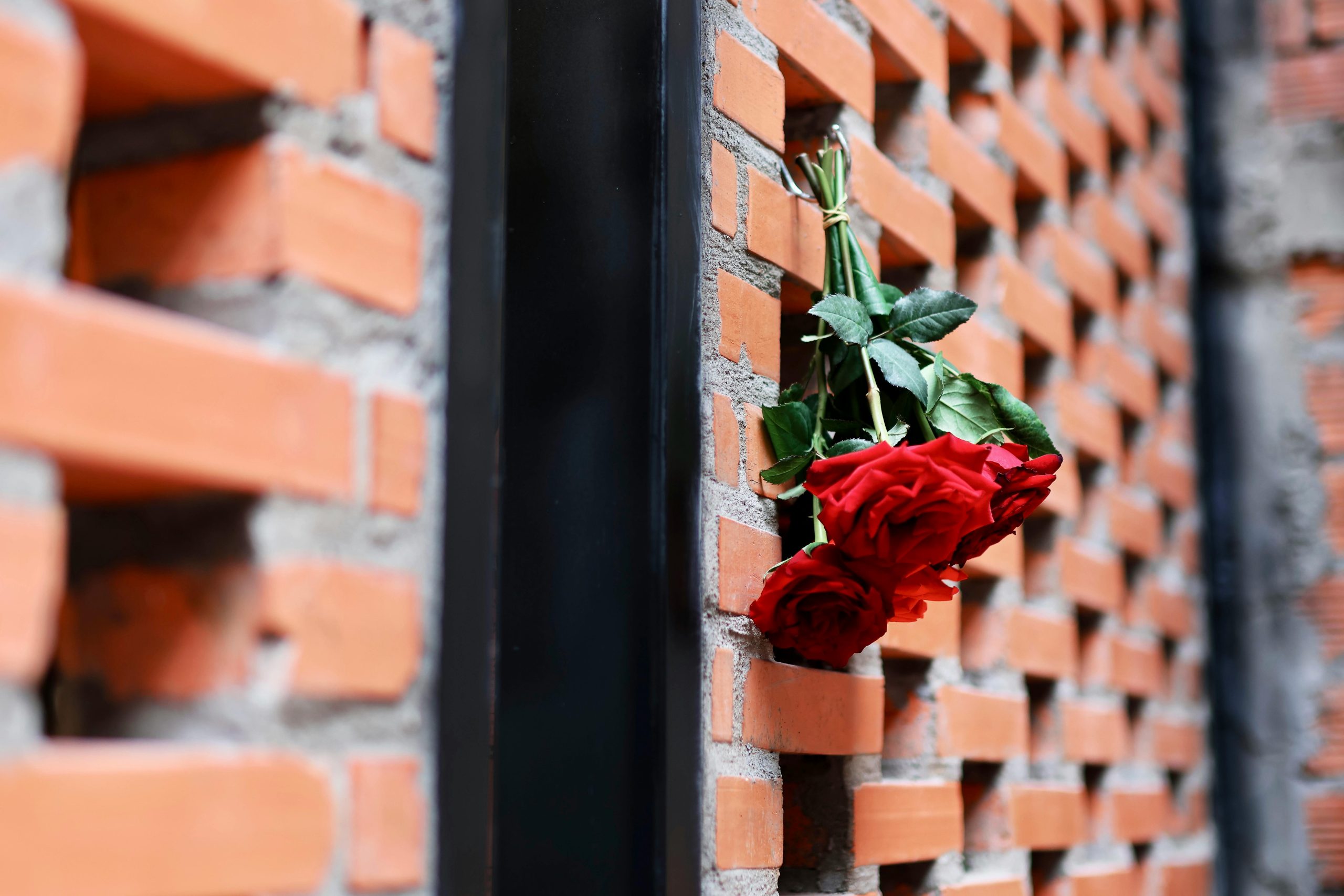
Small bouquet of red roses attached to a brick wall
Photo by Nguyễn Tiến Thịnh

Harper Chan reflects on his bravado and the reality of his feelings in the past year. Mickey Corrigan’s poetry shows how psychological and cultural shifts and traumas can manifest in our bodies. Abigail George speaks to how support from friends and family and a commitment to live in the present rather than reliving old traumas can help those addicted to drugs. Alan Catlin mixes cultural memories and touchstones with personal and societal losses.

Vo Thi Nhu Mai offers up a poetic tribute to the international vision of fellow poet Eva Petropoulou Lianou. Greek poet Eva Petropoulou Lianou interviews Bangladeshi poet S. Afrose on how she hopes poetry and joint exploration through literary sci-fi will obliterate the need for war. Dr. Jernail Singh laments that morality and compassion have become passe to a generation obsessed with modernity and personal success. Priyanka Neogi speaks to the beauty of carrying oneself with noble character. Maria Koulovou Roumelioti urges us to remember the world’s children and create love and peace as Anwar Rahim reminds us to live with kindness and courage.

Mykyta Ryzhykh speculates on whether love can continue to exist amidst war. Haroon Rashid pays tribute to Indian political leader Dr. A.P.J. Abdul Kalam, who loved peace but led through strength. Christine Poythress reflects on how easy it is for a once-proud and free nation to slide into fascism simply by admiring the fascist aesthetic and its seductive power. Ahmed Miqdad renders a global tragedy in simple terms: he’s too scared to go back to his home in Gaza to water his cactus plant.

Lili Lang probes the meaning behind things that seem simple: the work of a hairdresser, a family packing up the belongings of a recently deceased grandmother.

Couple off in the distance walking together on sand dunes near a beach.
Photo by Negar Kh

Mahmudova Sohibaxon offers up a tribute to dependable and caring fathers. J.J. Campbell writes of the visceral love and physical work of aging and caregiving, of inhabiting an elderly and a middle-aged body. Taylor Dibbert’s poetic speaker embraces age with joy, thrilled to still be alive. Bill Tope crafts an expansive and welcoming vision of perfection that can welcome more types of people and bodies as Ambrose George urges the world to maintain an open mind towards gender roles and identities.

Leslie Lisbona pays tribute to her deceased mother by writing a letter catching her up on family news. Stephen Jarrell Williams considers endings and beginnings and the possibility of renewal. Asma’u Sulaiman speaks to being lost and then found in life. Cheng Yong’s poetry addresses ways we hide from each other and ourselves, physically and psychologically. Mahbub Alam wishes for a romantic connection that can extend and endure beyond Earth. Dibyangana’s poetry touches on love, grief, and personal metamorphosis. Mely Ratkovic writes of spiritual contemplation and the nature of good and evil. Lilian Dipasupil Kunimasa describes souls who turn away from greed and evil and heal, in smaller and larger ways. Christopher Bernard suggests that creativity and storytelling might play a part in what makes life worth enduring.

Brian Barbeito speculates about intention and communication with the universe. Svetlana Rostova speculates on what spirituality might mean in the face of a seemingly indifferent world. Shamsiya Khudoynazarova Turumnova’s piece conveys spiritual ecstasy, love, and beauty.

Sandro Piedrahita’s story highlights the power of enduring and sacrificial spiritual devotion in the midst of our human-ness.

Chimezie Ihekuna engages with the talents, creativity, and limitations of being human. Dr. Jernail Anand looks at human creativity and at AI and draws a comparison, encouraging humans to continue to create. Jasmina Rashidova explores what motivates people in the workplace. Eva Petropoulou Lianou interviews Turkish poet Bahar Buke about fostering imagination and connection through her work.

Silhouette of a human hand casting a paper airplane into the sky at sunrise or sunset.
Photo by Rakicevic Nenad

Paul Durand reflects on teaching first-grade music in a time of hatred and divisiveness. Su Yun collects the thoughts and observations of a whole selection of schoolchildren in China about nature and their world.

David Sapp reflects on how he wishes to always appreciate the egrets and lilies, sailing off into nature amid the various bird voices of the wild world. Mesfakus Salahin rhapsodizes about flowers and giddy spring romance. Soumen Roy celebrates the simple joy of butterflies and tea. Sayani Mukherjee speaks of an enduring oak tree in summer. Poetry from Eva Petropoulou Lianou, translated to Italian by Maria Miraglia and Arabic by Ahmed Farooq Baidoon, celebrates life lessons from nature. Liang Zhiwei reminds us of the power and vastness of nature, before and after the era of humanity. Nuraini Mohammed Usman sends up a sepia photograph of a tire hidden by a leafing young tree.

Jibril Mohammed Usman shares a photograph of a person looking into nature, at one with and part of his world, altered in the same way as the trees and house. Mark Young’s geographies play with and explore Australia from new angles, turning maps into works of art.

Jerome Berglund and Christina Chin stitch ideas and images together like clotted cream in their joint haikus. Patrick Sweeney’s two-line couplets explore a thought which ends in an unexpected way.

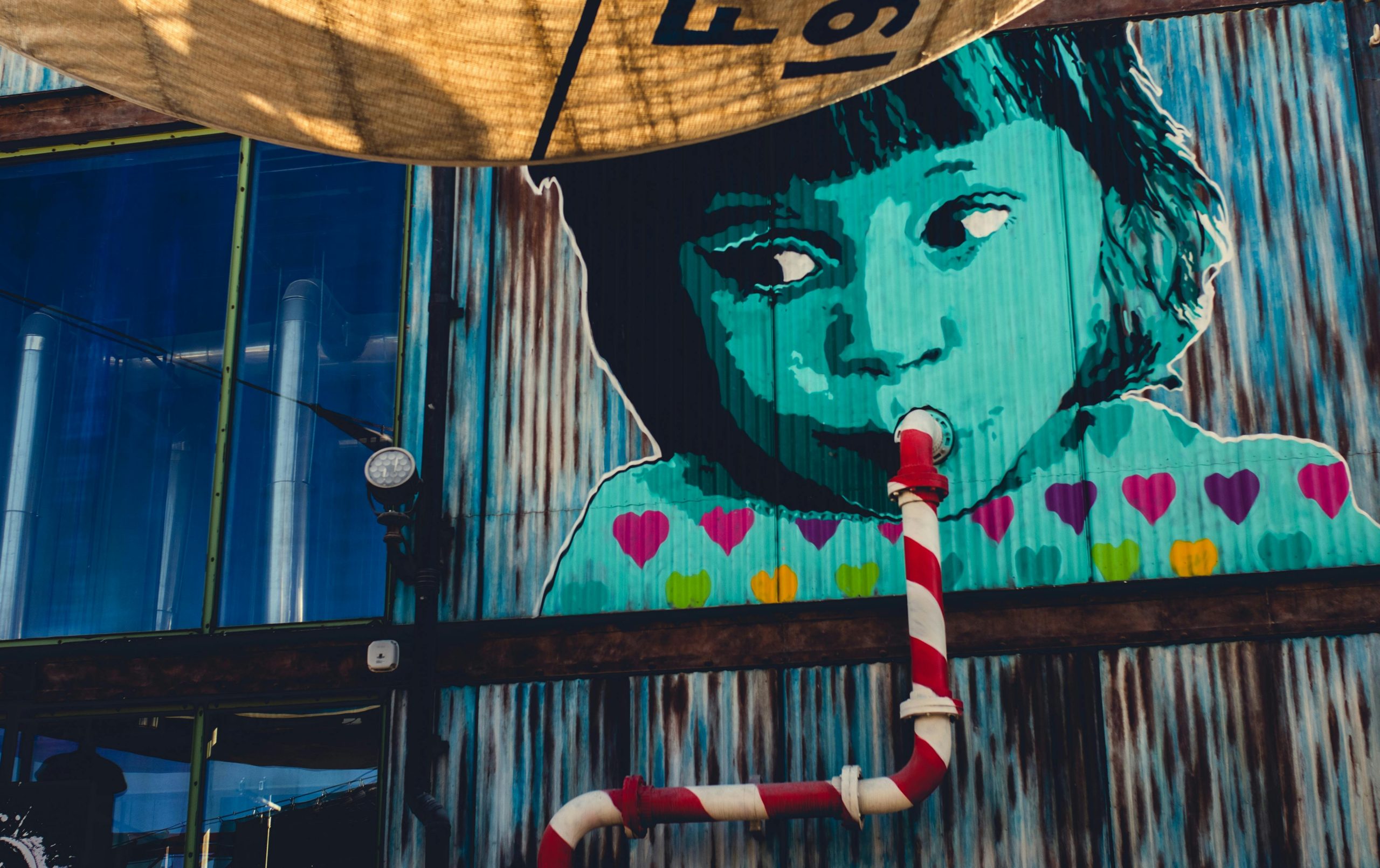
Graffiti on a corrugated metal wall that looks like a child is sipping from a metal pipe as if it's a straw.
Photo by Shukhrat Umarov

Odina Bahodirova argues for the relevance of philology as an academic discipline because of its role in preserving cultural wisdom encoded in language and the ability of students to understand and think critically about language. Sevinch Shukurova explores the role of code-switching as a pedagogical tool in language learning. Surayo Nosirova shares the power of an educator giving a struggling student tutoring and a second chance. Nozima Zioydilloyeva celebrates Uzbekistan’s cultural accomplishments and women’s education within her home country. Marjona Mardonova honors the history of the learned Jadid Uzbek modernizers.

Nazeem Aziz recollects Bangladeshi history and celebrates their fights for freedom and national identity. Poet Hua Ai speaks to people’s basic longings to live, to be seen and heard. Leif Ingram-Bunn speaks to hypocrisy and self-righteousness on behalf of those who would silence him, and self-assertion on his part as a wounded but brave, worthy child of God.

Z.I. Mahmud traces the mythic and the heroic from Tolkien to Harry Potter. Poet Hua Ai, interviewed by editor Cristina Deptula, also wonders about the stories we tell ourselves. She speculates through her work about what in the human condition is mandatory for survival and what is learned behavior that could be unlearned with changing times.

Synchronized Chaos contains many of the stories we tell ourselves about ourselves and our world. We hope you enjoy and learn from the narrative!

Poetry from Mickey Corrigan

Hwa-byung

Hwa-byung will make you
yell at your children
fight with your family
go all red in the face
leap from your chair
shaking knuckled fists.

This rising heart fire 
takes hold of you:
poor and uneducated
a stuck-at-home wife.

Hwa-byung will ruin
your eating and sleeping
grinding on old grudges
seeping anger in rages
too long suppressed.

The rising heart fire
takes hold of men too:
frustrated, mortified
bad jobs with bad bosses
who don’t show respect
who reek of injustice
until you smolder inside.

Hwa-byung is Korean
for a mental disorder
that may afflict anyone
who withholds their anger
that builds in intensity
burns its way out
bursts through walls
tears down framing
explodes like a bomb

hollowing you out
in ways you don’t expect.

NOTE:
Once classified under depressive disorders, hwa-byung is a culture-bound condition found only in Korea. It was thought to be limited to disgruntled housewives with passive husbands and overbearing in-laws. It is now being diagnosed in male employees who are full of anxiety, nihilistic ideas, and regret about their lives.

No Joke

On lovely Lake Victoria
on the border with Uganda
three female students
at a missionary boarding school
began to laugh and laugh

and they couldn’t stop
and they didn’t stop
and more students joined in
and they couldn’t study
and they couldn’t eat
and they couldn’t sleep
and they couldn’t do anything
but laugh, laugh ’til it hurt
’til they were in pain and
crying between laughing jags
so the school closed down.

When school opened back up
the laughing started back up
so the school closed down.

Some girls arrived home
in their small rural villages
still laughing and laughing
and village girls laughed too
some boys, some adults
and it spread, and spread
to more than 200 people
laughing and laughing
for more than a year

and the experts blamed
the emotional dissonance
of a radical cultural shift
from tribal communities
to a modern way of life.

Laughter is said to be
the best of all medicines
but must always be taken
in a moderate dose.


NOTE:
The laughter epidemic was a mass psychogenic event that occurred in Tanganyika in 1962, soon after the country achieved independence. Schoolgirls brought the illness home to their villages and it spread wildly before disappearing.

The country is now known as Tanzania.

The Witches of Leroy

A pretty cheerleader fell down
and that’s how it all began
in the upstate New York town
that invented jiggly Jell-O.

She screamed and flailed about
cursing as if possessed
cuss words she’d never say…
she was not that kind of girl.

Her best friend suddenly ticced
convulsing, crazed, she ran wild
and sixteen other girls in town
swearing, thrashing, crashing
got rushed to the hospital
their parents hysterical
the ER in chaos
the nurses, doctors puzzled
as testing found no cause.

A rumor began to circulate
about a toxic spill
from a train derailment
but testing showed no toxins
on the high school grounds.

Erin Brockovich was invited
to speak and attract the media
declaring a chemical poisoning
with opinion taken as fact.

But why only teenage girls?
From chemicals miles away?
Spilled four decades prior?
Before the girls were born?

Time slid by as it always does
the parents demanding answers
accountability and recourse
long after their girls recovered
left for college and life away
from the town that created Jell-O.

NOTE:
Mass outbreaks of psychogenic illnesses have occurred in schools in many parts of the world. These events used to happen in convents and were once deemed satanic. Religious and shamanic interventions were employed when illnesses were medically inexplicable.

In the modern world, mass anxiety hysteria (acting crazy) and mass motor hysteria (sleeping sickness or convulsions) are social phenomena without identified physical pathology. Outbreaks are usually limited to the young and are believed to be triggered by issues in the community: emerging sexuality amidst social repression, poverty, dislocation, hopelessness.

Poetry from elementary school students in China, collected by Su Yun

Artsy image of a young East Asian man in his twenties looking off to the right and behind a hazy reflecting piece of glass. He's in a blue collared shirt.

蹬车者

我好奇他能拾到什么

面对着蒿草的隐没

他只能伸手去摸索

我后背着手走过

风从跌宕的日子里带来七嘴八舌

将我推近去看他的战果

存留在染泥的三轮车

烂炮纸与旧车链

不如拾一把蒿草点了火

不如拣几块砖头堆住所

不久他挺起身子举起新找的斧戈

生锈的颜色却能斩断绳索

斩断他以住生活里缠上身的绳索

他转身还举起另一件战果

不会关闭的留声机抚耳以音波

我祈愿它永远唱着歌

一方出声万林和

一人欢心万鸟乐

红炮纸和旧车链扬开苦涩

击开七嘴八舌

开阔的前路告诉我

有一颗燃烧的心何需点火

有一辆随性的三轮车何需住所

The Cyclist蹬车者

What treasures he might unearth

amidst the weeds’ retreat

His hands fumble through the shadows

While I observe with clasped hands

Winds carry whispers from turbulent days

Drawing me closer to witness his discoveries

Displayed upon his mud-spattered tricycle

Faded firecracker remnants and weathered chains

Perhaps better to gather weeds and kindle flame

Perhaps better to collect stones and build refuge

Soon he rises, proudly holding his newfound weapon

Rusty in appearance, yet sharp enough to sever bonds

To cut free from the entangling ropes of existence

He turns, revealing another prize

A broken phonograph, still breathing melodies into the air

I hope its song continues eternally

When one voice rises, 

forests echo in harmony

When one heart finds joy,

 birds join in celebration

Discarded firecracker papers and chains release bitterness

Silencing the chorus of critical voices

The open path before us reveals this truth

A heart already aflame needs no spark

A free-spirited tricycle needs no shelter

Su Yun, 17 years old, is a member of the Chinese Poetry Society and a young poet. His works have been published in more than ten countries. He has published two poetry collections in China, namely Inspiration from All Things and Wisdom and Philosophy, and one in India titled WITH ECSTASY OF MUSINGS IN TRANQUILITY. He has won the Guido Gozzano Orchard Award in Italy, the Special Award for Foreign Writers in the City of Pomezia, and was praised by the organizing committee as the “Craftsman of Chinese Lyric Poetry”. He has also received the “Cuttlefish Bone” Best International Writer Award for those under 25.

我也想庆祝夜的生日

河北省石家庄市藁城区工业路小学 苏墨琰 10岁

夜的生日什么时候开始

小飞蛾趴在玻璃上提醒我

天空已摆好月亮蛋糕

插上星星蜡烛

蟋蟀和纺织娘开始歌唱

树叶哗啦啦鼓掌

风送来花香

灯光献上祝福

就连梦也和夜视频通话

祝他生日快乐

我也想庆祝夜的生日

其实,我趴在窗前

已经悄悄地帮他

关掉太阳

I Also Want to Celebrate the Night’s Birthday

By Su Moyan, 10 years old, Gongye Road Primary School, Gaocheng District, Shijiazhuang City, Hebei Province

When does the night’s birthday start?

The little moth on the glass reminds me

The sky has set up a moon cake

With star candles inserted

Crickets and katydids start singing

Leaves applaud rustlingly

The wind sends the fragrance of flowers

Lights offer blessings

Even dreams have a video call with the night

Wishing him a happy birthday

I also want to celebrate the night’s birthday

In fact, I lean by the window

And have quietly helped him

Turn off the sun

窗帘

河北省石家庄市藁城区贾市庄镇贯庄小学 薛润楠 9岁

风是个捣蛋鬼

把我们教室的窗帘

一会儿变胖

一会儿变瘦

胖窗帘像个孕妇

同学从窗帘后面

探头走出来

胖孕妇秒变瘦妈妈

Curtain

By Xue Runnan, 9 years old, Guanzhuang Primary School, Jiashizhuang Town, Gaocheng District, Shijiazhuang City, Hebei Province

The wind is a troublemaker

It makes the curtain of our classroom

Now fat

Now thin

The fat curtain is like a pregnant woman

When classmates peek out from behind the curtain

The fat pregnant woman instantly becomes a thin mother

春天的火车

河北省石家庄市藁城区贾市庄镇贯庄小学 李思锦 9岁

花朵是春天的火车

一开动火车

就听到一阵阵香的震动

Spring’s Train

By Li Sijin, 9 years old, Guanzhuang Primary School, Jiashizhuang Town, Gaocheng District, Shijiazhuang City, Hebei Province

Flowers are spring’s train

As soon as the train starts moving

We hear bursts of fragrant vibrations

月光走秀

河北省石家庄市藁城区贾市庄镇贯庄小学 薛嘉一 9岁

月光

穿上雪白的裙子

像一位白雪公主

在人间走秀

忽然

她跌倒了

月光碎了

月光花开了

Moonlight Fashion Show

By Xue Jiayi, 9 years old, Guanzhuang Primary School, Jiashizhuang Town, Gaocheng District, Shijiazhuang City, Hebei Province

Moonlight

Puts on a snow-white dress

Like a Snow White

Walking a show on earth

Suddenly

She stumbles

Moonlight shatters

Moonlight flowers bloom

抢龙珠

河北省石家庄市藁城区贾市庄镇贯庄小学 薛舜兮 9岁

夕阳西下

几缕云围着落日

像极了几条龙

在抢一颗龙珠

Snatching the Dragon Ball

By Xue Shunxi, 9 years old, Guanzhuang Primary School, Jiashizhuang Town, Gaocheng District, Shijiazhuang City, Hebei Province

As the sun sets

Several wisps of clouds surround the setting sun

Just like several dragons

Snatched a dragon ball

美丽的雪花

河北省石家庄市藁城区贾市庄镇贯庄小学 马崡旭 9岁

冬天

雪花打扮得

漂漂亮亮的

她们穿上洁白的裙子

跳着洁白的舞蹈

讲着洁白的故事

Beautiful Snowflakes

By Ma Hanxu, 9 years old, Guanzhuang Primary School, Jiashizhuang Town, Gaocheng District, Shijiazhuang City, Hebei Province

In winter

Snowflakes dress up

Prettily

They put on white dresses

Dance white dances

Tell white stories

小鸟

河北省石家庄市藁城区贾市庄镇贯庄小学 薛畅 9岁

窗外的小鸟

学着我们的样子

叽叽喳喳读课文

我们停下来

它们还在读

老师宣布

小鸟读得最快乐

Birds

By Xue Chang, 9 years old, Guanzhuang Primary School, Jiashizhuang Town, Gaocheng District, Shijiazhuang City, Hebei Province

Birds outside the window

Learn from us

Chirping and reading textbooks

When we stop

They keep reading

The teacher announces

Birds read the happiest

花朵上的雨滴

河北省石家庄市藁城区贾市庄镇贯庄小学 刘怡杉 9岁

乌云开工了

用自己国家的小水晶

给花朵们穿上

自己亲手制作的水晶鞋

Raindrops on Flowers

By Liu Yishan, 9 years old, Guanzhuang Primary School, Jiashizhuang Town, Gaocheng District, Shijiazhuang City, Hebei Province

Dark clouds start working

With small crystals from their own country

Dress the flowers

In crystal shoes made by themselves

花梦

河北省石家庄市藁城区贾市庄镇贯庄小学 薛子航 9岁

把我的灯关了

把我的门关了

把我的耳朵关了

把我拉进花的梦中

给我一个清醒的鼻子

Flower Dream

By Xue Zihang, 9 years old, Guanzhuang Primary School, Jiashizhuang Town, Gaocheng District, Shijiazhuang City, Hebei Province

Turn off my lights

Close my door

Shut my ears

Pull me into a flower dream

Give me a sober nose

热闹的秋雨

河北省石家庄市藁城区贾市庄镇贯庄小学 顼艺安 9岁

小雨滴在天上乱跑

落下的时候

还在叽叽喳喳地叫

来到地面又开始聊天

好热闹的秋雨

Lively Autumn Rain

By Xu Yian, 9 years old, Guanzhuang Primary School, Jiashizhuang Town, Gaocheng District, Shijiazhuang City, Hebei Province

Little raindrops run wild in the sky

When falling

They still chirp and shout

When they come to the ground, they start chatting again

What a lively autumn rain

小蜜蜂住酒店

河北省石家庄市藁城区贾市庄镇贯庄小学 韩鑫佑 9岁

沙沙沙

下雨了

被雨淋湿的小蜜蜂

急急忙忙钻进一朵小花

甜甜的花酒

美美的花床

小蜜蜂

躺在花朵酒店里

睡着了

Little Bees in the Flower Hotel

By Han Xinyu, 9 years old, Guanzhuang Primary School, Jiashizhuang Town, Gaocheng District, Shijiazhuang City, Hebei Province

Shasha Sha

It’s raining!

Little bees soaked by the rain

Hurry into a tiny flower—

Sweet flower wine,

A beautiful flower bed…

The little bees

Lie in their flower hotel

And drift off to sleep.

猫与云

河北省石家庄市藁城区贾市庄镇贯庄小学 薛梓阳 9岁

一到阴天

小猫就害怕出门

因为云朵的眼泪

让它担心

自己柔软的皮毛

会被云要回去

Cats and Clouds

By Xue Ziyang, 9 years old, Guanzhuang Primary School, Jiashizhuang Town, Gaocheng District, Shijiazhuang City, Hebei Province

Whenever it’s cloudy

The kitten is afraid to go out

Because of the clouds’ tears

It worries

That its soft fur

Will be taken back by the clouds

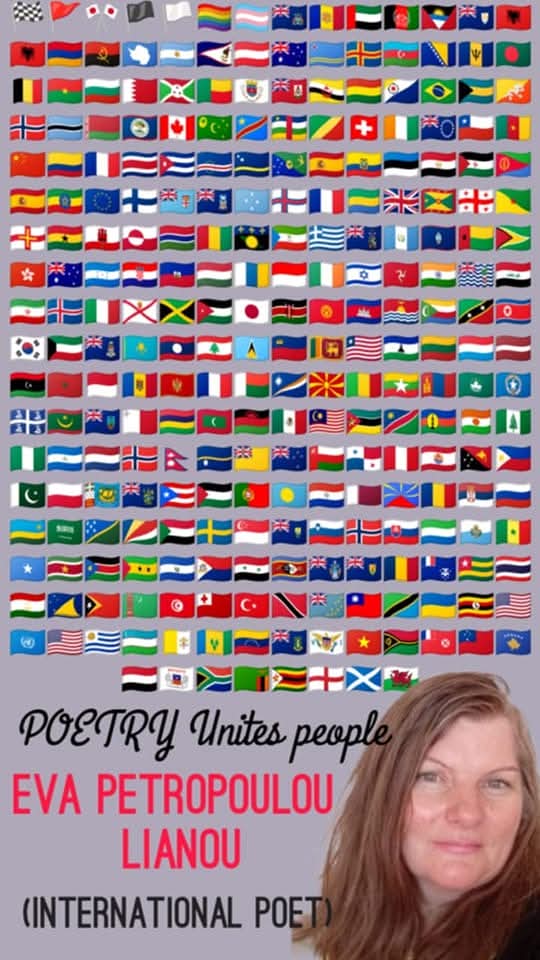
Middle aged brown-haired European woman in the lower right hand corner. Flags above from various different countries, gray background, text reads "Poetry Unites People. Eva Petropolou Lianou, International Poet."

POETRY Unites people

We are traveling with words and with our talents.

EVA Petropoulou Lianou, founder of literary project,” Poetry Unites people,” works closely with a very talented young student in China 

Su Yun is a young poet who has shown an interest in the role of art, especially poetry, for young people’s education.

We cooperate and we exchange poems that are published in China and Greece.

Here you can find some poems written by young students. 

The project is called

 “Youth and Poetry”.

**If any teacher or school in Europe or Greece is interested and wants to participate in our project

POETRY Unites people “Youth and Poetry”

you can send email with your personal details to eviepara@yahoo.fr.