

SEEDS OF HOPE
In the soil, small seeds are embrace
Dreaming to be out of the tent.
& With a slice of sun and tears of the sky
They will grow and bloom again.
My mother always tongued me that—-
Hope is like a tiny seeds,
Fulfilling all our Nightmare,
With a little love and care,
Dreams will blossom and withdraw
Through the storms and leg off
Seeds still reach towards the light.
Roots grow deep, and stems rise in heights
Reaching ever for the sky.
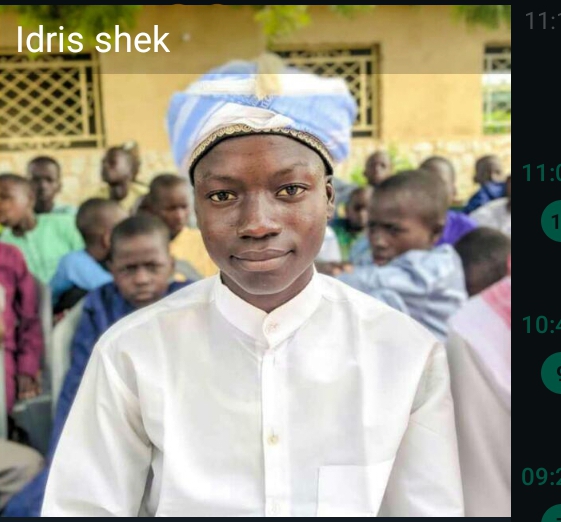
Idris Sheikh Musa (Newborn Poet) is a Nigerian teen writer from Niger state. He started his early education at Hasha International school Bosso Minna,Niger state.And he’s currently a student of Legend International school Minna. He is a poet, short story writer,spoken word artist,novela and essayist. Also, he is a member of Hill top creative art ( HCAF) along David mark road,Minna,Niger state,He ia also a member of new born poet,The Newborn Poets, and Hill-Top Creative Arts Foundation, (Minna,Niger State chapter).Idris is a contributor at Newborn Poets Anthology 2024 yet to be published, He is a lover of African literature, and has some of his works that he submit for prizes and call for submissions, some are forthcoming on Magazines such as Legend school, Hcaf,and also want to be aspirant of Britle paper, and other literary spaces.
Idris Sheikh Musa has consistently demonstrated writing skills, creativity and dedication to his craft. He is an outstanding student with a passion for writing that is evident in his creative and imaginative stories. His writing often explore themes that showcase his unique perspective and insight.
With his pen and paper,he shaped the future,sketch the world and paint the world,he is a young,talented,gifted poet ( Lyra fahari).
Betrayed In Exile
They say life is short, and we must enjoy every bit of it. But in my country, life hasn’t given us a brief moment of peace, and we can only enjoy it by continually losing trust in one another. In the mid-80s, six other soldiers and I were running away from military service. We just wanted to continue our studies and pursue our dreams. On a rainy day, a soldier named Ayman told us about a hidden cart we could discreetly jump into. By then, we hoped to escape the horrors of the war and the threat of being caught, which would lead to the death penalty. Around seven in the morning, we all met at Ayman’s house to gather and drive to the train station. We were crying differently, as if we knew our lives were no longer protected, and that if Ayman made a mistake, we were all dead. The rain covered our faces, making it hard to tell who was crying with tears and who was weeping from a broken heart.
We entered a dark, dusty, and foul-smelling compartment on the train. Just by looking around, I saw blood and animal waste. Ayman asked us to remain silent until the next day, when we would be in a different country. We all fell quiet, some of us lighting cigarettes, while others whispered about the terrible conditions. They knew they had to suppress their hunger and thirst. The hours were slow, long, and unbearably dull. It was terrifying to hear rockets falling around the cities. Some children cried as they watched their grandfathers being dragged from the trains to fight in the war. Those sounds were impossible to ignore—words so heartbreaking that none of us could sleep.
I drifted away into fantasies, thinking about my girlfriend, my siblings, my parents—wondering if they were praying for my safe journey into exile. I wondered if we would ever meet again, if we would even recognize each other. How long would this war last? How many friends’ funerals would I attend before my own? Meanwhile, Ayman smoked like a man possessed, sitting in the corner, staring at all of us. None of us doubted his promise or loyalty—until the rain stopped, and the train halted. Ayman took his weapon from his back and ordered us to stand in line. A few soldiers with guns appeared, ready to shoot us, but it was Ayman who shot us mercilessly.
Yes, we died fearlessly. Yes, we died in this hopeless country. Yes, we died without taking a single life. Ayman smiled, and in that moment, we knew who the leader of our miserable nation will be.

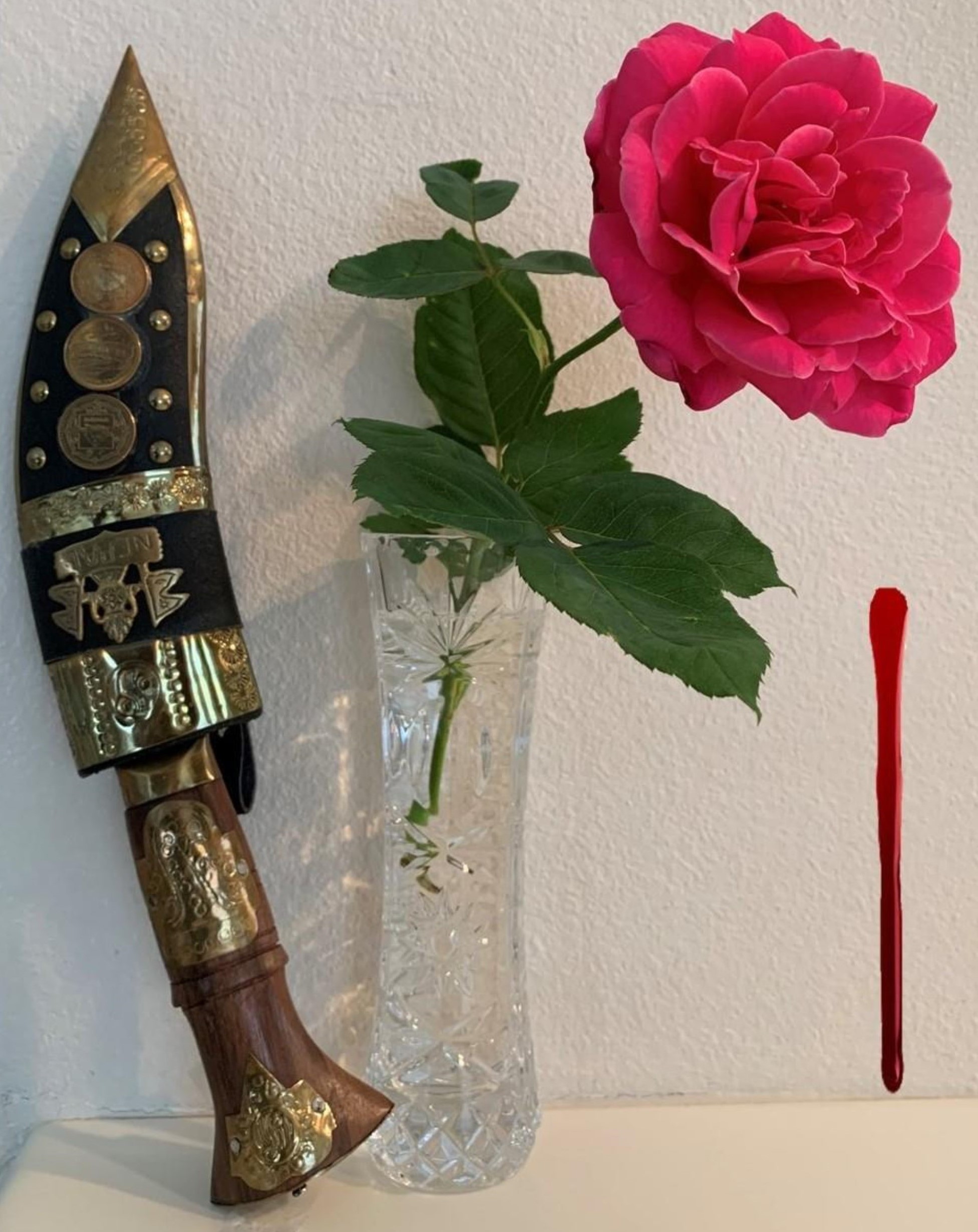

My Turtkul!
Independence! What a beautiful line of words! At its core lies a world of meanings and freedom. There is no greater happiness in the world than the freedom of an individual, a society, a nation. After the years of independence, many cities were built, parks, buildings and facilities were built, as well as many schools, buildings and dormitories for higher educational institutions. It is not an exaggeration to say that Uzbekistan has changed beyond recognition and has made progress.
In recent years, Tortkol district has developed like other districts and cities.
The lands of our Tortkol district lie on the shores of Amudarya. We have a very beautiful, poetic nature, kind and friendly people. These farmers of the old land have come down to the language of the country with their selfless work since time immemorial.
20,000 hectares of land in Tortkol district are cultivated. Now this indicator is increasing day by day.
Tortkol districts differed from other districts with their own characteristics. In particular, the hard work of the residents of this district, the equal love of books by young and old people, especially the fact that there are more poets in Tortkol district than in other districts, is recognized by the whole of Uzbekistan.
Tortkol district is the first capital of Karakalpakstan, scientists who spread fame to the world, most of the achievements in literature and art, culture and sports are also in Tortkol district.
The people of Uzbekistan have great respect and love for Tortkol district. Because Tortkol district has achieved a lot like its active young people.
Our district was established on July 3, 1927, and has been widely known not only in Uzbekistan and the world for almost a century.
In our district there are more than 22 mahalla citizens’ meetings, more than 15 village citizens’ meetings.
The achievements of our district are many. For example, six of our veterans who took part in the Second World War, 4 of our venerable mothers and fathers who are over 100 years old live in our district. About three hundred of our veterans working behind the front live.
This, of course, awakens special feelings of pride in our hearts.
Tortkol District Governor Rustam Shamuratov, Tortkol District Authority and citizens of Tortkol District have an incomparable role in the achievements of Tortkol District, which is such a beautiful country, loved and honored by such a country.
The mayor of Tortkol district R. Shamuratov has also contributed to the development of Tortkol district in recent years. In recent years, roads have been paved, new kindergartens have been opened, various confectionery brands, facilities have been built, and their role is incomparable in the fact that attention is being paid to the education of young people.
Abdulla Oripov, the national poet of Uzbekistan, the beloved poet of the hero of Uzbekistan, said about Tortkol district:
– Every time I went to Karakalpak land, which is like an endless desert, I was fascinated by its beautiful nature and I was satisfied with the hospitality of my aunt’s children. My visits to ancient and modern Tortkol were no exception. It is not an exaggeration to say that I wish Tortkol to become the pride of this country. In fact, it is not an exaggeration to say that the hospitality of our people and the beautiful nature of Tortkol surprised all our poets and writers teachers. Yusupov (People’s Poet of Uzbekistan and Karakalpakstan, Hero of Uzbekistan) Tolepbergen Kayipbergenov (People’s Poet of Uzbekistan and Karakalpakstan, Hero of Uzbekistan) Sirojiddin Syed (First Deputy Chairman of the Writers’ Union of Uzbekistan) also expressed very warm opinions.
We are proud to be the children of the Tortkol nation with such a bright future and a history of almost a century.
Oghiloy Aminova was born in Tortkol district of the Republic of Karakalpakstan. Member of the Writers’ Union of Argentina. Holder of the International Order of “Friendship”.
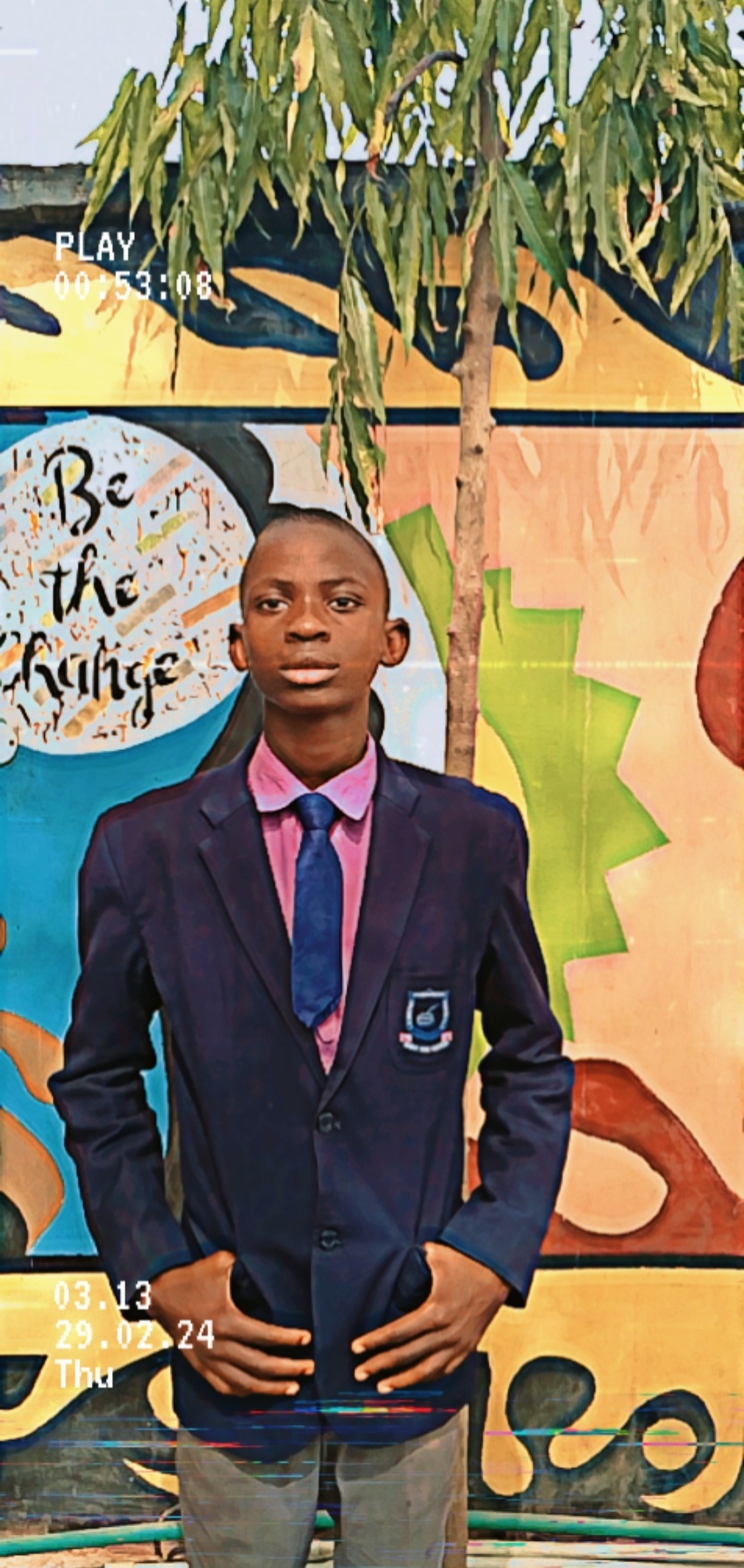
I VIBRATE AS THE ENEMY OF HEALTH
No body pray to entwine me
Even when I am in their soft meat
They will quickly try to destroy me
I’m a crash,
the hunter of; cool mind.
I weed out as the enemy of health,
which nobody wish to feel it harshness.
I face out in many forms,
aimed at a single rope of goal.
to make your taste bitter, And evolve pain in you.
but despite my dark purpose,
they’re strangers I cant swallow—
Like!!!
the strength of the human spirit;
when great architect does not touch your file;
the power of the soul.
so even if I hugged you,
i fears the giant degree of the items.
Salihu Muhammad Ebba is a promised Nigerian writer/poet, and spoken word artist from the heart of Minna. known by his poetic name as Wordwhisperer is a bright and ambitious individual, currently studying At Legend International School Minna with a strong foundation from Guided Medal Model School, Minna. He is also a member of Hil-top Creative Act Foundation (HCAF), He was driven into the world to succeed and make a meaningful impact on the society.
The Fall of the City
The cathedral was the last building to burn, even though everyone had long believed that, built as it was of granite, sandstone, and lead-mullioned glass upon a steel matrix, the towering edifice could withstand any possible fire, but the interiors of wood and silk, canvas and wood-panel paintings, candles and brocade, cheap plastic religious figures and objects—madonnas, crucifixes, rosaries, statuettes of saints, devotional shrines—guaranteed it would not withstand the flames that had climbed the sky for many days, and the long, final night, the sexton, last of the clergy to remain behind, was seen kneeling in prayer near the ruined consistory, weeping, the cathedral’s now useless keys still in his cassock pocket,
it had taken an entire week to burn the financial district, which surprised even the attackers, but paper had long been in disuse, in preference for the co-location of virtual documents, which took an unexpectedly long time to search and destroy, the hardware—from land lines and smartphones and laptops to notebooks and desktop computers and tablets—burning only at the very end as the walls of plaster, stucco, rebar, drywall and ceilings and roofs of soundproof paneling, tar, creosote paper and hardwood collapsed under the searing heat, and the skeletons of chairs, lamps, desks, lobby sofas, microwaves, reception and security guard kiosks and the like stood starkly like the burnt skeletons of animals caught surprised in a conflagration that raced like a herd of wild bison through a circus or a zoo, the employees had fled or been eliminated long before, and it is believed some had joined or already belonged to the attackers,
the mall was besieged early on the first morning, there was some controversy whether demolition explosives had been planted earlier, as the wreckage seemed too complete, not to say too immediate, to have been caused entirely by mortar attack, bazookas carried by young invaders or rioters (to this day, historians are unable to determine which), grenades, and a handful of drones carrying lightweight smart bombs, Target was the first to go up in a dazzling display of fireworks, followed closely by North Face, Eddie Bauer’s, Bloomingdale’s, Abercrombie and Fitch, and the multiplex, which was showing the latest Bollywood extravaganza, a slasher film, an animated jukebox musical, an indie transgender romcom set in Detroit, and the final installment of the Star Wars franchise, the ruins of the mall were quite picturesque against the sunset of that first day, reminding some of what the ruins of the Roman forum may have looked like after the sacking of the Eternal City by Alaric on the fateful day that officially ended the western empire, the marauders (or perhaps locals or a combination of both) looting amidst laughter and dance music (for some reason, the mall’s muzak system kept playing at full volume far into the night) as they vogued about in Donna Karam, Tommy Hilfiger, Polo, Ermenegildo Zegna and Prada knockoffs they thought were originals, the food court’s plunder—a gourmets’ delight from Ethiopian to Filipino, German to Chinese, a Quebequois bistro and a sushi taqueria—fed the looters for days,
a child named Poky Mars—a sandy-haired tomboy who liked to wear dungarees with suspenders—had been climbing, not long after dawn, the ancient hickory tree, almost as old as the city itself, that grew in the Howards’ backyard, despite orders from her parents not to do so, when she saw the first sign, her neighborhood was at the eastern edge of the city, where the cornfields awaiting harvest began, she had sneaked out very early because she liked to watch the sunrise over the far-off eastern mountains, but her attention, where she sat perched near the top of the tree not far from a raven’s nest, daydreaming about the clouds—one looked like a pink cow, another like a galleon in full sail, another, in purple and green, reminded her, unpleasantly, of the angry face of Miss Smythe, her sadistic math teacher when she was returning tests, was suddenly caught by the sound of a boom and a shaking of the earth and what looked like a fireworks rocket shooting over the high school playground three blocks toward downtown, its office towers standing like a row of cereal boxes in the dawn mist, it was Saturday and there was no school but it was nowhere near July 4 or Chinese New Year or Columbus Day (Indigenous People’s Day it was called now, though the Italians seemed to shoot even more rockets on that day than ever, and what did “indigenous” mean anyway? wasn’t she “indigenous,” heck she’d been born here!), so why would there be fireworks? a black blossom of cloud rose above the high school, Poky’s little jaw dropped: the school was on fire! at first she felt a little disappointed that it was not her elementary school, half a mile in the other direction, but then it occurred to her it might not be such a good idea for school to be bombed, or even burning, however much she hated it, it might have serious consequences for the neighborhood elsewhere that might extend even to her own house, especially when she heard a broken pattern of more booms, eerily like the beginning of a breakdance, and saw more rockets farther away zooming across the city like Roman candles on a birthday cake, and she carefully climbed down from her perch after peeking into the ravens’ nest one last time to see how the eggs were doing, till she reached the ground, and then ran as fast as her legs could carry her home as she heard bursts of gunfire, when she got home she found that her house had been lifted and turned upside down like an unsuccessful cake and replaced by a big hole in the ground lined with the wreckage of the basement rec room and the laundry room, the gutted remnants of the family car and the clothes dryer, a scattered set of blocks of a small-scale city she had spent weeks building, and something her father had always insisted on calling a doll, though it was not a doll, it was a Superman action figure, its face melted into an indecipherable mask from the blast’s heat, an explosion went off several houses down, and the impact of the air blast made Poky go momentarily deaf, there was no sign of anyone else in the neighborhood, and she wandered off in shock,
the entertainment district was laid waste that first Saturday night: dance clubs, saloons, bistros, trattorias, all-night cafes, concert spaces, movie theaters, a combination night club and swimming pool called The Oasis, a multiplex club called the Glashaus, an all-night bar called The Living End, with, at its outer reaches, rave warehouses, “secret” party spaces with closed guest lists, marijuana dispensaries, and drug and sex clubs—crushed under the weight of the attack and burning in the silence after the pleasure-seekers were caught in the midst of their revels, the streets lined with the gutted contents of the costume departments of the city’s main theater: faux Victorian top hats and Edwardian deerhunters, plastic medieval chainmail and dacron Elizabethan hose, gangster fedoras and oceans of nineteenth century crinoline and taffeta enisled with berets and flapper togs, newly fashionable hats and old-fashioned shoes, expensive purses and cheap pocketbooks, dancers’ tights and power bras, elaborately laddered jeans and ripped T-shirts imprinted with nonsequiturs like “Obey,” “Guess,” “So What,” “Who Cares” and “This Property Is Condemned” and tea roses sold by ancient crones under midnight street lights to shy lovers, carnations torn by passionate fingers from youthfully formal lapels, and Technicolor bouquets of artificial flowers that never, ever die, to say nothing of a trash of plastic wine glasses, party favors, broken anklets, lost nose rings, popped ear flares, smashed DJ mixers, kicked-in loud speakers and dance lights, and a salmagundi of party debris, and fled in panic in growing arcs of terrified young people (both young and would-be young) just out for a good time after a hard, pointless week at a poorly paid job that never will pay off their student loans, their mortgages or their credit card debt, working for bitter, middle-aged men and old widows who spent their days, drooling over online stock accounts and waiting for death: the flower of civilization,
historians could never decide for certain the initial cause of the city’s collapse: an invasion, a revolution, a financial collapse, a rebellion by the poor or revenge of former natives, or even a natural disaster: an earthquake, a hurricane, a plague, a tsunami (the city lay on a low river plain only a mile from the coast), there were signs of any and all of these possible causes, though none were conclusive, entire careers were devoted to explaining the city’s sudden fall after centuries of a thriving civilization, careers that usually ended in the bitter feuds that dominate so many theoretical discussions, libraries of forgotten books, and ruined reputations, but, inch by bitter inch, they were able to reconstruct at least a plausible sequence of some of the events, and even the personalities of some of the inhabitants during those final days,
the rich neighborhoods to the north were on fire fairly late in the apocalypse, a blanket of smoke, fuzzy gray and brown, covering the resplendent homes of the wealthy, the tongues of fire dancing like teenagers on a binge of hatred for school, parents, and the obscene world they were inheriting, yet the main library, on the opposite side of the city, was attacked by tanks a week earlier, which supports the idea that the fall of the city was caused by an invasion, however the discovery of remains of Molotov cocktails and IEDs in the ruins of department stores downtown suggests local rioting, though these may have been provoked by, or may themselves have provoked, an invasion by the city’s envious neighbors,
Max Sheffield, a small, fat watchmaker with a wispy mustache and melancholy eyes, and who had only one more year before retirement, watched in horror from the barbershop where he was having his hair cut, as jewelry store row, his own store among them, with its long lines of glittering storefronts with coruscating sets of precious stones set in silver, platinum and gold: rubies, emeralds, topazes, opals, agates, and some of the most prized diamonds in the world at the time, was shattered by machine-gunfire in an apparently well-prepared attack, perhaps (it is theorized) in a drive-by shooting from a fleet of trucks that caused a wave of shattered glass and jewelry to swell along the street, the fire that followed melting down the jewels and precious metals, in the frenzy of the moment or in contempt for the rich city and its baubles, into a great, useless lump among the charred remains of the stores, a day earlier the airport runways had been pocked with mortar craters, the terminals rammed with armored trucks and gutted by shelling, the air control tower was blown up in a spectacular explosion seen a mile off the coast by a fishing crew on their way to the cod banks,
Michaelmas Breed, captain and ship owner, crossed himself reflexively three times, though he had not been a practicer of the faith since he lost all belief during Hurricane Ivan when his best friend was swept into the storm as he tried to save Breed’s younger brother trapped between the ship’s hull and its single rescue boat, the ship continued north and returned several weeks later past the silent coast, its hull groaning with cod,
the west of the city, where the ghettoes began, is still believed by some, though the claim is controversial, to have been the true origin of the city’s collapse, either because it was the last part of the town to be destroyed, or was the most thoroughly, as only the faintest remains of a vast collection of structures in themselves of modest dimensions—small apartment building, modest homes with tiny yards, shops, cafes, groceries and drug stores, beauty parlors and barber shops, movie theaters, diners, lounges, pizzerias, clubs, motels, music stores, quick-loan vendors, parking garages, gas stations, two fire stations and a lone police station, scores of bars, dozens of churches, and a large graveyard (the only thing in the city untouched by the disaster)—remained after the conflagrations swept across that part of the city, leaving behind an enormous emptiness where before there had been a large if not thriving community, there is a counterclaim that this total destruction happened not because this area was the ultimate source of the collapse, but because it was its original object, the inhabitants being the target either of invaders from outside or of rioters and vigilantes within, who sought the expunging and annihilation of the impoverished inhabitants as a blight on the city and a cause of the mysterious disaster that one day drove the rest of the city’s population out of its mind with lust for vengeance, even though it was the poor who had been the first, and the most deeply, to suffer from the city’s evils,
ironically enough this had been one of the earliest areas of the city to be settled (after its original founding as a colonial outpost, a century before the revolution that led to the country’s founding) by escaping slaves from the south, over the generations that followed the city’s fall, the footprint of this area looking at first like a great chess board swept clean of its pieces by the exasperated loser, was overgrown by grasses and manzanita-like brush and became a favorite haunt of quail and coyotes and wild deer, its nights echoing with the call of owls as they hunted for mice, the city’s only living descendants,
Gregorio Epinez (forty-seven though these days he felt like eighty) witnessed the attack on the barrio, on Thursday afternoon, from his garage and junk business, as the neighborhood was bombed after being strafed by (in the belief of the scholarly consensus) fleets of old propeller fighters from the previous global war, his shop was on the main drag, and he was shocked to see (he and his neighbors had believed the invasion or riots were local, and would never extend to the barrio: what was there to steal here? Nada, chingada!) the streets lined with ruins of 99-cent stores, religious bookshops, restaurants serving posole and pupusas, Yucatecan and Salvadorean, Peruvian and Mexican cuisine, rags of chinas poblanos from second-hand clothing marts, the wreckage of lowrider and pimp cars (his main clientele, Jésus Maria!), the remains of a mariachi band—a black, silver-brocaded short jacket, two huge sombreros festooned with crocheted parrots and flowers, a cracked violin the color of lipstick with a broken-off finger board hanging by its strings, and a caved-in bass guitar—in an alley across the street the band had been running down to escape (Gregorio had seem them fleeing, half-covered with flecks of piñata ribbons from a quinceañera where they had been performing), the faces of the wildly colorful murals the neighborhood was becoming famous for even outside the city—celebrations of native heritage, the beautiful and forever irretrievable past, the parade of history that was a promenade of ghosts, as well as bizarre and defiant evocations of the present and challenges to the future (these were partly what made Gregorio feel so old)—mutilated with bullet holes and blasted into fragments of stucco and brick by tanks (the signs of their treads left clearly on the soft tar of the streets) that invaded later, and the ground forces that fought from street to street (Gregorio hiding in his garage and watching cautiously through the filthy, long-uncleaned windows of his garage) until the entire area was subdued, the populace terrified into paralysis and silence, or death, the fires lit that later that evening overtook the buildings still standing, including Gregorio’s garage and the churches in ornate colonial gothic or more austere century-old styles, whose bells had rung in tocsin when the attacks began, though, as so often, too late, Our Mother of Guadalupe on the faces of several of the churches, in her long oval lapped in white, gold, and blue, her mild gaze lowered toward her long-suffering children, the churches themselves blasted by shell and rocket to prove there was no safety from destruction and no hope for escape,
the richer neighborhoods to the north were besieged the next day, after the firestorms had leveled the ghettoes and the barrio, almost as if the attackers had wanted either to terrorize the rich with the spectacle of what was coming or to lull them into a sense of false security before the inevitable devastation befell them, or possibly (as a third school of thought has it) for purely logistical reasons, as they could not destroy all of the city at once and had to prioritize, Gina Melodi, a young doctor who had just moved into a flat in a handsomely renovated manor from the last century, on Sumter Lane, had gotten up late after pulling all-night duty at the ER of St. Stephen’s Hospital, which had been taking in spillover from the overloaded local hospitals, and was standing at her front window at noon in her bathrobe, drinking coffee and trying to wrap her head around what was happening to the city (all communications with the outside world, including the internet, had been cut off in the opening hours of the disaster, the television and radio stations had been dead since last Sunday) when she smelled what she thought was burning wood, she opened the window and looked out, inhaling the curiously invigorating scent of burning pine, before seeing to her alarm a tree at the end of her block lit like a torch and an amorphous wall of gray smoke rising between the flaming tree and the three condo towers several blocks away that crowned Prior Hill, where many of the city’s wealthiest people resided, an explosion rocked the hill as she watched, and 789 Prince Street collapsed like a twenty-story tower of children’s blocks, and Gina, startled, dropped her coffee down three floors to the eerily empty street where the liquid left a black stain like a premonitory charring and the saucer and cup shattered, frightening the neighbor’s schipperke, which had been sleeping, oblivious to the destruction of its world, on the building’s front stoop, the dog dashed off on its little legs, barking, toward the burning tree, and Gina hurriedly dressed and, gathering a few things she needed or treasured—her cell phone, her diary, and a commodious old college purse stuffed with “junk”—she fled her building just as the attackers were beginning a building-by-building search-and-destroy mission on her block, bursts of machine gun fire made her panic and she ran, losing her floppies and running barefoot through the terrifyingly vacant streets to the base of Prior Hill, where there was a park and a homeless encampment where she thought she might find either shelter or rescue: the destroyers of the rich would surely leave society’s poorest and most helpless and destitute alone? she had treated many homeless over the last two years working in ER: surely some of them would recognize her and let her join them and help them, or at least hide among them? but when she reached the encampment, her feet bloody, her face smudged with smoke from the burning neighborhood, all she found was a waste of ashes under a forest of charred and blackened trees and a single untouched bench, on which she crouched like a terrified, feral cat, she stayed there all day until late in the evening, in the night she heard a nightingale singing,
a theory held by a minority of scholars is that the city’s destruction was caused by an uprising of the homeless against those they saw as their oppressors and the ultimate causes of their destitution: the wealthy, the powerful, the banks, unscrupulous money-lenders, greedy landlords, and the like, or at least that the destruction began in one or more of the city’s many homeless camps—because, even though the city was the most prosperous of any in that part of the world, it also contained more poverty and destitution, more misery and despair, than any other conurbation of comparable size, a common phenomenon of inordinate prosperity that historians and economists continue to puzzle over to this day, the principal evidence for these theories is that the largest such camp, on the southwestern outskirts on the north bank of the river that cut through the city on its way from the eastern mountains to the sea, was the last part of the city to burn, possibly by counter-rioters or the last desperate holdouts of the devastated town,
the wharfs were attacked on the morning of the second Monday, Bill “Blue Tooth” Kelly (called that because of his uncanny ability to suss out where the political winds were blowing—“It was as if Bill had a Blue Tooth connection to our president’s brain”), a stocky Ulsterman and leader of his longshoreman’s local, was holed up under the hatches of the Amos Cooper, a freighter registered in Panama, owned by a Singaporean, manned by Yemenis, captained by a Dutchman, and trading between the city and the Côte d’Ivoire, a trade that was rumored to include refugees from the Sahel who were reduced to debt and sex slaves once they landed at their often unknown destinations, when sounds of shouting and gunfire swept the port Kelly ordered his men (and one woman: Nancy “Sassy” Brigg, a tough Mississippian with a roving eye and a vocabulary that could teach a sailor the refinements of cursing) to stay below as he clambered up to the main deck to see the dock overwhelmed by the attackers, half the ships in berth were already on fire, the container cranes were lined up along the docks like great white horses, gazing wistfully through siege and smoke toward the distant sea, he was hit by a rifle bullet moments after reaching the deck, falling down the hatchway and breaking his neck as he landed at Sassy Brigg’s feet, the refugees in the belly of the Amos Cooper (the rumor in this instance was correct), whom the longshoremen had gone down to release and help bring ashore while they still could (they had been forgotten for almost a week), began pouring out of the ship in a seizure of fear and a kind of hysterical hope, now that they had finally landed in the new world, engulfed, as it was, in the same insanity as the old: blood, fire, fever, guns, brutality, war, and destruction without end,
the city’s Chinatown was demolished that Wednesday amidst the sounds of lamenting in Cantonese, Mandarin, Tibetan, Uighur and a dozen local dialects as the festoons of Chinese lanterns floated, unanchored, into the sky like the enormous tail of the Great Dragon that had failed to protect them, the art school and the music conservatory were attacked on the following day, followed by raids on the modern art museum and the museums of natural history, the state historical society, and of crafts and decorative arts, all of these institutions clustered together, as the result of some folly of city planning concocted in a delirium of optimism two generations before, in the same downtown district, the observatory, the anthropological museum and the university were invaded near the end of the second week, by which time they had long been vacated and stood abandoned and defenseless as the attackers moved from building to building on the old classic campus, torching the buildings one at a time, including the magisterial library with its unique collection of the country’s founding documents and original manuscripts of some of the nation’s greatest thinkers, writers, composers and poets, its one hundred thousand books, many unique copies of long out of print editions, in three and a half hours of leisurely but thorough devastation, the city’s parks were not spared and, as they were covered with brush as dry as kindling after the recent drought, were burned to the ground, churches, synagogues, Buddhist and Taoist temples, pagan ritual sites, spirit meadows, zen gardens, the Druid lodge, and the Wicca center, all were leveled with what seemed to be especially malicious zeal, the local television and radio stations (which had been captured and taken off the air, perhaps by sleeper cells or sympathizers of the revolution, early in the collapse), the opera house and the symphony hall were among the last structures to be razed, the auditoriums of the latter exposed to the air like the meat of an egg or a beef heart exposed to the brutal light, followed by the Roman-styled court house and the Beaux Arts city hall, at the end of the second week the marauders swarmed the square that fronted the city’s oldest and most prized edifice, its cathedral, which had been built four and a half centuries earlier on land donated to the Catholic church by the city’s official first settler, Averrhenius Frober, who had not in fact been the first European colonist to settle the area, that was done by a man whose name is lost in the fog of the past, and who had settled, alone (if one does not include his horse, his dog and a sway-back cow), near the river some sixty years before the city’s founding, three years later a second European, finding the soil and climate good for cultivation, settled half a mile away, on the bank of the same river, the two men quarreled over the exact border of their property (a spring of sweet water that flowed into the river and frustratingly changed channels each year, depending on the rainfall in the mountains), which led to a murderous confrontation one night resulting in the deaths of both men, Averrhenius Frober came upon the remains of the two properties, and later of the two dead men (in mutual embrace at the base of a young hickory tree, each of them clutching the knife that had killed the other), and, taking over the properties after burying the men in unmarked graves, turned them into a thriving farm and later on an outpost for other colonists, settlers, trappers, and travelers into the still unexplored interior, a town grew up around the outpost and, later, the greatest city on the continent,
the day after the burning of the cathedral, the city was a waste of ruins along the banks of the river that divided it, and the attackers or invaders or rioters disappeared with the city, whether from mutual destruction or from mutual agreement now their task was accomplished, or by merely fading away into the surrounding forest and countryside and far-off mountains, it is unlikely historians will ever know, at the end of those two weeks of destruction, the Howards’ neighborhood and property were in ruins, but the old hickory tree was untouched and stood for many years after the destroyed city was abandoned, after much time had passed the ruins were overrun by brush and vegetation, so much so that its very existence had been forgotten, but the hickory remained, tall and flourishing,
one day a young man passed by on a long journey seeking a purpose for his life, and, seeing the thriving tree after his struggle through the dense forest, decided to rest at its base, where, gazing up into the thick branches and leaves where a young girl used to watch the dawning of the sun and a raven’s nest used to be, he found he understood something he had never understood before, and from this discovery emerged, in the fullness of time, a religion that, after being ignored for several centuries, gradually came to dominate half the world for the next two thousand years, but not long after the young man left the vicinity of the tree where he had achieved enlightenment, to bring his new truth to a suffering and bewildered world, someone cut down the hickory tree and burned it, using it to smoke a large salmon he had caught in the nearby river: the salmon was delicious.
_____
Christopher Bernard is the author of A Spy in the Ruins, Voyage to a Phantom City, Meditations on Love and Catastrophe at The Liars’ Café, The Rose Shipwreck: Poems and Photographs, Chien Lunatique, The Socialist’s Garden of Verses, and other books, including two books for children: If You Ride A Crooked Trolley . . . and The Judgment Of Biestia. “The Fall of the City” originally appeared in a slightly different form in Caveat Lector, the webzine Bernard founded and co-edits.