From Slim to Slimmer
When she
Walked out
On him
He knew
That his chances
Of becoming
A father
Had gone
From slim
To slimmer.
Taylor Dibbert is a writer, journalist, and poet in Washington, DC. “Rescue Dog,” his fifth book, was published in May.

From Slim to Slimmer
When she
Walked out
On him
He knew
That his chances
Of becoming
A father
Had gone
From slim
To slimmer.
Taylor Dibbert is a writer, journalist, and poet in Washington, DC. “Rescue Dog,” his fifth book, was published in May.
BIRTHDAY PIE
Three decades had passed since David last entered the Empress Diner. During those years, when David returned to Brooklyn, it was to see his parents and they always preferred to eat at home.
David preferred diners and the Empress had been a favorite growing up. Restaurants were for occasions. Weddings, anniversaries, divorces, birthdays, deaths, engagements, breakups, graduations, promotions. Diners were the everyday. Everyone from everywhere eating together. They were for people with places to go and those with nowhere to be. Diners were a respite from the harsh world. Even if you sat alone.
Which was what David was doing in a booth, by himself, with two plates of pie, one apple, one blueberry, and a cup of coffee. He removed a tiny candle from his jacket pocket and pushed it into the slice of blueberry pie.
“That’s just sad,” a woman said, taking of her sunglasses.
David looked up as his memory searched for a name to match a vaguely familiar face.
“Hi, David,” she said.
“Michelle?”
“You got there.” Michelle said.
“It’s been a long time,” David said. “And I don’t get back here often.”
“Back from where?” Michelle asked. In high school, David sat next to Michelle in trig and calculus.
“Santa Monica.”
“And you made the trip to celebrate your birthday alone at the Empress with not one but two slices of pie?” Michelle said. “Pie? Not cake?”
“I don’t like cake.”
“Okay.”
“And it’s not my birthday,” David said.
“So you always light a candle when you eat pie?”
“I haven’t lit it yet.”
“Don’t let me stop you,” Michelle said as she sat down across from David.
David lit the candle.
“Do we blow it out?” she asked.
“We leave it alone,” David said. “We don’t eat the pie.”
The waitress came over and Michele ordered a grilled cheese and fries. “We sat next to each other for two years and you barely talked to me.”
“High school was not fun for everyone,” David said.
“You and your friends seemed to have a lot of fun. You were always laughing and joking about something. What was your thing back then? You were always carrying around a book.”
“I was into Jack Kerouac,” David said. “On the Road was my Bible.”
“I was a Deadhead,” Michelle said.
“Let’s not do that whole reminiscing, glory days thing,” David said. “It’s like looking for ghosts.”
“Ghosts are real,” Michelle said. “What brings you back home?”
“My mom died.”
“I’m so sorry.”
David took a bite of apple pie.
“How’s your dad?” Michelle asked.
“He died three years ago.”
“Are you having a service for your mom?” The waitress brought Michelle’s food and refilled their coffee.
“Two days ago,” David said. “I’m in the sorting and tossing phase so I can sell the house.”
“Is that hard? Both my parents are still living.”
“It’s quite weird. There’s a lot of stuff,” David said.
“And a lot of memories?”
“Memories are always there. I don’t get attached to things. Things don’t care. I just have to find places that will take the stuff.”
“So, you’ll be around for a while?”
“There’s a LOT of stuff.”
“Is the candle for your mom?” The candle had burned its way down to the crust where the flame went out.
“You ask a lot of questions,” David said.
“It’s really not your birthday?”
“My sister’s.”
“Really?”
“Yes,” David said.
“Didn’t your sister die when we were in high school?”
“If you remember that, then you remember Emma killed herself,” David said.
“I do. I remember trying to get you to talk to me about it and you became even more distant. Which I had not thought possible.”
“I was told I did not take her death well.”
“Why would you?” Michelle said. “Why should you?”
“There were those who insisted I should.”
“Who?”
“School psychologist for one,” David said. “She talked my parents into sending me to shrink. I didn’t want to add to my parents’ grief, so I agreed. But I insisted on seeing someone in Manhattan. I wanted to be sure I wouldn’t run into them here in Brooklyn.”
“Did it help? Did the therapy help?”
“It did not,” David said.
“Do you do this thing with the candle every year?”
“Is this an interview?”
“It’s how people get to know each other,” Michelle said.
“Is that what we’re doing?”
“Why didn’t it go well?” Michelle asked.
“Because he just sat there listening to me lie and never said a word.”
“Did you stop lying?”
“I stopped going,” David said.
“Were your parents upset?”
“I didn’t tell them,” David said. “They had enough to deal with. I took the cash they gave me every week and put it in the bank,” David said. “Your turn. What’s your story?” David said as he speared a piece of the apple pie.
“I don’t have one.”
“Everyone has one,” David said.
“I went to school in the city. Hunter College. Then NYU law. I’m a partner at a firm that does criminal law. I still live in Brooklyn. I’ve been divorced for six years. And I’ve been sober for five years and eleven months,” Michelle said.
“That last part. With the dates. There’s a story there.”
“Not an original one. More of a cliché,” she said.
“The pre sober part. I guess it didn’t stop you from making partner.”
“I hid it well,” Michelle said. “What did you do with the money?
“I used it to move to LA after high school,” David said.
“What did you do when you got there?”
“I was always using video cameras and making movies with my friends. Not a lot of people knew about video back then, so it was easy to get a job operating cameras.”
“Did you work in movies?” Michelle asked.
“At first. Then television and later sports. I worked for ABC Sports and traveled all over the world. I loved it. I worked nonstop for a long time and saved a lot of money and quit.”
“So, you’re happy,” Michelle said.
“That’s not something I worry about or think about.”
“You don’t?” Michelle said.
“I’d rather focus on things that interest me,” David said. “We’ve become so obsessed with happiness that we turned unhappiness into a fatal flaw, a character deficiency.”
“That’s crap,” Michelle said. “But you’ll tell me more tonight. And I’ll tell you why ghosts are real. And you’ll tell me about those things that interest you.”
“Tonight?” David said.
“Tonight.” Michelle stood. “I need to run but you should come out with me tonight. I have to go to a party for a colleague who just made partner at my firm. We’ll pass by and if you hate it and I’m sure you will hate it, I’ll take you to dinner.”
“I don’t see that happening.”
“You’ll have fun.” Michelle put ten dollars on the table. “I’ll meet you by the subway on Continental at 7:30. I think that after I leave, you’ll realize that I’m something that might interest you.” Michelle turned and left the diner.
Elan Barnehama is the author of two novels, Escape Route, and Finding Bluefield. Barnehama’s short fiction, personal narratives, and essays have appeared in ParisLitUp,10x10FlashFiction, BoogCity, JewishFiction, DrunkMonkeys, Entropy, RoughCutPress, BostonAccent, JewishWritingProject, RedFez, HuffPost, public radio, and elsewhere. A recent flash fiction was nominated for BEST OF THE NET 2024. At different times, Barnehama has worked with at-risk youth, was the flash fiction editor for Forth Magazine LA, had a gig as a radio news guy, and did a mediocre job as a short-order cook. More @ https://elanbarnehama.com

Ballet queen
Every morning, when I took my little girl to the ballet palace, her eyes would shine and she would be very happy. She liked the elegance and charm of ballet movements. One day my little princess cried:
– Father, I can’t do it.
– My little princess, don’t cry, you can do anything. One day my little princess will definitely become a ballet princess.
– Really? When?
– If you keep moving forward.
«Ok» she said, walking away from me.
One day I came home and called my little girl:
– My daughter, your teacher gave you a gift.
– Really? What kind
– See for yourself.
– Wow, that’s great – her eyes were shining. In the big picture, a beautiful ballet princess in a blue dress, with roses in her hands, kneeling at the horse’s feet, and the silver roads, transparent canals and rivers of the paradise garden were depicted.
– Your teacher praised you. If you keep trying, this beautiful ballet queen said that you too can be.
– Thank you, father. I will definitely be a ballet queen as my teacher said.
Years have passed. Looking at this picture for a long time, today I was one of the ballet masters who embodied all the beauty and grace. But today my father was not with me. When I took the picture and hugged it tightly, I noticed the inscription on the back: «A gift from father to my little princess.»
Nosirova Gavhar was born on August 16, 2000 in the city of Shahrisabz, Kashkadarya region of Uzbekistan. Today, she is a third-year student of the Faculty of Philology of the Samarkand State University of Uzbekistan. Being a lover of literature, she is engaged in writing stories and poems. Her creative works have been published in Uzbek and English. In addition, she is a member of «All India Council for Development of Technical Skills», «Juntosporlasletras» of Argentina, «2DSA Global Community». Winner of the «Korablznaniy» and «TalentyRossii» contests, holder of the international C1 level in the Russian language, Global Education ambassador of Wisdom University and global coordinator of the Iqra Foundation in Uzbekistan. «Magic pen holders» talented young group of Uzbekistan, «KayvaKishor», «Friendship of people», «Raven Cage», «The Daily Global Nation», Argentina;s «Multi Art-6», Kenya’s «Serenity: A compilation of art and literature by women» contains creative works in the magazine and anthology of poets and writers.
Our regular contributor, prose and poetry writer Jacques Fleury, invites Synchronized Chaos readers to review his latest book. He will send FREE ebooks to people who will provide at least 50-75 word blurbs in their blogs or on Amazon/Goodreads.

About his book:
“You Are Enough: The Journey to Accepting Your Authentic Self”
There is a deep yearning inside all of us to bring to light what makes us who we are! In this book, you will encounter literature replete with neurodivergent poetry—akin to 18th century English poet Christopher Smart, notable for his visionary power and lyrical virtuosity. You will also discover a collection of well researched writings, both new and previously published, that explore, debate, celebrate and reaffirm the human spirit and its often pathological and pernicious capacity for antiphonal ruminations and self-inflicted pain, a prismatic portrait of triumph over trauma. It is an articulation of metacognition or self-awareness, an attempt to explore the complexities of man’s inner struggle against the backdrop of Global disharmony mediated by our shared humanity. Ultimately a valiant effort in proffering a favorable outlook for an innovative, adaptive and idyllic prototype: unrestrained love, compassion, understanding and acceptance of our truest selves.
Another regular contributor, poet, prose writer, and photographer Brian Michael Barbeito, would also love a review of his latest book Still Some Crazy Summer Wind Coming Through.
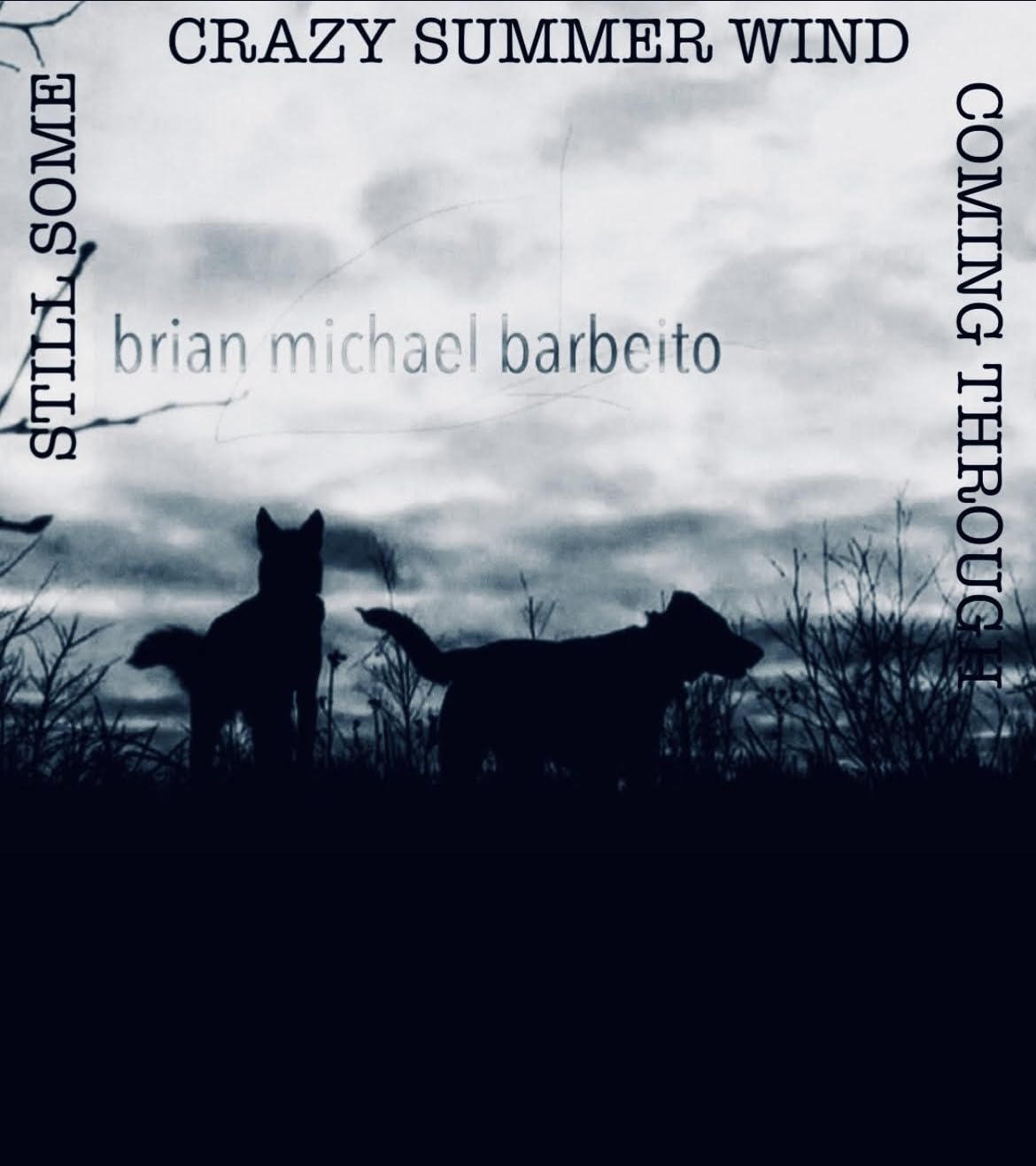
Still Some Crazy Summer Wind Coming Through is a collection of prose poems and photography by Canadian poet Brian Michael Barbeito. The writings combine the themes of the natural world and metaphysics in a braided and interwoven journey seen through the phantasmagoric lens of a world that is both physical and spiritual. They are accompanied by landscape photos taken by the author. This unique and inspiring collection includes an introduction by Cristina Deptula, the Executive Editor of Synchronized Chaos Magazine.
Please comment or contact us at synchchaos@gmail.com if either the Fleury or the Barbeito book interests you for review.
**************************************************************************************************************************************************************
Now for this month’s issue: Reflecting Us Back To Ourselves. These submissions, while depicting or exploring different subjects and ideas, also show us parts of ourselves and how we think. As with a lot of art and writing, they serve as pieces of glass within an angled, composite mirror, showing us what we value and find interesting.

Royal Rhodes’ work illuminates how we can find ourselves within cultural artifacts – books, films, and art – depending on where we choose to focus. Christopher Bernard describes the evocative music of a blind singer and what he saw and would have created from a photo of a child’s footprints at the beach.
Stephen Jarrell Williams pays tribute to a writer who followed her craft and philosophical insights and incidentally found an audience along the way. Mykyta Ryzhykh’s play highlights how each civilization and each person is tasked with discovering and creating meaning in life.
Bach Le’s work speaks to being multiracial and his thoughtful, but imperfect, attempts to capture complex and nuanced human experiences through art.
Tohirova Husnova Nurillo crafts a rhymed and metered poem on the importance and value of precision in scientific measurement that speaks to how we seek and understand truths in nature.
Shaxribonu Qoziyeva highlights the value and beauty of learning and education. Madinaxon Meliqoziyeva grows poetic about the aesthetics and structure of poetry. Sobirjonova Rayhona offers up praise and thanks to a dedicated teacher.
Rayhona Jumaniyazova urges people to use language with elegance and compassion. Gulmira Polotova highlights the humanity, caring, and determination in Zarifa Saidnosirova’s play Oybegim Mening.

David A. Douglas draws on the cultural language of movies to illustrate negative drama within a family. Ziyodaxon O’roqboyeva highlights the history and cultural importance of Uzbek fairy tales. Martha Ellen Johnson depicts a mother’s grief as a daughter descends into an abusive relationship.
Randall Rogers disrupts toxic masculinity and fascism with a portrait of his more reasonable father and some mixed metaphors. Bruce Roberts’ anti-Trump poems satirize American politics as Pat Doyne’s poetry draws on Biblical metaphor to reflect on the need to spiritually and morally cleanse the American political scene. Mahbub Alam mourns the political unrest and violence in his native Bangladesh, yet affirms his unconditional love for his country.
Richard Modiano reviews Yahia Lababidi’s Palestine Wail, illustrating her hope for the power of compassion to overcome the power of resentment and war. Lilian Dipasupil Kunimasa asks why humans so often act without humanity, but takes comfort in the earth itself and other creatures to outlast us. Faleeha Hassan uses lipstick, beauty, and the secret confidences of lovers as illustrations of the grace and nuance of everyday life that is at risk in wartime.
Nargiza Xusanova points out the value of simple acts of kindness as Kristy Raines’ work expresses gentle, delicate love. Dr. Prasana Kumar Dalai’s poetry renders the sensitive emotions of a newly flowering love and its loss. Mesfakus Salahin’s poem celebrates the tender beauty of a romance and Gulchexra Iskandarova encourages readers to live simple and kind lives. Zarina Rizoqulova evokes the strength, gentleness, wisdom and grace of Uzbek women, who have traditionally cared for their families and the land.
Michael Robinson speaks to the strength he finds through daily reliance on his Christian faith. Chiniqulova Gulsora finds inspiration and love through practicing Islam. Jacques Fleury’s self-exploration at the end of summer prepares him for a fresh beginning.
Sayani Mukherjee’s piece reflects on how it can be difficult to take joy in simple summer pleasures while the world is burning. Regina Lawless sends an excerpt from her book Do You that depicts her grief on losing her husband. Nosirova Gavhar’s tender story conveys the loneliness and pervasive nature of grief.
Taylor Dibbert comments on the increasing fear in many modern societies. Bill Tope’s story highlights the slippery slope we head down when we begin censoring books and ideas.
Rashidova Shahrizoda Zarshidovna extols the imaginative potential of books and reading. Mark Young graces us with the acrobatic swirls of birds and words on the page. Jim Meirose’s short story plays with words and fragments of narrative and speech. Vernon Frazer’s concrete poetry splashes words around the page as elements in a painting.
Ziyoyeva Irodaxhon suggests that modern education requires creativity, inspiration, dedication and continual learning on the part of teachers. Sobirjonov Dilmurod Toymurodovich gives thanks for the caring heart of his mother. Sadoqatxon Ahmadaliyeva offers up a poetic tribute to the steadfast love of parents, Dinora Amanbayeva extols the caring and compassion of mothers, and Muxammadiyeva Sevinch Zaripovna feels gratitude for her life while reading of her parents’ past struggles.
Zebo Rahmonberdiyeva points out how gratitude can lead to happiness. J.J. Campbell evokes nostalgia and memories of past happiness amidst his difficult present life.
Shodiyeva Madina points out that happiness comes from within, not from measuring up to others’ standards, as we are all different. Stephen House speaks to humility, not always having to give advice since our world is already full of different people who all consider themselves knowledgeable.
Ismoilova Sevinchoy motivates readers to set aside distractions and pursue their goals. Ozoda Turaqulova proudly celebrates her work anniversary at an Uzbek industrial gold mine. Ahmad Al-Khatat entreats those in recovery to continue their healing journeys.

Jackie Chou speaks to identity, selfhood, and wild and urban nature in her lively and sincere poems. J.D. Nelson’s one-line poems portray brief encounters with the natural world, embedded as we are within it. Kylian Cubilla Gomez’ work highlights the wildness and unruly colors and shapes of nature.
Isabel Gomez de Diego’s photos explore ways we domesticate and encounter the natural world. Daniel De Culla explores children’s complex feelings about eating other creatures, namely, snails. Kurolova Dilnura outlines the study of ecology and reminds readers to care for the environment. O’tkir Mulikboyev encourages proper care and stewardship of nature and water.
Brian Barbeito sends up a fantastical vision of electricity, enlightenment and ladybugs.
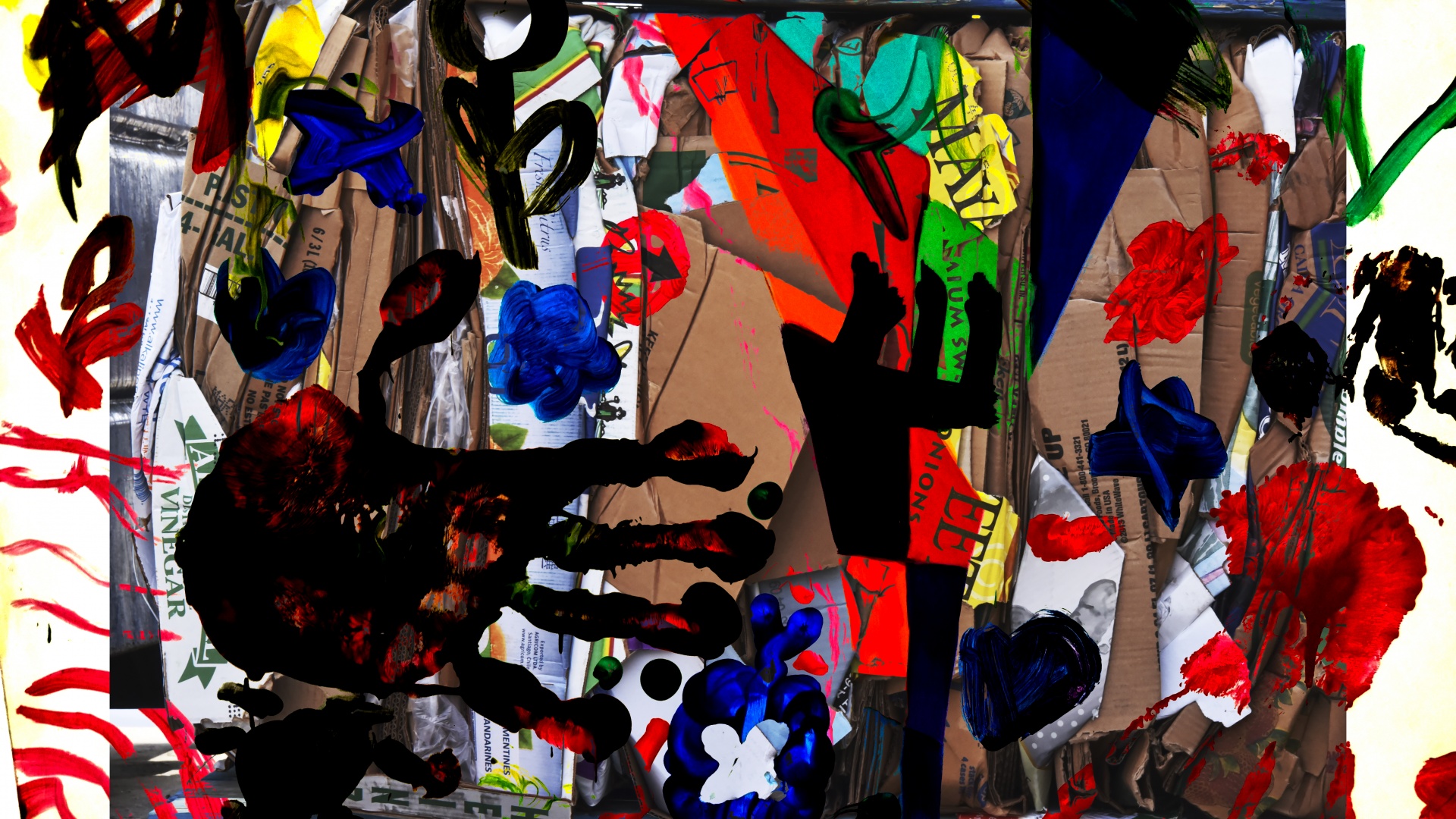
Mark Blickley interweaves figures and colors and mixed media to craft intricate collages. Brooks Lindberg touches on cosmology, jazz music, history, and philosophy in his poems. Duane Vorhees illustrates the volatile and sensual nature of romantic love and attraction. Dr. Sajid Hussain evokes the intensity of spiritual emptiness and the joy of enlightenment.
We hope that this issue helps you in your quest for meaning and joy.
August

Teal blue of my fairy strands
The murderous blues
The hauntings of sun dried cuts
Kill your belongings
It's August
They said
But I'm still
Hooking my drunken soul
My red wined Coolings
Can't
Your own dealing
Homicides across globe
My spirits a childish grimace
Enjoy your youth
Sip be merry
A good natured wife
Milk of human kindness
Halted on
London bridges
Cycling through ages
Your white coloured tie
Pattern of your very being
Still my child's sweater
Warm sipping
A home cooked meal
But
The city's on fire
A Phoenix Soul
Soon  a torpedo glory
Sky high nebulas
I screamed through
Be drunken white
Your own patterns
Still it's August
They said
And My.
Entreaties from the Pinnacles of Despair

Know yourself before knowing others
Believe in yourself before you trust blindly
Judge yourself better than judging blood,
and bones of a smiling on friendly faces.

Don’t carry your past sins into your sober life
Get some sleep before the liquor drink you
Get some rest before the cigarette inhale you
Cry and let your tears drown the knife by your flesh.

You can only change the world with your knowledge
Be the leader of your dreams and open arm’s happiness
Change the directions of death, anxiety, and depression
Remember you are miserable because your coffin has fallen

_into the hands of people you once adopted and adored
They farewell the world in silence with only the presence of
death. Meanwhile, you try to call them, text them and ask
your parents if they heard anything about them from trip to exile.
Avianics
Slightly south. Woolwash
Lagoon. This is the black
swans’ waterspace. Their
movement full of grace,
calming, better than yoga
or deep breathing. & across
the water two raptors, prob-
ably black-tailed kites, para-
llel paths & then a sudden
plunge, swirling, turning &
turning in the gyre, a perfect
double helix courting ritual.
They near the ground. Any
smaller bird goes running.
Children may resist the bug to experi-
ment at times & get adult authority
but their great rental yield is
inspirational & transformational
so I Entreaty for Your Collaboration
in Reception of a Help validating &
prioritizing old-growth forest remnants
& never went to the authorities.
My agonist aunt writes
To dampen the effect of sex
pheromones on the mixperson
when making a cake concoction
from backyard grasses & pain-
reducing medicines, it is often
efficacious to include infusions
of green tea with bee honey &
Citrus limonum to reduce any
antagonism &/or destructive
conflict arising in nearby gynes.
An / epic art / fraudster tells all
Here in the Tampa Bay area, the
big-eyed children — alluring,
at times unbelievable — deliver
a musical version of caveat emptor,
swinging easily into the melody
even though their grasp on the
words is a bit rough at times &
the wifi on the property isn’t al-
ways effective. Still, being able
to sit in a lawn chair & listen to
intermittent music is better than
adhering to the mitigation hier-
archy. Maybe reset the network.
Or, perhaps, calm down, lie flat.
A common phrase among
scientists & students is that
a cartel exists, induced by
climatic & anthropogenic
factors, & that could quite
easily cause changes to the
serotoninergic & immune
systems of linguistic search
engines. But more research
is needed — another common
phrase from the same cohort.