
The Creation of Hope


Take a memory.
Add a thought,
a handful of questions,
and five tears.

Add the wings
of a mourning dove,
a cruel caress,
a love, a lie,

a betrayed promise,
an aimless rage,
three sleepless nights,
and seven years.

Place in a pan, that,
each summer wide,
is ten winters long.

Finally, dust
with a cloud of doubt.

Place in the oven
of a heart that is broken,

and bake for an hour
or a lifetime.

*

You will know it is done
when the stars are brighter
than when you began,

when the sea chants
to the sleeping hill

and blind with morning
is the sun,

when the birds dance
in the sky and shout
with castanets
gold and shrill,

when the snake slips
from its curdled skin,

and the chrysalis
peels back to free
the Monarch’s brief,
painful beauty,

and you see an angel
cross the sky,
its wings transparent
as a dragonfly’s,

when, with the sun,
the old earth leaps
in the savage dance
of all beginnings,

and you wake, weeping
with a wild joy,
wondering where
your despair has died.

Take a spoon
of distant sigh,
silver whisper,
finch’s cry,

and feast on it,
o dearest love,

on the shortest day
of the longest year,
at the darkest hour
of the deepest night.

_____

Christopher Bernard is an award-winning poet, novelist and essayist. His most recent books are the first two stories in the “Otherwise” series: If You Ride A Crooked Trolley . . . and
The Judgment Of Biestia.
Category Archives: CHAOS
Poetry from Mahbub Alam

Flash Flood

Some parts of the country are inundated
People and cattle are struggling to pass swimming swiftly
Trying their utmost to take shelter on a certain place
Those who fail life stops forever
A few of children and old people are snatched away by the current
The children are like the new flowers to the parents
The pain of losing the relatives
Ignites the suffering to the scale
Life is like a ghost without any certainty
Waves are falling on water, on the hearts to the every one
Some are defeated, some die to the last
The world appears to be a place unknown, hazardous
On the other hand some are collecting money for help
Foods and goods are thrown from the helicopter to the victims
Some are spreading their hands by boats to reach the necessaries
Feni, Cumilla, Noakhali, Laxmipur, Brahmanbaria, Chattogram, Rangamati,
Khagrachhari, Moulvibazar, Habiganj, Sylhet and Cox’s Bazar are the districts
Where this flood kissed all the way
Where my love kiss is very negligible to them.
Ah! Flash flood….

Chapainawabganj,  Bangladesh
28 August, 2024.


Md. Mahbubul Alam is from Bangladesh. His writer name is Mahbub John in Bangladesh. He is a Senior Teacher (English) of Harimohan Government High School, Chapainawabganj, Bangladesh. Chapainawabganj is a district town of Bangladesh. He is an MA in English Literature from Rajshahi College under National University. He has published three books of poems in Bangla. He writes mainly poems but other branches of literature such as prose, article, essay etc. also have been published in national and local newspapers, magazines, little magazines. He has achieved three times the Best Teacher Certificate and Crest in National Education Week in the District Wise Competition in Chapainawabganj District. He has gained many literary awards from home and abroad. His English writings have been published in Synchronized Chaos for seven years.
Synchronized Chaos Mid-August issue: Self, Others, Source
First of all, an announcement on behalf of Synchronized Chaos Magazine. We’re going to help authors with research by setting up a section where readers and contributors can volunteer to provide information to authors who want to do research for their writing projects. So, if you have knowledge or lived experience in some area and are open to answering questions for someone’s project, please email us at synchchaos@gmail.com and we’ll add you to our upcoming list!
Now for this month’s issue: Self, Others, Source. As a teenager I attended a spiritual retreat where the leader encouraged us to think of our relationship to ourselves, the people and other beings in our lives, and our Source, the higher power, however we understood that. He commented that when we got in trouble, we could imagine sending out an S-O-S and looking within, to our social networks, and our faith.
Some of this issue’s contributors engage with the self.

Bari Robinson’s excerpt from An American Daughter of Brown describes the inner strength and struggles of a young civil rights-era Black girl claiming her sense of self.
Sandra Rochelle describes a healing journey where a woman chooses play and joy over self-conscious judgement.
Rus Khomutoff speaks to dreams, the surreal, and the subconscious as Texas Fontanella’s pieces express energy, tension, and action within the artist’s mind and Mark Young sends up swatches and swathes of color and texture. J.D. Nelson experiments with thought bubble bursts of words.
J.J. Campbell reflects on memories and disillusionment and the fragility of hope as Elan Barnehama offers an exploration of how an introvert and an extrovert cope with tragedy.
Jonibek Miraxmedov presents the poetry of youth: first love, optimism, dedication and determination, and joy in life. Z.I. Mahmud examines the psychological and emotional world of T.S. Eliot’s The Love Song of J. Alfred Prufrock.
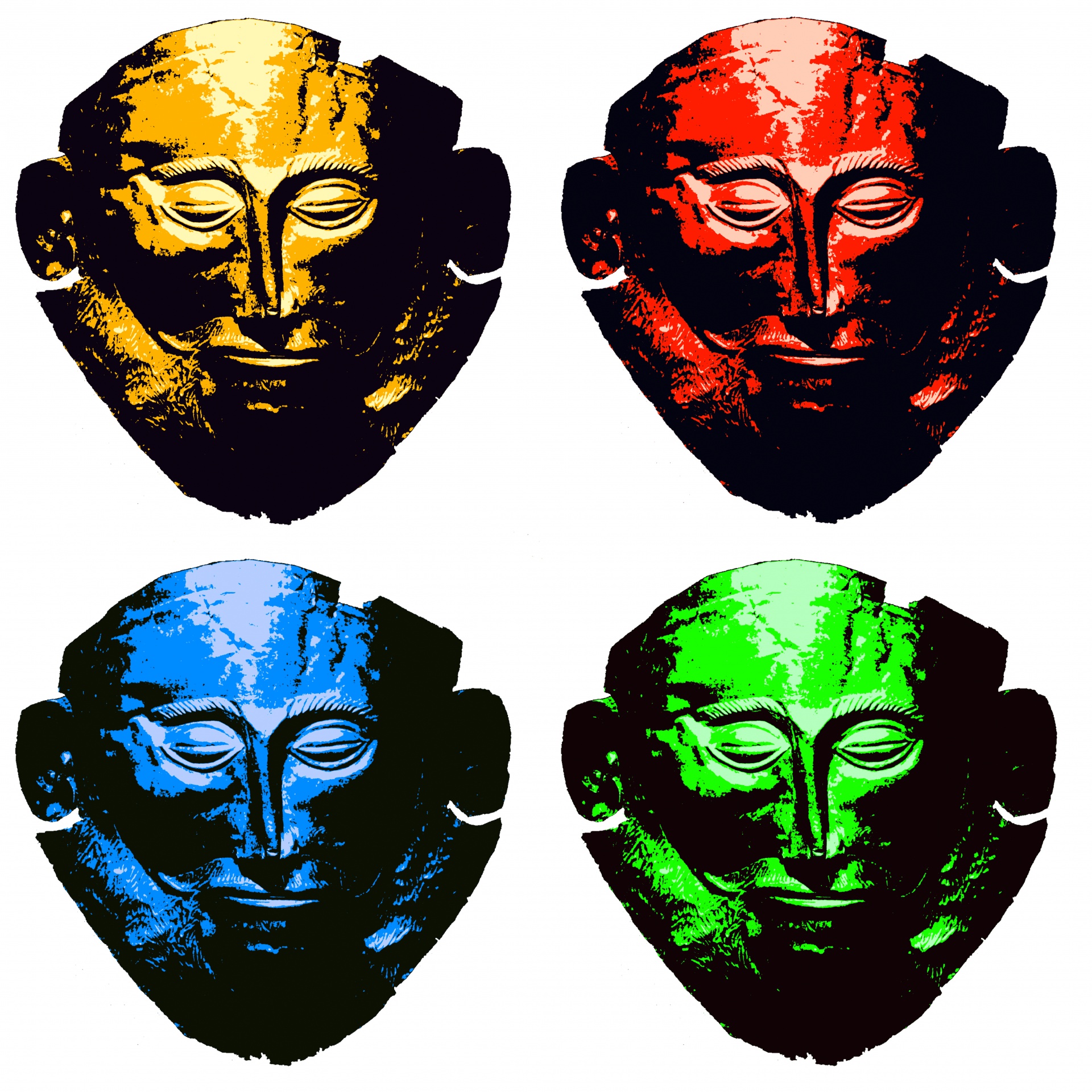
Mykyta Ryzhykh speculates on the competing twin powers of passion and destruction, Eros and Thanatos, sensuality and fear and death. Prosper Isaac draws on the dual nature of the cultural symbol of flowers, joy and grief, weddings and funerals, the happiness and sorrow making up all of our lives.
Salihu Muhammad’s piece reminds us that like ripples in a pond, our attitudes and character shape how we view the world.
Other work addresses the human and natural world around us.
Kylian Cubilla Gomez’ photography captures moments of delicacy, small creatures or objects, and encourages us to pay attention to our world on a micro level.
Marisa LaPorte describes a quest for peace of mind and peace within a family. Taylor Dibbert continues to reflect on a divorce and all it portends for his poetic speaker. Abdel Zahra Amara’s short story, translated by poet Faleeha Hassan, comments on the difference between pretty sentimentality and actual love.
David Sapp reflects on adult friendship and what makes a good friend versus a good colleague as Quinn’s evocative story highlights the power of childhood friendship to change a life and remain in a person’s memory for years.
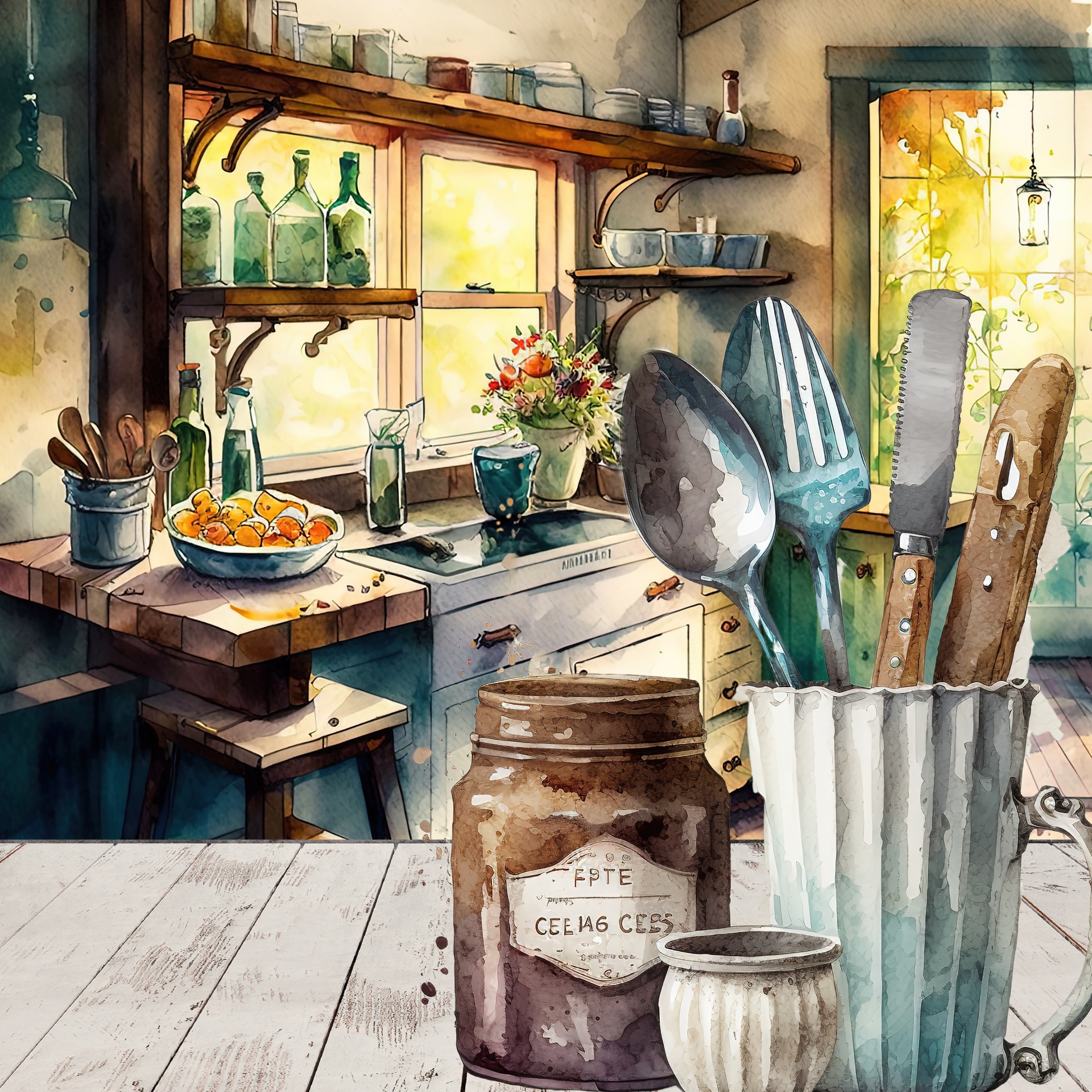
Talia Borochaner finds the poetry in childbirth, gardens, and kitchens as the heart of much existence. Abdullajonova Zurakhan’s poem laments a caring and faithful uncle who passed away. Nosirova Gavhar writes of a young ballerina shaped by the love and encouragement of her father. Ilhomova Mohichehra celebrates the sweet fruit and memories of her home village. Tursunova Sarvino brings a scientific analysis to an aspect of childcare, the development of children’s speech abilities.
Akmalova Zebokhan Akobirkhan contributes a whimsical love poem about the disorientation she feels due to her emotions. Maja Milojkovic reflects on different types of sentimental sweetness in life and cautions us to enjoy with discretion. Mesfakus Salahin evokes the various senses in his love poem.
Raquel and Brian Barbeito reminisce on the joy of living with seven dogs throughout their lives, each of whom had a unique personality. Sushant Kumar merges with both the Earth and a lover in his poem. Sayani Mukherjee highlights the power of the sun in an evocative summer pond scene while Wazed Abdullah reflects on the calm of a moonlit night. Naeem Aziz’ poem draws on natural imagery to highlight the inner and outer beauty of a woman he loves. Maftuna Rustamova’s work urges preservation of the natural environment as Lilian Dipasupil Kunimasa calls on people to step up amidst their trauma and exhaustion to heal Mother Earth.
Madinabonu Mavlonova outlines methods to improve seed germination in a plant biology laboratory.
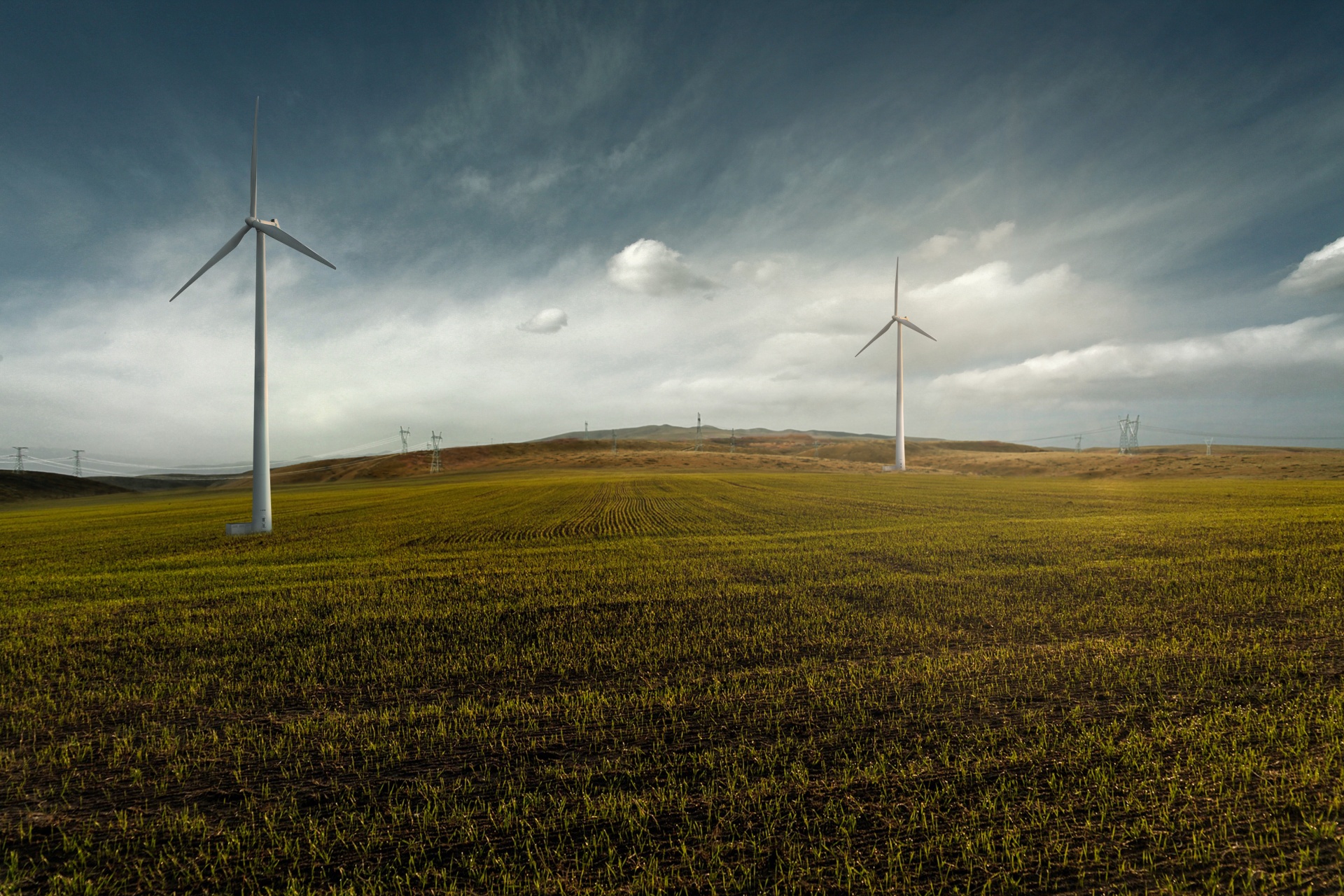
Jonibek also suggests ways for Uzbek businesses to adapt to technological changes and increasing environmental awareness. Muquaddas Maxmarejabova outlines the many practical and social changes that came with industrialization.
Isabel Gomez de Diego’s work captures history still standing: a concrete cellar and castle from centuries ago and a dinosaur museum. Shodiyeva Mehribon asserts the pride she takes in her heritage and homeland of Uzbekistan as a young person shaping her country’s future as Alina Ibrohimova offers a tribute to the nation’s Olympic athletes.
Sitora Otajonova outlines the promise and problems of social media for contemporary users. Pat Doyne expresses her hopes for civil dialogue, equality, and progressive values.
Fatima Abdulwahab’s piece is a lament for a lost home and family in a war-torn country while Faleeha Hassan describes war as a hungry, predatory, grotesque animal. The poetry of Abdulrasheed Yakubu Ladan highlights the corruption often present in politics when there is a great power imbalance. Mahbub Alam draws on the metaphor of a large bird being chased away to depict the recent student revolution in Bangladesh. Daniel DeCulla’s poetry highlights how even candidates praised with lofty rhetoric and slogans will not be perfect or bring peace to our world. Naeem Aziz writes of students taking to the streets to make things right.
Anila Bukhari encourages writers to bring hope to those who struggle and bear witness to the world’s tragedies. Martha Ellen’s poetry muses about wide-ranging effects of trauma on a personal level, finding compassion for aggressors as well as victims. Komron Mirza laments the decline of dignity, ethics, and compassion in his society.
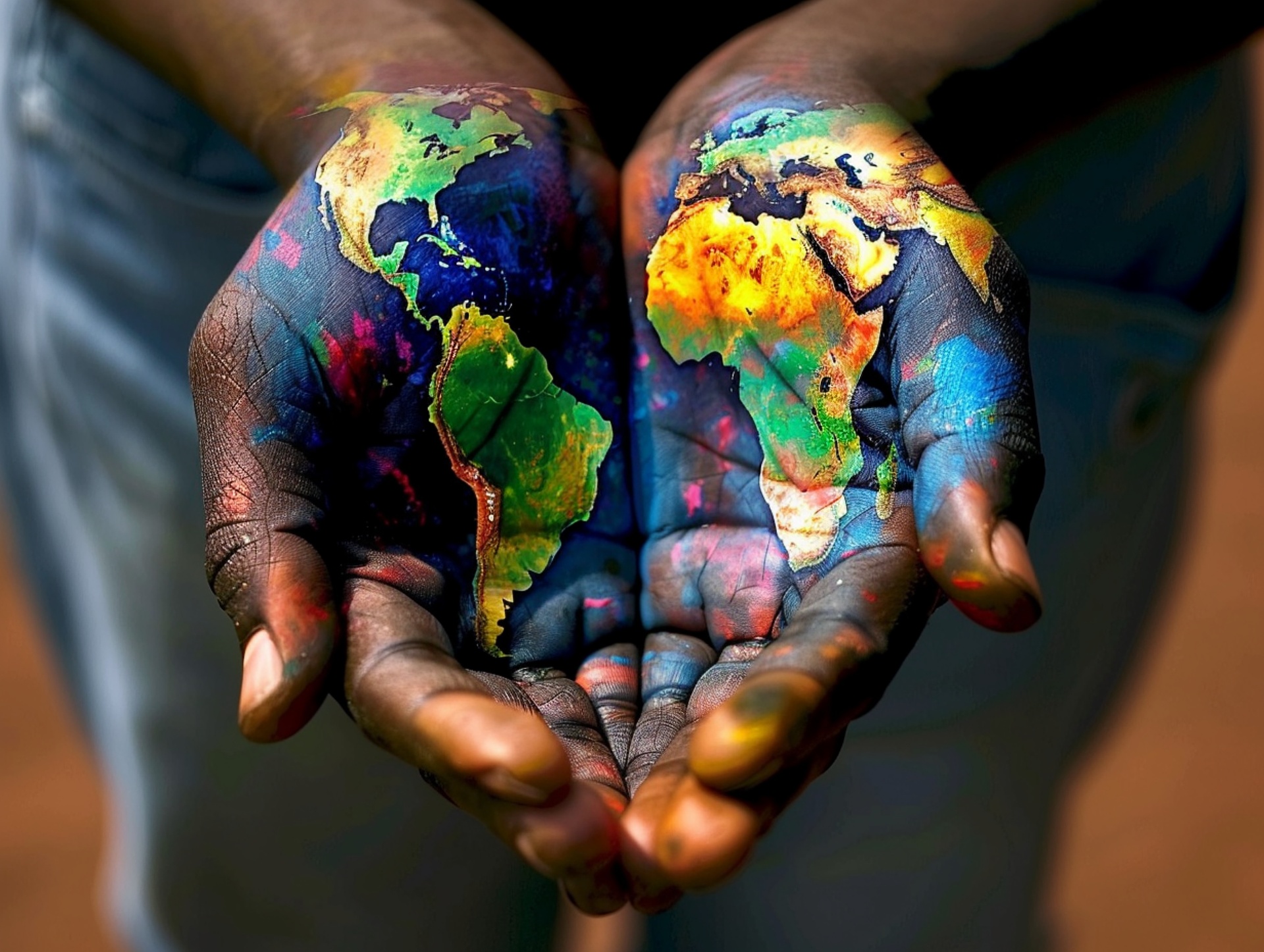
Bekzod Ergashev highlights the problem of youth unemployment within Uzbekistan and its effects on the economy as well as on youth confidence.
Nigora Tursunboyeva’s short story highlights the pain of impoverished orphans in Uzbekistan and the fragility of all our lives. Sonmin Yoongi urges people to live lives of compassion, dignity, and faith.
And still other contributors consider matters of faith, the divine, and sources of ultimate purpose and meaning in life.
Stephen Jarrell Williams’ poem evokes the light of truth coming through the darkness.
Jacques Fleury reviews Lori Shiller’s The Quiet Room through a philosophical lens, as a memoir of finding purpose and meaning through community and service while living with disabling mental illness.
Amirah Al-Wassif renders family tragedies and spiritual searchings into surrealist poetry while Kahlil Crawford reviews the eclectic, evocative, and ethereal stylings of musical artist Pinhdar.
Duane Vorhees probes and turns over thoughts about religion and art, history and youth, in his poetry.
Of course, facets of our existence cannot so easily be divided into three boxes. Many contributors’ sense of self is shaped by their communities and cultures, many times meaning and purpose in life comes from serving others, and it becomes possible to live in a healthy relationship with others when one is strong within oneself.
So, while these dimensions inevitably overlap and influence each other, they provide a general guide to understanding ourselves and are a source of artistic inspiration.
Poetry from Talia Borochaner
Cucurbita
Once
When I was young
My aunt took to me the garden to see the pumpkin patch
“Look at how the vines choke the fence,” she told me.
I saw the soft squash blossoms and plump pumpkins. Still yellow and young.
It was the dawn of August and the nights had only just begun to cool.
I nodded, noticing the way the green arms stretched
and twined. One little vine had even curled around the latch almost as if it was desperate to break loose.
I had forgotten her words until one night in deep winter we drove to the hospital with snow swirling around
“Drive carefully” and “maybe tonight’s the night” I laughed.
Hours later, sweat shining on my brow, my body weak and my breath hard I heard you finally cry out.
The night was dark and the hours deep when they placed you in my arms
So soft and plump
But what the doctors didn’t know is that when they cut the cord the other half was
still inside –
a long deep vine trapped,
forever latched
and curled around my heart
Hearth
There is a power in kitchens; a secret language
whispered by steam and smoke,
pots and pans
written and ruled by spatula and spoon. A shrine splattered
with spaghetti sauce, ladle left haphazardly on the edge of the sink
to spare the counter. A rib cage cradling
the heart of the home, beating steadily and softly
behind the bones. While the thrum
of the oven sings in tandem
with the beep of the microwave.
There is a power in kitchens; born from the language
spoken by bare feet on sticky floors. Mopped gently
by tired hands.
Poetry from Sandra Rochelle
The Unloved
She gave up her desire to be perfect-
in exchange for the sweetness of play.
To befriend-instead the kind creatures of
childhood.
And the mythical world of the forest.
To give away her self made world of idols.
To stop trying and let the world of fantasy
come to her.
To be replaced by summer storms, and
winter pleasures.
To let icicles form where there had been
tears of regret.
To let love enter and kindness guide her.
Life is so easy now-
It overwhelms what she had missed.
The gloves that no longer fit.
The stories that she told herself over and over.
That no longer needs to be justified.
The sweetness that was always there.
The love that was waiting for her.
The healer in the lake.
Poetry from Maja Milojkovic
Sweetness in everything

The sweetness in a child's voice binds the hearts of parents
A young woman's sweet smile seduces a man
Unhappy people cure sadness with chocolate
All the delights of this world are intoxicating
And attractive
As we get closer, everything carries both poison and medicine in it.
But no matter how much it ensnares us, we again go towards sweetness in all things.


Maja Milojković was born in 1975 in Zaječar, Serbia.
She is a person to whom from an early age, Leonardo da Vinci's statement "Painting is poetry that can be seen, and poetry is painting that can be heard" is circulating through the blood.
That's why she started to use feathers and a brush and began to reveal the world and herself to them.
As a poet, she is represented in numerous domestic and foreign literary newspapers, anthologies and electronic media, and some of her poems can be found on YouTube.
Many of her poems have been translated into English, Hungarian, Bengali and Bulgarian due to the need of foreign readers.
She is the recipient of many international awards.
"Trees of Desire" is her second collection of poems in preparation, which is preceded by the book of poems "Moon Circle".
She is a member of the International Society of Writers and Artists "Mountain Views" in Montenegro, and she also is a member of the Poetry club "Area Felix" in Serbia.
Poetry from Martha Ellen ( 2 of 3 )
Sphere of the Present
Long ago he sought
only fulfillment
of his wrath and
lust. Entitled. The
dog from El Norte shed
the insignificant. A
Mexican girl
died. The meager
love she thought
true, endless
for her and
their baby, only
careening toward
the end unaware.
Her voice pierces
time seeking
justice. It reaches
into the present
“Ayudame!” I hear. I
knock on doors.
“Listen! Stop the
White dog!” Barred.
Locked forever in
an insistence to let
sleeping dogs lie
especially dogs
from El Norte.
Hidden horrors decades
old no longer
matter. Only now.
The Sphere of the Present.
All of us tangled
together. A Rat King.
Locked in a futile
struggle to survive. All
there ever was
or would be until
the end. Her
voice fades. Never
ends. ayudame
ayudame ayudame
ayudame ayudame
ayudame …..
Blonde Boy
Meet the smiling blonde boy. Never makes a fuss. [Probably.] “Hi, hun. Love ya.” A subdural, cerebellar arachnoid cyst above the right ear. Developed during gestation. Useless bits of convoluted gray matter lie about. Shaken baby. [Don’t know for sure.] A funnel-shaped cell all the way down. Down to the reptilian brain. His accomplice, Hunger, incarcerated there. Let out at night…..to feed. “Yippee!” Grinning. Mayhem. Gnawing bloody bones. Dawn. Heads for home. Door slams shut. Moans, snarls, guttural growls. Awaits dusk. Smiling blonde boy. “Good morning, hun. Love ya.” [Maybe.]
Wounds
The wounds of our
protagonist are deeper,
more profound than
I had thought. Inflicted
in infancy. An unloved
newborn denied
even a crumb
of care and
tenderness.
He was starving. Desperate.
His faux persona might be
loved. It is all
he has. Without it
he might die adrift
in outer darkness.
Alone. No one
cares.
He has no real
self to return to if
this one fails as
it certainly will.
The artificial
can never be
sustained.
He is a parent now. The
cracks are beginning
to appear. I had predicted
he would fall like an
imploding building
destroying only
himself. But that is not
the case.
In existential crisis. He
doubles down.
Screaming. Insisting the
fake is real. He is
becoming cruel.
He is terrifying
innocent children who
need the love
he denies
them.
And when confronted,
commanded to stop
the tirade,
told he is a
monster, he lies down
to nap curled up
like a small
child.