Am

I am spark
that turns on the lights
so you don't walk
in the dark
I am a flame
that lights the necessary bonfire
of the integration of the four elements
I am the flare
that is seen from afar
the inhabitants of the world
know that it exists
and that it
has made invisible the barriers
of language, race, religion and distance...
I'm blessed
I am the one who has endured
through the years
opening minds
the Creator has been my guide
in this crusade
I alone
a mere mortal
would not have achieved it.

Mirta Liliana Ramírez has been a poet and writer since she was 12 years old. She has been a Cultural Manager for more than 35 years. Creator and Director of the Groups of Writers and Artists: Together for the Letters, Artescritores, MultiArt, JPL world youth, Together for the letters Uzbekistan 1 and 2. She firmly defends that culture is the key to unite all the countries of the world. She works only with his own, free and integrating projects at a world cultural level. She has created the Cultural Movement with Rastrillaje Cultural and Forming the New Cultural Belts at the local level and also from Argentina to the world.
SAHASRARA, THE THOUSAND PETALED LOTUS
PROSE POEM LETTERS HOME,
ADVENTURES IN CREATIVE NON-FICTION
…belles lettres epistolary episodic
‘But we are all a bit broken, aren’t we?’
⁃ Maggie,
the Capricorn woman.
Prologue, The Woodlands Whimsical and Wondrous, a Stone in my Shoe but the Fine Firmament Blue
I am atop the hill, on the summit, and in the distance a solitary deer passes. I can see just above the flaxen feral reeds, swaying spectres in the autumnal winds, as I am over six feet tall. Then the deer is gone. The canines didn’t see it thankfully, and we stand alone then. There is a small stone that has gotten into my shoe and use the time there to lift my left foot, balance on my right, and get it away by shaking it out and then putting the footwear back on. This happens in one motion. I don’t fall in the fall. The fall is my season, a season of creativity and even providence. I succeed. I ‘still got it,’ as they say. The dogs and I then continue down the hill to a secret path that leads to wild sumac framing the way, and then open fields. Private lands that we have permission to be on. An old farmer owns a forest and field. We will roam there and then head out, a solid thirty minute walk. I shall take pictures and think of what the tarot readers said, or what I have dreamt, plus myriad other things. Lately I have been drawing the Tower, worrisome, but the Magician, hopeful, also. Major Arcana cards. The next day I have to leave on an airplane to Las Vegas of all places.
OneRemembering Thomas, the Man from the Coast
There is a man and his wife sitting adjacent to me in the airport. He reminds me of Thomas from years ago, an old friend. He was the superintendent of a condominium in Pompano, Florida, on South Ocean Blvd. I lived in apt.304 at 1750 South Ocean Blvd to be exact. Sometimes he would skip out with us and go on adventures. He said he had to work, but we’d insist, ‘C’mon,’ to which his reply that had everyone smiling on a clear day was, ‘Well it looks like rain anyways,’ meaning he had outdoor work planned but couldn’t very well accomplish that in such difficult weather. Rugged. Salt of the earth. Kind. Somehow grounded and even magnetic. Passed away too early. This man has that look. This airport man. He could be his brother, Thomas’ kin. Oh well. Life goes on. I wonder where old Thomas is these days. His soul. His essence.
Two
The Prostitutes and the Quiet Cafe, or I Gotta Make the Bus
In the mornings in Vegas it is still night, or there is no time, or time doesn’t apply. Something like that. I am in a rush. I am going to the Grand Canyon and have to make the tour bus. ‘Where you goin’,’ they ask, ‘stop and talk to us,’ but I tell them I have to go and don’t stop. I wanted to get a coffee but they sort of block the way, and I skip the coffee because I don’t want to get involved in talk. The ceiling is painted blue with clouds accompanying. Jeeze, it really is day all the time. I walk briskly and hear music coming from a speaker that has bottles of Corona and Dos Equis alighted on the black top. So many people, all kinds, and you can see who they are. I don’t know if it’s the third eye or what, but a knowing is there, a gnostic thing. Most people are grey in their selves, struggling with something. Some are dark. These are the easiest to discern, like a putrid smell or unsightly thing. And some, rare, are of a purer light. I listen to Steve Miller as I go past.
Three
Steve Miller, not Tolstoi, Knows Everything
Good bye to all my friends at home,
Good bye to people I trusted,
I got to go out and make my way,
I might get rich you know I might get busted.
…and I’m going with some hesitation,
You know that I can surely see,
That I don’t want to get caught up,
In any that, funky shit going down in the city.
Jet Airliner.
-Steve Miller.
Steve Miller is a modern prophet. Some
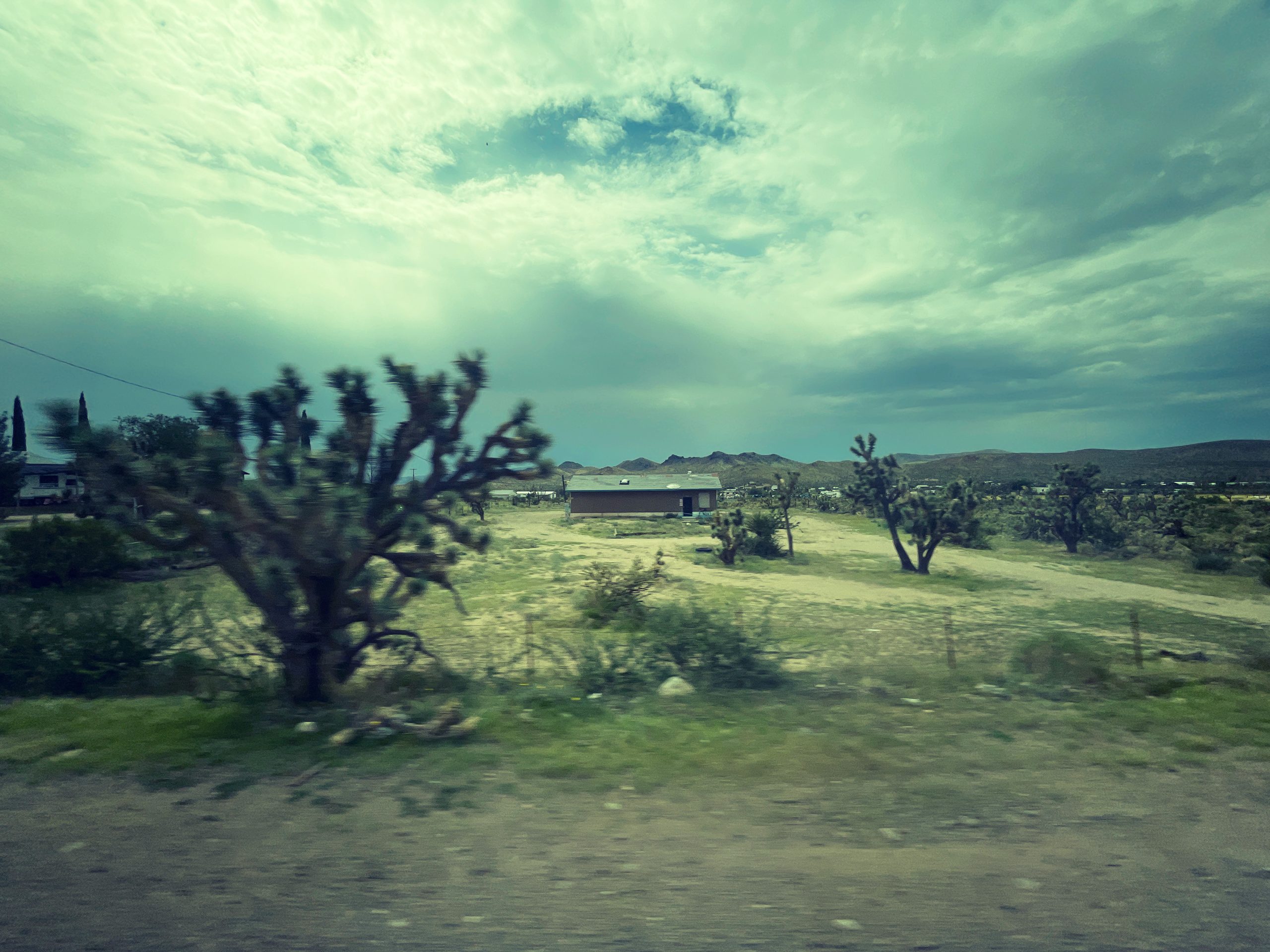
say there are no more prophets. They are wrong. There are lots. A woman soon after is speaking in English but reading Tolstoi not in English. I can tell by the spelling of Tolstoi. She can be a super model naked and I would first look at what she is reading before her body. And I’m not exaggerating. She is okay. On the nerdy side. The land where we watch the desert is vast, with only a few signs. There are thousands of Joshua Trees. Our bus guide’s name is Princess America and she says in the day someone thought the branches looked like Joshua’s arms in the Bible, his arms outstretched and facing upwards praying to God. I right away like that very much. I named my son Joshua long ago. This name is not too common, and yet not too strange, but just right. Trucks pass along the one lane road through the desert. It feels like or is a type of causeway. I feel benevolence when I look at the sky then. I am a strange one surely. I would like to eat the blue sky, the vast and light pastel firmament. Then I could not only taste it, but it, something surely infinite and sagacious (having seen everything), but it would also be a part of me forever, and I, part of it, hooked into its wisdom patience, and it’s silence too, leaving the discordant din of the world behind.
FourThe Bad Man Wears Good Shoes, Buyer Beware and Crystal Meth Fights the Shadows
Something unexpected occurs. I am in the Las Vegas night. I have learned that I love Nevada and also across state lines, Arizona. But I walk past a man whose aura I can sense. He is in a crowd of hundreds right there if not thousands. I stop and turn around. He is a bad man. I have to take a deep breath. He is dressed line any other, and perhaps ‘better,’ by societal terms. But there is something wrong with him. He is not inebriated or high, but he is watching, waiting for something. No cop or even detective would be able to pick this guy out. I leave. I carry on. He is a dark entity in a world of grey and sometimes light entities. I look around. The lights aren’t bad, the coloured electric lights that hit the ground, that marry the walls, that cascade along the clothing of casino patrons and sometimes sit still somewhere, as if resting, as if centring themselves. Outside the doors an upset and troubled addict shadow boxes and yells at the invisible. Tree branches bend in the night for wind. A woman smoking cigarettes beside him is not intimated but ‘lends’ him a smoke even, and listens to his talk, responding sometimes with a smile or a couple words. She could easily excuse herself. Great. Great to her and her tolerant soul I think then.
Five
A Mystic Being in the World, or Life Ain’t What it Used to Be
I sit and think about the day. I go through it again almost psychically. The roads to the Canyon are clean and clear, and the sky meets the earth in many places, like two people having an affair who have finally come out and decided to be with one another in front of the world. It turned out to be love after all.
Red rock, gnostic clouds, little strange bushes and lizards that watch me curiously, tiny, more like ghosts than actualities. Birds overhead. The visiting sets and sounds of people from all over the world. What magnificence magnified. I read that even countries and places have their own karmas, and I can see and sense they have personal vibrations. I wonder if they have something like a chakra system, and if so, where is the sahasrara,- the crown opening? Is it hidden from sight in the vast and rugged desert? Or in the little cavernous mountains? Is it just above the earth there, or against logic and reason, high in the sky above, waiting for something?
Six
Virgo Gemini Leo
My Virgo queen and Leo friend are people watching, trying to guess the what is what with so and so that passes by. It is the Las Vegas night. I don’t regularly drink but had a hankering for a draft beer. Strange. They point behind me with their eyes. ‘What about him?’ I turn and glance. ‘Nice guy,’ I think and say, through I could be wrong, I always try my best, and that’s one of the four agreements from that book about Toltec wisdom. Sometimes your best will be very good, and sometimes not, it says. I like all that. That is the true spiritual warrior, in my opinion and experience; the right path,- not the Ayahuasca trip and lofty pie in the sky spirituality. I continue, the countenance of the night colourful- electric lights, glasses clinking, the hum of a thousand conversations at once. ‘Women often look at the shoes. Look at his shoes. They are regular shoes, like my shoes. Nondescript. Not Italian leather on one hand or high end Nikes or something on the other. He has working hands. Football t shirt and hat. His favourite team. This is important to him. He cut his arm somehow earlier. It is healing. Not a player or part of the convention set here for conferences. Not even a big gambler. It is strange that he is having a white wine and not a beer. This part doesn’t fit. But I still think he is part of a big trade union, is a pipe fitter or something. By this time makes a lot of money an hour. It’s been decades. He is at least 50 now, the low end of fifties. Waiting for his friends. I think of the Stones song, before my time, ‘I’m not waiting on a lady, I’m just waiting on a friend.’
‘I think whatever he is, he is a recent divorcee,’ says Virgo queen, ‘and is a bit lost. And I think you are wrong about something. I feel he is a high roller. Has a lot going on there. They know him in here, but he doesn’t thrive on that per se.’ The Leo drinks a dirty Martini. Gives me a sip. I don’t like it. The Virgo gives me the rest of her drink. Rye and ginger ale. It’s generous with rye. Strong as hell in fact. Maybe I, an insomniac, will be able to sleep tonight. I drink the draft beer in two gulps. I’m a bit buzzed. We go back to other conversations. Friends. Travels. This. That. Soon it’s time to move on. I notice nobody showed up for the poor guy that is not poor, the trade unionist high roller but non-showy American football fan as we have him. Not a woman. Not a friend. Nobody in over an hour, maybe an hour and a half.
It’s a lonely world.
I wonder what the truth is.
Yes where is the seventh chakra?
Seven
Lucky Seven and the Birthers’ Blues
Want the truth? Sometimes I pass the Mandalay Bay and I have to take a deep breath because I can’t forget what recently happened there in history. It makes me sick to my stomach, nauseated. The old problem of evil, pure evil. In nonduality and with the spiritual set they say it doesn’t exist. But it exists. Trust me on that one. I move on physically and in my thoughts. I don’t usually drink but it’s hot; incredibly hot and I walked a long time with the high afternoon heat. I have some beers and will bring them into the pool. But they check. I wait just outside security for a group. Some people that look like Birthers walk past and I stand up off the hot parapet where some leaves dance shapes on the cement form near where I was sitting on, and join them but on the far side. They are stopped and security goes through all their bags. I walk by. One security person sees me and I can read her thought which is, ‘Him too,’ but then she becomes distracted and thinks, ‘Ah fuck it.’ I walk in with the beers in my cargo short pockets and then I smile,- the opposite of a Birther in every way, but I look like them, dress like them, resemble them aesthetically because of all the Carhartt, the trucker caps, the work pants, the so on…
Eight
Ice Water, the Spiritual Adoption of Heroes,
but the Dark Side of Life
Jack Kerouac, the hero writer of all time forever and great spiritual figure of eternity, said, ‘Everything I wrote was true, because I believed in what I saw.’ And said, ‘Irresponsibly? Who wouldn’t give a thirsty man a glass of water? - And what Jack was saying there was that he might not be a normal society member, being a poet and all, but that he would do the right thing, by God, by other humans. Well, I’ll note something else,- and it is that a spirit medium that didn’t advertise, that didn’t have a card, that only went word of mouth, a spirit medium that a world famous talk show host was looking for, had a house beside a Costco. I went there and spoke with her for hours. Well, listened. She said Jack was here.
In any event I notice a woman is trying to help her friend who is having a big problem. From far away it looks like sun stroke or drunkenness. I tell Virgo to go ask if they want a glass of water, because I am a male and don’t want to frighten any females. There are so many creeps in the world that us good guys pay the price for their creepiness and criminality, their harm to women. They accept her help. I run and get the glass of water. The one lets the other drink some and holds the cold cup to her face. Asks Virgo to help them inside because the one who is in distress needs to cool off. It’s when they walk by I notice they are working, working for trap. Hmm. I didn’t notice that from far away. I am trained and practiced in anti-oppression frameworks, but sometimes you have to call what you see directly.
Okay. Okay. What would Jack Kerouac do? What would I do is the better question. Well I got the glass of water. In lieu of the continuing global wide opioid crisis, some medical attention could mean the difference between life and death if the one is overdosing. I ask her friend, ‘Do you want medical help for her? I can get someone. They will assess her and at least take her blood pressure, see if she is really okay.’ They look at me as if I have said the worst thing imaginable. I don’t know what is going on. They are more frightened at the prospect of medical help than anything. They leave immediately.
Outside their pimp appears. He is obviously a creep and beyond, and starts asking people questions. In a way, the day has gone away. The entire thing feels and is dark. New thought process = Pimp is about a buck seventy five, maybe a a buck eighty, and not short but shy of being a six footer. I am over two bucks, and over the six feet. His affect is not aggressive but he could be like a cobra. He looks methodical. He is engaged but aloof, but his aloofness is an immense coldness. If he lunges with fists or has a knife all bets in all of Vegas will be suddenly off. I will hit him faster and harder than my daddy hit me, which was very fast and hard indeed. Hope for the best and prepare for the worst. He will be sorry he got out of bed this morning. But, I am cautious. Never underestimate your enemy. If he has a gun, a fire arm, this will be a different story, but a story with a similar feel.
He doesn’t do anything. We leave.
Ah Jack, Jack in heaven, how is eternity, and do people need water in heaven?
Nine
Observations of am Empath, American Nocturne
Dusk is when the lights begin to appear. Electric light hues blue red green orange yellow pink purple. Music sounds out. Believe it or not, The Steve Miller Band again. Then other things. The strip is long. Drummers bang sticks on overturned plastic buckets. Patrons at a bar listen to live country music. The police talk to the driver of a car and then three other police cars pull up to assist. I see flamingos and ducks, coy fish and birds. I hear a siren. The smells of food waft through the air, and open doored candy shops boast a hundred shapes sizes and colour packages for any taste in containers of every size. Old style movie theatre and the marquee lights. A Ferris wheel reaches to the heavens. The world is spinning. And not like a chakra. I feel some beauty but mostly chaos. Is this the world, our collective goal? Are we happy with this? The worship of self; and not in a good way, as they say. Maybe somewhere far from
here is a palm tree, a coast line, and a pathway from a road to the shore line, yes, and in this place the palm leaves speak to the moon, sharing fun gossip, dancing awkwardly in the wind. The moon and the trees share secrets ancient and new. Kundalini rises. Things are clear and cleansed. Let the past be only a dream. ‘Phew,’ we shall say together, ‘I thought that old world was real for so long, and it was getting me down. How glad and grateful I am to be home now…’
Ten
Henry Miller Please Send me an Angel
I used to hear angels singing sad songs. I miss them. They were real. Miller said he could hear them talking in an airplane, when he was at a higher altitude. I think about all
sorts of things like that, and nearly all the time. They say, ‘Don’t think so much,’ and I smile and use good form and don’t say what I really think, which is that they don’t think nearly enough let alone read or create anything at all. The pool is huge. A group of us throw coins in an adjacent water pond, it’s cement painted dark blue, and I wish for the health and protection of loved ones instead of the generic hopes of others- monetary gain, maybe recognition, whatever the mediocre hope for. There is music playing and I remember I read that once the Buddha became the Buddha he bowed in all four directions thanking the universe. Not the Buddha, I do it anyhow, right in the middle of Sin City, in a pool where patrons sip from over priced drinks. A chlorinated spiritual seeker amidst the gathering neon lights, wondering about the crown chakra and it’s opening always, even ‘round alcohol and the scents of the weed smokers, the bet takers, the smiling lonely collective.
Epilogue, The Capricorn Woman and the Flower Garden, or Sanctuaries Sacrosanct in Sin City.
Maggie is nice. Better than nice. She holds a spiritual space in a shop amidst the confusion and psychic discord of a city that never sleeps; that uses up souls, that caters to the baser needs and appetites. It takes a special type of person and gift, plus dedication. I look at the gem stones and she talks a bit, a talk that is kind and knowledgeable. I like her right away somehow. Originally from upstate New York; she has found her way here during her life path. I am amazed that her area is not bothered or influenced by the crazy world literally footsteps outside. She knows her work. Sage. Stones. Spiritual help. Other good things such as those. She is not like the other people of her city. She is more with her soul. Some crowds go past. Not high vibration people. I notice her aura is clean. It affects her skin, her eyes, which are clear and even glow. I wonder if she knows. I feel inspired by her and the sight of the stones and the space. I thank her for the talk and move on. She mentions a place then in the liminal interaction of me walking off, a place where there is a flower garden inside a grand hotel. I thank her once again and go in that direction. I’ll have to go through the night crowds to get there. I am like an alien on earth, and especially in this root chakra city of all places. But I’ll make it. I’ll make it if I can. Oh angels and guides, anything willing, be with me and my crown, my literal double crown for a Gemini head, and my spiritual chakra also. I had told Maggie I thought it was open if a bit broken. She said right away, ‘No doubt. But we are all a bit broken, aren’t we?’ I had nodded in agreement.
Maybe there will be a thousand petals at this flower garden. Maybe it is the SAHASRARA, the seventh chakra. I’ll see. I think and then ask the universe to protect and keep me in any event.
Please I ask. I’m not proud. I’ll do what I can.
I’ll try my best.
———
Brian Michael Barbeito is a Canadian poet, writer, and photographer. He has been published at various venues such as The Notre Dame University Review (featuring the mystical novelette, Indigo Gemini Seven), The Hamilton Stone Review (featuring the travel short story, Breath), and Fiction International (featuring the experimental prose poem, Apogee before the Rain). The author of the book of prose poems, Chalk Lines (Fowl Pox Press), he is currently at work on the ongoing visual and written nature narrative, Mosaics, Journeys through Landscapes Rural.
A television (TV) or mirror is an electronic device that receives television signals and converts them into images and sounds. Braun HF 1 TV, released in Germany in 1959.
Television (tele… and Latin viso – I look) is a radio-electronic device designed to receive, amplify and convert electrical signals (telesignals) of television broadcasts transmitted from a television studio into images and sounds. There are colored and plain, stationary and portable types.
The electrical signals distributed from the television center are caught by the receiving antenna and transmitted to the television through the cable. In this case, the vibrations are amplified, separated into image and sound signals, and then transmitted to the kinescope and radio speaker. A television raster is created on the kinescope screen by means of generators (line spreading and frame spreading generators). On a white TV, picture signals appear as black and light elements.
Depending on the number of programs that can be received, televisions have one, three, five, twelve, thirty-one and other channels. Television channels operating in the meter wave range are used for reception. To receive programs in the decimeter range, a separate device – a converter – is placed on televisions. It receives a decimeter signal and adapts its frequency to the frequency of the first, second or other television channel.
The structure of televisions is standardized. Their simplified scheme consists of a channel switching unit, video and audio channels, synchronization channels, a spreading unit and a power supply unit. TV studios broadcast several programs at the same time. To see what they need, a tuning block is used on the TV. This unit is connected to a high frequency amplifier. Since video and sound signals are transmitted at different frequencies, after amplification of these signals, high-frequency vibrations are separated and go on different independent channels. Sound signal vibrations fall on the sound block. In the image unit, the detector extracts image signals from high-frequency vibrations.
The structure of color televisions is more complex, they differ from standard televisions with a color channel block and a color kinescope. The color television system will have 3 channels. The monochrome constituents red (Q), blue (K) and cyan (3) are mixed in a color mixer and then passed to the transmitter modulator. The vibrations are again divided into 3 frequency channels (Q, K and 3) in the receiver and passed to the color kinescope.
According to quality parameters, screen size and ease of use, televisions are divided into 4 classes: I – III class – stationary TVs, IV class – portable (portable) TVs. Usually, the TV is made of separate structural blocks, widely used printed assembly. Semiconductor devices, integrated boards, and transistors are mainly used in televisions. Televisions with flat screens and electroluminescent, very large and small screens have been created.
Brian Michael Barbeito is a Canadian writer and photographer. Recent work appears at The Notre Dame Review.
Spirit of a Place, Spirit of a Thing (Artist Statement)
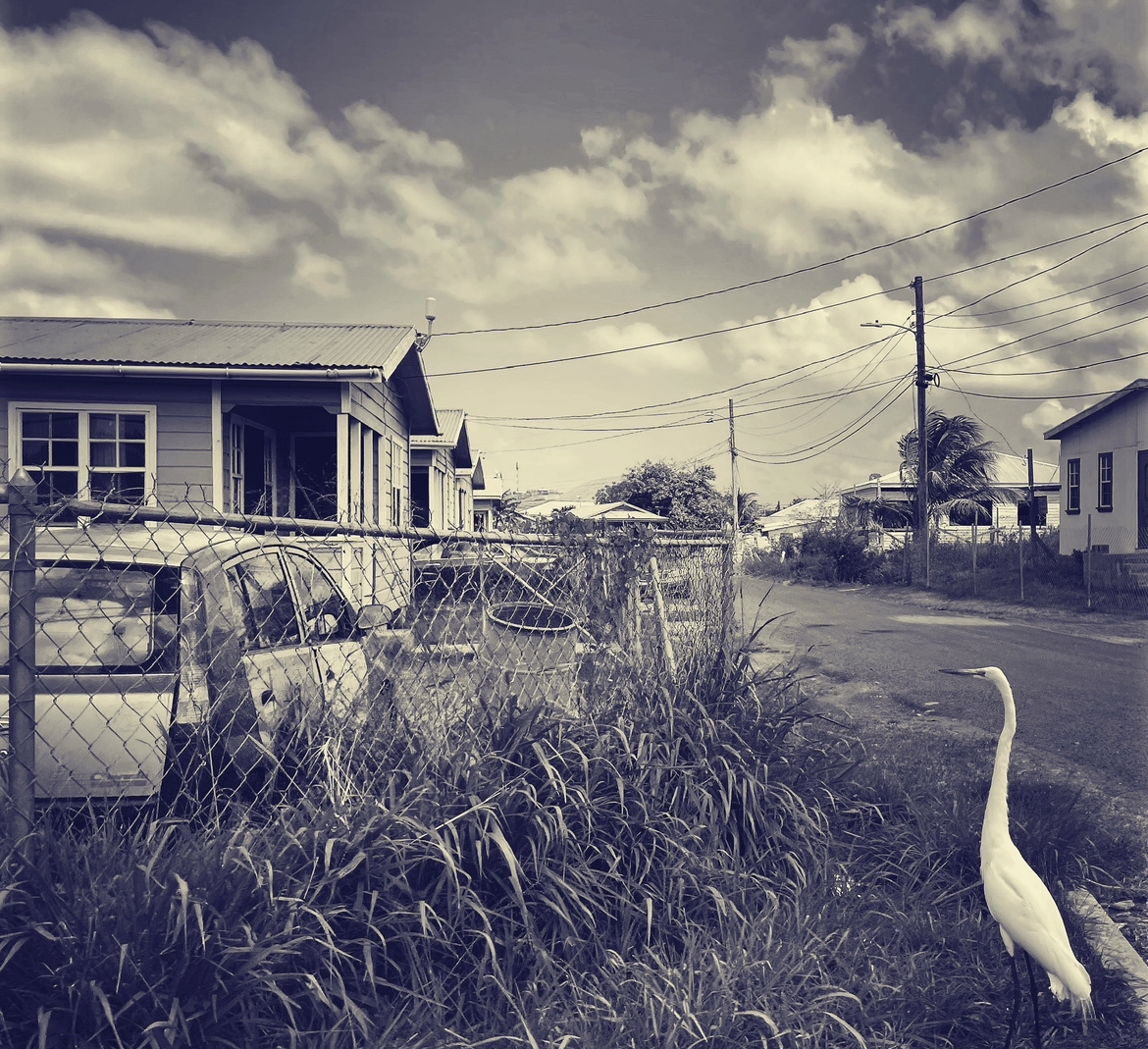
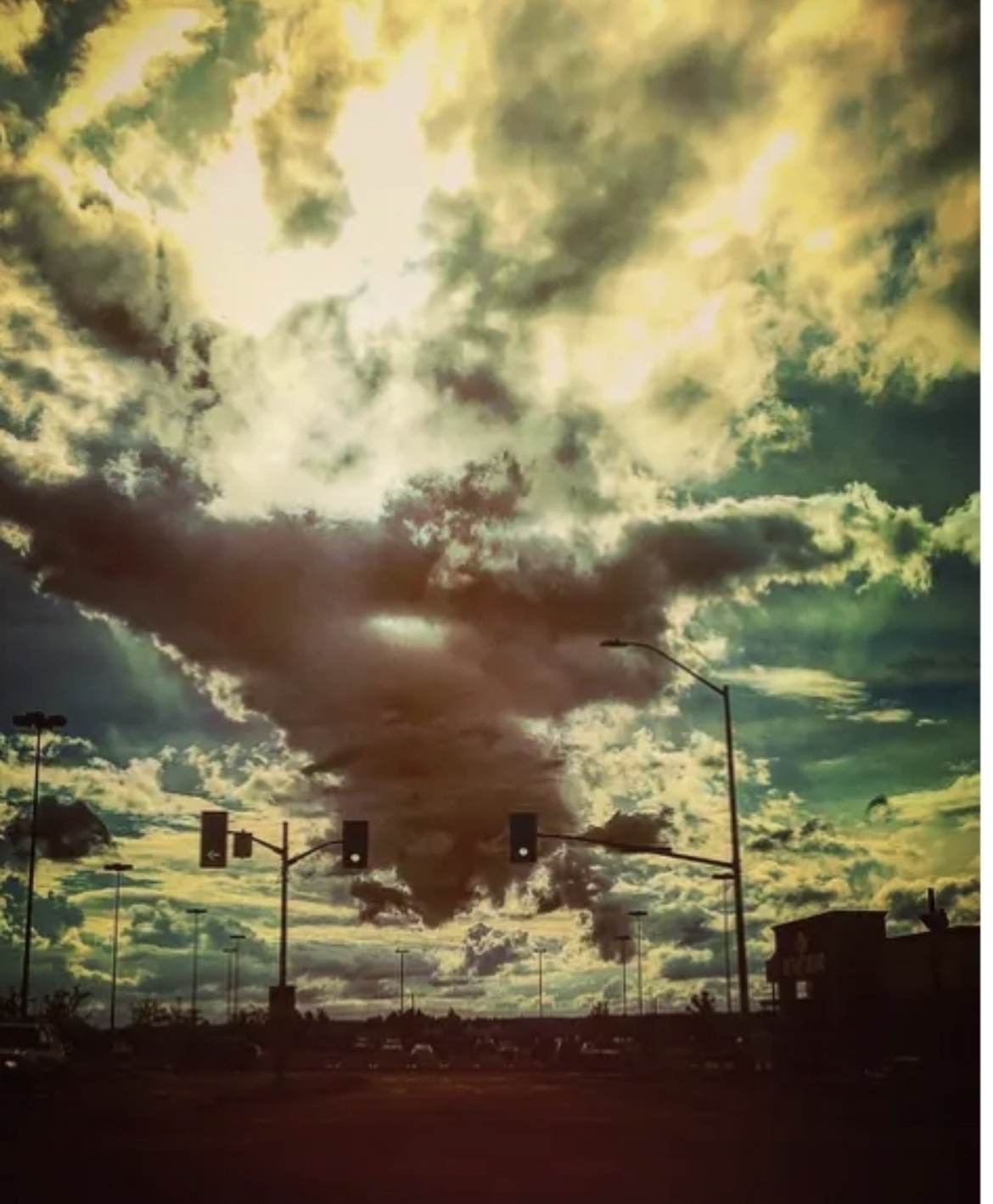
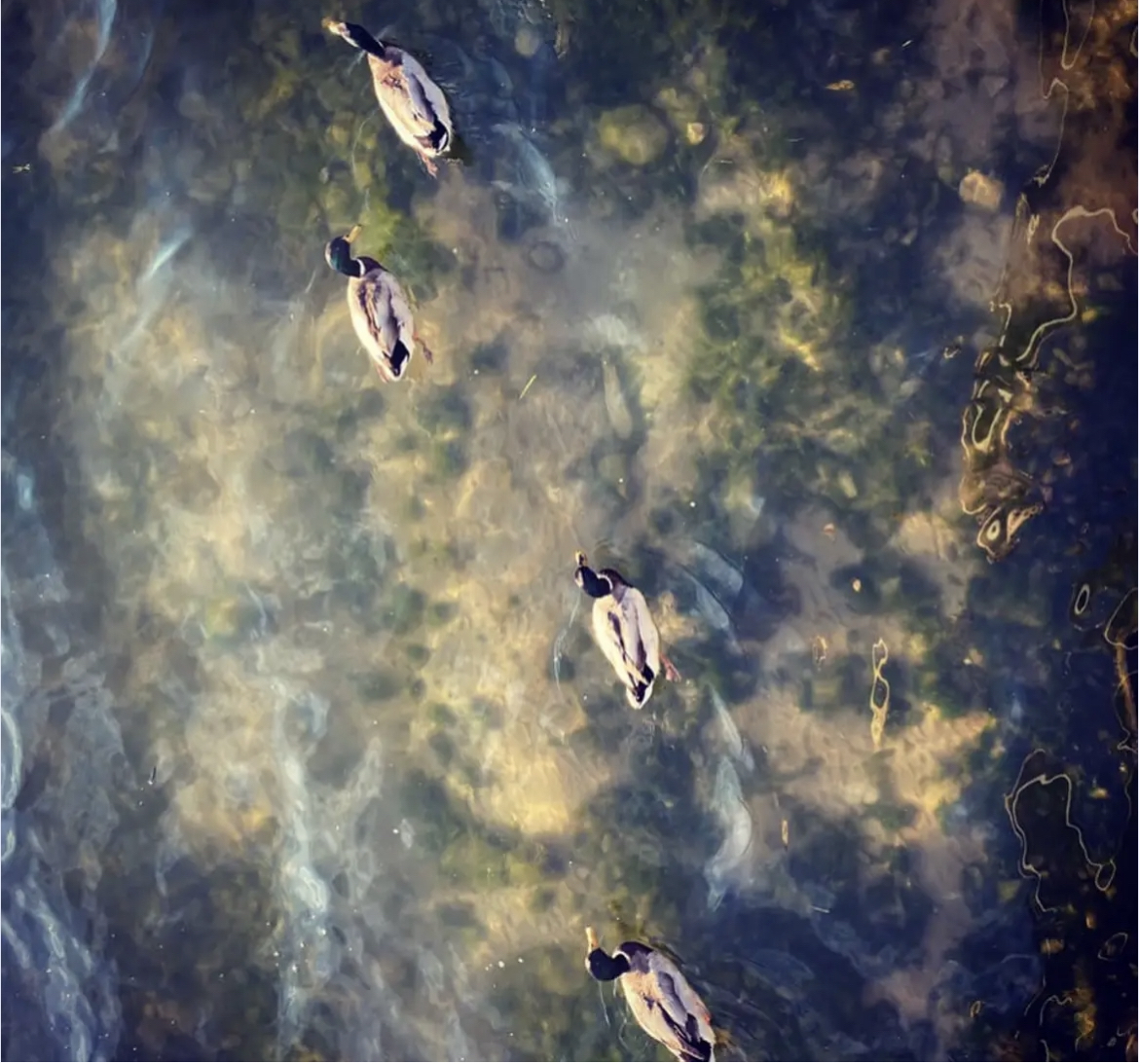
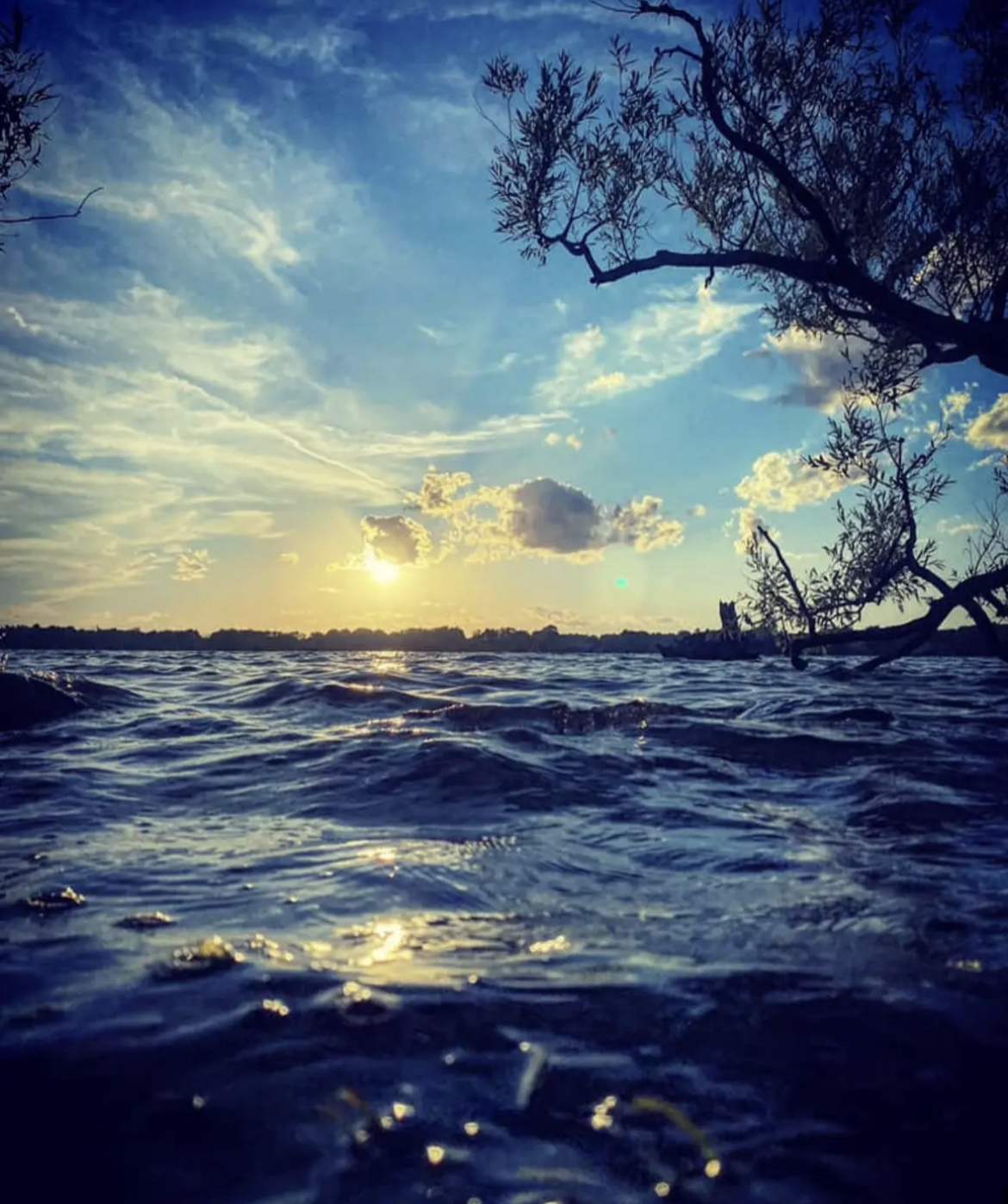
In an off handed remark during an interview, U.G. Krishnamurti, called by some an anti-guru, and by himself, ‘Something like a philosopher,’ said that he once thought he could sense the spirit of a place. But then he brushed it off through words and body language. It didn’t fit in with his philosophy and message. But I resonated with his statement anyhow, because I had always felt that I could feel the spirit of a place and also a thing. Old town, lake still and wide. City street, carnival game vendor and prizes. Bee. Spider. Flower. Vine. Ridge. Summit. Stone. Petal. Stream. Sun. Cloud. Bird and dusk, horizon and dawn. Lock, denoting love, affixed to lonesome bridge alone in the rain. Artifacts. Areas. Some saturnine and some sanguine. Hundreds of places and things, their spirit, against reason and logic, somehow speaking out, not with language of course, but calling out nevertheless. Semantics and nomenclature could argue what spirit means. Is it the atmosphere, the daemon, the angel, the area, the vibration, the feeling? Is it physical, metaphysical, true and there, or purely imaginary and projected? Difficult to know conclusively. But there is something I think in all that mise- en-scene, and so on the rural footpaths and metropolitan worlds also, I try and photograph it and also write about it, this spirit of a place and spirit of a thing.
1:00 AM Light


I Lie.

Restless in bed.

Each time I feel my eyes droop,

I am compelled

to watch the golden light beside my bed

fade away

each time I bundle up in blankets

only to realize the perfect seal

keeping the solitary 1am light

at bay is gone.

I fiddle with the strings

on my blinds

trying to replicate

the blinding comfort my bedside sun in a jar

had produced.

pushing the fidgeting engine beneath my skin

towards a moment to lie down

I whisper to myself to ignore

the ice plunging deep into my pupils

yet the pressure of the night

creates cracks in the walls

lines sewn across imperfect darkness.

suffocating in it

my night

I understand what it must be like

to be in a car crash

for time to expand

like the pupil of my eye

and yet I lay lonely.
Trees

In nature's grand tapestry, they stand tall,
Silent guardians, ancient and wise, one and all.
Their branches reach out, like arms embracing the sky,
Unfolding a spectacle that catches the eye.

Trees, oh trees, with your leaves so green,
Pouring tranquility into every scene.
Whispering secrets in the gentle breeze,
A melody of life that puts the heart at ease.

From mighty oaks to graceful willows we see,
A myriad of forms, each with its own decree.
Birch, maple, and pine, a diverse display,
Painting landscapes with hues in every way.

In spring, you shower us with blossoms fair,
A delicate burst of colors beyond compare.
In summer, your shade offers sweet relief,
A respite from the sun, a much-needed rep

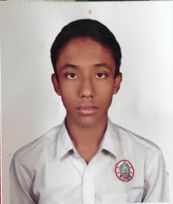
Don Bormon is a student of grade 8 in Harimohan Government High School, Chapainawabganj, Bangladesh.
When you read this,
I will be no more than a memory,
a whisper in the wind,
an abstract perspective
held in the palm of your hand.

I am nothing
but what you make of me,
an image born
from neuron synapses:
brain birthed from brain,
mind melded with mine.
I shed individuality
in the arms that caress
my words, thoughts, prayers.

When you read this,
I will be gone;
In your eyes, I begin anew,
an idea anchored by
ink and page.