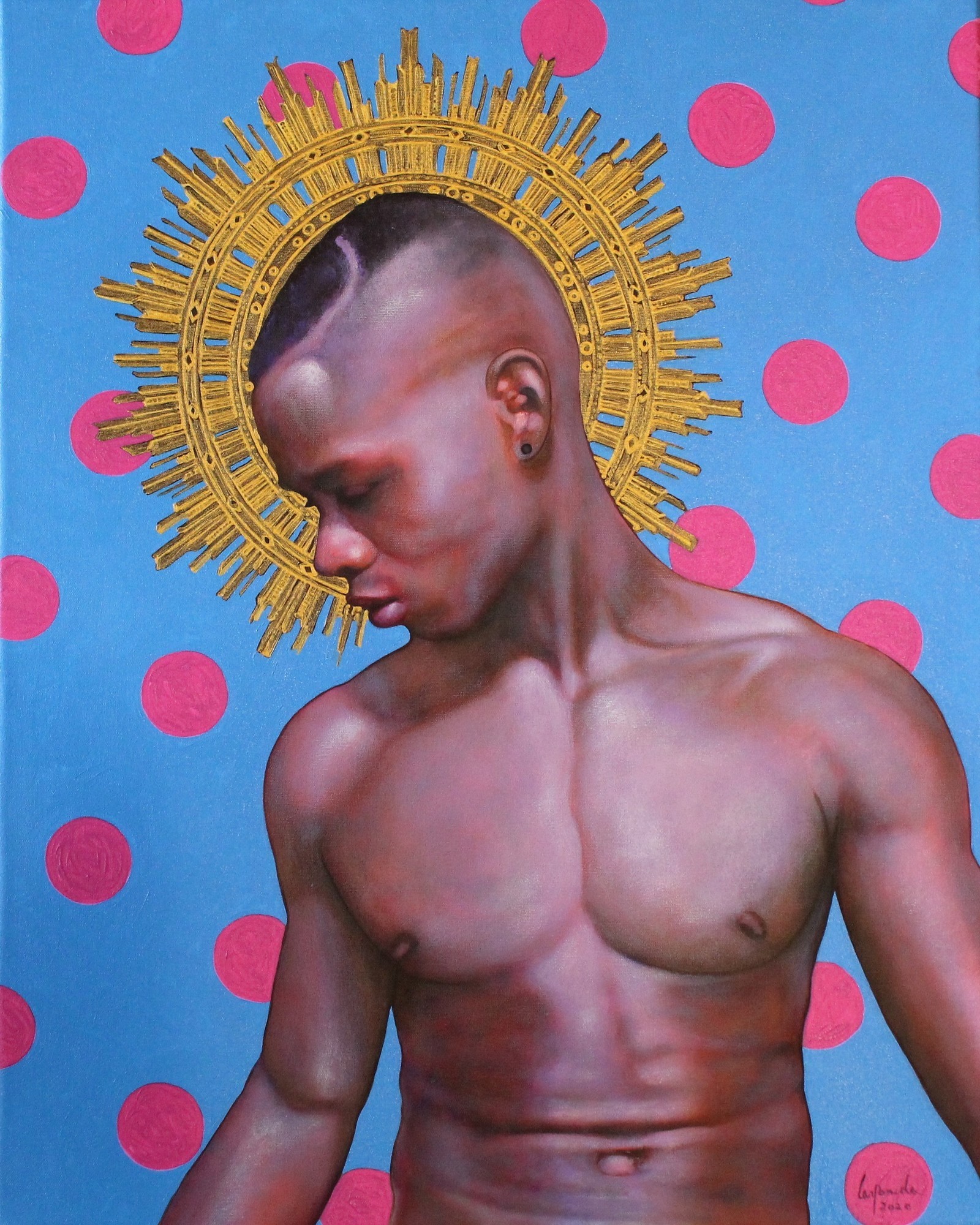
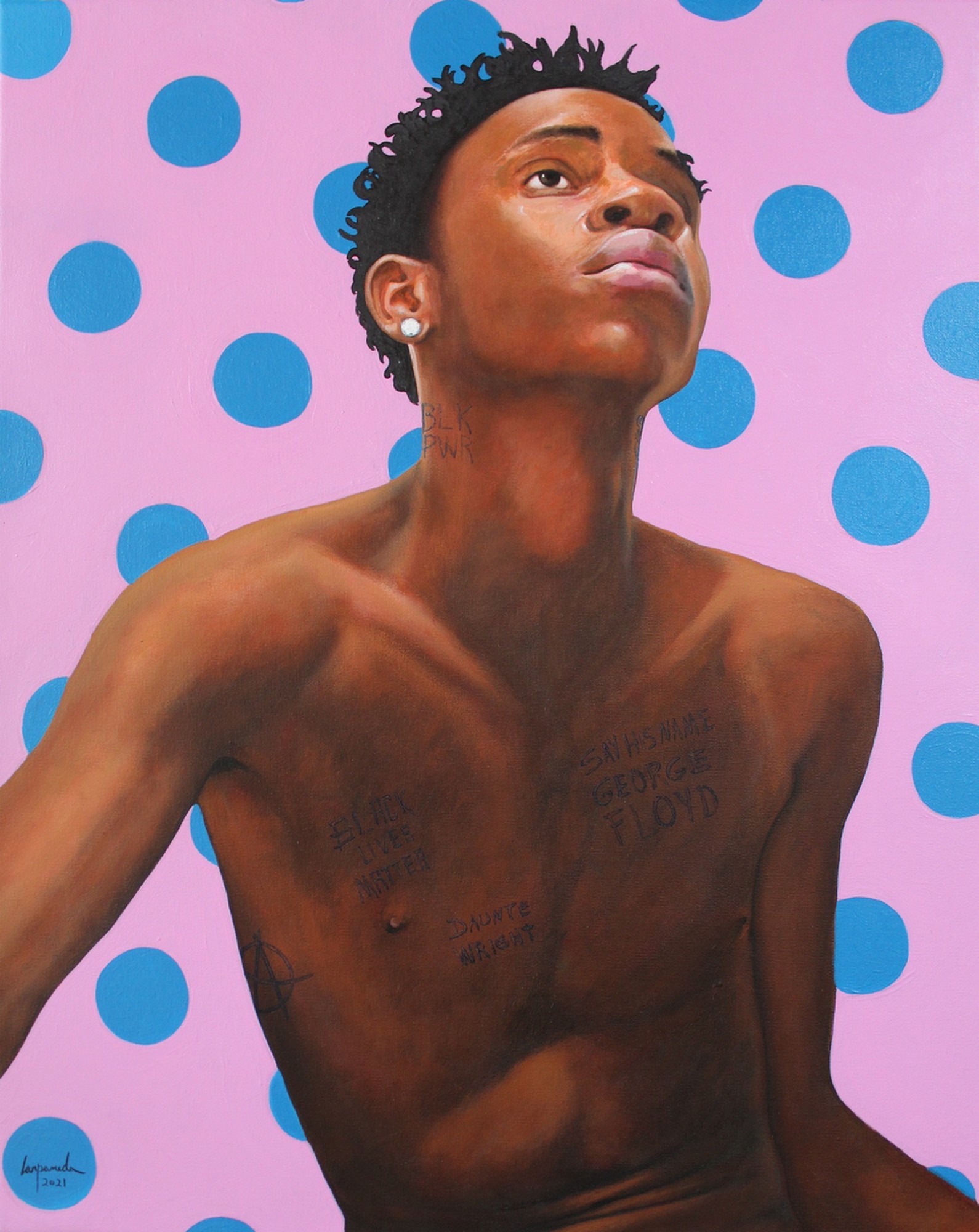
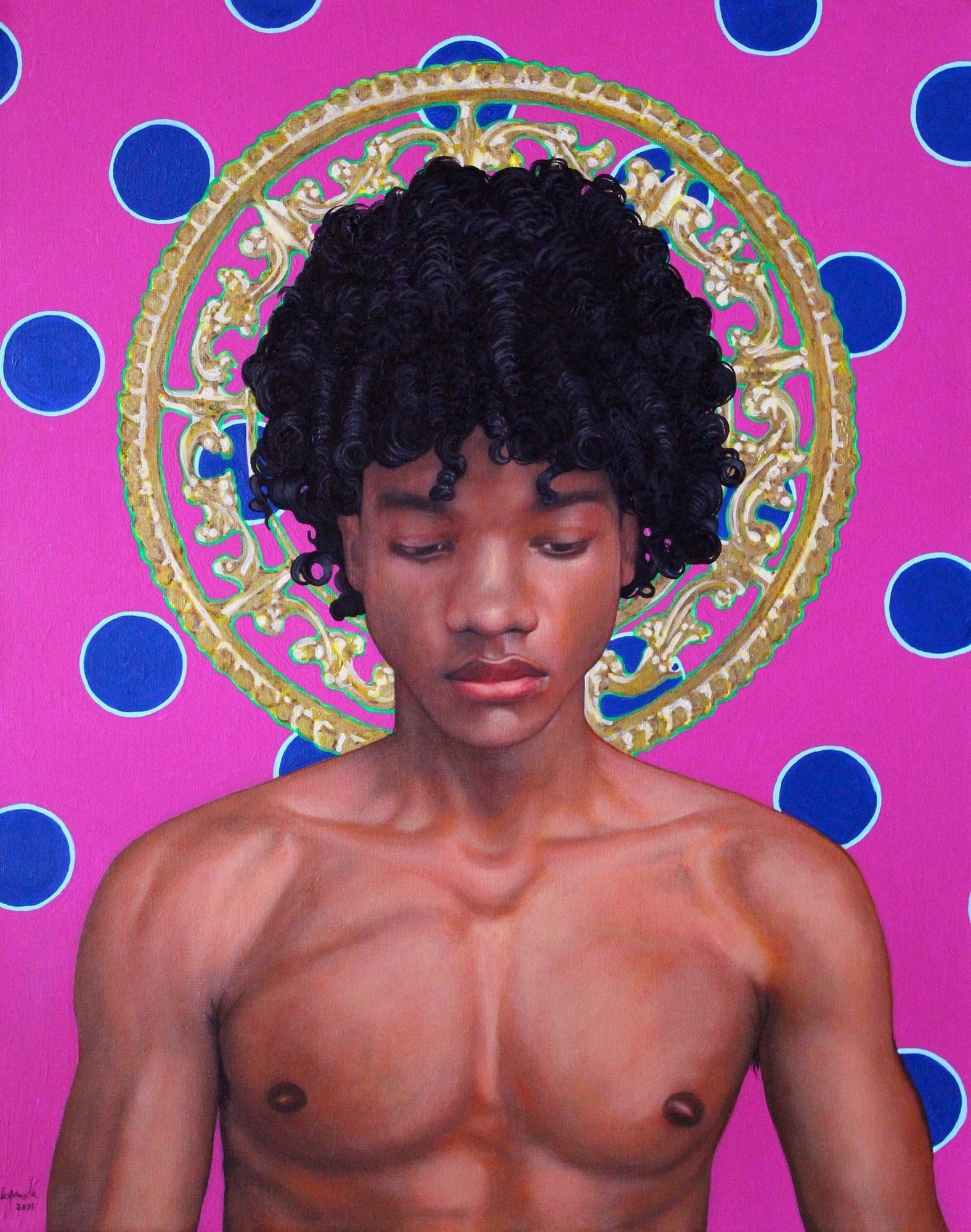
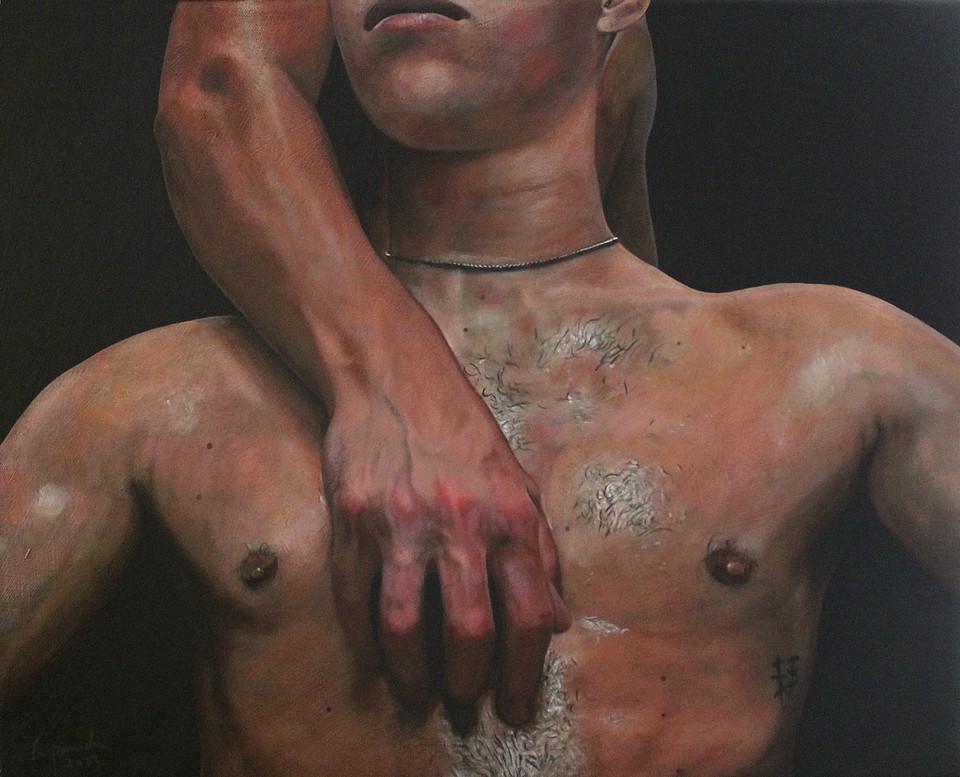
Art and an interview with Fernando Carpaneda

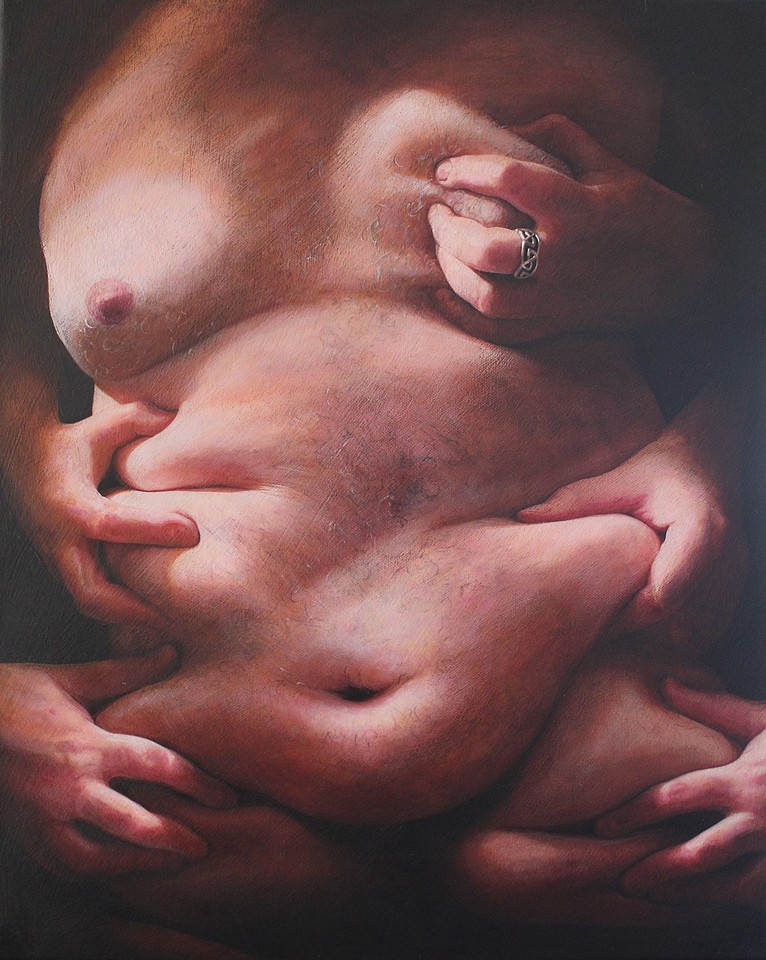
Body Positivity
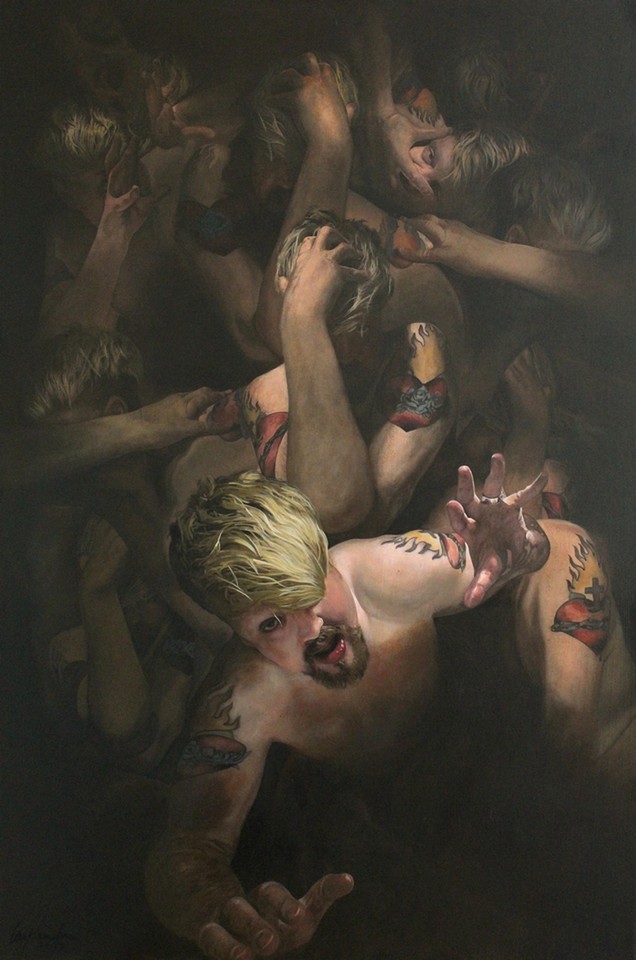
Corbin. Acrylic on canvas.
Jesus Christ
Justice
Son of Man
It’s Not a Crime! It’s Not a Sin!
Selfitis: The Obsessive Taking of Selfies
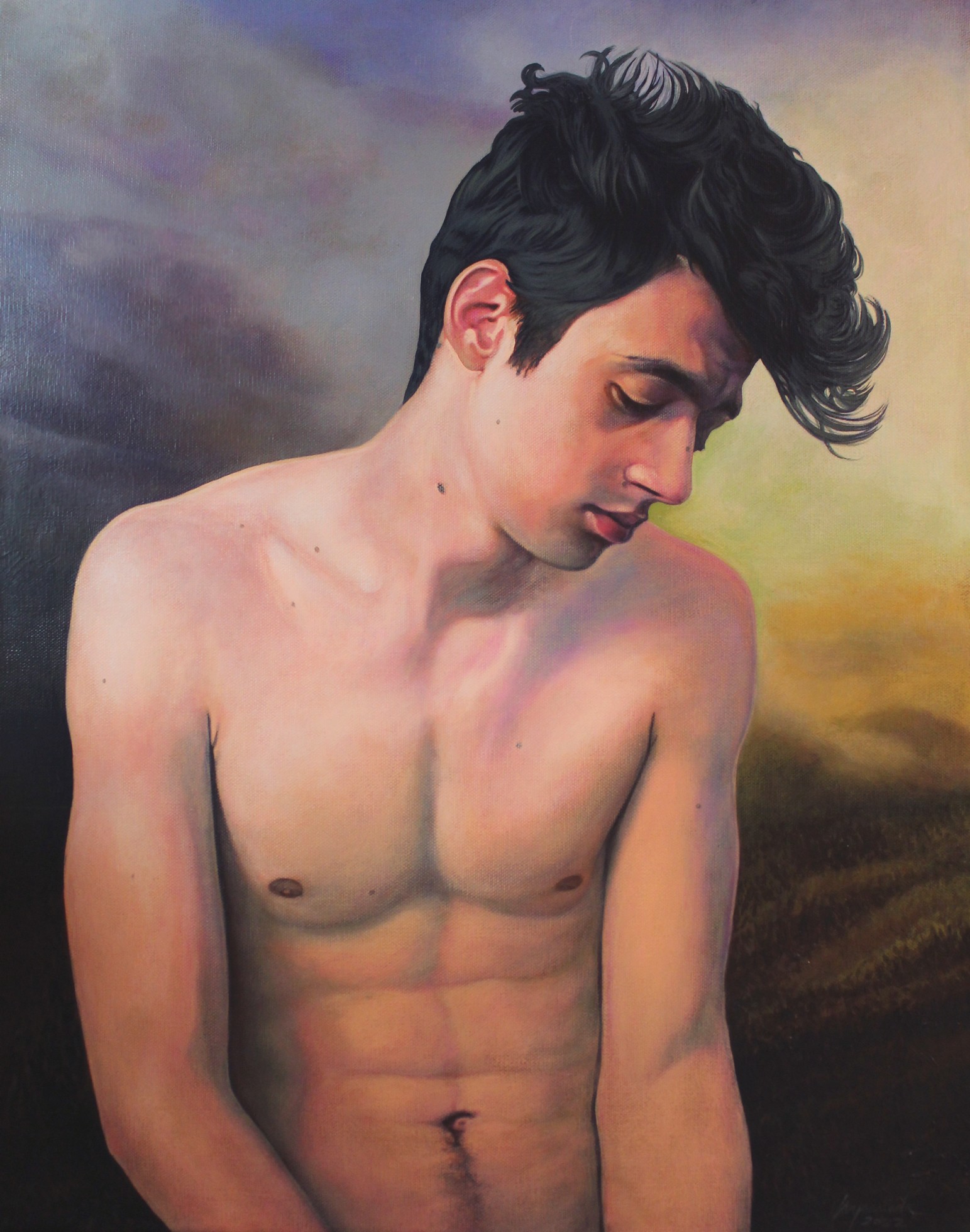
The Transfiguration

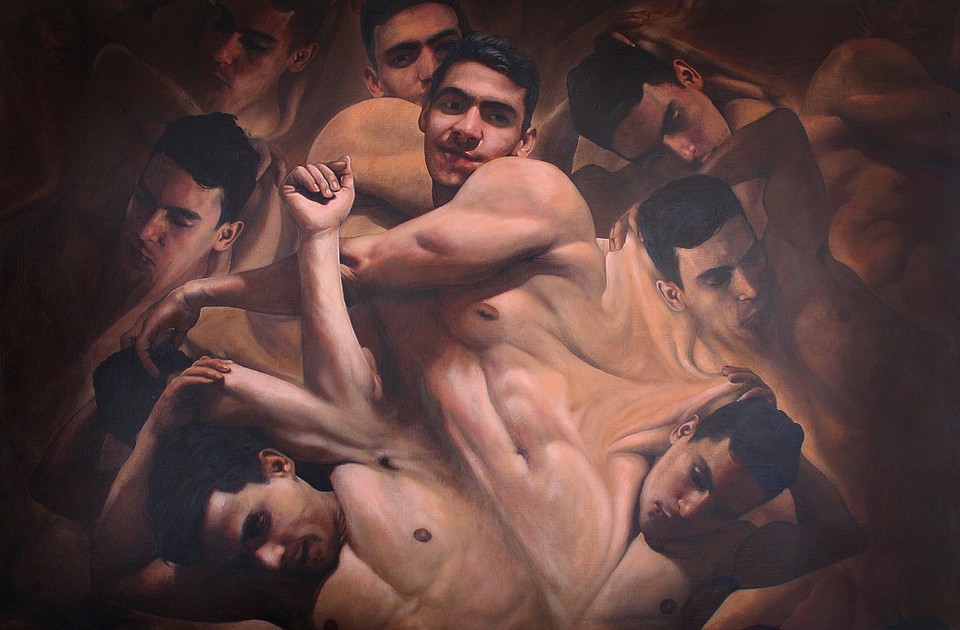
Fernando Carpaneda has been creating sculptures and paintings within the punk and homoerotic genres since the 1980s. His voracious involvement in the cause of diversity and punk culture led him to exhibit at: the CBGB art gallery, The Heckscher Museum of Art, The Tom of Finland Foundation, The Leslie Lohman Museum of Art, and on the LED panels in Times Square, New York. Carpaneda also created illustrations for The Best of Punk Globe Magazine: a book that brings together interviews with Debbie Harry, Boy George, Jamie Oliver (UK SUBS), Earl Slick, John Lydon, The Adicts, Glen Matlock, Joe Dallesandro. Carpaneda’s works were published in the book Treasures Of Gay Art, by the Leslie Lohman Museum of Art, alongside Andy Warhol, Robert Mapplethorpe and Keith Haring. Recently, the artist made it two in a row returning to the Long Island Biennial.

From Fernando Carpaneda:

I come from an Italian family but I was born in Brazil. I had my first exhibition of paintings at the age of 13, in the early ‘80s in Brasilia: the capital of Brazil. I came to New York City by chance. In the late ‘90s, I met “Dumpster”, an American Crust Punk who was on vacation in Brazil. We became friends and I ended up moving to New York and living in the C-Squat on Avenue – C.

C-Squat and CBGB were two very important influences on the creative process of my works. My work has always illustrated the Underground scene, the Punk scene, and the LGBTQIA+ scene. In early 1995, I got in touch with CBGB, and ended up scheduling some exhibitions at CB’s 313 Gallery. A few years later the gallery invited me to participate in an exhibition called “Back to the Bowery”. That brought together some of the remaining artists from Andy Warhol’s famous The Factory, as well as new artists who portrayed the city’s underground scene.

It was a historic exhibition, and where I met Billy Name (He created the design for The Factory, Andy Warhol Superstars, and was Warhol’s photographer) as well as several other artists from the ‘70s. I ended up becoming friends with Billy Name and we stayed in touch until his death in 2016. The CBGB exhibitions definitely opened several doors for me on the city’s art circuit, and it was a turning point in my international career. It was also at CBGB that I met Arturo Vega, we became friends and we stayed in touch until his death in 2013. Arturo invited me to participate in an exhibition called The Bowery Electric Festival (A Tribute to Joey Ramone) with Dee Dee Ramone paintings. I will be forever grateful to have participated in those celebrated exhibitions.

My style has grown through experience across several mediums for decades. I work with sculptures, paintings, and drawings. I try to show in my works: relevant social taboos, often dense, linked to the punk/underground universe or to LGBTQIA+ contexts. My works talk about exclusion, belonging, racial, gender, social discrimination, and anti-fascism, especially at this moment. In a world of exclusion, art for me generates dialogue. It doesn’t matter who you are, how old you are, or how innovative you are in society. I highlight ordinary people, natural and real bodies and this brings people closer to my work and, consequently, to ourselves.

Interview with artist Fernando Carpaneda

Carpazine: How did you end up on Long Island? Tell us a little about your early career and the influences that led you to where you are today.  

FC: I come from an Italian family but I was born in Brazil. I had my first exhibition of paintings at the age of 13 in the early 80’s in Brasilia: the capital of Brazil. I came to Long Island by chance. At one of the first exhibitions I did in New York, I met an artist who invited me to visit his studio on Long Island, and I ended up moving there. My work has always portrayed the underground scene, the punk scene, and the LGBTQIA scene. In early 1995, I got in touch with CBGB, and ended up scheduling some exhibitions at CB’s 313 Gallery, which was the CBGB art gallery. At that time, the gallery organized an exhibition called “Back to the Bowery” which brought together some of the remaining artists from Andy Warhol’s famous The Factory, as well as new artists who portrayed the city’s underground scene. It was a historic exhibition, and where I met Billy Name (He created the design for The Factory, Andy Warhol Superstars, and was Warhol’s photographer) as well as several other artists from the 70’s. I ended up becoming friends with Billy Name and we stayed in touch until his death in 2016. Various artists from The Factory, like Lou Reed, Candy Darling, and Joe Dallesandro lived here on Long Island in the 60’s and 70’s. I think Joe Dallesandro was living in Babylon at that time. The CBGB exhibition definitely opened several doors for me on the city’s art circuit, and it was a turning point in my international career.

Carpazine: You had an exhibition of your work in Times Square, right? How was that exhibition?  

FC: I exhibited paintings in Times Square. The paintings were portraits of friends and acquaintances, my own superstars. The works were shown on giant bright LED screens and were displayed on the screens of NASDAQ, Thomson Reuters, Clear Channel Spectacolor, and A2a MEDIA’s Port Authority. The opening of the event was attended by singer Twin Shadow, DJ’s AndrewAndrew, and musician Questlove from the band The Roots. The host of the night was Jimmy Fallon of NBC’s Late Night show and the event was organized by Art Takes Times Square. It was a unique experience.  

Carpazine: How was it to have your sculptures in the film The Nearest Human Being?  

FC: It was a fantastic experience to see my sculptures in director Marco Coppola’s film. It won an award for best feature at the Manhattan Film Festival, and it is incredible. While filming, my friend: actor Robert W. Smith, made the connection between me and director Marco Coppola. The director liked my work, and he included my sculptures in the movie. Also, it was great to meet Charlie Hofheimer. I met him by accident when I arrived to leave my sculpture on the film set. So, I saw this guy there, and said, “Hi, how are you?” and shook his hand and talked to him a little bit. It was only after that that I realized it was Charlie Hofheimer. LOL. He was very cool. Charlie is in two of my favorite films. Black Hawk Down and The Village. I was happy to meet him.

Carpazine: How do you view the reactions from the conservative part of society in relation to artistic manifestations in the contemporary world and issues such as sexuality and discrimination?  

FC: Art aims to promote freedom of expression and knowledge, however, not everyone has the knowledge and sensitivity to understand or discuss the subject. Conservatism and lack of information are recurrent. Our society is formed by people with different realities and lifestyles and we have no right to compel people to follow our reality, just as no one has the right to impose theirs on us. Human sexuality is complex and it is not up to anyone to judge it. I know people who have been sexually abused by pastors, priests, and family members and they obviously don’t see the world the same way I do – If an artist’s sexuality bothers you, think twice before criticizing or discriminating against it , because not everyone has had the same life as you.

Carpazine: Can you tell me a little about the Long Island biennial?  

FC: The Long Island Biennial, is an exhibition held by the Heckscher Museum of Art, and had his first edition in 2010. The Long Island Biennial offers professional artists a unique opportunity to share their work through a prestigious exhibition and offers a unique space for visitors. This year the museum celebrates its 100th anniversary, and the proposal of the biennial on this occasion was aimed at showing contemporary artists residing on Long Island. For the first time, most artists will exhibit two or three works of art, presenting visitors with a more complete picture of their most recent works. I thought it was incredible to have been selected, and I think it is a positive point for my work, in such a unique moment in which we live. At a time when minorities are persecuted, I think it is a victory to participate in this exhibition.

Carpazine: Tell me about your sculptures, you did some reinterpretations with classic art scenes. What was your inspiration to reinterpret Rodin’s sculpture (The Age of Bronze)?

FC: I always loved Rodin’s sculptures, and I always thought of making a hyper-realistic version of one of his works and I ended up being inspired by the work The Age of Bronze. My version was inspired by Keanu Reeves. I turned him into Punk Rodin. I have always loved Keanu Reeves, I like his character, his personality, and attitude as a person. I was inspired by a phase in his movie My Own Private Idaho which is one of my favorites. Eroticism for me is something natural and I show that in my works.  

Carpazine: How do you see the role of tattoos in Punk Rodin?  

FC: Some tattoos on Punk Rodin sculpture refer to the relationship between Rodin and Camile Claudel.

Carpazine: Homoerotic Art has always been part of the underground in the 20th century, recently it started to boom and to be part of the mainstream. How do you see this interaction between amateurs and queer art? Not all nude is art … or is it?    

FC: I think that interaction and the boom in homoerotic material is happening in the same proportion as the boom that abstract, geometric or conceptual painting had.  At the beginning of these movements, they also suffered from the interaction of amateurs with contemporary art … not all contemporary art work is art … or is it?
Poetry from Christabel Angel Douglas

Dear Past,

I thank you for revealing life’s art,
For letting me taste its every part,
In pains, joys, words unkind or sweet,
You shaped me whole, made me complete.

Stronger now, forged by your embrace,
Wounds and scars adorn with grace,
Etched like art on canvas, body and soul,
Each story they tell, making me whole.
Those scars, in sorrow’s shadow born,
Became my drive, my fires were sworn,
You spurred me on, fanned my inner fire,
Turning pain into purpose, soaring higher.

For every tear, a clearer sight ahead,
Each ache a milestone, towards goals I tread,
Truly, you’re the gift that keeps giving still,
Turning trials into strength, an iron will.
Through trials akin to the inferno’s maw,
Earthly challenges seem but straw,
Betrayals and falsehoods left thorns to find,
Yet deeper pain I’ve met, a crucible of the mind.

Now I stand strong, a conqueror in grace,
Thankful for the storm that shaped my pace,
Thankful for a tempest of lessons and more,
A past complex and layered, its wisdom I adore.


Defined not solely by what’s already done,
You’re a prologue, a journey, a rising sun,
A force that propels me into the unknown,
With lessons as my armor, confidence has grown.


Past, I’m grateful for your steady hand,
Guiding me through this intricate land,
Now I step into Future, arms stretched wide,
Prepared for an adventure, with hope as my guide.

Poetry from Annie Johnson

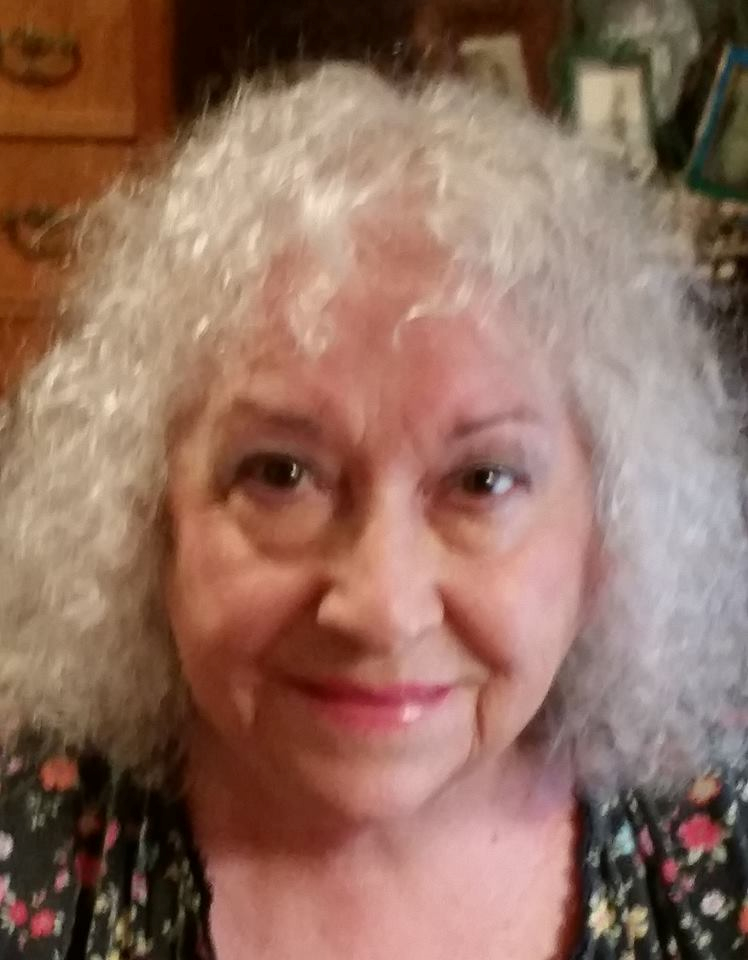
Light skinned woman with curly white hair and a floral top.
Annie Johnson
Anointed with Timeless Joy

I want to dance in the sunshine of my soul; 
Laugh in gales of greedy delight at nothing at all. 
I want to strip bare and bathe in rain-drenched blossoms 
Falling like snow from the flowering pear tree 
And let down my hair to cling in rivulets down my back. 
I want to go fast down life’s slide on my belly 
And land laughing in the dirt at the bottom of the world. 
I want to count the stars of midnight and ride the comets 
Across the universe, bare-back, with my spurs dug in. 
Dusty eons and frozen grains of sand in the hourglass 
Mean nothing but being alive in all the soul’s timeless joy; 
Spending golden moments lost in endless beauty; 
The breast of time rising and falling with the tides of the moon. 
Each breath is a lightness of knowing, of remembrance 
Moving rhythmically to the drums of everlasting madness 
While strolling leisurely through the light tunnels of infinity 
With a silly grin spread across my wonder of existence. 
Endless joy is sparkling eyes, and a laughing soul in bare feet. 


Breath of Life Sonnet 

Oh, the intemperate swells of the heart 
That drown me in their wake when you appear, 
That melancholy stills when you depart; 
And comes again to life when you draw near. 
Ancient forgotten love spells seem to call 
Like fading siren’s songs from long ago 
And all the sighs that held me so enthrall 
Whisper once again how I love you so. 
Come to me from the tunnels of the wind.
Let not our time on earth be lived in vain.
Love is a living force that has no end - 
A breath of life for us to breathe again.
 Love is a magnet that pulls heart to heart; 
Once together, no force can pull apart. 


Prayer at Twilight 

You are my thoughts in the shadowy lane at twilight; 
So real I wonder if you can hear my footsteps 
Crunching over the stones beneath my feet as I walk; 
Or the whisper of the grass when I step off the path. 
Can you hear my voice as I speak to you in make-believe, 
Imagining your hand in mine and you walking beside me? 
The stars hang above the treetops like tiny lanterns 
Waiting for the breath of God to blow them out 
When dawn peeks breathless over the hills of morning. 
I will be long in my bed before the new day arrives, 
Snug under the covers of night and its holding 
Of my treasured dreams of you in earnest longing 
Tucked in my lonely heart missing you with each beat. 
My fervent prayers at night are always the same words, 
Let him be safe, healthy and strong and missing me 
As he seeks my soul in the long shadows of twilight 
Down the silent starlit lanes of his stalwart soul. 

Annie Johnson is 84 years old. She is Shawnee Native American. She has published two, six hundred-page novels and six books of poetry. Annie has won several poetry awards from world poetry organizations including; World Union of Poets; she is a member of World Nations Writers Union; has received the World Institute for Peace award; the World Laureate of Literature from World Nations Writers Union and The William Shakespeare Poetry Award. She received a Certificate and Medal in recognition of the highest literature from International Literary Union for the year 2020, from Ayad Al Baldawi, President of the International Literary Union. She has three children, two grandchildren, and two sons-in-law. Annie played a flute in the Butler University Symphony. She still plays her flute.


Poetry from J.D. Nelson

two small birds eat up
pieces of dropped ice cream cones—
two small children laugh


—


bag full of quarters . . .
a dozen dried-up houseplants
at the laundromat


—


partially eaten
red apple on the sidewalk . . .
evening sunshower


—


people come & go
on a warm summer evening—
bitten by horseflies


—


lightning overhead
on a summer afternoon—
on the phone with Mom


—


church food giveaway—
iridescent Japanese
beetle lands on me


—


cool rain cuts the heat
on this summer afternoon . . .
early taste of fall


—


wild sunflowers grow
all along the light rail tracks—
someone’s old armchair


—


summer in Denver—
distant gold capitol dome
reflects white sunlight


—


where’s my pretty bird?
I call for the white chicken
& she runs to me


—


bio/graf

J. D. Nelson’s poems have appeared in many publications, worldwide, since 2002. He is the author of ten print chapbooks and e-books of poetry, including *Cinderella City* (The Red Ceilings Press, 2012). Nelson’s first full-length collection is *in ghostly onehead* (Post-Asemic Press, 2022). Visit his website, MadVerse.com, for more information and links to his published work. His haiku blog is at JDNelson.net. Nelson lives in Colorado, USA.

Poetry from Dilurabonu Vayisova

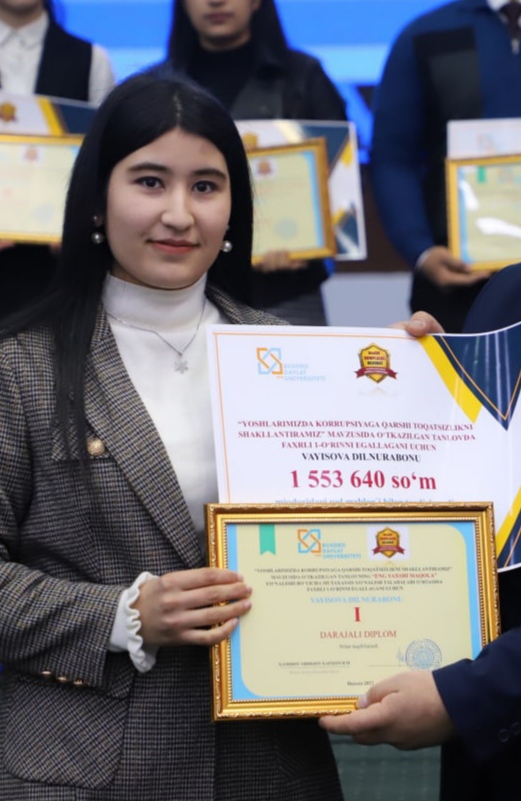
Central Asian woman with straight black  hair and brown eyes wears a gray striped jacket and a white turtleneck and a necklace and holds up a certificate, with her classmates in the background.
Welcome to the month of Ramadan!

You came joyfully, bright-eyed,
Saying prayers, chanting words.
Grudges leave the heart,
Welcome to the month of Ramadan!

This month is full of rewards,
Good intentions, good deeds.
All anger recedes,
Welcome to the month of Ramadan!

The table is overflowing, give thanks
Give thanks for clear mornings.
My country is peaceful, give thanks to freedom,
Welcome to the month of Ramadan!

There are months apart from each other,
But you are the sultan of these months, Ramadan.
We are waiting for you all year long,
Welcome to the month of Ramadan!


Dilnurabonu Vayisova, student of Bukhara state university 

Story from Leslie Lisbona

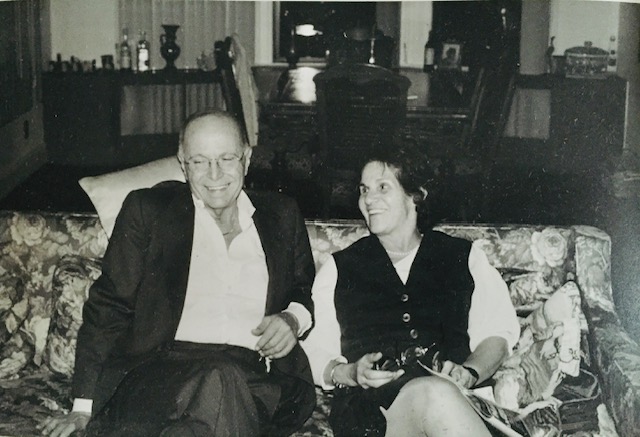
Black and white photo of an older middle aged light-skinned couple seated on a patterned sofa in a living room.

The Countdown

Day one. My father came home from prison. It was December. I was 30. The waiting was over:  My own life, independent of my parents, could begin.

My father was a poor judge of character.  He vouched for the wrong people and was sentenced to ten years in federal prison.  He served four and a half.

I was 25 when I watched my father being sentenced in a Brooklyn courtroom.  I was there with my mom and my sister, Debi. Afterwards, he was given a chance to speak to the judge.  He adjusted his designer glasses, whispered a few words, barely audible, and then fell backwards into his seat, as if he were shoved. 

For four and a half years, I had visited him in several federal prisons.  Each time, I got my period as soon as I got through security.  Each time, it surprised me.  It was never on my 28th day.  My mother said, “You should know by now,” but I was never prepared.  The prison made me bleed. 

Life continued while my father was away.  Not my life though.  My brother, Dorian, moved to California.  Debi, remarried and had twins.  Our dog, Cujo, died. 

I was still living at home with my mother.  I was unmarried.  My life was unchanged. I watched a lot of TV.  Jackie Kennedy, who was the same age as my mom and who shared a hairdresser and a unique sense of style, died. Shawshank Redemption premiered, and I thought of my father.  Like Andy Dufresne in the movie, my dad had been head librarian, helping other inmates study for their GEDs. 

Nearly five years later, during one of our last prison visits, I told my father that I had found a rental apartment in Tudor City.  That I had put down a deposit. That I would wait until he was back home to move in.  He said nothing.  His plastic glasses slid down his aquiline nose. My mother looked away, and her lip trembled.  I said, “Never mind.”  We all sighed, almost in unison.  I didn’t take the apartment, the studio with the magnificent views of the East River and the Murphy bed hidden in the wall. 

At his release, my father was dressed in loose-fitting jeans, white sneakers, a jacket, and clear plastic glasses, prison issued, that were too big for his face.

Finally he was home.  The countdown to my freedom had begun. I wondered if that apartment was still available. The little park on one side, the river on the other.  The thought of it alone made want to hug myself.

The first night was Thanksgiving.  My parents’ closest friends were invited.  The ones who stood by us when everyone else hadn’t.  My parents looked happy, their friends surrounding them.  I let out a big sigh and felt a bit lighter.  The tentacles attaching me to my seat and this house were loosening. A one bedroom would also work if I got a roommate.  The idea made me lightheaded.

Those first days, my parents were like newlyweds.  I could fully imagine them young. They looked at each other with tenderness.  They seemed to lean towards each other.  They were in love.  I wasn’t in love.  I had a long-distance boyfriend, but I couldn’t see myself married to him.  I wanted at least a little of what I thought my parents had.

On the second day, my mom, dad, and I went to breakfast in Manhattan, and then dropped my dad off at the store.  It used to be his store.  Now he was an employee. 

On the third day, I realized that my father was afraid to touch money.  We went to a gas station and he had forgotten how to pump gas.  He watched me and then sat in the car.  He didn’t want to drive.  I showed him the checking account and the bills and how I had been taking care of them until his return.  He asked if I could continue for a while longer. 

On the fourth day, we ate lunch on the back porch.  That’s when my friend Terence came over to see my dad.  We took one picture.  All of us smiling, mid chew.  That afternoon, my Dad asked my mom to get him an appointment at the eye doctor.  The plastic glasses were bothering him. 

On the fifth and sixth days I looked around my bedroom and thought that a studio would work.  I didn’t have much of anything of my own, just clothes, souvenirs, a few posters. 

On the seventh evening since my father had returned to us, my mom and I went to the theatre.  A mom and daughter night we had planned a long time before.  My mom was acting oddly.  After the show, she couldn’t find her car keys and then she couldn’t remember where she’d parked the car.  Later that night, I asked her if she was okay.  She said that a few days before, she was sweating so much that she went into a coffee shop on Madison Avenue to get napkins to wipe the moisture from her stockinged legs, even though it was freezing outside. I said we should go to a doctor, our neighbor even.  “Leave me alone,” she said.  “I’m not going to die,” and then she made a funny face with her eyes bulging and stuck out her tongue and walked out of the room with a wink.

The next morning, my father and I said goodbye to my mother.  We were heading to the subway to go to work. The sky was a slate grey. It was threatening to snow. She stopped us at the door in her white wooly robe.  She had an infection in her dental implant.  She said she didn’t want to go to the dentist, that she was scared.  My father hugged her, kissed the side of her forehead, and said she would be okay.  I said, “Bye, Ma.” She knew I would take my father to his subway stop at 57th Street.

That was the last time we saw her alive.  That was the last time I spoke to her.  I usually called her from work, but that day, for some reason, I didn’t.  My dad and I normally timed it so that we were on the same subway car home to Queens but I didn’t see him.  There had been delays.  When I got home, a police officer was stationed in front of our house.  An ambulance was at the curb.  All the lights were on in the living room.  The officer held my shoulders, trying to get my full attention. “Do you have a back door we can use?”  he wanted to know. I nodded.  My pantyhose were pinching my waist.  When I finally asked him what was happening, he said, “They are working on your mother.”  I heard the words but couldn’t understand their meaning.  The driveway was dark, full of snow, my feet breaking the icy surface with each step.

The back door was locked.  I didn’t even have a key. I peered through the glass and saw Debi standing in the kitchen sobbing in the arms of a police officer.  She saw me and opened the door.  When I asked what was going on, she shook her head and cried more.  Then my father was behind me.  We must have been on the same train after all.  We both moved past Debi to the front of the house.  I never expected to see my mother’s inert body, her clothing cut off, EMS workers surrounding her.  The furniture was shoved to the edges of the room.  Suddenly I was on the floor, at her level.  I don’t know how I got there.  I may have fallen or fainted or tripped.  My father fell on top of me.  He screamed, “My wife!” 

My father and I were placed on a couch in a dark room at the back of the house.  Windows were opened.  The air outside was arctic, but I was not cold.  My body was fire.  Someone shouted to breathe deeply.  A neighbor came over. The one who was a doctor.  But it was too late.  My mother was still not breathing.  She was put on a respirator but was deemed brain dead at the hospital later and the machine was disconnected.

That was day eight. My father clung to me, his plastic glasses askew. 

Leslie Lisbona recently had several pieces published in Synchronized Chaos, Dorothy Parker’s Ashes, The Bluebird Word, The Jewish Literary Journal, miniskirt magazine, Yalobusha Review, Tangled Locks, and Smoky Blue Literary.  She is the child of immigrants from Beirut, Lebanon, and grew up in Queens, NY. 

Poetry from Kristy Raines

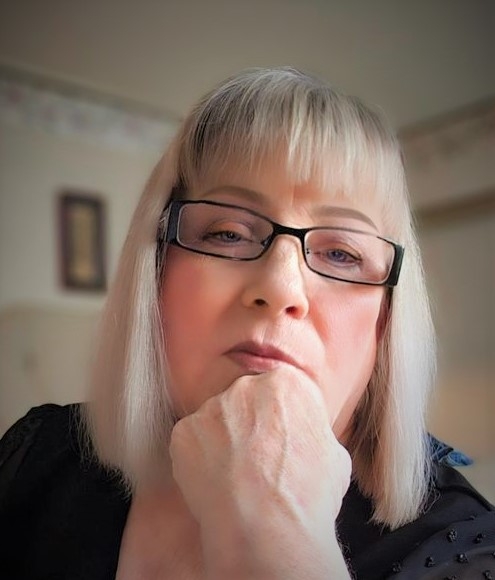
Middle aged white woman with reading glasses, short light blond hair, a black sweater. She's resting her head on her hand.
Kristy Ann Raines
WHEN YOU SMILE BACK 

I am your companion, your lover and friend
You are the heart that feels my every emotion
My heartbeat,  is the wellspring of your life
You seek your home in my arms every night
and in my hands I hold your tender heart
We've both overcoming earlier difficulties 
and have grown in many ways together
Only you truly know the beats of my heart
whether I am happy or I am somber inside
But oh, how easily you can find my smile
And when you smile back.. there is no doubt
that my pounding heart beats only for you.


I NEVER KNEW DREAMS CAME TRUE

Far away I may be in distance 
but in my heart you are so close
What I thought was only in dreams
has become reality in front of my eyes
I will never grieve you with my pain
Though I know you'd take it gladly
Just keep me in your prayers at night
The One above us will give me rest
You ask me what is my reality
I think you know by now
But the words are like a wish 
I dare not say it out loud
Or else it may not come true.
Just know that no matter what happens 
in my heart you will always have a place
Every time you think of me, I will appear
And in sleep, no one can take you from me... 


MY CHILDREN... WALK BESIDE ME

Walk quietly beside me
along a shore that never ends
Tell me your dreams and desires in life,
tread lightly through the twists and bends
Make me smile with your beautiful laughter
Experience a distant land
Visit me when you feel lonely
and for a moment, hold my hand
And my children, I promise you this..
I will always walk beside you when you reach a rocky trail
I will encourage you to live your dream, even if you try and fail
I will proudly cheer you on as you accomplish your every dream
I will hold you up when you feel weak
on me you still can lean
Many say they will be there for you
and many may not follow though
But when life gets too hard at times
I'll be there to walk with you
Always help another in need
put yourself in their place
Cause one day you may be the one
who needs to be shown grace.
My children, I'll always love you. Life's an adventurous race to run
Just give me a moment now and then before my days are done
For one day you will walk my path, realizing that time does end
You'll find yourself wishing you had more time on earth, but
time.. it never lends... 


YOUR SILENCE SPEAKS FOR ITSELF

We used to speak almost everyday
Life got complicated and time went by
Before I knew, it became years
I know now that you didn't know why
But I thought you would understand
I needed time to heal inside
without advice or reprimand
never meaning to hurt your pride
When you needed time I never failed
to understand why I didn't hear from you
To me our friendship always prevailed
I'm sure thoughts of me now are few
When I felt strong enough to talk again
You returned my letters that now sit on a shelf…
It was never my intention to shut you out,
and now your silence speaks for itself.
Now I am ready to let go... 


Kristy Ann Raines is an American poet and author born on April 9, 1957, in Oakland California. Kristy has five books which will soon be published. One anthology with a prominent poet from India, Dr. Prasana Kumar Dalai, will launch sometime around August 2023 and is called, “I Cross my Heart from East to West.” She has also written two fantasy books entitled, “Rings, Things and Butterfly Wings” and “Princess and The Lion”, an collection of poems in English,” Walking Without You”, a collection in French, “Little Rose Poetry”, and one in Arabic called,  “Jasmine and Roses.” Kristy has received many literary awards for her unique style of writing.