
Not Quite Stories


1.	My name is Sampson. Chester Sampson. People call me Sampson.
	“But how did you know about me and Danvers?” the conniving little blond called back to me, as they were taking her away.
	“It wasn’t difficult, sweetheart,” I told her. “Considering.”

2.	Daisy hadn’t given him a second thought, yet there he was, on her doorstep, carrying a potted plant.
	“Remember me?” he asked.

3.	“Things was hard back then,” the old man told the visiting nurse.
	The nurse, who hadn’t asked a question, didn’t bother to wonder when “back then” was.

4.	The brothers hadn’t seen each other in over 20 years. Identical twins, they’d had a falling out, and they lived far from each other, on opposite coasts. This particular day, Tom had gone to shop for khakis at the Banana Republic in the mall near his home. When he entered the store, all eyes turned to him. He wondered why.
	Tim came out of the dressing room to look at himself in the full-length mirror, in his new khakis. As he looked into the mirror, Tim noticed Tom behind him, in the distance.
	Tim wondered how the reunion would go, but to his relief, still staring into the mirror, he saw Tom turn around and leave the store.

5.	My son-in-law found me in the kitchen, after my husband was gone. I asked him if he wanted a cup of coffee. He sat.
	We sat together at the table, drinking coffee. Not another word passed between us.

6.	“It was after the war,” she told him.
	“So, all of a sudden everything changed?”
	“No,” she replied, “not all and not so sudden.”

7.	After weeks of indecision, Cora finally decided to call that number. She pulled the piece of paper out of her purse and made the call. When it connected at the other end, she was surprised to be greeted by one of those pre-recorded menus. The choices were very confusing. She relied upon her instincts to tell her which path to choose. Unfortunately, it was the wrong one.

8.	“Mr. Thorndike will see you now,” the secretary told the man sitting on the blue-upholstered bentwood chair in the anteroom. The man’s palms had been sweating, and he’d been rubbing them along his slacks above the knees.
	The man got up and knocked on Thorndike’s door.
	“Come in,” Thorndike yelled, in a neutral tone of voice.
	The man went in.
	He never came out.

9.	He was driving. On the freeway. He looked up at the sign, above and ahead. Belford 20 miles, Grainger next exit. He got off at the next exit.
	She’d just have to wait.

10.
Category Archives: CHAOS
Essay from Gaurav Ojha
Self-Realization

Gaurav Ojha

My quest towards understanding the concept of self-realization ran along circles of debates, discussions and doubts before I read the writing of Jiddu Krishnamurti. Before my encounters with the works of J. Krishnamurti, I also used to think of self-realization as a spiritual experience of the inner spirit or soul that culminated in the eternal spiritual quest of a seeker. And, as a free thinker with my non-theistic world-view, I was always a bit skeptical of all those ideas that relate self-realization with inner spiritual awakening.

However, J. Krishnamurti’s insights on self- realization emancipates the concept of self-realization from the narrow dimensions of significance it derives from religious dogmas, spiritual exercises, mystical experiences of spiritual seekers, and from spiritual masters, gurus, saints, sages and their esoteric interpretations.

With the radical insights from his works, I have come to realize that it is utter nonsense to think that one can know one’s self significantly, completely and fully, through isolation, exclusion, through regular practice of some kind of spiritual exercise and introspection in some solitary state away from all the hustles and bustles of life.

Similarly, it is not at all necessary to be a religious or a spiritual person, practice renunciation, give up your social life, live in caves and monasteries, and perform ascetic rituals regularly to comprehend the notion of self-realization.

To put it in the words of J. Krishnamurti, self-knowledge is a process, not an end in itself or a conclusion; and to know oneself, one must be aware of one’s actions and reactions in one’s relationships. Further, he argues that you discover yourself not in isolation, not in withdrawals, but in relationships: in your relationship with society, your wife, your brother, your mother, friends and family, and with other beings. Hence, self-realization is neither a spiritual achievement nor an isolated mystical experience; rather it’s an endless process of learning and re-learning where one becomes aware of one’s own self in relationship with others. Therefore, it’s nothing more than a self-illusion or ego-trip to transform your identity, take up a spiritual title and boast one-self as a self-realized person.

Besides, nothing exposes us wide open than our relationships. Our relationships provide us a mirror to observe our being along with its pretensions, denials, fantasies, inner torments, selfish desires and unconscious motives, inner insecurities and repressions by allowing us to see the projections of these hidden aspects of our inner lives in our relationships.

Hence, it’s our relationships, how we relate with our self and with others, and how we unveil our thoughts, emotions, actions and reactions in our dialogues and encounters with others that truly allows to us discover, acknowledge and understand ourselves better than any form of spiritual exercise, solitary meditation or religious escapism.

Yes To Life

Gaurav Ojha

 Being a one-world and one-life person, I don’t like to think of my life as a rehearsal or a preparation for something better, behind or beyond this world that awaits me after I die. As a biological creature, I know, I am not going to be here forever. Hence, before death removes my character from this world, I want to play my part, become more conscious of this world and its exhilarating beauty, pursue knowledge, understand myself better and improve my character.

And, finally, when this brief drama of my life comes to its close, I wish to depart from the stage without leaving behind a sack full of burden, guilt or regret.

Human life is utterly transient. Hence, my life is only a brief spark in this vast universe, and soon the spark I am carrying will flutter and fade away. But as long as the spark lasts, I have promised myself to carry on with my passionate commitment to taste all the impulses of life in its utter recklessness.

I have come to realize that I am part of a universe that is utterly unpredictable and indifferent to human concerns; however, I can’t remain indifferent because for me my life, my search for knowledge and especially my relationships with other people really matter to me. Life has been unfair to me many times, and there are those usual days of languid confusions and vast sorrows, but I keep up with my constant solace knowing that the universe lives its life with me.

Moreover, human life is rather plotless. And, with all the tumbling experiences of life bubbling around us, we might feel that our human life is utterly meaningless without the presence of another world or an afterlife beyond this world. Similarly, we imagine a supernatural being that constructs and directs the narrative of our lives. And we also like to project unscientific, superstitious and meta-physical beliefs like destiny, laws of karma, sins of past-life, God’s will or grace, damnation and predestination to make meaning out of our lived experiences.

However, our life only appears to be meaningless only if we consider the source of meaning to be outside of us. Whereas, our life is a continuous dichotomy of joy and sorrow, gain and loss, presence and absence, perfections and follies put together in a single package. Human life has poured itself out from this world, and it also passes away here. Hence, to live, enjoy and understand our human life authentically, without mere pretensions, prejudices and projections, we need that courage to say yes to life in all its shades and shadows and also embrace its utterly transient, random, unpredictable and contingent nature.

Waking Up

Gaurav Ojha

Many people are languidly happy with their religious beliefs, superstitions, hollow and insensitive rituals, hence it’s rather difficult and at times even dangerous to challenge and question their unscientific and irrational assumptions about human nature, human life on earth, laws of nature and about the mysterious universe. Therefore, I must confess, it’s not easy being a naturalist, humanist, free thinker, skeptic or non-religious in a culture context where many people take the concepts of spirituality, religious values, beliefs system, rituals, myths, astrology and the esoteric ideas like reincarnation, liberation and salvation for granted without ever doubting or making an inquiry over their validity.

Our universe is outside-less, and we human beings are finite creatures placed against a vast, infinite and mysterious universe.  I find it rather ridiculous to believe that we get thrown into the infinity of additional existence judged from our less than a century of human life we spent in this tiny speck of dust among millions of galaxies dancing in the sky. We human beings like to expand the briefness of human life with the concept of eternal life because we are still too afraid to confront our mortality. Without our fear of death and nothingness, it seems rather unconvincing to argue and believe that our finite human existence and its experiences, errors, memories, imaginations, actions and reactions, choices and decisions have those lingering impacts that last infinitely.

There is only this flux of life and nothing else apart from the sparkling sensations of being alive. I find myself living in an ever-changing world that is vibrant and alive. For those people who wait for eternal realms, heavens, Shangri-La, mystical worlds, paradise and other spiritual planets after their death, human existence may appear less meaningful to them than their ultimate destination. However, I recognize my death as my final destination. Hence, for me, the journey of my life is far more meaningful, exciting, vital and vibrant than my destination.

As a finite being, I want to live my life with utmost care, joy, gratitude, creativity, courage and understanding, as I find little pieces of delights that keep on pouring out from the immediate experiences of my life. There is always music, dance and poetry in the organic rhythm of life. Whether it's paradoxical, complex, confusing, mysterious, painful, unknown or overwhelmingly beautiful, nothing can be as delightful as to wake up from the slumbers of our self-conscious delusions, to express our thoughtful love for actual life and to be alive, here and now.
Poetry from Alan Catlin
At the first meeting of a fiction workshop
with Lydia Davis, one of the students asked her if
she believed a short story could consist of three
sentences or fewer.  Lydia said, “Yes, I do.” He
nodded, stood up and without a word walked out
of the classroom and never came back.  We all wondered if something happened to him.


	Fact or fiction?


Dark comes early in the mountains. They were climbing up there, bushwhacking as they went. Their headlamps cutting zig zag patterns
into the night. Gladys gave me a corkscrew once.
She insisted, “You never know when you might need of those. Tonight, was one of those nights.

In the wake of the storm, the night was charged by downed electrical wires. The streets sparked and the few remaining trees ignited shooting fingers of flame along the branches. The air smelled wet and feral, alive like an animal no one had known of before.


536-

Tour Concentration Camp   Erased

	I have carried
The United States          the gas chambers of Auschwitz
A splendid visit

		small white-		wood oblong
mausoleum			   white oven knobs

				       switched off
lights.  Darkness killed as much as the gas.

		I went in

					Right away I
   Attempted to escape
			Hid in a niche
I veered
the crowd climbed			, doubly mourning
yesterday’s anguish

				everyone joined in a sad
funereal picnic

		Helene Cixous

538-

Random. Boring Post Cards. Phaidon.
Atomic Post Cards. The Lochgelly
Centre Complex or SAC Headquarters
Offert Air Force Base. White Rock Los
Alamos County or Actual Pictures of
Dreaded Bomb Blasts. Frenchman’s Flats,
Nevada. Convalescent Home Broadstairs.
Looking Across Solway Firth, Silloth
(With coffee ring stain) The City of the
Atomic Bomb: Cedar Hill Elementary School
Oak Ridge Tennessee. Dead Men Reading
Post Cards.

558-

Dream on with Joseph Cornell

The Parkway Dream. Utopia that is.
Film strips. And air guitars. Monsters
in a Box. Neither black nor white.
Gray. Domestic tableau. Not an
American Tragedy. My Brother’s
Keeper. Dreams of old toys. Broken
music boxes. Jack (s) in. Scrapbooks.
Vandalized, 1906 Sears Catalog.
When is a Franklin Stove not a Franklin
Stove. When the canary from the coal
mine escapes. Sings. Like a jailbird.
Vonnegut. Shoeless Joe. All those
boxes filled. Many times, over.


561-

Back List Book Titles Arranged: a found poem

If Night Is Falling. The Moon Rises
in the Rattlesnake’s Mouth. Night Farming
in Bosnia. Weightless Earth. Carbon Dating
Hunger. Infinite Days Teaching Bones to Fly.
Travel Over Water. The Sky’s Dustbin. Light
from a Small Brown Bird. Blue Swan, Black
Swan. Kissing the Bee. Painting the Egret’s Echo.
Reembrace of Water. Ancient Maps and a Tarot
Pack. All the Beautiful Dead. Bitter Oleander.


		562-

The perfect fiction is reality.
(Life). Gilbert Sorrentino asserted.
In a book of poems.  A day book.
Of sorts. Perfect fictions. All.
A deck of 52 involved. Not
necessarily playing Cards. Weeks.
Are. Not in an Orangery for sure.
That book with the word orange
embedded within. Not a rhyming
Simon, he. El Gilberto. Le gran
orange. Trusty Rusty. Not the poet.
The ball player, “Everything invented
is real.” Flaubert.
Synchronized Chaos October 2022: A PAN-LATIN AFFAIRE *
by Synchronized Chaos Guest Editor Lorraine Caputo
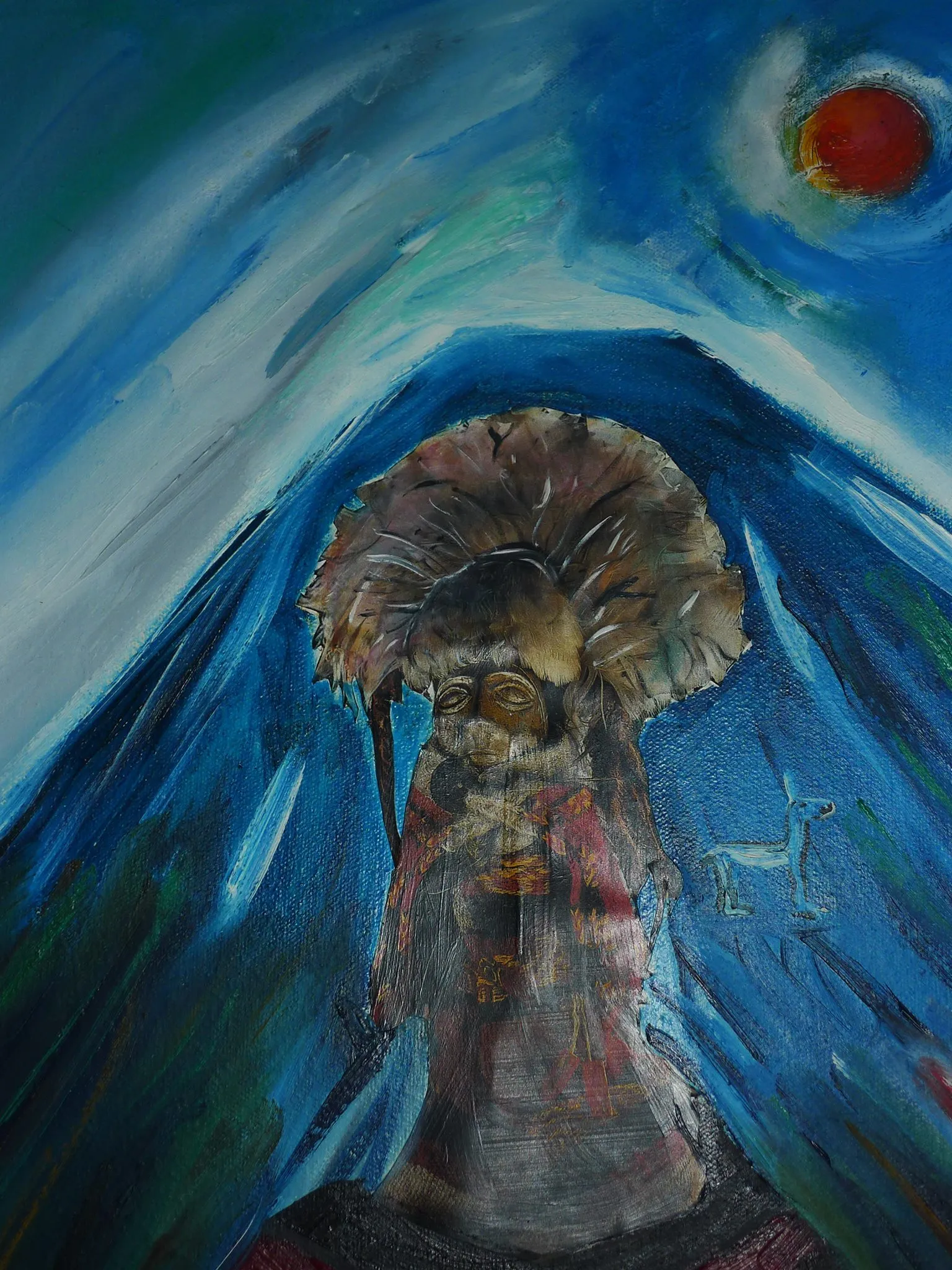
From mid-September to mid-October, Hispanic / Latinx Heritage Month is observed, celebrating the culture and history of Spanish-speakers of either side of the ocean, in Europe and in the Americas.
This month starts off with the observances of the independence from Spain of the Central American Republics – Guatemala, El Salvador, Honduras, Nicaragua and Costa Rica – on 15 September, and Mexico’s Independence from that colonial power on 16 September. Chile celebrates its Independence and Fiestas Patrias on 18 and 19 September.
Also during this month – on 12 October – is the former Columbus Day, observed in Spain, Italy and the Americas. Now this date has different names in recognition of the Indigenous nations that populated the Americas before the 1492 Spanish invasion: Día de la Raza (El Salvador, Uruguay), Día de las Culturas (Day of the Cultures, Costa Rica), Día de la Resistencia Indígena (Day of Indigenous Resistance, Venezuela), Día de los Pueblos Originarios y el Diálogo Intercultural (Indigenous Peoples and Intercultural Dialogue Day, Peru), and Día del Respeto a la Diversidad Cultural (Day of Respect for Cultural Diversity, Argentina).
Synchronized Chaos’ Hispanic / Latinx Heritage Month literary feast also invites the other Latin cousins – French, Italian, Portuguese-Brazilian, Romanian, Catalan – to participate.
So, come join our party! ¡Buen provecho!
In his delightful short story “Mabel’s Library,” Fernando Sorrentino portrays the love of reading and of one’s personal book collection, in both life … and death.
In “Why (Do) White French Institutions Have a Hard Time Admitting The Impact Of Racism/Colonialism In Black Serial Killers’ Psychological Damage?: The Case of Thierry Paulin”, Victoria Kabeya asks a question that is common in this “post-colonial / post-racial” world, that [former] colonial powers proclaim – whether it be France, Spain, Portugal, Britain, the US, or …
Gabriella Garofalo’s “Blue Scenes” is a suite of poems woven with blue and so many colors of lives and their trails / travails. (Read this poem aloud – the rhythm will carry you …). In “Flames in the Wind”, Andrea Soverini captures the spirit of what is life – a perfect allegory for the upcoming Día de los Muertos.

The duality of what heals us – yet poisons us is presented in Diosa Xochiquetzalcoatl’s poem, “Café de la Olla.” Meanwhile, with his pair of poems, Roberto Rocha invites us to his barrio to witness the contradictions that are the “American Dream,” and the realities versus the stereotypes of what a Chicanx is.
With his essay “When the Stars First Came Out – Carmen & Bidu,” Josmar Lopes recounts the life and fame of two great Brazilian singers: the lovely Bidu Sayão, who is virtually unknown in the United States, and the electric Carmen Miranda, who became a Hollywood star.
In “Ballad of the Checkboard”, Ana M. Fores Tamayo asks who should be stepping back – the white or the brown-skinned, pawns in a chess game dictated by a white judge. “Fishing in the Green” is a surreal landscape of different lives / lifestyles existing parallel. “Matrimony” is a celebration of love. In “The Three Fates” / “Los Tres Destinos,” Fores Tamayo meditates on the passing of time … and life.
Despite her mother’s well-founded misgivings, Linda S. Gunther gets to see her father once again, at least for a short while. This “Rockefeller Center Reunion” is a story that is well-known by many children of divorced families.

Diana Magallón‘s trio of images portray dancelike movements across multiple dimensions – trompe l’oeil (trick of the eye), hieroglyphics, and 3-D syncopations quiver with indigenous flair. Magallón and Jeff Crouch then offer a quartet of images that dispel the smoke of “100 Días de Humo” (100 Days of Smoke).
Does dancing cause one to fall into an everlasting love? Daniel de Culla answers that question for us in his poem “El Bailaré” / “The I’ll Dance.”
* This edition was inspired by the work of Fernando Sorrentino as well as the principle of Pan-Latinidad.
Story from Linda S. Gunther

ROCKEFELLER CENTER REUNION

It was early winter 1964. In our one-bedroom Bronx apartment, we sat together, my Nana, Mommy, five-year-old sister, nine-year-old brother, and ten-year-old me, about to have ‘Chicken Delight’ which had been delivered to our door by a teenage boy wearing a chicken suit. My brother and I rushed to the door to get a glimpse of him as he handed the dinner boxes to Nana.

The aroma of the peppery spices they used on the breading filled our tiny apartment as she carried the food into our living room. My mouth watered in anticipation.

The TV was on and in the living room we readied to watch a repeat of the ‘I Love Lucy’ show which aired every Thursday at seven in the evening. Nana handed out the dinner boxes.

Perched on the couch, in her navy-blue pleated skirt and pale blue turtle-neck, Mommy placed her dinner box on the coffee table. She folded her hands in her lap and looked at Nana who sat on the other end of the brown and gold tapestry-covered couch. “We’re having lunch with Monty on Saturday,” Mommy said.

A piece of fried chicken flew out of Nana’s mouth and landed in her cardboard take-away box, something that was far out of character for my usually graceful grandmother. I could barely catch my breath hearing Mommy’s announcement. See my dad after all these years?

I sat in the brown fake leather easy chair, a wide strip of black masking tape hiding a rip my brother made on its arm a couple of months ago. My legs crossed, my dinner box in my lap, I checked my clothes and hoped a cockroach wouldn’t run across my blouse like it had a few nights before.

“Gloria, you sure you want do that?” Nana asked, her eyes narrowed.

“He said he’d give us money,” Mommy replied. “Finally! But not unless I bring the kids with me.” She rolled her eyes and rubbed the back of her neck. “He’s taking us to lunch at Rockefeller Center. You know, that fancy restaurant overlooking the fountain.”

Nana dabbed her manicured fingers on her white paper napkin, picked off another small piece of chicken, and placed it in her mouth.  Ronnie, my brother, eleven months my junior, sat on the throw rug in front of the coffee table, close to the TV screen because of his lazy eye. He stuffed fries one after the other into his mouth and made a grunting sound.

“Ronnie, slow down,” Nana said. “Move to the side so we can all see the TV.” He wriggled his body to the left, losing a few fries on the rug, then swooped them up and shoved them in his mouth.

The show had started. On the black and white TV, I watched Desi Arnaz (1) open his apartment door and call out in his Cuban accent, “Lucyyyy, I’m ho-ome,” his Fedora hat in one hand, a dark trench coat over his arm. I gazed at the screen crushing on Desi. Lucy got on my nerves, especially when she made goofy facial expressions.

“Who knows if he’ll even show up,” Mommy said. “God-damn viper. Haven’t had a cent from him for two years. Bastard!”

“Gloria! The kids.” Nana scolded, glaring at Mommy at the other end of the couch. Pammy, my five-year-old sister, had complained of a stomachache that afternoon when she got home from kindergarten and was fast asleep, sprawled out on the couch between Nana and Mommy.

Mommy opened her take-away box and took a bite of the crispy fried chicken. She picked up a French fry, and threw it back in the box, wiping her fingers on her napkin. My mother didn’t eat much. “I need to keep thin and fit, she often commented. “With this petite frame, I have to be careful what I eat.”

In contrast, my Nana loved food, whether home-cooked or good take away. She was short and full-figured. She sat on the couch enjoying the ‘Chicken Delight,’ two napkins spread out on her lap, her red lipstick as fresh as first thing in that morning. She wore a black wool dress with a red sparkly fake gem brooch at her neckline, gray stockings, and black pumps, in the clothes she had worn to work that day. She had a full-time job making fancy hats downtown in the garment district. Although low paid, she always looked nice, her dark hair sprayed and set in a chin length bouffant.

Even at ten years old, I appreciated chic clothes, yearned to look as fashionable as my Nana. I’d need to get a part-time job as soon as I hit my teens was the thought I often had as a young girl, the same desire I’d bring later into adult life.

As I sat in the chair savoring the ‘Chicken Delight,’ the half-rusted metal radiator in the corner of the living room sputtered and creaked, drops of water falling every few seconds onto the wood floor below. In the middle of winter even with the heavy curtains drawn and the radiator turned up ‘full blast,’ it was cold.

Nana glanced over at Mommy. “Well, you technically left him,” she said, and shrugged her shoulders. “It’s five years. You haven’t let him see the kids even once. This visit might be a good thing all-around.”

Nana closed her take-away box and placed it on the lace placemat which sat in the middle of the walnut coffee table. She pulled a crocheted blanket from the back of the couch and placed it over my sleeping sister, who laid on her side, her legs bent in a fetal position, her hands together tucked under one ear. Her long blonde curls were draped over her face, her mouth half open.

From the easy chair, my eyes traveled across the room where I spotted two copper-colored cockroaches headed down the dimmed narrowed foyer towards the kitchen. It was the downside of living in a Bronx apartment during the fifties and sixties. Cockroaches galore and tiny skinny silverfish bugs I sometimes found in my clothes when I opened the dresser drawer in the morning.

“So, we’re going to see Daddy?” I asked, keeping my voice low-key. I took a bite of the buttered flaky biscuit that came with my dinner.

“Don’t count your chickens too soon, Becky!” Mommy snapped back, curling her lip. “Right now, that is my plan.” She gave me the facial expression I disliked most on Lucille Ball, the same one I dished back to Mommy on occasion.

My brother’s eyes and ears were glued to the TV. He didn’t seem at all tuned into the conversation around him. We sat in silence for a while, staring at the screen where Lucy and Ethel wrapped chocolates as they came down the conveyer.

“The Christmas tree is up at Rockefeller Center,” I said. “We’ll see it Saturday, right?” My goal was to de-emphasize the excitement I felt bubbling inside at the prospect of seeing Daddy. God, I didn’t want her to change her mind which she often did when it came to important events.

“I suppose we will,” Mommy said, her tone flat.

Nana pressed her lips together in disapproval and looked over at me. “Yes, honey. you’ll see that stunning Rockefeller Center tree. That will be nice.”

“Comes at a nasty price,” Mommy barked. “Having to see that damn bastard so we can get some money out of him!”

“Gloria! Enough,” Nana said, and stood from the couch to collect the take-away boxes from each of us.

“Any more fries?” my brother asked, emerging from his TV trance.

“You can have your mother’s,” Nana replied. “She doesn’t eat fries.” She picked up Ronnie’s empty container and passed him my mother’s well-stocked one.

On the TV screen Lucy and Ethel were side by side, bent over the conveyer belt which was moving as fast as a galloping horse. They frantically stuffed chocolates in their mouths and inside their factory uniforms. My brother spit out a French fry, emitting a belly laugh as he dropped more fries onto the throw rug and snatched them up as he rolled around out of control.

I opened my library book, ‘The Good Earth’ by Pearl S. Buck, and looked at the reading comprehension worksheet where I had to answer questions for my fifth-grade homework assignment. My stomach flooded with butterflies. My mind wondered what it would be like to see Daddy. Would I even recognize him? I remembered that he resembled Cary Grant; tall, handsome, warm dark eyes, that Mommy and Nana referred to him as Monty, that his formal given name was Henry Junior and that he’d been a World War II fighter pilot.

I tried to concentrate on the questions on my worksheet, started to draft possible answers in my head but didn’t attempt to write anything down. I avoided writing in front of my mother unless I was willing to struggle. I was a ‘lefty.’ If she caught me, she’d immediately berate me. Are you possessed by the devil?” she’d say, grab my pencil and push it into what she called the ‘correct’ hand. To steer clear of her angry words, I learned to use my right hand when in her presence, but only when I was forced to write in front of her. When she’d enter a room where I was doing homework or jotting events of the day in my diary, I’d quickly switch hands. That’s how I became semi-ambidextrous.

During Open School Week, which happened twice a year, it was always uncomfortable for me. Mommy spent one full day in my classroom, which meant I had to use my right hand for hours at a time. But there was an upside. Somehow, that developed ability made me feel powerful, flexible, adaptable. Was Daddy a ‘lefty’ like me? I thought as I sat there looking at my school worksheet and listening to the TV show.

Two long days before we’d get to see him. My fingers were crossed. I walked on eggshells with my mother, in a good mood, with no defiance. On Friday, the night before we were scheduled to take the ‘D’ train downtown to Rockefeller Center, crammed in the queen-sized bed between my sister and mother, I thought about what to wear the next day to impress Daddy, make him proud of his eldest child. I had my navy-blue dress coat with the gold buttons. That was a ‘definite,’ and probably my red jumper and soft white mohair sweater underneath. My navy-blue tights and patent leather Mary Jane’s would be a nice complement.

Would he hug me? Kiss my forehead? I ran through a series of questions as I battled to fall asleep so the morning would come quickly. Does he love me? I prayed that my mother wouldn’t change her mind. In the corner of our bedroom, on his cot, my brother made slurping noises as he sucked on his thumb. I didn’t get much sleep that night. I found myself grinning up at the dark ceiling as I imagined seeing my Daddy at Rockefeller Center, running into his arms. It might turn out to be the best day of my life.

We arrived at the restaurant at Rockefeller Center exactly at 12:30 the time Mommy said we’d meet Daddy at the restaurant. The dining room was spacious, centered with a crystal chandelier, white table cloths and napkins, and lots of silverware on every table. Soft music played, a classical piano solo. Once led to our round table by a pretty woman in a red dress, I noticed that there were so many glasses of all shapes and sizes. I counted ten - double what we needed for five of us.

My mother requested a high chair for my sister who sat between me and my mother. Pammy banged her spoon on the wood tray top. Although five years old and in kindergarten, she acted like a toddler in many ways, truly the baby of our family. I didn’t understand why she needed a high chair for her. It seemed ridiculous to me.

I stared at the menu wondering if I should have the burger or something more elegant but I didn’t know what escargot was or Caesar salad or chicken cordon bleu. I’d likely stick with the cheese burger and fries, hoping the fries weren’t crispy skinny things like I heard they did in France. We weren’t in a French restaurant but the menu sure looked foreign to me. Maybe when Daddy arrived I could ask him to explain some of the weird dishes to me.

My mother pulled out her make-up mirror and freshened her lipstick, tried to shape a wisp of her dark hair into a curl. She touched a fingertip to her tongue and twisted it around the strand of hair. She looked at her watch. “He’s twenty minutes late. Bum.”

My brother took a pack of chewing gum from his pocket, leapt from his chair and over to the floor to ceiling picture window that swept around the restaurant. We had one of the best tables, and could see the Rockefeller center fountain, the giant Christmas tree, and in front of both, the oval skating rink. I was disappointed that the tree was not yet decorated but then remembered that they wouldn’t have lights and bulbs completely up until the Wednesday after Thanksgiving, still several days to go.

A waiter dressed in what looked almost like a tuxedo came by and whispered to my mother “Pardon me, but can you have everyone sit in their chairs and not touch the windows with their hands?” He pointed to my brother who was rubbing the window, his thumb wet with spit. “Thank you, Madam,” the waiter said and walked away. My mother ignored his request and tapped her fingers nervously on the table.

“Bastard,” she said under her breath. Thirty minutes late. Her finger-tapping got faster and louder. Pammy wouldn’t stop banging on the high chair tray with her spoon. Ronnie took the chewing gum out of his mouth and stuck it on the window. A woman wearing a fox fur wrap at an adjacent table stopped the conversation she was having with a man with a gray mustache, and looked over at my brother.

“What a rude boy,” she said. The man shrugged.

“Ice skaters,” my brother shouted, jumping up and down.

“This is ridiculous,” my mother said, “I’m taking Pammy to the bathroom. She stood and lifted her out of the high chair. “Becky, stay here!”

Pammy cried out, “I want sister to take me.” She reached her little hands out to me.

“Becky’s not your mommy,” Mommy said and kneeled down in her Navy-blue pleated skirt to pull up Pammy’s pink knee socks which had sagged down almost to her ankles on the walk from the train station to the restaurant. “Becky doesn’t love you like I do,” Mommy added, giving me a curt smirk.

She took Pammy’s hand and looked over at my brother who was busy pressing his index finger into his chewed wad of gum stuck on the window.

“Ronnie, you need to tinkle?” Mommy called to him.  He nodded, flattened the gum in an oval on the finger-smudged glass and followed behind them. The woman at the other table shot me a dirty look. I got up, picked up my starched white cloth napkin, walked around the table to snatch the grayed gum from the window.

Once I sat back in my chair trying to avoid any more evil-eye from the woman, I turned my head to gaze out the window at the skating rink. I watched as a little boy wearing a red knit cap and long red scarf fell down on the ice. A man picked him up and steadied him, keeping a hold on the boy’s waist from behind as he tried skating again but with parental support; something I often wished I had as a little girl.

I looked down at my Cinderella watch which was three years old, its once pink leather strap faded to a dirty white color. It was 1:09 and Daddy was supposed to have arrived at 12:30. Thirty-nine minutes late. My stomach growled. I turned back to the table to take a sip of water and saw a man walking towards me wearing a brown leather jacket and tan slacks that had little tucks at the waist. His shoes were bark brown a shade darker than his jacket. I thought maybe they were Cordovans, like the ones I had seen in the shoe store window a week before. He was well-dressed yet casual and I liked that. When he reached the table, he smiled, his teeth gleaming, his brown hair shiny, a widow’s peak at the middle of his forehead. He had dark brown eyes that seemed to bulge out just a little. He wasn’t that tall, maybe 5’9” or a bit more, had broad shoulders and was neither fat or thin. Not a Cary Grant look alike but definitely decent enough to be my dad.

He pulled out the chair across from me and stood behind it. “Becky, I presume?”

I nodded and bit my lower lip. My mother appeared at the table. She came up really close to him, my brother and sister behind her.

“You’re a jerk making us wait this long.” She poked her finger several times on the sleeve of his leather jacket.

“Gloria, I got stuck. Alright? Shoot me.” He took off his jacket, put it around the back of his chair and sat down.

“You’re a loser, Monty.” Picking up my sister in her arms, she came around the table and put Pammy back in the high chair. My brother went back to the window where he had stuck his gum, shrugged when he didn’t see it and rushed back to our table to sit in the velvet blue cushioned chair beside me.

“Are you really our dad?” Ronnie asked.

“I am. And you are Ronald?” Daddy had a deep voice like Rod Serling, the man on The Twilight Zone TV show.

“Nobody calls me that,” my brother made a face like he hated the taste of something. “My name is…”

“Ronnie, that’s what we call him,” Mommy interrupted. “That’s how the god damn world refers to him,” she said, her voice raised, high-pitched. My father looked down at the silverware on the table, opened the cloth napkin, and placed it on his lap.

“You know absolutely nothing about your own kids,” Mommy said.

“Only because of you.” His eyes narrowed. “Five years you didn’t let me near them.”

The waiter approached. “Ahh, everyone is here. Ready to start with some drinks?”

“Gin and tonic for me,” Daddy said.

Mommy shook her head. “Figures.” She looked at the waiter. “I’ll have a soda water with a slice of lime, please. And three lemonades. You have lemonade?”

“Yes, we do,” the bald-headed waiter replied. “We don’t have a children’s menu here, but you’re welcome to ask for a half order of any entrée at half price or we can also do split dishes.”

I grinned. He was trying to be really nice after a stern request that Ronnie stop with his sticky fingers on the window. The waiter noticed and gave me a wink.

“Any specials?” Daddy asked.

“Yes sir. The ribeye is a specialty on weekends and today served with a red wine mushroom reduction, baby carrots and garlic mashed potatoes. And we also have a second special, Spaghetti Bolognese.

“My lucky day,” Daddy said. “I’ll take the ribeye. Medium rare.”  I noticed his dimples when he smiled which made him look more handsome though not at all like Cary Grant.

My mother seemed flustered that Daddy had won over our waiter. She rolled her eyes and slapped the napkin down on her lap.

“Cheeseburger,” I said, “with French fries.”

“Me too,” Ronnie shouted.

“And they’ll have their own, no halving needed,” Daddy added.

My sister smacked her spoon on the high chair tray. “You’re our Daddy, she sang out. “Yay, we have a daddy. We have a daddy.”

“I’ll have the chicken piccata,” Mommy said. “No potatoes, just extra vegetables. And my youngest will have a hamburger on a plate, no roll, and no cheese.”

“She doesn’t eat cheese?” Daddy asked.

“Pammy doesn’t like any kind of cheese,” I said.

“Oh, that makes sense,” he said. “I’m the same.” I smiled.

Mommy folded her arms across her chest and sat back in the high-backed chair, shaking her head. “You’re worthless as a father,” she said, her tone sharp.

The waiter cleared his throat. "I-I guess we’re all set on lunch selections?” He closed his order pad and picked up our menus. My father nodded, his face red with embarrassment.

When the waiter was gone, Daddy tapped his fingers on the table and glared at her, “Gloria, did you have to do that? What’s wrong with you?”

 “So, you have the money with you?” she said. “The thousand you promised?”

“Can we have a nice lunch first? Yes, I have the money with me.”

My sister threw her spoon on the floor. The busboy arrived with our drinks. I handed Pammy her glass of lemonade, put a straw in it and gave her my spoon. Daddy downed his gin and tonic in two gulps.

“You’ve got three kids but you don’t give a crap,” my mother said, her voice loud.

The woman in the fox fur at the next table looked over at us. Her red painted fingernails were wrapped around her martini glass, her giant diamond ring glimmering. She looked old but her cheeks were rouged and the skin on her face tight.

“Mommy, did you take your pill?” I tried to whisper but the words came out too loud.

“Your pill?” Daddy said. “You do need to calm down.” He tilted his glass, and crunched on an ice cube, shaking his head.

She leaned across the table. “Do you have a clue what it’s like raising three kids on your own?”

“Do you know what it’s like listening to you?”

My chest tightened. I took a few sips of lemonade and a deep breath, hoping things would get better.

The food arrived. It all looked delicious. The French fries were perfect. “Anything else I can get for the table?” the waiter asked.

Daddy raised his glass. “I’ll have another round,” he said. The waiter nodded and left.

“Still a drunk, I see,” Mommy said.

I looked at Daddy, my eyes pleading for him not to react. He didn’t. Instead, he cut into his ribeye. The red juice oozed out on his white plate. We were quiet as we ate our lunch, except for my sister. She poured salt and pepper into her glass of lemonade, and mixed it with the spoon, then took a few slurps before adding more condiments to the mix. She seemed to do this every time we ate out to get attention.

The busboy cleaned off our table at the end of the meal. Daddy had finished his second gin and tonic. Pammy sat in Mommy’s lap tapping the spoon on her sleeve.

“Let’s have some dessert,” Daddy said. “Gloria, can you order me some coffee? Just going to the toilet.” He got up and half-folded his napkin on the table. I could see the inside of his leather jacket on the back of his chair, a light tan fabric with black airplanes sprinkled across the lining.

“Not surprising you need coffee,” my mother said, “with that much liquor."

Daddy came around my side of the table before he went off to the toilet. He tousled my hair and gave me a quick peck on my cheek. “You’re beautiful. So grown up,” he whispered in my ear. I giggled, feeling like a million dollars. He walked away.

Mommy ordered each of us an ice cream sundae.

“Extra cherries?” the waiter asked.

My mother shrugged.

“Yes,” I said, “and Daddy wants coffee.” The waiter nodded. It was a few minutes before our dessert arrived. The busboy lifted a pot to pour coffee for Daddy who hadn’t yet returned. I watched the brown liquid flow down into the white ceramic cup. It seemed to cascade in slow motion. A splash hit the white tablecloth which the busboy tried to wipe away with a small towel. But the dark stain remained.

It had been more than ten minutes since Daddy had left the table. My brother and I finished our sundaes. Mommy put my sister back in the high chair and helped Pammy pick at her sundae. Ronnie went to the window and pressed another wad of gum to the glass. I looked at my Princess watch. It was fifteen minutes, maybe almost twenty since Daddy left the table.

“Can I eat the two cherries on Pammy’s sundae? I asked. It was my attempt to lighten the mood. I don’t think she heard my question. Her eyes were fixed across the table on Daddy’s empty chair. I noticed her swallow hard and then take a long sip of water.

“Mommy,” I said. “Do you think Daddy’s coming back?” She looked over at me, her eyes brimming with tears.

The waiter placed a black leather folder near the edge of the table, and picked up some plates. He eyed Daddy’s chair and raised his eyebrows, then looked at my mother. “Here’s your bill but please take your time. I hope you all enjoyed lunch,” he said.

“H-he didn’t pay it?” Mommy asked.

The waiter shook his head. “No, he didn’t. But he must be coming back,” he said pointing to the empty chair. “His jacket is still there.”

“I don’t think so,” she muttered.

The waiter didn’t seem to believe her. “No problem, I’ll return in five minutes or so,” he said and hurried away.

Mommy stood up, grabbed Daddy’s jacket and searched the outside and then inside pockets. She threw the jacket on the seat of the empty chair, and sat back down. Opening her handbag, she pulled out her wallet and extracted money – two $5 bills and three $1 bills. She closed her eyes and gritted her teeth.

Is that why Daddy pecked my cheek before he left? He was saying good-bye?

In the high chair, my sister made noise with her concoction of lemonade, pepper and salt. She got up on her knees, reached to the table and snatched up two packets of sugar. After ripping them open, she emptied the contents into the glass, stirred furiously, the metal spoon clanging on the glass.

Even at ten years old I’d sometimes got headaches. The sound of that clanging brought on a dull pain behind my eyes. My mother put her elbows on the table, and dropped her head in her hands. Her shoulders trembled.

The waiter approached. “He didn’t come back?” he asked gently. Mom looked up, her mouth half open, her eyes in a squint. She was struggling but I didn’t know what to say or do to help. Inside, I was a mess. My thoughts swirled with confusion.

“Madam, would you like to speak privately with our manager?” the waiter asked.

“I-I’m so sorry, she said. “He’s such a jerk.” She exploded, her voice getting louder as she spoke, her head wagging back and forth. “Son of a bitch. Son of a bitch.” She opened her handbag and yanked out the money she had counted earlier. “I don’t have close to seventy-nine dollars.”

The woman at the next table who had chided my brother stared at us. Her red lips were smeared from drinking martinis. She shot us a look of disgust, her eyebrows raised, shook her head and seemed to grin privately to herself.

Our waiter glanced at the woman. He patted Mommy’s hand. “Madam, let’s see what we can do,” he said in a hushed voice. “Please come with me to speak with my manager.” Mommy clutched her handbag and stood up.

“Would you children like some more lemonade?” The waiter asked.

“Yes,” my brother hooted. “I’m still thirsty.”

As the waiter and my mother walked away, I felt embarrassed, ashamed, like everyone around us was staring. Daddy never did return to the table. In a few minutes Mommy came back, the waiter close behind her. He picked up the black folder containing the bill and pressed it to his chest. “I wish you a happy Thanksgiving and a merry Christmas,” he said, and quickly left.

Mommy pulled Pammy from the high chair and rushed us out of the restaurant leaving Daddy’s leather jacket on the chair. I wished I would have taken it with me, some proof that he was there.

We walked the three blocks to the train station and took the “D” train back to the Bronx. Pammy fell asleep on the long seat, her head on my lap, my mother between me and my brother who sucked his thumb and rocked with the motion of the train. Mommy didn’t say a word for the whole forty-five-minute journey. She stared straight ahead, her hands folded in her lap, her eyes slowly opening and closing as if in a trance.

As the doors slid open at the 125th Street train stop, I placed my hand on top of hers, something I didn’t remember ever doing before. People rushed out. A crowd of teenagers jostled in, laughing and shouting, taking all the vacant seats around us. A few of them stood holding onto the leather straps hanging from the train car ceiling.

The doors banged shut. I kept my hand on my mother’s clasped hands and moved my fingers gently back and forth. In that crowded train car, maybe for the first time in my life, I wanted her to know that I was there for her.
Footnotes
(1) From the 1930s until the mid 1970s, Desi Arnaz, born Desiderio Alberto Arnaz de Archa III (1917-1986), achieved prominence first as a musician and later in film and television. After leaving Cuba in 1933 due to the arrival of the Batista government, Desi and his mother fled to Miami where his father later joined them.
Desi Arnaz joined Xaiver Cugat‘s band in 1934 and toured with the group before striking out on his own. Earning renown as the “Miami Rhumba King,” the musician and eventual bandleader went north to perform in New York nightclubs. Later in life, Arnaz taught classes in studio production and acting for television at San Diego State University. He also served as the United States ambassador to Latin America under Richard Nixon. Arnaz’s autobiography, A Book, was published in 1976.
(2) When the Great Migration from Puerto Rico to the mainland began in the 1940s, thousands of Puerto Ricans settled in the South Bronx. Between 1946 and 1950, over 100,000 Puerto Ricans arrived in New York City paving the way for the city’s first sizeable Hispanic population yet still considerably less than 1% of New York City’s population at the time. Today the Bronx is a predominately Hispanic/Latino borough with 54.8% of the population identifying as such.
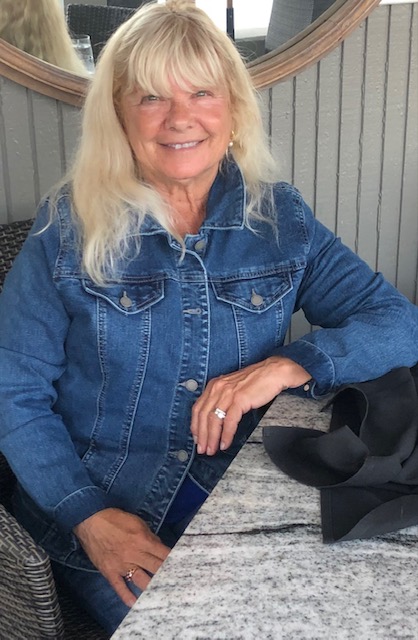
Linda S. Gunther is the author of six published suspense novels: Ten Steps From The Hotel Inglaterra, Endangered Witness, Lost In The Wake, Finding Sandy Stonemeyer, Dream Beach and most recently in 2021, Death Is A Great Disguiser.
Her short stories have been featured in numerous literary publications. Linda’s passion for travel and continuous learning fuels her fire to create vivid fictional characters and unforgettable story lines.
Poetry from Roberto Rocha
Strange Chaos

I was born into a world
of strange chaos
a planet built for gypsies
and sojourners
and those who chase
vagabond dreams
Everyone following their own voice
dancing awkwardly
to rhythms that possess
the soul

A world where dogs wear sweaters
and children freeze to death
in the streets
The American Dream
the stuff that nightmares
are made of
where evil is rewarded
and good is mocked
an existence of opposites
and danger
where the vulnerable
get caught in the dark
out in the
cocaine rain
with devils looking for shelter
and angels scoring weed
the sirens wail endlessly
but get lost in the noise
camouflaged with the silent sounds
of shattered dreams and lost hope
lovers that come to the end
of their rope
love is a luxury
faith is a gamble
when your life is in shambles
in this world of strange chaos
where everyone has the copyright
on truth
and the affluent get to rewrite history
and erase
race
and erase you
Thanks for playing
but you’re the wrong color
your pigmentation is the wrong shade
for this nation they are creating
or attempting to recreate
built on hate and fear
they love the food
they just don’t love you
Still, you take the chance
and they send you back
over the fence
Who do we go to
Where is our aid
thought I’d reach out to my neighbors
but I don’t know their names
All the doors are locked
and their doorbells
scan my face
“just leave the package on the doorstep
then turn and walk away”
All I want is some friendship
all I need is some grace
I keep looking for mana
to fall down with the rain
but it never came
and now the shelters are closed
the devils have taken their place
and I keep on walking
thankful for the voices in my head
that have become my best friends
but they keep asking for things
that I can’t afford to give
What is the going price on a human soul
that’s been out in the cold
spiritual frostbite
and feels nothing no more
I’m sleepy but I’m woke
this strange chaos
ain’t no joke
It’s all I can do
to stay afloat
the GPS is broke
I know where home is
I just don’t know how to go
From point a to point b
Oh, say can you see
that I’m crying out
willingly
from a modern world
that is still in the stone age
smearing the ink on every page
written by the tender hearted
outsmarted
by those who have no conscience
nor soul
selling our faith to the lowest bidder
just to feel
like we belong
Yes, I was born into this world
of strange chaos
the world that I call
home
My Chicanismo

The neighborhood
where it all begins
where it all began
Everything I’ve ever needed to know
I learned
in the neighborhood

Chicanos
we call it the barrio
not only khakis and Stacy’s
but our kind of Chicanismo, too
blue jeans, Chucks,
and whatever shirt
was clean enough to wear

I wasn’t any different than you
rice and beans
on the stove
although we also had days of
fish sticks, tuna sandwiches,
and banana pudding
tortillas with cheese
and chocolate milk
my personal breakfast of champions

I didn’t realize I was different
until you told me I was
creating the void inside
and a loss of identity
that still lives and breathes today

“You speak Spanish?”
“I thought you were Anglo!”
“You hardly have an accent!”
“But you have green eyes”
“You’re so light skinned!”
“You’re not Catholic?”  “What’s a Methodist?”
“You put ketchup on your tamales?”
“You’re not a REAL Mexican!”

What am I, then?  Who am I?
Mexican?  American?  Tejano?
Latino?  Hispano?  Chicano?  Latin/X?

Am I even here?  Do I exist at all?
Am I “real?”

I thought I was always just “me”
I wasn’t trying to be anything

I thought I just “was”

I believed I was one of you
in the neighborhood
where barrio blood
is thicker than mole
I was never made aware of
the criteria required
to be one of you
one of “us”
I didn’t know the things
we had in common
made us legitimate
Chicanos, Hispanos,
or whatever
things like taking mom an egg
from the fridge
and not Tylenol
when we had bad headaches
tacos, telenovelas
speaking loudly with our hands
art, music, poetry
faith
pictures of Jesus everywhere
and cheap drugstore art
in the house
coffee and pan dulce


I went to church
and everyone else
in the world around me
went to Mass
Pre-destined to be
a dreamer
struggling in school
with my head in the clouds
visions of guitars
and cheering fans
waking up to bad grades
and esteem issues
like you
only wanting acceptance
needing love
searching for me
in you
but the lens is warped
and the image is inaccurate
compromised
and the club isn’t accepting
any new versions of its members
at this time
now, from son to father to
grandfather,
I have always only been “me”
I don’t wear green contact lenses
I don’t see the world in green

my skin’s pigmentation
the shade of ancestors
I never knew
but tattooed me with
their truth
my pre-mature gray hair
a maternal inheritance
and my grandfather’s crown

whoever I am
whatever I am
the color of my soul
is Brown
my spirit sings the songs
of our border people
my soul was baptized in the waters
of the Rio Grande River
my eucharist is also
blood and blue corn
can’t we just have communion
can’t you see that I’m your brother
whatever color the box says
I come in

don’t look at my face
listen to my voice
I speak your language
I sound like you
speaking truth, love,
and hope
despite the struggles and hardships
we all face
I fall and rise
and rise again
just like you
with the sounds of guitars
and accordions softly playing
in the background
shuffling over the bean pods
from the Mesquite trees
that fall at my feet

I believe in Jesus Christ
and the practice of curanderismo
the lives of the saints
and the existence of brujas
that there is poetry in every moment
and a song in every heartache
I am sold on the idea that passion
between two lovers
and love is the best chance
that any of us has for peace in the world
Who am I?  What am I?

I am a human being and God’s beloved creation.
I am an American of Mexican decent.
I am Chicano. I am a border child.
I am Tejano.
I am green-eyed and light skinned.
I like salsa and ketchup on tamales
and tortillas with butter
I am a lover and a revolutionary
a sinner saved by grace

I am your brother
and without a doubt
one of “you”

one of “us”
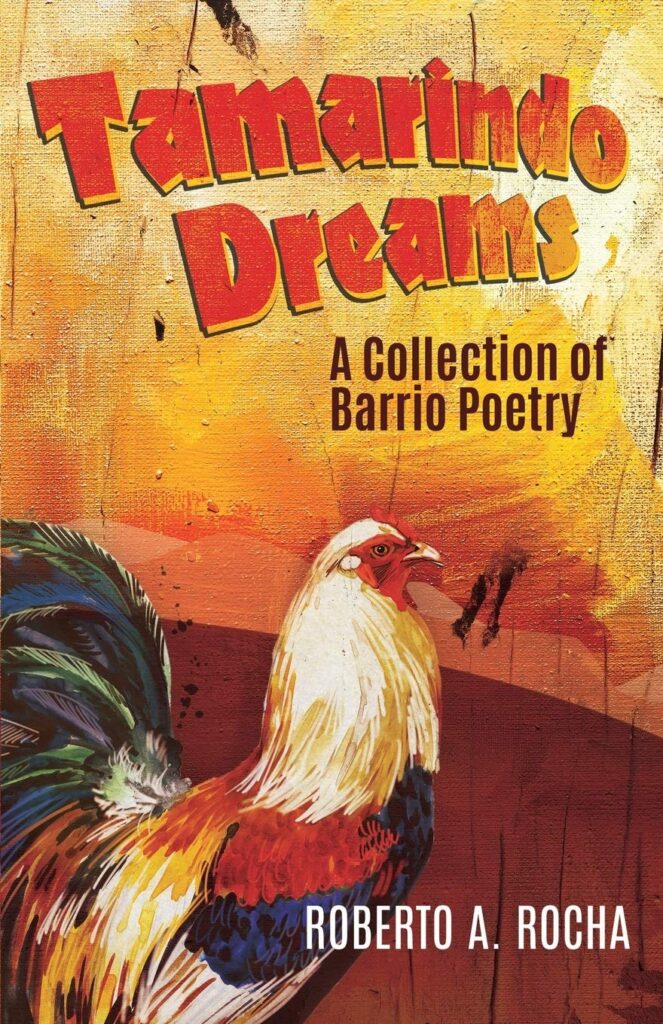
Roberto Rocha is the author of Tamarindo Dreams: A Collection of Barrio Poetry. He is a native of the Rio Grande Valley in South Texas, where most of the inspiration for his writing comes from.
Poetry from Ana M. Fores Tamayo
Ballad of the Checkerboard

A white man wearing judges’ robes
was standing in the midst of all that brown,
next to some rabble rousers, all incensed.
These firebrands came to speak up for the brown Garcia family,
although they did not know the murdered man.
These instigators were the only other whites,
as far as I could tell,
although I thought they were a bit inane,
these open carry types.

They caused a real ruckus.

These fatuous fools started chanting
while another white man dressed in uniform
standing upright, by the podium,
told them to please consider shutting up.
The browns looked on, shamed-faced.
But the poor white trash bellowed they would never quiet down.
Never give their floor to freedom without guns.

The white man judged again,
told them to suppress their thoughts or go away,
yet seeming to confuse his words,
he roared: go back to your own country,
where it is that you belong.

Was he speaking to the browns or to the whites?
.
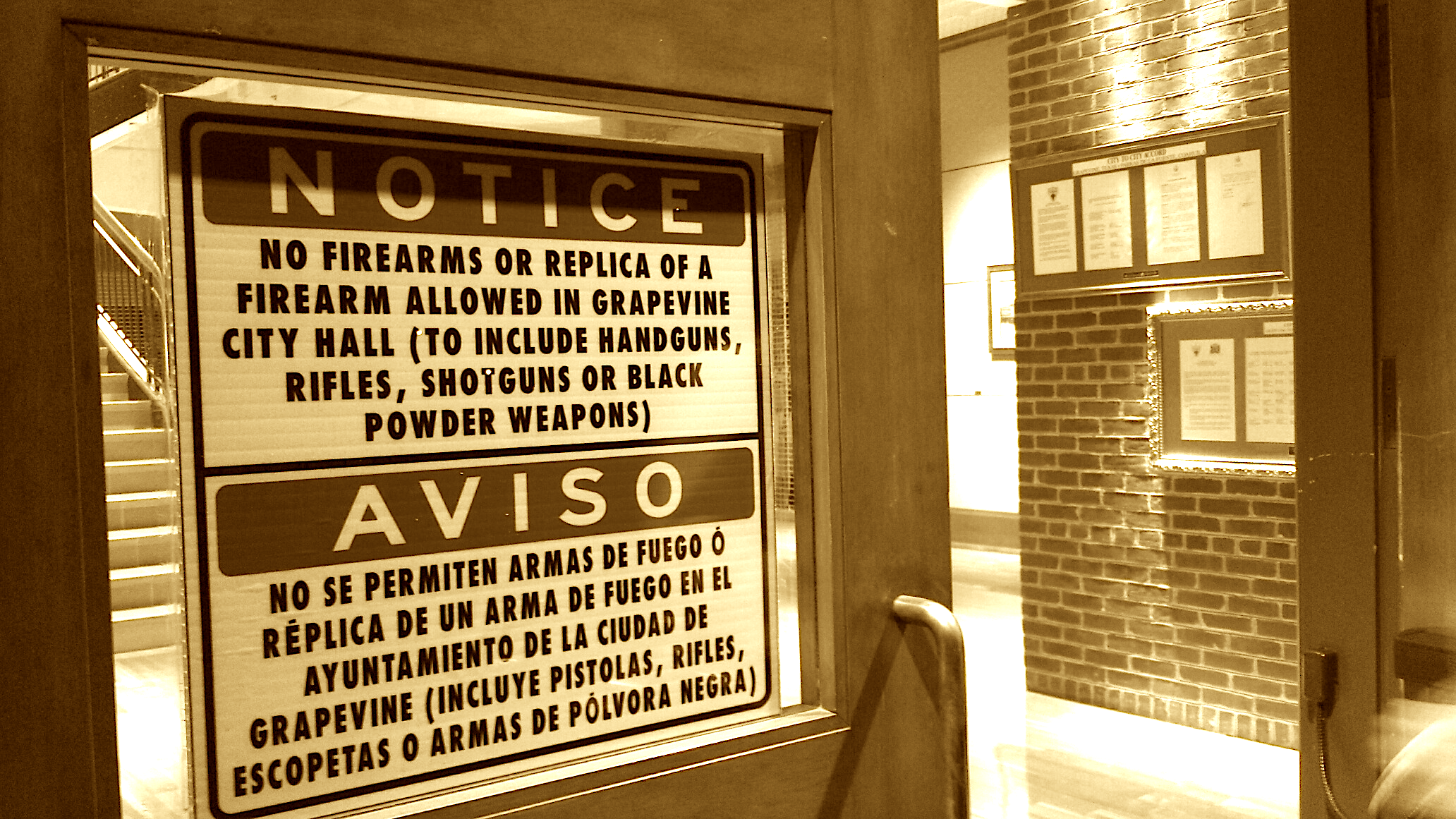
Lucky it was City Hall I guess,
and folks were calmer overall
than any other place where riots take a turn…
The whites resumed to yell and scream:
but we are white, we are supreme,
we do belong here:
what of you?

The browns looked onward,
shunning the clashing clique,
lamenting no one came to mourn
their son their brother their lover friend.
This refuse only came to make a point of their big guns,
using poor folks’ murders to lay some blame.

But still, they could not take away the grief unfolding
of that sorrowful brown hued girl,
her four young children grasping at her skirts,
crying for their own lost daddy,
their loved and lost best friend.

Oh my.
Fishing in the Green

Two bleached blond heads standing by
the midst of green-manicured lawns
gently sloping the golf balls
peeking near a hole-in-one.

Erect and standing tall, boy and girl
look over the vast verdant sea
searching for blue, a blue dot in that endless jade
where they can dip their poles into:
long, thin, expert poles
with string ready at the bite to get that fish…
but in the green?

Close by the boy’s shiny steel-blue truck
pridefully shining in the sun stands still,
holding all that fishing gear,
the buckets to keep the fish once they’ve bitten their bait,
the bait to tantalize the fish…
but wait:
in the green?

Innocence spreads the smiles of boy and girl
as they search high and low for a spot of blue
wishing to find in that glorious green,
that shining viridian splendor,
that artificial semblance of nature.
Yet near the gleaming azure pickup
bulging with its equipment gifted by mommy and daddy
to that blond boy and girl
who innocently search for that spot of blue
within the chartreuse expanse,
there is another truck,
beat up, rusted, brown or red or dirty conch
with equipment falling out its sides:
vacuum cleaners, tires, metal boxes to fix
every handyman’s troubles.

The brown-headed couple divide and conquer.
The olive-skinned female shoulders the vacuum,
her long shining braid glistening in the sun.
She trudges up the grand entryway of an imposing mansion
next to the green.
The swarthy, bronzed fellow departs,
leaving his partner at the door of this dynasty,
her vacuum cleaner upright
as he heads to the golf course
to begin his work in the rising heat.

Weary even before the start of day
the woman rings the doorbell, ready for labor.
Next to the manicured golf club,
Next to the rolling hills brandished in turquoise,
next to the hole-in-one, she smiles sadly
at the white woman opening the door to let her in.
Already inside the clipped and pared golf club,
looking beyond the gentle slopes wielding in sage
next to the hole-in-one, the man scoffs bleakly
at the teal expanse his lawn mower must travel today.

All the while the two bleached blond heads
beam at each other, at the splendor of a beautiful day,
at the unnatural beauty of their gargantuan golf dream,
at the perfect presents their mommy and daddy bequeathed them,
today –
their erect and shiny fishing poles –
a bit misfit in that sea of green.
Friends

Friends, whimsy of time slipping by
not grasping its fading flight.
Cafecito sipped slowly while we chatter,
laughing at the girl & boy in that telenovela
we missed during yesterday’s 30-minute session
while we gossiped endlessly…
Can’t recall the soap opera’s name
yet I remember the delicious secrets we discussed
while watching all that nonsense:
our children’s angst and joys,
our woes at getting so much work done against the grain—
orals taken, PhD drafts finalized,
recommendation letters always pending.
We thought we were indestructible, you and I,
our friendship would outlast it all—
absent husbands and Disney World and whining kids,
swimming pools and sandy beaches with doctoral theses
and comprehensives sinking our deliberations…

I see a passing Facebook reference to one exquisite child,
a woman now: I cannot distinguish one daughter from the other.
Do you have the same trouble with mine?
Was I that good a friend if I cannot recognize your children all grown up?
One husband divorced, school completed, job evaporated, country ousted.
New life underway: me not in it.
Life goes on. You went to another post. I left too.
Who were we to say that life would hold us close?
Or did all those grad school years belie my dream of friendship?

I got your Christmas card today wishing me a Merry Merry.
Picture perfect card with all the trimmings of a life fulfilled:
grandchildren now, striking family, stunning home by a lovely lake.
New husband, not the one you fancied in our youthful innocence.
But our dreams, our ideals?
Long ago we were the best of friends; yet now?
When I drink my cafecito I often think of you,
and that telenovela we never finished.
Matrimony

Meandering annals traipsing rings in measures of nonsensical yesterdays at last, we realize too late the passage of time:
thirty-seven years of happiness and pain and love within existence
rambling through the years fumbling along, acquiring experience
including our bounty, our existential plight, our joy in being,
mooning over our love our children our pain our physical angst
only to realize, laughingly, what we knew the minute we met, that
nothing can replace our love – not money, not physical goods, not ethereal wants –
you are the only one for me, as I am for you: always in resilience …

© Everyday Celebration 2021
The Three Fates

It’s strange this feeling of emptiness
Nothing going nothing doing
Life goes back and forth.
Desires like the heavy clock tick forward,
backward
tolling into circumstance.

The wanderer does not hear the wife’s lament
But he cries into the night
That she is right:
And so it goes.
And so I'm done.

Life is a …
Sita singing blues?

The frost born sea
Scrapes naked shoulders bare.
Yet I howl the full moon barren
in my unprotected sin
and pray the ice melts storms of wickedness to
liberate my lips
so I can shear my trespassed dreams,
Embroidering infinity thrice over,

one tick forward, one tick back, one tick...

The socks slide down
the knees get scraped.
The elbow grease gets waxed.

Oh the teaching makes no sense
When nothing gains in knowledge
When no one knows what happens
When not one soul can fathom love.

And so I sit alone tick-tocking socks
And stitching bookends
like the three fates making time.

An interpretation, not a translation
(because translation is never poetry)
Los tres destinos

Es extraño este sentimiento del vacío.
Nada camina, nada se hace:
la vida va y viene.
Deseos como el pesado reloj avanzan,
hacia delante, hacia detrás
doblando a las circunstancias.

El vagabundo no escucha el lamento de su esposa.
Pero le llora a la noche
que tiene ella la razón:
y así continúa todo.
Y así termina todo.
La vida es una …
Sita cantando “blues”?

El mar parido de los hielos
raspa hombros descarnados.
Sin embargo, aúllo a la estéril luna llena
en mi pecado descubierto
y rezo que el hielo derrote las tormentas de maldad
y libere a mis labios secos
para esquivar mis traspasados sueños,
bordando el infinito tres más veces,
una marca hacia adelante, una marca hacia detrás, una marca...

Los calcetines se deslizan hacia abajo,
me raspo las rodillas.
El que nunca llora, nunca mama.
Pero no hay sentido en la enseñanza
cuando nada gana recompensa,
cuando nadie sabe lo que pasa,
cuando ninguna alma puede comprender amor.

Y así me siento sola haciendo tictac de los calcetines
Y punteando sujetalibros
como tres destinos tejiendo infinitud.
Being an academic not paid enough for my trouble, I wanted instead to do something that mattered: work with asylum seekers. I advocate for marginalized refugee families from Mexico and Central America. Working with asylum seekers is heart wrenching, yet satisfying. It is also quite humbling. My labor has eased my own sense of displacement, being a child refugee, always trying to find home.
In parallel, poetry is my escape: I have published in The Raving Press, Indolent Books, the Laurel Review, Shenandoah, and many other anthologies and journals, both in the US and internationally, online and in-print. My poetry in translation with its accompanying photography has been featured in art fairs and galleries as well. Peregrina, only in Spanish, was just published by Ediciones Valparaiso this June 2022.
I hope you like my art; it is a catharsis from the cruelty yet ecstasy of my work. Through it, I keep tilting at windmills.