SF Count Wardal TV Show 300 episode: the legendary Maecenas Adriano Aragozzini
Patron of the Sanremo Festival announces his film on Gina Lollobrigida
——-
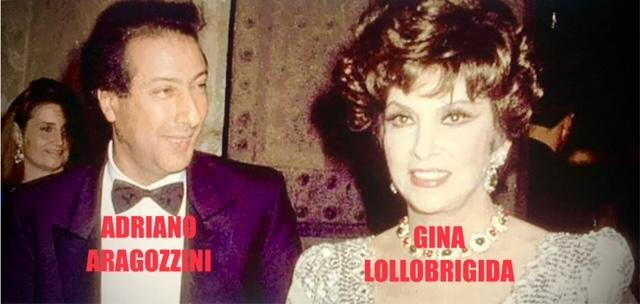
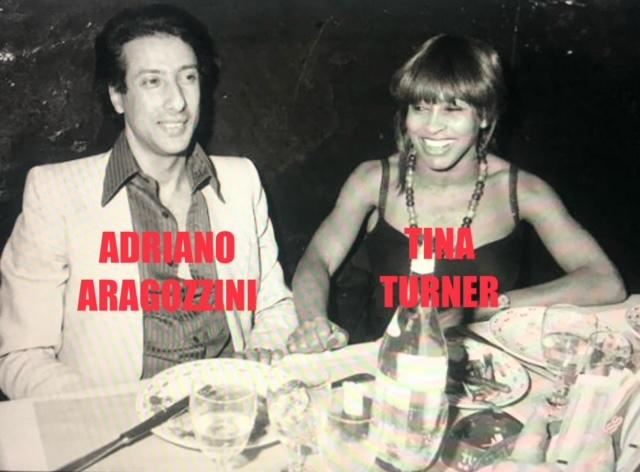
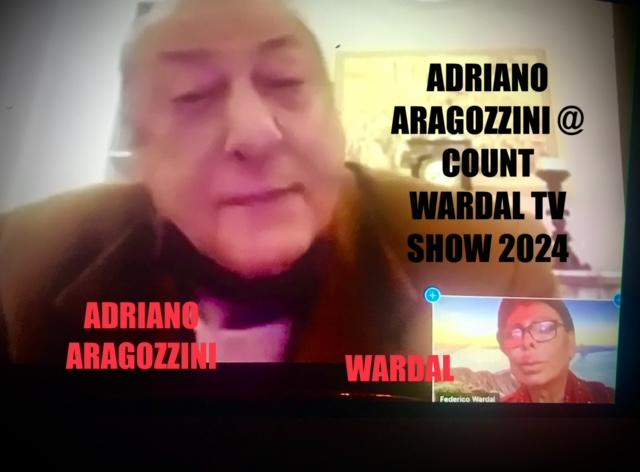
On January 15th, Martin Luther King Jr. Day, at 11pm PST (8am in Italy) on CH 29 San Francisco, for the 300th episode of #CountWardalTVShow, the special honorary guest is #AdrianoAragozzini, the legendary Maecenas, unforgettable patron of the Sanremo Festival. He was recently awarded the #ColumbusInternationalAward, is an honorary citizen of NYC and annually celebrated in Miami on December 27th on “Adriano Aragozzini Day.” Here is a quick overview of his amazing life, where names from the top of the world Olympus of song such as #TinaTurner and of cinema such as #GinaLollobrigida stand out.
Aragozzini started out as a journalist, but became one of the most important managers and talent scouts in the world, thanks to the singer-songwriter GinoPaoli, who was the first to elect him as his manager.
From then on, Aragozzini discovered #NicolaDiBari, managed #NicoFidenco, #PeppinoDiCapri and #LuigiTenco, was linked to the legend #Dalida and was for 30 years manager of Domenico Modugno, “Mr. Volare” who debuted on Broadway, thanks to Adriano.
He is manager of #RenzoArbore and his world-famous orchestra.
He is also the manager of #GabriellaFerri, an icon of the Roman folk song.
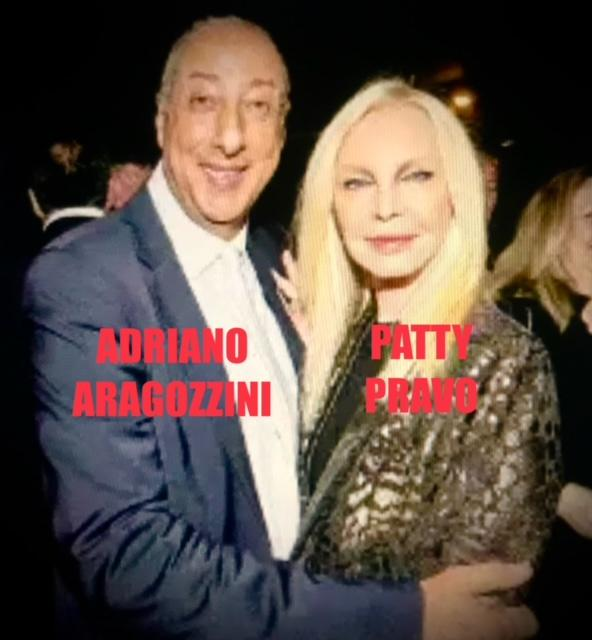
Aragozzini also became the manager of #PattyPravo, whose uniqueness is unparalleled.
Aragozzini also became the manager of opera celebrities such as #MariodelMonaco and is now manager of the tenor #GiuseppeGambi.
Adriano Aragozzini introduced an orchestra of 55 elements and 12 choirs to the #FestivaldiSanremo, formed highly qualified juries, revolutionized the structure of the famous Italian Song Festival and “exports” Sanremo singers with “Sanremo in the World” to the largest capitals of the world: from #Tokyo to #Cairo, to #NYC, #LA etc. , with worldwide television coverage.
Aragozzini, in the singing competition, pairs an Italian singer with a foreign super star and #LizaMinnelli, #RayCharles, #SammyDavis , #charlesAznavour #EltonJohn, #EllaFitzgerald, #TinaTurner (The Best) take to the stage. Tina and Adriano were also linked by an affectionate friendship.
In the interview of the spectacular #Wardal, the volcanic energy and brilliant talent of Adriano Aragozzini is evident and he is unstoppable in continuing to give the world unprecedented cultural and artistic innovations.
The 300th episode of CWTWS (Count Wardal TV Show) rewards one of the most famous ascetic and mystical painters #PatriziaPatti and shows one of her paintings which is the cover of her latest book “Ascetic Sign” published by #VerdeChiaroEdizioni
“Count Wardal TV show”, a popular TV show from San Francisco, in its 300th episode, is animated by Wardal, an international star of theatre, cinema and TV, whose name is linked to that of #FedericoFellini, #CarloLizzani, #DarioBellezza, #MarleneDietrich #Dalida #FrankSinatra #JoanCrawford , #LindaMcCartney etc.
Among Wardal’s guests: #AngelaAlioto (900k) #MarySteiner (700k), #ZahiHawass (950k), H.E.#MoushiraKhattab (750k), #PinoStrabioli (750k), #AnadelaSerraVisconti (700k), #JasonZavaleta (700k), #Jennifer Glee (700k) creator, on the same BAVC Media, of the popular #PlanetGlee. #BAVC (BAVC.org) awarded at the #WhiteHouse by #MichelleObama for the 40th anniversary (11/15/2016), is directed by #PaulaSmithArrigoni, first assistant to #JavanGiles TV programs.
Towards the end of the interview Aragozzini gives Wardal truly sensational news: “Just for you Wardal and your Count Wardal TV Show, great news: I’m producing a film about my dear friend Gina Lollobrigida.”
Lollobrigida is one of the cinematographic icons who has made the history of cinema.
Viewership for the 300th episode of CWTVS, available on YouTube Count Wardal on January 16, is expected to be 800k, but expected to grow considerably over time.
If i am
You are not

If i exist
You don't breathe

If i get stronger
But you become weak

What kind of humanity is this??

If you spend money
On buying weapons
You make big gathering
To decide how many weapons
Needed

But you don't care for the victims
You never care for what is happening to the earth

If you kill so many victims
Who is drinking the blood

If i get weak
One day Death will come
Thirsty
And hungry

Because what you have given
It was to grow
An evil world

Stay away from the Dark......

EVA Petropoulou Eva Lianou Petropoulou

Greek national, author of children's books, poetry, and literary fiction
deep dark depth

below earth —

an alien world

pockets of ultra

green spews


Uchechukwu Onyedikam/Christina Chin


silence in space

a boom

in abysmal section —

where they are condemned

death with no tomb


— Christina Chin/Uchechukwu Onyedikam


old beauty

of eerie silhouette

red mask covers the eyes

children hide


in the blankets


— Uchechukwu Onyedikam/Christina Chin
Sure, I’ll take it, what’s the worst that can happen?
Wha’—no-nope hands clasp hard up o’er face and Top-mayor la mayor royam oya y {in any case zink!} gut gone down e e dark ee dar’ ‘k n’ no never no’ ‘o, ‘t zink zink down back Go. Go go d s a o go go how when the truth is was once ‘t did seem seme that back no further and farther to where its so far the black’s not bl’ why the h’ what’s the worst that can happen ak’s not black did things come to ‘ome ‘t c’ ‘o this this n n n n n n n n n n n n go
—child, what Sure, I’ll take it, what’s child car e di n’t car; ukelele
p ppp
plump you ought to be wanting to make something of your life you I did I don’t matter no did I or not, matter DON’T! N’ don’ MATTER don’t do as told boy in the field out that side throwing pretend spear out’s s’ far as possible run over mark run over turn mark back boy ‘d pretty next contestant Sure, I’ll next contestant up comes our very next contestant there’s the window where she’ll be mother will be Mommy Oh Mommy there’s the window where she’ll be okay there they are step’d up back the spear psych up and Throw there we are back the property line here we’re back in the earliest rock-hard truth we know, b-but NO maybe no hands – what’s the worst that can happen what’s wrong what’s wrong let me help you let us help yo SLAP the hands hot up the face back-snap the head maybe yes maybe no No I am not really here any more how can you help me its a lie you can help me ‘cause no I am not no more here any more I am over there now or maybe back there too but certainly most certainly not here any more can’t you see can’t you see God it’s not even the same now every new now’s every new; G’ how stupid are you see my face see my face — b’b the spear’s been thrown no she’s not calling from the window not yet no not yet run there mark the spot and yes yah contestant two is now in the lead GOD its a ‘ow game of competing with myself no no no no no no no there are various selves involved don’t you see no no spear one has been thrown there see it there and then with spear two I have beaten myself no no NO no no NO each spear’s very different if each’s thrown by you and your same the distances would be IDENTICAL would they not be IDENTICAL no no no take your questions away who are you you are spoiling my game bu’ but NO you cannot play a game made for many with just you and yourself yes I can no you can’t {Is mom in the back house shed window to save me (as she saves me out the end ‘f every Hot ‘ummer ‘fternoon +is she or+ is she not or) maybe she is and can’t just be “seen”) oh ma ma Gimi, here I am down here under where in the Ground what the Ground no no rise from the ground get your ass in that window to save me as at the end of all summer afternoons crickets and mice no no no be there but no you are living a lie no no no no NO! I ! won eoki !! WON EOKI does not exist! Why’d you lie what’s the worst that can happen why you be always lying no no no no NO! I ! kmer sdUnnehb sdUNNEHB does not exist! Either stop lying stop lying into me there she is she’s there calling lying into me last she’s calling into me at last cut the damned lying where’s the dinner yet mommy can I escape into the dinner what dinner that dinner every day there’s dinners to put on hide inside of grow fatly all over meistercheives meistercheived he he ha ha don’t blame me blame yourselves, was YOU brought the World Books ‘ Sklyklupedias in here said read your fill Gimi, read read read up your damned Greed-swillie fill like you do get fat read more Gimi, Uh! read more Sure, I’ll get m’ fatter Uh Uh ! !!!!!! @crysyalline’s shit-marine’s great bug back’d leatherneck of a Nora-class GREAT BIG DEMOLITION charge there that grey barrel there’s more than one in there too soldier so be doubly aware PING poor the sun look theSun is still high but who’s saying
ping
ping
ping
ping
baby Sure, I’ll take it, what’s the worst that can happen? Come on in, Gimi, it what where no—the window is empty no no no it is not time to run throw that spear find the winner got to get to the winner before getting called in why’s that so important oh it is it just is {like don’t step on the cracks (up that long hill up Washington + even when gagging up Coke foam drunk too quick much too [from that machine {in the police station | and do not bounce balls on the way on up Washington : while gagging up Coke foam & not stepping on cracks ‘! cause “ the ball may bounce wild = run you out in the road <off balance got to get it ^ but off balance Go Down ‘fore > go down ‘fore = go down ‘fore “ the car Great big Dodge eh ‘ great *come on in Gimi* big black blunt old school Dodge bullnose : too late hit the brakes | too late screech the brakes Sure, I’ll *it is time to eat Gimi come* ] too late eh + too late eh eh he hee to ) too two late – Pinc-nez poooo*on*oooooooooooo*in now*oo} out from under there way out from under there all the way what’s the worst that can happen *Gimi come on* out of there Gimi! oh Gimi! I lost the spear game again God damn it God Come hell in I been calling! *its time*
God!
Why the hell’ve I lost the spear game again God !!
Why the hell you not come in when called by me, Gimi?
I did not believe it was you calling, Ma. I was—
No? Why the hell you not believe it was me, Gimi? Did you not hear someone yell, Come on in, Gimi? You were back there. I saw you. There’s no way you did not hear it, Gimi. No way!
I did not think it was you Ma.
No—why not? Who else would it be?
I I don’t know Ma someone tricking me ma ma now who ma would be please no ma be lying ‘bout being no no no Ma being Me, Gimi?
Why you lie to me Gimi?
‘aheeeeeeeeee (0)
Tell me now answer it why the hell dare you lie?
Oke. = Sure, I’ll take it, what’s the worst that can happen? ‘re s i ts in ets in sets in twa’, walls, ellll, lick = mamago, hessss, ARK; gell-ding, nag th’ allereg Canada! ennacer n’ lipronancer, eh, What? MA! ‘s, gell-ding, nag th’ alleregennacer n’ lipronancer, eh, What? Yes, gell-ding, nag th’ alleregennar MA! n’ lipronancer, eh, what? Yes, gell-ding, nag th’ alleregnacer MA! n’ lipronancer, eh, What? Yes, gell-ding, nag th’ alleregennacer n’ lip MA! nancer, Canada! eh, What? Yes, gell-ding, nag th’ alleregennacer n’ lipronancer, eh, What? Yes, gell-ding, nag th’ allere MA! nnacer n’ lipronancer, eh, what? Yes, gell-ding, nag th’ alleregennacer n’ lipronancer, eh, What? Yes, gell-ding, nag th’ alleregennacer n’ lipronancer, eh, Canada! What? Yes, gel- MA! ing, nag th’ alleregennacer n’ lipronancer, eh, What? Yes, gell-ding, n MA! alleregennacer n’ li MA! onancer, eh, what? Yes, gell-ding, nag th’ alleregennacer n’ li MA! onancer, eh, What? Yes, MA! ding, nag th’ allere MA! er n’ l MA! e MA! t p MA! ‘a MA! an pl MA! ast MA! e MA! MA! r MA! o Sure, I’ll Wishes? what’s the worst that can happenMA! Yup, Yes, wishes. Plasterdna-uno wishes. Com wishes. Com wishes, Com-wishes com com com com com Canada CanadaCanadaCanada comma com-wishes! Plasterdna-uno wishes. anada Canad anadaCanad Done wished for. And wished for. Plasterdna-uno wishes. anada ana anda-a ana B’ never. Bu’ ‘ever. But ‘eve’ never. Never on never on never on never up-so up-so uo-so nandabunne down’d, no. NO! Always a nope from them from them always a nope on my wishesCanada! {Brigg’s Peter}
Bring that here now.
Do as you’re told,
Brung that there them those over here now!
What no three hands? Bah!
Dancer? Just do as you’re told bring all those ones o’er there here top me yes right now!
Yah big Dancer. the worst that can happen? Here’s the real nut of it = problemninmanialle’d up, steam sighhhhhhhhhhhh ook. (Burns) ‘roblemninmanialle’d up, steam sighhhhhhhhhhhh oo’. (Burns)‘roblem0inmanialle’d ‘p, steam sigh=0=hhhhhhhh ‘o’. (Burns) church parklot’s cellar ahhhhhh! ‘robl=m0inmanial=’d ‘p, st=m sigh=0=hhhhhhh ‘o’. (Burns) up the badmen call the cops! ‘rbl=m0inmanil=’d ‘p, t=m sih=0=hhhhhh. (Burns) yup yup yup planners what we need’s seed some planners seed planners got to seed us down some great big planners what ‘nners? yes right now! whip? No! Th’ Spanish pers near yurk city playce-taaaaaaa B! place t’ be that’s the God damn big best darn-tootin’ place to be ‘f ask me my and that register on the table over there ain’t she a beauty WOW ain’t she a beauty WOW beauty AH beauty AH ain’t she some PAN PAN PAN PAN terrain pull UP terrain pull Up pull UP terrain PAN PAN PAN sort of beauty? Now that’s what we call a beauty herele dish spaces {know ye what ye mean, Pilgrim?} No don’t ye know what ye mean never no, Bimbo! Pilgrim? what the hell’s wrong Bimbo! Pilgrim? wrong with you can’t make up Bimbo! Pilgrim? make up your mind why Bimbo! why the hell can you never make up your mind GIMI Pilgrim? GIMI oh Gimi, why the hell for Bimbo! Pilgrim? for old aunt Petunia even you never seem to Bimbo! Pilgrim? to be able to ever finally what’s the worst that can happen? and Bimbo! and o’ finally make up Pilgrim? Bimbo! make up yer hoooooooooot’n mind, Pilgrim?
Why’s that?
No don’t lie!
Why’s that?
No Don’t lie!
Don’t lie!
Don’t lie!
Never l’
AH!
yes right now! yes right now! yes right now! yes right now!
what?
Wake up you were dreaming = you were dreaming so wake up oh oh
RIGHT THE HELL NOW! sop askin stop asking please stop ploose oh stop all the asking!
HOLES

Black holes,
More holes arise
Your face reversed, a tripwire
Universal effigy, blanket sky of fear
Black holes, blackened tears
In corridors of sunken mirrors
Black holes,
More holes arise
Your face reversed, a tripwire

As you sink into yourself,
The harrowing altar near its tinned denial
Bleeds forth, a faint gospel groaning,
Feebly sowing its half-dripping gourds of
Dead banquets, questing for loans,
Boiled and fractally conjoined, icicles of
Ancient guards, umbilical froth
Bursts placards of tired, lost suns
Whipped clean of their ancient morgues:
The bottomed firmaments in the day’s Sickly half-glow

Ripened holes of black,
Denied castellated frequencies,
Unredeemed attics of multiverses seep Disloyal broth,
Animated fugues within horns of rotted Plaster
Wreath the bones of
Gangrenous gossamer,
As unripe Crowns
Are led down the ladders of gelid stone

They are entombed within spinning gyratory eyes,
To see no further light,
As the black holes eclipse
Themselves
Fully tied

And to your face reversed, a tripwire

More holes arise

Black holes

Black holes arise


Born in Lubbock, Texas in 1984, AG Davis is a sound poet, author, performance artist and composer who resides in Jacksonville, Florida. Davis began his career as a Division I football recruit, having attended West Point for a brief period of time. After dropping out, he earned his degree in English Literature at the University of Florida (2006).

He has written four books of highly experimental poetry, his most recent being published in 2023 through mOnocle-Lash Anti-Press.
His work often delves into the darker side of the human psyche, exploring the multifaceted realms of psychosis.
weep beneath white mums
you lilies of the valley
and salve the sorrow

–

silent tears descend
grief lingers in solemn hearts
farewell's bitter chill

–

shadows cast by breath
whispers weep and moans entwine
graves devoid of light

–

in stygian soil
fungus creeps and worms whisper
secrets unshackled

–

viscous memories
haunt like spirits whispering
stories in my ear

–

sun illuminates
my broken glass heart and light
remembers rainbows
-----------------------------------------------------------
what could have been


the whispers

of my demise

are getting

louder


i have never

bothered myself

with paying any

attention to them


i'm too damn

busy trying to

sabotage my

own life


so far


so good
----------------------------------------------------
too damn stubborn


sitting alone in a medical

facility waiting to have

some x-rays done


looking around at all

the old couples knowing

damn well i have already

lived half of my life


quickly thinking about

how i'll manage this shit

when i'm older, alone

and too damn stubborn

to ask for help


this is when i hope my

savior has beautiful eyes

and an ass that i can dream

about from across the room
-----------------------------------------------------------
and rainbow eyebrows


just walked by

a woman with

green lipstick


hopefully the

freaks are finally

taking over
------------------------------------------------------
the stranger


a stranger told me

online to seek out

the lord


i asked this stranger

if the lord was there

when i was molested

as a child or when

my father tried to

choke me to death


silence


apparently the lord

was making sure

the stranger didn't

accidentally let the

truth get out
----------------------------------------------
swiss cheese


the guy behind

me in the hospital

waiting room


just said the

doctor said his

mother's insides

looked like swiss

cheese


so much for that

sandwich


J.J. Campbell (1976 - ?) is old enough to know better. He's been widely published over the years, most recently at Misfit Magazine, Disturb the Universe Magazine, Dumpster Fire Press, Horror Sleaze Trash and The Asylum Floor. You can find him most days on his mildly entertaining blog, evil delights. (https://evildelights.blogspot.com)