
THE DANCE: NANCY


I said I wouldn’t dance with you:

Your hair’s too blonde, your eyes too blue.

A loaded gun and fully cocked,

dynamite cap set to go off.

I swore I wouldn’t dance with you.


She’s too proud of humility.

Her giant modesty towers from her knees.

She’s so proud of humility, the giant Modesty towers from her knees.

Even us healthy ones she treats like disease.


I said I wouldn’t dance with you.

Your arms, I knew, would hold like glue.

No neon ever hijacked us,

I refused to be target practice.

I knew I’d never dance with you.


Oversharp in her ignorance, she’s

indisputably a genius between the knees.

Oversharp in her ignorance, undeniably she’s a genius between her knees.

The peacock preens, pretending that no one sees.


I said I wouldn’t dance with you:

The night’s too young, too bright’s the view.

But that bandit moon lit the fuse,

and insurgent night made the news,

though I’d sad I’d never dance with you,


dancing in the moon

light with Nancy and kissing her good

Night

comes quickly this time of year

and icily as well: the wind

bites nicely and to the quick--

oh these thoughts! are dancing nicely

through the wind kissing the memory

somehow – I can hear the

memory embers

hisssing in the wind (is sharp

this time of year) like java in the night

comes dark and sharp and bitter.

Spring it was or was it fall? (no matter)

(no matter at all the season) the reason

I recall at all is Nancy her name

whispers in the moon light, or

is it the night

wind that’s light

ir was it the fall --

-- no matter --

it was time and she was mine and we were

hours until the dawn (comes quickly, this time)

and I must go on

I wanted to go on, to bound

fast as the hound Wind

and as free too but I was bound too fast to the ground

and ground too far down and

ground far too fine too but I danced on

with Nancy till I was out of time

and out of mind (but I must go on for now)

I dance with my mind I dance

with the wind and the night and the ice and

but where is the Nancy?

I dance with memory and death and death and memory

and now the dancing’s through, for

every spring one makes, a fall’s not far behind--

and life and mind and bight and wind

go quickly this year of time and mightily as well

and all matter

(but no matter)

though I promised never to dance with you.


NYUN


"When birds

lose their plumes

in the sand,

they can't

glue balloons

to their hands.

They can't fly

so they die."


The years are like so many sweet girls.

They cuddle against the navel in the middle of the night.

They change O they challenge the body

with pain with delight.


But though the waist is gone, its shadow yet remains.

Is this what we needed?

To lie in fields that we seeded

with the sperm of you/and/me?


My skin is a wrinkledup grocery sack,

all the goodies unpacked and eaten long ago.

My erection turned into slush yesterday,

my eyeballs into snow.


But though the face is gone, the halo yet remains.

All the stones unheeded... The skies... The fields....

Back have kneaded into worms, my butterflies.


And the years. And the years: just like the sweet young girls!

Hanging in memory like leather kites,

gaudy garish stabbing neon lights

to mark the passing of fond remembered rites.


But though the voice is gone, its echo yet remains.

Is this what we needed?

To die in fields which receded with the germs of yesterday?


(A toast: Time is a precious necklace bequested upon your birth. As time's beneficiary, you must realize its worth. Though age encircles your throat with its usual yearly pearl, the worth rests in the wearer and not within the jewel.)


The Duane you loved is gone:

There's a Stranger in his skin.

The old duane was younger,

and the new one's bones are thin.

Former laughs reform as coughs.

The change cloud-to-clod begins.


"When birds lose their plumes in the sand,

they can't glue balloons to their hands.

They can't fly so they die."


[nyun is a Korean homonym that means years or floozies]


THE OBSCURITY OF HEAVEN


The bomb is in the temple, the eraser on the page.

Our timid mirrors reflect but they never take a step.

A cancer’s in the nipple, spectators usurp the stage.


We mourn heaven: “It’s obscured, so we cannot know its worth.’

And we moan that circumstance proves to be our best defense.

Clouds are integral as stars in its measurement from Earth.


Our judgment misjudges us and aborts our renaissance.

We can reject starvation without accepting poison.

The body discharges pus while mitigating relapse.


Hunkering down in our forts is desperate strategy.

To drive the enemy back we must go upon attack.

Garret verse, a poet’s corpse that has no utility.


EVANGELIST


The arch science of religion

taught me to carry lips of mercury.

Now I have a hoard.

I wore a heartfelt tongue of stone

while a student of the science of love

and I learned to starve.


THIS INDIFFERENT ETERNITY


There is not enough dark

though the night is unmooned.

The stars are toomanyed,

skyfull prickly pennies

instead of ebonstones.


And thus my mood is mocked.

Cosmos ignores despair

and unechoes my cries.


Depression is the stone

that I must bear alone,

its whole weight in my thighs.


Reflections are unmirrored.
Category Archives: CHAOS
Music from Texas Fontanella (Styx Viscous)
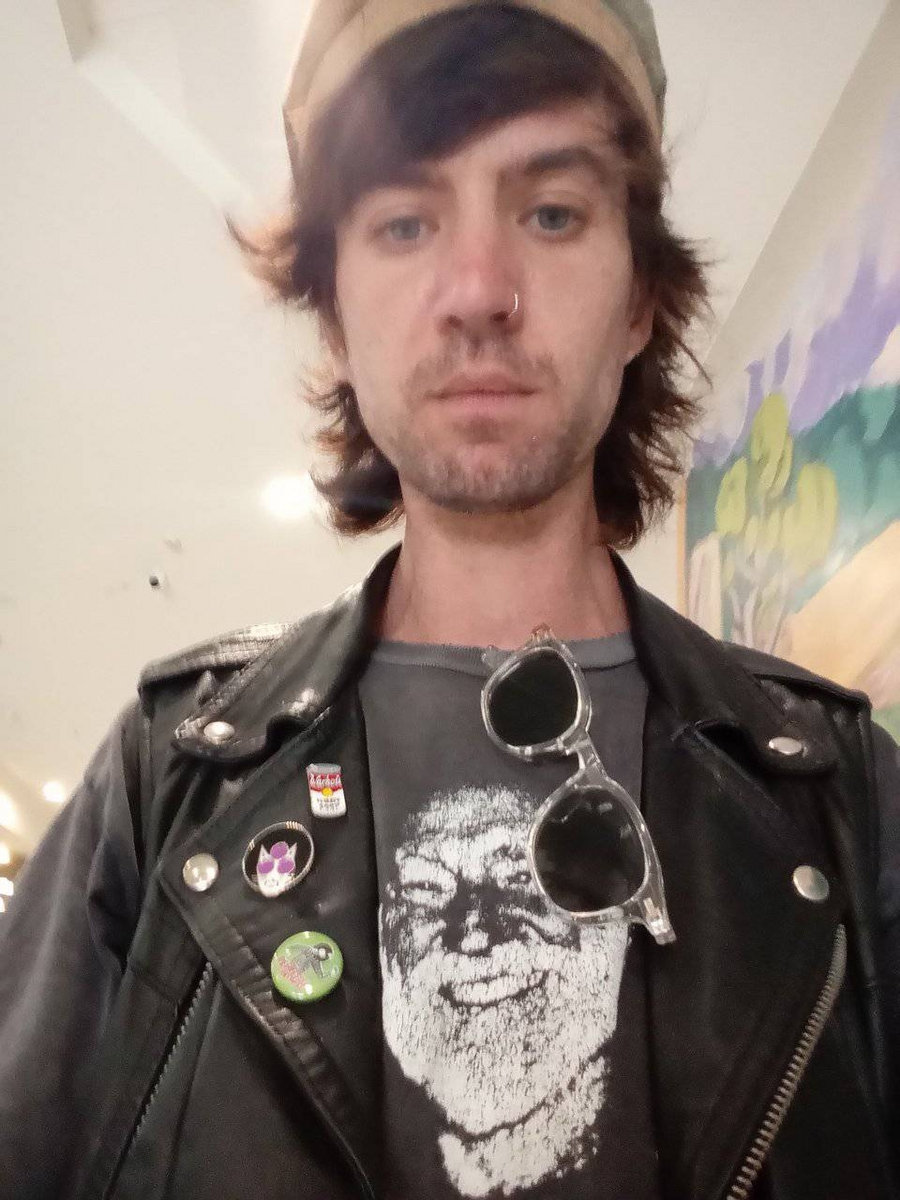
Haus That Krack Built
https://styxviscous.bandcamp.com/track/haus-that-krack-built
Enuckleation
https://styxviscous.bandcamp.com/track/enuckleation
L-rger
Poetry from Aziza Mamadaliyeva
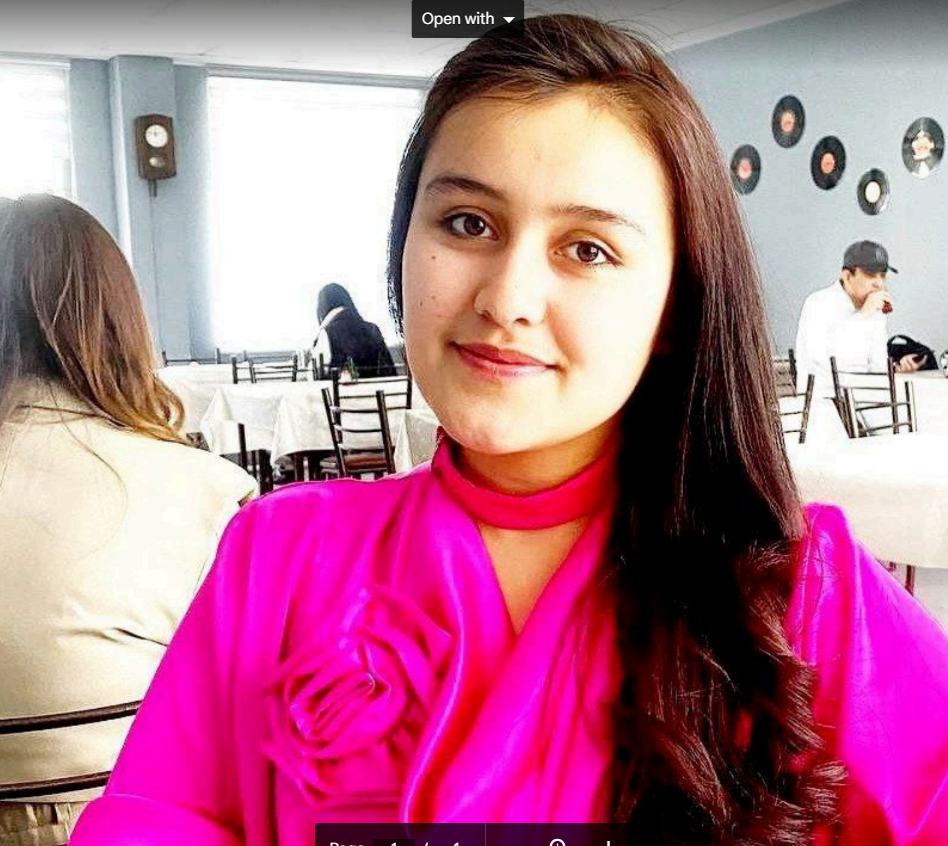
New Uzbekistan

Every corner of my country
It is blooming
Changes are in full swing
The eyes are happy

The head of our country is the head
Support us
Change at every step
It will surprise you.

My country is rich in history
Every corner is sacred,
To such a great country
Many people like it.

Of great scholars
We are young people,
First at every step
Shakhdam takes steps.

This is my country in the world
There is no comparison, there is no equal,
Everywhere is rich in history
There are many holy places.

Sometimes this language is weak
One look is not enough
I will describe it again
I won't run out of words.


Mamadaliyeva Aziza is the daughter of Dilshodbek.
She was born on October 19, 2006 in the city of Chust, Namangan region. Her first book "Joy of Youth" was published in 2021. Aziza is very interested in reading books along with writing poems. She is the district and regional prize winner of the "Young Reader" competition. A number of her poems are published in district and regional newspapers. Aziza Namangan has delighted many fans with her poems on television.
Essay from Aziza Amonova
PROGRESS IN INTERNATIONAL READING LITERACY STUDY (PIRLS)

Annotation: This article reviews the achievements of the PIRLS international assessment program.  The purpose, components of this program are mentioned.  The procedure for conducting Reading Literacy, which is considered the main focus of the International Assessment Program, is noted

Key words: education system, literacy, purpose, components, reading literacy, assessment, questionnaire

The Progress in International Reading Literacy Study (PIRLS) is a large international comparative study of the reading literacy of fourth-grade students. The study is conducted by the International Association for the Evaluation of Educational Achievement (IEA), with national sponsors in each participating education system (previously referred to as education systems). The National Center for Education Statistics (NCES), in the Institute of Education Sciences at the U.S. Department of Education, is responsible for the implementation of PIRLS in the United States. Reading literacy is one of the most important abilities that students acquire as they progress through their early school years. It is the foundation for learning across all subjects, it can be used for recreation and for personal growth, and it equips young children with the ability to participate fully in their communities and the larger society.

Participants in PIRLS include both countries and subnational entities, both of which are referred to as education systems. PIRLS focuses on the achievement and reading experiences of children in grades equivalent to fourth grade in the United States. The study includes a written test of reading comprehension and a series of questionnaires focusing on the factors associated with the development of reading literacy. PIRLS was administered in 2001 to students in 35 education systems, in 2006 to students in 45 education systems, in 2011 to students in 53 education systems, and in 2016 to students in 61 education systems.

Purpose PIRLS is a carefully constructed reading assessment, consisting of a test of the reading literacy of fourth-grade students and questionnaires to collect information pertaining to fourth grade students’ reading literacy evaluation.

PIRLS has four goals: (1) develop internationally valid instruments for measuring reading literacy suitable for establishing internationally comparable literacy levels in each of the participating education systems; (2) describe on one   scale the literacy profiles of fourth-graders in school in each of the participating education systems; (3) describe the reading habits of fourth-graders in each participating education system; and (4) identify the home, school, and societal factors associated with the literacy levels and reading habits of fourth-graders in school.

Components PIRLS assesses four broad-based comprehension processes within each of the two purposes for reading: focus on and retrieve explicitly stated information; make straightforward inferences, interpret and integrate ideas and information; and evaluate and critique content and textual elements.

Also, PIRLS focuses on three aspects of reading literacy: purposes for reading; processes of comprehension; and student reading behaviors and attitudes. The first two aspects are measured through the PIRLS assessment component, which is administered to each participating student. The third dimension, reading behaviors and attitudes, is measured through a separate component of background questionnaires. In 2016, the PIRLS administration included the PIRLS assessment as well as ePIRLS, an assessment of online informational reading. PIRLS 2021 will present a new digital web-based delivery system called digitalPIRLS. digitalPIRLS will be offered so countries can take advantage of a full computer-based assessment.

The digitalPIRLS assessments will include the ePIRLS assessment of online reading initiated in 2016. With digitalPIRLS, countries will experience greater operational efficiency in translation and translation verification, data entry, and scoring, without the need for printing or shipping. Digital PIRLS will be offered as a web-based system via school-based or IEA web servers, or a USB drive connected locally to a PC with the Windows Operating System. As an alternative to digitalPIRLS, countries may administer PIRLS 2021 in paper format. ePIRLS is available in 2021 only in conjunction with digitalPIRLS. For more information on digitalPIRLS, please visit the IEA website at https://www.iea.nl/.

Source versions of all instruments (assessment booklets, the ePIRLS assessment, questionnaires, and manuals) were prepared in English and translated into the primary language or languages of instruction in each education system. In addition, it was sometimes necessary to adapt the instrument for cultural purposes, even in countries that use English as the primary language of instruction. All adaptations were reviewed and approved by the International Study Center to ensure they did not change the substance or intent of the question or answer choices.

The first aspect of the assessment component that is targeted by PIRLS is purposes of reading. The purposes of reading component encompasses the two main reasons why young students read printed materials: for literary experience and for the acquisition and use of information. To measure the ability of students to read for literary experience, fictional texts are used; to measure students’ skills for acquiring and using information, nonfictional texts are used. In 2016, literary experience and acquiring and using information each made up 50 percent of this aspect of the PIRLS reading assessment.

The second aspect of the PIRLS assessment component is processes of comprehension, which describes how young readers interpret and make sense of text. In 2016, this aspect was composed of four categories: focusing on and retrieving explicitly stated information (20 percent), making straightforward inferences (30 percent), interpreting and integrating ideas and information (30 percent) and evaluating and critiquing content and textual elements (20 percent).

Both PIRLS and PIRLS Literacy devote half of the assessment passages to each of the purposes for reading, while the ePIRLS online assessment focuses solely on reading to acquire and use information. The ePIRLS approach simulates websites from the Internet, through which students can navigate to accomplish school-based research projects or tasks. Because PIRLS Literacy is designed for students earlier in the process of learning to read, a larger percentage of items (50 percent of the assessment) is devoted to measuring foundational reading comprehension processes—the ability to focus on and retrieve explicitly stated information.

Also, PIRLS Literacy has shorter reading passages with easier vocabulary and syntax. The second component, background questionnaires, collects information on reading behaviors and attitudes (the third aspect of reading literacy targeted by PIRLS), and helps to provide a context for the performance scores. These questionnaires focus on such topics as students’ attitudes and beliefs about learning, their habits and homework, and their lives both in and outside of school; teachers’ attitudes and beliefs about teaching and learning, teaching assignments, class size and organization, instructional practices, and participation in professional development activities; and principals’ viewpoints on policy and budget responsibilities, curriculum and instruction issues, and student behavior, as well as descriptions of the organization of schools and courses.

Assessment. In the main PIRLS assessment, each student completes a reading comprehension assessment booklet, which contains two blocks of passages that form the foundation of the PIRLS reading literacy test. Half of the assessment blocks contain passages of literary text which include realistic stories and traditional tales, and half contain passages of informational texts including chronological and non-chronological articles, a biographical article, and an informational leaflet. The passages of text are followed by questions about the text, which the student answers using constructed-response and multiple-choice response options.

REFERENCES:
1. Kennedy, A.M., Mullis, I.V.S., Martin, M.O., and Trong, K.L. (2007). PIRLS 2006 Encyclopedia: A Guide to Reading Education in the Forty PIRLS 2006 Countries. Boston College, International Study Center. Chestnut Hill, MA. https://timssandpirls.bc.edu/pirls2006/encyclopedia.ht ml.

2.Mullis, I.V.S., Martin, M.O., Kennedy, A.M., and Flaherty, C.L. (2002). PIRLS 2001 Encyclopedia: A Reference Guide to Reading Education in the Countries Participating in IEA’s Progress in International Reading Literacy Study (PIRLS). Boston College, International Study Center. Chestnut Hill, MA.
https://timss.bc.edu/pirls2001i/PIRLS2001_Pubs_ER. html.

3.Mullis, I.V.S., Martin, M.O., Kennedy, A.M., and Foy, P. (2007). PIRLS 2006 International Report: IEA’sProgress in International Reading Literacy Study in Primary Schools in 40 Countries. Boston College, International Study Center. Chestnut Hill, MA. https://timssandpirls.bc.edu/pirls2006/intl_rpt.html.

4.Mullis, I.V.S., Martin, M.O., Minnich, C.A., Drucker, K.T., & Ragan, M.A. (Eds.). (2012). PIRLS 2011
Encyclopedia: Education Policy and Curriculum in Reading, Volumes 1 and 2. Boston College, International Study Center. Chestnut Hill, MA. https://timssandpirls.bc.edu/pirls2011/encyclopedia-pirls.html.
5.Uses of Data Green, P.J., Herget, D., and Rosen, J. (2009). User’s Guidefor the Progress in International Reading Literacy Study (PIRLS): 2006 Data Files, and Database with United States Specific Variables (NCES 2009-050).
Aziza Amonova is a 3rd grade student of the Faculty of Primary Education of Jizzakh State Pedagogical University. Currently, she has about 40 scientific articles and two methodological manuals. In addition, she participated in about 25 different forums and conferences.
Essay from Michael Robinson
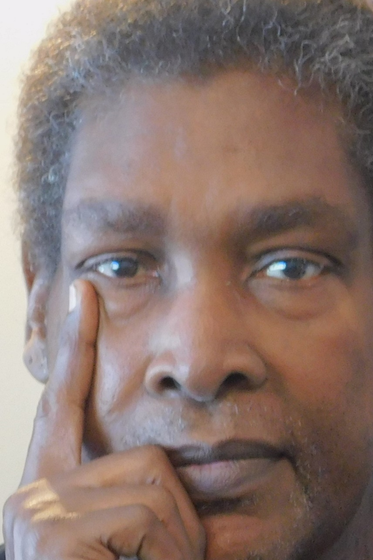
Psalm 16:1-2 (NIV)-Keep me safe, my God, for in you I take refuge. I say to the LORD, “You are my Lord; apart from you I have no good thing.” I say.

It was 1978, when I was dying of a cocaine overdose. It was not my intention to die that night in this manner. It was the night before the birth of Jesus Christ. I have had many encounters with death in my neighborhood. During my childhood, death touched others but not me. My encounter was to come years later. This Christmas Eve, it was a personal encounter. It had been so many dying in difficult situations. It would not serve my purpose to recall those experiences now. What I do remember is that Christmas Eve when I was twenty-one. I lived above the red-light district a few blocks for Dupont Circle where men were in search of prostitutes. I was not looking for a prostitute. Instead, I was trying to get away from the inner-city life. It was not by a gunshot wound or stabbing by a knife that brought me horror this night.

Now death was touching me, reaching for me. The snowflakes danced outside my window. It reminded me of my younger years.  Snowflakes would land on my tongue.  It was my last memory of childhood before it all went bad. Now, for a split second, there was peace and light that would turn into darkness. I crawled from my bed to the floor in search of air. I crawled back into the bed in search of air. My chest was as if it was an explosion inside of me. The room began to fade into black, and there was nothing I could do to stop it. Fear moved into my mind and body. The fear of dying into a blackhole.

I had a friend in my childhood for many years. We walked the inner-city streets together. Walking in alleys to avoid the violence and the people associated with it. My introduction to Jesus was by my foster mother Dee. She sang hymns while listening to the AM radio station playing gospel music. Her flower dresses didn't hide her wounds from diabetes.  Her arthritic fingers brought her pain. She had been washing clothes for many winters. The old, rusted ringer washing machine, on the porch floor covered with snow. I would listen to hear while she spoke about Jesus. Day and night Jesus was what she knew about. Fallen asleep still hymning to Jesus. All this talk about God and Jesus left me wondering who Jesús was? In addition, who was God, and what did he know? In my mind, I questioned what He knew? Maybe he knew that I was afraid living in that neighborhood? Maybe he knew I wanted to be with him? Noise and gunfire and endless screams. Where was this Jesus Dee talked about so much?

Amidst all this chaos and turmoil there were moments of peace and quiet within me. My aunt Lucille took me to Holy Redeemer Catholic church for morning mass each day. I was eleven and found a different relationship with Jesus. Sitting in the pew in an empty church. The light of the votive candles in red, blue, and yellow colorful glasses. The altar candle flame flicked. There was tranquility now. It was so peaceful sitting there before having to go back into the war zone. However, this sense of peace stayed with me. Until, Christmas night at twenty-one. The war returned for me. I hadn't escaped. I felt the terror of all those years coming to life. A confused mind and a heart racing. Where was Jesus who had walked with me?

I wanted Jesus, I needed Jesus, I pleaded with Jesus. Oh, that eternal suffering like in childhood. It was frightening without my friend. Dying without my friend. However, leaving the church after praying it was different. There was a sense of serenity which evaporated slowly. It slowly creeped into my existence in this moment of crawling on the floor. My existence began to slip away. It had all returned and I had not escaped.  I wanted to escape the streets and not die in childhood. However, I was dying in a rooming house alone. My body would be found and taken to the morgue. I had watched children taken that final ride in that black car as the crowd watched. All those sleepless nights back then. Those black cars with the certain closed. I wanted this Jesus Dee spoke about. I wanted God to know I wasn't ready to die back then and not now.

"Please, God Save me" was my prayer. Finally, Christmas morning snowflakes gently fell.  Inside my mind and emotions, I was feeling disoriented, which seemed to last for years. Nothing made sense. I wasn't sure if I had survived. I prayed to God to stay with me. I wanted my friend. I wanted Jesus. The night of the demons had passed. Salvation and Redemption came to me. A promise my promise to follow Jesus Christ. My life now has meaning and purpose unlike that Christmas Eve. It has taken forty-five years to understand what Dee always knew and I knew the Jesus Dee always talked about.

Dear Heavenly Father, you did not forsake me. My night of despair you loved me. My heart belongs in your sanctuary where there is peace.  Amen.
Poetry from Stephen Jarrell Williams

Sugar Stars

Sweetness through the years
sugar stars in your eyes

your touch
instantly making me what you love

walking together
along an endless sea of tranquility

threats of the distant world
only making us stronger together

moon blushing
when we press deep

sitting together on a high peak
our bare feet stirring the night

your humming into a sigh
speeding up the slow spin of the earth

morning coming
again and again.


Then the Rain Came

Catching hold of us
near reaching the end

last glances
of the tease of comets

clutching into the last press
of our togetherness

building
into tears

dripping down into the dry leaves
of the tree we played in

the surrounding forest of our youth
encompassed by a city of sin

all the world has turned into itself
a twisting of ages we could have conquered

but we were too busy
trying to love our way out.


This is the End

On the last island
an apple tree
with the waters closing in

wave after wave
no one there
to say goodbye

not even a bird in the sky
to land on a branch
and sing the final song.


And Then God Spoke

No matter how bad it gets
it seems there has to be more

Space has no end
no wall stopping the run of time

Man and his mistakes
lifted high above the evil

God's love
forever forgiving.


Stephen Jarrell Williams trying to find his way home...  Listening to the rain, and wind, and the calling of God.  He can be found on X Twitter @papapoet
Poetry from Annie Johnson
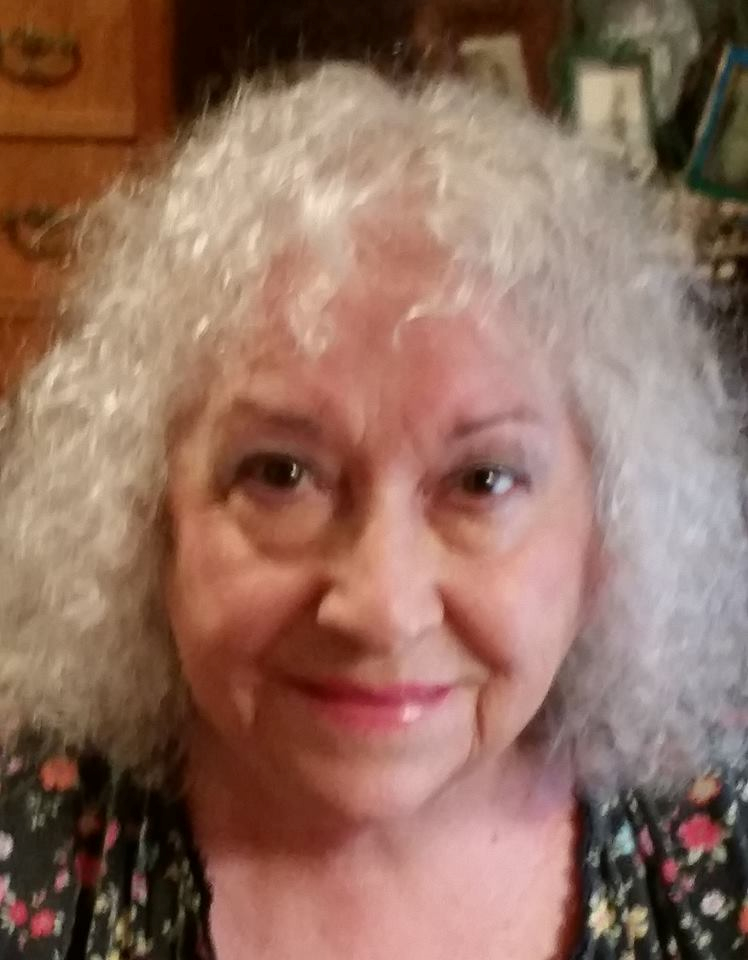
Moonlight Memories

The moonlight lingers long
Over the shadows of my soul.
Penetration eludes the mind
In the silvery brightness of being.
Waves of longing sweetness
Hold my body prisoner
Of memory’s braille fingers
Touching my body’s holy places
Lingering as the face of dawn
Peeks in the curtained window.
All night long the wild gypsy song
Played across the softness of night
And drew its bow with aching delight
Across the muscled hardness
Of your straining body, dripping
Such honey over my glistening skin.
Is it any wonder I resent the day;
The hours dragging morning
Past the fresh memory of your mouth
While I dream of our shadowed bed
Hung with moonlight, tracing
The outline of your heaving form?
O hurry day and draw the shade of night,
For I am bathed; perfumed; and waiting,
Wearing nothing but the memory of your kiss!


Time Was

Time was when a gale wind
Swept across the field of wheat
Making it look like a golden sea.
Time was when the windmill whirred
Filling the water trough for the horses,
And the chickens scratched in the barnyard
And the rooster crowed heralding dawn
While I dreamed under winter covers on my bed.
Time was when I could see my breath in the air
When I stuck my head from under the quilt
And smelled the scent of fresh coffee; pancakes
And hot Maple Syrup and heard bacon frying.
Time was when I jumped eagerly out of bed
And greeted the outstretched arms of day
With golden legs ready to run joyously
Over the fields, meadows and streams
And taste the wind in my hungry soul.
Time was when the earth laughed
Like a high-spirited child running through puddles
Making mud pies and humming to itself.
Time was when I dreamed of growing up;
Being a woman; becoming a bride; having babies
And flower gardens filled with tender longings;
And I dreamily awaited someone I knew, I knew.
Time was when you came calling like morning dew
And I opened the door of my soul to you.


Annie Johnson is 84 years old. She is Shawnee Native American. She has published two, six hundred-page novels and six books of poetry. Annie has won several poetry awards from world poetry organizations including; World Union of Poets; she is a member of World Nations Writers Union; has received the World Institute for Peace award; the World Laureate of Literature from World Nations Writers Union and The William Shakespeare Poetry Award. She received a Certificate and Medal in recognition of the highest literature from International Literary Union for the year 2020, from Ayad Al Baldawi, President of the International Literary Union. She has three children, two grandchildren, and two sons-in-law. Annie played a flute in the Butler University Symphony. She still plays her flute.