Poetry from Duane Vorhees

VOLCANO

Nowdawn. When this

grayed welldone sky

resumes to rare,

and – sudden flare! —

awakes my wife’s

night-dormant kiss.

SOLSTICES

(after Hwang Jini)

Take one half the night

of the shortest winter day

and wrap it in your arms,

a prudent negligee

to unfold one brief summer night

when you hold me in your arms.

WE GAMBLERS OF FATE ARE PLAYED BY THE JUGGLERS OF TIME

The silence of echoes is too loud to hear.

The excess deer were culled

before the hunt was closed.

We race toward that precipice we screened ourselves from.

Lazarus’ miracle

just delayed the dust.

We are partners of the same condition.

Though odds up and fall

our lots have been tossed.

The future always lies to us, but so does the past.

You get the apple

filling – You get the crust.

Paths twist and twist no matter which we pick.

You get the pedestal–

and You get the bust.

Rivers have many tributaries but only one result.

You get the sadist’s fuel,

You the holocaust.

JOINT MANEUVERS

Di dandles her tea like any grande dame

and she handles her whiskey as well

as a man.

I was a sergeant in the cavaliers.

I prized my targets

and my bandoleer,

my spurs

and my plume.

A chest of medals occupied

my room, none claimed in battle.

Di was a waitress.

She wanted to stop pretending princess

rise top.

and to the

One with ambition seeks one with regret.

“To starve the kitchen, feed a cook’s credit.”

One day when marching my tattoos

and flutes,

my eyes kept watching Di’s

bonnet and boots.

My parade dismissed,

this hungry soldier,

Sir Knight on a quest,

double-timed over to where she still stood.

As fierce

and as free

as fire from a woods,

Di saluted me

with crisp precision.

I saluted her back

stiff at attention–

never felt the flac

exploding

inside.

The wounded man

wed the ambushing bride.

And I never fled

the combat that came.

My new purple heart

marked my

rise to fame

and Di’s

state of art.

As I rose in rank it was her mission

to protect my flank and her position.

One with ambition

needs

one with regret.

“To starve the kitchen, feed a cook’s credit.”

Di’s deft riding crop

urges her stallion to boldly gallop

beyond battalions.

BELLY/MIND

Sponge draws, stone withstands

inspiration rains.

A formlessness hides

undiscovered forms;

imagination

is the belly’s mind.

Stars reign in darkness.

To pay heaven court,

astronomer’s scope

always magnifies

observatories.

But when the mind fasts,

it’s inspiration

that’s the mind’s belly.

Palaces empty

without their nobles —

poor indeed are those

whose poems outnumber

their inspirations

Poetry from Graciela Noemi Villaverde

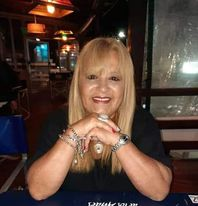
Light skinned Latina woman with long straight blonde hair sitting in a restaurant with her hands folded in front of her face. She's got a watch and several bracelets.
Graciela Noemi Villaverde
WOMEN
 
A shining sphere emerges
Flags moved by a breath
It comes from the roots, 
From that wind with which we were born, 

There in paradise 
Perfect crowning for our geometry, 
Adamantine, constellated, urgent 
More tenacious than anger 
Woman who breaks like a mirror 
Against the heart of an invisible sun,
 
And you bloom chewing the tide... 
So satiated with dreams that there is no art more tender than yours 
Shadows, abandonments, and prodigious love 
They form your grace. 
Harmonious, flexible, firm woman, 
With silences followed by pure acts
Today I revere what I am…WE ARE. 
WOMEN 


GRACIELA NOEMI VILLAVERDE is a writer and poet from Concepción del Uruguay (Entre Rios) Argentina, based in Buenos Aires She graduated in letters and is the author of seven books of poetry, awarded several times worldwide. She works as the World Manager of Educational and Social Projects of the Hispanic World Union of Writers. 

She's the UHE World Honorary President of the same institution Activa de la Sade, Argentine Society of Writers. Commissioner of honor in the executive cabinet IN THE EDUCATIONAL AND SOCIAL RELATIONS DIVISION, of the UNACCC SOUTH AMERICA ARGENTINA CHAPTER.


Poetry from Anna Petrovic

Silence

Quiet… the vastness strides with a silent pace,

whispers await, in secrecy.

Stars tremble, awaiting the sanctity’s blaze,

before the waves, hush your voice silently.

It is a wave of silence deep,

human echoes yearning behind him.

In sacred cup, where secrets repose,

unspoken words strive to redeem.

Chaos whispered in the silence,

guard… eternity and transience struggle.

Inkiness is seeking my compliance,

redemption screams, growing vaster.

Silent plea! May peace resurrect .

let wrath shatter in the hush of light.

In the mirror of dusk, hopes reflect,

in the soft twilight’s tender might.

The beginning and the end! Glory to them,

let the chant sing like a sparkling lullaby,

like mother’s face that you can’t forget,

Prayer chants with the endless sky.

Glory to silence, herald of grace,

it waves shattered strands.

In enchanting depth, like a distant glance,

where last shall be first and first shall be last.

                       Storm

A storm is brewing, in the heart chaos reigns,

Noise dances wild everywhere,

The vessel, delight for timeless wanderer,

Is gliding to my soul carrying an embrace.

A depth of grief in the vast expanse,

without its shield, tears veil the path,

Sorrow emboldens the army of darkness,

captive of tears has no more tears left.

The past, a blade to the stumbling heart,

lifts the veil upon the soul’s capture,

tears are ticking away fast,

none can endure, a silent rapture.

I’m an exile of the infernal mill,

redeemed by majestic grandeur,

before the emperor’s crown… I stand still

it shines marvelous in its splendor

Unnamed song

At the limen of time,

I stand as a stranger

Here, might doesn’t intertwine

soul is a tireless passenger.

We need light, glow of glances,

human heart forgiveness,

we’re yearning a sip of repose,

seeking solace in the stillness.

Weary of darkness, we seek dawn,

I seek those eyes, precious of mine,

woken from the dead, seeking the forgotten

shadow beside me, companion of time.

Though sawn wood whispers time’s embrace,

each grain a tale, a memory traced.

Moments linger like echoes,

In the music of a rhyme as eternity grows. 

Ana Petrovic was born on 05.02.1985 in Serbia, where she currently lives. She wrote a book of poems, but it is not yet published She finished medical school, VI degree. Many songs of hers are published in magazines and portals. Some of them are translated into English. She has been working on special programs with kids who have paralysis cerebralis. She likes working with kids as much as she likes poetry.

Synchronized Chaos First March Issue 2024: Literary Devices

We continue to express sorrow over what’s happening in so many different parts of the world and encourage our readers to support people and the planet.

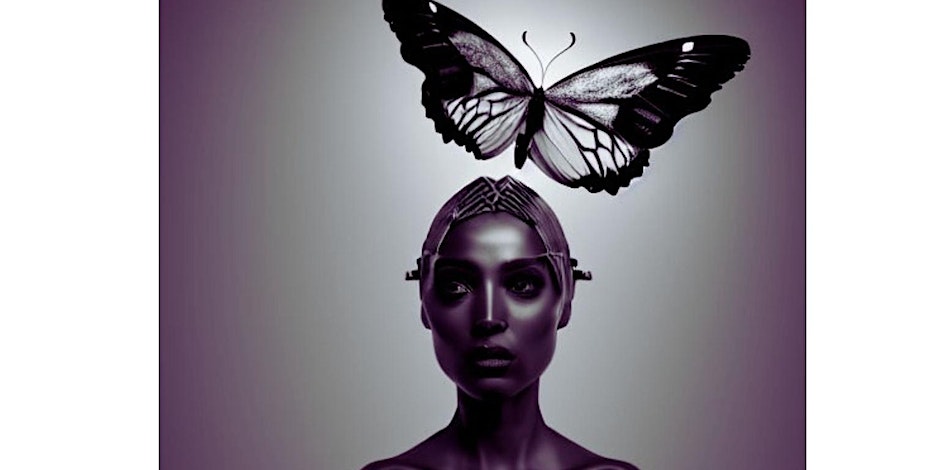
Woman staring straight ahead with a large butterfly on top of her head with open wings.

Also, we are hosting our Metamorphosis gathering again! This is a chance for people to share music, art, and writing and to dialogue across different generations (hence the name, the concept of ideas morphing and changing over the years). This event is also a benefit for the grassroots Afghan women-led group RAWA, which is organized by women in Afghanistan who are currently supporting educational and income generation and literacy projects in their home county as well as assisting earthquake survivors. (We don’t charge or process the cash, you are free to donate online on your own and then attend!)

This will be Saturday April 6th, 2-4 pm in the fellowship hall of Davis Lutheran Church at 317 East 8th Street in Davis, California. It’s a nonreligious event open to all, the church has graciously allowed us to use the meeting room. You may sign up here on Eventbrite.

Also, we encourage everyone in the California area to attend the third annual Hayward Lit Hop on Saturday, April 27th. This is a public festival with different readings from different groups throughout downtown Hayward coinciding with Hayward’s choosing a new adult poet laureate, culminating in an afterparty at Hayward’s Odd Fellows Lounge. Several Synchronized Chaos contributors will read from their work at the 2024 Lit Hop.

Now for the March 2024 issue, Literary Devices. This issue explores what we can accomplish with language. The written and spoken and signed word can be a force for education, communication, dignity, connection among people, and pride and artistry. Language is also a way to render the indescribable through metaphor or fragmented text and leave something behind on the historical record.

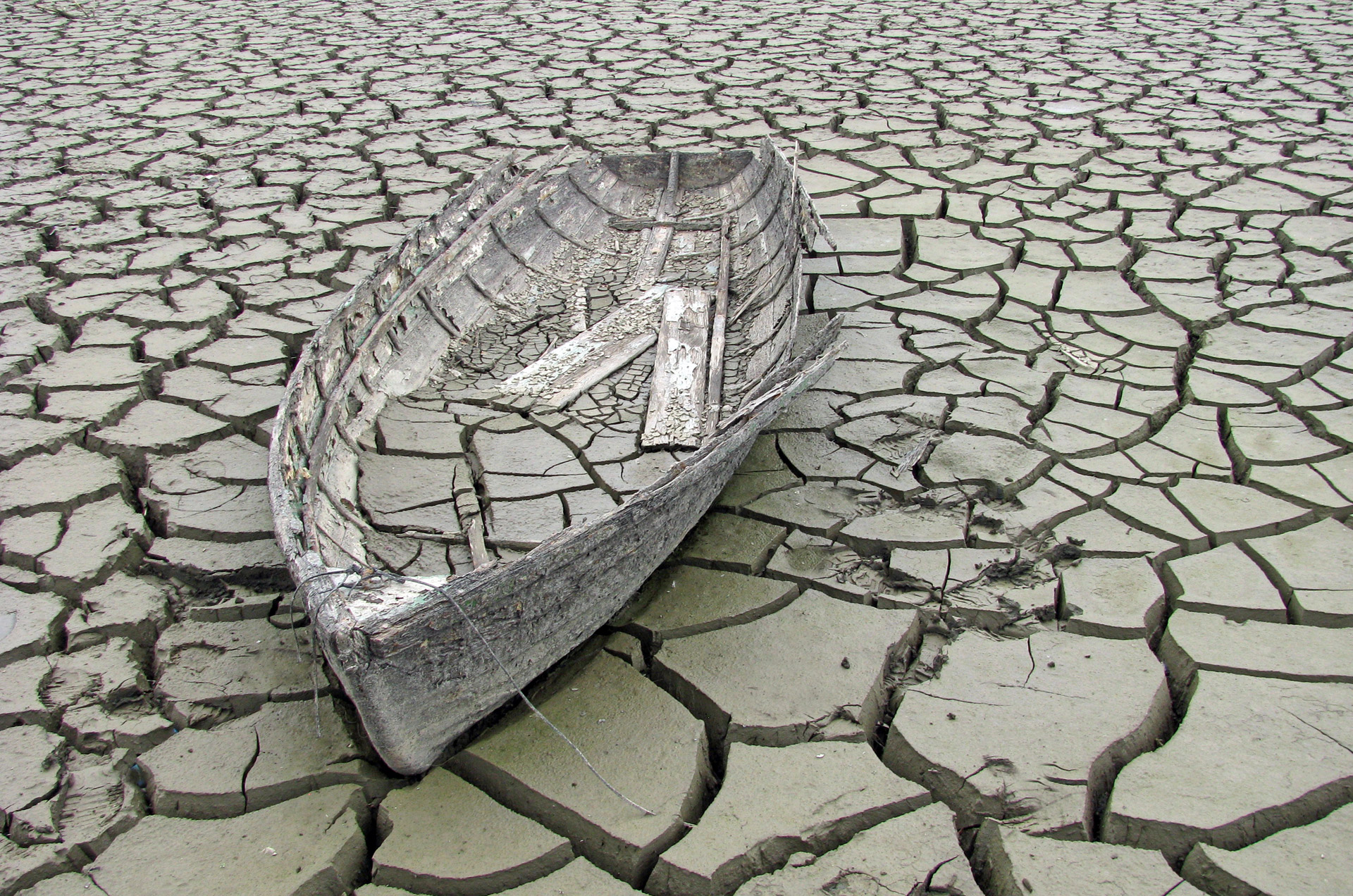
Old weathered wooden canoe on dry cracking dirt, all the same color.
Image c/o George Hodan

Maurizio Brancaleoni reflects on human history as if it were akin to fossils, engraved within stone. S. Rupsha Mitra’s poetry collection Smoked Frames, reviewed here by Cristina Deptula, dramatizes the search for one’s truest self within psychology, cultural and family history, and radical self-understanding.

On a more personal level, John Edward Culp celebrates the anticipatory joy of the first tentative flight of new love. Kristy Raines writes of the emotional union and connection of romance.

Graciela Noemi Villaverde evokes dreamy flights of fancy, memory and imagination. Borna Kekic reminisces about his old haunts and watching movies with his teenage friends.

Duane Vorhees presents a poetic and historical record that chronicles the slow dissolution of a relationship while Taylor Dibbert’s poem reflects on the stages of the inevitable dissolution of a marriage and Elmaya Jabbarova speaks to a keenly felt grief, an absence that’s like a presence.

Filigree metal silver seal on a old faded cover of a book with a border and a leather design.
Image c/o Anna Langova

Saidakbar Ibrohim’s essay focuses on Uzbek poet G’afur G’ulom, Yahya Azeroglu’s work chronicles Azerbaijani literary and cultural history and pride while Z.I. Mahmud analyzes the literary and poetic qualities of Rabinadranath Tagore and Anita Desai’s poetry and prose.

Munisa Azimova offers up praise for the legacy of Uzbek poet Alisher Navoi and Bakhara Shodmonqulova shows respect for her heritage and language while Janglish Khasanova describes efforts to collect and publish the works of young Uzbek writers today. Mohichehra Rustamova’s essay highlights the love of her parents and the beauty and wisdom of her country’s literary heritage. Jacques Fleury celebrates part of Black global literary history through his review of Zora Neale Hurston’s Their Eyes Were Watching God, which tells the story of a Black woman’s journey towards self-realization independent of society’s emphasis on upward mobility and respectability.

Gulyora Hashimjonova offers up a memory of connection between herself and her father out in nature in their Uzbek homeland. Don Bormon celebrates humans and nature in his elegant piece on life in a city park while Mahbub Alam illustrates the cycles of nature, the trees changing colors, Annie Johnson contributes gentle poems about love and the slow sunrise and J.K. Durick offers up various takes on human and natural history and questions our level of control over shaping our world. Noel Pratt reflects on nature and on our smallness and relative lack of influence over such a large and eternal world. J.D. Nelson draws on haiku, the traditional Japanese form often used to depict glimpses of the beauty of nature, to craft vignettes about embracing ordinary life, even when plans are interrupted. Doug Hawley’s humorous short pieces illuminate human life and human nature and highlight the importance and ingrained nature of our instinct to narrate life through story.

Christopher Bernard reviews Cal Performances’ recent production of Pina Bausch’s take on Stravinsky’s The Rite of Spring, a show grounded in connection to the cycles of the earth.

Durdona Roxmatullayeva writes of the isolation and harshness but also the natural quality of heartbreak, metaphorically represented by the season of winter, while Zarnigor Ubaydullayeva extols the beauty of spring, kindness, and maturity. Mesfakus Salahin laments large scale damage to the earth and the world’s ecosystems.

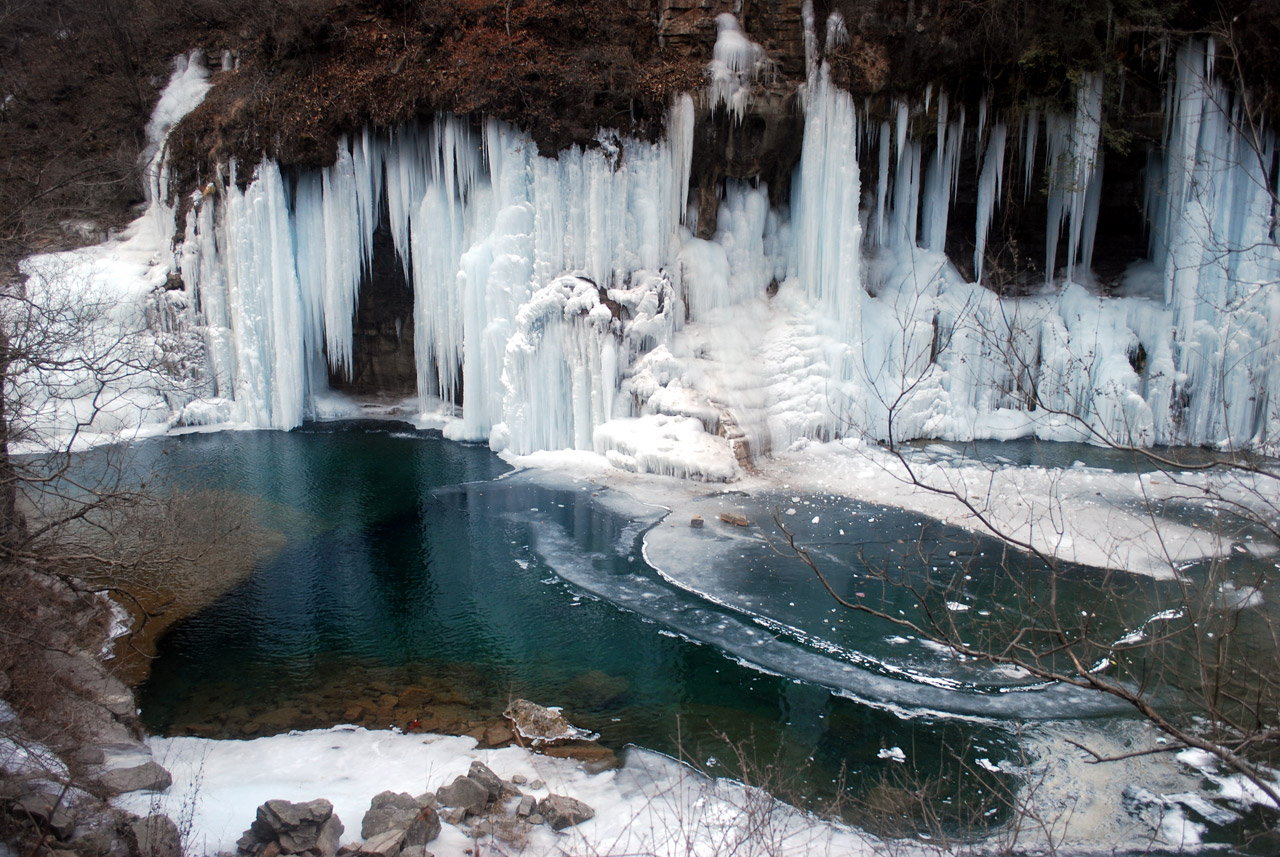
Ice falling from rocks and melting in waterfalls, landing in a pond with scattered ice and empty tree branches. Winter fading into spring.
Image c/o Peter Griffin

Isabel Gomez de Diego photographs large tractors on parade in front of historic buildings, showing off the interdependence of agriculture and industry.

Marjona Asadova hopes for national Uzbek pride and world peace through universal recognition of human dignity. Maja Milojkovic’s poetry concerns our ethical aspirations, encouraging us to summit the heights of becoming more decent and caring human beings.

Dusan Stojkovic speaks to the role of poetry in teaching people to navigate life and relationships while Mykyta Ryzhykh highlights the psychological effects of dehumanization and cheapening of life, human and nonhuman.

Set within middle America, Bill Tope’s story looks at how we find closeness to each other, while Stephen Jarrell Williams’s poetry explores where and how we find solace, together or alone.

Anna Petrovic’s poems navigate the landscape of intense human feeling. Sa’ad Ali’s ekphrastic poems evoking the sensibility of lesser known works by famous artists. Iduoze Abdulhafiz probes the psychology of people’s dreamlike subconscious while Joshua Martin scatters letters and punctuation on the page in concrete poetry and Clive Gresswell’s pieces offer up ruminations in rhythmical streams of consciousness while Mark Young connects fragments of thought using technology and Jim Meirose explores the experience of falling through experimental words and text. Patrick Sweeney’s one-line poems are at once familiar and exotic, esoteric and mundane.

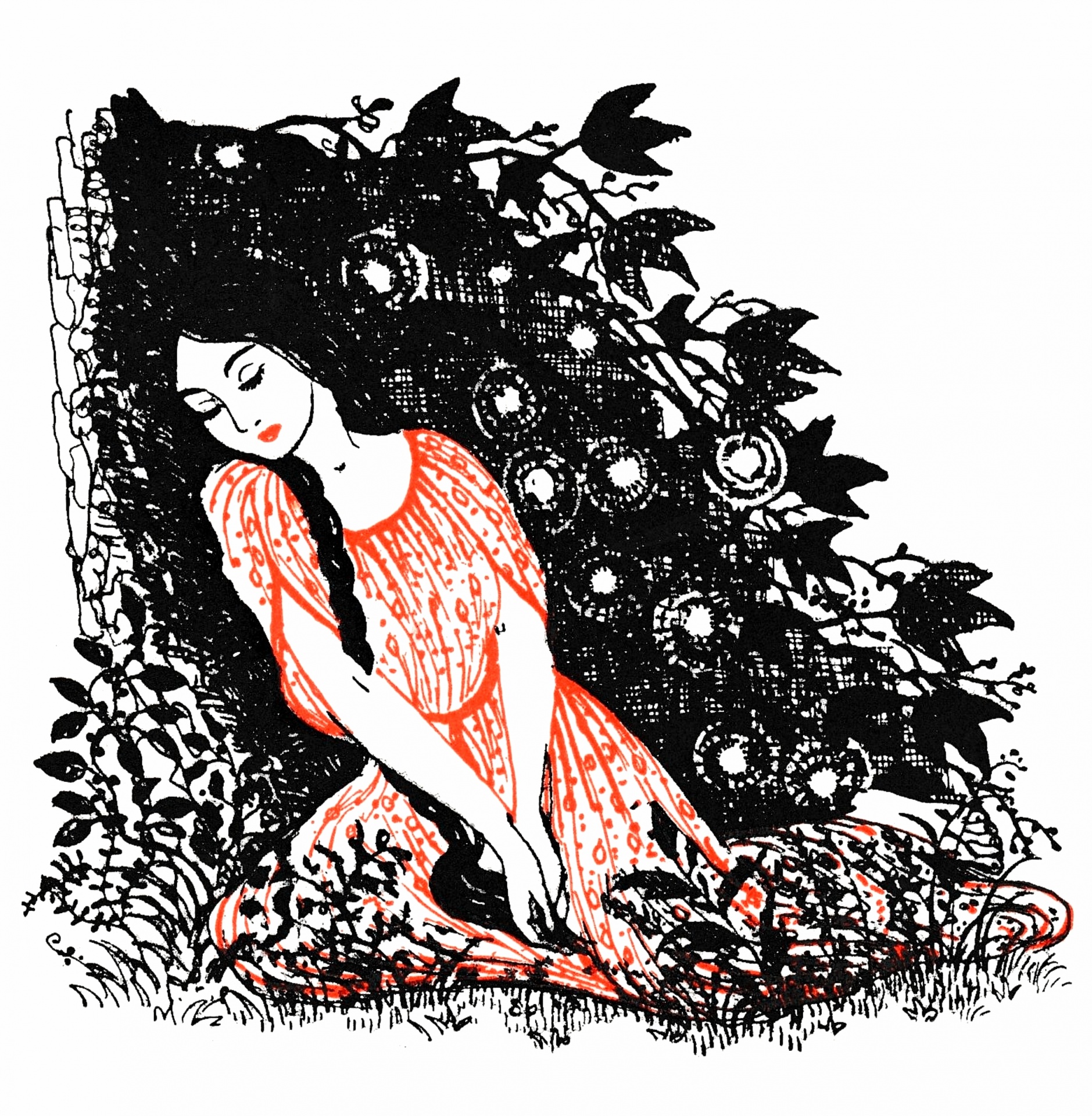
Line drawing of a female figure in a dress outlined and patterned in orange with her face and long braided hair in black sleeping against a variety of black flowers on a bush.
Image c/o Andrea Stockel

Makfiratkhon Abdurakhmonova extols the virtues and possibility of the land of sleep. Sayani Mukherjee‘s poetry concerns a dreamtime encounter with the divine world beyond herself while Madinabonu Bobobekova offers up a dreamy meditation on getting into the headspace to write.

Emeniano Acain Somoza compares the human heart navigating life to the performance of a juggling clown.

Ayanda Dlanga’s horror piece on fear and pursuit from a monster at night could be a metaphor for growing up too quickly. Safarmurod Yuldoshev speaks to the distribution of phytonematodes in Uzbekistan’s crops in his scientific essay, illustrating how nature can be menacing as well as welcoming. Jerry Langdon speaks to the physical and psychological horrors waiting for and threatening our souls, while Daniel De Culla addresses external political oppression through his poetic dramatization of a corrupt and self important Argentine leader.

J.J. Campbell contributes fatalistic poetry about a suffocating small town while Shahrizoda Bekturdieva raises awareness of domestic violence in a variety of locales. Mirta Liliana Ramirez writes of finding her own voice and speaking up for herself and others who were wronged, while Shamisya Khudoynazarova Turumnova addresses the pain associated with shattering a person’s reputation and Ilhomova Mokhichera reflects on the inexplicability of heartbreak.

Roberta Beach Jacobson’s poems are of awkwardness, not fitting in life, while Kelly Moyer’s work represents the self-described fantasy of finally being noticed and heard. Faleeha Hassan links war and violence to the human survival instinct, stemming from a desperate and human need to be heard and validated.

Female shadowed figure of indeterminate race with a ponytail running to the left of a pond between two bits of land among water that reflects the pink and blue and white cloudy sunrise or sunset.
Image c/o Flash Alexander

Lilian Dipasupil Kunimasa addresses our freedom of choice, between good and evil or simply between different life paths. Nahyean Bin Khalid gives us the beginning of a good versus evil action tale while Gulsanam Qurbonova praises the value of continual knowledge and self-education and Azamqulova Shahina Jonibekovna talks about upbringing, education, and development as a person while Madina Fayzullaeva outlines the intellectual and personal core competencies needed to teach foreign language and Mavludaxon Moydinova’s essay describes language and word formation in the Uzbek language. Sarvinoz Mamadaliyeva outlines and celebrates educational opportunities available to young Uzbeks at Namangan State Pedagogical University.

Adhamova Laylo Akmaljon gives us an essay on achieving goals and making the most of life. Zinnira Maxammadiyeva talks about making the most of life by investing in yourself and studying as Gulsevar Xojamova urges her fellow Uzbeks to pursue education and personal responsibility.

Shahnoza Ochildiyeva presents her pathway to success as a strong and creative Uzbek girl, while Orzigul Sherova offers up her praise of science and research and learning and knowledge. Guli Jonuzoqova describes the value of education, especially for women, while Nurmanatova Aigul’s metaphorical conversational piece concerns moving forward into the future.

Ravshanbek Nasulloyev describes techniques for enhancing one’s learning and everyday skills with a foreign language while Gulyora highlights the importance of cross cultural understanding in useful business communication.

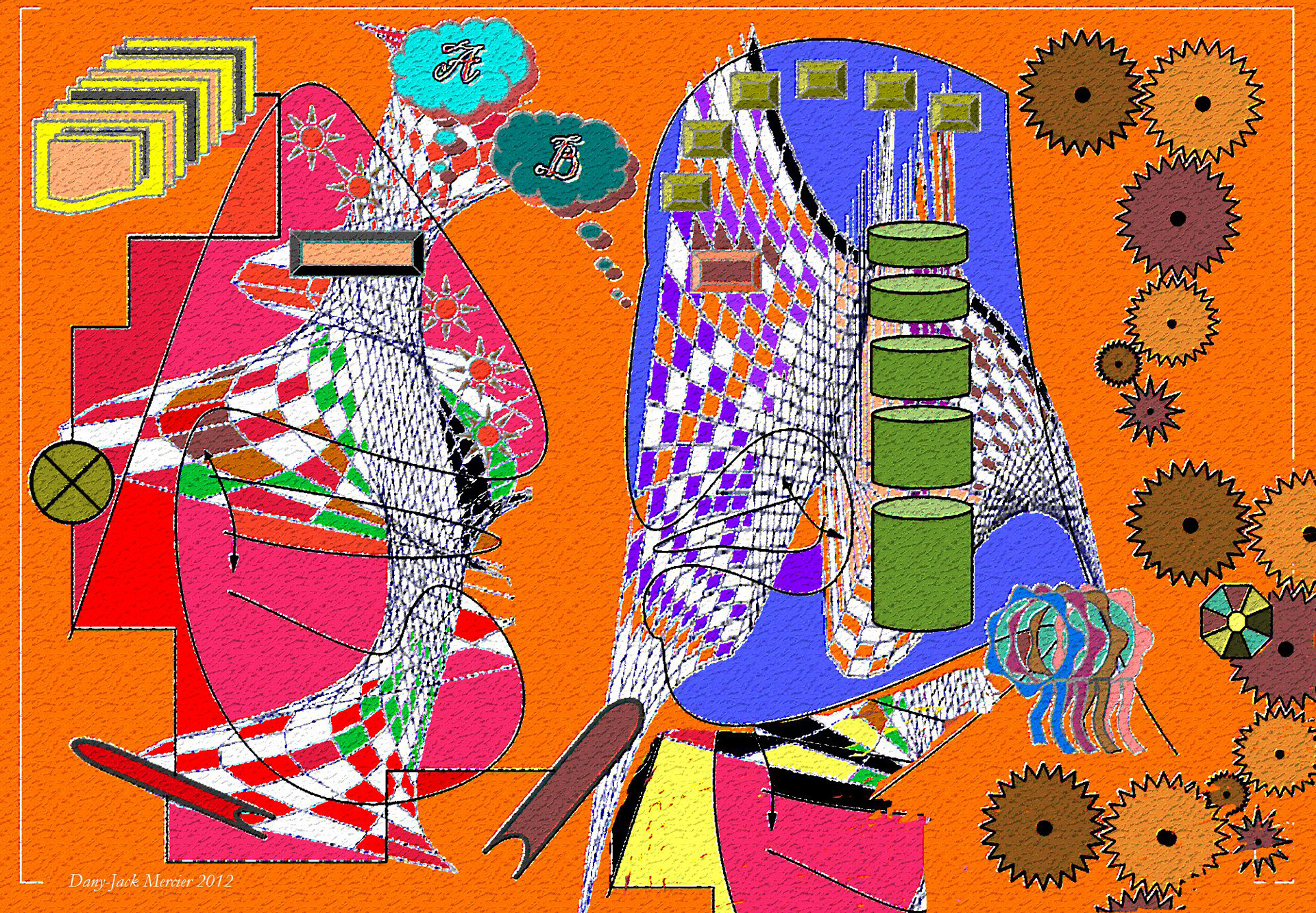
Complex abstract image on a bright orange canvas. White and black and red and green figure on the left has blue and green bubbles over his/her head and a pink outline and yellow boxes behind then while the blue figure on their right has green stacked cylinders and green rectangles and orange and blue and white wings and dark brown and orange gears near them. Image is supposed to represent conversation and exchange of ideas.
Image c/o Dany Jack Mercier

Unlike many who bemoan people’s isolation due to too much screen time, Wazed Abdullah celebrates the connective power of mobile phone technology. Marguba Lapasova describes advances in modern payment technology while Maftuna Umaraliyeva explores how the modern tourism industry has incorporated or expanded upon traditional codes of hospitality.

Shakhnoza Ulashova argues for enhancing justice in Uzbekistan by providing Uzbeks with representation in all sorts of legal proceedings.

Umid Qodir’s poem asserts the value and dignity of poetry in advancing human understanding while Jullayeva Sitora Ismailnova highlights how the true heart of a poet should tend towards empathy and compassion.

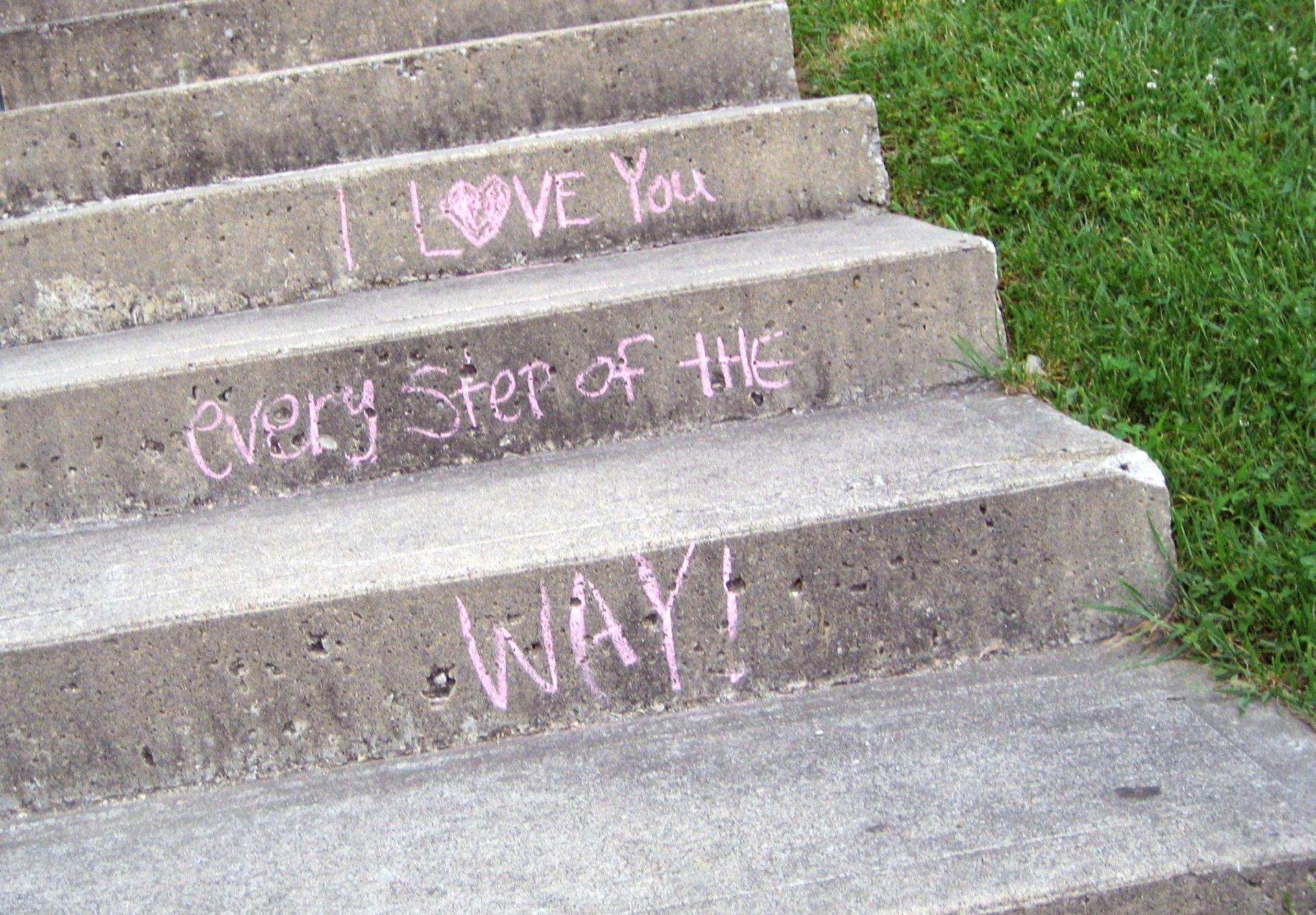
Concrete steps in a field of grass with pink chalk on each step reading, "I Love You Every Step of the Way!"
Image c/o Haanala 76

Nosirova Gavhar speaks to her devotion in her faith while Brian Barbeito offers up sketches of people who are humble yet wise.

We at Synchronized Chaos Magazine, aspire to be humble, yet wise.

The song “Wherever I Fall,” from the 2021 movie Cyrano, directed by Joe Wright, shares the experiences of soldiers who believe they will likely die soon, yet express to their families and loved ones that they are happy with how they are living their lives, given the power and the choices available to them. We hope that Synchronized Chaos embodies that ethic, that we and our contributors and our readers are making the most of all of our lives within what is available to us.

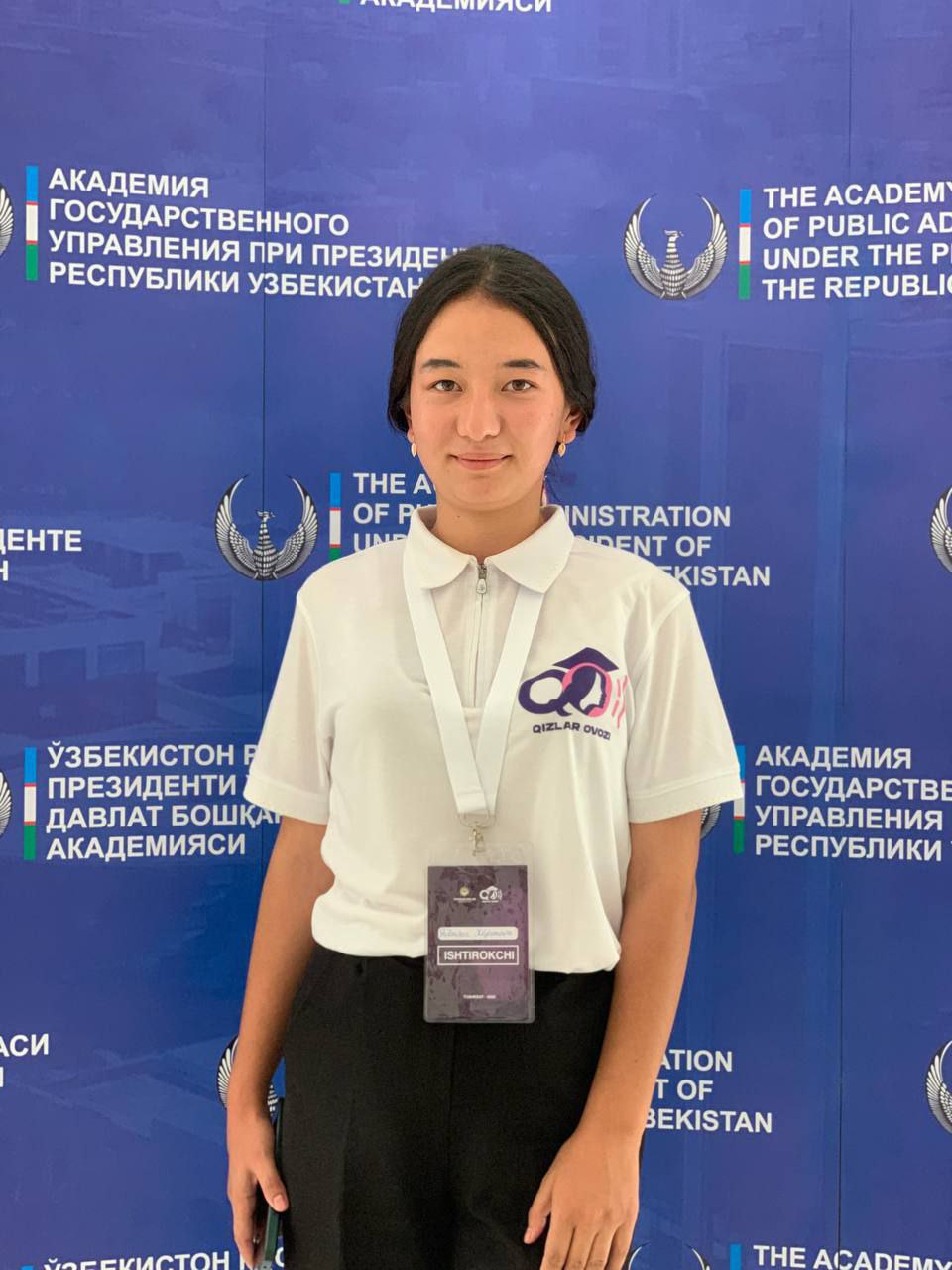
Essay from Gulsevar Xojamova

Central Asian teen girl with short dark hair and a white collared school uniform jacket stands in front of a purple banner.
Gulsevar Xojamova

EDUCATION

      My grandmother says that a newborn baby smells like heaven. After all, every person gets his education from his family. The way he is treated in the family, he is treated in the street as well.

     People show their family upbringing to strangers. If the environment and friends at home are good, the child will always hear good words. If it is bad, it will be the opposite.

    It is up to each person to choose the good path and to follow the bad path.

    You have a choice. Educated people have love for others, respect for elders, and respect for children until the end of their lives. Because these qualities are taught by parents in the family.

  Where there is no education, there will never be science and knowledge.

Gulsevar Khojamova

Student of Andijan State Pedagogical Institute

Poetry from Mykyta Ryzhykh

***
Why do people die as volume and not as emptiness? Why doesn't your dead body disappear when you're gone?

Why does the cemetery boast of its crosses and flowers cannot live without a mourning ribbon?

Agony is a very simple word. The word death is an even simpler word. It is better to remain silent like proud trees. It is better to drink silence like birds. It's better to move through the air like words. It's better not to live in a cage.

On a cast-iron evening, death knocked on the bird's temple with metallic softness instead of fingers.

The night never ends anywhere. There are only two of us: me and death. I am always alone. Conscious death does not exist: however, as well as conscious life.

***
Baby rabbits breathe without air
Baby rabbits don't breathe without their mother
Baby rabbits don't breathe when separated from their mother

Our banner is a torn uterus and a black vagina
Our anthem is dresses for daughters and guns for sons
Our home is death temporarily passing by
Our home is grass our home is bloody glass

Sour cream animals freeze outside the belly
Tin animals freeze without feeling warm
Each of us is a rabbit driven into a cage of life

***
the cast-iron frogs 
in the wooden pond hardened at the
beginning of winter

***
the green wall of the garden 
is thrown open

sick hands reach 
for the dead foliage

***
the forest is silence for the deaf
the forest is a cry for the wild
winter comes for everyone the same

***
the hand of the tree trembles in the wind
autumn will not give alms to anyone

no one was born in the cemetery except grass

***
the staircase on which the baby goes to the coffin constantly staggers

who will fire the tax on air and thoughts?
when the lights are off, we swallow black snowflakes

the child approaches his parents and whispers like a baby from the icon
no one will rise again nobody

***
rabbits knock on the heart
knock knock knock it's a carpenter

a coffin appears from under the table
we are all born stolen

scarabs of minutes are bursting at the seams
crunchy leaves sigh underfoot

what should we do?

***
gray sky peeking through the windows
if autumn were a person
she would hang herself

***
Saliva of time
The future is a spit

***
butterflies without a net
trees without rustling
summer is the song of calm

***
satiated water drips from the sky
autumn bison dissolves in falling leaves

***
remnants of sweat on the lips
a kiss is a bodily thirst
summer licks us with boiling water

***
spring thunder has receded
morning shelling began

***
display case with pork chop
refrigerator with human meat
long-awaited meet

***
nothing belongs to man 
except old age

autumn oak tree boasts 
fallen leaves

Reprint by Coalition for digital narratives

***
the poet is a lamb drinking water
the wolf is a poem that eats us

poems drown with us in sugar water
the river of time moves towards uncertainty

Reprint by Setu

***
the dead hare is forever
related to the grass

snow covers everything
with a blanket

Reprint by Setu

***
for the first and last time
I’m dying and you still don’t love me

the city is divided into two parts:

in the first part you kiss lovers and hang out with friends
in the second part there is a cemetery

Reprint by Setu

Poetry from Ayanda Dlanga

Through the lonely roads 


My heart flickers like a light bulb

The pain strikes in voltages

My blood runs completely cold,

As i look into the palms of death with empty eyes

With smeared ghosts of human imprints

Just a few o'clocks from midnight

And a few still till the beauty of the heavens rises


I've motioned fiercely,

On the deadly roads of gruesome art,

Spills of blood from rage and tears from empathy

Mourning songs from the night creatures

And exotic smells from nature


Flooded with the overwhelming need to run panic stricken

Like a frightened deer, so afraid

My feet glue to the ground

My heart flickers even more, startled

And i feel my hairs stand on end

holding erect until i let out a scream


Do i give up? Do i not ?

My memories all are labyrinths

I do not seem to find an escape

I nip at a canteen of courage and tell myself not to panic

Will i not?

Perhaps i said i was a woman too quickly,

Because i feel like a little girl


As the sun slips into the afternoon sky,

I keep telling myself not to panic

But i begin to shout but my own voice mocks me

In echoes bouncing off the walls of this dungeon that surrounds me

Just another series of fraught shouts, bringing nothing but my echo


My cries, my screams, my fear

They don't make me

Though sheer the climb is, hands, feet, like claws
 
I will work my way up like a spider

The sound of my own breathing and grunting is so loud it startles me


Ayanda Edna Dlanga is a young poet with a dream of becoming an acclaimed author. Fueled with a lifelong love for storytelling and expressing emotions as they are.