
Chirashi

(Note: Chirashi is a Japanese dish of raw
fish and seafood served on top of a bowl
of rice. It means “scattered.”)

A bright, cold winter day.
The memories are fresh
as the roses in the hall
though they are far away.
They’re light as leaves in autumn.
Like birds lined on a wire,
hopping wire to wire,
like notes of music, charming
as music long remembered
and forgotten even longer,
she seems now to say.

She seems now to say,
from the far edge of the table,
but her words are silent now
like music long remembered
and forgotten even longer
in the jammed restaurant’s clamor.
Her eyes are glittering
like the gleam of heated sake
in its white and tiny cup,
in the laughter, silent laughter.

There is laughter, silent laughter,
warm and silent laughter,
in the memories in the restaurant
concentrated in a cup,
in a modest porcelain cup
hardly larger than a thimble,
a little thing of matter
in the bright, cold winter day.

Between the miso and the shoyu
and wasabi with its tears,
and the sake as it lowers
in the cup and disappears,
like sashimi called chirashi
they disintegrate, dissolve,
and disperse and fly away
like a flight of birds
until there’s nothing left
but a cooling empty cup,
a demolished luncheon tray
on a table set for ghosts
and memories as they scatter
like sashimi called chirashi,
like music long remembered,
and forgotten even longer,
yet remembered even longer
on this bright, cold winter day.

				For Keiko
_____

Christopher Bernard’s third collection of poetry, The Socialist’s Garden of Verses, won a PEN Oakland Josephine Miles Award and was named one of the “Top 100 Indie Books of 2021” by Kirkus Reviews. He is a founder and co-editor of the webzine Caveat Lector.
Category Archives: CHAOS
Poetry from J.D. Nelson
red bull for dinner

prawn
pawn
peon


---


duck, duck, goose

wetlands
in my head


---


with me

is the dollar sign
scrambled, or


---


lake or blake

why can’t I be the borrowed
crumbs now?


---


gumbywood

eye / pro
you’ve


---


bio/graf

J. D. Nelson (b. 1971) experiments with words in his subterranean laboratory. His poems have appeared in many small press publications, worldwide, since 2002. He is the author of ten chapbooks and e-books of poetry, including *Cinderella City* (The Red Ceilings Press, 2012). Nelson’s first full-length collection is *in ghostly onehead* (Post-Asemic Press, 2022). Visit MadVerse.com for more information and links to his published work. His haiku blog is at JDNelson.net. Nelson lives in Colorado, USA.
Photography from Channie Greenberg
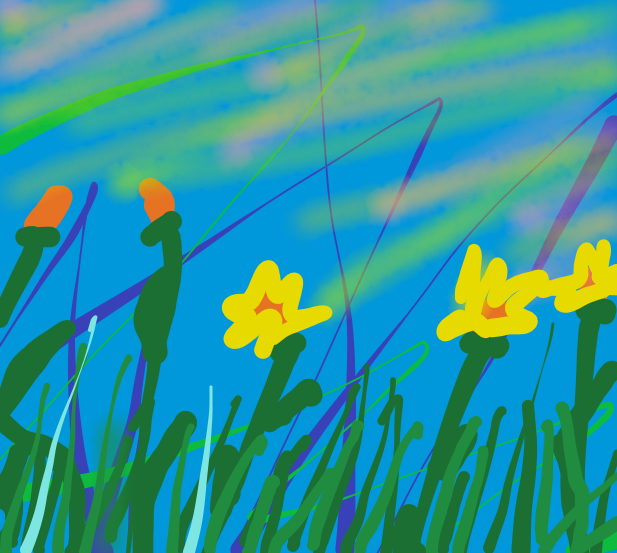
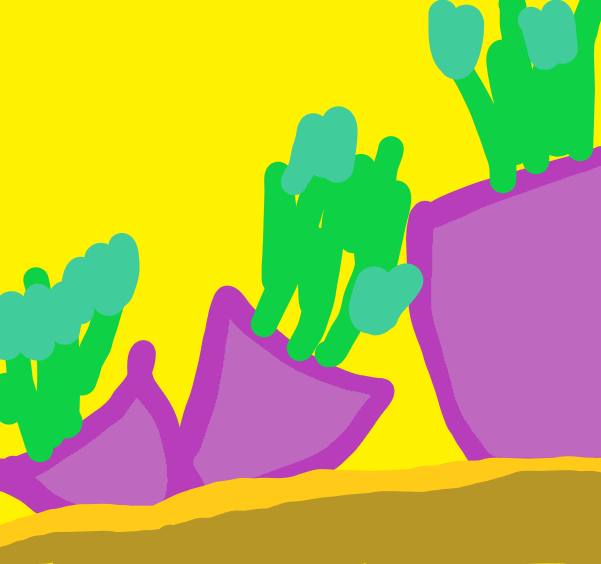
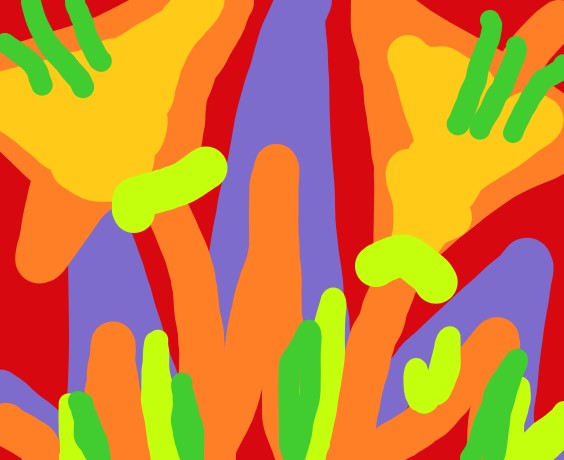
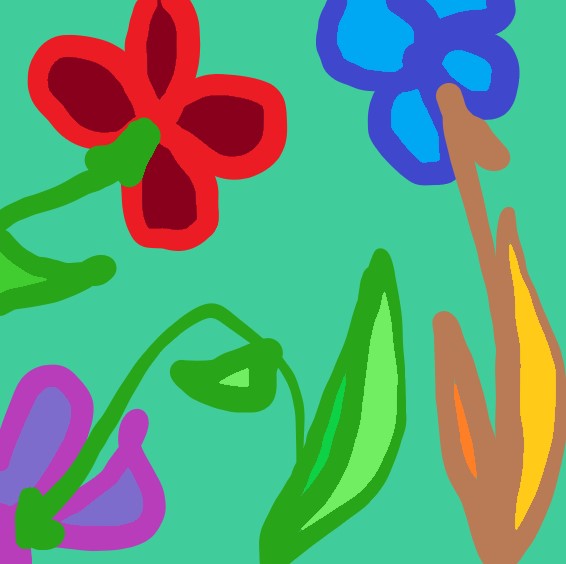

Poetry from J.K. Durick
                Keeping Busy

Something to read, something to write

Even conversations can be planned out

To take up a measure of time, and time

Needs filling. It’s a bitch the way it works.

We wake to it, know something must be

Done or the emptiness will haunt us, will

Remind us that our place in life can easily

Be filled by others. “Busy” seems like a silly

Word, something our parents and our early

Teachers would say when they’d notice us

Slacking or preoccupied with the nothingness

That naturally surrounds us. “Get to work”

Became a slogan we turned into this bit

About needing something to read or write

Something to mark the time, to eat up time

Before it eats us up and spits us out.


           Time Spent

Retired people go on vacation

Trying to remember what it’s like

To need time off

To need time away

But for them

Time off has become a constant

And time away seems odd when

There’s so little left to get away from.

Retired people vacation

Trying to forget

What all this time off

And all this time away

Are leading to.


           About Place

Home game or away

It’s all in how

You play.

Walk down a street in NYC

Let’s say

Or in Buenos Aires

Both are big apples to chew on.

Then walk down a street

Any street

In Winooski or So. Burlington

And feel the difference.

Big apples or small

It’s all in the way you play it –

Big screen or small, big stage

Or just down the hall.

It’s all in the way you walk

And talk about

Being there or anywhere.

It becomes home or away

In what we say

About it.
Essay from Munavvar Boltayeva
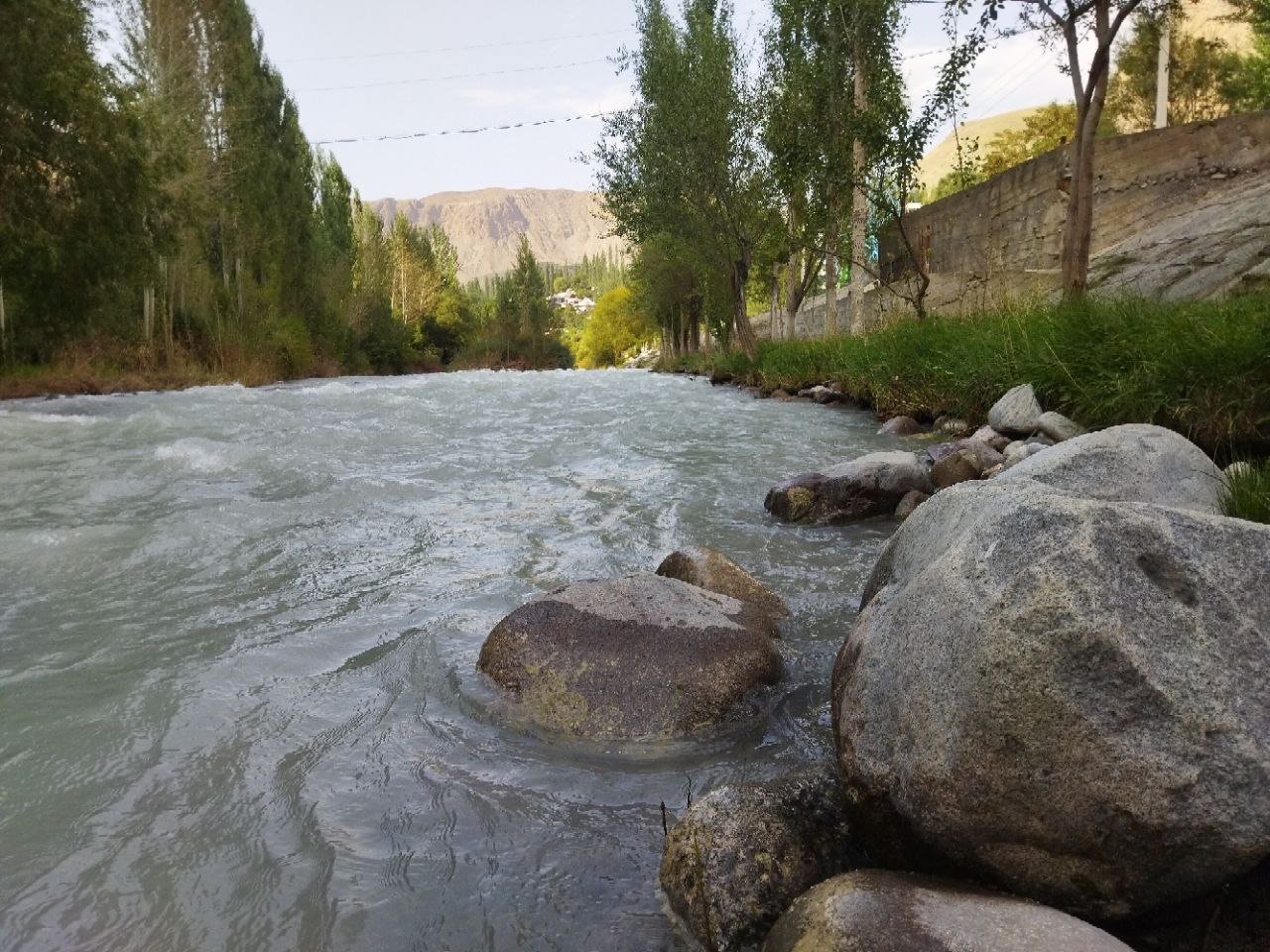
Shakhimardan Creeks
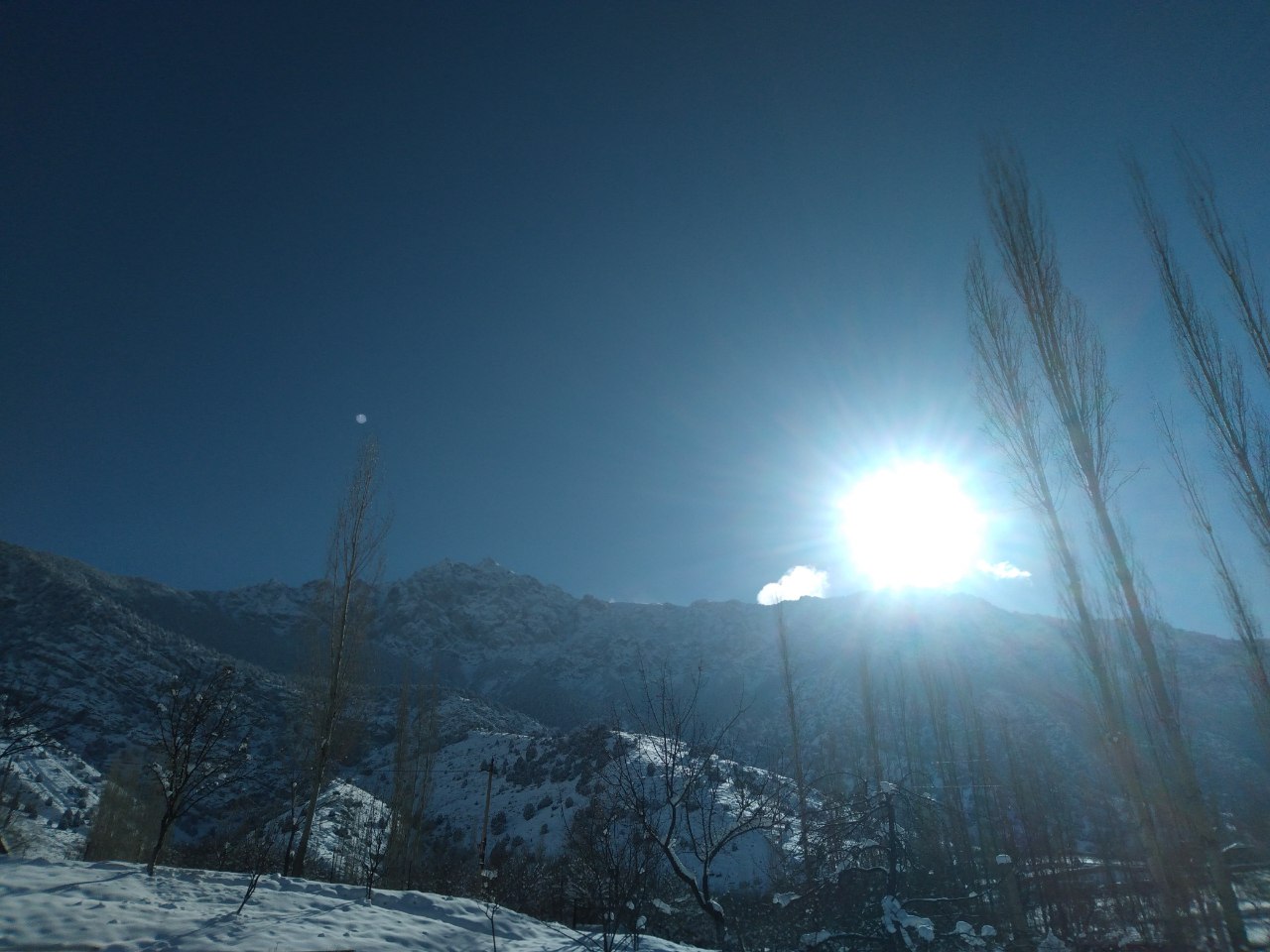
This beautiful, peaceful place, called the Switzerland of Uzbekistan, is located in Fergana district, Fergana region. I live here now. Fresh air, tall and majestic mountains like the sky, streams flowing as clear as the sky, white clouds floating over your head, in a word, a real work of art. A real view of nature that has not yet been touched by human hands. If I talk about people, they are very polite, kind, hospitable and sincere people. Let’s not forget a very big definition, the people of Shakhimardan are real hardworking people.
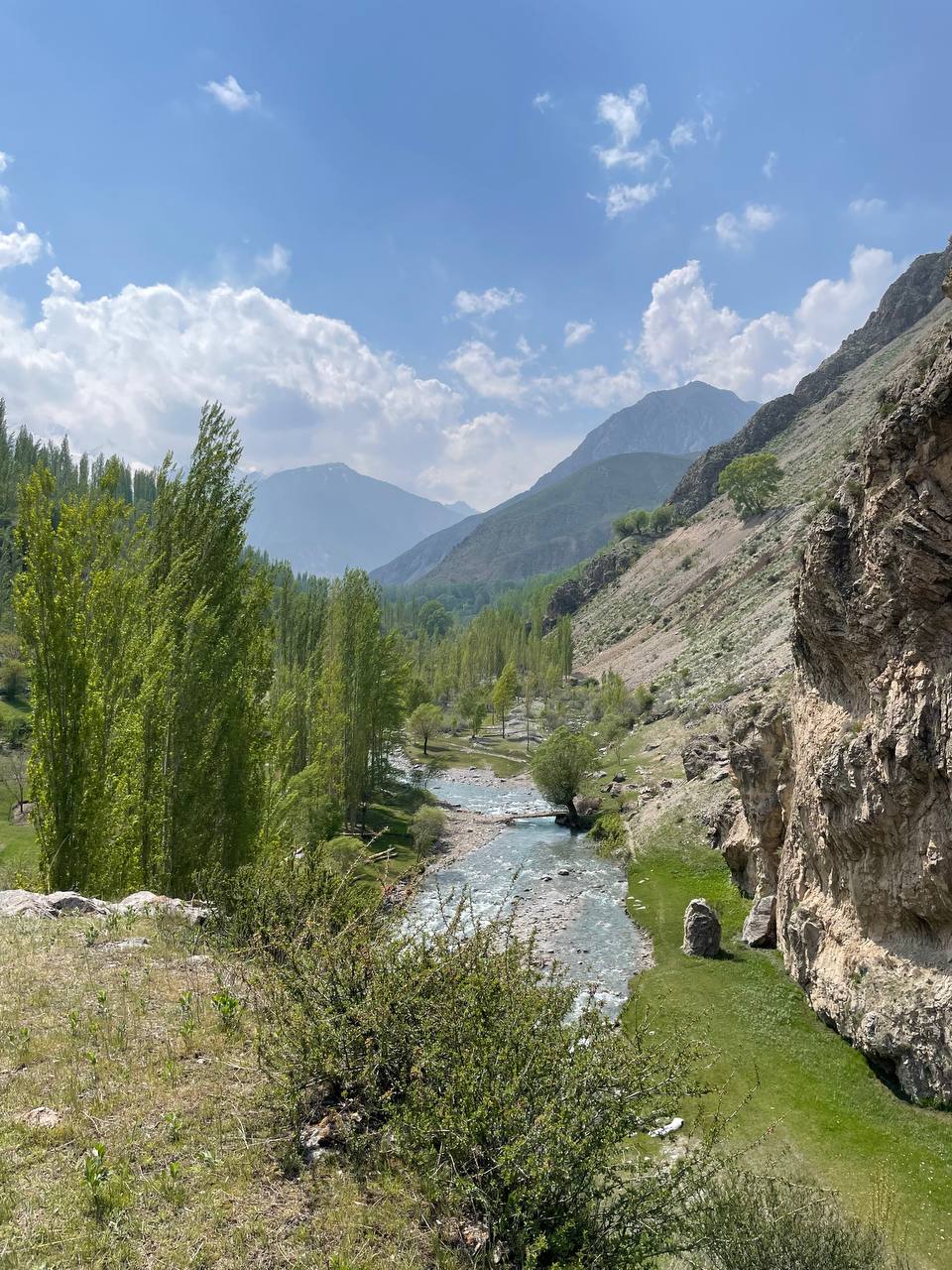
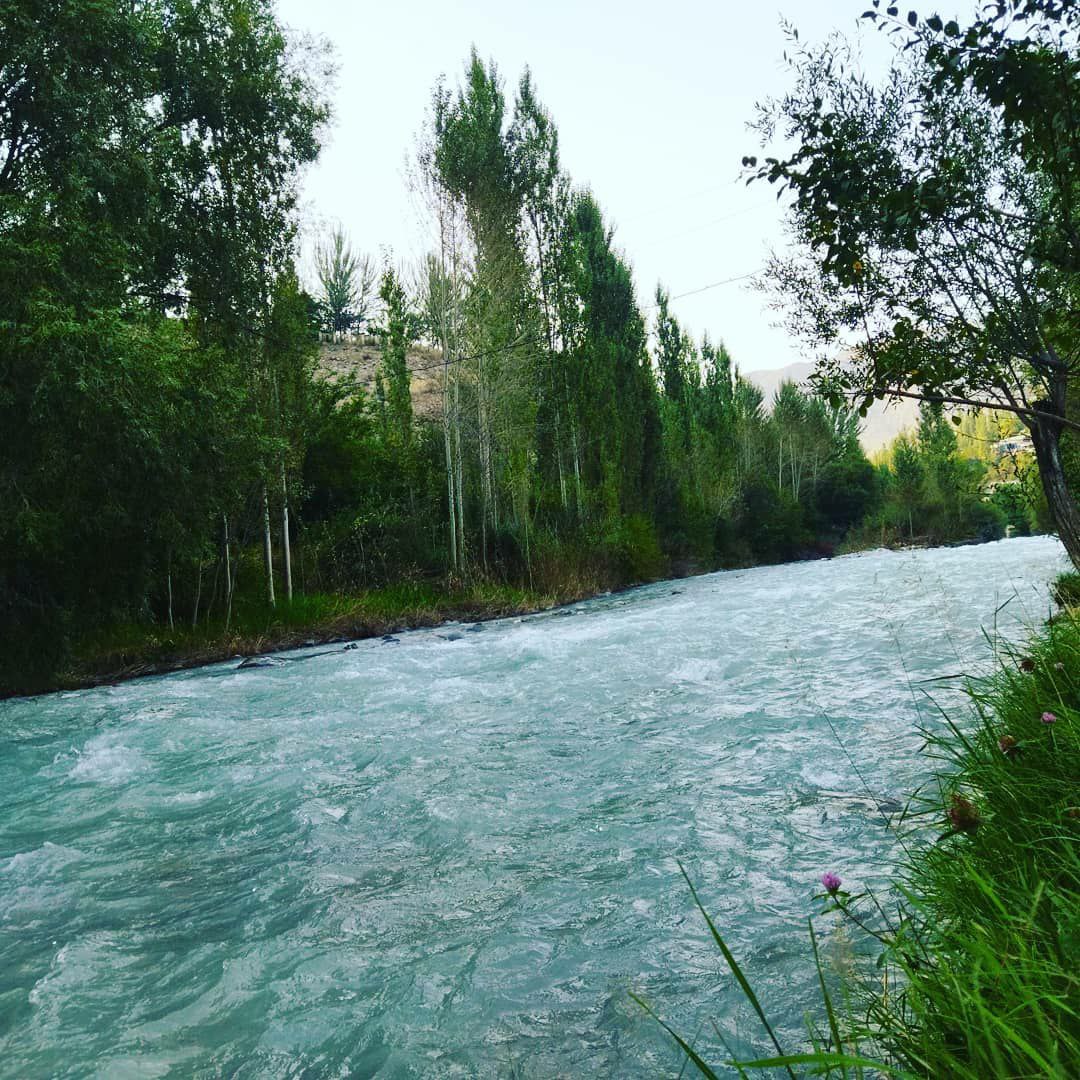
Cozy houses have been built in the lap of the high mountains. These houses are not luxurious, but they are houses with a different kind of love. Apples are ripe right now. It is obvious only to the person who eats how sweet and beautiful apples ripened in this fresh air. Shakhimardon is a real jewel of Uzbekistan. It’s hard to reach a destination. The reason is that it is possible to enter the territory of Uzbekistan after passing through the territory of neighboring Kyrgyzstan.Two streams flow through this village. One is AKSOY and one is KOKSOY. It’s the same as a twin, but one is white water and the other is dark blue water. Look what a miracle. The water flow is also great. Hitting from stone to stone, it fascinates with its noise. If you drink it, it is healing, if you wash your face, it is healing.
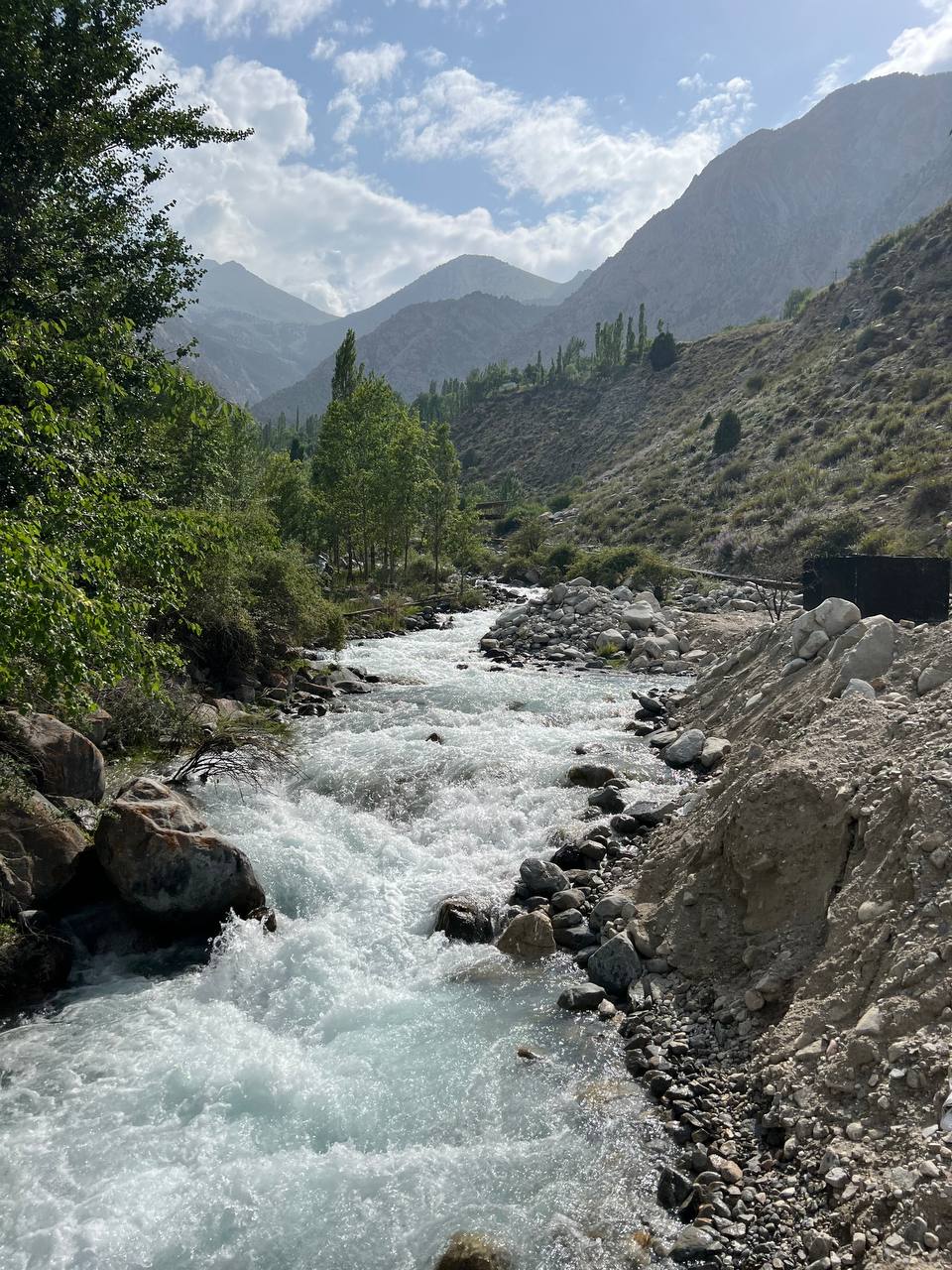
Regardless of the season of the year, the temperature of the water in the stream is the same as the melting of the ice. In fact, this is how the snow in the mountains of Shakhimardan melts and turns into a stream. The same snow water but two different colors in two streams. This is a masterful line of nature. Bathing in the water of this stream even in the hottest part of summer is a real feat. Ice cold water freezes your body in one go. You can have a good time on the banks of the river. I saw a lot of guests and tourists who appreciated their lives. You will not be able to fall in love with the sound of the river.
Everyone who comes to Shakhimardan will not leave without seeing the Blue Lake. This is also a real miracle. After climbing a few passes and crossing many roads, one can see the real beauty. This lake is surrounded by mountains on all four sides. It surrounds the lake like a guard that can protect it. This point helps to forget even the highest fatigue of a person in one pass. Neither sorrow nor sadness comes to mind in front of this beauty. Just enjoy watching. Places where your heart rests and your soul rests. The coolness that hits your face while sailing on the ships is relaxing. You will be relieved by shouting out loud.
The sound of your pounding from mountain to mountain echoes very loudly. I already liked this village. There is no desire to leave, no opportunity to stay. The field of herbs here is useful herbs, and the meat of the sheep and lambs that eat them is as tasty as herbs. Fresh air is a cure, water is a cure, herbs are a cure, like a hospital where there is only cure for a person, but the doctor is nature. If you hug the trees, they won’t fit in your arms. Strong trees, as tall as the sky. Finally tall trees. Fruit trees are also tall. The soil is stony, but only rural farmers know how to grow crops.
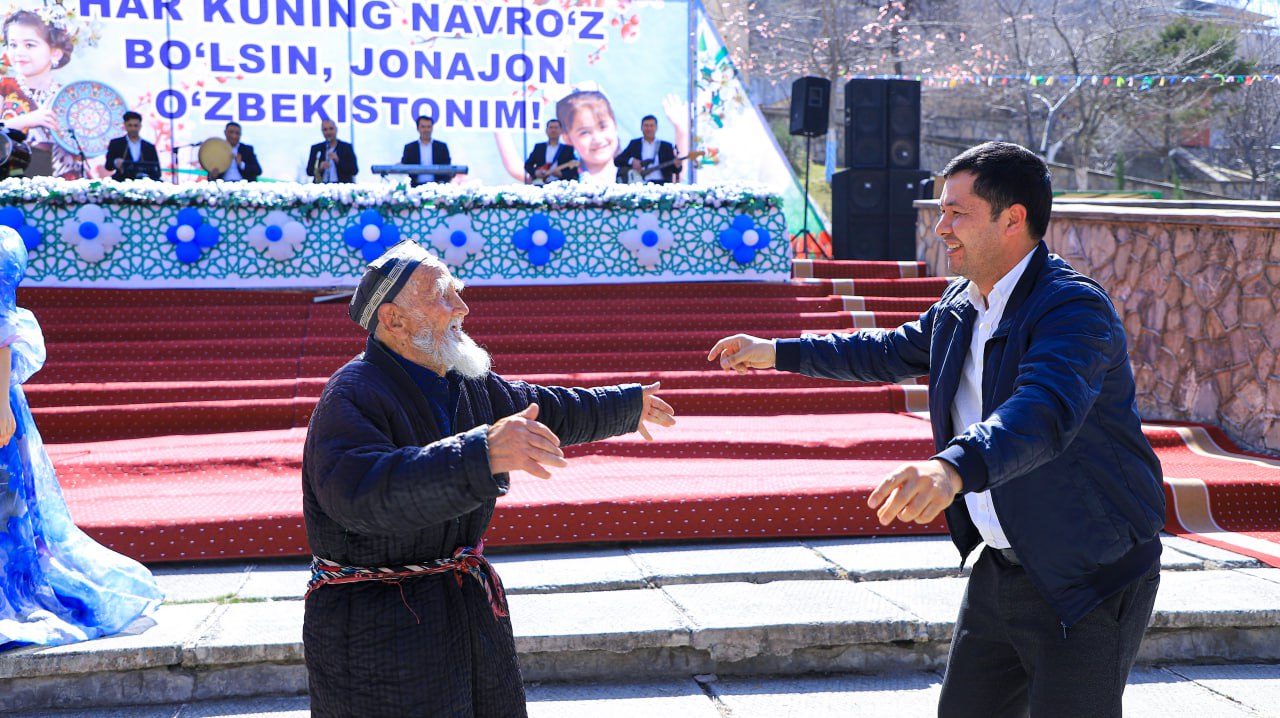
Travel gives knowledge to a person. I became aware of our distant history from here. Several centuries ago, women covered their faces with burqas. At the time of transition from era to era, Hamza Khakimzada Niyazi came to the village of Shakhimardan and told women to throw away the burqa covering their faces on March 8. It empowers women that women also have the right to live freely. 13 women throw this Paranji in Shakhimardon and many events take place on that day. Some of the women are killed by their own husbands. There is a museum called Niyazi in Hamza Khakimza, which talks about this. This man has done many great things in our history. He opened schools to teach children to read and write. He also made a great contribution to Uzbek art. He taught women about freedom and that they too are human.
But it is a pity that this great man’s life ended in the village of Shakhimardan. The representative of our great history, who came here to share knowledge and enlightenment, was thrown into the precipice lying in the majestic mountains of Shakhimardan by a storm of stones saying, “He is leading our women astray and showing them a bad path.” will do. Shakhimardan is the place where historical Hamza Khakimzoda Niazi reached and ended. Of course, this was several centuries ago. It is a historical, beautiful and healing village.
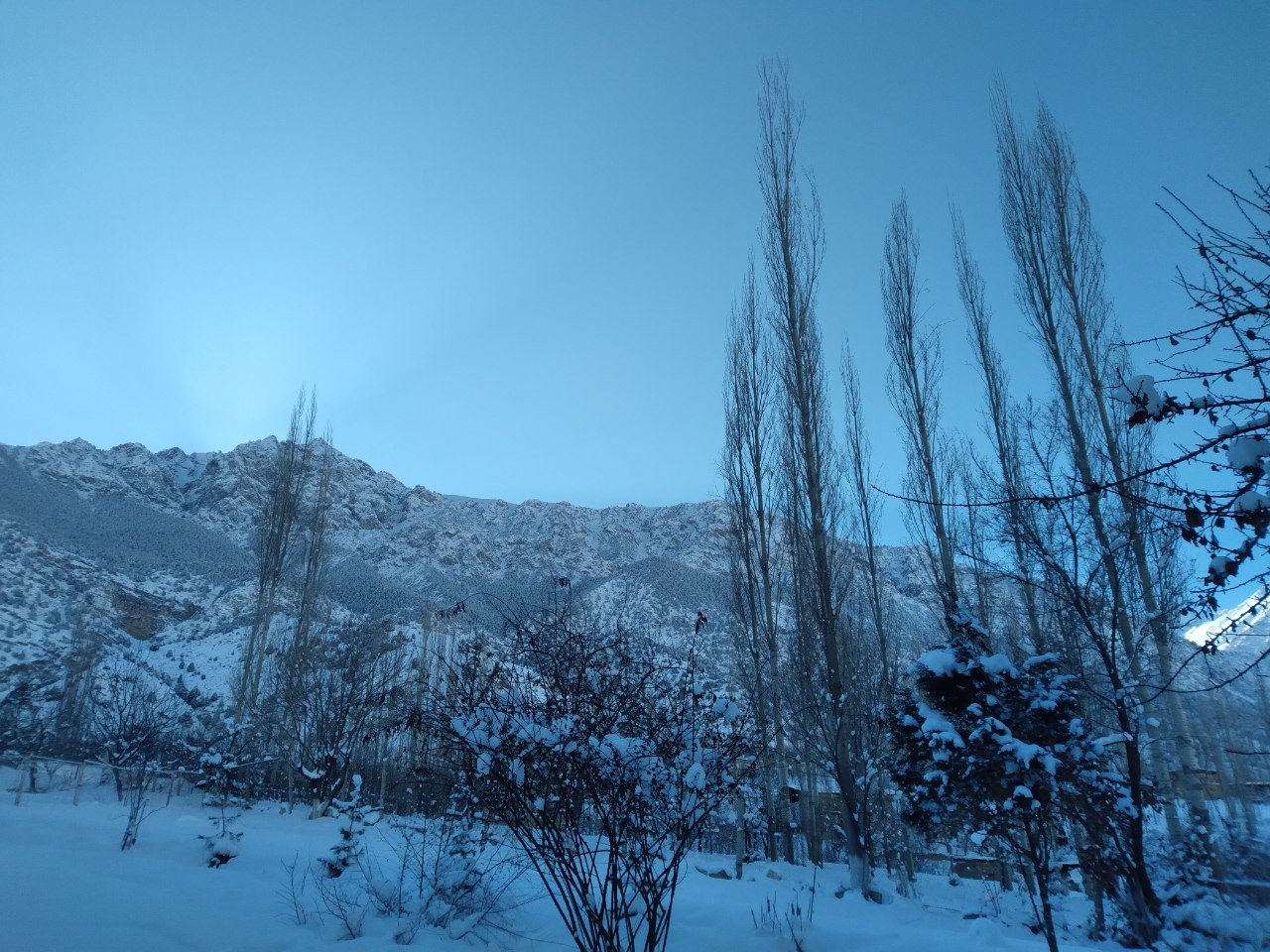
There is a place called Archa Mountain. You will go out towards the top of a high mountain, you will be accompanied by firs, in front of tall firs, a person will become a small creature. At every step, springs and flowers offer themselves to you. There are many very useful products. Cumin, cumin, deer grass, that’s all I know. But real Shakhimardan adds 10, 15 to it. The chill of summer is also wonderful. In the morning, the sun shines, and in the afternoon, a dark cloud comes and suddenly it rains and rains. It is interesting that the snow on the top of the mountain does not melt in winter and summer. We used to sing this song when I was young. He said, “The snow does not melt in the mountains of Shakhimardan. If I call him from behind, he will not look.” Many years later, I live in the village where these songs were sung. Even if I leave here, I will still miss the village of Shakhimardan for many years…

Synchronized Chaos Mid-February 2023: Literary Browsing Experience
Welcome to February’s issue, the Literary Browsing Experience.
First of all, Synchronized Chaos stands with all those affected by the recent earthquakes in Turkiye and Syria. We encourage all who are able to contribute to the relief efforts, which you may do through the Red Crescent or other worthy organizations.
Also, please come out to Synchronized Chaos Magazine’s in-person event, held during the Association of Writing Programs’ conference, Thursday March 9th at 6pm at Ada’s Technical Books in Seattle.

During the pandemic many of us came to miss browsing in bookstores and libraries. The experience of scanning and flipping through books that we wouldn’t ordinarily order for ourselves, but which catch our eye and we find ourselves fingering, flipping, reading, and then checking out and buying.
This reading creates an ‘audible browsing’ experience by presenting readers who are published authors in a variety of genres. This includes mystery, romance, poetry, memoir, drama, literary and international fiction.
Also, our friend and collaborator Rui Carvalho reminds us about our Nature Writing Contest for 2022.
This is an invitation to submit poems and short stories related to trees, water, and nature conservation between now and the March 2023 deadline. More information and submission instructions here!
Now, for February’s issue. We’re experiencing a visual browsing experience right here in our magazine, perusing pieces of different genres and styles in this combined issue.
Farok Faisal encourages us to cultivate our lives as if they were gardens.
Jeffrey Spahr-Summers’ poetic speakers seek both liberation and sanctuary, and he highlights ordinary life into signboard-esque posters in his photography.
Z.I. Mahmud highlights the role of kindness in Homer’s Odyssey, while Rakhshona Akhmedova poignantly celebrates a friend’s kindness to her puppy.

Laura Stamps explores the potential and the limits of the human capacity to forgive, while Taylor Dibbert expresses the hope that can come through simply moving forward with one’s life.
Obirija Somtochukwu speaks eloquently about the nature of grief and of wanderlust. Aasma Tahir contributes elegant prose on love, nature, emotion and Romantic literature.
Gaurav Ojha urges us to live with a balanced perspective, while Osieka Osinimu Alao finds an entire cosmos and all of human history within his solitary bedroom.

Ari Rice imagines himself existing simultaneously as people of different ages within a single photograph, while Gerry LaFemina waxes nostalgic about the Beatles. Richard LeDue draws on artistic metaphors to highlight our mortality and the brevity of our lives.
J.J. Campbell probes how much we can truly change through the generations, what we keep and what we can hopefully leave behind. Nahid Gul celebrates the joy of sharing writing with the generations who come after us. Starlie Tugade relates the thoughts and feelings of a young immigrant woman reflecting on the lessons of her past. Emmanuel Umeji urges youth to learn from their elders and not be cocky about growing up too fast.
Daniel De Culla talks of aging in his signature earthy, physical way. Ian Copestick finds a form of faith in the renewal of blossoms in the spring, while Mesfakus Salahin speaks of the spiritual renewal he finds in nature.
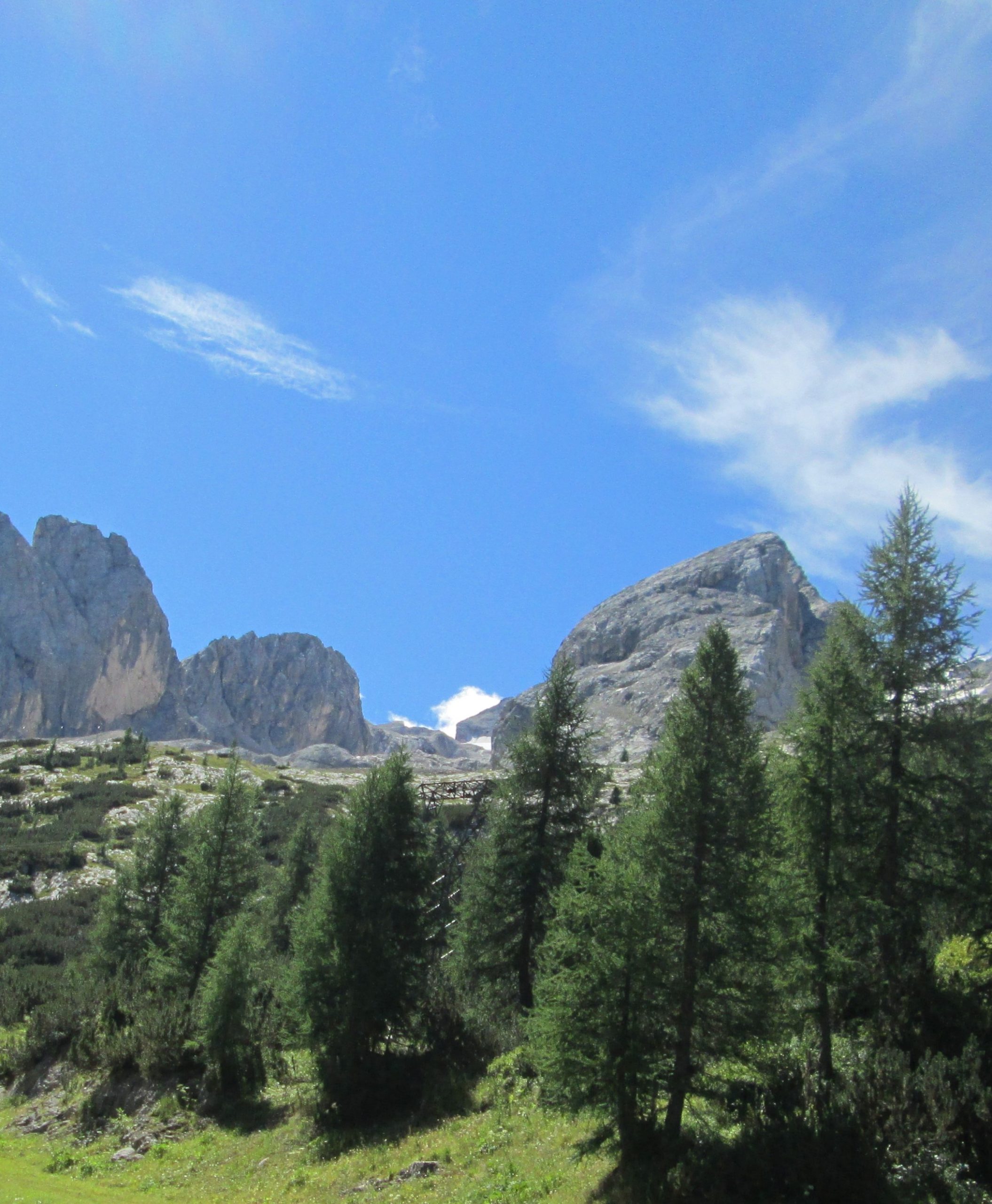
Channie Greenberg captures horses at gentle moments of contemplation. Mahbub Alam writes of the power of the natural world to restore our perspective when we get caught up in human stresses.
C.L. Liedekev speculates on his and humanity’s future as he looks into water. Will we be devoured by sharks or simply drift away along the river?
Maurizio Brancaleoni renders a tourist’s visit to Italy’s historical relics into its own form of art, while Petro C.K. harnesses predictive text to process human history and nature. Andrew MacDonald turns to state parks as a metaphor for the well-meaning desire to preserve some of our ceaselessly changing world. Ryan Quinn Flanagan contributes his signature humor to probe our human condition and frailty.
Irene Koronas forges poetry as if it were metal in a blacksmith’s foundry. Daniel Y. Harris probes Wittgenstein’s philosophy as if Derrida were a hacker presenting his ideas through malware. J.D. Nelson crafts phrases to highlight our often fragmentary, incomplete and mysterious view of our worlds.
Alan Catlin crafts his words and sequences in a logical order known only to himself, while Jim Meirose renders a visit to the barber as a surreal experience. Mark Young sculpts a papier-mache work out of “found words” from his environment. Joshua Martin scrambles fragments and ideas into their own form of meaning.
David Woodward questions whether human justice systems can ever reach the truth, while James Whitehead presents American political satire through dreams and waking reveries. Sevara Gapporova recommends fresh ideas for restitution and rehabilitation within Uzbekistan’s justice system.
Chris Butler speculates about a dystopian future where human thought and connection become obsolete.

John Edward Culp’s poetic speaker harkens to the voice that matters to him after quiet contemplation. Christina Chin and Uchechukwu Onyedikam finish each other’s sentences in a set of seamless collaborative haikus.
Don McLellan presents a humorous story of culture, intrigue and domestic investigation among South Asian immigrant communities in Canada.
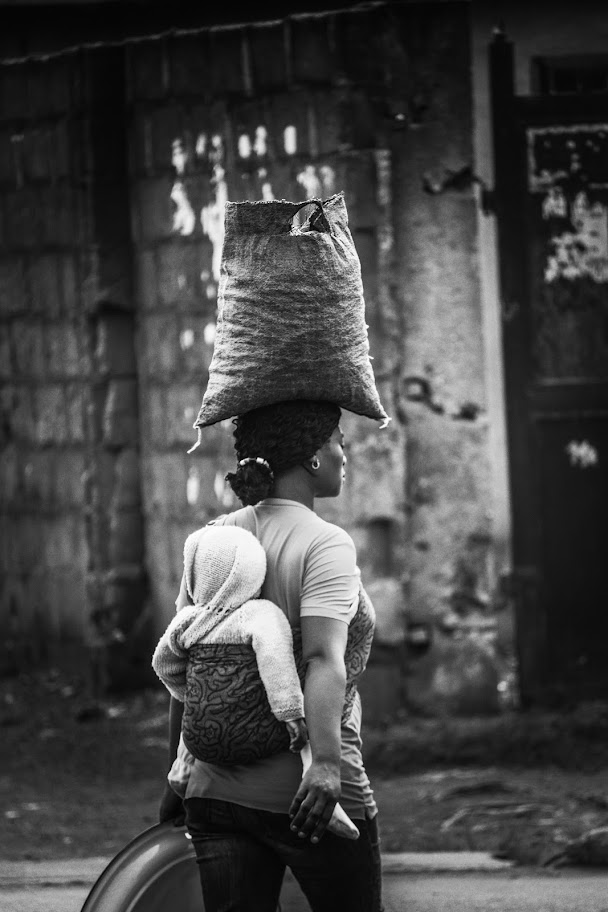
Caleb Ishaya Oseshi presents snapshots of Nigerian city life, people of various ages and genders, all with energy and determination.
Roodly Laurore bears witness to the current violence and tumult in Haiti.
Sandro Piedrahita draws parallels between modern-day political leaders and Shakespearean antiheroes to lament the perennial tragedy of our quest to oppress and dominate others.
Chimezie Ihekuna evokes the physical bliss of romantic attraction in his song lyrics. Ajibola Aljanat speculates how romantic love holds the power to both elevate and destroy humanity. John Tustin renders the grief of losing one’s love, faith, and home into words that dissolve on the page, along with the speaker’s identity and sense of self.
Joseph P. Wechselberger captures the surreal beauty of being caught up in the moment of poetic creation.
Sayani Mukerjee’s poem grants dignity, grace, and beauty to domestic chores. Natasha Leung explores a young woman’s quest for beauty, rendering shaving leg hair as a poetic way to reach softness and grace.
Aloysius S. Harmon acknowledges that boys and men can grieve and feel emotions deeply. Chloe Schoenfeld draws on the language of yesteryear to convey empathy for another’s grief.
Film critic Jaylan Salah describes director Quark Henares’ film Where Is the Lie, a psychological thriller that explores the depths of friendship and gender identity.
We hope this issue is enjoyable and thought-provoking for all.
Poetry from Irene Koronas
NHC II,3
Bundle the mimic
Panoply. circa 1637.
Pan magi urges
the hieratic fast
Glitzy doppelgangers
warhole the coin cidence
and skip the eye
Our asthmatic companion’s
paranormal apology. Sold for
a nickel. The decamass
takes cadmium heads
without a trim
We leap on inferences,
the refine nothing,
the tartuffery twist
A citadel of phototex
A citadel of latex
A citadel of profolaktex
snapshots rescue us from buffo
The thresh held to a tripod,
a joke with frogs.
2
Latituderation injures
the baggy drivel,
the same spit on purp
fakes a dialectjour in pose.
A hiccup castigates
that dull dichotomy
that dull cantata
Messianic purits
ban scrid, and hung tongues
to increase assitude
Paragonic sputters
the squat pastiche
reeks solipsism
3
Triptych occupies itself
in a fake hinge
in a faux link
The zero amp tight
A cylinder cataract dogma
tames the spread fixed
in reverse,
an instability from every flat
tumble. The gut fears sight
4
Tempo the average meta.
Petronius is untranslatable
because elegantiarum is a canard
to profligate a voluptuary speed
A science in quo allur, the plausi
representationincisions the vain
play. A broken fluorspar dippers
the table with two hims, a ragment
5
Under a pillow, Aristophanes
hides the attic wasp. Lysistrata
loses the slander chorus
and Didaskalos habits
an errand return
Irene Koronas’ gnōstos, Volume VII (manuscript) of the Grammaton Series is an unanguagic, hyper-minimalist écriture, melding its aporias with a mix of staccato posthumanism and The Nag Hammadi Scriptures.
Irene Koronas is an extreme experimentalist. Her Grammaton Series includes siphonic, Volume VI (BlazeVOX, 2022), lithic cornea, Volume V (BlazeVOX, 2021), holyrit, Volume IV (BlazeVOX, 2019), declivities, Volume III (BlazeVOX, 2018), ninth iota, Volume II (The Knives Forks and Spoons Press, 2018) and Codify, Volume I (Éditions du Cygne, 2017). Her extreme experimentalism has been published in Alligatorzine, BlazeVOX, The Boston Globe, Buzdokuz, Cambridge Chronicles, E·ratio, Marsh Hawk Press Review, Offcourse, perspektive, slowforward, Taos Journal of International Poetry & Art and Word For/Word. She is the Publisher of Var(2x). Her website is irenekoronas.com.